开茅山宗--陶弘景(3)
3、开茅山宗--陶弘景(3)
原创 杨子 道藏研究 2021-08-10 14:22
接上文,接着介绍陶弘景的故事。
......
陶弘景寻得了真迹好书,就越发向往茅山,挂冠后(即辞职后),真的就去茅山隐居修道了。
茅山,原名句曲山,因汉代,陕西咸阳的三茅真人茅氏三兄弟(大茅、中茅、小茅)隐居于此,建三茅道观,此山更名为三茅山,简称茅山。东晋时,茅山人葛洪(283-363年)在茅山抱朴峰修炼,著成《抱朴子》,这里就成为化学炼丹的重要基地。364年,杨羲、许谧、许翙在此著《上清大洞真经》,创立了道教新派---上清派。所以茅山被道家称为“上清宗坛”,还有“第一福地,第八洞天”的美誉。茅山道教,奉茅氏三兄弟为祖师,尊魏华存为第一代太师,杨羲为第一代玄师。
说到这里,我忽然想,不知现在茅山有没有炼丹场所的还原展示。那些道教名山若是能将古人炼丹的场景实况还原,一定是很好玩的吧,体验感最能增强理解了。古人炼丹是很辛苦的,条件限制,是非常不容易的,那是我们国家化学实验的积累过程。关于这些,在后面的“炼丹艰辛”一节中,我会介绍。
去年我曾去福建霞浦的葛洪山去寻找葛洪的炼丹旧址,很想了解古人是怎么炼丹的。在当地领导的指点下,居然找到了。详细的过程记录了下来。插在了哪篇文章中,或者有没有发出来,已不记得了。
《真诰》云:大茅、中茅相连,长阿中有连石,古时名为积金山。其处宜人住,可索有水处为居室静舍。乃住,快可合丹,以修上道也。乃於岭西立华阳上下馆。
大意:陶弘景在大茅、中茅交界处,选了一个有水宜居的地方盖了住所,道家称清心居住的地方为“静舍”,称打坐思考或冥想的房间叫“静室”。陶弘景居住的地方两处建馆,因分工不同,被称为华阳上、下馆。
《登真隐诀》云:上馆以研虚守真,下馆以炼丹治药。
上馆是他“研虚守真”的地方,即研究学术和思考的地方,书房;下馆主要是“炼丹治药”,就是他的化学实验室。也难怪他必须得离开朝廷到山里去。清虚守静也好,炼丹治药也好,都不可能在朝堂或世家环境下完成。非得世外环境方可,也是世我两便的法子。比如,火药,是道士在炼丹时发明的,这对世界科技是极大的贡献,但同时也可以想像炼丹的危险性。现代社会条件好多了,在城市里的高楼里,也可建立一般的实验室了。(有些实验室也还是不能放在城市,而是要偏远的地方)。只是现在丹学家不叫丹道人士了,他们被称为化学家或药学家,或统称为科学家。在古代,统统被称为丹士。化学实验统称为炼丹。
陶弘景不是上清派的创始人,但说成是茅山宗派的创始人、核心人物并不为过。
《集卷》云:有人遗红丝被,先生责而还之。
在茅山期间,物资方面自然不如在京为官时那么充足,有人给他赠送红丝被,他“责而还之”,还给别人。不收。
神栖寂泊,精骛玄极。虽萧萧独往,眇眇真贵,而亲旧书驿,远近参同,盖未能抑绝。
这时他过着出世、入世两相得宜的自在日子。在精神层面,他“神栖寂泊,精骛玄极”心灵宁静淡泊,精笃玄极,超然物外,自由自在。正是:
身萧萧而独往,
心眇眇而贵真。
同时,他并非过着与世隔绝的日子,而是社交频繁。通过书信往来,与外界保持密切往来。把他在山中修行的所思、所想、所悟、所得与世人交流沟通。也经常写诗与朋友们相互唱和。而他对世事的预测和推断总是神准,甚至包括多位朋友的生死,他都提前梦到或感应到。并且,陶弘景是个对朋友非常重情又仗义的人,所以他虽不喜欢应酬,但确有深交的挚友。
《本起录》云:尔夕城渍,俣与弟侅逃走向京。……为人所获,死建康狱。人莫敢视,先生哭其尸,躬自收殡。(注:仗义!)
《本起录》云:刘俣既石头奔溃,文章皆零落。先生欲为纂集,竟不能得。(注:德不修则道不存)
大意:陶弘景的朋友刘俣获罪被抓,死在了监狱。亲戚朋友都怕受连累,没人敢去看望,唯恐自己受到的牵连。这就是真实的世道炎凉。唯有陶弘景,“哭其尸,躬自收殡”,对着他的尸体大哭祭奠,为其发殡。而且,还要收集他散落的文章编篡成集。对刘俣来说,人生有这样一位仗义的朋友,没白来世上一遭。而对陶弘景来讲,这就是他最朴素的修行。道家都深信,德不修则道不存,一个人要修道,修德是走在前面的。而我个人一直坚定认为:道德总在学问前。一个人学术能力再强,如果没有德,那必然会有问题。不光做学术,做官、经商等等,都一样。无论一个人在一个领域走到多么高的位置,如果德不行,那跌落下来是大概率事件,这就是“德不配位”。
“明帝即位,深相喜赏,诏劝日至,备安车厚礼迎出居蒋山。先生拒之,乃已。”
明帝三年二月,下诏请他,华车厚礼要迎接他到蒋山居住,他不去。从时间上看,此时陶弘景还没有到茅山正式为道。
“从此使人往来,月有数四,饷赐重迭,随意所求。”
此后,明帝就经常派人来看他,频频赐给他物资金银,随意所求,要什么给什么。后世也有很多入山修道的,为什么没有陶弘景那么有成就呢?物资供应,是一个很重要的原因。
陶弘景之所以可以安静地读书、写作、炼丹等,皆因他有源源不断的物资供应,而且是“随意所求”,这短短几个字,透出了他修道有成的重要原因。不仅明帝,而且后来的梁武帝对他更是恩遇有加,给他的炼丹用的原材料、物资更是应有尽有。
如果入了山,天天吃饭都成问题,一天时间,花半天时间在找吃的,一间破茅屋还透风漏水,天天维修,哪有时间看书写作?还有,炼丹做实验,是个烧钱的事,原材料、工具等,都是需要钱的,这个在后文会介绍。所以,葛洪、陶弘景炼丹成就虽然很大,却不是一般的道士可以效仿的。神仙心态谁都可以修炼和培养,但炼丹所需物资、每天阅读的“万卷书”等等却不可靠变戏法得到,得有强大的物资后盾。
对大道的热爱和执着,每一位道门中人都理解。但并不是每个人都有条件可以迈出红尘去专业修道的。好多年前,我就有出世之心了,一心想到哪里安静地修道,但孩子怎么办?至少要培养到独立吧。场所、物资供应也是一个大问题,这都是现实的难题。于是只好边工作边做研究。每个人,条件不同。
陶弘景真是有先见之明,他选择不婚,就没有必须操心孩子的困扰。也生在一个重道的时代,很容易就得到世人的理解与支持。那是他的运气。当然,他的才华是基础。如果他没有才华,没读过那么多书,对世事没有那么深刻的见解,谁会理解支持他呢?同时,社会认同更重要。南北朝时代,是佛道文化都很盛行的年代,很容易得到社会认同。一个人无职无权,只要德行兼备,勤学深读,社会一样的认可和支持。因为当时流行的观念是:
饭凡人百,不如饭一善人,饭善人千,不如饭一学道者(《真诰》)
意思是,供给一百个凡人吃饭,不如供给一个善人吃饭;资助一千个善人,不如资助一个学道的人。
现代情况不同了。中国道文化,特别是道教的待遇,并不比清朝时好到哪里去。好像佛教化缘是非常容易的,人们大把大把地往寺庙送钱的,都排着队;去到道观布施的,却鲜有人为。在中国这片土地上,一切“外道”(此处无贬义,外道泛指外来信仰)都受尊敬和欢迎,唯中国的本土宗教不受待见。人们经常看到佛教场所“门庭若市”,而很多道院,则是“门前冷落鞍马稀”。正是:
外教遍地开,
唯道不逢春。
道文化的冬天,一下子持续了几百年。终致今日的局面。
没有利益的驱动,从道的人越来越少,研究道文化的人,是几大宗教中,最少的一个群体。我当初阅读《道藏》只是个人爱好,并没有想太多,也没想到渐渐地会越来越专注地潜心这件事。只是多年来的经历,让我一步步意识到了中国道文化的危机。危机到道脉断续……
后来,确实是真的挚爱道家哲学,向往玄门的逍遥自在,以及博大和深远的思想。入道之情深,只是唯心,已无关外界。并且越来越体悟一种奇妙的心境,一如陶弘景描述的那种自得和自信:
玄唱非无期,妙应自有待。
岂谓虚空寂,至韵故常在。
(《真诰》)
……
此种淡然宁静,非亲历不可体味。
“於是便与物顿隔,晨昏供侍一两人而已。潜光隐耀,盖无为而无不为也。所居堂静,榛芜不生。常患去水稍远,至是飞溜涌出,灵芝秀於下馆,甘露被於昭台,毛龟泳於前塘。白鼠见於药屋,皆致真之巨符,瑞圣之丕迩。”
大意:随着陶弘景的修行渐进,他过起了“与物顿隔”的日子,生活越来越简单,越来越清静自守。潜光隐耀,朴素自然。此段原文中说他居住的环境实在是清雅幽静之地,但“白鼠见於药屋”这句,让我感觉很异样,是说他的生活环境属于原始状态吗?自然到都生老鼠了?种种文献表明,那不太不可信。是在他的药房,而且是白鼠,那么是他实验用的吗?那时候就用小白鼠做实验了?若是真的,那他的丹房和实验室可了不得。这种思路我自己也觉得荒唐,因为从本段的行文来看,这是在描述一种纯自然的状态,灵芝、甘露、毛龟、白鼠这几样,在那个年代,“致真之巨符,瑞圣之丕迩”,都是自然灵性之物,代表着修真至道达到了一定的程度,是备受遵奉的献瑞之象。葛洪在《抱朴子.内篇.对俗》中说:“鼠寿三百岁,满百岁则色白。善凭人而卜,名曰『仲』,能知一年中吉凶,及千里外事。”那这就得到了印证。
但我却由此想到了陶弘景对化学、生物学的研究成就是有明确记载的,比如,梁武帝送给他黄金、朱砂、雄黄等原料,让其炼丹。他在山中二十多年坚持炼丹实验,经历了无数次的失败,但过程中掌握了许多化学知识,积累很多经验。包括﹕汞可与某些金属形成汞化合物可以镀物。
陶弘景还做了世界化学史上钾盐鉴定的最早记录,他记录了硝酸钾的火焰分析法:“先时有人得一种物,其色理与朴硝大同小异,朏朏如握雪不冰。强烧之,紫青烟起,仍成灰,不停沸,如朴硝,云是真消石也。”所谓“紫青烟起”是钾盐所特有的性质。
再如,陶弘景关于生物学研究的案例,关于的蜾蠃和螟蛉故事:
《诗经》里说:“螟蛉有子,果赢负之。”
自从《诗经》里如此记载,中国人就一直相信螟蛉是被果蠃抱养的。
“螟蛉之子”,或“螟蛉之女”,指的是非亲生子女,是抱养活的,或是情认的义子义女。这在不少文 学作品中都有描述,如:
《三国演义》中,刘备的长子刘封,其实是抱养的。很勇猛,战功卓越。关羽败走麦城,曾向刘封和孟达求救,刘封念叔侄之情,要去救关羽。但是,孟达劝刘封说“他是你哪门子叔叔啊,当初,汉中王准备立后嗣,将军你是长子,关羽却说你是‘螟蛉之子’,抱养的,不能立”。于是刘封最终没发援兵,关羽被东吴擒获,死了。后来,诸葛亮建议刘备把刘封杀了,一是为关羽出气,但更主要是为刘禅扫除后患。
在陶弘景之前,中国人一直相信《诗经》中记载的是事实,总以为蜾蠃真的抱养螟蛉为后代。是陶弘景的疑古和科学精神,解开了这个迷。
陶弘景不相信蜾蠃无子,决心亲自观察以辨真伪。他找到一窝蜾蠃,发现雌雄俱全。经认真观察,他发现这些蜾蠃是把螟蛉衔回窝中,用自己尾上的毒针把螟蛉刺个半死,然后在其身上产卵,把孩子寄生在螟蛉体内,把螟蛉作为后代的食物,蜾蠃原来是寄生蜂,不是有善心的养父母。
但是,陶弘景的这一发现,并不为中国的知识界所知。多是因为清入关后对中国道文化的抑制有关,因为凡是道家文章,基本上得不到重视。也与传统上只重科举,不重科学的教育模式有关。
就连鲁迅先生,那么一位读书极广博的人,而且还是学医的,居然也不知道这一医学揭秘是中国南北朝时期的医学家陶弘景,他还以为是法国的昆虫学家发勃耳(即法布尔,Fabre)揭秘的。
鲁迅先生记录的关于蜾蠃和螟蛉的故事,倒是很有趣:
老前辈们开导我,那细腰蜂就是书上所说的蜾蠃,纯雌无雄,必须捉螟蛉去做继子的。她将小青虫封在窠里,自己在外面日日夜夜敲打着,祝道“像我像我”,经过若干日,――我记不清了,大约七七四十九日罢,――那青虫也就成了细腰蜂了,所以《诗经》里说:“螟蛉有子,果赢负之。”螟蛉就是桑上小青虫。……
但究竟是夷人可恶,偏要讲什么科学。科学虽然给我们许多惊奇,但也搅坏了我们许多好梦。自从法国的昆虫学大家发勃耳(Fabre)仔细观察之后,给幼蜂做食料的事可就证实了。(鲁迅《春末闲谈》)
或许只因为陶弘景是道士,所以他的著作不为清朝主流教育所熟知。
清末民初那一代接受过西学的人,绝大多数提起我们民族的传统文化,跟仇敌似的,要全盘西化。以致于造成民族文化一百年的不自信,到现在想要恢复传统文化,都很艰难。其实也不能怪他们太多,因为他们接受了西方教育,读到了西方科学的发达,他们觉得中国的文化中,就是缺少“民主和科学”,所以这两个名词就成了新文化运动的精神和口号。要烧掉孔家店,要取缔汉字,消灭中医、消灭道教、消灭一切封建礼教等等。对此,钱穆先生曾呼吁国民,要对本国的历史文化存有“温情和敬意”,这在当时是非常珍贵的态度,但钱先生所维护的只是儒家为主,对于其他门派并没有太深的感情和学术上的基本公平。但他能毕生整理我们的国史,已非常令人敬佩。
我只是遗憾民国时期的学者们,基本忽略了对中国道文化的研究,所以造成了道文化的断代。清王朝抑制道文化,因为他们是满族,文化基因不同,为维护统治需要,尊儒抑道的政策可以理解。但民国的学者在整理国故的学术运动中,不约而同地放弃了道文化,实在是非常遗憾的事。虽然有顾颉刚先生、鲁迅先生等也提到了道文化根基和博大作用,刘文典先生研究《庄子》和《淮南子》,等等,但总体讲,民国学术中道文化成就真的不多。
蔡元培先生到处物色各门学派的学术代表,不拘一格用人才,北大的某些教授,当初对自己所教的课程并没有太多研究,他们是边教学边研究的。这说明蔡元培先生的开明和开放。但为什么,道文化没能象其他学科一样复兴,我至今尚没有得出相对确实的结论。多是因为缺少数量足够多、或研究道文化足够深的导师吧。更主要的还是那个时代原因。
这可能与阅读道家书籍可能更困难些有关。国学大师楼宇烈说他《道德经》只能读懂四分之一,四分之三读不懂。他说这不是什么丢人的事。他说自己读不懂《庄子》,去请教冯友兰,但冯友兰说他本人读《庄子》,只能读懂三分之一。
说来说去,还是满清时代的抑道政策,让学界对道文化太陌生了。要是在唐朝,情况就完全不一样。唐朝的政策是:
武德八年,李渊正式颁布《先老后释诏》:
“老教孔教,此土先宗,释教后兴,宜崇客礼,令老先、孔次、末后释。”
李渊在诏书中明确规定了三教的次序:先道、次儒、末佛。并制定了大唐奉道教为皇家宗教的崇道国策。唐朝的国君给三大信仰排序,引导国家精神领域,道家哲学被奉为至尊首位的信仰,道教被立为大唐国教。中国人总以大唐为荣,但只是研究政治、经济政策,总不重视信仰、精神领域的这一政策。总忽略当时的国教起到的教化和开启民智的作用(汉朝也是类似,汉初以道家思想治国,才有了“文景之治”的盛世局面)。在唐朝,只要识字的,没有读不懂《道德经》的,因为《道德经》被列为科举考试必考内容。这是政界、学界研道的情况。而在宗教界呢?自然更加重视了,
朝廷规定:“道士通《道德经》者,给地三十亩”。
不要说在唐朝,就是现在,“通《道德经》者,给地一亩”,你试试?全中国人民不说立即都成为哲学家,至少不会出现满屏失去思考意识和独立判断能力的脑残粉。《道德经》对一个人智慧和启迪,非深读、精思后不可理解。
再回到民国,若是他们那批学者中,有少部分人把道家书籍读一些,恐怕情况就有所不同。我想这可能与他们小时候接受的私塾教育以儒家为宗有关。他们那一代人,总体讲,格外的崇信西方。作为后人,我们不能求全责备于前人,因为每个人生活的时代不同。个人的力量,在历史的洪流中,太微弱了,微弱到如尘埃一样。
总体看,过去的一百年多年,特别是最近的三五十年,中国社会相对崇尚西方。为什么在科技方面那么崇尚西方?因为我们不了解自己民族的科技史。现在大部分的学科分类,都是建立在西学之上的。这是西学的优势。如果要整理中国的科技史,《道藏》是必须的本底材料。只是我们还没有来得及整理,白话文运动已进行了百年,年轻人越来越少地能阅读文言文和繁体字了,所以,知道《道藏》的人越来越少,读的人就更少了。但我相信,总有一天,《道藏》会被列为国家工程去开展的,因为要科技自信,需要整理本国的科技史、思想史,而中国科技史资料最齐全的图书,便是《道藏》。
未完待续……
照例,两首道情,送给你:
《登仙》
碌碌风尘数十年,双眼看尽万山烟;
一屋素书藏经略,三生道情付七弦。
清茶蔬果知真味,炉香静坐小神仙;
我今欲登仙界去,不问红尘饥与寒。
YZ.2021.8.4
《陶弘景练丹》
自从昔年结道缘,心心念念做神仙;
一朝挂冠辞禄去,毅然决然入深山。
华阳馆内起鼎炉,三茅山中升紫烟;
日月精华配铅汞,坎离烧得万年丹。
YZ.2021.8.7
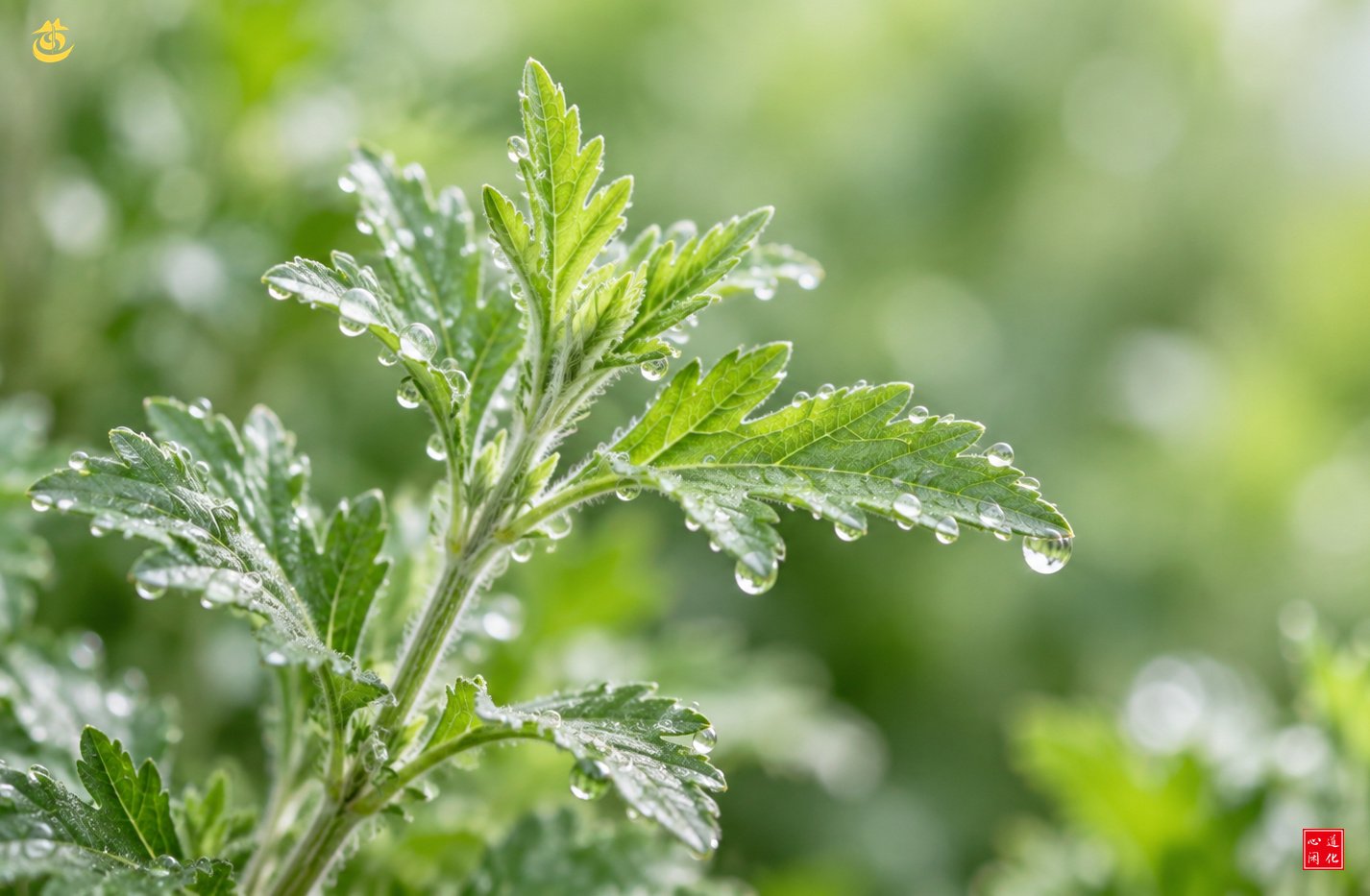
《立秋》
刚怨春去迟,又恨秋来早;
仙家无所忌,甜梨配酸枣。
幽幽大道情,藏身以为宝;
孑然山中去,欲修人不老。
小楼夜风起,隔窗过秋草;
野花三两枝,院深芳心小。
东西备干戈,苍生沉浩淼;
新冠去又来,问天命可保?
YZ.2021.8.7
Founding the Maoshan School -- Tao Hongjing (3)
11. Founding the Maoshan School -- Tao Hongjing (3)
Originally published by Yang Zi, Daozang Research, 2021-08-10 14:22
Continuing from the last piece, I go on with the story of Tao Hongjing.
......
Once Tao Hongjing had found the authentic manuscripts and fine books, he longed all the more for Maoshan; after hanging up his cap (that is, after resigning), he really did go to Maoshan to live in seclusion and cultivate the Dao.
Maoshan was originally called Juqu Mountain. In the Han dynasty the three Mao brothers of Xianyang, Shaanxi — the Three Mao zhenren (Elder Mao, Middle Mao, Younger Mao) — dwelt there in seclusion and built the Sanmao Daoist temple, so the mountain was renamed Sanmao Mountain, shortened to Maoshan. In the Eastern Jin, Ge Hong (283–363), a man of Maoshan, practiced on Baopu Peak and wrote the Baopuzi, and the place became an important base for chemical alchemy. In 364, Yang Xi, Xu Mi, and Xu Hui wrote the Shangqing Dadong Zhenjing there and founded a new school of Daoism --- the Shangqing school. So Daoists call Maoshan "the Shangqing Altar", and it also bears the fine name "the First Blessed Land, the Eighth Grotto Heaven". Maoshan Daoism reveres the three Mao brothers as its founding masters, honors Wei Huacun as the first Grand Preceptor, and Yang Xi as the first Mysterious Preceptor.
Speaking of this, it suddenly occurs to me: I wonder whether Maoshan now has any restored display of an alchemy site. If those famous Daoist mountains could recreate the actual scene of the ancients refining elixirs, that would surely be great fun — the feel of experience is what most strengthens understanding. Refining elixirs was very hard work for the ancients; limited as conditions were, it was far from easy, and it was the process by which our country accumulated chemical experiment. I will introduce all this in the later section "The Hardships of Alchemy".
Last year I went to Ge Hong Mountain in Xiapu, Fujian, to look for the old site of Ge Hong's alchemy; I very much wanted to understand how the ancients refined elixirs. With pointers from the local leaders, I actually found it. I wrote down the whole process in detail. Which article I tucked it into, or whether I ever posted it, I no longer remember.
The Zhen Gao says: The Damao and Zhongmao peaks are linked; in the long ridge there are linked stones, called Jijin Mountain in ancient times. The place is fit for people to dwell; one may seek out a spot with water for a dwelling and a quiet abode. He lived there, and gladly could compound elixirs, so as to cultivate the higher Dao. Then west of the ridge he set up the Huayang Upper and Lower Lodges.
In brief: at the meeting point of the Damao and Zhongmao peaks, Tao Hongjing chose a place with water, fit to live in, and built a dwelling. Daoists call a place where one dwells with a clear heart a "quiet abode", and call a room for sitting in meditation or reflection a "quiet room". Two lodges were built at the place where Tao Hongjing lived; because their functions differed, they were called the Huayang Upper and Lower Lodges.
The Dengzhen Yinjue says: the Upper Lodge for studying emptiness and keeping to the true; the Lower Lodge for refining elixirs and preparing medicines.
The Upper Lodge was the place for his "studying emptiness and keeping to the true", that is, the place for research and thought — his study; the Lower Lodge was mainly for "refining elixirs and preparing medicines", which is to say, his chemistry laboratory. No wonder he had to leave the court and go into the mountains. Whether keeping empty and still or refining elixirs and preparing medicines, none of it could be done at court or in the setting of a great family. It had to be a world apart; it was also the way that suited both the world and himself. For instance, gunpowder was invented by Daoists while refining elixirs, a very great contribution to the world's science and technology, though one can also imagine from it how dangerous alchemy was. Conditions in modern society are much better; one can set up an ordinary laboratory even in a city high-rise. (Some laboratories still cannot be placed in cities, but must be in remote places.) It is simply that alchemy scholars are no longer called elixir-way people; they are called chemists or pharmacologists, or scientists all together. In ancient times they were all called alchemists, and chemical experiments were all called refining elixirs.
Tao Hongjing was not the founder of the Shangqing school, but it is no exaggeration to call him the founder and central figure of the Maoshan school.
The Ji Juan says: someone presented him with a red silk quilt; the master rebuked them and returned it.
During his time on Maoshan, supplies of course were not as ample as when he was an official in the capital. Someone gave him a red silk quilt, and he "rebuked them and returned it" — gave it back. He would not accept it.
His spirit dwelt in stillness and quiet; his essence ranged to the mysterious ultimate. Though he went his lone way, free and far, prizing the true above all, yet letters and couriers from kin and old friends, from near and far, kept coming together — he could never quite cut them off.
At this time he was living a free life in which withdrawal from the world and engagement with it both went well. On the level of the spirit, "his spirit dwelt in stillness and quiet; his essence ranged to the mysterious ultimate" — the heart calm and unassuming, the essence deep in the mysterious ultimate, beyond things, free and at ease. It was just:
The body going its lone way, free and far,
the heart, distant and high, prizing the true.
At the same time, he was not living cut off from the world; on the contrary, he socialized often. Through letters he kept close contact with the outside world. He shared with people the things he thought, felt, awakened to, and gained in his mountain practice. He also often wrote poems to exchange with friends in matching verse. And his forecasts and judgments about worldly affairs were always uncannily accurate — even the life and death of several friends he dreamed of or sensed in advance. What's more, Tao Hongjing was a man deeply loyal and devoted to his friends, so though he disliked social obligations, he did have close bosom friends.
The Benqi Lu says: that night the city fell; Liu Yu and his younger brother Gai fled toward the capital. ... They were caught, and he died in the Jiankang prison. No one dared look upon him; the master wept over his corpse and with his own hands took up the burial. (Note: what loyalty to a friend!)
The Benqi Lu says: after Liu Yu's rout at Shitou, his writings were all scattered. The master wanted to compile them into a collection, but in the end could not obtain them. (Note: if de is not cultivated, the Dao does not abide.)
In brief: Tao Hongjing's friend Liu Yu was convicted and seized, and died in prison. His relatives and friends all feared being implicated; no one dared go to see him, for fear of being dragged in themselves. This is the real coldness of the world. Only Tao Hongjing "wept over his corpse and with his own hands took up the burial" — wailed and made offerings before his body, and buried him. And what's more, he wanted to gather his scattered writings and edit them into a collection. For Liu Yu, to have such a loyal friend in life meant he had not come into the world in vain. And for Tao Hongjing, this was his plainest form of cultivation. Daoists all firmly believe that if de is not cultivated, the Dao does not abide; for a person who would cultivate the Dao, cultivating de comes first. And I myself have always firmly held: morality always comes before learning. However strong a person's academic ability, if there is no de, there will surely be trouble. Not only in scholarship — in office, in business, and so on, it is the same. However high a person climbs in a field, if his de will not do, then falling down is the likely outcome. This is "de not matching one's position".
"When Emperor Ming ascended the throne, he greatly delighted in and honored him; edicts and urging arrived daily, and a comfortable carriage and rich gifts were prepared to welcome him to live at Jiangshan. The master refused, and so it stopped."
In the second month of Emperor Ming's third year, an edict was issued inviting him; a fine carriage and rich gifts were to welcome him to live at Jiangshan, and he would not go. Judging by the timing, at this point Tao Hongjing had not yet gone to Maoshan to become a Daoist in earnest.
"From then on he sent men back and forth, several times a month; provisions and gifts piled up, whatever he asked for was given."
After this, Emperor Ming often sent people to see him, frequently granting him supplies, goods, gold and silver — whatever he asked for, he was given. In later ages, many others went into the mountains to cultivate the Dao; why did none of them achieve as much as Tao Hongjing? The supply of material goods is one very important reason.
That Tao Hongjing could quietly read, write, and refine elixirs was all because he had an unending supply of material goods, and moreover "whatever he asked for" — these few short words reveal an important reason his cultivation succeeded. Not only Emperor Ming; later Emperor Wu of Liang treated him with even greater favor, and the raw materials and supplies for his alchemy were there in abundance, everything he could want.
If you go into the mountains and even daily meals are a problem, if half of every day is spent looking for food, if a broken thatched hut lets in wind and rain and needs repairing every day, when is there time to read and write? Besides, refining elixirs and running experiments burns money — raw materials, tools, all of it costs money, as I will explain later. So although Ge Hong and Tao Hongjing achieved great things in alchemy, they are not models an ordinary Daoist can copy. Anyone can cultivate and nurture the mindset of an immortal, but the materials needed for alchemy, the "ten thousand volumes" available for daily reading, and so on cannot be conjured up by magic; they need a strong backing of supplies.
Every person in the Daoist gate understands the love and devotion felt for the great Dao. But not everyone has the conditions to step out of the red dust and devote oneself full-time to cultivation. Many years ago I already had the heart to withdraw from the world, and wanted only to go somewhere quiet to cultivate — but what about the child? At least I had to raise them to independence. A place, and a supply of goods, are also big problems; these are all real difficulties. So I could only do research while working. Everyone's conditions are different.
Tao Hongjing truly had foresight: he chose not to marry, and so had no trouble of children he had to worry over. He was also born in an age that valued the Dao, and so easily won the understanding and support of the world. That was his luck. Of course, his talent was the foundation. If he had had no talent, had not read so many books, and had no such deep insight into worldly affairs, who would have understood and supported him? At the same time, social recognition mattered even more. The Northern and Southern Dynasties were an age when both Buddhist and Daoist culture flourished, and social recognition came easily. A person with no office and no power, so long as his virtue was complete and he studied diligently and read deeply, was likewise acknowledged and supported by society. For the prevailing idea of the time was:
Feeding a hundred ordinary people is not as good as feeding one good person; feeding a thousand good people is not as good as feeding one who studies the Dao (Zhen Gao).
It means: feeding a hundred ordinary people is not as good as feeding one good person; supporting a thousand good people is not as good as supporting one person who studies the Dao.
In modern times things are different. The treatment of Chinese Daoist culture, and of Daoism in particular, is not much better than it was in the Qing. It seems very easy for Buddhists to beg for alms: people give money to temples by the handful, queuing up to do it; yet few people go to Daoist temples to make offerings. On this soil of China, every "outside teaching" (no slight intended here; "outside teaching" simply means a faith that came from abroad) is respected and welcomed — only China's own native religion is cold-shouldered. People often see Buddhist places "as busy as a market at the gate", while many Daoist cloisters have "a cold front gate, with few saddles and horses". It is just:
Outside faiths bloom everywhere,
only the Dao never meets spring.
The winter of Daoist culture has lasted in one stretch for several hundred years. And so it has come to today's situation.
With no profit to drive it, fewer and fewer people follow the Dao, and those who study Daoist culture are the smallest group among the several great religions. When I first read the Daozang (Daoist Canon) it was only a personal hobby; I did not think much about it, and never expected that I would gradually devote myself to it more and more single-mindedly. It was only the experience of these years that made me realize, step by step, the crisis of Chinese Daoist culture — a crisis so deep that the line of the Dao is broken and fitful...
Later, I truly did come to love Daoist philosophy, to long for the free and easy wandering of the Mysterious Gate, and for its broad and far-reaching thought. The depth of my feeling for entering the Dao is only a matter of the heart, and no longer concerns the outside world. And more and more I have come to feel a strange state of mind, like that self-possession and self-confidence Tao Hongjing described:
The mysterious chant is not without its time; the subtle response has its own waiting.
How could one say the void is silent? The utmost resonance is ever present.
(Zhen Gao)
...
This kind of calm and quiet cannot be tasted unless you have lived it.
"Thereupon he was suddenly cut off from things; morning and evening only one or two served him. He hid his light and concealed his radiance — truly non-action (wuwei), and yet nothing left undone. The hall where he dwelt was still; no brambles or weeds grew. He had often worried that water was rather far off, but now a flying spring gushed forth; the lingzhi mushroom bloomed at the Lower Lodge, sweet dew spread over the Zhao Terrace, hairy turtles swam in the front pond. A white mouse appeared in the medicine house — all of them great tokens that the true had been attained, mighty omens of a sage drawing near."
In brief: as Tao Hongjing's cultivation advanced, he came to live a life "suddenly cut off from things", his living growing ever simpler, ever quieter and more self-contained. He hid his light and dimmed his radiance, plain and natural. The original passage says the place where he lived was truly elegant and secluded, but the line "a white mouse appeared in the medicine house" strikes me as very strange. Is it saying his living conditions were in a primitive state? So natural that mice were born there? All sorts of documents show that is not entirely implausible. It was in his medicine house, and a white mouse at that — so was it one used in his experiments? Were they already using white mice for experiments in those days? If so, his elixir chamber and laboratory would have been something formidable. Even I find this line of thought absurd, because from the way this passage is written, it is describing a wholly natural state. The lingzhi, sweet dew, hairy turtle, and white mouse — in that age "great tokens that the true had been attained, mighty omens of a sage drawing near" — were all creatures of natural spirit, showing that cultivation of the true Dao had reached a certain degree, auspicious signs devoutly honored. Ge Hong says in the Baopuzi, Inner Chapters, "Duisu": "A mouse lives three hundred years; when it reaches a hundred its color turns white. It is good at possessing people to divine; it is called Zhong, and can know the good and ill fortune of a whole year, and matters a thousand li away." So this is corroborated.
But from this I went on to think of how Tao Hongjing's achievements in chemistry and biology are clearly recorded. For example, Emperor Wu of Liang sent him gold, cinnabar, realgar and other raw materials and had him refine elixirs. For more than twenty years in the mountains he kept at his alchemy experiments, went through countless failures, but in the process mastered a great deal of chemical knowledge and accumulated much experience, including: mercury can combine with certain metals to form mercury compounds that can plate objects.
Tao Hongjing also made the earliest record in the world history of chemistry of identifying potassium salts. He recorded the flame test for potassium nitrate: "Earlier someone obtained a substance whose color and texture were much the same as puxiao, with only small differences; soft-white, like a handful of snow that does not freeze. Burn it strongly and a purple-blue smoke rises, yet it turns to ash and does not stop boiling, like puxiao — they said this was true xiaoshi." The so-called "purple-blue smoke rising" is a property peculiar to potassium salts.
Another example: a case of Tao Hongjing's biological research, the story of the guoluo wasp and the mingling caterpillar:
The Shijing says, "The mingling has a child; the guoluo wasp carries it off."
Ever since the Shijing recorded it this way, the Chinese have always believed that the mingling was adopted and raised by the guoluo wasp.
"A mingling son", or "a mingling daughter", refers to a child not one's own by birth, taken in and raised, or an adopted son or daughter taken on out of affection. This is described in quite a few literary works; for example:
In Romance of the Three Kingdoms, Liu Bei's eldest son Liu Feng was in fact adopted. He was very brave and had great military achievements. When Guan Yu was defeated and fled to Maicheng, he once asked Liu Feng and Meng Da for help; Liu Feng, out of regard for uncle and nephew, wanted to go to Guan Yu's rescue. But Meng Da talked Liu Feng out of it, saying, "What sort of uncle is he to you? Back when the King of Hanzhong was about to name an heir, you, General, were the eldest son, yet Guan Yu said you were 'a mingling son', an adopted one, and could not be set up as heir." So in the end Liu Feng sent no relief troops, and Guan Yu was captured by Eastern Wu and died. Later, Zhuge Liang advised Liu Bei to put Liu Feng to death — partly to vent Guan Yu's grievance, but more to clear away future trouble for Liu Shan.
Before Tao Hongjing, the Chinese had always believed that what the Shijing recorded was fact, always supposing that the guoluo really adopted the mingling as its offspring. It was Tao Hongjing's doubting of the ancients and his scientific spirit that untangled this puzzle.
Tao Hongjing did not believe that the guoluo had no young, and resolved to observe for himself to tell true from false. He found a nest of guoluo and discovered both males and females present. On careful observation he found that these guoluo carry the mingling back into the nest in their jaws, use the sting on their own tails to sting the mingling half dead, then lay eggs on its body, parasitizing their young inside the mingling and using the mingling as food for their offspring. The guoluo, it turns out, is a parasitic wasp, not a kind-hearted adoptive parent.
But this discovery of Tao Hongjing's was not known to China's intellectual world. Much of this has to do with the suppression of Chinese Daoist culture after the Qing entered the pass, because Daoist writings in general received no attention. It also has to do with the traditional mode of education that valued only the imperial examinations and not science.
Even Mr. Lu Xun, a man of such vast reading, and one who had studied medicine besides, did not know that this unravelling of a mystery belonged to Tao Hongjing, a physician of China's Northern and Southern Dynasties; he thought instead it had been revealed by the French entomologist Fabre.
The story Mr. Lu Xun recorded about the guoluo wasp and the mingling is, however, quite amusing:
The old-timers instructed me: that slender-waisted wasp is the guoluo spoken of in the books, all female and no male; it must seize a mingling to make into an adopted son. She seals the little green caterpillar inside the nest, and outside, day and night, keeps tapping away, intoning "Like me, like me"; after some days — I can't recall exactly, about seven times seven, forty-nine days, I suppose — the green caterpillar turned into a slender-waisted wasp. And so the Shijing says, "The mingling has a child; the guoluo wasp carries it off." The mingling is the little green caterpillar on the mulberry. ...
But after all, those foreigners are detestable, insisting on talking about science. Science has given us many wonders, but it has also spoiled many a fine dream of ours. Ever since the great French entomologist Fabre observed carefully, the business of providing food for the young wasps has been confirmed. (Lu Xun, Chunmo Xiantan)
Perhaps simply because Tao Hongjing was a Daoist, his writings were not well known in the mainstream education of the Qing.
Of that generation who received Western learning in the late Qing and early Republic, the great majority, when they spoke of our nation's traditional culture, spoke of it as if it were an enemy, and wanted wholesale Westernization. This brought about a hundred years of the nation's lack of confidence in its own culture, so that even now, wanting to restore traditional culture is very hard. Actually one cannot blame them too much: they had received a Western education and had read of the advance of Western science, and they felt that what Chinese culture lacked was precisely "democracy and science"; so those two words became the spirit and slogan of the New Culture Movement. They wanted to burn down the Confucian shop, to abolish Chinese characters, to do away with Chinese medicine, do away with Daoism, do away with all feudal rites and the like. On this, Mr. Qian Mu once appealed to the nation to hold "warmth and reverence" toward its own history and culture — a very precious attitude at the time. But what Mr. Qian defended was mainly Confucianism; toward the other schools he had no very deep feeling, nor basic scholarly fairness. Still, that he could spend his whole life putting our national history in order is already deeply admirable.
I only regret that the scholars of the Republican period basically neglected the study of Chinese Daoist culture, and so brought about a break in the line of that culture. The Qing court suppressed Daoist culture because they were Manchus, with a different cultural makeup, and to protect their rule a policy of honoring Confucianism and suppressing Daoism is understandable. But that the scholars of the Republic, in the scholarly movement to reorganize the national heritage, should one and all have given up Daoist culture is truly a great pity. Though Mr. Gu Jiegang and Mr. Lu Xun and others did mention the roots and broad significance of Daoist culture, and Mr. Liu Wendian studied the Zhuangzi and the Huainanzi, and so on, on the whole there is really not much achievement in Daoist culture in Republican scholarship.
Mr. Cai Yuanpei went everywhere looking for academic representatives of every school, using talent without sticking to one pattern. Certain professors at Peking University had not done much research on the courses they taught at first; they studied while they taught. This shows how enlightened and open Mr. Cai Yuanpei was. But why was it that Daoist culture could not revive like other disciplines? To this day I have not reached a reasonably firm conclusion. Most likely because there were too few advisors, or too few who had studied Daoist culture deeply enough. More than that, it was the reason of the age itself.
This may have something to do with the possibility that reading Daoist books is rather more difficult. The master of national learning Lou Yulie said he could understand only a quarter of the Daodejing, and could not understand the other three quarters. He said this was nothing to be ashamed of. He said that when he could not understand the Zhuangzi, he went to ask Feng Youlan, but Feng Youlan said that he himself, reading the Zhuangzi, could understand only a third of it.
When all is said and done, it was still the Qing policy of suppressing Daoism that left the academic world so unfamiliar with Daoist culture. In the Tang dynasty things would have been quite different. The Tang policy was:
In the eighth year of Wude, Li Yuan formally issued the "Edict Putting Laozi First and Buddhism Last":
"The teaching of Laozi and the teaching of Confucius are the ancestral traditions of this land; the Buddhist teaching arose later and should be honored with the rites due a guest. Let Laozi come first, Confucius second, and Buddhism last."
In the edict Li Yuan clearly fixed the order of the three teachings: Daoism first, Confucianism second, Buddhism last. And he laid down the Tang's national policy of honoring Daoism as the imperial house's religion. The Tang rulers ranked the three great faiths and guided the nation's spiritual sphere; Daoist philosophy was honored as the supreme, first faith, and Daoism was established as the Tang state religion. Chinese people are always proud of the great Tang, but they only study its political and economic policies, and never value this policy in the sphere of faith and spirit. They always overlook the civilizing and mind-opening work done by the state religion of the time (the Han was similar: the early Han governed with Daoist thought, and only then came the golden age of "the Rule of Wen and Jing"). In the Tang, anyone who could read could understand the Daodejing, because the Daodejing was listed as required material in the imperial examinations. Such was the study of the Dao in political and academic circles. And in religious circles? Naturally they valued it even more,
The court stipulated: "A Daoist who masters the Daodejing is to be given thirty mu of land".
Never mind the Tang — even now, just try "one mu of land to whoever masters the Daodejing". The whole Chinese people might not all turn into philosophers at once, but at least the screen would not be full of brain-dead fans who have lost the awareness to think and the ability to judge for themselves. The wisdom and enlightenment the Daodejing gives a person cannot be understood without deep reading and careful thought.
Back to the Republic again: if even a small number of that batch of scholars had read a few Daoist books, I'm afraid things might have been different. I think this may have to do with the private-school education they received as children, which took Confucianism as its root. That generation, on the whole, was especially devoted to the West. As later people, we cannot demand perfection of those before us, because everyone lives in a different age. The strength of one person, in the flood of history, is too slight — as slight as a speck of dust.
On the whole, over the past hundred-odd years, and especially the last thirty to fifty years, Chinese society has relatively revered the West. Why this reverence for the West in science and technology? Because we do not understand our own nation's history of science and technology. Most of today's divisions of the disciplines are built on Western learning. That is the advantage of Western learning. If we want to put China's history of science in order, the Daozang (Daoist Canon) is indispensable foundational material. It is only that we have not yet had time to sort it out: the Vernacular Movement has run for a hundred years, and fewer and fewer young people can read classical Chinese and traditional characters. So fewer and fewer people even know of the Daozang (Daoist Canon), and fewer still read it. But I believe that one day the Daozang (Daoist Canon) will be taken up as a national project, because to have confidence in our science and technology we need to put in order our own history of science and of thought — and the book with the most complete materials for China's history of science is precisely the Daozang (Daoist Canon).
To be continued...
As usual, two Daoqing chants, for you:
"Ascending to Immortality"
Bustling through the dust of the road for decades, these two eyes have seen the mist of ten thousand hills;
A room of plain books holds the plans of state; three lifetimes of Daoqing chant are given to the seven strings.
Clear tea and vegetables teach the true taste; incense in the burner, sitting still, a minor immortal;
Today I would climb up to the realm of immortals, asking nothing of the red dust's hunger and cold.
YZ.2021.8.4
"Tao Hongjing Practicing Alchemy"
Ever since I bound my fate to the Dao in years gone by, every thought has been to become an immortal;
One morning I hung up my cap and left my salary behind, resolute, into the deep mountains.
In the Huayang Lodge the cauldron and furnace rose; on Sanmao Mountain purple smoke ascended;
The essence of sun and moon matched with lead and mercury; kan and li fired into a ten-thousand-year elixir.
YZ.2021.8.7
"Beginning of Autumn"
Just now I grumbled that spring left too late, and now I hate that autumn comes too soon;
An immortal's house has nothing forbidden: sweet pears with sour jujubes.
Deep and quiet, the love of the great Dao; to hide oneself is taken as treasure;
Alone I go into the mountains, seeking through cultivation never to grow old.
Night wind rises in the little tower; past the window it crosses the autumn grass;
Two or three sprays of wild flowers; the courtyard deep, the fragrant heart small.
East and west make ready shields and spears; the common people sink in a vast flood;
The new coronavirus goes and comes again; I ask Heaven: can our lives be spared?
YZ.2021.8.7