道、道家与道教---漫谈道文化(之二)
4、道、道家与道教---杨子漫谈道文化(之二)
原创 杨子 道藏研究 2023-11-05
(注:接上篇,今日文章有点长,但内容实在不适合分开上传)
……
刚才说过,道文化的概念,主要可以从三个方面去理解:
作为宗教的道;
作为哲学的道;
作为科学的道;
道教,是我们国家唯一的本土宗教,确切说,本质上是起源于汉民族的宗教信仰。在汉、唐、宋、明时期,都是主流宗教,尤其是汉、唐时期,汉朝初期是以道家思想治国,出现了“文景之治”,为汉帝国的昌盛打下了坚实基础,汉王朝天下一统,威服四方,若是没有道家哲学治国,那是不可能的。
唐朝时,以教治国。李唐认老子为祖先,把老子请进了李氏祖庙,道教也成了国教。唐高宗李渊还颁诏给儒、释、道排座次:
“老教、孔教,此土先宗,释教后兴。”(《先老后释诏》)
大唐帝国的文化顺序是:道教第一,儒教第二,这两个是本土的信仰,要优先;佛教排第三。大唐帝国的强大与国教启智作用有因果关系。武则天需要利用佛教维护地位,于是她扶植佛教,佛教达到历史鼎盛时期,但物极必反,唐会昌年间开始了大规模灭佛运动,这在佛教史上被称为“会昌法难”。大文豪韩愈就是非常不满佛教地位比儒教高的典型代表,他这方面的代表作是《论佛骨表》,强烈反对皇帝迎接佛骨。其中一些要害话,把皇帝气个半死:

臣某言:伏以佛者,夷狄之一法耳,自后汉时流入中国,上古未尝有也。昔者黄帝在位百年,年百一十岁;少昊在位八十年,年百岁;颛顼在位七十九年,年九十八岁------此时佛法亦未入中国,非因事佛而致然也。
汉明帝时,始有佛法,明帝在位,才十八年耳。其后乱亡相继,运祚不长。宋、齐、梁、陈、元魏已下,事佛渐谨,年代尤促……(唐 韩愈 《论佛骨表》)

大意:佛教是外国人的一种法术。以前没传到中国之前,中国的皇帝在位时间都很长,并且都很长寿,比如:黄帝在位100年,活了110岁;少昊在位80年,活了100岁;颛顼在位79年,活了98岁;---此时佛法也没有传入中国。
汉明帝的时候,中国开始有了佛教。明帝在位才仅仅18年。明帝以后国家战乱,皇帝一个接着一个夭折,国运不久长。宋、齐、梁、陈、元魏以来,信奉佛教越来越恭谨虔诚,立国的时间和皇帝的寿命却更加短暂……
总之,韩愈的意思是,信佛让帝王短命。这可把皇帝气坏了,把他贬为潮州刺史。不提。
说起灭佛事件,历史上可不止一次。最著名的有“三武一宗”灭佛,指的是北魏太武帝灭佛、北周武帝灭佛、唐武宗灭佛,以及,后周世宗时的灭佛,合称为“三武一宗灭佛”。这是特别需要佛教界引以为戒的历史事件。纵观历史,历朝历代,无论中国人怎么对待道教,谁都不会去灭道,因为道是中国人骨子里的基因文化,道教是中国唯一的本土信仰。灭道就是自我毁灭。而佛教再怎么繁荣昌盛,终是外来宗教,这是事实。
近些年来,佛教比较繁荣,佛家弟子的收入和社会地拉与道家弟子可是天地之别,寺庙和道观的情况也大相径庭,人们潮水一样涌进寺庙烧香拜佛,甚至一些地方民俗信仰也开始与佛教攀亲,与道教划清界线。屏幕上多次出现了有些寺庙和尚的傲慢镜头,甚至拿棍棒驱赶信众。这对佛教而言,可不是个好信号。越是被捧,越要小心。如果觉得自己实在了不起时,读读历史吧。保持低调永远不是坏事。

宋朝也是道教为主信仰,皇帝普遍自视为道君,满朝文武着道袍。元朝,道教受到打击,主要原因是道教是典型的汉族文明。明朝,道教文化又有所恢复,我们现存的《正统道藏》就是明版本的。但清军入关后,满族统治者自然不愿意让汉文化更强大,他们要统治这样一个泱泱大国和庞大的民族,哪一个宗教(或学派)更容易巩固他们的统治,自然是他们的首选。这种情况下,儒家便脱颖而出。于是,清朝统治者就开始了对道教压制和削弱。

清朝中期时道教全面开始衰落,国运也是每况愈下。满清灭亡后,时逢军阀割据,国家战乱分裂,西方思潮风起云涌,西学东进的势头猛烈,这一进就是一百年。我们提 “民族文化复兴”、“文化自信”也就近些年的事。
简单说一下道、道家与道教的概念。这个很多人还分不清楚。
道是中国文化的基因,是中国的文化符号,是中国文化的根;
道,是规律,是法则,一阴一阳是也;起自黄帝。
道家,是哲学,起自老子;
道教,是宗教,起自张道陵。
一) 道的历史,从黄帝算起,有4700年历史,黄帝是道家思想的源头,“黄老之学”,指的是黄帝和老子。所以道教之中有“黄老道”之说。重复一下,刚才说的历代君王都是怎么治国的?他们“内用黄老,外示儒术”。再说得通俗一些,道家哲学是帝王之道,儒家是忠君之道;或者说:道家是帝王术的必须,儒家是驭民术的必须。我们的道文化,要从黄帝开始,就有将近5000年的历史,与中华文明史同步。而诸子百家,都是春秋战国时代的事,离现在2000多年。道,在中国文化中的根基之深,那是任何一个别的派别都无法比的,其实也没有可比性,因为道是中华文化这棵大树的根,而儒释道纠合在一起,则是这棵树的主干,其他各家学说可以理解为枝。
二)道家:从春秋老子算起,大约有2500年历史,那是中国乃至世界上哲学的顶峰,老子的形而上思想,至今也没人超越。道家哲学的代表人物,最典型的代表是老子、庄子、列子、杨朱等等。
历史上,诠释老子的思想的高人,太多了,但对于杨朱的思想,被误解、误传的偏多。特别是那句“不拔一毛以利天下”,给杨朱扣这个自私的大帽子,真是天大的理论冤情。从我读过的书中看,对杨朱的思想理解比较靠谱的还是淮南王刘安,他对杨朱的思想总结比较到位:

“全性保真,不以物累形:杨子之所立也”(《淮南子》)
反复思索杨朱这句话,能明显感觉到作为一个普通人的糊涂和无明。要保持真性情,“不以物累形”,我们有多少人能做到不为外物所牵?不为身外之物所累?恐怕不仅仅是累形,而且还累心。不明之累,无以言述。
另外,杨朱对于是不是要“拔一毛以利天下”问题的不回应,也是一个很典型的沟通案例。现在有一个形容高情商的词汇做“降维沟通”或“向下兼容”,意思是一些有思想高度、有境界情怀的人,可以与比他低阶的人士进行无障碍沟通,就是因为他们强大到可以“降维”或“兼容”,根本不去与低阶或外行去争论。
杨朱对于没有逻辑概念的无厘头问题,懒得去争论,他不降维解释,也不向下兼容,选择“弗应”,不回应。其实,不回应,就是一种比较智慧的态度,因为他确实可以做到“不为外物所牵,不为外物所累”,这里的“外物”包括自己身心之外的一切。随便你们怎么说,就是不搭理你。忽视,其实是一种最大的人际惩罚。对方的各种批评、指责、谩骂、羞辱,如果你痛拳头回击,那当然很解气,也是能力的体现,但这也说明你们在同一个维度上,如果不在一个维度上,高阶的人是懒得回应的。一如现在人们形容的:你在一楼时,人们骂你,你痛苦;当你站在大楼100层时,一楼的人骂你,你是听不到的,所以感觉不到痛苦,更不会浪费自己宝贵的时间去解释、去争论。这是智者之选,这是最高层次的养生。

三)道教:产生于东汉末年,从东汉张道陵算起,有1800年历史。
下面重点说道家与道教。
作为哲学的道

作为哲学的道,就是道家。道家,是中国的形而上。我最先是各家哲学入门阅读,最后选择了道家哲学作为自己的信仰,是经历岁月验证后的选择。《道藏》里虽然有大量道教的记载,但我的研究更倾向于里面的哲学内容。作为哲学的“道”,其中一个含义,就是规律,我们看不到的那种规律,西方经济学上有个比方,叫“无形的手”,它主宰着这个世界的运营,但我们看不到它。而且,道是通过“情”来发挥作用的。“情”是什么?一个有形的比方是桥梁,一个无形的比方叫WIFI,你看不到,摸不着,但如果没有“情”,万事不可能。没有桥梁,你就是到不了彼岸。道,就是通过这些无形的方式在发挥其作用,来运行着这个宇宙的一切。宇宙万物的运行,按照一定的规律,这个规律,就是道。我们的文化,总讲“天人合一”,天有道,人也有道,如果人道与天道相合,就是合了天意,天就保佑你,长长久久的,这叫“与天同寿”;不如不合天道,就叫逆天,那就不得长久。所以,人道要合天道,人心要顺天理。
《老子》说:人法地,地法天,天法道,道法自然。如果做事合了宇宙自然规律,就可以与天同寿。太阳、月亮等这些,都是很合天意的,太阳早上出来,月亮晚上出来,规矩的很,所以他们叫天象,与天同寿。人想要长长久久,想要永恒,或尽可能地长久一些,就要效法自然。道法自然,这就是大道的智慧。我们要顺应大道、顺应自然,对大自然要有敬畏之心。没坏处。
我们小时候读家学,我大爷爷摇头晃脑地教我们念:
不伤春苗是为道;
不伤民心是为道;
不伤亲情是为道;

大爷爷过世已久,我却突然想起他教的这些话,觉得好有道理。朴素到让人想落泪。民心如春苗,伤不得;人情如春苗,伤不得。伤了春苗,秋天就没饭吃。这就是生存之道,这就是人间大道。
只要把事情的道搞清楚了,知道做事的规律,知道人性,知道人的恶性,人的善性,就能相对容易地与人相处。若知道社会发展规律,你就会觉比较容易地走到时代的前面,至少不会走在后面,或者浑浑噩噩、稀里糊涂地过一生,甚至沦为精神奴隶。所以我们要把这个世界的“道”搞清楚。并不是为了成为什么道学家,或要做成什么经天纬地的大事业,而是要明明白白地做人,做个通透的人,做个有良知和尊严的人。
总结一下,道,简单说,可以理解为规律,或法则,是我们看不到的东西,是这个宇宙无形的法则。

我们国家的“道”文化底蕴深厚,就是源于我们的古文明。中国文明比较突出的一个方面就是我们的科学,在古代是遥遥领先的,近几百年科技落后,宋、明、元、清都有原因。宋,重文轻武,以及过度崇尚奢侈文化。王夫之观察和总结宋代兴亡时,最痛心的一点就是宋王朝军事力量的衰弱不堪,他认为根本原因可以追溯到赵普身上。赵普那句“半部《论语》治天下”,《论语》里完全没有科技兴国的概念,主讲仁治,宋朝时仁义到不杀大臣,无论犯多大的错,不杀头,顶多是贬官、流放,所以宋朝的大臣都很牛,最多的是党争和内斗,就是因为没有误国杀头的事。我们读宋朝的文史哲,欧阳修、王安石、苏轼等等,给人的感觉除了党争,就是各自的起起落落,不消停。
元朝,那是蒙古族统治,相对时间也短,少数民族对中原文化的理解也是有限的,所以谈不上误国之说,成吉思汗原是有可能对汉人大开杀戒的,但他在向丘处机真人求问长生之道时,丘处机借机劝他不要妄杀,即所谓的“一言止杀”,于是免了无数生灵涂炭。成吉思汗向丘处机问道的全过程由他的大臣耶律楚材记录下来,这就是《玄风庆会录》,是一篇极有政治智慧的文章,也是很好的养生书。这是丘处机真人的功德,也是成吉思汗的功德。

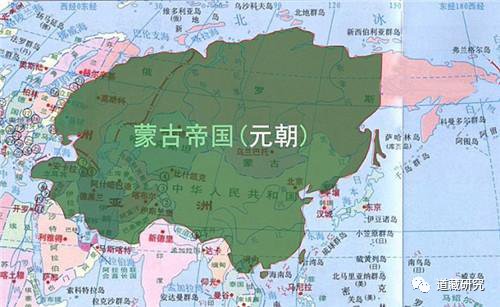
成吉思汗的孙子忽必烈,是元朝的开国之君,他对汉文化就比较重视了,他在1271年建立了统一的多民族国家---“大元”, 因为他要统一四海,继承历代君王的正统地位,必须有一个承接汉文化正统的“美名”,于是从《易经》中取“大哉乾元”的两“大元”作为国号。对中原文化,不破坏,不杀人,就是很不错了;元朝的国土面积是比较大的,现在欧洲的很多国家都在元帝国的版图内。
明朝的“禁海”政策,是一种自封,这对中国了解世界的发展是负面的。所以,中国开始了落后的步伐。清朝,特别是中后期的清政府,对中国的落后负主要责任。满清统治后中华文明开始全面落后。
清朝,为了统治需要,不希望汉文化崛起,持续地压制道教,所以道教开始衰落,道文化开始衰落,中后期,国运开始迅速衰落。这种落后表现上看主要体现在科技方面,但本质上还在人们的思维落后。不开启民智的好处,就是方便统治。坏处就是一国顺民无法抵御外辱。一群奴才组成的群体,绝对成不了强国。
作为科学的道
关于科学的道,门类很多:我们的天文、历法、气象、数学、物理、化学(古代称丹道)、地理、中医、本草、风水、命理、面相等等,现代所有的科学门类,在古代,都叫道。
中国的科技史上,道士的发明创造,可圈可点。举例:中国人一直引以傲的四大发明,有三项跟道家有直接关系。
比如,指南针,就是根据道家的阴阳五行理论发明出来的。当然,明确提出阴阳五行理论的是阴阳家,也是诸子百家之一,后来与道德家合在了一起,统称道家。
比如,印刷术。就是道士在印刷道教经文时的发明创造。
比如,火药,就是道士清虚子炼丹的时候,药物产生了化学反应,丹炉爆炸了,于是这个世界上就有了火药。当时道士清虚子并不知道火药后来对改变这个世界的作用。他只是在做试验,道家最善于做实验。
从成就看, 研究中国古代科技史最用心,不是中国人,而是英国的李约瑟先生。《中国古代科技史》就是他写的。书中为我们列出中国对世界科技贡献,并不是四大发明,而是26项发明,比如像什么水运仪象台、风车、活塞等等。在读李约瑟的书之前,我也一直认为活塞是外国人发明的。书中列举了太多中国古代技术领先世界,其中,他认为一种叫秋石的药品特别神奇。这是一种春药,是从童男童女尿液中萃取提炼的春药,主治虚劳羸瘦、骨蒸劳热、咳嗽、咳血、咽喉肿痛、遗精等症状。古代很珍贵,只能皇上才能享用,服之可以延年益寿。这个药以秋石命名,专取秋气下降之意。(《本经逢原》)
中国古人很会取名字,很多中药名特别生动、形象,容易理解和记忆,特别有文化底蕴。
比如:益母草,一看名字就知道是妇科用药;
比如:阳起石,一看就知道是男人用的壮阳药;
听说现在有人为了赶时髦,提议中医和中药要赶上国际化潮流,得改革,怎么改革呢?先给中药改名字,就是把一味中药的名字改为其主要的化学成分,与世界接轨。我不是从事中医药行业的,但一听到这个就觉得很荒唐。想像一下,如果把“阳起石”改名为:

“羟硅酸盐Ca2(Mg,Fe2+)5[Si4O11]2(OH)2”,
谁认识?怎么记?除了化学家,谁记得住?只能说一句:有知识,没文化。

说到这里,讲一个现代的科学实验。上世纪就有人开始研究为什么狗比人更健康,不容易生病,一个理论认为因为狗吃屎。为什么吃屎可以健康?因为大肠菌群决定健康系数。美国人做了很多很多研究,其中有一个资料披露,几个老太太去抢屎,通过试管塞到肠内去培养健康的菌群。科学实验表明,很多人生病,是因为大肠内缺少某种健康的菌,所以需要健康人的菌群。听说有一种方法,就是把培养的菌群装入胶囊服用,也有直接输入肠道的。只是没有说而已,你们不研究这个所以不了解。
(同事发言)
博文:厦大医学院有招志愿者做这个研究,要求身体健康。
同事们:招志愿者去吃屎?(众笑)
博文:不是吃,是提供。(众大笑)医学院有招志愿者,当初厦大就是一定要身体很健康的人,然后去就要他的粪便去做研究。研究他的肠道菌,分析其健康的原因。
刚才提到尿可以解毒,是事实。去年抗疫的时候,印度人,他们不吃药都喝牛尿,像啤酒一样。他们是当成“天药”来喝的。在他们的常识中,尿的功效,感觉比中国人常识中的白开水还多,不仅解毒,还提高免疫力。中国人有点什么毛病,都是喝开水。感冒了,多喝开水;肚子痛,多喝开水;胃痛,多喝开水;醉酒了,多喝开水;吃错食物了,多喝开水;一般的外国人不理解,中国的白开水是万能的吗?就如我们不理解印度人一样。或许印度人喝尿有他们的经验过的事实,否则不会那么多人喝啊,又不好喝。其实科学地讲,印度人喝牛尿,有一定的解毒作用。他们一杯一杯地喝,很享受的样子。但全世界人都无法理解。
(同事发言)
剑虹:我们那边有说喝尿可以去风湿,解毒。

有道理。很多民间口口相传的偏方,很管用。《道藏》中有本道医书叫《仙传外科秘方》,记录了很多古人的验方,其中一个就是驴尿可以治反胃。反胃是一种很痛苦的疾病,就是不停地吐,吃什么都吐,在古代很不好治,道家通过试验,发现驴尿可解。原文是:
又取驴溺汁,每日服一盏妙。(《仙传外科集验方》元· 杨清叟撰,明· 赵宜真集。底本出处:《正统道藏》太平部)
道家是中国古代实验室的唯一群体。很多炼丹家都是亲自动手操作的,很少有只讲理论不做实验的。《道藏》中常有描述,说有人七老八十了,肤色光润,鹤发童颜啥的,查文献发现,多是因为在服用各种本草。中药本草的神奇,人类远未认识到。
天生万物,相生相克。中国古人的智慧,就是一直在努力地寻找与自身相生的东西,回避与自身相克的东西。趋利避害是人的本能,我们都要努力地寻找对自己有正能量的人和物,找自己喜欢的人,喜欢的食品,适合自己的服装等等,同时,回避与自己相克的人和物,包括,不要和气场不合的人在一起,不要吃自身有过敏反应的食物等等。理论上讲,生命是一个极限,是可以很细微地延长的,或几十年,几年,或几个月,或几天,几分钟,人的生命何时终结,没有一个绝对值。道家努力的,就是尽量延长寿命。
目前从事丹道文化研究的人,越来越少了,但丹道修行,还是道门一个重要的特色。物理学、化学、天文学,以及我们的中医、本草等,都已从道文化中分出去了。但是,道医依然还属于道教文化的一部分。这一部分不是没分出去,而是基本上给掐死了。历史上“十道九医”,通过治病救人传道,是道教最鲜明的特色和优势。但现在不让道士行医,就断了他们传道的一个重要法门。这也是道教衰落的一个原因 。

我们经常说的“医道同源”,道医与中医也是一脉相承的,只是后来的部分道医采用了道教当中的一些符咒等等,以神、鬼、巫的方式来治病了,就出现了特色专科---祝由科,又称中医十三科,后来渐渐与中医区别开来了。所以道医还是道文化重要内容。我曾多次听说过祝由术治疗肿瘤成功的案例。一位医生讲其实现在并不是所有的肿瘤都致命,其中大约有三分之一是死于癌症本身;三分之一是死于过度医疗;还有三分之一是吓死的。祝由术最大的优势就是从精神上、心理上给病人提供强大的动力。不过祝由术治病可不是人人都能操作的,对医师要求很高的,要有功德高尚,中医理论扎实,也懂得内科学、解剖学等等,也要懂各种咒语、符箓等等,全科人才。这样的人才越来越少了,所以很多人不了解,这一学科快绝种了。是急需保护的非物质文化。
民间也有一些简单易操作的祝由术,比如一些止痛的咒语等,如,治疗全身各种疼痛的咒语:
一根柱
两根柱
北方真武玄天柱
疼也住
痛也住
敬请南斗六星
北斗七星
吾奉太上老君急急如律令!!
另外还有压惊咒,我们大家都熟悉的,小孩子闹夜,没有缘由的夜里哭个不停,大人实在没办法了,就开始把咒语到处张贴:
“天皇皇,地皇皇,
我家有个夜哭郎,
过路君子念三遍,
一觉睡到天大亮。”

我小时候也觉得这些都是封建迷信。现在觉得很有趣。这是我们文化中的一部分。如果说念叨这些是愚昧,那么念“阿弥陀佛”是不是愚昧呢?念“主啊”是不是愚昧呢?如果我们的各种神祇见不到就是不存在,那么西方诸佛都在哪里?上帝又在哪里?怎么国外的虚无就信仰起来如此虔诚,自己的神灵就是封建迷信了呢?我本是讲科学的道,说着说着,就串到了宗教的道。那就说宗教的道吧。

作为宗教的道
第三种就作为宗教的“道”。道教。
人们经常看看到道观和道士,就是道教最有形的存在。我们现在所生活的阶段,是自有道教开始,即道教产生以后的历史阶段中,道教最衰落的时代。
我做人,不是那种锦上添花的人,总觉得应该做雪中送炭的人才让人温暖。做人如此,做学术也是一样(多年的实践证明,这不是个明智决策)。我研究“道”是因为道家哲学是世界上格局最大的哲学,我说道家哲学无上,这不是自吹咱们国家的哲学,而是在白描道的虚无特色,没有边界,其小无内,其大无外。至今为止,西方哲学没有哪一门派的哲学立意超过道的范畴。而且,道教是我们本民族唯一的民族宗教,我们自己不研究,难道要指望外国人帮我们传承吗?难道都去信洋教才算是进步吗?世界上的神,都是一样的博爱和智慧,为什么我们不能对自己本民族的神有些公正的对待呢?第三个原因,更是因为这是一个冷门,我半生以来,都在烧道文化的冷灶。
我们国家唯一的本土宗教,是道教。不是伊斯兰教,不是基督教,更不是佛教,这个基本常识一定要清楚。其实,我们每一个人都是信仰道教的,都是道教徒。所谓“日用而不知”,说的就是中国人与道的关系。
如果我们不是道教文化的信仰者,就不会过春节,就不会过清明节,就不会过中秋节等等,这些全是我们道教的节日,所以我们只要过这些节日的时候,全是我们道文化的,所以要有文化自信。

很多人不知道这些节日是怎么来的,或与道教有什么关系。我举个例子,就说今天吧。今天是腊月25日,是什么日子?今天是玉皇大帝下凡的日子,今天所有的道观都在迎接玉皇大帝。仪式感可能各地不太一样。我前一段时间发了一首道情,描述接鹤仙的场景,给大家读一下:
《接鹤仙》
三香宫里步虚长,斗转乾坤夜未央;
高接远迎銮鹤驾,玉炉三柱起真香。
松间林中满瑞气,殿宇金顶现祥光;
道童闻说欲接仙,稽首顿首惶恐慌。
从容最是玄真人,摆正经书理平装;
静坐高台旁虚座,仙酒一壶接一觞。
这算是步虚词,描述的其实就是道教中迎接鹤仙的画面。今天接玉皇大帝,应该比这还要虔诚和正式得多,规模和仪式都是顶极的,一般是阴历24日下午,就开始准备,零时一过,有几位道士给我发信息,他们都开始去接了,热闹得不得了。他们说都整夜不睡觉,一直忙着接玉皇大帝,各种程序和礼节。所以今天大家要特别小心,玉皇大帝下来视察,大家都要乖乖的,规规矩矩的。要有敬畏之心,有什么过错被发现了,就麻烦了。相当于中央领导到地方来视察,大小官员都规矩自觉地很。
(同事发言)
剑虹:我们南安这边,正月初八、初九那天吧,有个仪式叫做“接天公”。接天公是不是杨总说的接玉皇大帝?感觉这里讲的一模一样,我们也是就是12点一过,马上就跪了。跪在自己的家门口。然后把一些贡品东西都拿出来,灯旗插起来,然后就对着外面说“天公来我们家坐坐啊”,然后再向里头拜拜啊,要先向外面拜,鞭炮声比大年30那个鞭炮声放的还大声啊。
你们迎接的这位天公是财神爷吗?还是老天爷啊?还是你们泉州当地的风俗文化?
剑虹:天公,不是财神爷,指的可能是天上老大吧?

但是咱们道教当中的老大是今天来的。
剑虹:很奇怪。嗯,我们闽南话有一句话叫做“天上天公最大,地上舅舅最大”。
海荣:因为初九是玉皇大帝诞生的日子啊。
这有文化的人真多啊,可真不愧是咱们公司的,你们出去谈业务时,除了技术上过硬之外,也可以跟客户谈谈传统文化。多有趣。
前两天都在祭灶吧。祭灶可是中国人过年之前最大的事情了。我问问你们,家中诸神,谁最大?是灶王爷!什么门神、财神、太岁、土地爷、药神、还有管读书的文曲星神等等,统统没有灶王爷厉害。“民以食为天”,活着,吃是头等大事,灶王爷管伙食的,能不厉害?另外,灶王爷也是在祭灶那天,就是昨天,腊月二十四,上天跟玉皇大帝汇报工作的,如果伺候不好,到时参你一本,等腊月二十五王皇大帝下来了,就不好办了。所以人们给灶王的对联是:
上天言好事,下界保平安
南宋诗人范成大在《祭灶词》中写:
“古传腊月二十四,灶君朝天欲言事”,灶王爷要上天汇报工作了,人们赶紧给然后给灶王爷准备丰盛的宴席,都有什么呢?“云车风马小留连,家有杯盘丰典祀。猪头烂热双鱼鲜,豆沙甘松粉饵团”。不光东西丰盛,而且礼仪虔诚, “男儿酌献女儿避,酹酒烧钱灶君喜。婢子斗争君莫闻,猫犬角秽君莫嗔”;男人恭恭敬敬地献上,女人要回避,大人小孩子,连家里的小动物都不吵。“送君醉饱登天门,杓长杓短勿复云,乞取利市归来分”,请灶王爷吃饱喝足后,升天而去,家里大大小小的不足,个人行为不检点的事,到天上可不要讲啊,等我日子过得好了,明天跟你分奖金。(众笑)这简直就是贿赂灶王爷嘛。但很有趣,这就是我们的文化。

天上的事、人间的事,都需要灶王爷关照,你说能不厉害吗?在人间享尽美味,上天又无罪过,岂不是最幸福的人生?
然而,祭灶文化,北方跟南方不太一样。
北方祭灶可不是一天,至少两天。主要是农历腊月二十四。但也有二十三祭灶的。我们那边有个土话,叫:
“官祭三,民祭四,
王八祭五,鳖祭六,
剃头的祭到鳖后头”,
意思是当官的二十三祭灶,老百姓是二十四祭灶,王八和鳖指的是什么我不知道,可能指的是坏人吧,分别是二十五和二十六祭灶。但理发的人还要在他们后面祭灶,我实在理解不了,或许是在古代理发业是下九流,地位不高;或是因为理发的人春节前太忙,之前剃头的人多,顾不上祭灶。因为正月不剃头,都在年前剃头了。你们南方怎么说法?
剑虹:正月剃头死舅舅(众笑),所以也是正月不剃头。
其它地区也有很多种说法,因为咱们各地的都不一样,咱今天主要不是讲宗教这些的。接下来说说“世人评道”,看看全世界人是怎么评价道文化的。
未完待续……

照例:两首道情:
《时光》
春光不解春情好,转眼空对花枝老;
惯看秋色悲秋风,颜色不如当年好。
忽觉青春不再来,但将此心重安排;
隔窗独坐听夜雨,点点滴滴碎阶台。
《守道》
风吹竹动心有月,梅香暗浮只因雪;
玄门路上多寂寞,仍有道人持玉节。
曾经沧海无憾事,不伤与君花下别;
幸有大道常相慰,宁与时人永相绝。
YZ.2021.9.2
The Dao, the Daoist School, and Daoism: A Rambling Talk on Dao Culture (Part Two)
4. The Dao, the Daoist School, and Daoism: A Rambling Talk on Dao Culture (Part Two)
Originally published by Yang Zi, Daozang Yanjiu, 2023-11-05
(Note: this continues the previous essay. Today's piece is somewhat long, but the content truly does not suit being split for upload.)
......
As said just now, the concept of Dao culture can chiefly be understood from three sides:
The Dao as religion;
The Dao as philosophy;
The Dao as science;
Daoism is our country's only native religion; more precisely, in essence a religion of faith arising from the Han people. In the Han, Tang, Song, and Ming periods it was the mainstream religion--above all in the Han and the Tang. The early Han governed the state by Daoist thought and brought forth the "Rule of Wen and Jing," laying a firm foundation for the flourishing of the Han empire; that the Han realm was one under heaven, awing the four quarters, would have been impossible without Daoist philosophy governing the state.
In the Tang, the state was governed by the religion. The House of Li claimed Laozi as ancestor, brought Laozi into the Li ancestral temple, and Daoism became the state religion. Emperor Gaozong of Tang, Li Yuan, further issued an edict ranking Confucianism, Buddhism, and Daoism:
"The teaching of Lao and the teaching of Kong are the first ancestors of this land; the teaching of Shi arose later." (Xian Lao Hou Shi Zhao)
The cultural order of the Great Tang empire was: Daoism first, Confucianism second--these two the native faiths, given priority; Buddhism ranked third. The strength of the Great Tang had a causal tie with the mind-opening work of the state religion. Wu Zetian needed Buddhism to hold her position, so she fostered it, and Buddhism reached its historical zenith; but a thing at its extreme reverts: in the Huichang years of the Tang began the great suppression of Buddhism, known in Buddhist history as the "Huichang Calamity of the Dharma." The great man of letters Han Yu was the very type of those who could not stomach Buddhism's standing above Confucianism; his representative work in this cause is the "Memorial on the Buddha's Bone," strongly opposing the emperor's welcoming of the Buddha's bone. Some of its vital lines half-killed the emperor with rage:
Your servant says: I humbly hold that the Buddha is but one of the arts of the barbarians, which flowed into China from the Later Han; in high antiquity it never was. Of old, the Yellow Emperor sat on the throne a hundred years, and lived a hundred and ten; Shaohao reigned eighty years, and lived a hundred; Zhuanxu reigned seventy-nine years, and lived ninety-eight------at this time the Buddha-dharma had not yet entered China, and it was not because of serving the Buddha that it was so.
In the reign of Emperor Ming of the Han the Buddha-dharma first was; the reign of Ming lasted but eighteen years. After him, disorders and falls came one upon another; the dynastic fortune was not long. Under the Song, Qi, Liang, Chen, and Yuan Wei that followed, the serving of the Buddha grew ever more careful, and the years were ever more short... (Tang, Han Yu, "Memorial on the Buddha's Bone")
The gist: Buddhism is a foreign art. Before it reached China, China's emperors all reigned long and lived long: the Yellow Emperor reigned a hundred years and lived a hundred and ten; Shaohao reigned eighty and lived a hundred; Zhuanxu reigned seventy-nine and lived ninety-eight--at which time the Buddha-dharma had not yet entered China. In the time of Emperor Ming of the Han, China first had Buddhism. The reign of Ming lasted a mere eighteen years. After Ming, the state fell into disorder and war, emperor after emperor dying young, the dynastic fortune not long. From the Song, Qi, Liang, Chen, and Yuan Wei onward, faith in the Buddha grew ever more devout, while the lengths of the reigns and the lives of the emperors grew ever briefer...
In short, Han Yu's meaning was: faith in the Buddha makes sovereigns short-lived. This so enraged the emperor that he banished him to be prefect of Chaozhou. No more of it.
Of suppressions of Buddhism, history holds more than one. Most famous is the "Three Wus and One Zong" suppression, meaning the suppression of Buddhism by Emperor Taiwu of Northern Wei, by Emperor Wu of Northern Zhou, by Emperor Wuzong of Tang, and the suppression in the reign of Emperor Shizong of Later Zhou, together called the "Three Wus and One Zong suppression of Buddhism." These are historical events the Buddhist world should take as its special warning. Run through history: dynasty after dynasty, however the Chinese treated Daoism, no one ever moved to extinguish the Dao, for the Dao is the genetic culture in the bones of the Chinese, and Daoism is China's only native faith. To extinguish the Dao is to destroy oneself. And however flourishing Buddhism became, it is in the end a foreign religion; that is a fact.
In recent years Buddhism has been rather flourishing; the income and social standing of Buddhist disciples are a world apart from those of Daoist disciples, and the state of the temples and of the Daoist shrines is likewise far sundered. People stream into the temples like tides to burn incense and worship the Buddha; even some local folk beliefs have begun claiming kin with Buddhism and drawing a clear line against Daoism. The screen has more than once shown scenes of monks in some temples being arrogant, even driving believers off with staves. For Buddhism this is not a good signal. The more one is exalted, the more care is due. Whenever you feel yourself truly extraordinary, go read history. Keeping low has never been a bad thing.
The Song, too, took Daoism as its main faith: the emperors broadly saw themselves as Dao-lords, and the whole court, civil and military, wore Daoist robes. Under the Yuan, Daoism suffered blows, chiefly because Daoism is a civilization of the Han in the typical sense. Under the Ming, Daoist culture revived somewhat; the Zhengtong Daozang we now have is the Ming edition. But once the Qing troops passed through the pass, the Manchu rulers naturally had no wish to see Han culture grow stronger; to rule so vast a state and so huge a people, whichever religion (or school) best consolidated their rule was naturally their first choice. In this case the Confucians stood out. So the Qing rulers began the repression and weakening of Daoism.
By the mid-Qing, Daoism had entered full decline, and the state's fortune went downhill with it. After the Manchu Qing perished, the warlords carved their fiefs, the nation split and warred, the tides of Western thought surged, and the eastward drive of Western learning came on with full force--one hundred years of it. Only in recent years have we raised "the revival of national culture" and "cultural confidence."
To put it simply, the concepts of the Dao, the Daoist school, and Daoism--many people still cannot tell them apart.
The Dao is the gene of Chinese culture, the cultural sign of China, the root of Chinese culture;
the Dao is law, is rule--one yin and one yang, that is it; it begins with the Yellow Emperor.
The Daoist school is philosophy; it begins with Laozi.
Daoism is religion; it begins with Zhang Daoling.
One) The history of the Dao, counting from the Yellow Emperor, runs 4,700 years. The Yellow Emperor is the source of Daoist thought; the "study of Huang and Lao" means the Yellow Emperor and Laozi. Hence within Daoism there is the term "Huang-Lao Dao." To repeat: how did the sovereigns of the dynasties, as said just now, govern the state? They "used Huang and Lao within, and displayed the Confucian arts without." Put more plainly: Daoist philosophy is the way of kings; Confucianism is the way of loyalty to kings. Or: the Daoist school is the necessity of the art of kings; Confucianism is the necessity of the art of herding the people. Our Dao culture, counting from the Yellow Emperor, has nearly five thousand years of history, in step with the history of Chinese civilization. The hundred schools, by contrast, are all a matter of the Spring-and-Autumn and Warring States age, more than two thousand years ago. The depth of the Dao's root in Chinese culture is beyond the compare of any other school--indeed there is no comparing, for the Dao is the root of the great tree of Chinese culture, while Confucianism, Buddhism, and Daoism twisted together make the trunk, and the other schools may be read as the branches.
Two) The Daoist school: counting from Laozi of the Spring-and-Autumn, about 2,500 years of history, the summit of philosophy in China and even in the world; Laozi's metaphysical thought has not been surpassed to this day. Its representative figures, most typically, are Laozi, Zhuangzi, Liezi, Yang Zhu, and others.
In history, the high ones who interpreted Laozi's thought are past counting; but Yang Zhu's thought has mostly been misread and mis-taught. That line, "not pulling out one hair to benefit the world," pinned the big hat of selfishness on Yang Zhu--a heaven-sized injustice of theory. Of the books I have read, the one who understood Yang Zhu's thought most soundly is Liu An, Prince of Huainan; his summing of Yang Zhu's thought is the most to the point:
"Keep whole one's nature, hold fast one's truth, and let no thing weigh down the form: this is what Master Yang stood for." (Huainanzi)
Turning Yang Zhu's line over and over, one plainly feels the confusion and unclarity of an ordinary person. To keep the true feeling, "letting no thing weigh down the form"--how many of us can do it? Not be dragged by outer things, not be burdened by things outside the body? I fear it is not only the form that is burdened, but the heart as well. A burden of unclarity, beyond words to tell.
Besides, Yang Zhu's non-response to the question whether to "pull out one hair to benefit the world" is also a classic case of communication. There is a word now for high emotional intelligence, "dimension-lowering communication" or "downward compatibility," meaning that people of thought-height and breadth of spirit can talk without obstruction with people of a lower grade, precisely because they are strong enough to "lower the dimension" or "be compatible," and simply do not argue with lower grades or outsiders.
Yang Zhu could not be bothered to argue with a senseless question without any concept of logic; he neither lowered the dimension to explain nor bent down to be compatible; he chose "no response." In fact, non-response is a rather wise attitude, for he truly could "not be dragged by outer things, not be burdened by outer things"--where "outer things" includes everything outside one's own body and mind. Say whatever you please; he simply does not attend to you. Neglect is in fact the heaviest of punishments between people. The other side's criticisms, accusations, curses, insults--if you strike back with fists, that is satisfying indeed, and a show of ability; but it also shows you stand on the same plane. When not on one plane, the higher will not deign to reply. As people put it now: when you are on the first floor and people curse you, it hurts; when you stand on the hundredth floor of the tower, you cannot even hear the cursing from the first floor, so you feel no hurt, and you certainly will not waste your precious time explaining and arguing. This is the choice of the wise; this is nourishing of life at the highest level.
Three) Daoism: it arose at the end of the Eastern Han; counting from Zhang Daoling of the Han, 1,800 years of history.
Below, chiefly on the Daoist school and Daoism.
The Dao as Philosophy
The Dao as philosophy is the Daoist school. The Daoist school is China's metaphysics. I entered by reading the various schools of philosophy, and in the end chose Daoist philosophy as my own faith--a choice proven by the years. Though the Daozang (Daoist Canon) holds vast Daoist records, my research leans rather to the philosophical content within it. One meaning of the Dao as philosophy is law: the sort of law we cannot see. Western economics has a figure for it, the "invisible hand," which governs the running of this world, though we cannot see it. Moreover, the Dao works through "feeling." What is feeling? A figure with form is the bridge; a figure without form is called WIFI: you cannot see it, cannot touch it, but without "feeling," nothing under heaven is possible. Without the bridge, you simply cannot reach the far shore. The Dao works through just such formless ways, running everything in this universe. The myriad things of the universe run by a certain law, and that law is the Dao. Our culture always speaks of "heaven and the human joined into one": heaven has the Dao, and the human has one too; if the human Dao accords with the Dao of heaven, it has accorded with heaven's intent, and heaven blesses you, long and long--this is called "sharing the years of heaven"; if it does not accord with the Dao of heaven, it is called going against heaven, and that cannot last long. So the human Dao must accord with the Dao of heaven; the human heart must follow heaven's principle.
The Laozi says: man follows the way of earth, earth follows the way of heaven, heaven follows the way of the Dao, the Dao follows what is naturally so. If what you do accords with the law of the cosmos and nature, you can share the years of heaven. The sun, the moon, and these others accord well with heaven's intent: the sun comes out in the morning, the moon at night, most regular; so they are called the heavenly bodies, and share the years of heaven. Whoever would last long and long, would be eternal, or at least last as long as may be, must model nature. The Dao follows what is naturally so: this is the wisdom of the Great Dao. We must accord with the Great Dao, accord with nature, and hold awe of great nature. No harm in it.
When we were little and studied the family learning, my great-uncle would sway and nod as he taught us to recite:
Not to harm the spring shoots is the Dao;
Not to harm the people's heart is the Dao;
Not to harm the bonds of kin is the Dao;
My great-uncle passed away long ago, yet I suddenly recalled these words he taught, and felt how full of reason they are--so plain it brings one to tears. The people's heart is like a spring shoot: it must not be hurt; human feeling is like a spring shoot: it must not be hurt. Harm the spring shoots, and in autumn there is nothing to eat. This is the way of survival; this is the great way of the human world.
Get the Dao of a matter clear, know the rules of doing, know human nature--the evil in the human, the good in the human--and it becomes comparatively easy to get along with people. Know the laws of social development, and you will find it comparatively easy to walk ahead of the age, or at least not behind it, instead of drifting through life muddled and dim, or even sinking to be a slave in spirit. So we must get the "Dao" of this world clear. Not in order to become some scholar of the Dao, or to build some great enterprise spanning heaven and earth, but to be a human being clear-eyed, to be a person of clear understanding, a person of conscience and dignity.
To sum up: the Dao, put simply, can be read as law, or as rule--what we cannot see, the formless rule of this universe.
The deep bottom of our country's "Dao" culture flows from our ancient civilization. One side of Chinese civilization that stands out is our science: in antiquity far in the lead; in the last few hundred years the science fell behind, and the Song, Ming, Yuan, and Qing each bear their reasons. The Song prized letters and slighted arms, and over-indulged the culture of luxury. When Wang Fuzhi observed and summed the rise and fall of the Song, what pained him most was the wretched weakness of Song military strength; he traced the root cause back to Zhao Pu. Zhao Pu's line, "half the Analects to rule all under heaven"--the Analects holds not one thought of strengthening the state by science; it chiefly teaches rule by benevolence. The Song was so benevolent it did not execute its great ministers: however great the fault, no beheading--at most demotion or exile; so the Song's ministers were all very grand, and what most abounded was factional strife and inner fighting, precisely because there was no affair of state for which heads rolled. Read the Song's literature, history, and philosophy--Ouyang Xiu, Wang Anshi, Su Shi, and the rest--and the feeling it gives is: apart from factional strife, it is each man's rise and fall, without rest.
The Yuan was Mongol rule, and comparatively short; a people of the steppe had but a limited grasp of the culture of the Central Plains, so there is no talk of its ruining the state. Genghis Khan might well have opened the great slaughter against the Han; but when he sought from the perfected man Qiu Chuji the way of long life, Qiu Chuji seized the moment to dissuade him from wanton killing--the so-called "one word that stopped the slaughter"--and so spared countless living beings from ruin. The whole course of Genghis Khan's asking Qiu Chuji about the Dao was recorded by his minister Yelü Chucai: this is the Xuanfeng Qinghui Lu, a piece of writing of the utmost political wisdom, and a fine book on nourishing life as well. That was the merit of the perfected man Qiu Chuji, and also the merit of Genghis Khan.
Genghis Khan's grandson Kublai, founding sovereign of the Yuan, took Han culture rather seriously: in 1271 he founded the unified, multi-ethnic state, the "Great Yuan." Because he would unify the four seas and inherit the orthodox place of the sovereigns of the ages, he needed a "fair name" that carried on the orthodoxy of Han culture, and so took from the Yijing the two characters "Da Yuan" of "great indeed is the qian yuan" as the dynastic title. Toward the culture of the Central Plains, to not destroy and not kill was already much; the Yuan's territory was rather large--the territories of many present-day European countries lay within the Yuan empire.
The Ming policy of "banning the seas" was a sealing-off of itself, negative for China's knowing how the world was developing. So China began its backward steps. The Qing--especially the mid and late Qing government--bears the main responsibility for China's falling behind. Once the Manchu Qing took rule, Chinese civilization began to fall behind across the board.
The Qing, for the needs of rule, had no wish to see Han culture rise, and kept on repressing Daoism; so Daoism declined, Dao culture declined, and in the mid and late period the state's fortune fell fast. On the surface this lag shows chiefly in science and technology; in essence it lies in the lag of the people's thinking. Not opening the people's minds is convenient for ruling; the harm is that a nation of compliant subjects cannot repel insult from outside. A flock made up of servants can never become a strong state.
The Dao as Science
Of the Dao as science there are many branches: our astronomy, calendrics, meteorology, mathematics, physics, chemistry (called the elixir way in antiquity), geography, Chinese medicine, materia medica, fengshui, fate-reading, physiognomy, and so on--every branch of modern science was, in ancient times, called Dao.
In the history of China's science and technology, the inventions and creations of the Daoists are well worth pointing to. For example: of the Four Great Inventions the Chinese have always prided themselves on, three are directly tied to the Daoists.
Take the compass: it was invented on the basis of the Daoist theory of yin, yang, and the five phases. Of course, it was the yin-yang school that first set out that theory--also one of the hundred schools--which later merged with the school of the Dao and virtue, together called the Daoist school.
Take printing: it was an invention of the Daoists, made in printing the Daoist scriptures.
Take gunpowder: it was when the Daoist Qingxuzi was refining elixirs that the medicines reacted chemically, the elixir furnace exploded, and the world had gunpowder. At the time, the Daoist Qingxuzi could not know what gunpowder would later do to change this world. He was only running an experiment--the Daoists are the best at running experiments.
By achievement, the one who studied the history of ancient China's science and technology most heart and soul was not a Chinese but the Englishman Joseph Needham. "A History of Chinese Science and Technology" is his. In it he lists China's contributions to world science and technology--not four inventions but twenty-six, things like the water-driven armillary sphere, the windmill, the piston, and so on. Before reading Needham I too had always thought the piston a foreign invention. The book lists far too much ancient Chinese technology that led the world; among it, he held one medicine called qiushi, "autumn mineral," to be especially wondrous. It is an aphrodisiac, an aphrodisiac extracted and refined from the urine of boys and girls, chiefly treating wasting and emaciation, bone-fever and hectic fever, cough, coughing of blood, sore and swollen throat, seminal leakage, and the like. In ancient times it was most precious--only the emperor could enjoy it; taking it could extend the years. The medicine takes its name, autumn stone, precisely from the sense of autumn's qi descending. (Benjing Fengyuan)
The ancient Chinese were very good at naming: many Chinese-medicine names are vivid and graphic, easy to understand and remember, and rich in cultural meaning.
For example, yimucao, motherwort: one look at the name and you know it is a gynecological medicine;
for example, yangqishi: one look and you know it is a yang-raising medicine for men.
I hear that some now, to chase the fashion, propose that Chinese medicine and materia medica must catch the tide of internationalization and be reformed. Reformed how? First rename the Chinese medicines: change each medicine's name to its main chemical component, to line up with the world. I do not work in the Chinese-medicine trade, but the moment I heard this it sounded absurd to me. Imagine renaming "yangqishi" as:
"hydroxysilicate Ca2(Mg,Fe2+)5[Si4O11]2(OH)2",
Who knows that? Who can remember it? Except the chemists, who could? One can only say one thing: knowledge without culture.
Speaking of which, a modern scientific experiment. Last century people began studying why dogs are healthier than humans and fall ill less easily; one theory holds that it is because dogs eat excrement. Why does eating excrement make for health? Because the flora of the large intestine decide the health index. The Americans did very, very many studies; one report released tells of several old ladies scrambling for excrement, to culture healthy flora in test tubes and insert them into the gut. Scientific experiments show that many people fall ill because their large intestine lacks some healthy bacterium, so they need the flora of a healthy person. There is said to be a method of loading the cultured flora into capsules to swallow, and some delivered straight into the gut. Only it is not spoken of; you do not study this, so you do not know it.
(A colleague speaks)
Bowen: The Medical College of Xiamen University recruited volunteers for this research; the requirement was good health.
Colleagues: Recruiting volunteers to go eat excrement? (general laughter)
Bowen: Not eat--provide. (roars of laughter) The medical college recruited volunteers; at the start Xiamen University insisted on people in very good health, and then took their feces for the research, studying their gut flora and analyzing the reason for their health.
That urine can detoxify, mentioned just now, is a fact. Last year, fighting the epidemic, the Indians, taking no medicine, drank cow urine, like beer. They drink it as a "heaven-medicine." In their common sense, the powers of urine seem more numerous than plain boiled water in Chinese common sense: it not only detoxifies but raises immunity. With us Chinese, whatever little thing is wrong, it is drink hot water. A cold? Drink more hot water. A stomachache? Drink more hot water. Pain in the stomach? Drink more hot water. Drunk? Drink more hot water. Eaten the wrong thing? Drink more hot water. Ordinary foreigners do not understand: is China's plain boiled water all-powerful? Just as we do not understand the Indians. Perhaps the Indians' drinking of urine rests on facts their experience passed through; otherwise so many would not drink it--it does not taste good. In strictly scientific terms, the Indians drinking cow urine has a certain detoxifying action. They drink it cup after cup, looking much like they enjoy it. But the people of the whole world cannot understand.
(A colleague speaks)
Jianhong: Where we come from they say drinking urine can drive out wind-damp and detoxify.
There is reason in it. Many folk remedies passed mouth to mouth work very well. In the Daozang (Daoist Canon) there is a Daoist-medicine book, the Xianzhuan Waike Mifang, recording many tested recipes of the ancients; one of them is that donkey urine can cure persistent vomiting. Persistent vomiting is a most painful illness: vomiting without stop, whatever one eats; very hard to treat in ancient times. The Daoists, through experiment, found that donkey urine could relieve it. The original text:
Also take donkey's urine, one cup taken daily--wondrous. (Xianzhuan Waike Jiyan Fang, written by Yang Qingsou of the Yuan, collected by Zhao Yizhen of the Ming. Base edition: Zhengtong Daozang, Taiping Division)
The Daoists were the only community of experiment in ancient China. Many elixir-refiners worked with their own hands; very few only talked theory without running experiments. The Daozang (Daoist Canon) often has descriptions of men of seventy or eighty whose skin was lustrous, hair as white as cranes and faces as youthful as children’s; look into the literature and you find most of them were taking various materia medica. The wonders of Chinese materia medica--humankind is far from recognizing them.
Heaven bears the myriad things, generating and checking one another. The wisdom of the ancient Chinese lay in striving always to find the things that generated oneself, and to avoid the things that checked oneself. Seeking benefit and avoiding harm is human instinct: we should all strive to find the people and things that carry positive power for us--the people we like, the foods we like, the clothes that suit us, and so on--and at the same time avoid the people and things that check us, including not staying with people whose fields do not fit ours, not eating foods one is allergic to, and so on. In theory, life is a limit that can be extended, very finely: by tens of years, by years, by months, by days, by minutes; when a person's life ends has no absolute value. What the Daoists worked at was precisely to extend the years as far as might be.
The people doing elixir-way culture research are fewer and fewer, but elixir practice is still an important mark of the Dao gate. Physics, chemistry, astronomy, and our Chinese medicine and materia medica have already split off from Dao culture. But Daoist medicine still belongs to Daoist culture. This part was not split off; it was, basically, snuffed out. Historically, "of ten Daoists, nine were physicians"; spreading the Dao by healing and saving the sick was Daoism's most vivid trait and advantage. But now Daoists are not permitted to practice medicine, which has cut off a major gate of their spreading of the Dao. This too is one cause of Daoism's decline.
What we often say, "medicine and the Dao share one source": Daoist medicine and Chinese medicine spring from one stem; only, part of the later Daoist medicine adopted certain of Daoism's talismans and incantations, healing by way of gods, ghosts, and shamanism, and there arose the specialty--the zhuyou branch, called the thirteenth branch of Chinese medicine, later gradually set apart from Chinese medicine. So Daoist medicine remains an important content of Dao culture. I have more than once heard tell of cases where the zhuyou art cured tumors. One physician said that in fact not all tumors today are fatal: of them, about a third die of the cancer itself; a third die of over-treatment; and a third are scared to death. The greatest advantage of the zhuyou art is that it supplies the patient, in spirit and psychology, a strong driving force. But healing by the zhuyou art is not something just anyone can perform; the demands on the physician are very high--merit and virtue elevated, Chinese-medical theory solid, and a grasp of internal medicine, anatomy, and the rest, as well as command of the various incantations, talismans, and so on: an all-round talent. Such talent grows fewer and fewer, so many people do not know of it; the discipline is near extinction. It is intangible culture in urgent need of protection.
Among the people there are also simple, easy-to-perform zhuyou arts, for instance some incantations for stopping pain, such as the spell for treating every kind of pain over the whole body:
One pillar,
two pillars,
the True Martial Dark Heaven Pillar of the North;
pain, halt;
ache, halt;
reverently we invite the Six Stars of the Southern Dipper,
the Seven Stars of the Northern Dipper;
we bear the command of Taishang Laojun, swiftly, swiftly, as the law commands!!
There is also the fright-settling spell, familiar to us all: when a little child cries through the night, wailing without cause, and the grown-ups truly have no way out, they begin posting the spell about everywhere:
"Heaven is bright, earth is bright,
in my house there is a night-crying boy;
passing gentlemen, read it three times,
and he will sleep sound till broad daylight."
As a child I too thought all this feudal superstition. Now I find it great fun. It is part of our culture. If reciting such things is benighted, then is intoning "Amitabha" benighted? Is praying "Lord" benighted? If our various gods, because they cannot be seen, do not exist, then where are all the Buddhas of the West? And where is God? How is it that the void of other lands is believed in with such devotion, while one's own gods and spirits are feudal superstition? I was speaking of the Dao as science, and strayed onto the Dao as religion. Well then, let us speak of the Dao as religion.
The Dao as Religion
The third kind is the "Dao" as religion: Daoism.
What people often see, the Daoist shrines and the Daoists, is Daoism's most visible presence. The stage we now live in is, among the historical stages since Daoism first arose, the age of Daoism's deepest decline.
In my conduct I am not the sort who adds flowers to brocade; I always feel one should be the person who sends charcoal in the snow--that is what warms people. So as a person, so in scholarship (many years of practice have proven this no wise policy). I study the "Dao" because Daoist philosophy is the philosophy of the largest frame in the world; I say Daoist philosophy is supreme not to puff our country's philosophy, but to sketch plainly the void character of the Dao: no borders, its smallness without an inside, its greatness without an outside. To this day, no school of Western philosophy has set its aim beyond the reach of the Dao's compass. Moreover, Daoism is our nation's only national religion: if we ourselves do not study it, are we to count on foreigners to carry it on for us? Must everyone go convert to a foreign faith for it to count as progress? The gods of this world are all alike in love and in wisdom; why can we not give the gods of our own nation a measure of fair treatment? The third reason, more still: this is a cold and lonely field. For half my life I have been feeding the cold stove of Dao culture.
Our country's only native religion is Daoism. Not Islam, not Christianity, and still less Buddhism; this elementary common knowledge must be clear. In fact, every one of us believes in Daoism; we are all Daoists. "Using it daily and never knowing it" speaks precisely of the relation between the Chinese and the Dao.
If we were not believers in Daoist culture, we would not keep the Spring Festival, would not keep the Qingming, would not keep the Mid-Autumn, and so on; these are all our Daoist festivals. So whenever we keep these festivals, it is all our Dao culture. So hold cultural confidence.
Many people do not know how these festivals arose, or what they have to do with Daoism. Let me give an example--take today. Today is the twenty-fifth of the twelfth month; what day is it? Today is the day the Jade Emperor descends to the world; today every Daoist shrine is out welcoming the Jade Emperor. The rites may differ a little from place to place. A while ago I posted a Daoqing chant describing the scene of welcoming the crane immortal; let me read it to you:
"Welcoming the Crane Immortal"
In the Hall of Three Incenses the buxu verse runs long; the Dipper turns, heaven and earth, the night not yet spent;
High greeting and far welcome to the crane-borne carriage; in the jade censer three pillars raise true incense.
Through the pines and woods auspicious air fills; on the hall's golden roof auspicious light shows;
the Daoist boys, hearing tell the immortal is to be welcomed, bow their heads and knock their heads, panicking.
Most composed is the Master of the Mystery, setting straight the classic books and straightening his attire;
sitting still on the high dais beside the empty seat, immortal wine, one jug after one cup.
This counts as a buxu verse; what it describes is precisely the scene in Daoism of welcoming the crane immortal. Welcoming the Jade Emperor today should be far more devout and formal than this, the scale and the rites at the very top. Generally, the preparations begin on the afternoon of the twenty-fourth of the twelfth month; the moment midnight passed, several Daoists sent me messages: they had already begun the welcoming; it was lively beyond bearing. They said they would not sleep all night, busy all the while welcoming the Jade Emperor, with all the procedures and courtesies. So today everyone must be very careful: the Jade Emperor is come down on inspection; everyone must be good and proper. Hold awe in your heart; if some fault of yours is discovered, it will be trouble. It is like a leader from the center coming down to a locality on inspection: officials great and small are all very properly and consciously behaved.
(A colleague speaks)
Jianhong: Where we are in Nan'an, on the eighth and ninth of the first month, there is a rite called "receiving the Heavenly Lord." Is receiving the Heavenly Lord what Director Yang means by welcoming the Jade Emperor? What is told here feels exactly the same. We too, the moment twelve o'clock passes, kneel at once, kneel at our own front door. Then we set out all the offerings, plant the lantern-flags, and speak facing outward, "Heavenly Lord, come sit a while at our house," and then bow inward, bowing--bowing first facing outward; and the firecrackers are louder even than the firecrackers of New Year's Eve.
This Heavenly Lord you welcome--is he the God of Wealth? Or the Lord of Heaven? Or is it the folk custom of your Quanzhou?
Jianhong: The Heavenly Lord is not the God of Wealth; what it points to is probably the chief of heaven above?
But in our Daoism the chief comes down today.
Jianhong: Very strange. Hmm, in our Minnan speech there is a saying, "In heaven the Heavenly Lord is greatest; on earth the mother's brother is greatest."
Hairong: Because the ninth of the first month is the birthday of the Jade Emperor.
So many people of culture--worthy indeed of our company. When you go out to talk business, apart from being solid in technique, you can also talk traditional culture with the clients. How much fun.
The last two days have all been the kitchen sacrifice, have they not? The kitchen sacrifice is the greatest affair for the Chinese before the New Year. Let me ask you: of the gods of the household, who is greatest? The Kitchen God! Door gods, God of Wealth, Taisui, the Earth God, the medicine god, even the Wenqu star who governs study--not one is a match for the Kitchen God. "The people take food as heaven": while one lives, eating is the first affair of all, and the Kitchen God manages the cooking--how could he not be mighty? Besides, it is the Kitchen God who, on the day of the kitchen sacrifice--that is, yesterday, the twenty-fourth of the twelfth month--ascends to heaven to report his work to the Jade Emperor. If he is not waited on well, he will lodge a complaint against you, and when the Jade Emperor comes down on the twenty-fifth, things will not go well. So the couplet people give the Kitchen God reads:
Going up to heaven, speak good things; coming down to earth, keep us safe and well.
The Southern Song poet Fan Chengda wrote in his "Ci on the Kitchen Sacrifice":
"On the twenty-fourth of the twelfth month, by ancient lore, the Kitchen Lord ascends to heaven, minded to speak of affairs"--the Kitchen Lord is going up to report his work, and people hurry to prepare the Kitchen Lord a lavish banquet. What is on it? "The cloud-car and wind-horse linger a little; the house has cups and plates, a lavish rite. The pig's head stewed soft and two fish fresh; bean paste sweet and piney, balls of ground rice." Not only is the fare lavish, the observance is devout: "The men pour the offering, the women stand away; libation poured, money burned, the Kitchen Lord is pleased. Let the maids' quarrels not reach your ears; let cats' and dogs' foul corners not raise your ire." The men respectfully present; the women must withdraw; young and old, even the household's little animals, keep quiet. "I see you off drunk and full, up to heaven's gate; of ladle long or ladle short say no more; beg a share of good luck to bring home and divide"--seeing the Kitchen Lord off, fed and full, he rises to heaven; and the household's shortcomings great and small, the unseemly doings of one's private conduct--please do not speak of them up there; wait till our days grow better, and tomorrow we will share the bonus with you. (general laughter) This is nothing short of bribing the Kitchen God. But it is great fun--and it is our culture.
The affairs of heaven and the affairs of men all need the Kitchen God's care--tell me, could he not be mighty? To enjoy every delicacy in the human world and go up to heaven with no fault on one's record--is that not the happiest of lives?
However, the culture of the kitchen sacrifice differs a little between north and south.
In the north the kitchen sacrifice is not one day but at least two, chiefly the twenty-fourth of the twelfth month; though there are those who hold it on the twenty-third. In our parts there is a local saying:
"Officials offer on the three, commoners on the four,
turtles on the five, soft-shells on the six,
barbers offer behind even the soft-shell,"
meaning: officials make the kitchen sacrifice on the twenty-third, the common people on the twenty-fourth. What turtle and soft-shelled turtle mean, I do not know--probably bad men, making the sacrifice on the twenty-fifth and the twenty-sixth. But that barbers make the sacrifice even behind the soft-shell I truly cannot explain; perhaps in ancient times the barbering trade was of the lowest walks, of no standing; or perhaps because barbers are far too busy before the New Year--so many people had their heads shaved earlier--there was no time for the sacrifice. Since heads are not shaved in the first month, everyone shaves before the year turns. What is the saying in your south?
Jianhong: Shave in the first month and your mother's brother dies. (general laughter) So no shaving in the first month there either.
Other regions have many sayings too; since it differs everywhere, today's main line is not these matters of religion. Next, let us speak of "how the world judges the Dao," and see how people the world over appraise Dao culture.
To be continued......
As usual, two Daoqing chants:
"Time"
Spring light does not know how good spring's feeling is; in a blink, grown old, I face the flowered boughs for nothing;
used to watching autumn's colors, I grieve the autumn wind; my looks are not what they were in those years.
Suddenly I feel that youth will not come again; let me but set this heart in order anew;
sitting alone by the window I listen to the night rain, drop on drop shattering on the steps.
"Keeping the Dao"
The wind blows, the bamboo stirs; the heart holds its moon; the plum's fragrance floats hidden, only because of the snow;
on the road of the mysterious gate there is much loneliness, yet still there are Daoists holding the jade staff.
Having crossed the vast sea, I hold no regret; I do not grieve the parting with you beneath the flowers;
happily the Great Dao forever consoles me; I would cut myself off from the men of this time forever.
YZ.2021.9.2