老子说宠辱
3、老子说宠辱
杨子 道藏研究 2015-11-05

不让荣辱左右你的心。
渐渐的,秋凉了。昨儿,突然热了下,中午时分,暖意融融。但晚上温度就下来了,不禁想起了人生“四大靠不住”:春寒、秋暖、老健、君宠。
这四大靠不住,前三个都是自然法则造就的趋势必须,只是为了说明道的运行规律,不可违抗。一如春天的倒春寒,再冷也会很快消失;秋天的秋老虎,再热也不可持续;年老了身体康健,也不是长久的事。这几句话,有些道家的味道,说得很冷,说得很透,说得也很实,自然趋势是只可去顺应的,违反自然只是徒劳。
但这句话的前三个靠不住,主要是为了说第四个靠不住的真理本性。君宠的不可靠像自然规律一样,只能接受,不可改变。如果说前三件事,是自然而为,人力无奈。但第四件事“君宠”,却透着更多的凄凉和悲哀,透露着人情中最可怕的那一面。作为人臣,最大的幸事,无非是得君宠。但得宠是件风险极大的事。处理不当,对人生的摧残和打击基本是毁灭性的。
得宠是福,独自得宠则是祸。
有辱是祸,祸中成长则是福。
单位里,领导身边的红人,都是隐藏着灾祸的人。遭人妒嫉则是最大的灾难。而真正的灾难来临时,则是个人真正成长的新起点。
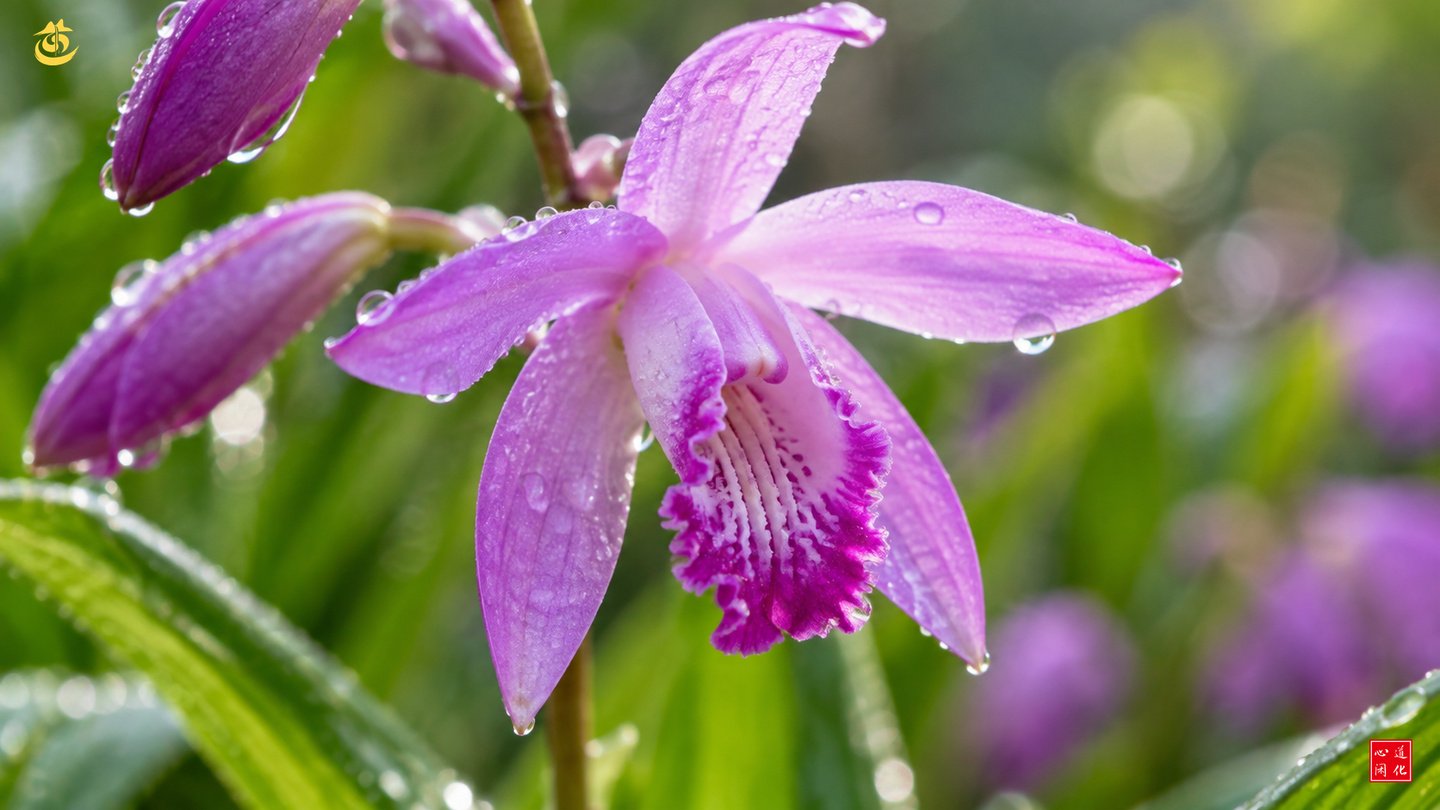
“荣宠旁边辱等待,不必扬扬;困穷背后福跟随,何须戚戚”(洪应明《菜根谭》),
真是福兮祸兮。

如何对待人生的宠辱,不让外在的种种褒贬伤及自身,老子讲得非常深刻。老子认为,只有,也只有能处理好荣辱成败,能在各种环境中保全自身的人,才是可以成大事的人,才可以重托的人。老子他:“宠辱若惊,贵大患若身。何谓宠辱若惊?宠为下,得之若惊,失之若惊,是谓宠辱若惊。何谓贵大患若身?吾所以有大患者,为吾有身,及吾无身,吾有何患?故贵以身为天下,若可寄天下;爱以身为天下,若可托天下。”(《道德经》)

老子这里阐述的是该如何正视荣辱,贵身久存。《易经》里讲的“厚德载物”就是这个道理,一个人的修行,主要是修厚德,德性足够厚,才可以承载荣辱成败。得宠的人,往往处在下位,如果内心修为不足,格局有限,就没有足够的禀受能力,要么得宠忘形,欣喜若狂,从而失去理智,恃宠而骄;一旦失宠,又没有足够的智慧接受和化解,就惊慌失措,仿佛天塌了一般,万念俱灰,自暴自弃。这就是“宠辱若惊”。对于宠辱这两种极端情况处理不好,对身心伤害是很大的。要像对待“大患”一样警惕自己的身体。那么怎么才能做到合适的“贵身”呢?道家讲的贵身,就是自尊自爱,不要让外界的荣辱成败来伤害自己的身体。人的内心和精神之所以受到外界伤害,只是因为我们过于把这个身体当成自己的了,太在乎了就伤神,如能做到“无身”的境界,还有什么“大患”可言呢?这与佛教中的“无我相,无人相,无众生相,无寿者相”(《金刚经》)表达的是一个意思,做到无我无相,无身无念,便可“心无挂碍。无挂碍故,无有恐怖”(《般若波罗蜜多心经》)。人们往往计较与“我”、与“自身”相关的得失,这个身体不是自己的了,就不那么计较了。真正达到一种外禅内定的境界,“宠辱不惊,闲看庭前花开花落;去留无意,漫随天外云卷云舒”,外不住相,内不生乱。若能如此,自己的身体就可以得以保全,不受伤害,从而可以长久而坚定地朝着自己的人生目标前行,不受伤害,不受干扰。所以,那些珍视自己的身体是为了做大事的人,就是有大格局的人;那些爱惜自己的身体是为了天下事业的人,就可以把天下托付给他。道家认为,一个动不动就自伤自残,自怨自弃,连自己的身体和生命都无法保全的人,是不以托付天下的。

本来是感慨人生四大靠不住的,却说到养生贵身上去了。(呵呵)似乎有点跑题了。忽然想停下来,不写了,就这样吧。跑题也不改了。这就是人性的弱点。作文跑题都可以看得出来,人生跑题则很难意识到。
人生跑题的事,常见。少年时想的宏伟大志,想当科学家什么什么的,到了青年,就当官,有份好工作,到了中年,就想发财,再过几年,只想平安不出事就行了,再过几年,唯一的愿望就是活着了。少年时立的人生题目,早跑偏了。人生也就算了。两人相处之初,誓言旦旦,要此生不相负。转眼就各奔东西了。能成为普通朋友的,只能说是跑偏了;有些相爱至深的人却成了陌然的路人甚至是仇人,这不是一般的跑题了,而是反题而为。如果“人之初,性本善”,那么我们是不是一直都在反本性地活着呢?
人生故事,就是一篇文章。好与不好,都是自己写的。文不对题的案例,估计大多数人都有份。要过自在的人生,也许跑题与否不那么重要,写作的过程,就是生命的过程。不用谎言书写人生,就是一篇至诚的文章,一个让人感动的人生。愿我们都能正视生命带给我们的一切荣辱成败,自我保重。看不透不要紧,要看开就行;看不开也不重要,放手即证菩提。无论宠辱成败,不忘初心,不忘心梦。虽让靠不住的外在宠辱伤了自己柔软的心,荆棘了自己的路。
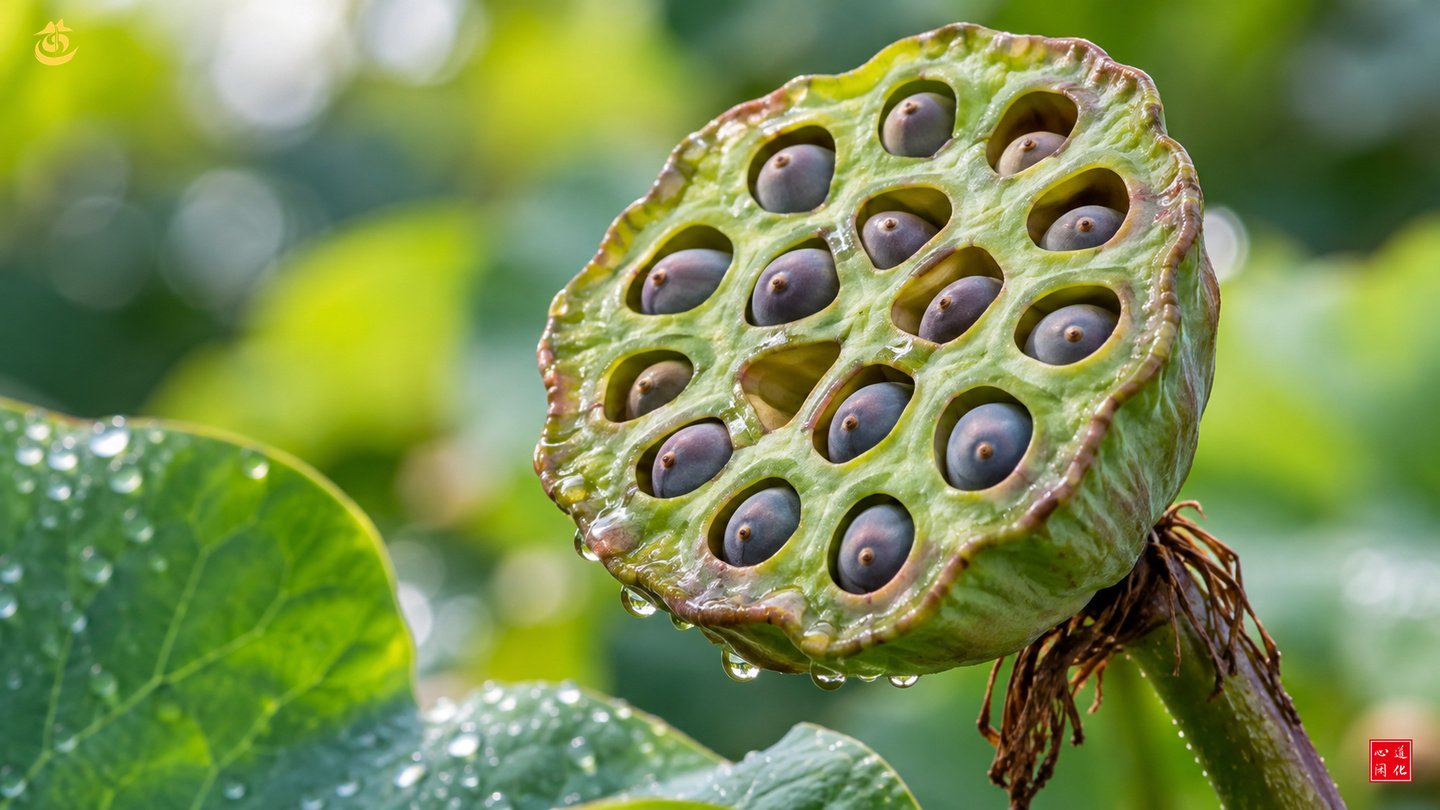
无论你何时,或在哪里看到这篇文章,请你记得,人生最重要的就两件事:紧盯自己的目标,留心脚下的路。
我们往往走得太远,忘记了为什么出发。你还记得自己的人生标题吗?
另:因需要专注处理一件事,自即日起,本公众号暂停更新。事情处理完毕,我们接着说佛论道。
说佛论道无他意,云在青天水在瓶。

2025.11.5
Laozi on Favor and Disgrace
31. Laozi on Favor and Disgrace
By Yangzi, Daozang Yanjiu, 2015-11-05
Do not let favor and disgrace sway your heart.
Little by little, autumn has cooled. Yesterday it warmed up for a moment, and at midday the air was mild and mellow. But by evening the temperature dropped, and I could not help thinking of life's "four unreliable things": spring cold, autumn warmth, the health of the old, and a ruler's favor.
Of these four unreliable things, the first three are all necessities of trend created by the laws of nature, there only to show that the laws of the Dao's working cannot be defied. Just like the spring cold snap, however cold, it soon passes; the autumn tiger in fall, however hot, cannot last; and good health in old age is not a long-term thing either. These few words carry something of the Daoist flavor, spoken coldly, spoken thoroughly, and spoken very practically. The trend of nature can only be gone along with; to defy nature is mere futility.
But the first three unreliable things in that saying are there chiefly to reveal the true nature of the fourth unreliability. The unreliability of a ruler's favor is like a law of nature: it can only be accepted, never changed. If the first three things are nature's doing, with human power helpless before them, the fourth, "a ruler's favor," breathes of all the more desolation and sorrow, laying bare the most terrifying side of human feeling. For a subject at court, the greatest good fortune is nothing other than winning the ruler's favor. But winning favor is a matter of extreme risk. Handled badly, its wrecking and blighting of a person's life are all but annihilating.
To win favor is a blessing; to win it alone is a curse.
To suffer disgrace is a curse; to grow through the curse is a blessing.
In any workplace, the favorites who hover at the leader's side are all people with hidden calamity about them. Being envied is the greatest of disasters. Yet when the true disaster does arrive, it is also the new starting point of a person's real growth.
"Beside favor and honor, disgrace lies in wait, so no need for glee; behind hardship and want, fortune follows, so why give way to sorrow" (Hong Yingming, Caigentan),
Truly, is it blessing, or is it curse.
Laozi spoke very deeply on how to treat life's favors and disgraces, so that the various outward praises and blames do not wound the self. He held that only, and only, those who can handle honor and disgrace, success and failure, and preserve themselves in every circumstance are people who can accomplish great things, and be entrusted with weight. Laozi said: "Favor and disgrace are alike causes of alarm; regard great trouble as you regard your own body. What does it mean, that favor and disgrace are alike causes of alarm? Favor is the portion of those below: gaining it, one is alarmed; losing it, one is alarmed. This is what is meant by favor and disgrace being alike causes of alarm. What does it mean, that regard great trouble as you regard your own body? The reason I have great trouble is that I have a self; were I to have no self, what trouble would I have? Therefore one who prizes his own body as all under heaven may be entrusted with all under heaven; one who loves his own body as all under heaven may be given all under heaven in trust" (Daodejing)
What Laozi expounds here is how to look honor and disgrace in the face, and to prize the body so that it lasts. The saying "abundant virtue bears all things" of the Yijing says just this: the main work of a person's cultivation is cultivating thick virtue; only when one's virtue is thick enough can one carry honor and disgrace, success and failure. The one who wins favor often stands in a low place; if the inner cultivation is insufficient and one's outlook narrow, one has not the capacity to receive it. Either one loses all composure at winning favor, wild with joy, losing reason, and growing proud on the strength of it; or the moment favor is lost, lacking the wisdom to accept and dissolve it, one panics as though the sky had fallen, every hope turned to ash, sinking into self-abandon. This is what is meant by "favor and disgrace, alike causes of alarm." Handled badly, these two extremes of favor and disgrace do great harm to body and mind. One must watch over one's own body as over a "great trouble." How then is one to "prize the body" as one should? The prizing of the body in Daoism is self-respect and self-love: do not let outward honor and disgrace, success and failure, wound your own body. The reason our heart and spirit suffer hurts from outside is only that we take this body too much as our own; caring too much wears the spirit. If one can reach the state of "no body," what "great trouble" is there to speak of? This says the same thing as the Buddhist "no mark of a self, no mark of others, no mark of living beings, no mark of a lifespan" (Jin'gang Jing). Achieve no self and no marks, no body and no thoughts, and one may "have a heart with no hindrance; and because there is no hindrance, no terror" (Bore Boluomiduo Xinjing). People usually reckon gains and losses that concern "me" and "my own self"; once this body is no longer one's own, the reckoning slackens. When one truly reaches that state of Chan without and samadhi within, "unmoved by favor or disgrace, idly watching flowers bloom and fall before the court; indifferent to staying or going, drifting at ease with clouds that gather and scatter beyond the sky," no abiding in marks outside, no stirring of disorder within. If one can be so, one's body can be preserved from hurt, and one can walk long and firmly toward the goal of one's life, unwounded, undisturbed. So those who treasure their own body for the sake of great undertakings are people of great breadth; those who cherish their own body for the sake of the world's work may have all under heaven entrusted to them. The Daoists hold that one who at every turn wounds and degrades himself, sighs over himself and abandons himself, unable even to keep his own body and life intact, is not one to be entrusted with all under heaven.
I had set out to lament life's four unreliable things, and here I am off onto nourishing life and prizing the body. (Hehe.) It seems I have strayed a little from the subject. Suddenly I feel like stopping, not writing any more, and letting it end there. Off the subject or not, I will not change it. Such is the weakness of human nature. When an essay strays from its subject, anyone can see it; when a life strays from its subject, it is very hard to notice.
Lives straying from their subject are a common thing. In boyhood, grand ambitions, to become a scientist and whatnot; in young manhood, office and a good job; in middle age, the wish to get rich; a few years on, only wanting peace and no mishaps; a few years more, and the only wish left is to go on living. The subject a person set for his life in boyhood has long since drifted awry. So much for the life. Two people, at the start of their days together, swear solemn oaths never to fail each other all their lives, and in the turn of an eye go their separate ways. If they end as ordinary friends, call it mere drifting; but some who loved each other most deeply become indifferent strangers, even enemies, and that is no ordinary drifting off the subject; that is writing the antithesis instead. If "at our birth our nature is good," then have we not been living against our nature all along?
A life's story is an essay. Good or bad, each of us writes his own. Cases of the words not matching the subject, I daresay, most people have a share in. For a life at ease, perhaps whether one strays from the subject matters little; the process of writing is the process of living. A life written without lies is an essay of utter sincerity, a life that moves people. May we all face squarely every honor and disgrace, every success and failure that life brings, and take good care of ourselves. It does not matter if you cannot see through things, so long as you can let them go; and if you cannot let them go, that is no great matter either: loose your hold, and bodhi is proved. Whatever the favor or disgrace, the success or failure, do not forget the heart you began with, do not forget the dream in your heart. Do not let the unreliable outward favors and disgraces wound your soft heart, or set brambles on your road.
Whenever, and wherever, you may be reading this piece, please remember: the two most important things in life are these: keep your eyes fixed on your own goal, and mind the road under your feet.
We often walk so far that we forget why we set out. Do you still remember the subject of your own life?
Also: because I must give my whole attention to one matter, this WeChat official account will pause its updates from this day. When the matter is seen to, we shall go on talking of the Buddha and discoursing on the Dao.
Talking of the Buddha and discoursing on the Dao with no other thought in mind: the clouds are in the blue sky, the water is in the bottle.
2025.11.5