信仰的目的---清淡笔记(14)
14、信仰的目的---清淡笔记(14)
原创 杨子 道藏研究 2021-07-11

前一段时间,去民盟企业家协会做了一个题为“国学与养生”的小讲座,由于时间关系,很多内容没来得及展开。晚餐期间,主持人说:“看到幻灯片中有关于风水的内容,其实挺想听风水的”。后来还有几位,也大致是此意。于是我回忆一下,当时幻灯内容中的风水只是很浅显的概念,属于科普介绍,列举了风水学在国际上的大致学术影响。内容方面,只是列了峦头风水的基本要素,还没涉及理气、命理相关内容。
回来后,就莫名地开始点阅《道藏》中关于风水相关的书籍。逐字校对,细读细品,发现过去看的相关书籍太皮毛了。在古代,风水学,是集环境学、地理学、生态学、预测学、美学及心理学于一体的学问。实乃集大成之学。越思越远,玩索不绝,自得自乐,趣味无穷。渐渐痴迷其中,以致无法自拔。点阅内容贴个小样如下:
点读风水系列书籍的过程,需要非常专注。可能一段时间内,先暂停上传其它内容的译文(现成的基础稿很多,只是校对、选录、排版太费时)。转一些随笔、书摘,维持更新。我的读书笔记,也是杂七杂八的,什么书都看,并以此为乐。其实,若没有其它相关书籍作支撑,《道藏》也是读不下去的。
今日偷懒,换口味,转发过去的读书笔记:
有书癖而无剪裁,徒号书厨(《小窗幽记》)
一看大乐,笑了,页边声明:“杨子不是书橱!”

读书是极快乐的事。边读边在页边做记录。翻看过去的读书笔记。更是快乐,知道自己当时的心情。很有趣。经常被自己对各种页边的注解笑得前俯后仰。
这是我15年前的读书笔记。封了十几年,再读,还是想笑。古人的语言很有内涵。有些境界,唯痴心读书、深潜学术的人能解。此间乐,无从说。亦无法与人分享。YZ.2020.8.9
不知咋回事。本周出差,遇风沙天气,行李箱怎么那么重,还傻乎乎地穿了高跟鞋,又碰上扶梯坏了。苦死了苦死了。于是日记写道:
大风起兮沙飞扬,安得猛士兮提行囊。是为记。YZ2018.5.31
《猪肉颂》—苏轼
净洗铛,少著水,柴头罨烟焰不起。待他自熟莫催他,火候足时他自美。黄州好猪肉,价贱如泥土。贵者不肯吃,贫者不解煮,早晨起来打两碗,饱得自家君莫管。(明 王如锡 《东坡养生集》)
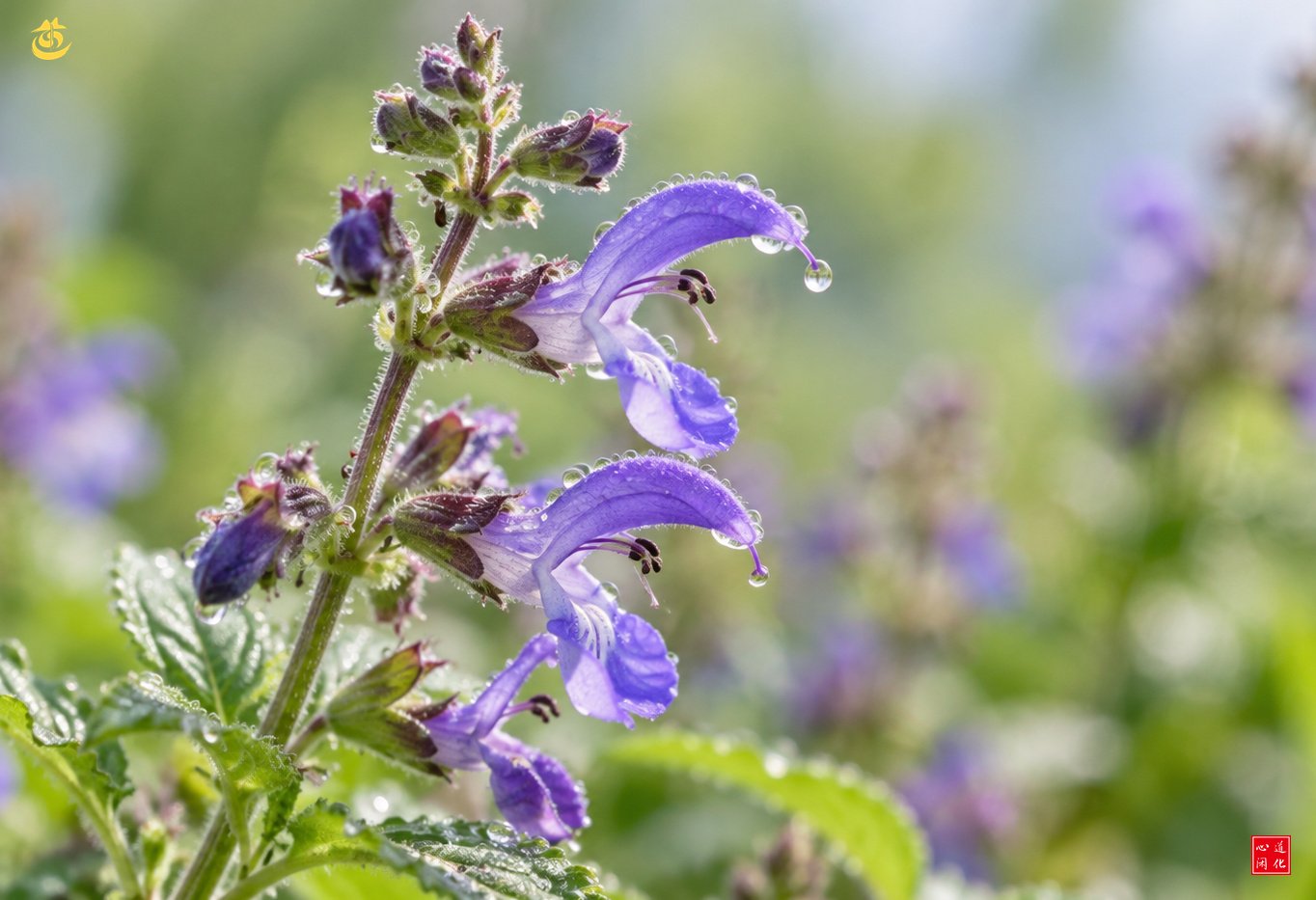
注:宋朝的物价可见一斑。猪肉价格如泥土。富贵人家都不吃,穷的人吃得起,但又不会煮。于是,不富不穷的苏东坡,每天早餐,打两碗猪肉,吃个肚儿圆。大概那时的猪肉都是自然养殖,没有什么激素或添加剂吧。
知存而不知亡,知乐而不知殃。夫存者非存,在于虑亡;乐者非乐,在于虑殃。(姜太公《六韬》之“兵道”)
注:知存不知亡,知乐不知殃。知道王朝存在,而不知道灭亡的风险同样时刻存在。这是每一个君主都不知道的道理。如果知道的话,就不会有王朝的灭亡更替了。
古人说:
“广所依不如择所依,择所依不如无所依”(明 吕坤《呻吟语》)
注:一味地依赖外物生存,不如有选择地依赖;有选择地依赖外界而存在,不如无所依赖。那些生活上无依无靠的人,往往是生存能力最强的。精神无所依赖,常常造就强大的内心。信仰、思想上无所依赖,往往催生独立的思考,产生无上的智慧。那样的人虽然生活在孤独的空间内,也不会觉得寂寞和痛苦。正是庄子所说的“天地与我并生,万物与我为一”,这样的灵魂是感觉不到孤寂和无助的。相反,那种独处带来的安静更容易让心灵清澈,心怀宇宙,融于自然。那种自由自在,即是庄子的境界:“独与天地精神往来”。那种自在超越语言,唯体味才能知。

夫搜寻仞之垄,求干天之木;漉牛迹之中,索吞舟之鳞,用日虽久,安能得乎?(葛洪《抱朴子内篇 勤求》)
大意:在几尺高的田埂上,要找冲天的大树;在牛蹄印下的积水,寻找吞舟之鱼,即使花费再多的时间,怎么能找得到呢?YZ.2019.6.22
明陈继儒说:“寡过莫如省事,善应莫如收心”,此乃真言。
世味浓,不求忙而忙自至;世味淡,不偷闲而闲自来。
后半句,说的是就我这样的人吧。YZ.2019.9.21
终归宗教
无论我们多么科学,终究,还是要归宿到宗教上。毕竟,我们每个人都最终要面对死亡的问题。
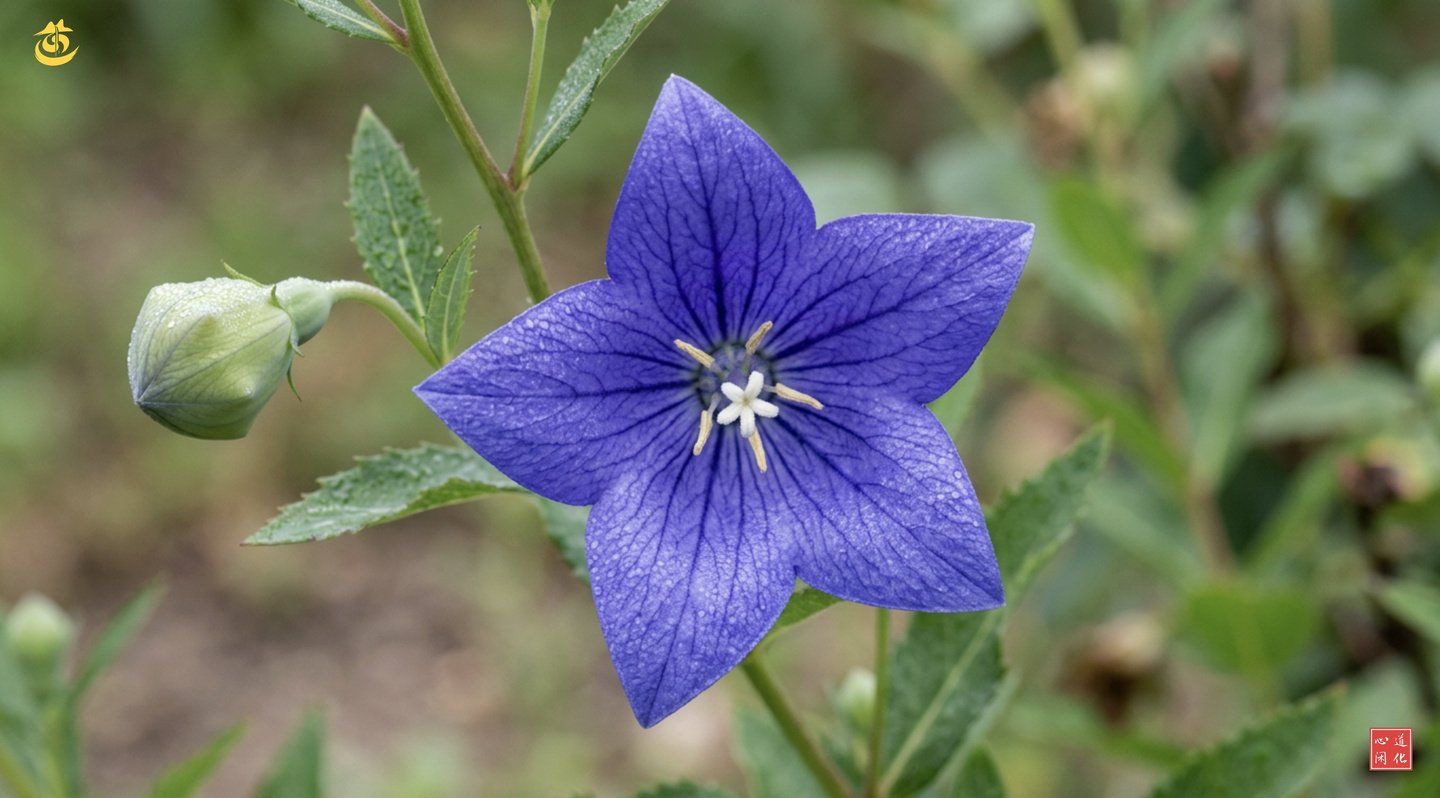
别说死亡与自己没有关系。承认或不承认,我们每个人,从出生的那一刻起,都在逐步迈向死亡。YZ.2016.1.26
信仰的目的,
应该是
给人们启迪或解脱,
而不是膜拜和束缚。
YZ.2021.6.17
贫莫贫于无志,贱莫贱于无德。
YZ.2019.9.23
穷困之时,看节操;
浓艳场中,试淡泊;
纷纭境上,勘镇定;
显达之处,示涵养。
YZ.2019.7.4
凡是执着于这个门派,那个门派的人,是没有理解真正的佛法,或大道,因为真正体悟佛法真谛的人知道,法无定法,无所不包,无所不容。真正的佛和道,无形无相,能与一切万物相融,表相虽有别,但本质却无异。
一个人拜一个木雕的佛像,一个人则拜边上的一棵树。所有人的都笑他。他淡定地行完礼,说,拜无相佛,才是真正的领悟佛法的真谛。
一个人拜石头雕刻成的佛像,一个人拜一块石头。功用无别。
世尊定的金刚座,在哪里?在悟道者的屁股底下。得道者,坐到哪里,哪里就是金刚座。不住相,不执着,此心便是无量佛。2016.12.06
打架:个体间的同类相残。
打群架:群体性的同类相残。
战争:规模性的同类相残。
YZ2018.1.31
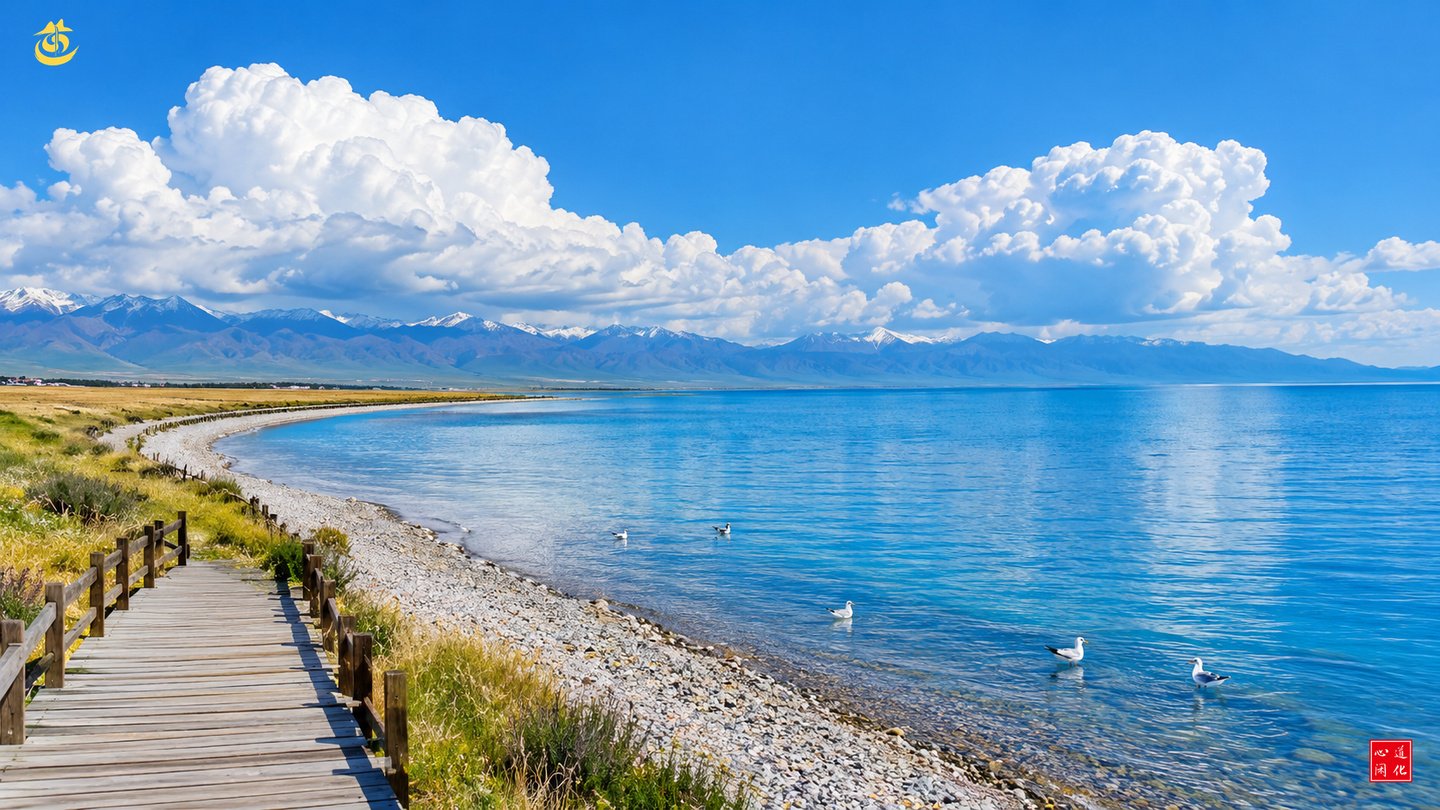
至于湘江,乃地球上东半球东方的一条江。它的水很清,它的流很长。住在这江上和它邻近的民众,浑浑噩噩,世界上的事情,很少懂得。他们没有组织的社会,人人自营散处,只知有最狭的一己,和最短的一时;共同生活,久远观念,多半未曾梦见。他们的政治,没有合意和彻底的解决,只知道私争。他们被外界的大潮卷急了,也办了些教育,却无甚效力;一班官僚式教育家,死死盘踞,把学校当监狱,待学生如囚徒。他们的产业没有开发。他们之中也有一些有用人才,在各国各地方学好了学问和艺术。但没有给他们用武的余地,闭锁一个洞庭湖,将他们轻轻挡住。他们的部落思想又很厉害,实行湖南饭湖南人吃的主义,教育实业界不能多容纳异材。他们的脑子贫弱而又腐败,有增益改良的必要,没人提倡。他们正在求学的青年,很多,很有为,没人用有效的方法,将种种有益的新知识新技术启导他们。咳!湘江,湘江!你真枉存于地球上。
时机到了!世界的大潮卷的更急了!洞庭湖的闸门动了,且开了!浩浩荡荡的新思潮业以奔腾澎湃于湘江两岸了!顺它的生,逆它的死。如何承受它?如何传播它?如何研究它?如何施行它?这是我们全体湘人最切最要的大问题,即是《湘江》出世最切最要的大任务。
(毛泽东 一九一九年七月十四日)
来源:(原载《湘江评论》创刊号)
The Purpose of Faith---Idle-Talk Notes (14)
14. The Purpose of Faith---Idle-Talk Notes (14)
Originally published by Yang Zi, Daozang Research, 2021-07-11
A while back, I went to the Entrepreneurs' Association of the China Democratic League and gave a small lecture titled "National Learning and Nourishing Life"; for want of time, much of the content went unexpanded. Over dinner, the host said: "I saw there was material on fengshui in the slides—I would really have liked to hear about fengshui." Several others afterward said much the same. So I cast my mind back: the fengshui in those slides had been only the most elementary notions, popular-science introduction, listing the broad academic influence of fengshui studies internationally. As to substance, I had listed only the basic elements of luantou (landform) fengshui, without touching at all on liqi or fate-calculation.
After coming home, I somehow began reading through the books on fengshui in the Daozang (Daoist Canon). Checking the text character by character, reading closely and savoring slowly, I found that the related books I had read in the past were sheer surface. In ancient times, fengshui was a discipline that joined environmental study, geography, ecology, prognostication, aesthetics, and psychology in one body—a truly consummate synthesis. The more I pondered, the farther it reached; I turned it over and over without cease, took my own delight in it, an endless store of interest. Little by little I grew so absorbed in it that there was no pulling myself out. A small sample of the material I read follows:
The process of reading through the fengshui series of books demands intense concentration. For a stretch of time I may have to pause uploading translations of other material (there are plenty of finished basic drafts; it is only the proofreading, the selecting and excerpting, and the typesetting that eat up so much time), and post some casual essays and book excerpts instead, to keep the updates going. My reading notes are a mixed bag in any case—I read every sort of book, and count it a pleasure. In truth, without other related books to prop them up, even the Daozang (Daoist Canon) cannot be read through.
Today, playing hooky and changing the flavor, I forward some old reading notes:
To have a mania for books but no power of selection is merely to be styled, in vain, a book cupboard (Xiaochuang Youji)
I read it with great delight, laughed, and inscribed a declaration in the margin: "Yang Zi is not a book cupboard!"
Reading is a most joyful thing. As I read I make notes in the margins. Leafing through old reading notes is more joyful still—you know your own mood of the time. Great fun. I am often doubled over with laughter at my own marginal notes of every kind.
These are my reading notes from fifteen years ago. Sealed away for over a decade, and on rereading them they still make me laugh. The language of the ancients carries much within. Some of its reaches can be understood only by those who read with a besotted heart and dive deep into study. The pleasure of this cannot be told, nor can it be shared with anyone. YZ.2020.8.9
I don't know what got into me. This week, away on business, I ran into wind-and-sand weather; why was that suitcase so heavy? And I had gone and silly-headedly worn high heels, and then the escalator was broken. Misery, sheer misery. So my diary records:
A great wind rises, ah, and the sand flies aloft; where may a stout warrior be found, ah, to carry my luggage case. Thus it is recorded. YZ2018.5.31
"Ode to Pork"—Su Shi
Wash the pot clean, lay on little water, let the firewood bank down the smoke so the flames never flare. Wait for it to cook itself; do not hurry it—when the heat has done its full work, it will be delicious of itself. Huangzhou has fine pork, priced cheap as dirt. The rich will not eat it; the poor do not know how to cook it. Rise in the morning and dish up two bowls, eat your fill, and let no one mind your business. (Wang Ruxi of the Ming, Dongpo Yangsheng Ji)
Note: One gets a glimpse of prices in the Song dynasty. Pork priced like dirt. The rich households would not eat it; the poor could afford it, but did not know how to cook it. And so Su Dongpo, neither rich nor poor, dished up two bowls of pork every morning and ate himself a round belly. Presumably the pork of that era was all naturally raised, with no hormones or additives.
To know survival but not destruction, and happiness but not calamity: survival is secured by anticipating destruction, and happiness by anticipating calamity. (Jiang Taigong, Six Secret Teachings, “The Way of Warfare”)
Note: Knowing continuance without knowing demise, knowing joy without knowing calamity. To know that the dynasty stands, yet not know that the risk of its fall is present at every moment alike. This is a truth of which not one ruler has ever been aware. Had they been aware of it, there would have been no fall and succession of dynasties.
The ancients said:
"To depend broadly is not so good as to depend on what is chosen; to depend on what is chosen is not so good as to depend on nothing at all" (Lü Kun of the Ming, Shen Yinyu)
Note: To depend flatly on external things for one's living is not so good as to depend selectively; to depend selectively on the outside world for one's existence is not so good as to depend on nothing at all. Those with no one and nothing to lean on in life are often the strongest at survival. A spirit that leans on nothing often forges a powerful inner heart. Faith and thought that lean on nothing often beget independent thinking and give rise to supreme wisdom. Such people, though they live within a lonely space, do not feel desolate or pained. It is just what Zhuangzi meant by "Heaven and earth were born together with me, and the ten thousand things and I are one": such a soul cannot feel isolation or helplessness. On the contrary, the quiet that solitude brings makes it easier for the heart to run clear, to hold the cosmos within it, to melt into nature. That freedom and ease is precisely Zhuangzi's state: "wandering alone, in spirit, with Heaven and earth." That ease transcends language; only by tasting it can one know it.
To search field ridges a few feet high for trees that pierce the sky, and to strain the puddle within an ox's hoofprint for fish that could swallow a boat—though the days spent be long, how could they ever be found? (Ge Hong, Baopuzi Neipian, "Qinqiu")
The general meaning: On field ridges a few feet high, to look for great trees that soar to the sky; in the water pooled in an ox's hoofprint, to look for a fish that could swallow a boat—however much time one spends, how could they ever be found? YZ.2019.6.22
Chen Jiru of the Ming said: "For few faults, nothing like paring back one's affairs; for meeting things well, nothing like gathering in one's heart." These are words of truth.
When the taste of the world is thick, seek no busyness and busyness arrives of itself; when the taste of the world is thin, steal no leisure and leisure comes of itself.
That second half—it must be describing someone like me. YZ.2019.9.21
Coming Home to Religion in the End
However scientific we may be, in the end we still have to come home to religion. After all, every one of us must at last face the question of death.
Do not say that death has nothing to do with you. Admitted or not, every one of us, from the very moment of birth, is step by step walking toward death. YZ.2016.1.26
The purpose of faith
should be
to bring people awakening or release,
not worship and bondage.
YZ.2021.6.17
No poverty is poorer than lack of resolve; no lowliness is lowlier than lack of de (virtue).
YZ.2019.9.23
In times of destitution, look to one's integrity;
Amid scenes of pomp and pleasure, test one's simplicity;
In circumstances of confusion, examine one's composure;
In places of eminence, show one's inner cultivation.
YZ.2019.7.4
Whoever clings fast to this school or that school has not understood the true Buddha-dharma, or the great Dao; for one who has truly realized the heart of the Buddha's teaching knows that the dharma has no fixed dharma, that it excludes nothing and admits everything. The true Buddha and the true Dao are without form and without appearance; they can merge with every one of the ten thousand things—the outward marks differ, but the essence is not two.
One man bowed in worship to a Buddha statue carved of wood; another bowed to the tree beside it. Everyone laughed at him. He finished his bows with perfect composure, and said: to bow to the formless Buddha—that is truly to grasp the heart of the Buddha's teaching.
One man bows to a Buddha statue carved from stone; another bows to a plain stone. No difference in the function.
Where is the vajra seat the World-Honored One fixed? Beneath the backside of one awakened to the Dao. Wherever one who has attained the Dao sits, there is the vajra seat. Abiding in no appearance, clinging to nothing—this heart itself is the boundless Buddha. 2016.12.06
A brawl: individuals harming others of their own kind.
A gang fight: groups harming others of their own kind.
War: large-scale harm inflicted on others of one’s own kind.
YZ2018.1.31
As for the Xiang River: it is a river in the East of the Eastern Hemisphere of this earth. Its waters are very clear; its course is very long. The people who dwell upon this river and near it live in a daze, knowing little of the world's affairs. They have no organized society; each person tends his own, scattered and apart, knowing only the narrowest self and the shortest moment; of common life and long views, most have never so much as dreamed. Their politics admit of no agreed and thorough settlement—they know only private strife. Swept along in haste by the great tides from outside, they have set up some schooling, to little effect; a clique of bureaucrat-educators squats there fast, treating schools as prisons and students as convicts. Their industries remain undeveloped. Among them are some talents of use who have mastered learning and the arts in other countries and other places; but no room is given them to show their mettle—a single Lake Dongting, shut fast, turns them gently back. Their tribal thinking is likewise strong: they practice the doctrine that Hunan rice is for Hunan bellies, so that education and industry cannot take in much talent from outside. Their brains are poor and weak and moreover rotten; there is need of enrichment and reform, and no one advocates it. Their youth now at their studies are many, and full of promise, yet no one uses effective means to open the way for them into all the useful new knowledge and new technique. Ah! Xiang River, Xiang River! You truly exist on this earth in vain.
The moment has come! The great tide of the world rolls faster still! The sluice gates of Lake Dongting have stirred—and opened! The vast and surging new tide of thought is already rushing and roaring on both banks of the Xiang! To go with it is to live; to go against it is to die. How shall we receive it? How shall we spread it? How shall we study it? How shall we carry it out? This is the most pressing and most vital great question for all of us people of Hunan—that is, the most pressing and most vital great task of the coming forth of the Xiangjiang.
(Mao Zedong, July 14, 1919)
Source: (first published in the inaugural issue of the Xiangjiang Pinglun)