华佗的五禽六气--《太上老君养生诀》(1)
3、华佗的五禽六气--《太上老君养生诀》(1)
原创 杨子 道藏研究 2021-05-12

今天介绍《太上老君养生诀》,看了全文,我觉得取名《华佗导引吐纳养生法》可能更合适。
本养生诀,是华佗让他的弟子吴普写的,以“太上老君”名之,可能原因:一则是显示对老子的尊重,二则也可借老子的名声将此文广大。由此可见,老子在吴普心中的地位,也是至高无上的。我不太喜欢把这种取名方法说成“托名”,总看到一些书说道教的“托名”之书是不可信的,话里话外,都带着一种贬义和否定。个人觉得,用谁的名字命名,或作者是谁,并不重要,只要内容好,对读者有益,就值得我们尊重和感恩。我们很多古诗写的很好,但作者不署名的也很多。
在《道藏》中,作者“不着姓名”的书,太多了。这些,都是看透了名利的人。他们不会为了后世虚名而一定将自己的名字与著作写在一起。总是随著随弃的超然与洒脱,那样的人,才是真正的神仙。
历代高道,潜心钻研生命之学,反复实验,并如实记录相关步骤和数据,以及结果,他们是“人用历史”的试验者,有些道士甚至用生命的代价去试丹、试药,这种精神,是值得我们后人尊重和感恩的。
华佗,是三国时候的名医,今天安徽亳州人,经常活动在安徽、河南、山东、江苏一带。华佗的弟子中,最为世人所知的有三位:李当之、樊阿、吴普。
西安的李当之,精于本草,著有《李当之药录》。
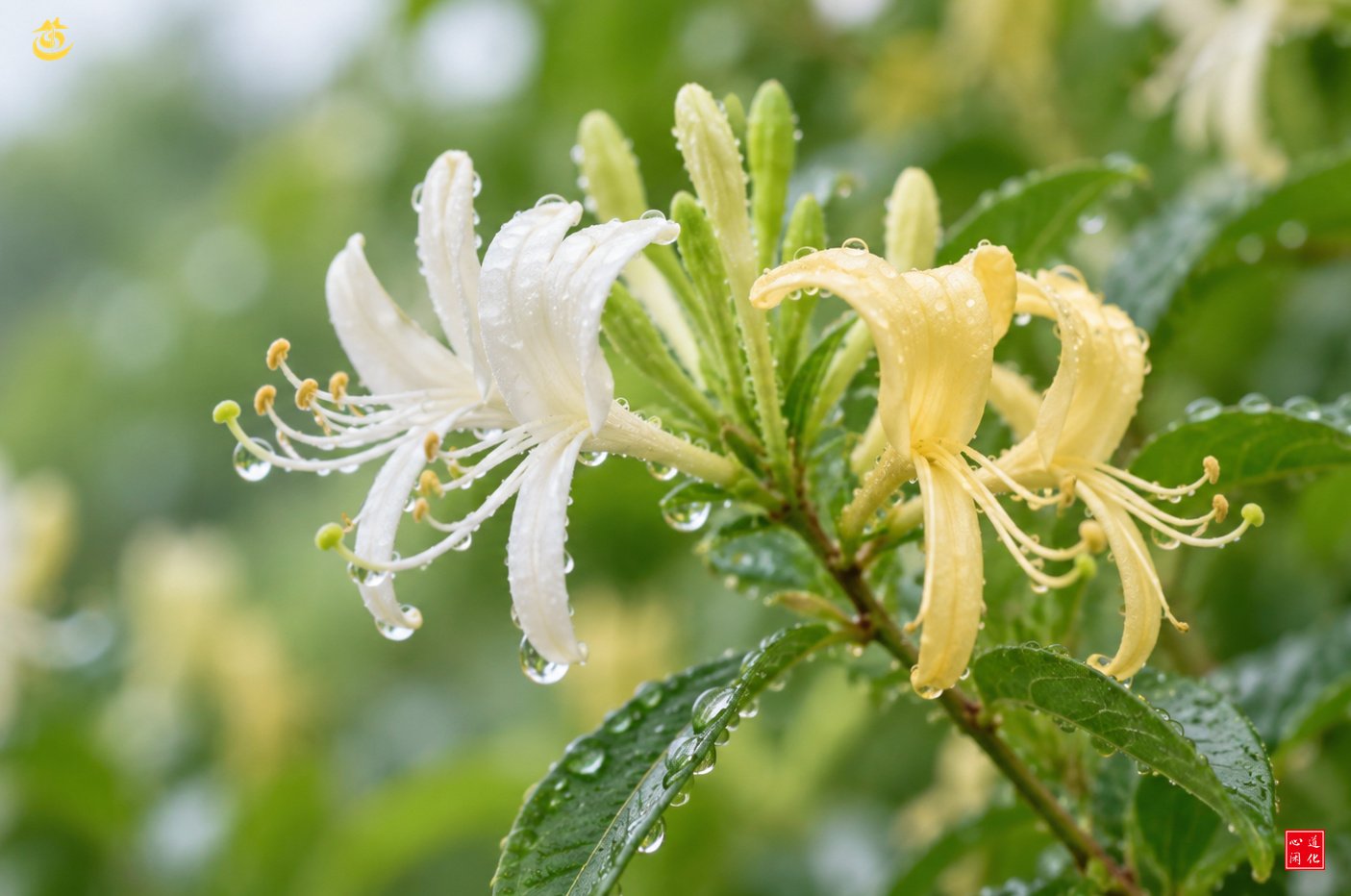
徐州的樊阿,非常擅长针灸;也喜欢内服本草,保养内脏。樊阿向华佗讨教可以服用而且对人体有好处的药方,华佗便拿“漆叶青黏散”教给他。药方用漆叶的碎屑一升,青黏碎屑十四两,按这个比例配制,说是长期服用此药能打掉三种寄生虫,对五脏有利,使身体轻便,使人的头发不会变白。(注:读到这个地方,我非常迫切地想得到这个药,将来一定要把这个方子做出来!)于是樊阿按他的话去做,活到一百多岁。
由于《本草图经》中记载这个方子是“本出于迷人入山中,见神人服之,以告佗”,是有见山里的神仙人物服用的,告诉华佗的。神仙人物服用的,那一定是仙药了,于是后世道士们对这个配方进行了不懈的研究,进行配制,开始研究这个“青黏”是什么本草,有说是玉竹,有说是黄精,我没有试过这个配方,目前还不确信。但黄精是我泡养生酒中的一味药,加上在《道藏》很多辟谷法中,最常用的一味本草,知道其养生功效。但不能就此断定这个让樊阿活到100多岁配方中的本草到底是什么。
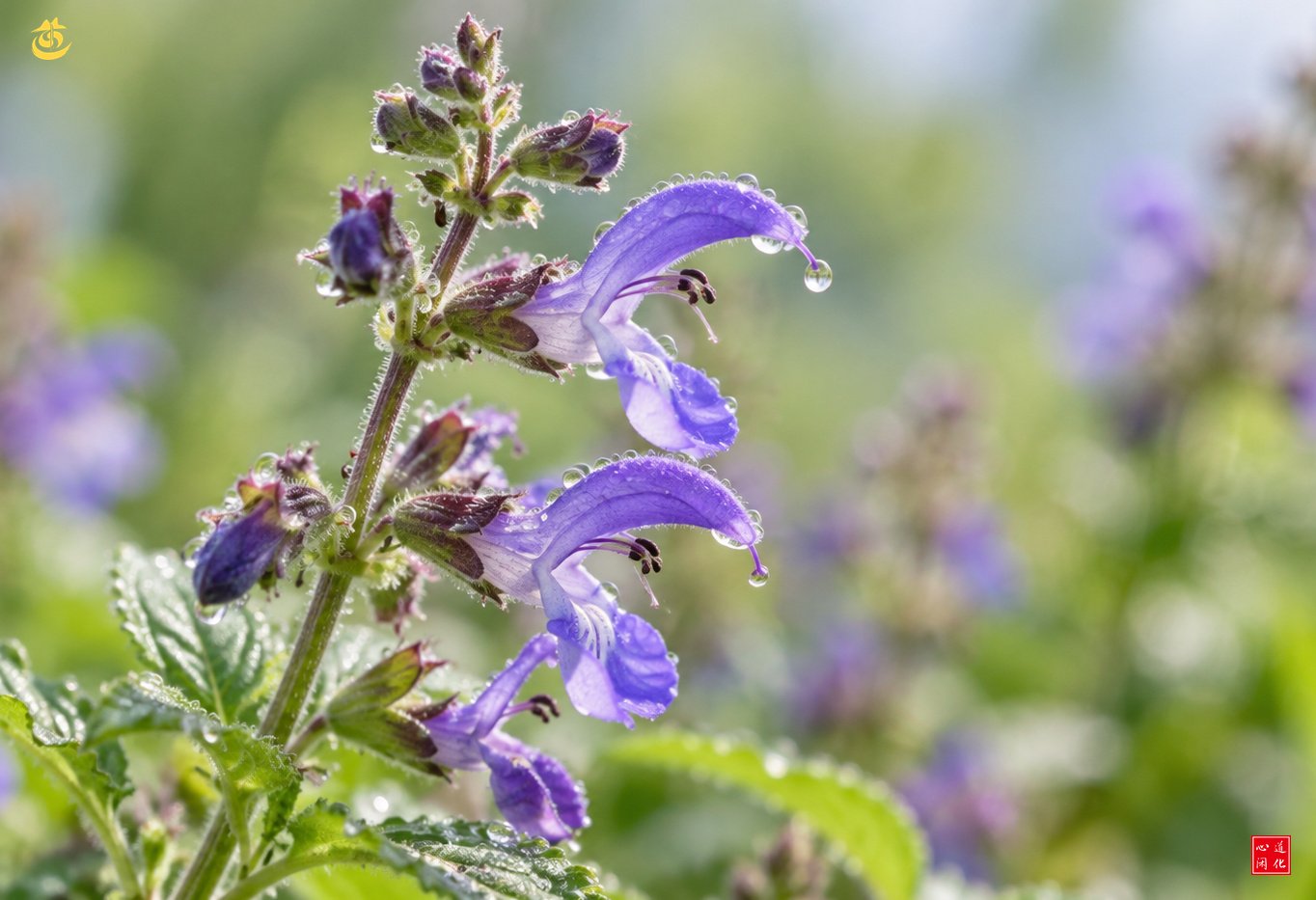
那么,我们就看一个确定性的养生方法---华佗导引法。这是有确切记录的。本文的作者,扬州的吴普,著有《吴普本草》,最爱练习华佗的导引体操。他练习华佗所创五禽戏进行养生锻炼,“年九十余,耳目聪明,齿牙完坚”,九十多岁的寿命,在三国时期,可是了不起的长寿,而且还耳聪目明,牙齿完好坚固。可见华佗这套导引养生法的有效。
为了更容易理解,先解析一下本文的结构,共五个部分:
1.五禽第一
2.服气吐纳六气第二
3.养生真诀第三
4.服气诀
5.总结
其中,4、5部分并入到第三章养生真诀中了。但从内容上看,我觉得第4部分“服气诀”应该在“服气吐纳六气第二”那一章,所以在注译本文时,我将第4部分提到第二章来。
也可能正是因为原文这种结构上的迷惑,让后世注译者非常谨慎。所以现在网上能搜索到的《太上老君养生诀》的内容,基本都是第三章“养生真诀”中的一部分内容。连第三章都不全。这就是系统学习和研究《道藏》的难处,缺少可靠的文献。

第二章,我看内容比较独立,所以单列,以便理解和记忆。
由于前两章相对短,所以今天先介绍前两部分。第三章网上有一点点(两段)译文,我原不想再注了,但由于“服气诀”部分比较实用,又没有人翻译过,所以也就一起注译,但提到第二章去。
经名:太上老君养生诀。题华佗授广陵吴普。一卷。底本出处:《正统道藏》洞神部方法类。
太上老君养生诀
华佗授广陵吴普
五禽第一
老君曰:古之仙者,为导引之事,能鸟申挽引肤体,动诸关节,以求难老,名日五禽之戏。挽引蹄足,以当导引。体中不快,起作一禽之戏,故令汗出,因止。以身体轻便,普施行之,年九百余岁。耳目聪明,牙齿完坚。夫为导者甚易,行者甚希,悲哉!

注:老君曰:古代那些修神仙的人,都会做导引健身操,象鸟一样伸展牵引肢体,让各个关节运动起来,并得到持续的锻炼,以求不老之法,这种导引之术叫“五禽之戏”。拉伸一下腿脚,引导全身气血畅通。体内有不适症状时,开始做一做这套禽戏操,等到人身体出汗,就停下来。这套操,可以使人身体轻便,经常这么做,可以活九百多岁,而且耳目聪明,牙齿完好坚固。做导引操是非常方便易行的,可惜能做到的人很少,真是可悲啊!
我曾看到一个记录片,在北京的某公共场所,有一位老人,四肢着地行走。那是我所见到的(通过视频)做华佗的“五禽戏”中“虎”戏最好的一位。我十几年前就想尝试,但做不到,因为趴下去容易,往前面走动时,后面的腿要像老虎腿一样伸直,那个我真做不到。因为对筋骨要求太高了。随着年龄增加,人的筋会收缩,人会变得比年轻时矮小一些,主要原因是筋缩了。所以“拉筋”常常体育锻炼的一项专业技能。一般人做不到。能做到的,可称为神仙。
下面就是“五禽戏”中的具体动作,原文说的简单明了,不必翻译:
虎戏:四肢距地,前三踯,却三踯,长引肤,乍前乍却,仰天即返伏,距地行前却各七。
熊戏:正仰,以两手抱膝下,举头左僻地七,右亦七,踯地,手左右托地,各七。
鹿戏:四肢距地,引项反顾,左三右三,左申右脚,右申左脚,左右申缩,亦三止。
猿戏:攀物自悬,申缩身体,上下七,以脚拘物倒悬,左七右七,坐左,右手拘脚,五按,各七。
鸟戏:立起,翘一足,申两臂,扬扇用力,各二七。坐,申脚起,挽足指各七,申缩两臂各七。
夫五禽戏法,任力为之,以汗出为限,轻身消谷气,益气力,除百病,陀行之年过万岁。教传弟子广陵昊普,亦得延年长寿。

注:这里说的五禽戏法,要“任力为之”,做不到的不可强为,以出汗为限。可以轻身健体,助消化,益气力,除百病,华佗这么做活过万岁(这当然是夸张的写法,可能在弟子心中,老师是长生不老的万岁师吧)。华佗教传给弟子吴普,于是吴普也很长命。作者活了90多岁,但写本书时,肯定是不知道自己何时死,所以不能写活了90多岁,只能说“延年长寿”。这是实在话,也说明这本书的可靠性。
服气吐纳六气第二
呬字:呬主肺,肺连五藏,受风即鼻塞,有疾,作呬吐纳,治之。
呵字:呵主心,心连舌,五藏心热舌乾,有疾,作呵吐纳,治之。
呼字:呼主脾,脾连唇,论云:脾温即唇焦。有疾,作呼吐纳,治之。
嘘字:嘘主肝,肝连目。论云:肝盛即目赤。有疾,作嘘吐纳,治之。
吹字:吹主肾,肾连耳。论云:肾虚即耳聋。有疾,作吹吐纳,治之。
嘻字:嘻主三焦,有疾,作嘻吐纳,治之。
注:原文中,这一段也写得简单明了,有中医基础或练气功的人,更有同感。这“呬呵呼嘘吹嘻”六个字,就是道家的吐呐功,真是一个神奇的组合,能调养五脏及三焦。大家根据自己的情况,可以对照一下:
肺脏呼吸系统不好的,用“呬”字吐纳;
心热,口干舌燥的,作“呵”吐纳;
脾脏偏温,唇焦不适的,作“呼”吐纳;
肝主目,一般肝有问题的人,都反应在眼睛上,肝火旺盛,就红眼睛,可以作“嘘”吐纳;
我对“吹”字特别感兴趣,“吹主肾,肾连耳”。老年人一个很典型的标志,就是耳朵听力不行,这主要是因为肾虚的原因。常做这个“吹”的吐纳,可以延缓肾虚,治疗耳鸣、耳聋。
三焦的疾病,作“嘻”吐纳,可以治。
这真是太有趣了。特别好玩。我一边打字,一边“呬呵呼嘘吹嘻”的练习,余光看到镜子里的自己,忍不住咯咯笑起来。只可惜,咯字不能吐气,不能算是吐呐的字。忽然想起,吹笛子、吹口琴的人,内脏功能更好一些呢?理论上应该是。

我高三时的一位同学,叫吴莉,我们俩住一个屋,她学声乐的,经常“呼呼、呵呵”,说是在练气,因为她唱美声,总笑话流行歌曲的通俗唱法太“low”,说美声才是真正的高雅艺术。又总说自己肚子里气不足。为了练气,她说声乐老师告诉她一个练气方法,放两块砖头在肚子上,让我坐上去,她鼓起肚子撑着。她练气时不能讲话,我就坐在她肚子上读课文给她听。这样我们可以把所有的时间都都利用起来学习。
那时候,我们上学,骑自行车,路上没法看书,就把需要记忆的知识点,写在手心里,边骑车边思考,想不起来了,就看看手心。在操场上,可以看到很多同学的手心里,都是密密麻麻的蓝色钢笔字,有些手指缝里都是字。而且,在下课时间,去洗手间时,很多同学手心里也都有一个小纸条,上面写着需要记忆的知识点。
这种勤奋并非一小部分人,而是绝大部分同学。在我的记忆中,所有同学,没有最勤奋,只有更勤奋。可能是因为是在“尖子班”,同学们的努力超越语言。分班,是最残酷的。按分数排名,落后的,就到“普通班”。这个对学生情感的伤害非常大。我一直在“尖子班”所以感受不深。但曾在听经济学家郎咸平在电视上公开讲他们那个年代的残酷,他说自己被分到了“放牛班”,那是他一生的心理伤痛,直到几十岁了,在美国接受了良好的教育,在国内也算是功成名就,但他心里还是放不下曾经的屈辱。我们的教育确实存在很大问题,某种程度上不是培养创新精神,而是对天赋的扼杀。但都没有办法。当时我们高考的录取率非常低,就算是“尖子班”,挤挤满满的一屋子,也考不上几个,无论多优秀。在省内考取大专的分数,如果放到沿海省份或北京上海这样的大城市,可以上重点大学。这是我们经历的时代。

我那位练声乐的同学就是因为文化课考试竞争太激烈,选择了音乐专业。她的勤奋和良善,以及为了改变命运而做出的努力,至今让我想来心酸、敬佩和感慨,也一直激励着我在这样的时代勤奋不已。那个年代的人,都这么过来的。有些东西,是时代给的;有些东西,是时代欠的。我开始不理解她为什么那么拼命。有一次看到她对着男朋友的一封信流泪,上面写“你只有考上了,咱们才有未来”。因为她男朋友已经考上大学了,她必须要考取,才能配得上他。于是我忽然很同情她。所以,尽力帮助她练气。她在经常房间里“呼来呵去”的,有时会冷不丁大“呵”大叫,吓我一大跳。但我能承受,因为理解她的不易,理解她没有选择。
有一次她在安静地写作业,我去盛饭,叫她:“帕瓦罗蒂,过来吃饭”,刚掀开锅盖,她突然起身,大“呵”一声,我当即魂飞魄散,勺子掉到地上,碗掉进锅里,米汤溅得到处是。我们哈哈大笑,我闹着要她赔我的魂儿。现在想来还忍不住笑。笑后含泪。
还有一次,我正坐在她肚子上帮助练气,她爷爷突然来了,见状,大发雷霆,说这样会要命的,万一气撑不住,砖头会把五脏压碎。我当时惊恐万状。直到现在还后怕。这种方法对练气是否正确,我不知道。她是如何撑起我和砖头而不散气的,我也不知道。
但从那时起,我知道,体内的气,是可以通过训练渐渐增强的。中医讲,健康的基本就是气血通畅。如果气滞血淤,一定会引发各种疾病。中医看病,一般都是“疏通”、“疏散”、“调理”等词汇,是有原因的。
“呬呵呼嘘吹嘻”这几个字,就是道家练习吐纳服气的基本功法。没事了,可以试试,静静地体会气流在体内的作用,可以感知到,不同的字,作用的部位确实不一样。只要心足够静,很容易感觉得到。
养生真诀第三(略)
……此处略去五段
服气诀
老君曰:玄牝门,天地根,绵绵若存,用之不勤。言口鼻,天地之门,以吐纳阴阳生死之气。
注:老子说的“玄牝之门,是为天地根”,个人以为是指生命之门为天地的根本,是老子对母性文化的白描和礼赞。但本书作者吴普先生为说玄牝之门,指口鼻,我不是很同意。但口鼻可吐纳阴阳生死之气,说得过去。

每旦面向午,展两手於膝上,徐徐按捺两节,口吐浊气,鼻引清气,所谓吐故纳新。是蹙气,良久徐徐吐之,仍以手左右上下前后拓,取气之时,意想太和元气下入毛际,流於五藏,四肢皆受其润,如山之纳云,如地之受泽。若气通,便觉腹中汨汨转动。若得十通,即觉身体润择,面色光泽,耳目聪明,令食有味,气力加倍,诸疾去矣。
注:这节讲吐纳方法。每天清晨到上午,两手展于膝上,徐徐按捺两节,口吐浊气,鼻吸清气,这就是道家的吐纳方法,即庄子说的“吐故纳新”。先收一口气,尽量时间长,等到憋不住了,再然后慢慢吐出来,同时用手势上下、左右、前后进行运送。吸引清气时,脑子时要用意念去想像太和元气向下注入毛孔发际,透肌肤,进入五藏,四肢也能接受其滋润。就象高山接纳云彩一样,或象大地接受雨水的泽润一样。若气流在身体内走通,就会感觉到腹中有汩汩的转动声。如果这样循环转动十次,立即就可以感觉到身体润泽,面色光泽,耳目聪明,吃什么都有味道,力气倍增,诸病消除。这就跟一个城市里气流畅通,交通顺畅一样的,各自有序。若是哪里拥堵了,就会造成各处的不协调。堵久了就出问题。一个道理。天人合一,可以这么简单的理解。一切都要通畅。神不通,神滞;心不通,心痛;气血不通,全身都不对劲。导引之法,就是让全身气血畅通的。服气之法,主要是把新鲜的空气引到体内,送到全身各处,以新换旧,把陈旧污浊的气体排出体外。更新体内之气,从而使生命保持健康。
本文除了养生的价值,从学术上,也值得一记。因为本段的内容,是“存思”和“内丹”的启蒙理论。这个学术上应该给予承认和重视。华佗和吴普所说的“意念”法,非常重要,至今都不过时。关于“存思”法,以前我在介绍魏存华《黄庭经》时说过,不再重复。“内丹”理论,以前多次提过,但没有说得很详细。“内丹”理论有难度,具体内容我排到了“外丹”之后上传。按照目前的排序和上传速度,最快明年上传。
……(篇幅限制,今日暂摘发至此,下篇再续“六气疗养内脏”)

照例,两首道情,送给你:
《道是平淡》
历尽炎凉相待,淡了红尘豪迈;
指天山盟海誓,几人永生真爱。
有求宿敌相拥,无用血亲相踹。
君子隐情于神,小人狂纵于态。
眼前繁华落尽,心中渐消无奈;
终究何物相宜,白水稀饭榨菜。
(注:何时知道了白水、稀饭、咸菜,何时知道了真正的人生)
YZ.2019.3.12

《常清静》
心悟大道去繁华,不拜公侯帝王家;
鼎中丹丸延岁月,胸中道情生烟霞。
案前佛经尽般若,灯上焰火现年华;
素心守道常清静,唯精唯一向天涯。
YZ.2019.4.2
Hua Tuo's Five Animals and Six Qi--Taishang Laojun Yangsheng Jue (1)
23. Hua Tuo's Five Animals and Six Qi--Taishang Laojun Yangsheng Jue (1)
Originally published by Yang Zi, Daozang Research, 2021-05-12
Today I present Taishang Laojun Yangsheng Jue. Having read the whole text, I feel that the name Hua Tuo's Method of Daoyin and Breathing for Nourishing Life might suit it better.
These instructions for nourishing life was written by Wu Pu at Hua Tuo's direction. That it is named for "Taishang Laojun" may be for two reasons: first, to show respect for Laozi; second, to spread the text more widely on the strength of Laozi's fame. From this one can see the place Laozi held in Wu Pu's heart--the highest there is. I do not much like calling this way of naming "borrowing a name." Books are always saying that Daoism's "name-borrowed" books are not to be trusted, and between the lines there is always a belittling and a negation. To my mind, it does not matter whose name a thing is given, or who the author is: if the content is good and does the reader good, it deserves our respect and gratitude. Many of our old poems are finely written, and many of them carry no author's name at all.
In the Daozang (Daoist Canon), books whose authors "left no name" are all too many. Their writers were people who had seen through fame and gain. They would not insist on binding their names together with their works for the sake of a posthumous name. Always that ease of writing it and letting it drop--people like that are the true immortals.
The high Daoists of every generation studied the science of life with hidden devotion, experimenting again and again, and faithfully recording the steps, the data, and the results. They were experimenters who built up a history of human use; some Daoists even tried the elixirs and the drugs at the price of their lives. That spirit deserves the respect and gratitude of us who come after.
Hua Tuo was the famous physician of the Three Kingdoms era, a native of today's Bozhou, Anhui, active mostly in Anhui, Henan, Shandong, and Jiangsu. Of Hua Tuo's disciples, the three best known to the world are Li Dangzhi, Fan A, and Wu Pu.
Li Dangzhi of Xi'an was expert in the materia medica, and wrote the Li Dangzhi Yaolu.
Fan A of Xuzhou was superb at acupuncture, and also liked to take the materia medica internally, to nourish the inner organs. Fan A asked Hua Tuo for a prescription that could be taken and would do the body good, and Hua Tuo taught him the "Qiye Qingnian San." The prescription uses one sheng of lacquer-leaf crumbs and fourteen liang of qingnian plant material, compounded in that proportion; it was said that long taking of this medicine could kill off the three kinds of parasites, benefit the five zang, make the body light, and keep a person's hair from turning white. (Note: reading this, I wanted most urgently to get hold of this medicine; one day I must make this prescription up!) So Fan A did as he said, and lived to over a hundred.
Since the Bencao Tujing records that this prescription "originally came from a man gone astray who entered the mountains, saw a divine man taking it, and told Hua Tuo"--someone saw an immortal figure in the mountains taking it and told Hua Tuo. What an immortal figure takes must be an elixir; so the Daoists of later ages studied the formula without letup, compounding it, and set about finding what medicinal plant this "qingnian" was. Some said yuzhu, some huangjing. I have not tried the formula, and am not yet sure. But huangjing is one ingredient in the medicinal wine I steep, and it is the herb most often used in the many grain-avoidance methods of the Daozang (Daoist Canon), so I know its power to nourish life. But that is not enough to settle just what the herb in this prescription, the one that let Fan A live to over a hundred, really was.
Well then, let us look at a method of nourishing life that is beyond doubt--the Hua Tuo daoyin method. This one is exactly on record. The author of this text, Wu Pu of Yangzhou, wrote the Wu Pu Bencao, and loved best to practice Hua Tuo's daoyin gymnastics. He practiced the Five Animals Game that Hua Tuo created, as his nourishing-life training: "over ninety years old, with keen ears and eyes, teeth whole and firm." A lifespan of over ninety, in the Three Kingdoms era, was extraordinary longevity, and with keen ears and keen eyes and teeth whole and firm besides. One can see how effective Hua Tuo's set of daoyin methods was.
To make it easier to take in, let me first parse the structure of the text. Five parts in all:
1. Five Animals, Part One
2. Ingesting Qi and Breathing the Six Qi, Part Two
3. True Instructions of Nourishing Life, Part Three
4. The Method of Ingesting Qi
5. Conclusion
Of these, parts 4 and 5 were folded into Part Three, the True Instructions of Nourishing Life. But judged by content, I think Part 4, "The Method of Ingesting Qi," ought to sit in the chapter "Ingesting Qi and Breathing the Six Qi, Part Two"; so in annotating and translating this text I have moved Part 4 up into Part Two.
Perhaps it was just this structural tangle that made the annotators and translators of later ages so cautious. So whatever content of Taishang Laojun Yangsheng Jue can now be found by searching the internet is basically a portion of Part Three, the True Instructions of Nourishing Life. Not even the whole of Part Three. Such is the difficulty of studying and researching the Daozang (Daoist Canon) in a systematic way: reliable literature is wanting.
Part Two, since its content is fairly self-standing, I have set out on its own, for ease of understanding and memory.
Parts One and Two being comparatively short, today I introduce the first two parts. For Part Three there is a little (two paragraphs) of translation on the internet; I had meant not to annotate it again, but since the "Method of Ingesting Qi" part is fairly practical, and no one has ever translated it, I annotate and translate it too, moved up into Part Two.
Scripture title: Taishang Laojun Yangsheng Jue. Attributed: transmitted by Hua Tuo to Wu Pu of Guangling. One juan. Source of the base edition: Zhengtong Daozang, Dongshen Bu, Fangfa Lei.
Taishang Laojun Yangsheng Jue
Hua Tuo transmitting it to Wu Pu of Guangling
Five Animals, Part One
The Lord Lao said: The immortals of old practiced daoyin: they could stretch and draw the skin and body like a bird, setting every joint in motion, in search of the way not to age; it was named the game of the five animals. They drew and stretched feet and legs to serve as daoyin. When the body felt out of sorts, they rose and performed one of the animal games, and so brought on sweat, and then stopped. It makes the body light and easy. Wu practiced it generally, and lived over nine hundred years, with keen ears and eyes and teeth whole and firm. To teach daoyin is very easy; those who practice it are very few. Sad indeed!
Note: The Lord Lao said: those ancients who cultivated immortality all did the daoyin exercises, stretching and drawing the limbs like a bird, setting every joint in motion and giving it steady exercise, in search of the way not to age. This art of daoyin was called "the game of the five animals." Stretch and draw the legs and feet, and lead the qi and blood of the whole body into free flow. When there is discomfort in the body, rise and do one of this set of animal exercises, and stop when the body breaks a sweat. This set of exercises can make the body light and easy; done often, one can live over nine hundred years, with keen ears and eyes and teeth whole and firm. Doing the daoyin exercises is very convenient and easy; the pity is that few can do it--truly sad!
I once saw a documentary: in some public place in Beijing, an old man was walking on all fours. That was the best performance I have seen (through video) of the "Tiger" of Hua Tuo's Five Animals Game. I wanted to try it more than ten years ago, but could not: getting down on all fours is easy enough, but moving forward, the hind legs must stretch straight like a tiger's--that I truly cannot do. The demands on sinew and bone are too high. As age increases, a person's sinews contract, and one becomes a little smaller than in youth, chiefly because the sinews have shrunk. That is why "sinew-stretching" has become a professional skill in physical training. Ordinary people cannot do it. Those who can may be called immortals.
Here are the specific movements of the "Five Animals Game." The original puts them simply and clearly; there is no need to translate:
Tiger: on all fours, three paces forward, three back; a long stretch of the body; now forward, now back; look up to the sky and at once return to prone; on all fours, walk forward and back seven times each.
Bear: lying flat on the back, hold both knees below with the two hands, raise the head and incline it to the left to the ground seven times, and to the right likewise seven; stamp the ground, the hands braced on the ground left and right, seven each.
Deer: on all fours, stretch the neck and look back, left three, right three; extend the right foot as you stretch the left, the left foot as you stretch the right; stretch and contract left and right, likewise stopping at three.
Ape: grasp something and hang by it, stretching and contracting the body, seven times up and down; hook something with the feet and hang inverted, left seven, right seven; sit on the left, the right hand hooking the foot, press five times, seven each.
Bird: stand up, raise one foot, extend the two arms, flapping them with force, fourteen each. Sit, extend the feet and rise, pull the toes seven each, stretch and contract the two arms seven each.
As for the method of the Five Animals Game, do it according to your strength, with sweat as the limit. It lightens the body, helps digest grain-based food, adds strength to the qi, and removes the hundred illnesses. Tuo practiced it and lived past ten thousand years. He taught and passed it to his disciple Wu Pu of Guangling, who likewise gained long life and length of years.
Note: The method of the Five Animals Game spoken of here is to be "done according to one's strength"; what one cannot do must not be forced, with sweat as the limit. It can lighten and strengthen the body, aid digestion, add strength, remove the hundred illnesses. Hua Tuo practiced it and lived past ten thousand years (this is of course an exaggerated way of writing; perhaps in the disciples' hearts the master was a long-lived teacher of ten thousand years who would never die). Hua Tuo taught and passed it to his disciple Wu Pu, and Wu Pu too lived long. The author lived to over ninety, but when he wrote this book he certainly did not know when he would die, so he could not write "lived over ninety"; he could only say "gained long life and length of years." That is honest speech, and it also shows this book's reliability.
Ingesting Qi and Breathing the Six Qi, Part Two
The character xì: xì governs the lung; the lung links the five depots; when wind strikes, the nose is stopped. If there is illness, do the xì breathing to treat it.
The character hē: hē governs the heart; the heart links the tongue; when the heart of the five depots is hot, the tongue is dry. If there is illness, do the hē breathing to treat it.
The character hū: hū governs the spleen; the spleen links the lips. The treatise says: when the spleen runs warm, the lips are scorched. If there is illness, do the hū breathing to treat it.
The character xū: xū governs the liver; the liver links the eyes. The treatise says: when the liver is in excess, the eyes are red. If there is illness, do the xū breathing to treat it.
The character chuī: chuī governs the kidney; the kidney links the ears. The treatise says: when the kidney is empty, the ears go deaf. If there is illness, do the chuī breathing to treat it.
The character xī: xī governs the sanjiao. If there is illness, do the xī breathing to treat it.
Note: In the original, this passage too is written simply and clearly; those with a grounding in Chinese medicine, or those who practice qigong, will feel it all the more. These six characters--xì, hē, hū, xū, chuī, xī--are the Daoist breathing art, truly a marvelous combination, able to regulate and nourish the five zang and the sanjiao. You may, according to your own case, match them up:
Those whose lungs and respiratory system are poor should do the "xì" breathing;
Those with heart-heat and a dry mouth and tongue should do the "hē" breathing;
Those whose spleen runs warm, with scorched, uncomfortable lips, should do the "hū" breathing;
The liver governs the eyes; in most people with liver trouble, it shows in the eyes. When liver fire is high, the eyes go red; the "xū" breathing may be done;
I am especially interested in the character chuī: "chuī governs the kidney; the kidney links the ears." A very typical mark of the old is that the hearing fails, and this is chiefly because of kidney emptiness. Doing this "chuī" breathing often can slow the kidney decline, and treat the ringing ears and the deafness.
Diseases of the sanjiao can be treated by doing the "xī" breathing.
This is truly fascinating. Great fun. As I type I practice "xì, hē, hū, xū, chuī, xī," and out of the corner of my eye I catch myself in the mirror, and cannot help giggling. Only pity the character ge cannot breathe out, so it does not count as a breathing character. It suddenly occurs to me: do those who play the flute or the harmonica have better-working innards? In theory, they should.
A classmate of mine in my last year of high school, called Wu Li, shared a room with me. She studied singing, and was forever going "hū hū, hē hē," saying she was training her breath. She sang bel canto, always laughed at the popular singing of pop songs for being too "low," and said bel canto was the only true refined art. She was forever saying, too, that she had not enough breath in her belly. To train her breath, she said her voice teacher had given her a method: lay two bricks on her stomach and have me sit on them, and she would hold them up with her belly thrust out. She could not speak while training, so I sat on her stomach and read the lessons aloud to her. That way we could put every bit of our time to use studying.
In those days, going to school by bicycle, we could not read on the road, so we wrote the points we had to memorize on our palms and thought them over as we rode; when we could not remember, we looked at the palm. On the playing field you could see many classmates' palms dense with blue fountain-pen characters, some with characters between the fingers as well. And at recess, on the way to the washroom, many classmates would have a little slip of paper in the palm, with the points to be memorized written on it.
That diligence belonged not to a small few but to the great majority of classmates. In my memory, among all my classmates there was no "most diligent," only "more diligent." Perhaps because ours was the "top class," the effort of my classmates went beyond words. Dividing the classes was the cruelest thing. Ranked by score, those who fell behind went to the "ordinary class." The wound this dealt to students' feelings was very great. I was always in the "top class," so I felt little of it. But I once heard the economist Lang Xianping tell on television of the cruelty of his own day: he said he had been put into the "cattle-herding class," and it was the heartache of his whole life; even after decades, with a good education in America and things counted a success at home, he still could not put down the old humiliation. Our education truly has great problems: to a certain degree it does not nurture the spirit of creation but strangles gifts. Yet there was nothing to be done. In those days the admission rate for the college-entrance exam was very low; even in the "top class," a room packed to the seams, only a few got in, however excellent they were. A score that won a junior-college place in our province would carry one into a key university if set in a coastal province or a great city like Beijing or Shanghai. That was the era we lived through.
My classmate who studied singing chose the music specialty because the competition in the academic examinations was too fierce. Her diligence and goodness, and the effort she made to change her fate, still make me, when I think of them, sore at heart, admiring, and full of feeling, and have always spurred me to unstinting diligence in such an age as this. People of that generation all came through it so. Some things the era gave; some things the era owed. At first I did not understand why she drove herself so. Once I saw her weeping over a letter from her boyfriend, on which was written: "Only if you pass the exam do we have a future." Her boyfriend had already passed into university; she had to pass, to be worthy of him. So I suddenly felt great pity for her, and helped her train her breath with all I had. She would go "hū-ing and hē-ing" in the room, and sometimes let out a sudden great "hē" that gave me a fright. But I could bear it, because I understood how hard it was for her, understood that she had no choice.
Once, as she sat quietly at her homework, I went to dish out the rice and called her: "Pavarotti, come and eat." The moment I lifted the lid of the pot she sprang up and let out a great "hē"; on the spot my soul scattered, the ladle fell to the floor, the bowl dropped into the pot, and rice soup splashed everywhere. We roared with laughter, and I made a mock demand that she make good my lost soul. Thinking of it now I still cannot help laughing. Laughing, with tears behind it.
Another time I was sitting on her stomach helping her train her breath when her grandfather suddenly arrived. Seeing the sight, he flew into a rage, saying this could cost a life: if the breath gave out, the bricks would crush the five zang. I was terrified on the spot. Even now the fear of it comes back. Whether that method is right for training the breath, I do not know. How she held up me and the bricks without letting the breath scatter, I do not know either.
But from that time on I knew that the qi within the body can, by training, be gradually strengthened. Chinese medicine teaches that the basis of health is the free flow of qi and blood. If the qi is stagnant and the blood congeals, every manner of illness will surely be stirred up. When Chinese medicine sees a patient, the words it uses are generally "unblock," "disperse," "regulate"--and there is a reason for that.
These characters--xì, hē, hū, xū, chuī, xī--are the foundation method of the Daoist practice of breathing and ingesting qi. When you have a spare moment, try them, and quietly feel the working of the qi in the body: you can sense that the different characters truly act on different places. Only let the heart be still enough, and it is easy to feel.
True Instructions of Nourishing Life, Part Three [omitted in the source]
......five paragraphs omitted here
The Method of Ingesting Qi
The Lord Lao said: The gate of the mysterious female is the root of heaven and earth: continuous, as if it were there; use it without toil. This speaks of mouth and nose, the gates of heaven and earth, which breathe out and in the qi of yin and yang, of life and death.
Note: Laozi's "the gate of the mysterious female is the root of heaven and earth"--as I take it, this means that the gate of life is the root of heaven and earth, and it is Laozi's plain sketch and hymn of praise for the culture of the mother. But the author of this book, Master Wu Pu, says the gate of the mysterious female means the mouth and nose, and I do not quite agree. Still, that mouth and nose can breathe in and out the qi of yin and yang, of life and death, does pass.
Each dawn, facing south, spread the two hands on the knees; slowly press and knead the joints; breathe the turbid qi out of the mouth, and draw clear qi in through the nose--the so-called "breathing out the old and taking in the new." Hold the breath; after a good while, let it out slowly, bit by bit. Still with the hands, open and carry the breath left and right, above and below, before and behind. As you take in the qi, imagine in the mind the great-harmony original qi entering below the hairline, flowing into the five depots, the four limbs all receiving its moistening, as a mountain takes in the clouds, as the earth receives the rains. When the qi flows through, you will feel a gurgling turning in the belly. When you have made ten circuits, you will feel the body moist and sleek, the complexion lustrous, the ears and eyes keen, food full of flavor, strength doubled, and every illness gone.
Note: This section teaches the method of breathing. Every day, morning to forenoon, spread the two hands on the knees, slowly press and knead the joints, breathe the turbid qi out of the mouth, and draw clear qi in through the nose. This is the Daoist method of breathing, the "breathing out the old and taking in the new" of which Zhuangzi spoke. First take in a breath and hold it as long as you can; when you can hold no more, then let it out slowly, while the hand gestures carry it above and below, left and right, front and back. As you draw in the clear qi, the mind should imagine the great-harmony original qi pouring down into the pores and the hairline, passing through the skin, entering the five depots, the four limbs also receiving its moistening--like a high mountain taking in the clouds, or like the earth receiving the moistening of the rain. When the qi current flows through inside the body, you will feel a gurgling sound of turning in the belly. If it turns in this circuit ten times, you will at once feel the body moist and lustrous, the complexion bright, the ears and eyes keen, everything you eat full of flavor, your strength doubled, every illness removed. It is just like a city where the air flows free and the traffic runs smooth, each in its own order; where there is a jam, all the parts fall out of step, and a jam left long breeds trouble. One and the same principle. "Heaven and humanity are one" can be understood as simply as that: everything must flow through. When the spirit does not flow through, the spirit stagnates; when the heart does not flow through, the heart aches; when the qi and blood do not flow through, the whole body is out of sorts. The method of daoyin is precisely to let the qi and blood of the whole body flow freely. The method of ingesting qi is chiefly to draw fresh air into the body and deliver it to every part, exchanging the new for the old, expelling the stale and turbid air outside, renewing the qi within the body, and so keeping life in health.
This text, besides its value for nourishing life, is worth a record on scholarly grounds as well, for the content of this passage is an early theoretical basis for "visualization" and of "inner alchemy." Scholarship ought to acknowledge and weigh this. The method of "intention" of which Hua Tuo and Wu Pu speak is very important, and to this day has not gone out of date. As to the "visualization" method, I have spoken of it before, when I presented Wei Cunhua's Huangting Jing, and will not repeat it. The theory of "inner alchemy" I have mentioned many times, though never in much detail. It has its difficulty; I have scheduled its specifics for upload after "outer alchemy." At the present order and pace of uploading, the earliest would be next year.
...(For reasons of space, the excerpt stops here today; the next piece continues with "the six qi nursing the organs")
As usual, two Daoqing chants, for you:
"The Dao Is Plainness"
Having come through all the warm and cold that met me, the bold spirit of the red dust has gone thin in me;
Pointing at the hills and swearing oaths by the sea--how many keep true love for life?
When there is use, the old enemy gets the embrace; when useless, the blood kin gets the kick.
The gentleman hides his feeling in the spirit; the little man lets himself run loose in his bearing.
The splendor before the eyes has fallen away at last, and the helplessness in the heart is fading;
What, in the end, truly suits me? Plain water, rice gruel, and pickled greens.
(Note: only when you know plain water, rice gruel, and pickled greens, do you know true life)
YZ.2019.3.12
"Constant Clarity and Stillness"
The heart has woken to the great Dao and cast off the splendor; it bows no more to dukes, lords, and the house of emperors;
In the tripod the cinnabar pills draw out the months and years; in the breast devotion to the Dao gives birth to mist and rose-clouds.
On the desk the Buddhist sutras are all prajna; on the lamp the flame displays the flowering years;
A plain heart keeps the Dao, ever clear and ever still; sole in refinement, single in oneness, facing the far sky.
YZ.2019.4.2