贵族精神的三大要素---清淡笔记(13)
13、贵族精神的三大要素---清淡笔记(13)
原创 杨子 道藏研究 2023-10-15
属牛
一官遇生辰,吏典闻其属鼠,乃醵黄金铸一鼠为寿。官甚喜,曰:“汝等可知奶奶生辰亦在目下乎?”众吏曰:“不知,请问其属?”官曰:“小我一岁,丑年生的。”(冯梦龙《古今谭概》)
大意:一位官员过生日,手下的小吏听说他属老鼠的,于是黄金打了一个金鼠进献给他做寿礼。这个官员很是高兴。于是说:“你们可知道我妇人生日也快到了吗?”小吏们说:“不知道,请问您夫人的属相?”那位官员说:“比我小一岁,丑年生的,属牛。”
注:没点财商,官也白当;生财有道,富贾一方。
关于贵族
在人们的一般认知中,有钱为富,有权为贵。但贵族,却不是有钱有权的概念。是不是贵族,得看是不是有具有贵族精神。西方文明中贵族精神的三大要素是:
文化教养
社会担当
自由灵魂
关于贪婪
贪婪源于人们对认知的匮乏和因此产生的自卑心理。人们对生命中缺少某种东西产生心理压力越大时,对这种东西的渴望就越强烈,一旦有机会得到抵触到它,贪婪的心就不可遏制。于是就会想尽一切办法尽可能多去占有它,哪怕在我们的生命中根本不需要那么多。
一个受过口渴之苦的人有积水的本能反应;一个饿过肚子的人不但不会浪费食物,而且有储存粮食的偏痴;一个性旺盛的光棍汉往往会梦想妻妾成群;一个极度贫穷的人往往有存钱的本能反应;有些人存的钱也许几辈子也用不完,但他还是不能停止这种储存,这在某种程度上是一种不自信和对未来没有安全感的一种表现。也是缺少智慧的表现。“弱水三千,只取一瓢饮”的智慧就在于此吧,如果你一生需要的水只是一瓢而已,为什么费心思要占有一条河呢?
占有并不意味着拥有。占有意味着它在人的库存内,你随时可以调配和使用。拥有则是你已经或正在使用该物品为你创造价值,给你带来幸福。人一生当中需要的不多,而贪婪心让我们想要的太多,所以那些被占有的资源,在很大程度上是一种浪费。隋炀帝储存了可以让他整个国爱用50年的粮食,却没有在百姓饥饿时开仓放粮。这就是对资源的占有,并不是真正的拥有,所以他的帝国在结束后,这一切都留给了他的掘墓者——唐。对占有者和被占有者来说都是一样的浪费。占有本身并不能带给我们真正的力量和安全感,而拥有可以。古代帝王占有三宫六院七十二妃,却没有爱情,还一直自称“寡人”、“孤”。而拥一颗女人芳心的男人往往可以感受到爱的力量,和床前灯下的温柔和幸福感。
对知识的贪婪也是一样。一个人很大的悲哀就是费很大劲学了一大堆对自己没有用处的东西。有人是考试专家一样,考一大堆证书,也不去做相关的专业,也许他根本也不喜欢该专业,只是一种欲望让自己停不下来。知识的作用不是你拥有多少,而是你思考和理解多少,应用多少。
然而,智慧去另当别论。智慧永远不会嫌多,不会成为我们的负担,只会让我们越来越轻松,越来越解脱。因为智慧是立即可以变现利用的。但对智慧具有贪婪心的人实在太少了,因为多数人意识不到自己对智慧的匮乏,也不会因为自己无知感到自卑。相反,太多的人自以为已足够聪明,所以总是挺着公鸡的胸脯,迈着大白鹅的步伐在无知的大道上勇往直前。 2011.12.19
抢空间?还是抢时间?
我们总是努力、拼命地抢占空间,多占地盘,而那些去竭力去节约时间的人才是更智慧的人。表面上看,这个地球空间是有限的,时间是永恒的。这往往给人一种错觉----空间比时间更可宝贵。但事实是,这个世界的空间相对于一个人来说可以是无限。对个体而言,永远有占不完的空间,看不完的风景。那些活着的人,甚至到了年老的人们,总是有一种永恒的侥幸心理,觉得死亡都是别人的事,总是看到别人在死,看了多少次,就从来没有看到过自己死,好像自己不会死似的。所以错误地以为,时间对我们来说,是一条无法界定长短的线段,因为无法界定长短,我们把这条线段当成了无限。
而一个人一生的时间,相对地球这个空间(以后人类会住在太空那就更大了),实在是有限了,此时的地球可以理解为无限,因为我们没法穷尽有多少山、多少河、多少路。我们用自己有限的生命对抢占无限的空间,实在值得深思。有太多的人,费尽心思,得了别墅花园,更大的车,更大的办公室,却不能享受,或是去了监狱关在一间小屋子里,或是去了医院的一张病床上。而也有不少人只占有一张办公桌的公共资源,家只是一个简单的窝,却拥有自由的身心,自由的思想,走遍天地,享受无限的空间。这个世界的美丽风景属于每一个人,我们得有办法走近大自然去享受这一切,比如:至少要有健康、要有时间、要有心情。
啰嗦这么多,其实就一句话的事:

普通人与他人抢空间,智者与天命抢时间。时间才是最宝贵的不可再生资源。别为无聊的小事、小人浪费自己的时间。2012.2.27
注:时间过得真快,从写这段话至今,转眼十多年过去了。岁月啊。
照例,两首道情:
午后,窗前抚琴。看到白云又来看望青山了。觉得它们日日可见,不觉羡慕;低头赋弦,一抹未了,那云就不知飘到哪里去了。这种浅识和稍纵即逝,何异人间薄情相遇?
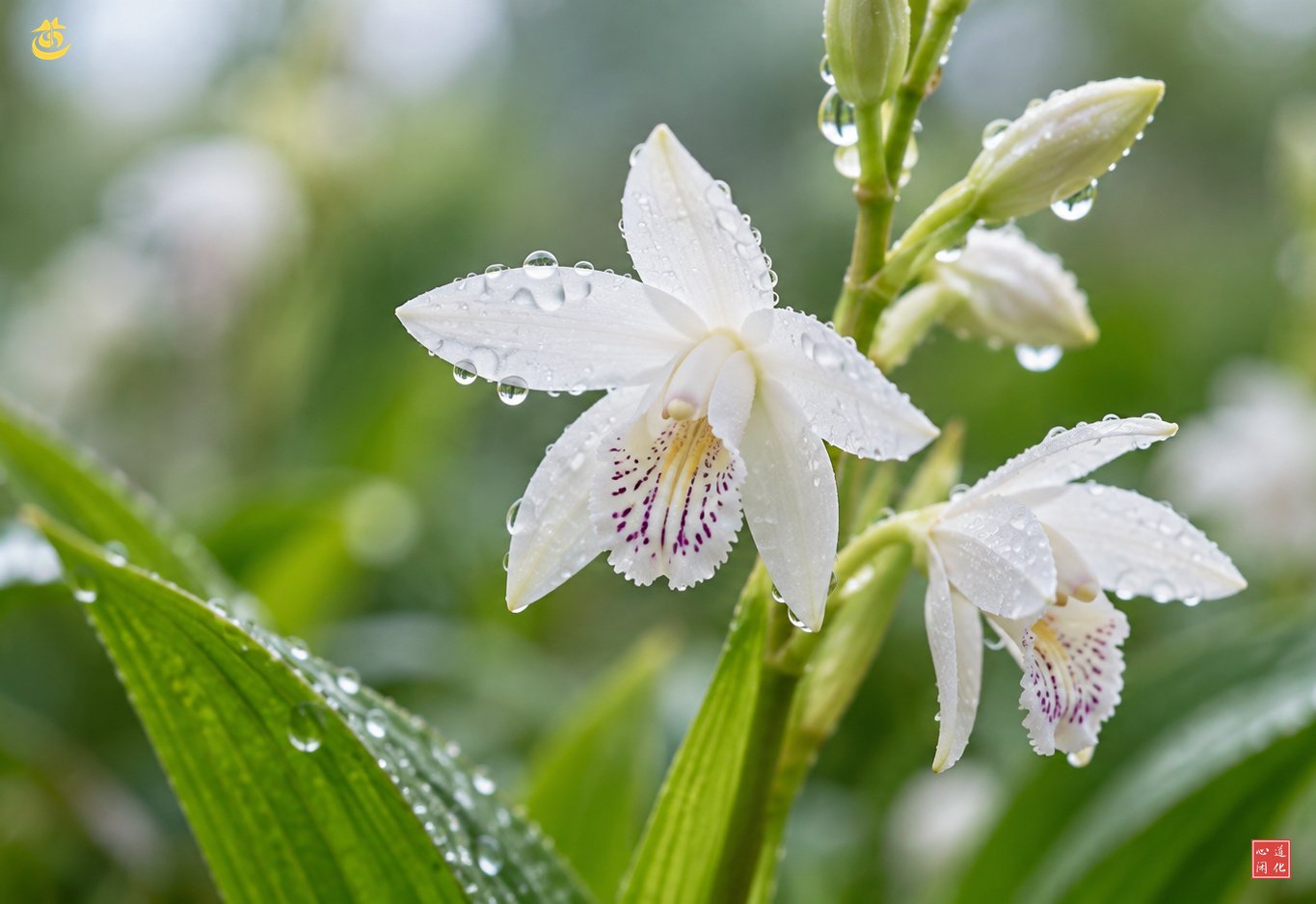
《薄情识》
午后窗前漫抚琴,静看青山待浮云;
初弦相识上弦别,岁月常负多情人。
《红颜花》
一观艳如仙,愿与君归天;
二观花色淡,尤可抱君还。
三观花失色,设法相弃捐;
四观花凋萎,新宠换红颜。
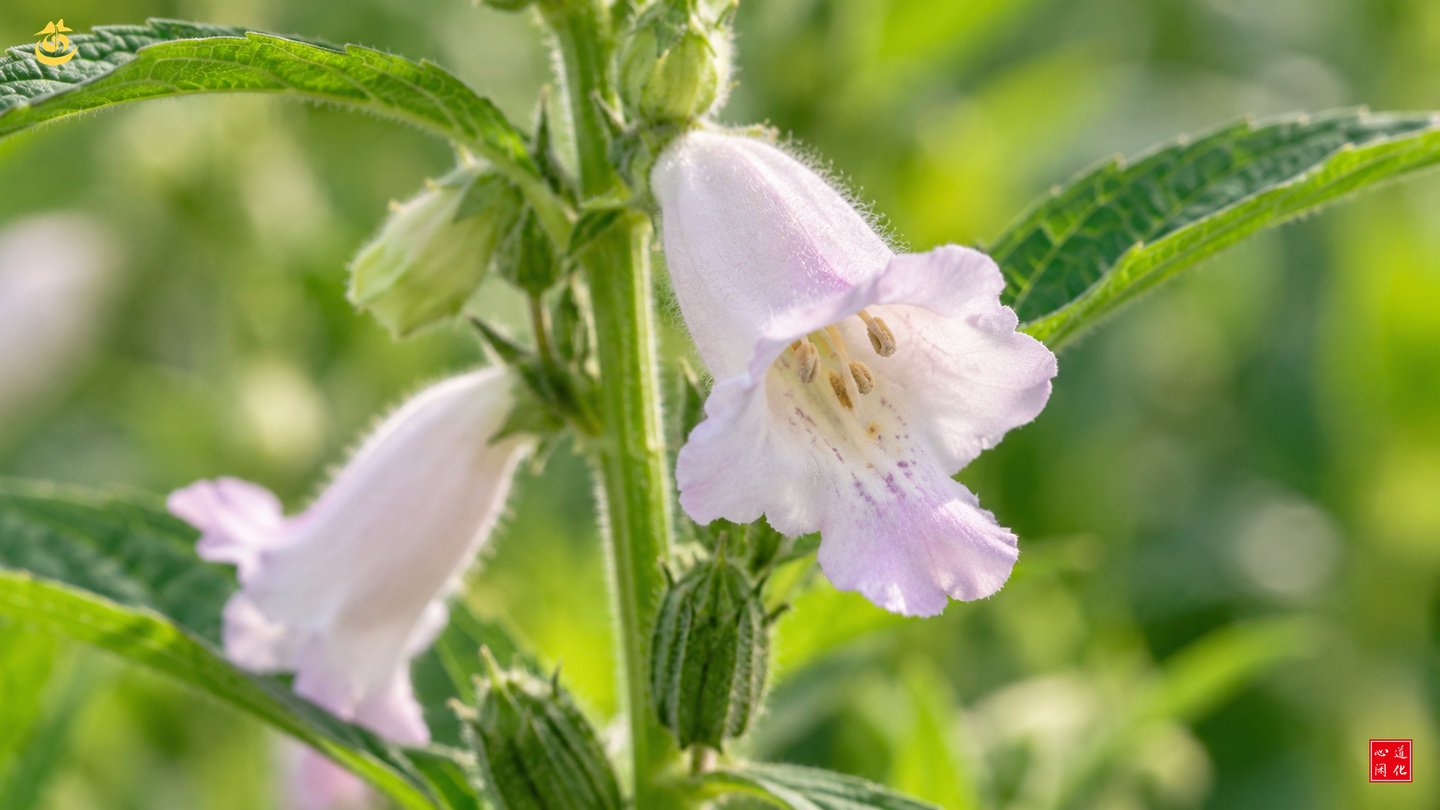
《命》
心如已灰之木,身若不系之舟;
笔下瘦山增寒,情似秋水东流。
此生所为何来,寂寂大道空守;
天问向晚何往,茫茫沧海尽头。
The Three Elements of the Aristocratic Spirit---Idle-Talk Notes (13)
13. The Three Elements of the Aristocratic Spirit---Idle-Talk Notes (13)
Originally published by Yang Zi, Daozang Research, 2023-10-15
Born in the Year of the Ox
A certain official's birthday was at hand. His clerks, hearing that he had been born in the Year of the Rat, pooled their money, cast a rat in gold, and presented it to him as a birthday gift. The official was greatly pleased, and said: "Do you happen to know that the madam's birthday is also just at hand?" The clerks said: "We did not know. May we ask what her birth sign is?" The official said: "One year younger than I—born in the year of Chou." (Feng Menglong, Gujin Tan'gai)
The general meaning: A certain official was having a birthday. The petty clerks under him heard that he was born in the Year of the Rat, so they had a gold rat cast in yellow gold and presented it to him as a birthday gift. The official was very pleased, and said: "Do you know that my good wife's birthday is also coming soon?" The clerks said: "We didn't know. May we ask your wife's birth sign?" The official said: "One year younger than I—born in the year of Chou, the Year of the Ox."
Note: Without a bit of financial acumen, being an official is office wasted; with a way of making wealth, one grows rich as the leading merchant of the region.
On Aristocrats
In people's ordinary understanding, money makes one rich and power makes one noble. But the aristocrat is not a notion of money and power. Whether one is an aristocrat must be judged by whether one possesses the aristocratic spirit. In Western civilization, the three elements of the aristocratic spirit are:
Cultural refinement.
Social responsibility.
A free soul.
On Greed
Greed arises from a scarcity in people's understanding, and from the sense of inferiority that this scarcity breeds. The greater the psychological pressure one feels from lacking something in life, the more intense the craving for that thing becomes; and once a chance arrives to come within reach of it, the greedy heart can no longer be restrained. One will then resort to every conceivable means to possess as much of it as possible—even when in our lives there is no need at all for that much.
One who has suffered the torment of thirst has the instinct to hoard water; one who has known a hungry belly will not waste food, and beyond that has a stubborn fixation on storing grain; a bachelor of vigorous appetites is apt to dream of wives and concubines in a throng; one who has been desperately poor often has the instinct to save money. There are people whose savings could not be spent up in several lifetimes, yet they cannot stop the storing—this is, in some measure, a sign of lacking confidence in themselves, a sign of feeling no security about the future. It is also a sign of lacking wisdom. The wisdom of "though the waters stretch vast, take only one ladle to drink" lies just here, I think: if the water you need for your whole life is a single ladle, why rack your wits to possess an entire river?
Possession does not mean having. Possession means that the thing lies within one's inventory, ready to deploy and use at any time. Having means that you have already used, or are using, the thing to create value for yourself and bring yourself happiness. What a person needs over a lifetime is not much, yet greed makes us want far too much, and so the resources held in possession are, to a great degree, a form of waste. Emperor Yang of Sui stored grain enough to feed his whole state for fifty years, yet when the people went hungry he did not open the granaries and give out grain. This is possession of resources, not truly having them; and so when his empire came to its end, all of it was left to those who brought it down—the Tang. For the possessor and the possessed alike, it is equally waste. Possession in itself cannot bring us real strength or a sense of safety; having can. The emperors of old possessed three palaces, six courts, and seventy-two consorts, yet had no love, and all their days styled themselves "the Solitary One" and "the Orphaned." But a man who holds the fragrant heart of one woman can often feel the power of love, and the tenderness and happiness of lamplight at the bedside.
Greed for knowledge is the same. A great sorrow of a person is to spend enormous effort learning a great pile of things that are of no use to him. Some are like examination experts, sitting for stacks of certificates while never practicing the profession—perhaps they do not even like it—simply a desire that will not let them stop. The worth of knowledge lies not in how much of it you hold, but in how much you have thought through and understood, and how much you put to use.
Wisdom, however, is another matter. Of wisdom one can never have too much; it will never become our burden, and only leaves us lighter and freer as it grows—for wisdom can be put to practical use immediately. But people greedy for wisdom are all too few, because most people never perceive their own scarcity of wisdom, and feel no inferiority for their ignorance. On the contrary, far too many think themselves clever enough already, and so march ever boldly onward along the great highway of ignorance, chest puffed out like a rooster's, striding with the gait of a big white goose. 2011.12.19
Grabbing Space? Or Grabbing Time?
We are always striving, desperately, to seize space and claim more ground, while those who strain with all their might to save time are the wiser sort. On the surface, this earth's space is limited, and time is eternal. That often gives people an illusion—that space is more precious than time. But the fact is that the space of this world can be infinite, relative to a single person. For the individual, there is always space that can never be fully occupied, scenery that can never be fully seen. The living—even those grown old—always carry a persistent wishful belief, feeling that death is other people's business: they keep seeing others die, have seen it who knows how many times, yet have never once seen themselves die, as if they were not going to die at all. And so they mistakenly suppose that time, for us, is a line segment whose length cannot be fixed; and because its length cannot be fixed, we take this segment for the infinite.
Yet one person's lifetime, set against the space of the earth (and once humankind lives in space, it will be vaster still), is truly finite. At that scale the earth may be taken as infinite, for we can never exhaust how many mountains, how many rivers, how many roads there are. To pit our finite lives against the grabbing of infinite space is truly worth deep reflection. Too many people rack their wits for a villa and a garden, a bigger car, a bigger office, and then cannot enjoy them—or end up shut in a small room in a prison, or on a bed in a hospital. Yet there are also plenty who lay claim to no more public resource than one office desk, whose home is a simple nest, but who possess body and mind at liberty, thought at liberty, and roam heaven and earth, enjoying space without limit. This world's beautiful scenery belongs to every one of us; we need only find the means to come close to nature and enjoy it all—for instance: at the least, health, time, and the mood for it.
All this rambling, and really it is the business of a single sentence:
Ordinary people grab space from others; the wise grab time from Heaven's mandate. Time is the most precious of all non-renewable resources. Do not waste your time on idle trifles and petty people. 2012.2.27
Note: How fast time passes—from the day I wrote those lines to today, more than ten years have gone in the blink of an eye. Ah, the years.
As usual, two Daoqing chants:
Afternoon; playing the qin by the window. I saw the white clouds come again to visit the green mountain. Thinking them there for the seeing every day, I found myself envying them; I lowered my head to the strings—but before one stroke was finished, those clouds had drifted off who knows where. Such brief acquaintance, gone in an instant—how is it any different from a fickle-hearted meeting in the human world?
"On Fickle Acquaintance"
Afternoon, by the window, idly touching the qin; quietly watching the green mountain wait for the drifting clouds;
Acquainted at the first string, parted by the last; the years forever wrong the full of heart.
"The Flower of a Fair Face"
At first sight, lovely as an immortal, I wished to return with you to heaven;
At second sight, the flower's color faded, yet I could still have carried you home in my arms.
At third sight, the flower lost its color, and I set about contriving to cast it away;
At fourth sight, the flower withered and drooped, and a new favorite took the fair one's place.
"Fate"
The heart like a burnt-out tree, the body like an unmoored boat;
Under the brush the gaunt mountains grow colder; feeling runs off eastward like autumn water.
What did I come to this life for? In silence, emptily keeping watch over the great Dao;
Heaven-questioning: where to at day's end? At the far edge of the boundless gray sea.