药王养生法---《孙真人摄养论》
7、药王养生法---《孙真人摄养论》
原创 杨子 道藏研究 2021-03-26

今天介绍《道藏》中一篇养生的文章,是药王孙思邈写的保养内脏而得长寿的方法,此文是药王一生的养生精华,就一年十二月时令变化所致之五脏强弱差异,采用相应摄养方法,以补益脏腑,防止损伤,从而可以保持健康长寿。是保养脏腑器官的真经。
有一种常识我们都知道,女人的脸,保养与不保养,真的相差很多。一个60岁田地劳作老太太的皮肤,与一个60岁女影星的皮肤,相差可能有20岁甚至更多,而且是余生通过任何保养手段都无法达到同样水平的。表面上的皮肤如此,内脏器官的保养也是一样。只是那些关乎生命安全的内脏器官在体内,我们看不到它们的损伤。但内脏的保养远比皮肤对长寿更重要的多。一个常见的现象是,在安静清新的村子里,缺医少药,饮食粗淡,倒有不少长寿老人。为什么?他们的内脏保养的好。
越早注重内脏器官的保养,越容易长命。有些人认为等到了60岁、80岁再开始养生,或认为养生只是老年人的事,这样想法是有问题的。中医认为,养生是摄养生命,是伴随人们一生的事情。跟女人的脸一样,年纪轻轻就开始了。如果我们注重内脏保养象女人对待脸蛋一样,医院减少一半,也不会象现在这么拥挤。
在唐朝,孙思邈真人活到142岁,实属神仙级别。他《千金药方》、《千金翼方》是中华医学不朽的经典,这世人皆知。
提起孙思邈,人们都知道他是医学家,但他是道士,法号(妙应真人这一点,却鲜为人知。他自小喜欢道家学说,精通道家典籍,深悟老庄哲学之妙,被时人称为“圣童”,即天才儿童。孙真人可能是终南山的隐士中,最有学术成就的道士了。他对中国医学的贡献,除了临床各科、医术著作之外,他还创造了世界医学界的很多个“第一”,个个都很了不起。但今天只想强调一下他是第一位提出的“医德”论的中医人。他的《大医精诚》是每一位中医必须烂熟于心的经典。不朽之作!
德,永远重于术。这是我们这个民族的价值观。
中国人讲“道德总在学问前”,一个没有道德的人,他的学问也就一文不值了。比如,明朝的宰相严嵩,他的学问是很高深的,他的诗词、书法都是当时(乃至现在)的一流水平,特别是他写的“青词”,更是一绝,他甚至因为青词写的极好,备受皇帝欣赏,通力简拔,因此他被称为“青词宰相”。我在研究道情与青词时,曾想了很多办法,想阅读他的《钤山堂集》,到处寻觅,多年竟不能得。只因为他被打成了奸臣,纵然他的诗词写得再好,书法盖世,后人也很难看得到。明朝的王世贞说:“孔雀虽有毒,不能掩文章”,诚然。但事实上,直到现在,人们看问题,还是政治挂帅,至今很难买得到严嵩的书。
严嵩是江西分宜人,祖籍福建南平,但无论是江西还是福建,都几乎没有人知道此人学术上的了不起,更不要说把他的著作研究研究,看看能否在学术上给他一个公正的历史评价了。
最近几年,特别最近几天,各种贴靠朱熹的言辞套路,铺天盖地的,看得腻味。若是细问朱熹的学术体系是啥,识几个字的人能说出“理学”二字,但若说到何谓理学时,却没有几个人能说出个一二来;再若问理学的学脉基础,理与道的关系,能说明白些许的人,就更少了。反正只要一提朱熹,就觉得高端大气上档次,那么大的名气,谁都想沾上光,管他研究什么的,先崇拜一番再说。这种不务实研究学问,不具备独立思考能力和判断能力的群体性弱智,只是功利心作祟,无知脑盲从。实在难说是历史的进步。这样盲目肤浅地崇拜朱熹,看似是朱熹的成功,但其实是他的悲哀。朱熹之后,真正努力把理学认真搞明白,并试图往前推进,为中国形而上哲学寻求一个体系的人,近百年内,或许只有冯友兰先生一人罢了(有兴趣的人可以读一下冯先生的《新理学》,或《冯友兰自述》)。至于现在推崇朱熹的人,有几个是朱熹真正的粉丝,不得而知。我相信朱熹若是灵魂有知,他更会希望后人真正地理解其理学的本质含义,少一些盲从和炒作,多一些对学问的踏实研究,把理学向前推进,而不是盛名高挂而无人知其学术真意。
但朱熹和严嵩的后世待遇,也正是说明了“道德”确实总在“学问”前。而在中医界,人们更认为“医德”是在“医术”之前。
把医德教育作为医生培养的前提,这是中医的鲜明特色。而孙思邈真人,正是这一医德论的第一人。此诚致敬!
前一段时间,看到国务院出文,开始全面扶持中医文化复兴,明文要求:西医学习中医。个人以为,不必走了这个极端,再走另一个极端。中医有中医的优势,西医有西医的优势,特别是先进的设备,完全可以为中医所用。那么文件要求西医学习中医什么呢?学习中医的大系统思维治疗?而不再是“哪儿有问题切掉哪儿”,那自然是太好了。但一百年来,西医已被捧上了天,要西医放下“科学”的架子去学习中医,不是一朝一夕的事。而且,就连患者也等不及。哪里有一点小毛病,根本等不及身体的自愈,切掉最省事。今天切个息肉,明天搭个桥,肚子、胸腔跟拉链似的,切切缝缝好几回。完全不把“元气”当回事。要知道,每一次开膛破肚都伤元气的。尽管中医相对安全,中草药负作用小得多,但总体讲,治疗过程相对慢,理疗顽疾更需要耐心和时间;而养生,则是一辈子的事情。急性子的人可能需要转变观念。那么国家现在明文要求西医学习中医,应该从哪里入手呢?
或许,把孙真人的《大医精诚》一文,先给全国的医院普及一下,所有的医生,不管中医还是西医,把“医德”摆在“经济效益”前,估计国民幸福感会上一个大台阶。
因为今天是把药王作为道士来介绍,所以,此文只介绍他的一篇《孙真人摄养论》,又名《孙真人摄生论》,底本出自《正统道藏》洞神部方法类。
本文是孙思邈最著名的养生著作。因为原文表达简单,就不一定逐字逐句的翻译了,只是简单的注示。
《孙真人摄养论》
正月肾气受病,肺脏气微。宜减咸酸增辛味,助肾补肺,安养胃气。勿冒冰冻,勿极温暖,早起夜卧,以缓形神。勿食生葱,损人津血。勿食生蓼,必为癥痼,面起游风。勿食蛰藏之物,减折人寿。勿食虎豹狸肉,令人神魂不安。此月四日,宜拔白发,七日宜静念思真,斋戒增福,八日宜沐浴,其日忌远行。
注:正月,肾气容易生病,肺气不足。要少吃咸酸而增加辛辣味的食物,补肾肺功能,也养胃气。不要受寒冻,但保暖温度不能太高;早起早睡,以让身体和精神都得到缓解。不要吃生葱,因为生葱伤人津血。(这一条,不知道爱吃大葱的山东人如何遵守。)不要吃“生蓼”(liao3)指蓼属植物中的水蓼,一年生或多年生草本植物,叶子互生,花多为淡红色或白色,结瘦果。水蓼也叫辣蓼、蓼牙菜、柳蓼,叶片有辣味而得名,是传统中草药之一。广东用以调制鱼香蓼蘸料,有清凉的特殊“香气”,可以去腥味,增添清爽的口感。主要含有黄酮类、醌类、二苯乙烯类、苯丙素类、甾体类、挥发油及其他类型的化合物,其化学成分主要有异槲皮素、β-谷甾醇、熊果酸、槲皮苷、芦、山奈酚-3-O-β-D-葡萄糖苷、绿原酸、咖啡酸等。水蓼全草也入药,具有行滞化湿、散瘀止血、祛风止痒等功效,可治痢疾、胃肠炎等。不要吃久放深藏的东西,容易折寿。不要吃虎豹狸肉等野生动物的肉,因为是春发季节,万物情初发,万物情相通,吃野生动物容易让人神魂不安。
正月初四那天,适合拔白发;初七,宜静念思真,斋戒可以增福;初八,宜沐浴,忌远行。这些说法到底理论依据何在,药王没有说,我估计是孙真人养生,是要讲节制饮食和过着健康、宁静的生活,所以行走坐卧、饮食起居都要有一定的日子。不能天天肥甘厚味,要有斋戒吃素的日子,还得早睡早起,还要定期洗澡,定期拔白头发等等。很有趣儿!
二月肾气微,肝当正王。宜减酸增辛,助肾补肝,宜静膈去痰水,小泄皮肤微汗,以散玄冬蕴伏之气。勿食黄花菜、陈醋、菹,发痼疾。勿食大小蒜,令人气壅,关膈不通。勿食葵及鸡子,滞人血气,冱精。勿食兔及狐貉肉,令人神魂不安。此月八日,宜拔白发,九日忌食一切鱼,仙家大畏。十四日不宜远行。仲春气正,宜节酒保全真性。
注:二月肾气微弱,肝当令。宜少食酸味,增加辛味,可以补助肾补肝。“宜静膈去痰水”,膈是横膈膜,为心肺与肠胃的分界,膈是随着呼吸而升降运动。“静膈”就是让保持心肺和肠胃处安静,防止反胃,二月食酸更容易造成呕吐。并且,二月是治疗痰疾的好季节,多食多吃有祛痰功效的食物或药物。有痰疾的人可能更需要知道:“二月以后,当多服祛痰之药。风劳之疾每起于痰,人能先令痰有疏导,则病可庶几。”([明]高濂《遵生八笺》)
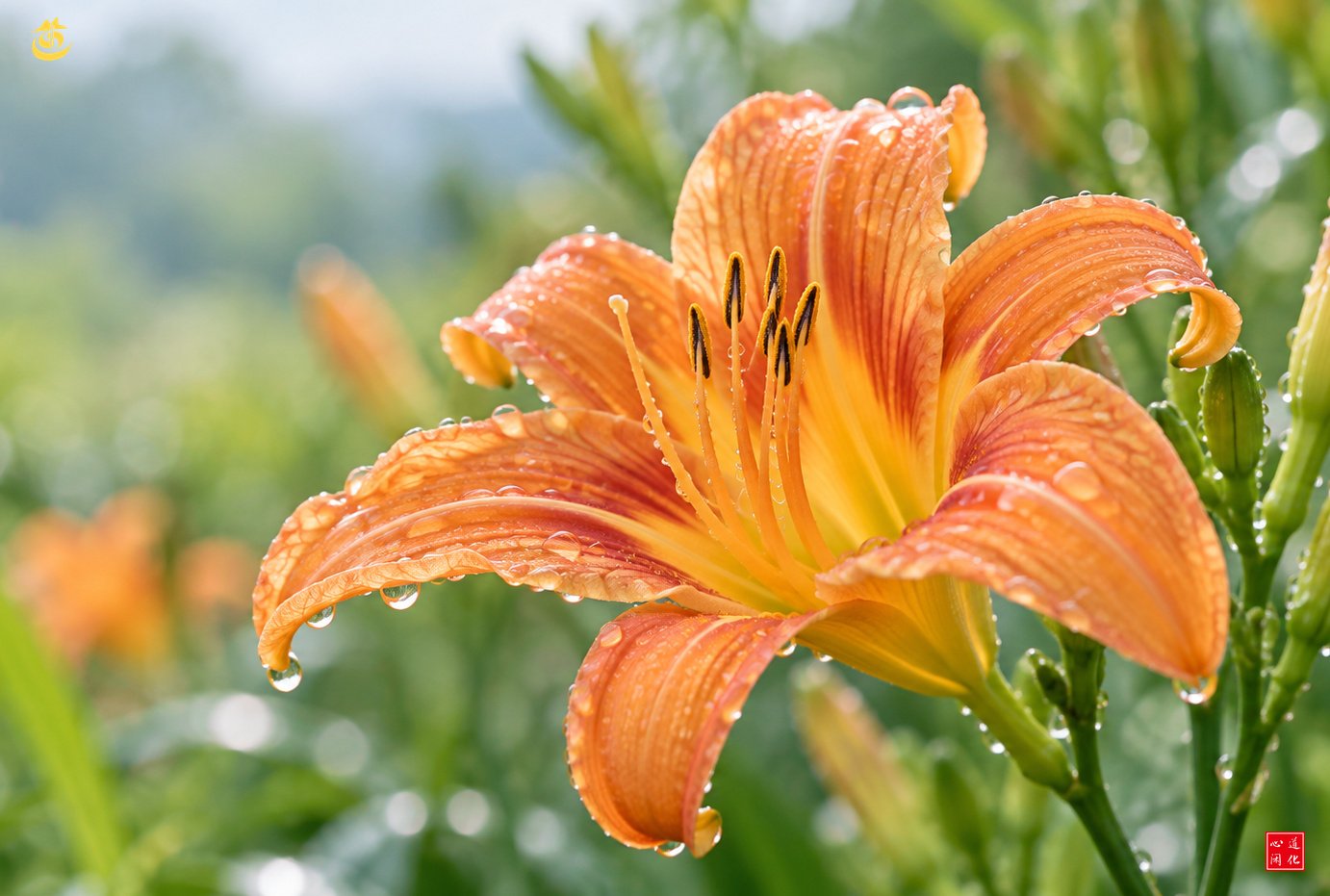
仲春二月,人体内尚有寒气,故须适当运动,至微微出汗,散散冬天藏伏身子里的寒气。不宜多吃黄花菜、陈醋、菹(腌菜、酸菜),否则会生痼疾。也要少吃大小蒜,因这些食物易使人气塞、胸闷,关膈不通。同时应少吃葵瓜子、鸡子等,否则会导致血气滞留不畅。更不要吃兔肉、狐肉、貉子肉等老野生动物,否则会令人神魂不安(原因同正月,春季是有情之季,不要吃野生动物)。如果实在记不住,就想想非典的教训。
初八,宜拔白发。九日,忌食一切鱼,这是仙家大畏。十日四,不宜远行出门。仲春气正,中气十足,要节制酒量,以免伤正气,保全真性。中医最讲究“扶正”,正气,是健康的关键。
三月肾气已息,心气渐临,木气正王。宜减甘增辛,补精益气,慎避西风,散体缓形,便性安泰。勿专杀伐,以顺天道。勿吃黄花菜、陈醋、菹发癥痼,起瘟疫。勿食生葵,令人气胀,化为水疾。勿食诸脾,脾神当王。勿食鸡子,令人终身昏乱。此月三日,忌食五脏及百草心,食之天地遗殃。六日宜沐浴,十二日宜拔白发,二十七日忌远行,宜斋戒,念静思真。
注:三月是肾气最弱的时候,此时,心气渐长,木气正当令。宜减食甜食,增加辛味,补精益气,慎避西风,适当松散身体,缓解形体,性情宜安。三月是万物生发的关键季节,不要杀伐,以顺天道。不宜多吃黄花菜、陈醋、菹(酸菜),否则会发疝症,也容易起瘟疫。不要吃生葵,令人胀气,转化为积水症。不要食用动物的脾脏,脾是后天之本,脾神当王。不要食鸡子(公鸡的睾丸),此时的鸡子正在发情生育阶段,吃了令人终身昏乱。在古代,鸡子,也有鸡蛋的意思,比如张衡曾形容宇宙就象是一个鸡蛋,地球就是鸡蛋黄,他说:
“浑天如鸡子,天体圆如弹丸,地如鸡中黄,孤居于内,天大而地小……”([东汉]张衡《浑天仪注》)
这个比喻很形象,也很有趣。古人真的很智慧,没有现代的仪器,他们能知道那么多,实在了不起。有时候感觉,几千年来,我们这个民族的智商和智慧,似乎没什么真正的进步。尽管读书跟喝书一样勤奋,干活如马牛一样的不知辛劳。就是机械的记忆,盲目的服从。真正愿意独立思考的人,占比例太少了。敢于坦率表达的人,就更少了。说句真话会送命似的。
但我估计孙真人这里说的鸡子,可能专指公鸡的睾丸吧。或者翻译成鸡蛋也可以。这个月不吃鸡蛋也是有道理的,因为此时的鸡蛋都要用来孵小鸡,道家认为:天之大德曰生,多多生养新生命,才能生生不息,这是符合天道的。
初三日,不吃动物的五脏及百草之心,其实就让人们在春发季节,不要杀生,不伤幼苗。真是满满的慈悲之心,以及,对大自然、万物生灵的敬畏。这其实就是道家的“道法自然”和“天人合一”,人类要效法自然,要尊重万物生灵。所谓“春生夏长,秋收冬藏”,春天是生发季节,皇帝都不打猎。皇帝一般都是“秋猎”,就连对于死囚也是“秋后问斩”,春天,不杀生,不伤苗。这是我们这个民族的文化中悲悯和文明的关键,对生命的尊重,对自然的敬畏,渗透在我们的饮食文化中。我们总是要提文化自信,而文化自信绝不是口头上的泼妇骂架,而是沉浸在我们衣食住行中的这些良好的习惯和品德。
初六日,宜沐浴;十二日,宜拔白发;二十七日,忌远行,宜斋戒,念静思真。孙真人一个月中,总要安排一天清静自守,护卫好自己的心神。清静便是养生。然而:夫人神好清,而心扰之;人心好静,而欲牵之。(《太上老君说常清静经》)
可见,人在世间,求热闹易,求清静难哪。
四月肝脏已病,心脏渐壮。宜增酸减苦,补肾助肝,调胃气。勿暴露星宿,避西北二方风。勿食大蒜,伤神魂,损胆气。勿食生薤,令人多涕唾,发痰水。勿食鸡雉肉,令人生痈疽,逆元气,勿食鳝鱼,害人。此月四日,宜沐浴,拔白发。七日宜安心静虑,斋戒,心有福庆。其日忌远行。
注:四月,肝脏已弱,心脏渐渐强起来。宜增加酸味食物,减少苦味食物,这样可以补肾助肝,调胃气。不要露天而宿,避西风和北风。不要吃大蒜,伤神魂,损胆气。我自小的饮食习惯就是食肉必配大蒜,如果不吃荤,倒是无所谓。春季既然是保护动物的时节,少吃荤,少吃蒜也是有道理的。
勿食生薤(xie4)菜,令人多涕唾,发痰水。勿食鹦雉肉,令人生瘫疽,逆元气。勿食鳝鱼,害人。
此月四日,宜沐浴,拔白发;七日宜安心静虑,斋戒,必有福庆。其日忌远行。
这里特别说一下“薤xie4”这个菜,多年生草本植物,地下有鳞茎,叶子细长,花紫色。鳞茎可做蔬菜。.这种植物的鳞茎。也叫藠(jiào)头,如下图。
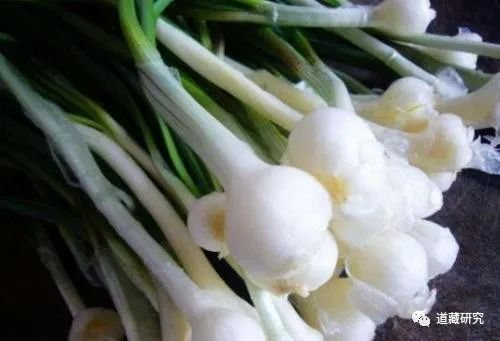
我之前不知道,都当北方的小葱食用了,用来炝锅或拌凉菜。无论是煎牛排还是炒菜时炝锅,都没有葱花的香味,但自以为是现在都是大棚养殖的,或是化肥催的,小葱没香味也正常,放进去就是一种感觉吧。所以不太留意。直到前一段时间,吃出问题来了。
那天一朋友说他携全家到泉州某道观玩,邀请同行。我想人家大老远从武夷山开车过来了,从距离上看我该尽地主之谊,于是决定马上出发。临行,发现还没吃东西。于是想把煮好的鸡蛋吃掉。来不及炒菜,于是拌了“小葱”(其实就是这个薤菜),放了香油、白醋,我估计是薤、醋和鸡蛋在一起,是相克相畏的,再加上香油,又助长了这一相反相克的功力。车子还没出停车场,就感觉腹痛难当,当时觉得是急性肠胃炎,腹绞痛。一路到泉州,真是苦不堪言。但两小时后立即恢复,活蹦乱跳的,一点事没有。印象中生葱与生鸡蛋、蜜蜂不能同食。但我这次是煮熟的鸡蛋呀,怎么这么利索的副反应,一时没想明白。就知道万万不能那样吃了。我记下这个经历,愿有缘人、有心人在生活中一定回避这种配搭食谱(白醋、薤菜、煮鸡蛋),免受苦痛。当然,想快速减肥的可以试试,但不要出门。孙真人多次提到不要生吃这个东西,是有道理的。我是真的相信,吃过苦才长教训。若不是看到孙真人这篇文章,查阅一些资料,我还一直以为是小葱中毒呢。看来是冤枉小葱子了。
五月肝脏气休,心正王。宜减酸增苦,益肝补肾,固密精气,卧起俱早。每发泄,勿露体星宿下,慎避北风。勿处湿地,以招邪气。勿食薤韭,以为癥痼,伤神损气。勿食马肉及獐鹿肉,令人神气不安。此月五日,宜斋戒,清静。此日忌见一切生血,勿食一切菜。十六日切忌嗜欲,犯之夭寿,伤神。其日忌远行。二十七日宜沐浴,拔白发。
注:五月肝脏气休,心正王。心脏当令的季节。宜减酸味食物,增加苦味食物,益肝补肾,固密精气,早睡早起。每发泄,不要把身体暴露于夜空,慎避北风。勿处湿地,以招湿邪之气。南方湿气真的重,站在雾水中,顿时就能感觉到寒邪入侵膝关节。脖子后颈等处,有时候生病,都在不经意间。孙真人这么写真是有道理的。
勿食薤韭,以为癥痼,伤神损气。勿食马肉及獐鹿肉等野生动物,令人神气不安。
此月五日,宜斋戒,清静。此日忌见一切生血,不要吃菜,只吃主食最好。我看到养生经中在五月初五要吃艾叶,大补阳气呢。但药王说那天不要吃菜。应该有其原因。无论如何,一个月中有一天斋戒一下,真的不是坏事。
十六日切忌嗜欲,犯之夭寿,伤神。其日忌远行。
二十七日宜沐浴,拔白发。慢慢地洗个澡,悠闲地拔下零星的白发,多么逍遥的心境,试试才知道。突然想起苏东坡了,雨天,他被困在屋里,闷得无聊,就把脚伸到窗户外面淋雨,觉得是平生最快乐的事。孙真人每个月都抽出一天来浴后拔白发,也是很悠闲的心,规律的养生生活。
六月肝气微,脾脏独王。宜减苦增咸,节约肥浓,补肝助肾,益筋骨,慎东风,犯之令人手足瘫痪。勿用冷水浸手足。勿食葵,必成水癖。勿食茱萸,令人气壅。此月六日,宜斋戒、沐浴,吉。其日又宜起土兴工。二十四日宜拔白发,其日忌远行。二十七日宜沐浴,念静思真,施阴骘事吉。

注:六月肝气微弱,脾脏当令。宜减苦味增咸味,少吃肥腻浓厚的食物,补肝助肾,益筋骨。慎吹东风,六月的东风可令人手足瘫痪。勿用冷水浸手足。这一点年轻人最容易忽略了。俗话说:小伙子睡凉炕,全靠火力壮。但年老了就麻烦了,腰酸背痛的人,多是年轻时好勇逞强或无知着凉落下的毛病。
勿食葵类,必成水癖。勿食茱萸,令人气滞、堵塞。
此月六日,宜斋戒、沐浴,吉。其日又宜起土兴工,造房盖屋上梁的好日子。
二十四日宜拔白发,其日忌远行。二十七日宜沐浴,念静思真,施阴骘事吉。哈哈。突然想起了《阴骘文》,不提。
七月肝、心少气,肺脏独王。宜安宁情性,增咸减辛,助气补筋,以养脾胃。无冒极热,勿恣凉冷,无发大汗。勿食茱萸,令气壅。勿食猪肉,损人神气。此月勿思恶事,仙家大忌。五日宜沐浴,七日宜绝虑,斋戒。九日谢前僭,求祈新庆。二十八日宜拔白发。二十九日忌远行。
注:七月肝、心少气,肺脏当令。宜安宁情性,天气热了,饮食方面要增咸减辛,天热,再吃辛辣就容易上火。咸味可助气补筋,以养脾胃。无冒极热,勿恣凉冷,无发大汗。勿食茱萸,令人气壅。勿食猪肉,七月不吃猪肉,损人神气。此月勿思恶事,仙家大忌。光想开心的事,有利于身心健康。玄门最是处处逍遥,时时神仙的。
初五日宜沐浴,初七日宜绝虑,放空脑子,啥也不想。斋戒。九日谢绝僭越之请,求祈新庆。二十八日宜拔白发。二十九日忌远行。
八月心脏气微,肺金用事。宜减苦增辛,助筋补血,以养心肝。无犯邪风,令人骨肉生疮,以为疬痢。勿食小蒜,伤人神气,魂魄不安。勿食猪肚,冬成嗽疾,经年不差。勿食鸡雉肉,损人神气。此月四日,勿市鞋履附足之物,仙家大忌。十八日宜斋戒,思念吉事,天人兴福之时。二十一日宜拔白发,忌远行,去而不返。又宜沐浴吉。

注:八月心脏气微,肺金用事。宜减苦增辛,助筋补血,以养心肝。本月最不要吹热邪之风,令人骨肉生疮,以为疬痢。也就是现在说的热伤风,秋季腹泄等疾病。勿食小蒜,伤人神气,魂魄不安。八月不要吃猪肚子,不然到了冬天会咳嗽的痨病。勿食鸡雉肉,损伤神气。只是本月四日不要买鞋袜等脚上的东西,目前我还没查到相关原因。但就是生起了想去遵守的心思。
十八日宜斋戒,思念吉事,天人兴福之时。二十一日宜拔白发,忌远行,去而不返。这个挺吓人的,二十一日当天不要远行,去了就回不来了。哈哈。不出门,但适合沐浴,然后慢慢拔白发,吉。古人的生活,真是太有意思了。
九月阳气已衰,阴气大盛,暴风数起,切忌贼邪之风。宜减苦增咸,补肝益肾,助脾资胃。勿冒风霜,无恣醉饱。勿食莼菜,有虫不见。勿食姜蒜,损人神气。勿食经霜生菜及瓜,令人心痛。勿食葵,化为水病。勿食犬肉,减算夭寿。此月九日,宜斋戒。十六日宜沐浴,拔白发。二十七日忌远行,呼为罗网之日。
注:九月已是中秋过了一月了,此时天地阳气已衰,阴气大盛,暴风数起,切忌贼邪之风。宜少吃苦的,多吃咸的,如此可以补肝益肾,助脾资胃。不要冒风霜而行,不要放任自己胡吃海的无度醉饱。这句话说说是很平常的,但做到就不容易了,如果能按孙真人说的做,我们也是神仙了,活140岁不是梦。本月勿食莼菜(马蹄菜),里面有看不见的寄生虫,此时不容易消杀。勿食姜蒜,损人神气。本月注意不要吃经过秋霜的生菜及瓜类,吃了会心痛。不要吃狗肉,会折寿。

此月九日,宜斋戒。九月九登高,孙真人要斋戒。十六日宜沐浴,拔白发。九月十七日不要出远行,因为这天是罗网之日。这一天干坏事可能被逮到哦。呵呵。
十月心、肺气弱,肾气强盛。宜减辛苦,以养肾脏。无伤筋骨,勿泄皮肤。勿妄针灸,以其血涩,津液不行。勿食生椒,损人血脉。勿食生薤,以增痰水。勿食熊、猪肉、莼菜,衰人颜色。此月一日,宜沐浴。四日、五日勿责罚,仙家大忌。是月十日忌远行,十三日宜拔白发,十五日宜斋戒,静念思真,必获福庆。二十日,切忌远行。
注:十月心、肺器官气弱,肾气强盛。少吃辛味、苦味的食物,以温养肾脏。不要伤到筋骨,皮肤不要外露,以避寒邪入侵。十月,不要轻易针、灸,因为此时血液略涩,津液不行。不要吃生椒,容易损伤血脉。不吃生薤,以增痰水。勿食熊、猪肉、莼菜,衰人颜色。
十月一日,宜沐浴。四日、五日,不要责罚,一定会有福庆。容易发脾气的季节,收敛性情,对内养性,对外养情,如此必有福庆满堂。养生必是先养心。好的品德,就是最好的养生。
十一月肾脏正王,心、肺衰微。宜增苦味绝咸,补理肺、胃。勿灸腹背,勿暴温暖,慎避贼邪之风,犯之令人面肿,腰脊强痛。勿食貉肉,伤人神魂。勿食螺蚌蟹鳖,损人元气,长尸虫。勿食经夏醋,发头风,成水病。勿食生菜,令人心痛。此月三日,宜斋戒静念。十日宜拔白发,其日忌远行,不可出,宜念善天与福,去灾。十六日宜沐浴,吉。
注:十一月肾脏当令,心、肺衰微。宜增加苦味,不要吃过咸的食物,补理肺胃。如果做炙疗,这个月不要灸腹、背,勿暴温暖,慎避贼邪之风,这个时候吹了冷风,邪气入侵,容易让人脸面浮肿,有腰脊病的人此时更不能吹冷风,不然会加剧疼痛。勿食貉肉,伤人神魂。勿食螺蚌蟹鳖,损人元气,长尸虫。勿食过夏的醋,容易引发头风,成水病。勿食生菜,令人心痛。
用一味中药名来概括十一月最需要注意的事项:防风。
十二月土当王,水气不行。宜减甘增苦,补心助肺,调理肾脏。勿冒霜露,勿泄津液及汗。勿食葵,化为水病。勿食薤,多发痼疾。勿食鼋鳖。

注:十二月土脾当令,水气不行。少食甜食,增加苦味,这样可以补心助肺,调理肾脏。霜露寒邪最容易入侵,不要外泄津液,也不要出大汗以泄肾阳。简单说就节欲。勿食葵,化为水病。勿食薤,多发痼疾。勿食鼋鳖之类的长寿之物。
因为是十二月,要过年了,孙真人也忙了,这个月不斋戒、无远行忌日,可能是要办年货什么的,忌讳太多,就没法过年了。这个月连白头发也顾不上拔了,沐浴也算了。过年,不要吃伤了身子,就是摄生保命了。哈哈。真是适合中国的人的养生规矩。好玩儿极了。
孙真人摄养论竟
(全文完)

照例,两首道情,送给你:
某人日跟一位博导聊天,言其退休后有闲,在家回忆一生经历,可用八个字概括所有成就,我问哪八个字:
答曰:误人子弟,误人子弟!
哈哈。笑罢提笔为其小赋:

《为师》
硕导博导满山阿,桃李天下复几何;
此心闲处细思量,教人多处误人多。
YZ.2021.3.21

《登高》
独在石上坐,任由叶满身;
空中传仙乐,动我玄门心。
登高寻声去,天高不可闻;
云中风里淡然笑,此乃红尘袖手人。
杨子 2021.3.26 于厦门
The King of Medicine's Way of Nourishing Life--Sun Zhenren Sheyang Lun
27. The King of Medicine's Way of Nourishing Life--Sun Zhenren Sheyang Lun
Originally published by Yang Zi, Daozang Research, 2021-03-26
Today I introduce an article on nourishing life from the Daozang (Daoist Canon), written by the King of Medicine, Sun Simiao: a method of caring for the internal organs and thereby attaining long life. This piece is the essence of the King of Medicine's lifelong practice of nourishing life. Taking the twelve months of the year, it addresses the differences in strength and weakness of the five zang brought on by the changes of the seasons, and applies corresponding methods of regimen to replenish the organs, prevent damage, and so preserve health and long life. It is a true scripture for the care of the visceral organs.
There is a piece of common knowledge we all know: with a woman's face, care and no care truly make a vast difference. The skin of a sixty-year-old woman who has labored in the fields and the skin of a sixty-year-old film star may differ by twenty years or more--a gap no regimen, for the rest of her life, can ever close. If this is so for the skin on the surface, it is the same for the care of the internal organs. Only, those organs that hold our lives in their keeping lie inside the body, where we cannot see their damage. Yet the care of the organs matters far more for long life than the skin. A common sight: in a quiet, fresh-aired village, short of doctors and medicine, with plain food, there are many of the long-lived. Why? Their internal organs were well kept.
The earlier one attends to the care of the internal organs, the easier it is to live long. Some think one should wait until sixty or eighty to begin nourishing life, or that nourishing life is only for the old; such thinking has a problem. Chinese medicine holds that nourishing life means fostering and tending the life one has--an affair that accompanies one's whole life. Like a woman's face, it begins when one is young. If we cared for our internal organs the way women care for their faces, hospitals would be halved, and would not be so crowded as they are now.
In the Tang dynasty, the True Man Sun Simiao lived to one hundred forty-two--a genuinely immortal grade. His Qianjin Yaofang and Qianjin Yifang are immortal classics of Chinese medicine; this the whole world knows.
Speak of Sun Simiao, and everyone knows he was a physician; but that he was a Daoist, with the Daoist name Miaoying Zhenren, is little known. From childhood he loved the teachings of the Daoist school, mastered the Daoist classics, and plumbed the subtlety of the philosophy of Laozi and Zhuangzi; his contemporaries called him the "sacred child," a child prodigy. Among the hermits of the Zhongnan Mountains, the True Man Sun was probably the Daoist of greatest scholarly achievement. His contributions to Chinese medicine, beyond the clinical branches and his medical writings, include many world "firsts" in the history of medicine, every one of them remarkable. But today I want only to stress that he was the first practitioner of Chinese medicine to put forward the theory of "medical virtue." His Dayi Jingcheng is a classic every practitioner of Chinese medicine must know by heart. An immortal work!
De--virtue--is forever weightier than skill. This is our people's scale of values.
We Chinese say "morality always comes before learning": for a man without morality, his learning is worth nothing at all. Take, for example, Yan Song, grand secretary of the Ming. His learning was profound; his poetry and calligraphy were first-rate in his day (and even now), and his Daoist litanies in particular were matchless. It was precisely because his qingci were so superbly written, winning the emperor's admiration and his steady promotion, that he was called the "litanies grand secretary." When I was studying Daoqing chants and Daoist litanies, I tried every means to read his Qianshan Tang Ji, searching everywhere; for years I could not obtain it. Merely because he was branded a treacherous minister, however fine his poems and matchless his calligraphy, posterity can hardly see them. Wang Shizhen of the Ming said: "The peacock may be venomous, but that cannot hide the splendor of its feathers." True enough. But in fact, even now, when people weigh things, politics still leads; to this day it is very hard to buy a book by Yan Song.
Yan Song was a native of Fenyi in Jiangxi, his ancestral home Nanping in Fujian; yet in neither Jiangxi nor Fujian does almost anyone know how remarkable this man's scholarship was, let alone study his works and see whether he might be given a fair historical assessment on scholarly grounds.
In recent years, and especially in recent days, all sorts of formulaic talk hitching itself to Zhu Xi has blanketed everything; I am tired of reading it. Ask what Zhu Xi's scholarly system actually is, and anyone who can read a few characters will say "Neo-Confucianism," lixue; but ask what lixue is, and very few can give even a rough account. Ask further about lixue's intellectual foundations, or the relation between li and the Dao, and those who can explain the least bit are fewer still. Anyway, the moment Zhu Xi is mentioned, it feels high-class and grand; with a name that big, everyone wants to bask in it--never mind what he studied, venerate him first. This mass dimness that will not study in earnest and lacks the capacity for independent thought and judgment is mere careerism and blind ignorance at work; it can hardly be called historical progress. This kind of blind, shallow worship of Zhu Xi looks like his triumph, but it is really his sorrow. Since Zhu Xi's time, of those who genuinely labored to understand Neo-Confucianism and tried to push it forward, seeking a system for China's metaphysical philosophy, in the last hundred years there has perhaps been only Feng Youlan (anyone interested may read Mr. Feng's Xin Lixue, or his Feng Youlan Zishu). As for those who exalt Zhu Xi today, how many are truly his followers, no one can say. I believe that if Zhu Xi's spirit is aware, he would rather that later generations truly understand the essential meaning of his lixue--less blind following and hype, more honest study that carries Neo-Confucianism forward--than a great name hung high with no one knowing what his learning really meant.
But the afterlife reputations of Zhu Xi and Yan Song show precisely that "morality" does indeed always come before "learning." And in the world of Chinese medicine, people hold all the more that "medical virtue" stands before "medical skill."
To make the teaching of medical virtue the premise of a physician's training is a distinctive feature of Chinese medicine. And the True Man Sun Simiao was the very first to set out this theory of medical virtue. My sincere salute!
A while ago I saw that the State Council had issued a document beginning comprehensive support for the revival of Chinese-medicine culture, with the explicit requirement: let Western medicine study Chinese medicine. My own view is that there is no need to leave one extreme for another. Chinese medicine has the strengths of Chinese medicine, Western medicine the strengths of Western medicine--above all its advanced equipment, which could perfectly well be put to Chinese medicine's use. What, then, is the document asking Western medicine to learn from Chinese medicine? Its great systems-thinking approach to treatment? If it means no more "cut out whatever part has a problem," that is naturally splendid. But for a hundred years Western medicine has been exalted to the skies; to ask it to lay down its "scientific" airs and study Chinese medicine is not the work of a morning. And even the patients cannot wait. Any small ailment, and no one waits for the body's self-healing--cutting it out is easiest. Today a polyp is cut out, tomorrow a bypass; belly and chest like a zipper, opened and sewn several times over. "Original qi" is not given the slightest thought. Know that every opening of the belly and chest injures the original qi. Chinese medicine, though comparatively safe, with herbal side effects far milder, is on the whole slower in the course of treatment; stubborn ailments need patience and time; and nourishing life is a lifelong affair. The impatient may need to change their thinking. So now that the state explicitly requires Western medicine to study Chinese medicine, where should it begin?
Perhaps: first introduce the True Man Sun's essay Dayi Jingcheng to every hospital in the country, and let all physicians, Chinese-medicine and Western alike, place "medical virtue" before "economic benefit"--I reckon the people's sense of well-being would rise a great step.
Since today I am introducing the King of Medicine as a Daoist, this piece presents only one of his works, the Sun Zhenren Sheyang Lun, also called Sun Zhenren Shesheng Lun; the base text is from the Dongshen section, methods category, of the Zhengtong Daozang.
This is Sun Simiao's most famous work on nourishing life. Since the original is plainly expressed, I will not necessarily translate it word for word, but only add simple notes.
Sun Zhenren Sheyang Lun
In the first month the kidney qi is susceptible to illness, and the qi of the lungs is faint. One should reduce salty and sour and increase pungent flavors, to aid the kidneys, replenish the lungs, and settle and nourish the qi of the stomach. Do not brave ice and frost; do not overdo warmth. Rise early and retire late, to ease body and spirit. Do not eat raw scallions; they injure the juices and blood. Do not eat raw liao; it will surely cause masses and stubborn ills, and wandering wind rising in the face. Do not eat creatures of hibernation; it cuts short one's allotted span. Do not eat the flesh of tigers, leopards, or wildcats; it unsettles the spirit. On the fourth day of this month it is fitting to pull white hairs; on the seventh, to sit quietly in mindfulness and contemplate the Real, observing the fast to increase blessing; on the eighth it is fitting to bathe; on that day distant travel is taboo.
Note: in the first month, the kidney qi easily falls ill, and lung qi is insufficient. Eat less salty and sour and more pungent food, to strengthen kidney and lung function and nourish stomach qi. Do not suffer cold and frost, but do not keep too warm; rise early and sleep early, so that body and spirit both find relief. Do not eat raw scallions, for scallions injure the juices and blood. (On this rule, I wonder how the scallion-loving people of Shandong manage to comply.) Do not eat "raw liao" (liao3)--the water smartweed among the liao plants, an annual or perennial herb with alternate leaves, flowers mostly pale red or white, bearing achenes. Water smartweed is also called hot liao, liaoyacai, or willow liao, named for the peppery taste of its leaves; it is one of the traditional Chinese herbs. In Guangdong it is used to mix the fish-fragrant liao dip; it has a cool, peculiar "aroma" that removes fishiness and adds a fresh, clean taste. It chiefly contains flavonoids, quinones, stilbenes, phenylpropanoids, steroids, volatile oils, and other compounds; its main chemical constituents include isoquercitrin, beta-sitosterol, ursolic acid, quercitrin, rutin, kaempferol-3-O-beta-D-glucoside, chlorogenic acid, caffeic acid, and the like. The whole water-smartweed plant enters materia medica, with the functions of moving stagnation and transforming dampness, dispersing stasis and stopping bleeding, and dispelling wind and relieving itching; it can treat dysentery, gastroenteritis, and the like. Do not eat things long stored away and deeply buried; they easily shorten life. Do not eat the flesh of tigers, leopards, wildcats, and other wild creatures; for it is the season of spring's quickening, when the feelings of all things first stir and the feelings of all things interpenetrate, and eating wild creatures easily unsettles the human spirit.
On the fourth day of the first month it suits one to pull white hairs; on the seventh, to sit quietly and contemplate the Real, the fast adding blessing; on the eighth, to bathe, with distant travel taboo. On what theory these rules rest, the King of Medicine does not say. My guess is that the True Man Sun's nourishing of life required moderation in food and a healthy, tranquil life, so that walking, sitting, lying, eating, and rising all had their appointed days. One cannot have rich and heavy food every day; there must be fast days and vegetable days; one must also sleep early and rise early, bathe at set times, pull white hairs at set times, and so on. Great fun!
In the second month the kidney qi is faint and the liver is at its full rule. One should reduce sour and increase pungent to aid the kidneys and replenish the liver; one should quiet the diaphragm and remove phlegm and water, and let the skin vent slightly in a light sweat, to disperse the qi that lay hidden through the dark winter. Do not eat day lily flowers, old vinegar, or pickled greens; they trigger stubborn ills. Do not eat large or small garlic; they clog the qi and block the pass of the diaphragm. Do not eat mallow or eggs; they stagnate the blood and qi and freeze the essence. Do not eat rabbit, fox, or raccoon dog; they unsettle the spirit. On the eighth day of this month it is fitting to pull white hairs; on the ninth, all fish are taboo--a great dread of the immortals. On the fourteenth, distant travel does not suit. The qi of mid-spring is at its straight; one should temper wine to preserve the true nature.
Note: in the second month the kidney qi is faint and the liver holds command. Eat less sour, more pungent, to aid and replenish kidney and liver. "Quiet the diaphragm and remove phlegm and water": the diaphragm is the midriff, the boundary between heart-and-lungs and the bowels; it rises and falls with the breath. "Quieting the diaphragm" means keeping heart, lungs, and bowels quiet and preventing reflux; eating sour in the second month more easily causes vomiting. Moreover, the second month is a good season for treating phlegm disorders--eat more foods or medicines with phlegm-dispersing effect. Those with phlegm ailments may especially need to know: "After the second month, one should take more phlegm-dispersing medicines. Wind-wasting illnesses often begin in phlegm; if one can first give the phlegm a channel, the illness may yet be averted." ([Ming] Gao Lian, Zunsheng Bajian)
In mid-spring, the second month, cold air still remains in the body, so one must exercise moderately, until one sweats lightly, to scatter the cold that lay stored in the body over the winter. Do not eat too much day lily, old vinegar, or pickled greens (salted vegetables, sour greens), or stubborn ills will arise. Eat less large and small garlic too, for these foods easily clog the qi and stuff the chest, blocking the pass of the diaphragm. One should also eat less sunflower seeds, eggs, and the like, or the blood and qi will stagnate. Above all, do not eat the flesh of rabbits, foxes, raccoon dogs, and other wild creatures, or the spirit will be unsettled (the reason as in the first month: spring is the season of feeling; do not eat wild creatures). If you truly cannot remember all this, just recall the lesson of SARS.
On the eighth day, pull white hairs. On the ninth, all fish are taboo--a great dread of the immortals. On the fourteenth, it does not suit one to travel far from home. Mid-spring's qi is at its straight, the middle qi at full: temper your wine, lest the upright qi be harmed, and preserve your true nature. Chinese medicine prizes above all "supporting the upright"; the upright qi is the key to health.
In the third month the kidney qi has already subsided, the heart qi gradually arrives, and the qi of wood is at its full rule. One should reduce sweet and increase pungent, replenish the essence and strengthen the qi, carefully avoid the west wind, let the body loosen and the form relax, so that the nature is at peace. Do not go about killing, to accord with the way of Heaven. Do not eat day lily, old vinegar, or pickled greens; they trigger masses and stubborn ills and raise pestilence. Do not eat raw mallow; it swells the qi and turns to water ailments. Do not eat any spleen; the spirit of the spleen is at its rule. Do not eat eggs; they bring lifelong confusion. On the third day of this month, the five zang and the hearts of the hundred plants are taboo--eat them and Heaven and Earth bequeath calamity. On the sixth, bathe; on the twelfth, pull white hairs; on the twenty-seventh, distant travel is taboo, and one should observe the fast, recite quietly, and contemplate the Real.
Note: the third month is when the kidney qi is weakest; by now the heart qi gradually grows, and the qi of wood holds command. One should eat fewer sweets and more pungent food, replenish the essence and strengthen the qi, carefully avoid the west wind, appropriately loosen the body and ease the form, and keep the temperament calm. The third month is the crucial season of quickening for all things; do not kill or fell, to accord with the way of Heaven. One should not eat much day lily, old vinegar, or pickled greens (sour greens), or hernia-like ailments may arise and pestilence easily break out. Do not eat raw mallow: it swells a person with gas and turns into water retention. Do not eat the spleens of animals: the spleen is the root of the acquired, and the spirit of the spleen is at its rule. Do not eat jizi (the testicles of a rooster), for at this season they are in their breeding time, and eating them brings lifelong confusion. In ancient usage, jizi could also mean hen's eggs; Zhang Heng, for instance, described the universe as like a hen's egg, with the earth as the yolk. He said:
"The sphere of hun-tian heaven is like a hen's egg: the body of heaven is round as a pellet, and the earth is like the yolk within the egg, dwelling alone inside; heaven is great and earth small..." ([Eastern Han] Zhang Heng, Huntian Yi Zhu)
The metaphor is vivid and fun. The ancients were truly wise--without modern instruments they could know so much; really remarkable. At times I feel that over these several thousand years, the intelligence and wisdom of our people seem not to have advanced much in earnest. Though we read as diligently as if drinking books, and labor like horses and oxen without count of toil, it is all mechanical memorization and blind obedience. Those truly willing to think for themselves are too small a proportion; those who dare speak frankly are fewer still--as if one honest sentence could cost a life.
But I reckon the jizi the True Man mentions here means specifically the rooster's testicles. Or it may be rendered as hen's eggs. Not eating eggs this month also has its logic, for at this season eggs are all wanted for hatching chicks. The Daoists hold that the great virtue of Heaven is called life; only by bringing forth new life abundantly can the endless generation go on--and that accords with the way of Heaven.
On the third day, not eating the five zang of animals nor the hearts of the hundred plants really means that in the season of spring's quickening one should not take life nor harm the young sprouts. It is compassion through and through, together with reverence for nature and for all living things. This is precisely the Daoists' "the Dao follows nature" and "Heaven and humankind are one": humankind should model itself on nature and honor all living beings. As the saying goes, "spring births and summer grows, autumn gathers and winter stores." Spring is the season of quickening; even the emperor did not hunt. Emperors generally hunted in autumn; even condemned criminals were "executed after autumn." In spring, no killing, no harming the sprouts. Here is the key of compassion and civilization in our people's culture: respect for life and reverence for nature, steeped into our food culture. We are always told to have cultural confidence; but cultural confidence is not a fishwife's quarrel in words--it is these good habits and virtues steeped into our clothing, food, shelter, and travel.
On the sixth day, bathe; on the twelfth, pull white hairs; on the twenty-seventh, distant travel is taboo, and one should fast, recite quietly, and contemplate the Real. In every month the True Man Sun set aside a day to keep himself clear and still, guarding his own heart and spirit. Stillness itself is nourishing life. And yet: The spirit of man loves clarity, but the heart disturbs it; the heart of man loves stillness, but desire drags it away. (Taishang Laojun Shuo Chang Qingjing Jing)
So you see: in this world, it is easy to seek a stir of life, and hard to seek stillness.
In the fourth month the liver is already ailing and the heart gradually strengthens. One should increase sour and reduce bitter, replenish the kidneys, aid the liver, and regulate the stomach qi. Do not sleep exposed beneath the stars; avoid the winds of the west and the north. Do not eat great garlic; it wounds the spirit and harms the qi of the gallbladder. Do not eat raw xie; it makes one run with nasal mucus and saliva and raises phlegm and water. Do not eat chicken or pheasant; it breeds carbuncles and goes against the original qi. Do not eat eel; it harms people. On the fourth day of this month, bathe and pull white hairs. On the seventh, settle the heart and quiet the thoughts, observe the fast, and blessing will dwell in the heart. On that day distant travel is taboo.
Note: in the fourth month the liver has grown weak and the heart gradually strengthens. Eat more sour food and less bitter food; this replenishes the kidneys, aids the liver, and regulates the stomach qi. Do not sleep in the open; avoid the west wind and the north wind. Do not eat great garlic: it wounds the spirit and harms the gallbladder qi. My own eating habit since childhood was that meat must be accompanied by garlic; if one is not eating meat, it hardly matters. Since spring is the season for protecting animals, eating less meat and less garlic makes sense too.
Do not eat raw xie greens; they make one run with nasal mucus and saliva and raise phlegm and water. Do not eat parrot or pheasant flesh; it breeds carbuncles and goes against the original qi. Do not eat eel; it harms people.
On the fourth day of this month, bathe and pull white hairs; on the seventh, settle the heart and quiet the thoughts, observe the fast, and blessing will surely come. On that day distant travel is taboo.
Here let me say a special word about this vegetable "xie" (xie4): a perennial herb with a bulb underground, long narrow leaves, and purple flowers. The bulb can be used as a vegetable. The bulb of this plant is also called jiao (jiao) tou--see the picture below.
I did not know this before, and always ate it as the northern small scallion, using it to scent the pan or dress cold dishes. Whether for pan-searing steak or stir-frying, it never had the fragrance of scallion; but I told myself that these days everything is grown in plastic tunnels or forced with fertilizer, so no surprise the scallions lacked fragrance--in it went, for the feeling of it. So I paid it little mind. Until a while ago, when it made me ill.
That day a friend said he was taking his whole family to visit a certain Daoist temple in Quanzhou and invited me along. They had driven all the way from Wuyi Mountain, I thought, and by distance I ought to play the host's part, so I set out at once. Just before leaving I found I had not eaten, and wanted to finish the boiled eggs I had cooked. There was no time to cook a dish, so I dressed these "small scallions" (in fact this very xie) with sesame oil and white vinegar. I suppose the xie, the vinegar, and the eggs together were incompatible and mutually dreaded, and the sesame oil, added to that, only boosted the force of their mutual counteraction. Before the car had left the parking lot I felt an unbearable griping in the abdomen; I took it for acute gastroenteritis, colic of the gut. All the way to Quanzhou it was pure misery. But two hours later I recovered at once, bouncing and lively, not a thing wrong. As far as I recall, raw scallion must not be eaten with raw egg or with honey. But mine were boiled eggs--how could the reaction have been so swift? I could not work it out at the time; I only knew I must never eat that way again. I record this experience here in the hope that readers of good fortune and good heed will avoid this combination (white vinegar, xie greens, boiled eggs) and be spared the misery. Of course, anyone wanting to lose weight fast might try it, but do not leave the house. That the True Man Sun so often warns against eating this thing raw has its reasons. I truly believe it now--only after suffering does the lesson stick. Had I not read this piece by the True Man Sun and looked into it, I would still have taken it for scallion poisoning. It seems the little scallion was wronged.
In the fifth month the qi of the liver is at rest and the heart is at its full rule. One should reduce sour and increase bitter, to benefit the liver, replenish the kidneys, and fix and seal the essence-qi, rising and retiring both early. Whenever one discharges, do not expose the body beneath the stars; carefully avoid the north wind. Do not dwell in damp places, which invite perverse qi. Do not eat xie or chives; they make for masses and stubborn ills and wound the spirit and the qi. Do not eat horse flesh, or water deer or deer flesh; it unsettles the spirit-qi. On the fifth day of this month, observe the fast and keep clear and still. On that day, the sight of any raw blood is taboo, and one should eat no vegetables at all. On the sixteenth, guard against indulgence of desire; violate this and you die before your span, wounding the spirit. On that day distant travel is taboo. On the twenty-seventh, bathe and pull white hairs.
Note: in the fifth month the liver's qi is at rest and the heart is at its full rule--the season when the heart holds command. Eat less sour and more bitter food, to benefit the liver, replenish the kidneys, seal the essence-qi, sleep early and rise early. Whenever one discharges, do not expose the body to the night sky; carefully avoid the north wind. Do not stay in damp places, or damp perverse qi will be invited. In the south the damp is truly heavy: stand in the mist and you can feel the cold perverse qi entering the knee joints at once. The back of the neck and such places--sometimes illness comes just there, entirely unawares. The True Man Sun writes this for good reason.
Do not eat xie or chives: they make for masses and stubborn ills and wound the spirit and the qi. Do not eat horse, water deer, or deer flesh and other wild creatures; it unsettles the spirit-qi.
On the fifth day of this month, observe the fast and keep clear and still. On that day the sight of any raw blood is taboo; best to eat no vegetables, only staple food. I have seen in the classics of nourishing life that on the fifth day of the fifth month one should eat mugwort leaves, to fortify yang qi greatly. But the King of Medicine says eat no vegetables that day. There must be his reasons. At all events, one day of fasting in a month is truly no bad thing. / On the sixteenth, guard against indulgence of desire; violate it and you die before your span and wound the spirit. On that day distant travel is taboo.
On the twenty-seventh, bathe and pull white hairs. A slow bath, leisurely plucking the scattered white hairs--what a carefree state of mind; you only know it by trying. I suddenly think of Su Dongpo: on a rainy day, cooped indoors and bored, he stretched his feet out the window into the rain and thought it the happiest thing in his life. That the True Man Sun set aside a day each month to bathe and then pull white hairs also shows a most leisurely heart and a regular life of nourishing life.
In the sixth month the liver qi is faint and the spleen rules alone. One should reduce bitter and increase salty, be sparing with rich and heavy food, replenish the liver, aid the kidneys, and benefit sinews and bones; be careful of the east wind, for violating this makes the hands and feet go paralyzed. Do not soak hands and feet in cold water. Do not eat mallow; it will surely become water-retention disorder. Do not eat zhuyu; it clogs the qi. On the sixth day of this month, fasting and bathing are auspicious; that day also suits breaking ground and beginning works. On the twenty-fourth, pull white hairs; distant travel that day is taboo. On the twenty-seventh, bathe, recite quietly and contemplate the Real; performing hidden-virtue deeds is auspicious.
Note: in the sixth month the liver qi is faint and the spleen holds command. Reduce bitter, increase salty, eat less rich and heavy food; replenish the liver, aid the kidneys, benefit the sinews and bones. Be careful of the east wind: the sixth month's east wind can paralyze hands and feet. Do not soak hands and feet in cold water. This is what the young most easily overlook. As the saying goes: the young fellow sleeps on a cold kang and relies on his blazing fire. But in old age it means trouble: those with aching waist and back mostly got it in youth, from bravado or catching cold in ignorance.
Do not eat mallows; they will surely become water-retention disorder. Do not eat zhuyu; it stagnates and blocks the qi.
On the sixth day of this month, fasting and bathing are auspicious; the day also suits breaking ground and beginning works--a fine day for building a house and raising the ridgepole.
On the twenty-fourth, pull white hairs; distant travel that day is taboo. On the twenty-seventh, bathe, recite quietly and contemplate the Real; performing hidden-virtue deeds is auspicious. Haha. I suddenly think of the Yinzhi Wen--but never mind.
In the seventh month the liver and heart are low in qi, and the lungs rule alone. One should keep the temperament calm and at peace, increase salty and reduce pungent, aid the qi and replenish the sinews, and so nourish the spleen and stomach. Do not brave extreme heat, do not indulge in cool and cold, do not break out in great sweats. Do not eat zhuyu; it clogs the qi. Do not eat pork; it injures the spirit-qi. This month, do not think evil thoughts--a great taboo of the immortals. On the fifth day, bathe; on the seventh, cut off thinking and observe the fast. On the ninth, seek forgiveness for past transgressions and pray for new blessing. On the twenty-eighth, pull white hairs. On the twenty-ninth, distant travel is taboo.
Note: in the seventh month the liver and heart are low in qi and the lungs hold command. Keep the temperament calm; the weather has turned hot, so in food increase salty and reduce pungent--in heat, eating pungent again easily raises fire. The salty taste can aid the qi and replenish the sinews, and so nourish the spleen and stomach. Do not brave extreme heat, do not indulge in cool and cold, do not break out in great sweats. Do not eat zhuyu; it clogs the qi. Do not eat pork: in the seventh month no pork, for it injures the spirit-qi. This month, do not think evil thoughts--a great taboo of the immortals. Think only happy things; it benefits body and mind. The mystic gate is carefree everywhere and immortal at every hour.
On the fifth day, bathe; on the seventh, cut off thinking--empty the mind, think of nothing at all. Observe the fast. On the ninth, decline presumptuous requests and pray for new blessing. On the twenty-eighth, pull white hairs. On the twenty-ninth, distant travel is taboo. / In the eighth month the heart's qi is faint and the metal of the lungs holds office. Reduce bitter and increase pungent, to aid the sinews and replenish the blood, and so nourish heart and liver. Do not offend against perverse wind: it makes flesh and bone break into sores and brings scrofula and dysentery. Do not eat small garlic: it injures the spirit-qi and troubles the hun and po souls. Do not eat pork tripe: it turns to coughing illness by winter, unhealed for years. Do not eat chicken or pheasant: it injures the spirit-qi. On the fourth day of this month, do not buy shoes or anything that attaches to the feet--a great taboo of the immortals. On the eighteenth, fast and think on auspicious things, a time when Heaven and humankind raise blessing together. On the twenty-first, pull white hairs; distant travel is taboo--go, and you do not return. Bathing that day is also auspicious.
Note: in the eighth month the heart's qi is faint and the metal of the lungs holds office. Reduce bitter, increase pungent, aid the sinews and replenish the blood, and so nourish heart and liver. This month above all do not let the hot perverse wind blow on you: it makes flesh and bone break into sores and brings scrofula and dysentery--what we now call heat colds, autumn diarrhea, and such illnesses. Do not eat small garlic: it injures the spirit-qi and troubles the souls. In the eighth month do not eat pork tripe, or by winter you will have the coughing consumption. Do not eat chicken or pheasant: it injures the spirit-qi. Only, on the fourth day of this month do not buy shoes, socks, and other things for the feet; so far I have found no reason for this. But even so, I find myself wanting to comply.
On the eighteenth, fast and think on auspicious things, a time when Heaven and humankind raise blessing together. On the twenty-first, pull white hairs; distant travel is taboo--go, and you do not return. That one is rather frightening: on the twenty-first do not travel far--if you go, you will not come back. Haha. Do not go out; but it suits bathing, then slowly pulling white hairs--auspicious. The life of the ancients is truly great fun.
In the ninth month the yang qi has already waned and the yin qi is greatly strong; fierce winds rise again and again--above all beware the thieving perverse wind. Reduce bitter and increase salty, to replenish the liver, benefit the kidneys, aid the spleen, and supply the stomach. Do not brave wind and frost; do not indulge in drunkenness and gluttony. Do not eat water shield; it holds worms one cannot see. Do not eat ginger or garlic; they injure the spirit-qi. Do not eat greens or melons that have passed through frost; they make the heart ache. Do not eat mallow; it turns to water illness. Do not eat dog flesh; it cuts one's reckoning and shortens the span. On the ninth day of this month, fast. On the sixteenth, bathe and pull white hairs. On the twenty-seventh, distant travel is taboo--it is called the day of the net.
Note: by the ninth month mid-autumn is a month past; the yang qi of heaven and earth has waned, the yin qi is greatly strong, fierce winds rise again and again--above all beware the thieving perverse wind. Eat less bitter and more salty; so one may replenish the liver, benefit the kidneys, aid the spleen, and supply the stomach. Do not go out into wind and frost; do not let yourself gorge and swill without measure. To say it is easy enough, but doing it is not; if we could do as the True Man Sun says, we too would be immortals, and living to one hundred forty would be no dream. This month, do not eat water shield (horseshoe vegetable): it holds parasites one cannot see, not easily killed off at this season. Do not eat ginger or garlic; they injure the spirit-qi. This month take care not to eat raw greens and melons that have passed through autumn frost; eaten, they make the heart ache. Do not eat dog flesh; it shortens the span.
On the ninth day of this month, fast. On the Double Ninth one climbs high, and the True Man Sun would fast. On the sixteenth, bathe and pull white hairs. On the seventeenth of the ninth month do not travel far, for it is the day of the net--do wrong that day and you may be caught. Hehe. / In the tenth month the qi of heart and lungs is weak and the kidney qi is strong and flourishing. Reduce pungent and bitter, to nourish the kidneys. Do not harm the sinews and bones; do not vent through the skin. Do not carelessly practice acupuncture, for at this time the blood is sluggish and the fluids do not move. Do not eat raw pepper; it injures the blood vessels. Do not eat raw xie; it adds phlegm and water. Do not eat bear, pork, or water shield; they wither the complexion. On the first day of this month, bathe. On the fourth and fifth, no scolding or punishing--a great taboo of the immortals. On the tenth, distant travel is taboo; on the thirteenth, pull white hairs; on the fifteenth, fast, sit quietly in mindfulness, and contemplate the Real, and blessing will surely be won. On the twentieth, above all no distant travel.
Note: in the tenth month the qi of heart and lungs is weak and the kidney qi is strong. Eat less pungent and bitter food, to warm and nourish the kidneys. Do not harm the sinews and bones; do not leave the skin exposed, to keep the cold perverse qi from entering. In the tenth month, do not lightly needle or moxa, for at this time the blood is somewhat sluggish and the fluids do not move. Do not eat raw pepper; it easily injures the blood vessels. Do not eat raw xie; it adds phlegm and water. Do not eat bear, pork, or water shield; they wither the complexion.
On the first day of the tenth month, bathe. On the fourth and fifth, do not scold or punish, and blessing will surely come. It is a season when tempers flare easily: gather in the temperament, nourish the nature within and the feelings without, and so blessing will fill the hall. Nourishing life must begin with nourishing the heart. Good character is the best nourishing of life there is.
In the eleventh month the kidneys are at their full rule and heart and lungs are faint. Increase bitter and cut off salty, to replenish and regulate lungs and stomach. Do not moxa the abdomen or back; do not indulge in sudden warmth; carefully avoid the thieving perverse wind--offend against it and the face swells and the lower back and spine ache stiffly. Do not eat raccoon dog; it wounds the spirit. Do not eat snails, mussels, crabs, or soft-shelled turtles; they injure the original qi and breed corpse-worms. Do not eat vinegar that has passed the summer; it raises head wind and becomes water illness. Do not eat raw greens; they make the heart ache. On the third day of this month, fast and sit quietly in mindfulness. On the tenth, pull white hairs; that day distant travel is taboo--do not go out; it suits reciting goodness, Heaven granting blessing, and dispelling calamity. On the sixteenth, bathe--auspicious.
Note: in the eleventh month the kidneys hold command and heart and lungs are faint. Increase bitter; do not eat over-salty food; replenish and regulate lungs and stomach. If having moxa treatment, this month do not moxa the abdomen or back. Do not indulge in sudden warmth; carefully avoid the thieving perverse wind. If at this time cold wind blows on you and perverse qi enters, the face easily swells; those with ailments of the lower back and spine must all the more not face the cold wind now, or the pain will worsen. Do not eat raccoon dog; it wounds the spirit. Do not eat snails, mussels, crabs, or soft-shelled turtles; they injure the original qi and breed corpse-worms. Do not eat vinegar that has passed the summer; it easily raises head wind and becomes water illness. Do not eat raw greens; they make the heart ache.
To sum up what the eleventh month most requires, take one Chinese drug name: Fangfeng--"guard against wind."
In the twelfth month earth holds rule and the water qi does not move. Reduce sweet and increase bitter, to replenish the heart, aid the lungs, and regulate the kidneys. Do not brave frost and dew; do not vent the fluids or sweat. Do not eat mallow; it turns to water illness. Do not eat xie; it often triggers stubborn ills. Do not eat giant soft-shelled turtles or turtles.
Note: in the twelfth month the earth of the spleen holds command and the water qi does not move. Eat less sweet food and more bitter; so one may replenish the heart, aid the lungs, and regulate the kidneys. The cold perverse qi of frost and dew enters most easily; do not vent the fluids, nor sweat heavily and so leak the kidney yang. In a word: restraint of desire. Do not eat mallow; it turns to water illness. Do not eat xie; it often triggers stubborn ills. Do not eat giant soft-shelled turtles, turtles, and other creatures of long life.
Since it is the twelfth month, with New Year coming, even the True Man Sun got busy: no fasting this month, no taboo days for distant travel--perhaps because one has to stock up for the festival, and with too many taboos there would be no way to celebrate New Year at all. This month there is not even time to pull white hairs, and bathing is let go too. At New Year, so long as you do not eat yourself sick, that is already fostering life and preserving it. Haha. Truly rules of nourishing life fit for the Chinese. Enormous fun.
Here ends the Sun Zhenren Sheyang Lun.
(End of full text)
As usual, two Daoqing chants, offered to you:
The other day I was chatting with a doctoral supervisor, who said that in the leisure after retirement, sitting at home going over his life, all his achievements could be summed up in eight characters. I asked which eight:
He answered: "Leading the young astray--leading the young astray!"
Haha. After laughing I took up the pen and wrote him a little verse:
"On Being a Teacher"
Master's supervisors and doctoral supervisors fill the hills and valleys; but how many truly nurture accomplished students throughout the world?
This heart at leisure weighs it carefully: where one teaches many, one leads many astray.
YZ.2021.3.21
"Climbing High"
Alone I sit upon the rock, letting the leaves cover me;
From the empty air comes immortal music, stirring my heart of the mystic gate.
I climb high to follow the sound, but heaven is too high to hear;
In wind among the clouds I smile faintly--here is one who stands apart from worldly affairs.
Yang Zi, Xiamen, March 26, 2021