山中宰相陶弘景(1)
1、山中宰相陶弘景(1)
原创 杨子 道藏研究 2021-08-02
由来
午后,有些慵懒。本来今天下午在惠和文化园的“问道讲堂”,去做个关于道文化的讲座(这么说有点汗颜,道文化太广太深,实在没足够水平说是“讲座”),其实就是分享一下我读《道藏》的一些想法。但昨天(21年7月30号)疫情突发,于是全城紧张起来。虽是防控气氛空前紧张,但人们的心情还是很放松的,在朋友圈里相互转发图片和段子,相互提醒、轻松调侃。突发几例确诊的情况,这要是在去年初,可能魂都吓飞了。但到了现在,大家重视归重视,没人再害怕了。这可能就是灾难带给人类的锻炼吧。
也是本来约好了8月初去省厅做个道文化相关报告的,昨天我给他们发去了厦门疫情的照片。人家修养温情,不好意思说“厦门的先别过来”,于是婉转地回复:“领导说我们下月要先安排一个什么什么讲座,您的讲座可能要往后延一下”。一下子把我逗乐了,捂着嘴看着屏幕,咯咯笑个不停。太理解了!闪回复:等天儿凉快了我再去。这,就是中国式默契。懂,才有趣。
曾听一位北京的律师朋友讲他的经历。去年,某天,北京突然疫情很紧张。他出差到外地,登机前还不知情,一下飞机,就有工作人员引导出站,并高喊:“北京的,北京的,北京来的往这边”,他还以为此地对首都人民有优待,于是欣然配合地往指定地方走去,但马上感觉气氛哪里不太对劲,有点怪怪的。还没明白过来怎么回事,不知从哪里突然冒出来三个全副防护服的人,把他圈儿围,闪电速度,铺天盖地般地冲着他360度喷洒消毒水。他顿时懵了,眼前一片昏白,三个防护服围着他边转边喷,感觉自己就是一个头戴冠状帽子的圆球一样,不知所措。后来他感慨道:我终于体会了年初时,武汉人是什么感觉了。
疫情大如天。今天的讲座临时叫停了。于是,这个下午就有空了。有了时间,就可写点东西了。
讲个道门故事提提神吧。
引子
今儿,说说“山中宰相陶弘景”。因为之前,介绍过他的部分文章,拉拉杂杂地散落在平日的文字中。相对集中的是他的《养性延命录》中的关于“食戒”和“导引按摩”的部分注译内容,上传了本公众号。但印象中,还没有正儿八经地介绍过这位百科全书式人物。今天补上。
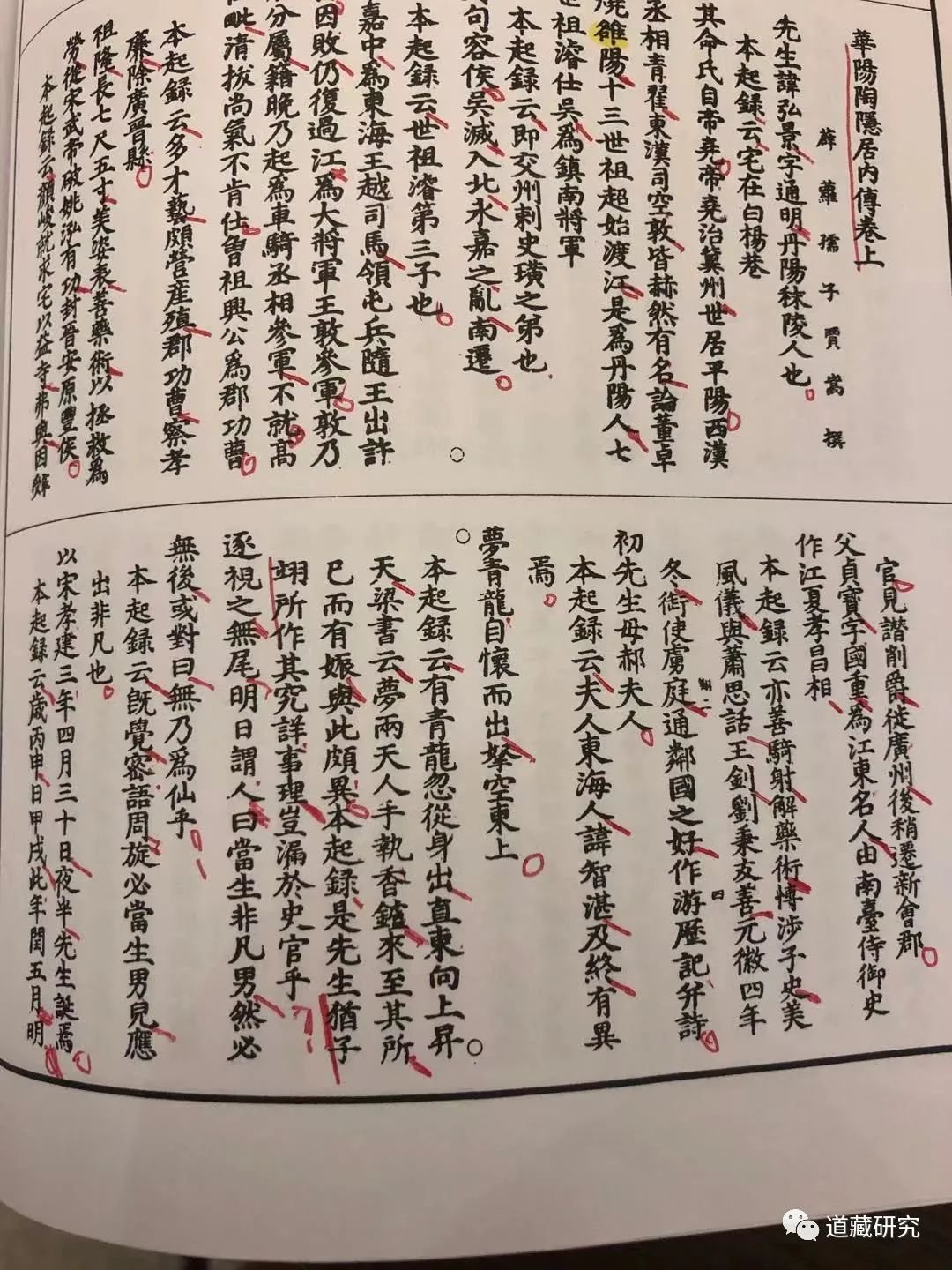
注:主要内容来自《华阳陶隐居内传》,唐代贾嵩撰。底本出处:《正统道藏》洞真部记传类。
《内传》原文全篇将近1.5万字,如果全译成现代文,要好几万字。所以只部分节选上传。因故事太多,今天以几个标题的形式来写陶弘景精彩人生的几个片段。我们一起了解这位神仙人物的大致。以下是我点注的《道藏》原文照片:
(一)出身世家,天赋异禀
陶弘景(456-536),自号“华阳隐居”,别号“山中宰相”,丹阳秣陵(今江苏南京)人。南朝齐、梁时杰出的道学者、仙学家、养生家、炼丹家、医(药)学家、科学家、书画家。
中国传记的规矩,先谈出身及出生:
关于他的祖上:
其命氏自帝尧。帝尧治冀州,世居平阳。西汉丞相青翟,东汉司空敦皆赫然有名,论董卓烧锥阳。十三世祖超始渡江,是为丹阳人。七世祖浚仕吴为镇南将军……(《本起录》)
大意:帝尧的后代。祖上辉煌,世代威武。这也不意外,若是寒门,也不可能幼学饱读,博通古今。
祖隆,长七尺五寸,美姿表,善药术,以拯救为劳。从宋武帝破姚泓有功,封晋安原丰侯。
注:这是他爷爷,隔着两千年,还是让人心生暖意的人,历史上建功封侯的人倒是多了,但“美姿表,善药术,以拯救为劳”,长得漂亮又和颜悦色的,通医药,以治病救人为已任,这在任何时代都是让人尊敬的吧。
父贞宝,字国重,为江东名人。由南台侍御史除?江夏孝昌相。亦善骑射,解药术,博涉子史。美风仪。与萧思话、王钊、刘秉友善。元徽四年冬,衔使虏庭,通邻国之好。作游历记并诗。
注:这是他的父亲。“美风仪”,可见他们家的漂亮有基因。代代都把长得好看特别说一说。“善骑射,解药术,博涉子史”,博学多材的典范。看来陶弘景通医药,是有家传的。他的爷爷是“善药术”,爸爸是“解药术”,读到这儿就可以推测得到,到陶弘景这一代,“通药术”就不奇怪了。
关于陶弘景的出生,按中国传记传统,一定要讲一讲母亲怀孕时梦到什么异象等等,这些套路平时读来实在老掉牙,但搁在仙家陶弘景身上,就显得不那么做作了。也摘两句吧,不然就有漏语之嫌:
梦青龙自怀而出,挈空束上。(《本起录》)
梦两天人手执香炉来至其所,已而有娠。与此颇异。……逐视之,无尾。明日谓人曰:当生非凡男,然必无后。或对曰:无乃为仙乎?(《梁书》)
注:一说是他妈妈生他的时候梦到青龙;另一说是他妈妈怀他是因为梦到两位天人手执香炉而赐子,并预示了他人家会生一个非凡的男孩子,但不会有后人了,于是就要成仙了。
不光是道家,凡中国人,一旦有点本事和名气,所有记录必有记录这些非凡异象。这是我们的文化特色。
然后又记录了他出生时,“无惊啼”,不哭不闹。有些文献记载说有些地方生了小孩子不哭的,家长就很担心,要来人间受轮回苦了,不哭,就觉得不正常。如果有生下来就笑的,还有迷信的家长把孩子当妖怪扔掉。陶弘景出生时就不哭,但被当成异禀婴儿抚养。可见他们家有见识,并不太在乎各种异常。
五六岁时酷爱学书,虽戏弄罗前,唯执笔砚。八九岁时读书千余卷,颇善属文。读义卜葛稚川《神仙传》,见淮南八公事。
注:这个厉害了,不是一般孩子能做到的。5、6岁时酷爱读书,喜欢笔砚。到8、9岁时就读书千余卷,也颇善写文章。小小年纪就读葛洪的《神仙传》。
这是典型案例,一个人小时候读过的书,会影响一生。所以,家里有孩子的,帮助孩子开蒙时选书,是至关重要的工作。
说下自身体会。我小时候读过的书,对我影响最大的一本是《杨家将》,其次是《西游记》,特别前者,几乎对我的性格养成起到了决定作用。明明时代不同了,需要变得世故、成熟一些,但就是改不了讲话“竹筒倒豆子”习性(写作上也如此,唠唠叨叨没完没了),更不愿变得城府高深,让人琢磨不透。生活还是简单些好。这种“长不大”,与小时候读《杨家将》有关,那些武将家庭的人,都是直来直去,不掖着藏着,性情刚烈,宁折不弯,誓死都为内心的信念而坚持。
我有时在想,古人确实比我们心静聪慧些。我们现在8、9岁的孩子,谁家孩子读书“千余卷”?可见,读书确实是开启智慧的钥匙。而且我目前为止,还认为读纸质书的效果依然是电子书或视频无法达到的。尽管自己也越来越多地看电子书了,可是读纸质书给人的神奇力量,是超越语言的。只可惜现在阅读电子书越来越成趋势。因为哗啦屏幕确实有快感,翻阅纸质书的感觉,只有深潜其中的人,边读边思考,边点注,边圈划,边记录,才知其中味。我经常感慨一下这种科技进步带来的遗憾。时代进步,无法阻挡,只有适应。
回到陶弘景,8、9读“《神仙传》六一卷,夜抱卷与寝,”喜欢到夜夜抱着那本书睡觉,乃曰:“攀青云白日,其何云远?”认为修神仙不梦,然后“官然方外之志矣”,有做方外之士的志向了。
相由心生。从此之后的陶弘景就“神表孤迈,肤色哲泽”,神仙模样出现了,加上基因的原故,行止飘逸,俊美异常,由内而外的神仙气质散发出来。
“每出,路人辄聚观,咸日:陶郎是玉京中落仙。乃执羽扇以自障蔽,虽冬月不除。”
每次出家门,都引来路人围观,大家都说:陶家公子是“玉京落仙”,天下落下来的神仙。说得陶弘景只好拿着扇子挡起来,“虽冬月不除”,即使冬天也拿着扇子。我忽然想起小时候读《三国》,诸葛亮也是道袍在身,“羽扇”不离手,总不理解,冬天不热,也没蚊虫,一直拿个扇子做什么?后来长大了,理解为可能是道家法器,或是诸葛亮的装饰品,读到了陶弘景传才知道,原来扇子是用来“遮美”的。真是太有趣了。
(二)酷爱读书,才华绝世
诗文优美,才华出众。是世人对陶弘景的公认。
年十一,作王昊博士。
年轻时的陶弘景不光是美若天仙落凡,还特别有才,“年十一,作王昊博士”,11岁做司徒左长史王钊之子王昊的侍读博士,这是他接受的良好教育。
《清虚真人传》记载他对读书的酷爱。读书,是他才华的原因:
常嫌读书未满万卷,乃以内书兼之。於是少出州府,辟召皆不起。(《清虚真人传》)
大意:陶弘景经常觉得自己读书少,恨自己没有读满万卷书,对自己的要求如此之高。很少出去走动,皇帝多次征召也不去。这是一个内心清晰,明了人生真义的神仙。他知道人生什么最重要,怎么做才最快乐,最有意义。所以才有这么大的定力,一再不应召。这话说来平常,真正明白的,古来能有几人呢?“辟”,多音字,这里应读作bì,意为皇帝召见并授予官职,“辟召”,是专用词。因为后面还会有提到,而且,讲道门故事,经常会读到很多有出世心的高人都是“不应辟召”,所以解释一下。
在他后世的唐朝有一位道士----药王孙思邈,就是不肯去皇帝身边当官,偏偏就喜欢捣鼓本草,研究各种医药,治病救人,若是没有清晰的价值观和坚定的志向,谁能经得了高官厚禄的诱惑?
唐朝还有一位极有才华智慧的纵横家,梓州盐亭(今天四川盐亭)人赵蕤,也是不愿当官,宁为隐士,所有时间用来读书,著书立说。他研究帝王之学,“博学韬衿,长于经世”,并且“任侠有气,善为纵横学”,博学冠世。唐玄宗多次征召,他都辞而不就,过着隐居的生活。著有经世名著《长短经》(又名《反经》),与李白以“赵蕤术数,李白文章”并称。乾隆皇帝读了《长短经》大受启发,曾为此书提诗四首,其中有他对为君之道的反思:
比及乱时思治乱,
不如平日慎行王。
多么深刻的语言!等到天下大乱了再想尽办法到处补平事,还不如平时多多谨慎当政,少一些权力的任性,多一些对民意的尊重。因为古代的君王都知道一个为君的潜规则:为政者,民意,就是最大的政治;得人心者得天下。乾隆能这么想,这是他的智慧。每一位任性独裁的君王,如果都看看《长短经》,可能就不会有天下大乱的危机和终结时刻了。同时乾隆皇帝也因为赵蕤不愿出世为官而感觉到无限遗憾,他说:
既是梓州善经济,
不应辟召又何焉。
大意:即便赵蕤再善长经文谋国,博有济世之才,但又不应帝王征召,那又怎么办呢?乾隆这么题诗,也是写给当时的汉族士子看的,你们再有才华,如果不应我的召,也是徒有满腹经纶。这也是汉满情绪纠结的一种心态。
说到《长短经》,提一句:值得一读!这是集儒家、道家、法家、兵家、杂家、阴阳家等等的一本谋略学书,以谋略为经,历史为纬,写的精炼干脆,并且以比较高的角度去反思历史。读此书过程,我对作者极深厚的史学功底印象深刻。如果没把史书读精、读透,揉碎消化,是不可能提炼出那样一本书的。体制内的,目标定在常委以上或国家第一领导的,此为必读书之一。
陶弘景的才华,主要表现在他的大量著作,以及优美的文字上。
他15岁时写了一篇堪称六朝骈赋佳作的《寻山志》,文笔随视角和心情流转起合,韵意两全,自然天成,道家的山水、自然思想跃然之上。而且文情隽美,哲思通透。说心里话,初读,我不太相信那是出自一位15岁少年之手。尽管古人比今人思维成熟、性情达观有多少,不管读多少书,但人的生活经历摆在那里。不到一定的年龄,是历练不出的那样的心境的。但所有的史书都这么记载,我于是不再怀疑,只是惊艳。摘几句分享一下,因为文词太美,若译成白话文,对原文之美、逻辑、节奏、韵律都是一种罪过。我简注片语,有古文功底可自己细品这种艺术性文字,不习惯古文的可直接跳过:
倦世情之易挠,乃杖策而寻山,既沿幽以达峻,实穷阻而备艰。
(注:15岁就厌倦世情,嫌人情世故太烦扰,于是拄个竹仗到山中去寻求心灵的宁静;沿着幽静的山路到达险峻之处,看到了世人看不到的绝美风景,也经历了世人体味不到的艰难险阻。世之纷扰,道之艰辛,尽在其中。)
心容旷朗,气宇调畅。玄虽远其必存,累无大而不忘。
(注:这是意会神通、言传无味的对信仰的坚定而从容的心境。他坚信大道虽远得看不到,但一定是存的,心中念念难忘。)
赴水兮氾滥,归田兮翱翔。此漭滥之足乐,意斯龄之不长。悼茵蟪之危促,羡灵椿兮未央。虽鹏鷃之异类,托逍遥乎一方。
(注:入官场如涉洪水一样凶险无常,向往回归田园的自由自在。感慨人生寿命太短暂,时光飞逝。活学化用的是《庄子》中的典故,说明他精通《庄子》精华)
去采芝兮入深涧,深涧幽兮路窈窕。窈窕路兮终无曙,深涧深兮未曾晓。高松上兮亟停云,低萝下兮屡迷鸟。鸟迷萝兮缤缤,云停松兮纷纷。停云游兮安泊,离鸟楼兮索群。嗟群泊其无所,思参差而谁闻。
(注:这是从眼前景写到内心情,行文逻辑沿视线推移,直到内心深处的身无所寄、离群索居,漂泊无定、心灵孤独。后四句,细品来,让人动容,真是“一阅心酸,再阅泪流”……这就是文字的力量吧,1500多年过后,依然散发着生命力,依然感动后世……)
(三)不好官位只好仙
随情随性,来去自由,是陶弘景人生的一个重要特点。
贾嵩在《华阳陶隐居传序》中说陶真人“虽在朱门,不交外物。永明十年脱朝服挂神虎门,上表辞禄。”虽然在士族家庭,但不喜社交。他把无聊的社交闲聊当成是对生命的浪费。永明十年,索性把朝服一脱,挂在神虎门上,上表辞禄,出世隐居,专业研究道去了。这种洒脱和从容,也只有神仙才做得到。
辞官之举,让他声名倍扬,备受关注。“公卿送之征虏亭,供帐甚盛,咸云江东以来未有斯事。”,公卿大臣都来送行,原来在朝共事的,认识不认识的,都来了,“将行,与宜都王别,彼此呜咽,各不能发言”,看来多是舍不得他。也有同僚送行的,也有看稀罕的,也有表敬心的,各情不一。“齐公卿并送於征虏亭,举酒挥袂”,大家都带着酒去列队相送。我猜一下当时的情形,随笔道情:
《挂冠》
满街围帐辞君行,酒樽长亭接短亭;
执手相送双泪下,感君为道辞朝廷。
人们看陶弘景一直都是看稀罕物似的。也有人问他,要是归隐田园了,“亦何得称高?”怎么能得到社会的尊重呢?没了官职,世人怎么会高看你一眼呢?
陶弘景说:秦始皇、汉高祖、楚霸王项羽等等这些旷世英雄,他们拥有天下物资万民,建立不朽功勋,然而他们的后世却是“寸气不续”,何况我们这些只有一点点资源的人。他看得通透,也比较务实,他做事是“为身,不为名”,于是要“高居云岭,访真幽府,正为此耳”。于是,大家都理解他的高深境界了,纷纷感慨自己是只为稻梁谋的平庸之辈,也认为他们在朝为官其实就是身处网罗。我猜他们当时的心思,随笔道情:
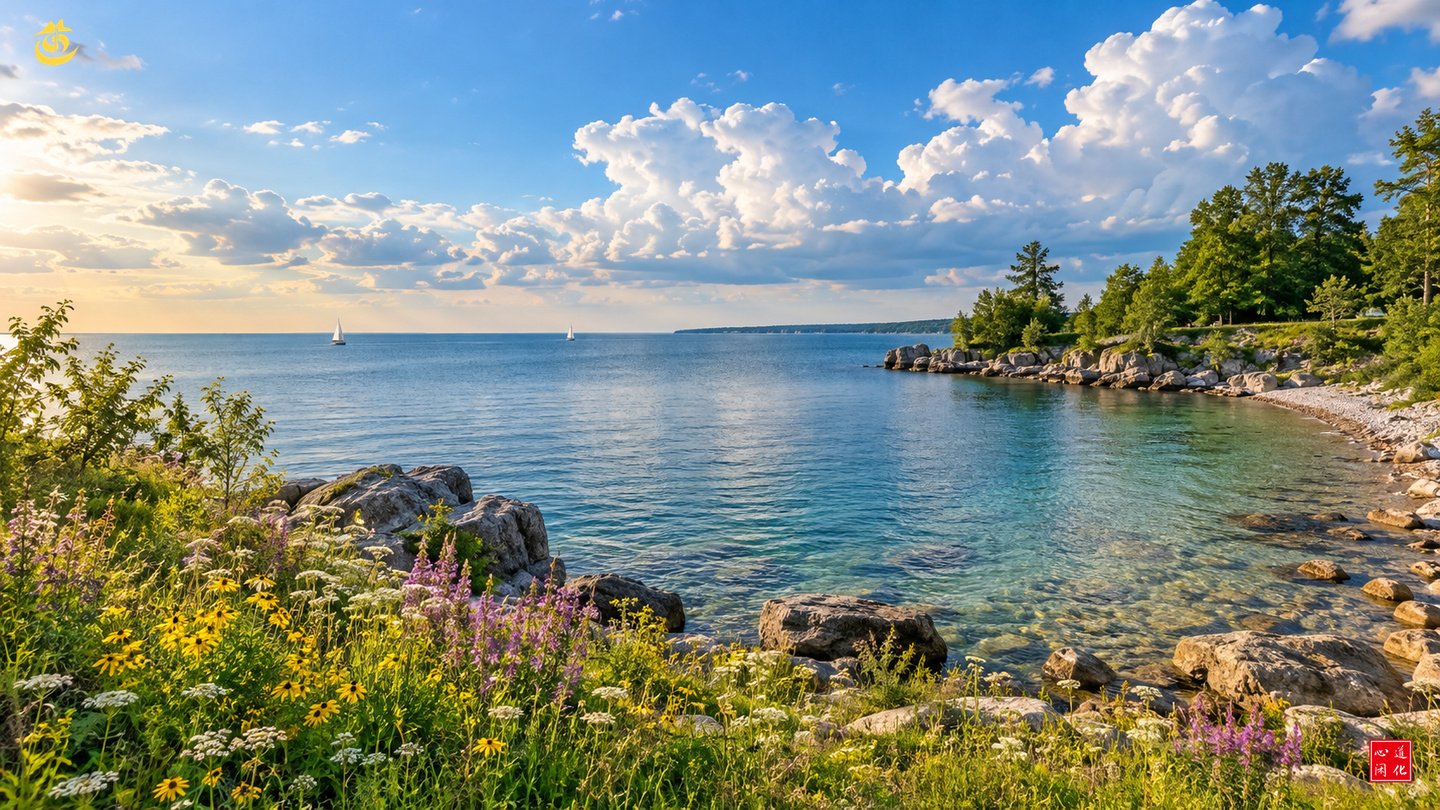
《归鸿》
孤鸿已登摩天去,仙山宫阙云锦重;
空留吾辈稻梁人,昏昏跳踯罗网中。
他辞官入山之后,果然,世道大乱。
明年齐大乱,西昌侯萧鸾弒其君,於是乎知先生预见之明也。(《本起录》)
第二年,国家大乱,西昌侯萧鸾把国君杀了,朝廷倾覆。于是大家更加知道陶弘景有先见之明了。
未完待续……
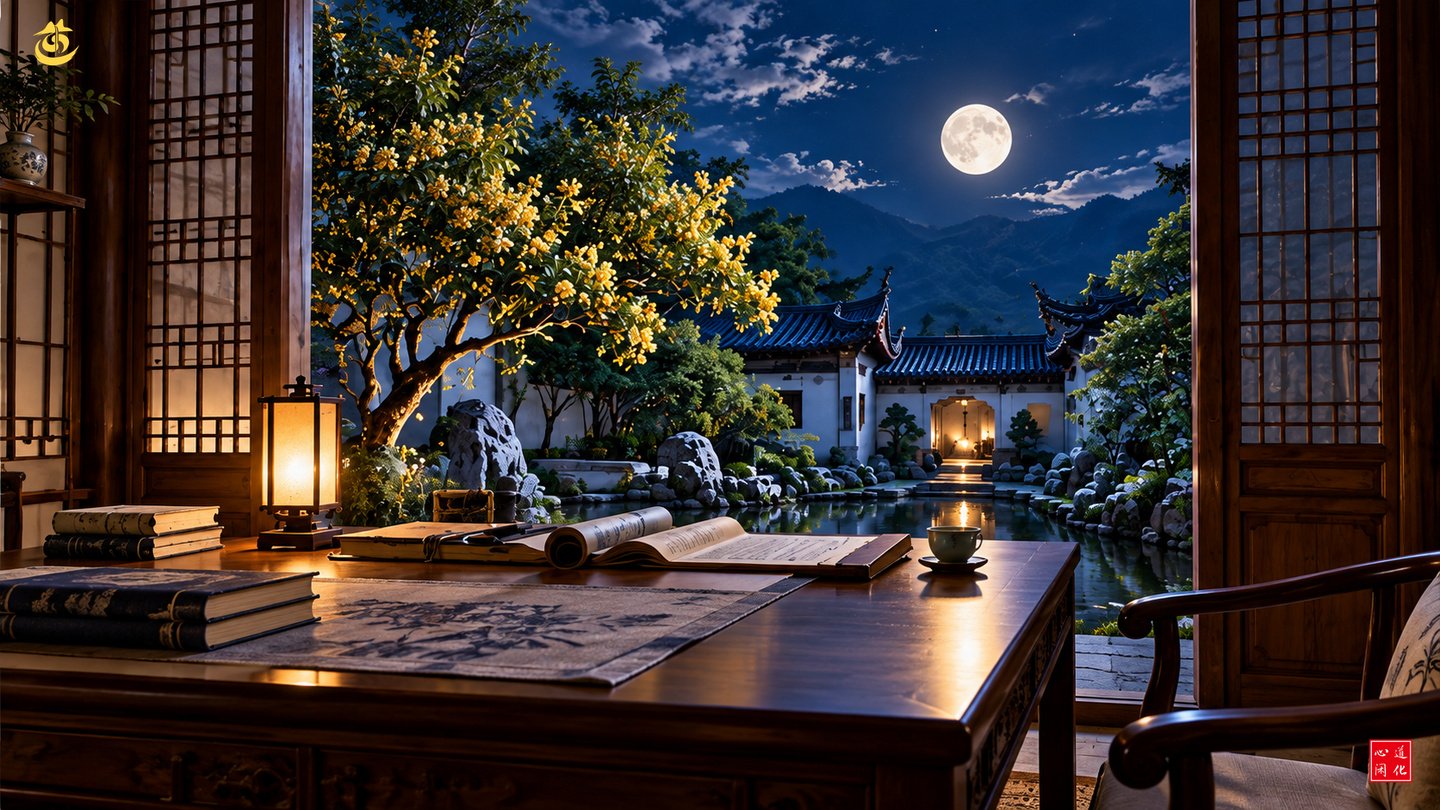
照例,两首道情,一起到仙宫走走吧:
《至虚极》
至高至远繁星,日日映入眼中;
至亲至近骨肉,年年难得相逢。
至纯至爱情义,几人相伴老终?
至善至德好人,缘何谢世匆匆?
至勤至俭农夫,世代不识邓通;
至尊至贵庙堂,人生高处樊笼。
至华至美文章,隔空隔世飞鸿;
至虚至幻大道,相寻却得无穷。
至简至诚玄门,经书素琴清风;
至幽至静庭院,仙酒仙乐仙翁。
高朋春风四座,却是靠山山崩;
真情厚意满怀,落得倚树树倾。
窗前花开四季,心中天籁鸣空;
口颂步虚道情,随我升入仙宫。
YZ.2021.7.9
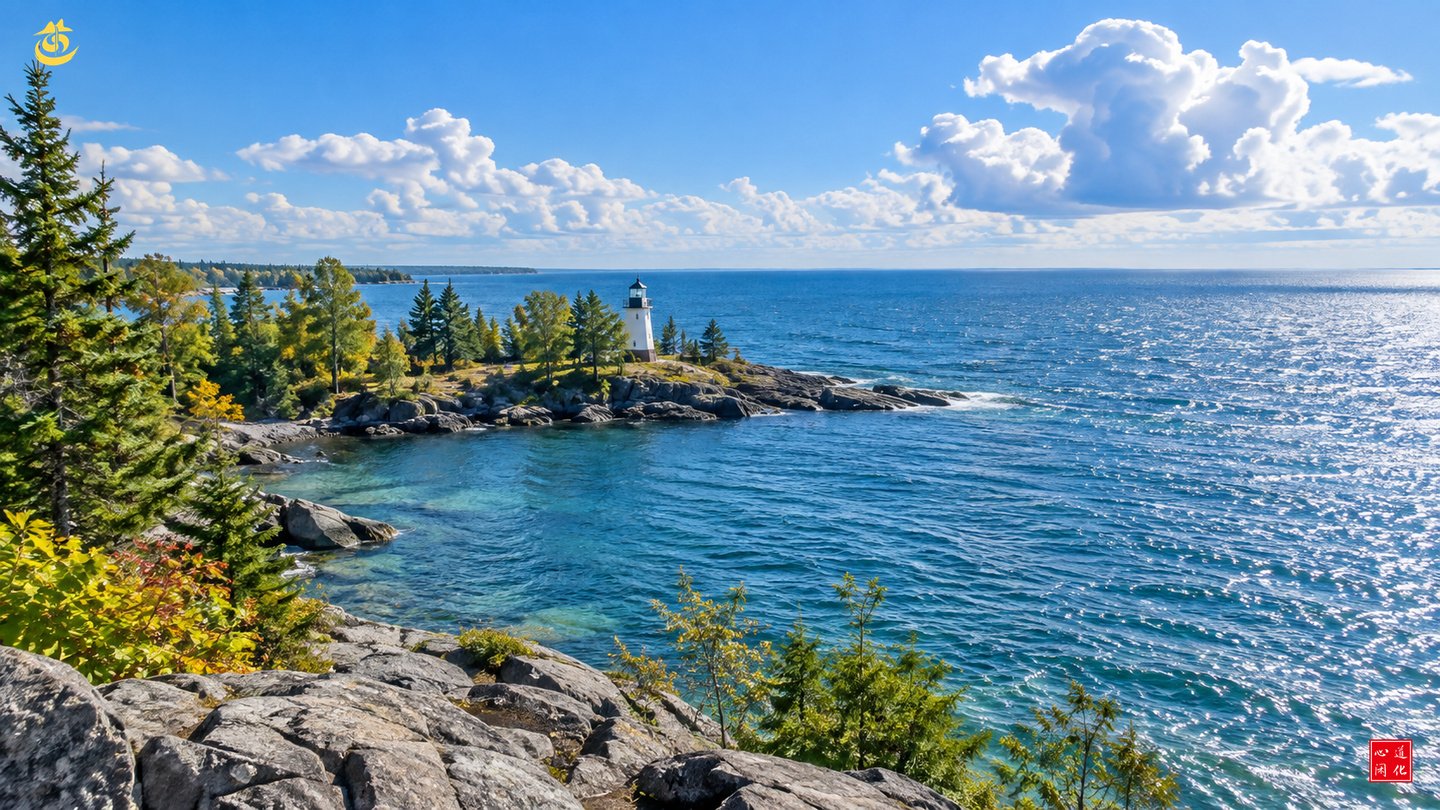
《闲居》
幽居三香阁,不慕终南山;
闲窗每独卧,笔吞六合间。
浮云何归去,归去几时还?
万事无定数,从道顺自然。
Tao Hongjing, the Prime Minister in the Mountains (1)
9. Tao Hongjing, the Prime Minister in the Mountains (1)
Originally published by Yang Zi, Daozang Research, 2021-08-02
How it came about
Afternoon, a little lazy. I had been due this afternoon at the "Wen Dao Lecture Hall" in Huihe Cultural Park to give a talk on Daoist culture (saying it that way is a bit embarrassing: Daoist culture is too broad and too deep, and I really am not qualified to call it a "lecture")--really it was just to share some of my thoughts from reading the Daozang (Daoist Canon). But yesterday (July 30, 2021) the epidemic broke out suddenly, and the whole city grew tense. Though the atmosphere of prevention and control was unprecedentedly tense, people's moods were still quite relaxed: in their WeChat moments they forwarded pictures and jokes to one another, reminding each other and teasing lightly. A few confirmed cases appearing out of the blue--if this had been early last year, it might have scared our souls out of us. But by now, people take it seriously, yes, but nobody is afraid anymore. Perhaps this is the tempering that disaster brings to humankind.
I had also originally agreed to go to the provincial department in early August to give a report related to Daoist culture. Yesterday I sent them photos of the Xiamen epidemic. They are cultivated and warm-hearted, and could not quite bring themselves to say "let the people from Xiamen not come for now," so they replied tactfully: "The leadership says we have to arrange some sort of lecture next month first, so your lecture may need to be pushed back a little." It amused me all at once; I covered my mouth and looked at the screen, giggling without stopping. I understood perfectly! I flashed back: I will come when the weather cools down. This, is Chinese-style tacit understanding. Only when you understand is it fun.
I once heard a lawyer friend in Beijing tell of his experience. Last year, one day, the epidemic in Beijing suddenly grew very tense. He went on a business trip out of town and did not know about it before boarding; the moment he got off the plane, staff were there guiding passengers out, calling loudly: "From Beijing, from Beijing, those from Beijing come this way." He thought the place was giving preferential treatment to people from the capital, and cheerfully cooperated, walking toward the designated spot; but at once he felt something was not quite right about the atmosphere, a little strange. Before he could work out what was happening, three people in full protective suits suddenly appeared from nowhere, surrounded him in a ring, and with lightning speed, all-encompassing, sprayed disinfectant at him through 360 degrees. He was dumbfounded; before his eyes everything went white and hazy; the three protective suits circled him, spraying as they turned, and he felt he was a round ball wearing a crown-shaped hat, at a complete loss. Later he said with feeling: now I finally understand how people in Wuhan felt at the beginning of the year.
The epidemic is as big as heaven. Today's lecture was called off at short notice. And so this afternoon became free. With time on my hands, I can write something.
Let me tell a Daoist story to liven us up.
Prelude
Today, let us talk about "Tao Hongjing, the Prime Minister in the Mountains." Because earlier I introduced parts of his writings, scattered here and there among my everyday texts. What is relatively concentrated is my annotated translation of the "Food Precepts" and "Daoyin and Massage" sections of his Yangxing Yanming Lu, which I uploaded to this WeChat official account. But as I recall, I have never properly introduced this encyclopedic figure. Today I make up for it.
Note: the main content comes from Huayang Tao Yinju Nei Zhuan, written by Jia Song of the Tang. Source of the base text: the Zhengtong Daozang, Dongzhen Bu, Jizhuan Lei.
The full original of the Nei Zhuan is close to fifteen thousand characters; if it were all rendered into modern Chinese, it would run to tens of thousands of characters. So I am uploading only selected parts. Since there are so many stories, today I will write a few episodes of Tao Hongjing's brilliant life in the form of a few headings. Let us get a general sense of this immortal figure together. Below are photos of the Daozang (Daoist Canon) original that I punctuated:
(I) Born into a distinguished family, endowed with extraordinary gifts
Tao Hongjing (456-536), who styled himself "Huayang Yinju," also known as "the Prime Minister in the Mountains," was a native of Moling in Danyang (present-day Nanjing, Jiangsu). He was an outstanding Daoist scholar, scholar of immortality, nourishing-life expert, alchemist, medical (and pharmacological) scholar, scientist, calligrapher, and painter of the Southern Qi and Liang dynasties.
The rule of Chinese biography is to speak first of ancestry and birth:
About his forebears:
His clan name derives from Emperor Yao. Emperor Yao governed Jizhou, and the family dwelt for generations at Pingyang. Qingdi, chancellor of the Western Han, and Dun, minister of works of the Eastern Han, were both illustrious and renowned, appearing in the account of Dong Zhuo's burning of Luoyang. The thirteenth-generation ancestor Chao first crossed the Yangtze, and so the family became people of Danyang. The seventh-generation ancestor Jun served the state of Wu as General Who Guards the South ... (Benqi Lu)
In sum: descendants of Emperor Yao. His ancestors were splendid, generation after generation martial. This is no surprise either; had they been a humble family, he could not have studied widely as a child and mastered both ancient and modern.
His grandfather Long was seven chi five cun tall, of fine bearing, skilled in the arts of medicine, and took rescuing others as his labor. He followed Emperor Wu of Song in defeating Yao Hong and had merit, and was enfeoffed as Marquis of Yuanfeng in Jin'an.
Note: this is his grandfather. Across two thousand years, he is still a person who warms the heart. There have been plenty of people in history who won merit and were enfeoffed, but "of fine bearing, skilled in the arts of medicine, and taking rescuing others as his labor"--handsome, with a kind and gentle face, versed in medicine, making it his duty to heal and save people: in any age that commands respect, does it not?
His father Zhenbao, courtesy name Guozhong, was a famous man east of the Yangtze. From censor of the Southern Terrace he was appointed ? chancellor of Xiaochang in Jiangxia. He too was skilled in riding and archery, understood the arts of medicine, and ranged broadly over the philosophers and histories. He had a fine presence. He was on friendly terms with Xiao Sihua, Wang Zhao, and Liu Bing. In the winter of the fourth year of Yuanhui, he bore an envoy's commission to the foreign court and established good relations with the neighboring state. He wrote a record of his travels and poems.
Note: this is his father. "He had a fine presence"--you can see that good looks run in this family's genes; every generation makes a special point of mentioning how handsome they were. "Skilled in riding and archery, understanding the arts of medicine, ranging broadly over the philosophers and histories"--a model of wide learning and many talents. It seems Tao Hongjing's command of medicine was a family inheritance. His grandfather was "skilled in the arts of medicine," his father "understood the arts of medicine"; reading this far you can guess that by Tao Hongjing's generation, "mastering the arts of medicine" is no surprise.
About Tao Hongjing's birth: by the convention of Chinese biography one simply must tell what strange portent his mother dreamed when she was pregnant. These formulas usually read as terribly stale, but placed on the immortal Tao Hongjing they seem less affected. Let me quote a couple of lines too, or I would be guilty of leaving something out:
She dreamed a green dragon came forth from her bosom and soared straight up into the sky. (Benqi Lu)
She dreamed two heavenly beings came to her place holding incense burners, and then she was with child. This is rather different from that account. ... Following it with her gaze, she saw that it had no tail. The next day she said to someone: I will bear no ordinary boy, yet he will surely have no posterity. Someone answered: might it not be that he is to be an immortal? ("Liang Shu")
Note: one account says his mother dreamed of a green dragon when she gave birth to him; another says she conceived him because she dreamed two heavenly beings holding incense burners bestowed a son, and it foretold that the family would have an extraordinary boy but would have no descendants after him, and so he would become an immortal.
Not only Daoists--for any Chinese, once a person has some ability and fame, every record is bound to record these extraordinary portents. This is a feature of our culture.
Then it also records that at his birth he "made no startling cry," did not cry or fuss. Some texts record that in certain places, when a child is born and does not cry, the parents worry greatly: the child has come into the world to suffer the misery of the round of rebirth, and if it does not cry they feel it is not normal. If a child is born smiling, there are even superstitious parents who throw the baby away as a demon. When Tao Hongjing was born he did not cry, but he was raised as an infant of extraordinary gifts. You can see his family had good sense and did not much mind all sorts of abnormalities.
At five or six he was passionately fond of studying writing; though playthings were arrayed before him, he would hold only the brush and inkstone. At eight or nine he had read more than a thousand scrolls and was already rather good at composing prose. He read Ge Zhichuan's Shenxian Zhuan and came upon the story of the Eight Elders of Huainan.
Note: this is formidable, not something an ordinary child could do. At five or six he loved reading and liked brush and inkstone; by eight or nine he had read over a thousand scrolls and was already good at writing. At that small age he was reading Ge Hong's Shenxian Zhuan.
This is a classic case: the books a person reads in childhood influence a whole life. So for families with children, choosing books when helping a child begin learning is a matter of the utmost importance.
Let me speak of my own experience. Of the books I read as a child, the one that influenced me most was "The Yang Family Generals," and next "Journey to the West." The former especially all but determined the formation of my character. Times have clearly changed, and I ought to become more worldly and mature, but I simply cannot break the habit of saying exactly what is on my mind (the same in my writing, rambling on and on without end), and still less do I want to become deep and unfathomable, leaving people unable to make me out. Life is better kept simple. This "never growing up" has to do with reading "The Yang Family Generals" as a child: the people of those military families were all direct and straightforward, hiding nothing, of fierce temperament, would rather break than bend, and swore to hold to the conviction in their hearts unto death.
I sometimes think the ancients really were calmer and wiser than we are. Among today's eight- and nine-year-olds, whose child has read "a thousand scrolls"? This shows that reading truly is the key that opens wisdom. And to this day I still believe the effect of reading paper books is something e-books and videos cannot match. Though I myself read more and more e-books, the mysterious power that paper books give a person is beyond language. It is only a pity that reading e-books is becoming more and more the trend, because swiping a screen really does give a kind of pleasure. The feeling of turning the pages of a paper book is known only to those who sink deep into it, reading and thinking, punctuating and circling, marking and recording as they go; only they know its taste. I often sigh over this regret brought by technological progress. The advance of the age cannot be stopped; all one can do is adapt.
Back to Tao Hongjing: at eight or nine he read "Shenxian Zhuan, sixty-one scrolls, and at night hugged the scrolls to sleep," so fond of it that night after night he slept embracing that book, and then said: "To climb the blue clouds and the white sun, how can one say it is far?" He thought cultivating immortality was not a dream, and then "formed the resolve to dwell beyond the world," taking up the ambition of a man outside the world.
The face is born from the heart. From then on Tao Hongjing was "of solitary and lofty spirit, his complexion fair and shining"; the look of an immortal appeared, and on top of that, because of his genes, his movements were ethereal, his beauty extraordinary, and an immortal's temperament radiated from within outward.
"Whenever he went out, passersby would gather to watch, and all would say: young master Tao is an immortal fallen from the Jade Capital. So he held a feather fan to screen himself, and even in the winter months did not put it aside."
Every time he left home, he drew crowds of passersby, and everyone said: the young Tao gentleman is "an immortal fallen from the Jade Capital," an immortal who had dropped down into the world. Tao Hongjing had no choice but to hold a fan to cover himself, "even in the winter months not putting it aside," holding the fan even in winter. I suddenly thought of reading "The Three Kingdoms" as a child: Zhuge Liang also wore a Daoist robe and never let the "feather fan" leave his hand, and I never understood it--winter is not hot, and there are no mosquitoes, so why hold a fan all the time? When I grew up I thought it might be a Daoist ritual implement, or Zhuge Liang's ornament; only when I read Tao Hongjing's biography did I learn that the fan was for "screening beauty." It really is great fun.
(II) A passion for reading, talent beyond the age
Beautiful writing, outstanding talent: this is what the world agrees about Tao Hongjing.
At eleven, he served as scholarly tutor to Wang Hao.
The young Tao Hongjing was not only beautiful as an immortal descended to earth, he was also especially gifted. "At eleven, he served as scholarly tutor to Wang Hao"--at eleven he was the scholarly reading companion to Wang Hao, son of Wang Zhao, Left Chief Clerk to the Minister of Education. This was the fine education he received.
Qingxu Zhenren Zhuan records his passion for reading. Reading was the reason for his talent:
He often regretted that his reading had not reached ten thousand scrolls, and so made up for it with esoteric books. Thereafter he seldom went out to the district offices, and declined all summons to office. (Qingxu Zhenren Zhuan)
In sum: Tao Hongjing often felt he had read too little and regretted not having read a full ten thousand scrolls--so high were his demands on himself. He seldom went out, and did not go even when the emperor summoned him many times. This is an immortal with a clear inner life who understood the true meaning of life. He knew what matters most in life, and how to be happiest and most meaningful; that is why he had such great composure, declining summons again and again. That sounds ordinary enough, but how many people through the ages have truly understood it? The character 辟 has several pronunciations; here it is pronounced bì, meaning the emperor summons someone and grants office; "bi zhao" (summons to office) is a set term. Since it will come up again later, and since in telling Daoist stories one often reads of many high-minded people who "did not answer the summons to office," I explain it here.
In the Tang dynasty after his time there was a Daoist--Sun Simiao, the King of Medicine--who simply refused to go to the emperor's side to be an official, and insisted on tinkering with materia medica, studying all kinds of medicine, healing and saving people. Without clear values and a firm resolve, who could withstand the lure of high rank and generous salary?
The Tang also had an extraordinarily gifted and wise political strategist, Zhao Rui of Yanting in Zizhou (present-day Yanting, Sichuan), who likewise refused office and preferred to be a recluse, spending all his time reading and writing books. He studied the learning of emperors, "widely learned in strategy, skilled in ordering the age," and also "of a chivalrous spirit, good at the school of horizontal and vertical alliances," his learning crowning the age. Emperor Xuanzong of Tang summoned him many times, but he declined every one and lived in seclusion. He wrote the classic on statecraft Changduan Jing (also called Fan Jing), and was paired with Li Bai in the saying "Zhao Rui's arts of calculation, Li Bai's prose." The Qianlong Emperor, reading Changduan Jing, was greatly inspired and wrote four poems on it, among them his reflection on the way of ruling:
By the time disorder comes, one thinks of putting the chaos to rights;
Better in ordinary days to walk carefully the kingly way.
What profound words! When the world has fallen into great chaos, trying every means to patch things up everywhere is not as good as governing with more care in ordinary times, less willfulness of power, more respect for the people's will. For the rulers of old all knew an unwritten rule of rulership: for those who govern, the people's will is the greatest politics; whoever wins the people's hearts wins the realm. That Qianlong could think this way was his wisdom. If every willful, autocratic ruler had read Changduan Jing, perhaps there would be no crisis of the realm falling into chaos, no moment of ending. At the same time the Qianlong Emperor also felt boundless regret that Zhao Rui had refused to come out and serve; he said:
Skilled as he is in statecraft there in Zizhou,
What is to be done, since he will not answer the summons to office?
In sum: even if Zhao Rui were ever so good at ordering the state by the classics and had the talent to aid the age, if he did not answer the emperor's summons, what could be done? Qianlong wrote this poem also for the Han scholars of his day to see: however talented you are, if you do not answer my summons, your full belly of learning is in vain. This too is a mentality tangled up in Han and Manchu feelings.
Speaking of Changduan Jing, one word: it is worth reading! It is a book of strategy bringing together the Confucian, Daoist, Legalist, Military, Eclectic, Yin-Yang and other schools, with strategy as its warp and history as its weft, written lean and crisp, and reflecting on history from a fairly high vantage. In reading it I was deeply impressed by the author's profound grounding in history. Without having read the histories finely and thoroughly, broken them down and digested them, it would be impossible to distill such a book. For those inside the system whose sights are set on the Standing Committee or higher, or on the nation's top leadership, this is one of the must-read books.
Tao Hongjing's talent showed chiefly in his large body of writings and in his beautiful prose.
At fifteen he wrote "Xun Shan Zhi," a piece fit to stand among the finest parallel-prose fu of the Six Dynasties; the writing turns and closes with his shifting angle and mood, rhyme and meaning both complete, entirely natural, the Daoist feeling for mountains, water, and nature springing alive on the page. And the feeling of the prose is beautiful, the philosophical thought transparent. To speak honestly, on first reading I could not quite believe it came from a fifteen-year-old boy. However much more mature and buoyant the ancients were than people today, and however many books one has read, a person's lived experience is still there in front of you; before a certain age one cannot have trained up such a state of mind. But all the histories record it so, and so I stopped doubting and was simply amazed. Let me quote a few lines to share, because the words are too beautiful: to render them into vernacular would be a kind of sin against the beauty, logic, rhythm, and cadence of the original. I will add a few brief notes; those with a grounding in classical Chinese can savor this artistic writing for themselves, and those unused to classical Chinese can simply skip it:
Weary of how easily the world's affections are troubled, I took a staff and went seeking the mountains; following the secluded to reach the steep, in truth I exhausted every barrier and bore every hardship.
(Note: at fifteen he was already weary of the world's affections, finding human entanglements too vexing, so he leaned on a bamboo staff and went into the mountains to seek the heart's stillness; following the quiet mountain paths to the precipitous places, he saw matchless scenery the world never sees and passed through hardships the world never tastes. The world's turmoil, the Dao's hardship--all of it is here.)
The heart's capacity is broad and bright, the spirit's bearing harmonious and free. Though the mystery is far, it must surely exist; there is no burden so great that it is not forgotten.
(Note: this is a firm and unhurried faith that can be grasped inwardly but loses its force when put into words. He firmly believed that though the great Dao is too far to be seen, it surely exists, and his heart never ceased to keep it in mind.)
I go to the water, and it floods wide; I return to the fields, and I wheel in flight. This vast overflow is joy enough, and I sense this span of years will not be long. I grieve for the morning fungus and the cicada's perilous brevity, I envy the sacred chun tree whose time is not yet spent. Though the roc and the quail are different kinds, both entrust themselves to carefree wandering in one corner.
(Note: entering officialdom is as dangerous and fickle as wading a flood, and he longs for the freedom of returning to the fields. He sighs that human life is too short and time flies. He is making living use of allusions from Zhuangzi, which shows he had mastered the essence of Zhuangzi.)
Off to gather ganoderma, oh, I enter the deep ravine; the deep ravine is secluded, oh, the road winding and dim. The winding road, oh, never comes to dawn; the deep ravine is deep, oh, and has never known morning. High upon the pines, oh, clouds repeatedly halt; low beneath the vines, oh, birds often lose their way. Birds lost in the vines, oh, in fluttering confusion; clouds halted on the pines, oh, scattered and drifting. The halting clouds drift, oh, where do they moor; the parted birds alight, oh, and seek their flocks. Alas, the flocks have nowhere to rest; my thoughts rise unevenly, and who will hear them.
(Note: this moves from the scene before the eyes to the feeling in the heart; the logic of the writing follows the shifting line of sight until it reaches the heart's depths--no place to rest, living apart from the flock, drifting without anchorage, the soul alone. The last four lines, savored closely, are moving indeed: truly "a first reading saddens the heart, a second brings tears"... this is the power of writing; after more than fifteen hundred years it still breathes with life, still moves later ages...)
(III) No love of office, only love of immortality
Following his feelings and his nature, coming and going in freedom: this is an important feature of Tao Hongjing's life.
Jia Song says in Huayang Tao Yinju Zhuan Xu of the Perfected Master Tao that "though he was in a great house, he did not mix with outside things. In the tenth year of Yongming he took off his court robes and hung them at the Shenhu Gate, and submitted a memorial declining his salary." Though born to a gentry family, he disliked socializing; he regarded idle social chatter as a waste of life. In the tenth year of Yongming he simply stripped off his court robes, hung them on the Shenhu Gate, sent up a memorial declining his salary, left the world to live in seclusion, and gave himself wholly to studying the Dao. Such ease and composure is something only an immortal can manage.
The act of resigning further enhanced his fame and drew much attention. "The high ministers saw him off at the Zhenglu Pavilion, with a most lavish tented send-off, and all said there had been no such thing since the court came east of the Yangtze." The great ministers all came to see him off--those who had served with him at court, those he knew and those he did not, all came. "When he was about to leave, he parted from the Prince of Yidu, and both choked with tears, each unable to speak." It seems most of them could not bear to let him go. There were colleagues seeing him off, some come to see the rare sight, some expressing respect; the feelings were mixed. "The Qi ministers all saw him off at the Zhenglu Pavilion, raising their cups and waving their sleeves"--everyone brought wine and lined up to see him off. Let me guess at the scene then, and dash off a Daoqing chant:
"Hanging Up the Cap"
The street is lined with tents to see you go; wine cups at long pavilion and short pavilion in succession;
Holding hands at parting, tears fall from both; moved that for the Dao you leave the court.
People always looked at Tao Hongjing as if he were some rare curiosity. Someone asked him: if you go back to the fields, "how can you still be called lofty?" How would you win society's respect? Without office, why would the world look up to you?
Tao Hongjing said: world-shaking heroes like Qin Shi Huang, Emperor Gaozu of Han, and Xiang Yu the Hegemon-King of Chu owned all the goods and all the people under heaven and founded imperishable deeds, and yet in the end "not even a breath of theirs could continue"--how much more so for people like us with only a little resource. He saw clearly and was rather practical; what he did was "for the self, not for fame," and so he would "dwell high on the cloudy peaks, visiting the true and secluded abodes, precisely for this." Then everyone understood the depth of his state, and sighed one after another that they were mediocre people scheming only for their rice and grain, and felt that serving at court was in fact being caught in a net. Let me guess at their thoughts then, and dash off a Daoqing chant:
"The Returning Wild Goose"
The lone wild goose has already climbed to brush the sky; palace towers on the immortal mountain, layer on layer of brocade cloud;
We who live only for rice and grain are left behind, dully hopping and stumbling inside the snare.
After he resigned and went into the mountains, sure enough, the world fell into great disorder.
The next year Qi fell into great chaos; Xiao Luan, Marquis of Xichang, assassinated his ruler, and from this people knew how clear-sighted the Master had been. (Benqi Lu)
The next year the state fell into great disorder; Xiao Luan, Marquis of Xichang, killed the sovereign and the court was overturned. Then everyone knew all the more that Tao Hongjing had foresight.
To be continued ...
As usual, two Daoqing chants; let us go stroll through the immortal palace together:
"Reaching the Utmost Void"
Highest and farthest, the throng of stars, day after day reflected in the eye;
Dearest and nearest, flesh and bone, year after year seldom able to meet.
Purest and most loving, affection, how many grow old together to the end?
Best and most virtuous of good people, why do they leave the world in such haste?
Most diligent and most frugal, the farmer, generation on generation never knowing Deng Tong;
Most honored and most noble, the court, life's high place is a cage.
Most splendid and most beautiful, writing, a wild goose flying across space and across ages;
Most empty and most illusory, the great Dao, sought after and yet found inexhaustible.
Simplest and most sincere, the Mysterious Gate, scriptures, a plain zither, a clear breeze;
Most hidden and most still, the courtyard, immortal wine, immortal music, an immortal old man.
Worthy friends and spring breeze fill the four seats, yet the mountain you lean on crumbles;
True feeling and deep kindness fill the breast, and the tree you lean on topples.
Flowers bloom in all four seasons before the window; heavenly music sounds in the void in the heart;
Chanting the buxu Daoqing chant aloud, follow me up into the immortal palace.
YZ.2021.7.9
"Living in Leisure"
Dwelling in seclusion at the Three Fragrances Pavilion, I do not envy Zhongnan Mountain;
At the idle window I often lie alone; the pen swallows the six directions.
Where do the floating clouds return, and when they go, when will they come back?
Nothing in the world is certain; follow the Dao and go along with nature.