养生:即是顺应本性的活着
3、养生:即是顺应本性的活着
原创 杨子 道藏研究 2021-02-08
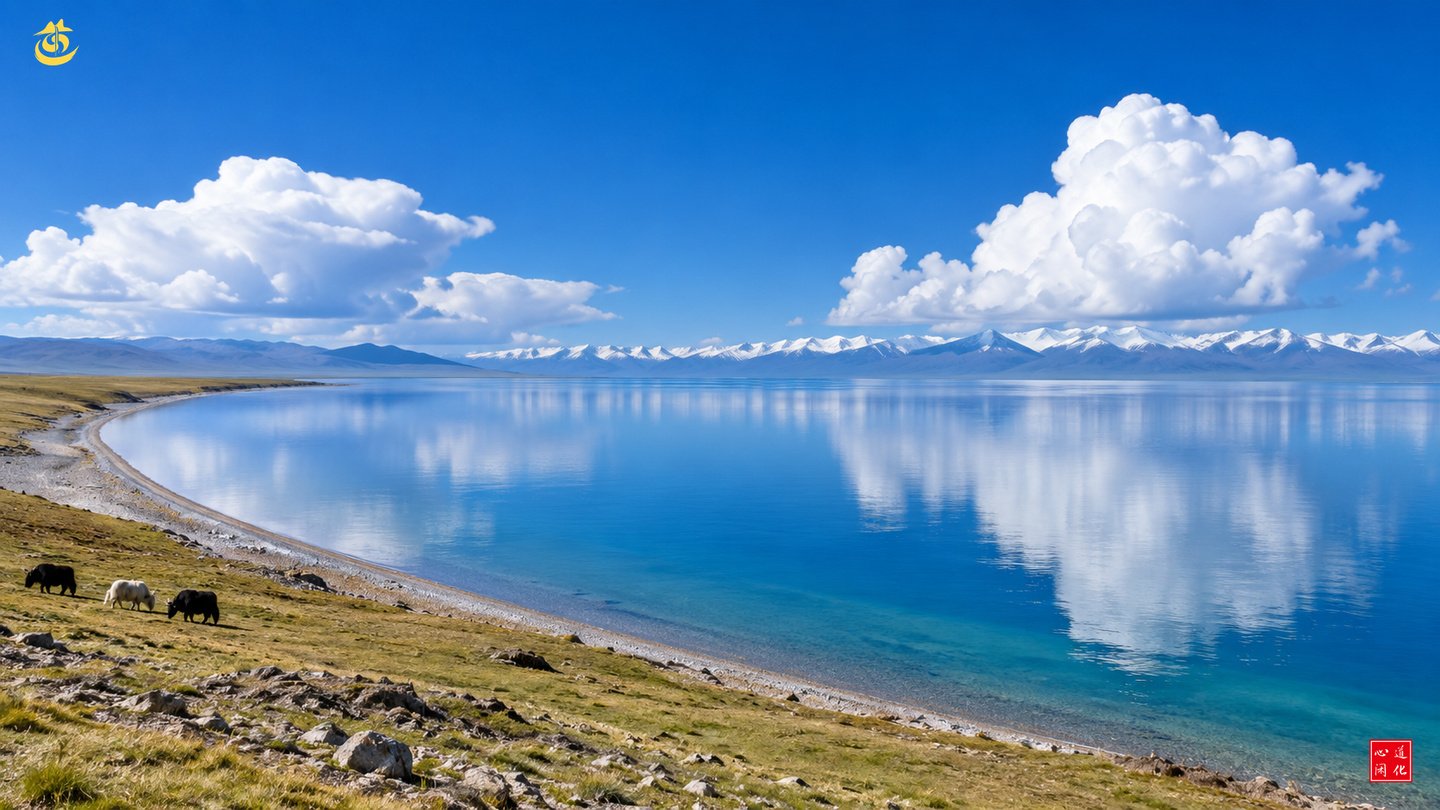
道家人,不问窗外风雪关山;只坐静室,空空说道玄。
喜欢有思想的人。一个有思想的人,多半都有一个有趣儿的灵魂。一句话,让人惊喜;一句话,让人沉思。生活中有一个有思想的朋友,精神世界可以时有火花,不至于昏聩愚昧,也不至于沉闷衰老。
某日,和一位朋友聊起父母之情。朋友发来一句话,让我顿时仰视起来。分享一下:
友:父亲决定着家庭的高度,母亲决定着家庭的温度。尤其是母亲的大爱,更温于心,长长久久。
我:(秒回点评)精辟!我读过很多关于父母的语言,没有比这经典的了。
没有当父亲的切身体验。但身为人母,却由衷地感慨起来:
孩子可以让人迅速成长。正是因为有了孩子,才主动努力理解社会,并甘心情愿地接受生活。只要孩子好,当娘的,心自然安定,天塌下来都不是事儿。对我个人而言,改变天生傲气的,不是爱情,不是友情,而是母爱的温情,还有对孩子无恨的牵挂和祈祷。我是相信因果的。自从生了娃,尤其在孩子初中之后,更体味人生之艰,于是知道了反思和珍惜。开始践行人情之间的理解和释怀。有能力去做的善事,毫不犹豫;有机会帮到别人时,不加思索。为了孩子而坚忍,为了孩子而温顺。为了孩子而尽可能去积累善缘。并慢慢成了习惯。一直觉得自己做得不够好,但真的在尽力,为了安娃的心,努力先安自己的心。
而今,孩子大了,自立了,不再需要操心了。但当娘的,也是自作多情地为了孩子,一定要让自己健康快乐,以期让孩子尽可能长时间有个温情的家,于是顺情随缘,让心随性自然,不再憋屈。因为是中药铺里长大的,加之多年研究道家,知道生病的原因大体有三:
累病的
气病的
吃病的
特别是后两者,更甚。所以日常生活中,尽可能避免生气,避免多吃。能开心尽量开心,能少吃尽量少吃。真心话,是怕自己病了会拖累孩子。为了孩子的体面,也要尊严自己。为了孩子的轻松,也要健康自己。
那些为了孩子而拼命工作,不顾惜自己身体的父母,几乎家家都有。父母的无私付出,到头来,可能给孩子留下无限的伤心和永久的遗憾。爱是福,爱也是愁。
要不拖累孩子,先要爱惜自己的身体。想让孩子快乐,自己必先快乐。母亲的情绪决定着家庭的快乐指数。家里欢笑一片,孩子的性格多是开朗达观。所以,当娘的,修行“快乐法门”非常重要,要让自己不受委屈方可长久。这个功夫的要诀源自内心,而不是外界。
说到不受委屈,曾写过一篇小随笔,倒腾出来,才发现是8年前的文字,现在看来,当年的思虑不甚成熟,但倒也是我本真表达的修行本愿吧,稍加上点新近的信息,跟您分享,全文如下:
人,只要活着,总要受委屈。翻翻史书,看看哪个人不受委屈呢?皇帝天下独尊,一样也受委屈。越是想要做青史明君的皇帝,越是受委屈。李世民可谓是中国历史上的千古一帝,为大唐盛世奠定了坚实基础的帝王,在位时也是委屈一箩筐。典故“太宗怀鹞”,说的就是唐太宗受委屈的事:
太宗得鹞,绝俊异,私自臂之。望见郑公(魏征),乃藏于怀。公知之,遂前白事,因语古帝王逸豫,微以讽谏。语久,帝惜鹞且死,而素严敬征,欲尽其言。征语不时尽,鹞死怀中。([唐]刘悚《隋唐嘉话》)
大意:唐太宗李世民正在玩他绝美的宠物鸟,大臣魏征进来汇报工作,太宗害怕魏征说他玩物丧志,被他奚落,所以赶紧把把他的爱鸟藏在怀里,揣起来了。没想到魏征知道此事,就故意慢慢汇报工作,最后把那只帝王的宠物活活闷死在太宗的怀里了。太宗这种委屈又无法发泄,无法诉说---明君之苦如此!
相反,倒是一些所谓的暴君、昏君受的委屈可能反而少些,也可能活得痛快随性。

人性的可爱,在于真实。真实的人性,才是值得尊重。那些满口仁义道德,动不动就以正人君子自居的人,除了虚伪,还下作。
小时候读历史,教课书上写末代君王,基本上的都是“过着荒淫无度的晚年生活”,觉得他们好不正经,也好没智慧。后来发现,开国明君的晚年生活一样也是佳丽三千,锦衣玉食、温香满怀的。因为开了国,功劳大,所以史笔多有赞誉之词,少有负面语言。因为史笔的特点是:总结成功经验,寻找失败教训。
人们皆知开国之君是艰难的,但守成之君,其实更是不易。万一丢了江山,不光会立即断子绝孙,更是会遗臭万年。这真是----昭昭史笔饶过谁?
长大后越来越喜欢研究养生了,忽然觉得晚年风流倒是一种常人难以企及的境界了。一个人到了晚年,很老了,如果还可以“荒淫无度”,那该是怎样的好身体?以前曾见过“爱情让人年轻”的说法。近一段时间朋友圈就在疯传一个信息,说某艺术家82岁生了儿子,文章最后的感慨性结论是:艺术让人年轻。对于养生、长寿、特异功能等,道家人最是有考证精神,因不是艺术圈的,无从打听,于是去问一位圈内最博学的长者:
82,baby, possible?
长者的神回复:
Impossible means I’m possible.
顿时哈哈大笑。生命中,若多有博学、幽默、思想自由的朋友,可以无拘无束、左右逢源地逗乐子,也是一种养生。
就现代的科学和营养饮食而言,很多人年纪轻轻就各种器官衰竭,甚至有男科医生开始宣布这是一个“四十只剩一张嘴”的时代了。
养生术,丢了。
养生文化,丢了。

《黄帝内经》中说一个人的天年(天赐寿命)为两个甲子(60X2=120岁),寿命在百岁之内都算夭折。那么从历史上看,除了道家人之外,没有一个群体的平均寿命接近百岁的。儒家入世,削尖脑袋去当官,当大官,锦衣厚食,历史平均年龄不到50岁(统计数据截止到清末)。
为什么道家普遍长寿呢?
养生术当然包括养心术。其实我更乐于说养生的核心就是养心。换句话说:不让自己的心受委屈。
那些给自己委屈受的人,无论是谁,踢了吧。
扔了给自己气受的人,就是养生。
大唐王朝,只有一个;唐太宗,也只有一个。没必要为了流芳千古而让自己受尽委屈。何况我们都是凡人。所谓的青史美名,与我们无关。自由、快乐、长寿,才是我们最现实的期待。你说是也不是呢?
去过顺应本性自然的生活吧。余生,以秒计了。
珍惜时光。以上。
看看备注日期,行文之时,应是此生最艰辛时刻。不太有可能洒脱如此,估计只是宽慰自己罢了。每个人的心路历程都是不易的,生存之艰,唯心自知。我能清晰地回忆起当时难以承受的种种。多年以后,果然是成长了不少,若是过去的经历放在今天,用一句天津话来讲,“嘛事儿没有”,可见,时间最是磨练人的,岁月最是教育人的。
感恩生活中所有的苦难。
珍惜生命中所有的遇见。
青词一首,送给隔屏的你:

《人生短》
坐观沉日,阅遍青山。
心醉不在杯酒间。
刚见花开,又见花残。
荣华富贵春过眼。
牵惹之苦,只因多情;
清静之福,尽在随缘。
一眼云聚,一眼云散。
此心总被虚名乱。
月华如练,行云似幻。
春去空忆桃花面。
物是无常,人生有限。
终了都是一声叹。
另一首打油道情,娱乐假日:

《花间情》
今天姑娘心情好,今天姑娘好心情;
饭后楼顶独看云,茶罢窗前自听筝。
夜来仰面沙滩卧,闲看明月漫数星;
世间美好终有尽,天地玄微妙无穷。
空中悟道神灵现,一时念起万相生;
须臾之间至仙境,千树桂花香满城。
何处烟霞传步虚,花间仙乐伴虫鸣;
此花当为般若花,此风自是道家风。
YZ.2019.10.6
愿隔屏的你,假日清静,心惠如兰。
送君仙桂一枝,咱们,好事说到明年。
安。
Nourishing Life: It Is Simply Living in Accordance with One's True Nature
4. Nourishing Life: It Is Simply Living in Accordance with One's True Nature
Originally published by Yang Zi, Daozang Research, 2021-02-08
Daoists do not ask about the wind and snow, the passes and mountains outside the window; they only sit in a quiet room and, empty and idle, speak of the Dao and its mystery.
I like people with ideas. A person with ideas, more often than not, has an interesting soul. One sentence can give you a pleasant surprise; one sentence can set you thinking. To have a friend with ideas in life means the inner world can throw off sparks now and then, and you won't sink into muddled ignorance, nor into dull, stale age.
One day I was chatting with a friend about the love of parents. The friend sent over a line that made me look up in instant admiration. Let me share it:
Friend: The father sets the height of a family; the mother sets its warmth. Especially a mother's great love, warmer still in the heart, lasting for a long, long time.
Me: (a comment fired back in a second) Incisive! I've read a great many words about parents, and none is more classic than this.
I have no firsthand experience of being a father. But as a mother, I can't help but be moved from the heart:
A child can make a person grow up fast. It is precisely because of the child that I took the initiative to try to understand society, and willingly accepted life. As long as the child is well, a mother's heart is naturally at rest; even if the sky caved in, it would be no big deal. For me personally, what changed my inborn pride was not romantic love, not friendship, but the warmth of a mother's love, and my concern and prayers for my child, free of resentment. I do believe in cause and effect. Ever since I had the kid, and especially after the child went into junior high, I have tasted more of life's hardship, and so I came to know reflection and cherishing. I began to practice understanding and letting go between people. Good deeds I had the power to do, without a moment's hesitation; when there was a chance to help someone, without a second thought. Steadfast for the child's sake; gentle for the child's sake. Doing my best, for the child's sake, to build up good connections. And slowly it became a habit. I've always felt I wasn't doing well enough, but I truly am trying my best; to set the child's heart at rest, I strive first to set my own heart at rest.
Now the child is grown, independent, no longer in need of my worrying. But this mother, out of her own stubborn sentimentality, still insists, for the child's sake, on keeping herself healthy and happy, hoping to give the child a warm home for as long as possible; and so she goes along with feeling and with conditions, lets the heart follow its own nature, and no longer bottles things up. Having grown up in a Chinese herbal medicine shop, and having studied the Daoist school for many years, I know the causes of illness fall roughly into three:
Sick from exhaustion.
Sick from anger.
Sick from eating.
Especially the last two, which are worse. So in daily life, avoid anger as much as you can, and avoid eating too much. Be as happy as you can; eat less where possible. The honest truth is, I'm afraid that if I fell ill I'd be a burden on the child. For the child's dignity, I must keep my own dignity too. For the child's ease, I must keep myself healthy too.
Parents who work themselves to the bone for their children and take no care of their own bodies — you find them in almost every family. The selfless giving of parents, in the end, may leave the child boundless grief and permanent regret. Love is a blessing; love is also a sorrow.
To avoid being a burden on the child, first cherish your own body. If you want the child to be happy, you must be happy first. A mother's mood sets the family's happiness index. When the home is full of laughter, the child's character is mostly cheerful and open-minded. So for a mother, practicing the "way of happiness" matters greatly; only by not letting herself be wronged can it last. The key to this work comes from within the heart, not from the outside world.
Speaking of not being wronged, I once wrote a little essay; when I dug it out, I found it was from eight years ago. Looking at it now, my thinking back then was not very mature, but it was, after all, the original vow of my practice spoken in my own true voice. I've added a bit of recent information and share it with you here. The full text follows:
A person, as long as they are alive, will always be wronged. Flip through the history books — which person never suffered wrong? The emperor, supreme under heaven, was wronged all the same. The more an emperor wanted to be an enlightened ruler in the annals, the more wrong he suffered. Li Shimin may be called an emperor of enduring greatness in Chinese history, the ruler who laid a firm foundation for the golden age of the Great Tang; yet even while on the throne he had a whole basketful of wrongs. The old tale "Taizong and the Goshawk in His Bosom" is precisely about Emperor Taizong of Tang being wronged:
Emperor Taizong obtained a goshawk, supremely handsome and rare, and privately kept it perched on his arm. Catching sight of the Duke of Zheng (Wei Zheng) from afar, he hid it in his bosom. The duke knew this, so he came forward to report on business, and then spoke of the idle pleasures of the ancient emperors, subtly offering remonstrance by it. The talk went on long; the emperor grieved that the goshawk was about to die, yet he had always held Wei Zheng in stern respect and wished to let him finish his words. Wei Zheng's speech did not end in time, and the goshawk died in the emperor's bosom. (Liu Song of the Tang, Sui Tang Jiahua)
The gist: Emperor Taizong of Tang, Li Shimin, was playing with his exquisitely beautiful pet bird when the minister Wei Zheng came in to report on business. Taizong was afraid Wei Zheng would say he was neglecting his duties over a plaything, and would be mocked by him, so he hurriedly hid his beloved bird in his bosom and tucked it away. Little did he expect that Wei Zheng knew of this and deliberately drew out his report, until in the end that imperial pet suffocated to death in Taizong's bosom. This wrong of Taizong's could neither be vented nor spoken of — such is the suffering of an enlightened ruler!
By contrast, some so-called tyrants and benighted rulers may actually have suffered fewer wrongs, and may have lived freely and to their liking.
What is lovable about human nature lies in its being real. Only real human nature is worth respecting. Those whose mouths are full of benevolence, righteousness and morality, and who at every turn set themselves up as upright gentlemen, are, besides being hypocritical, downright base.
When I read history as a child, the textbooks wrote of the last rulers of a dynasty basically all as "leading a dissolute and unrestrained life in their later years," and I thought them so improper and so unwise. Later I found that the later years of founding enlightened rulers were just the same: three thousand palace beauties, fine clothes and rich food, soft warmth and fragrance in their arms. Because they had founded the dynasty and their merit was great, the historian's brush gave them many words of praise and few negative ones. For the nature of the historical record is this: to sum up the experience of success and to seek out the lessons of failure.
Everyone knows a founding ruler has it hard, but preserving an inherited realm is harder still. Should he lose the realm, not only would his line be cut off at once, he would also leave a foul name for ten thousand years. This truly is — whom has the bright, clear brush of history ever spared?
Growing up, I came to like studying nourishing life more and more, and it suddenly struck me that a free-and-easy romantic life in old age is actually a state ordinary people can hardly reach. If a person, in late life, very old, could still be "dissolute without restraint," what a fine constitution that must be! I once came across the saying "love keeps a person young." Recently a piece has been going viral in the Moments feed, saying a certain artist fathered a son at 82; the article's closing, sighing conclusion was: art keeps a person young. When it comes to nourishing life, longevity, extraordinary powers and the like, Daoists have the most spirit of evidential inquiry; since I'm not in art circles and had no way to ask around, I went and put the question to the most learned elder in these circles:
82, baby, possible?
The elder's inspired reply:
Impossible means I'm possible.
I burst out laughing — haha. In life, if you have many learned, humorous, free-thinking friends, and can joke around without any restraint, hitting it off easily from every side, that too is a way of nourishing life.
As for modern science and nutrition, many people suffer all kinds of organ failure while still young; there are even men's-health doctors beginning to declare that this is an era of "at forty, all you have left is a mouth."
The art of nourishing life is lost.
The culture of nourishing life is lost.
The Huangdi Neijing (Inner Canon of the Yellow Emperor) says that a person's Heaven-allotted lifespan (a lifespan bestowed by Heaven) is two jiazi cycles (60X2=120 years), and that any lifespan within a hundred years counts as dying before one's allotted span. So, looking at history, apart from the Daoists, no group's average lifespan came close to a hundred years. The Confucians entered the world, doing all they could to become officials, and high officials at that, with fine clothes and rich food; their average historical age was under 50 (statistics up to the end of the Qing dynasty).
Why do Daoists generally live long?
The art of nourishing life of course includes the art of nourishing the heart. Actually I prefer to say that the core of nourishing life is simply nourishing the heart. In other words: don't let your own heart be wronged.
Those who make you suffer wrong, whoever they are, kick them out.
To throw away those who make you angry is itself nourishing life.
There is only one Great Tang dynasty; there is only one Emperor Taizong of Tang. There is no need to suffer every wrong just to leave a name fragrant for a thousand ages. Besides, we are all ordinary people. So-called fair fame in the annals has nothing to do with us. Freedom, happiness and long life are our most realistic hopes. Would you say that is so, or not?
Go and live a life that follows your own nature, naturally. The rest of this life is counted in seconds now.
Cherish the time. That is all.
Looking at the date in the note, the time of writing must have been the hardest moment of this life. I couldn't really have been that carefree; probably I was only comforting myself. Everyone's inner journey is hard; the hardship of staying alive is known to the heart alone. I can still clearly recall all the things that were hard to bear back then. Many years later, I have indeed grown quite a bit; if those past experiences were placed in today, to put it in a Tianjin phrase, "nothing to it." From this you can see: time is what tempers a person most, and the years are what educate a person most.
Give thanks for all the hardships in life.
Cherish every encounter in life.
A Daoist litany, for you on the other side of the screen:
"Life Is Short"
I sit and watch the sinking sun, and have seen every green hill.
The heart's intoxication lies not in the cup of wine.
Just now I saw the flowers open, and now I see them fade.
Glory and riches pass the eye like spring.
The pain of being entangled comes only from too much feeling;
The blessing of stillness lies wholly in yielding to conditions.
In one glance the clouds gather; in one glance they scatter.
This heart is always thrown into disorder by empty fame.
The moonlight is like white silk, the drifting clouds seem illusion.
Spring goes, and in vain I recall the peach-blossom face.
All things are impermanent; a human life is finite.
In the end it is all but a single sigh.
Another lighthearted Daoqing chant, for holiday amusement:
"Love Among the Flowers"
Today the girl is in a good mood; today the girl's mood is good;
After the meal, alone on the rooftop I watch the clouds, and tea done, by the window I listen to the zither.
At night I lie face-up on the sand, idly watching the bright moon and counting the stars at leisure;
All that is beautiful in the world has an end; the dark subtlety of heaven and earth is wondrous without end.
In the void I awaken to the Dao and the spirits appear; in one instant a thought arises and the ten thousand forms are born;
In the space of a moment I reach the immortal realm; a thousand osmanthus trees fill the city with fragrance.
From where do mist and rosy clouds carry the pacing-the-void chant; among the flowers, immortal music joins the chirping of insects;
This flower must be the prajna flower; this breeze is of itself a Daoist breeze.
YZ.2019.10.6
May you, on the other side of the screen, have a quiet holiday and a heart as gentle as an orchid.
I send you a branch of the immortal osmanthus; you and I, let's carry our good talk on into next year.
May you be at peace.