药食同源类
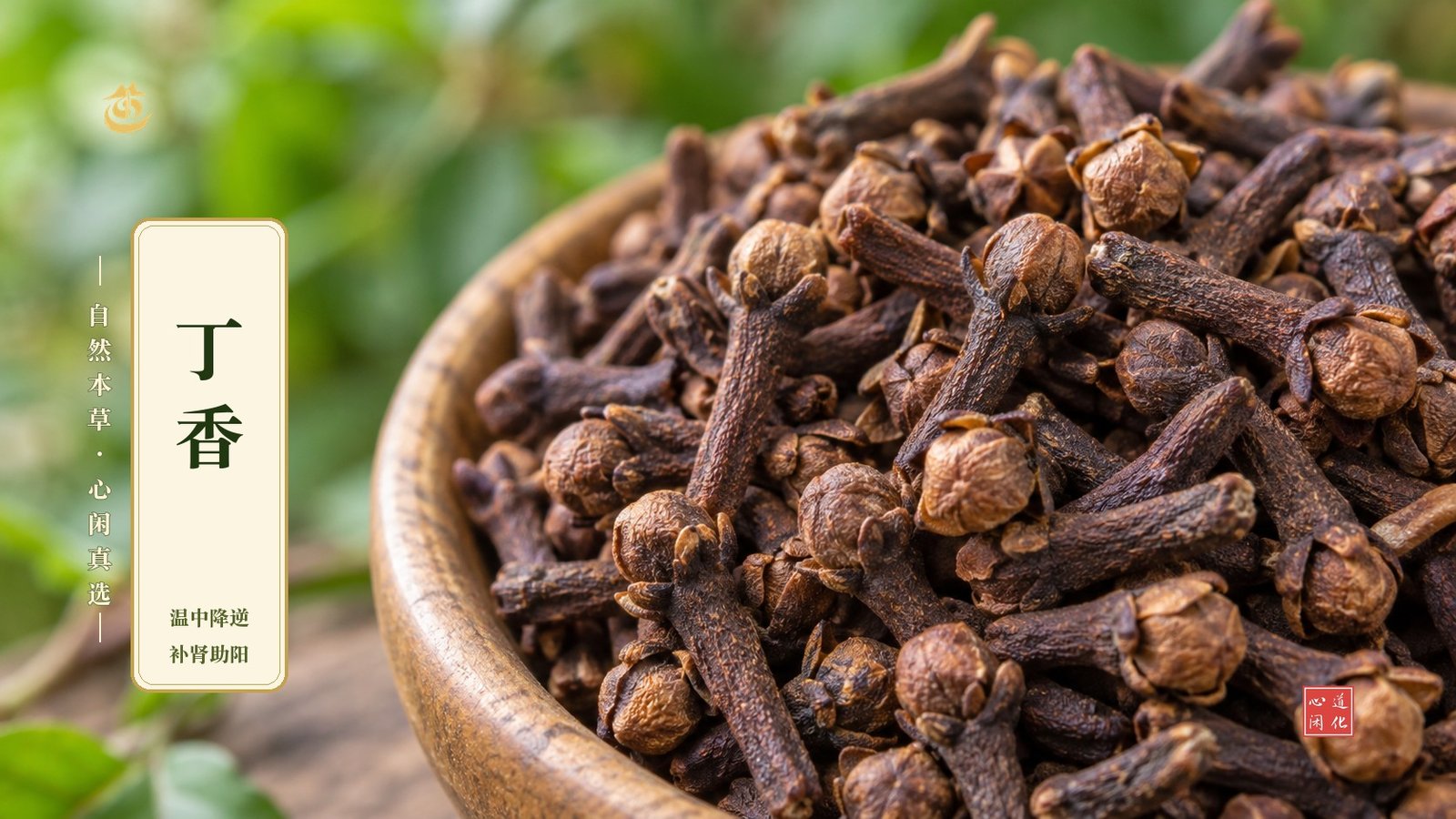
丁香
内容摘要
温中散寒与调味
身份与部位
桃金娘科植物丁香 Eugenia caryophyllata Thunb.的干燥花蕾。
主要产区
主产于坦桑尼亚的桑给巴尔岛以及马来西亚、印尼等地。我国海南、广东有栽培。普通产区不直接等同于道地产区。
性味
辛;温
归经
脾、胃、肺、肾
传统功效
温中降逆,补肾助阳
传统主治
脾胃虚寒,呃逆呕吐,食少吐泻,心腹冷痛,肾虚阳痿
主要配伍
丁香配柿蒂,降逆止呃;属医用配伍。药用组合须辨证使用,不作为家庭处方。
本草纲目
卷34 丁香 花蕾:温脾胃、疗呕逆、治胃寒;条内另收鸡舌香及树皮等,分部取义。
食养特点
芳香调味,传统温中
食用方法与家庭制作
卤汁或炖肉加入少量完整花蕾,烹后捞出;不自行浓煎
安全与使用边界
温燥体质、口腔胃肠刺激者慎用;不服丁香精油
官方目录依据
卫法监发〔2002〕51号;用途及身份限定依原公告。
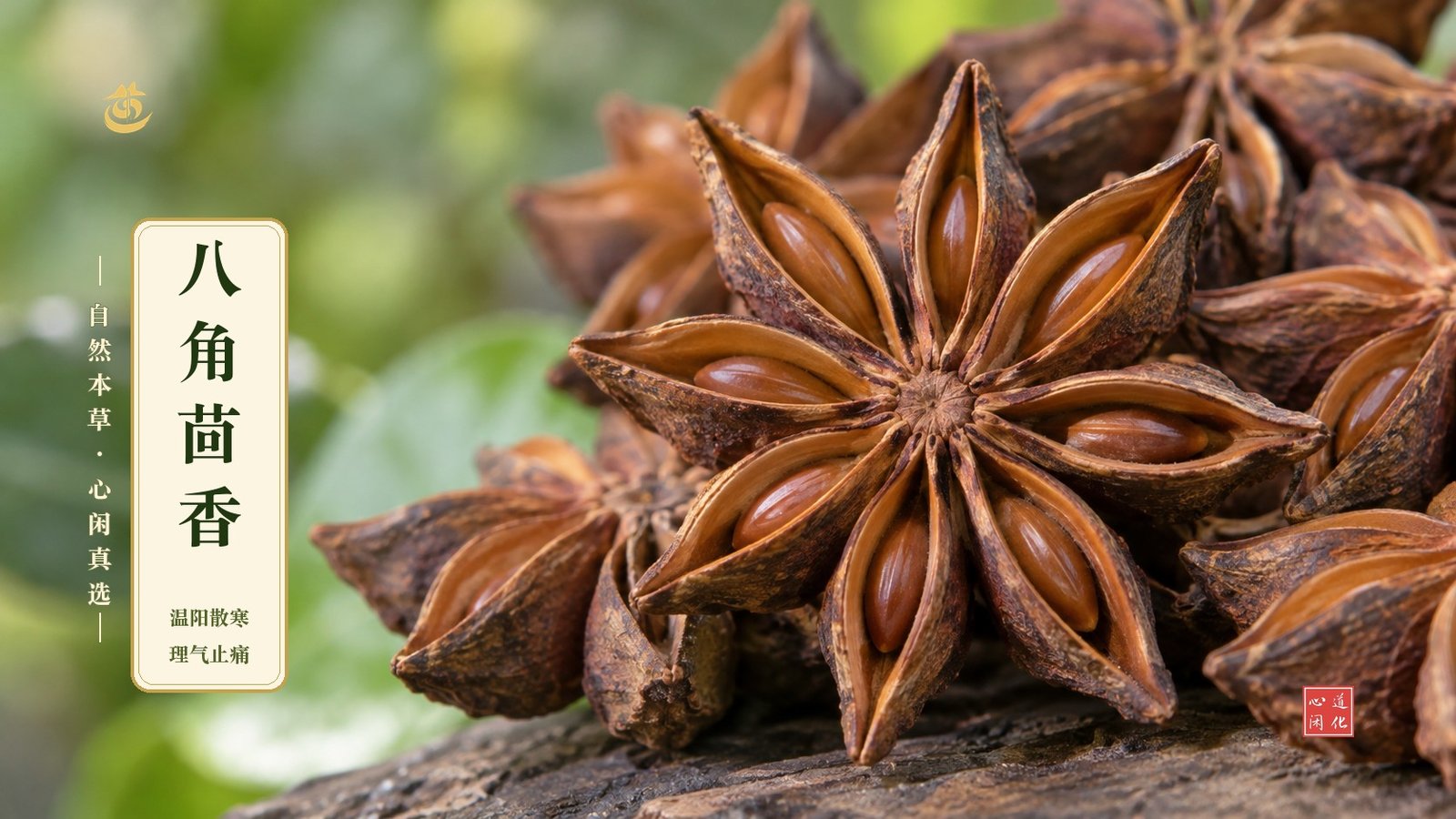
八角茴香
内容摘要
温中散寒与调味
身份与部位
木兰科植物八角茴香 Illicium verum Hook. f. 的干燥成熟果实。
道地产地
八角茴香:以广西壮族自治区龙州、宁明、百色、天等、德保、靖西、那坡、凭祥等西南部左江、右江一带市县为核心区域,以及浦北、博白、玉林、苍梧、梧州、藤县、北流、岑溪、昭平等东部和东南部市县,东兰、凌云、凤山、巴马、西林、隆林等西北部县域。〔P01 PDF第970页〕
性味
辛;温
归经
肝、肾、脾、胃
传统功效
温阳散寒,理气止痛
传统主治
寒疝腹痛,肾虚腰痛,胃寒呕吐,脘腹冷痛
主要配伍
与小茴香同为温散寒气药;厨房可配生姜。药用组合须辨证使用,不作为家庭处方。
本草纲目
卷26 蘹香 集解:明确区分八角茴香与草本茴香的形态;条中温中下气等主治不能不加分辨地全部专归八角。
食养特点
芳香调味,传统散寒理气
食用方法与家庭制作
作为炖肉、卤菜香辛料;不以整锅卤料浓汁当茶
安全与使用边界
须鉴别食用八角,勿用莽草等有毒近似物
官方目录依据
卫法监发〔2002〕51号;用途及身份限定依原公告。
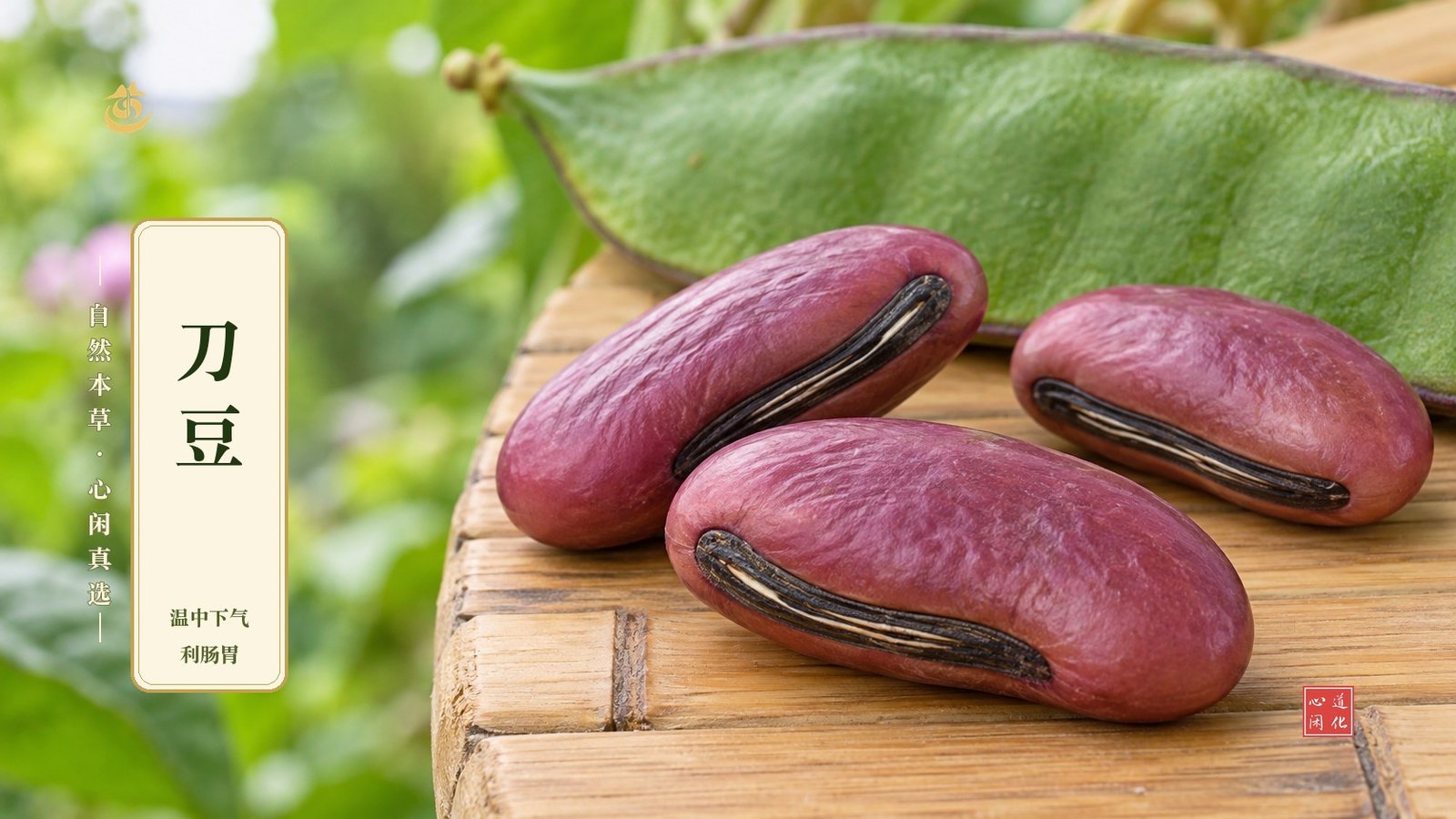
刀豆
内容摘要
温中散寒与调味
身份与部位
豆科植物刀豆 Canavalia gladiata (Jacq.) DC.的干燥成熟种子。
主要产区
主产安徽、湖北、江苏等地区。普通产区不直接等同于道地产区。
性味
甘,温。
传统功效
温中下气。利肠胃,止呕吐,益肾补元气
传统主治
用于虚寒呃逆,呕吐,腹胀,肾虚腰痛,痰喘
主要配伍
与生姜配作温胃思路;医用剂量另定。药用组合须辨证使用,不作为家庭处方。
本草纲目
卷24 刀豆:温中下气、利肠胃、止呃逆、益肾补元。
食养特点
传统温中下气
食用方法与家庭制作
成熟种子须充分浸泡并煮透;嫩荚食用不能代替药材种子
安全与使用边界
不能生食或短时冲泡,生熟部位分别确认
官方目录依据
卫法监发〔2002〕51号;用途及身份限定依原公告。
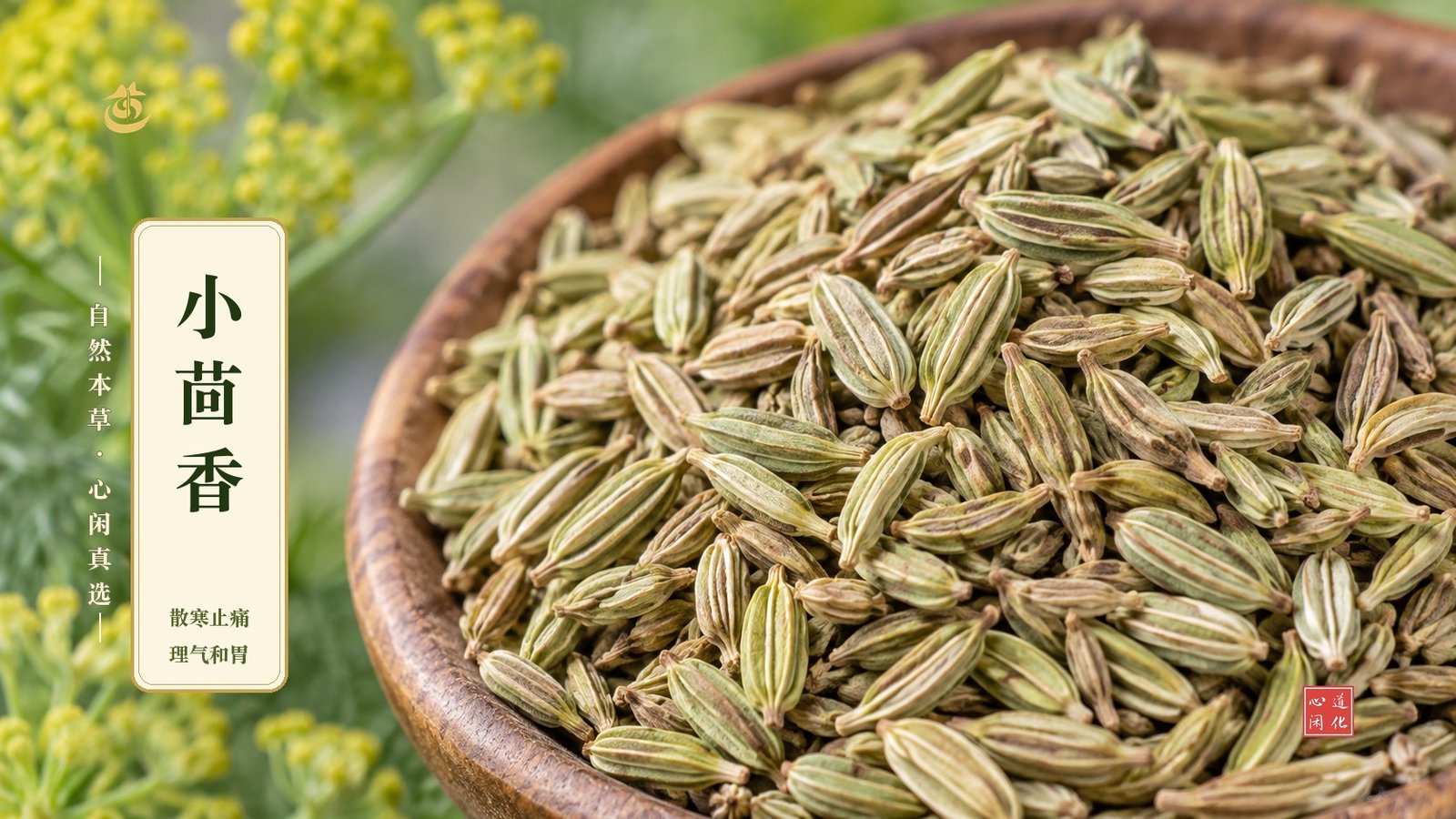
小茴香
内容摘要
温中散寒与调味
身份与部位
伞形科植物茴香 Foeniculum vulgare Mill.的干燥成熟果实。
主要产区
原产欧洲,我国主产于内蒙古、甘肃、四川等地。普通产区不直接等同于道地产区。
性味
辛;温
归经
肝、脾、肾、胃
传统功效
散寒止痛,理气和胃
传统主治
寒疝腹痛,睪丸偏坠,痛经,少腹胀痛,食少吐泻,睪丸鞘膜积液
主要配伍
配高良姜用于寒性胃痛;属传统药对。药用组合须辨证使用,不作为家庭处方。
本草纲目
卷26 蘹香 子:温中下气,记心腹冷气及疝痛等传统应用;与舶来八角分辨。
食养特点
调味,传统温中散寒
食用方法与家庭制作
茴香籽可用于面食馅料或炖菜;不长期浓泡
安全与使用边界
热象明显者慎用;种子与茴香苗分开记
官方目录依据
卫法监发〔2002〕51号;用途及身份限定依原公告。
小蓟
内容摘要
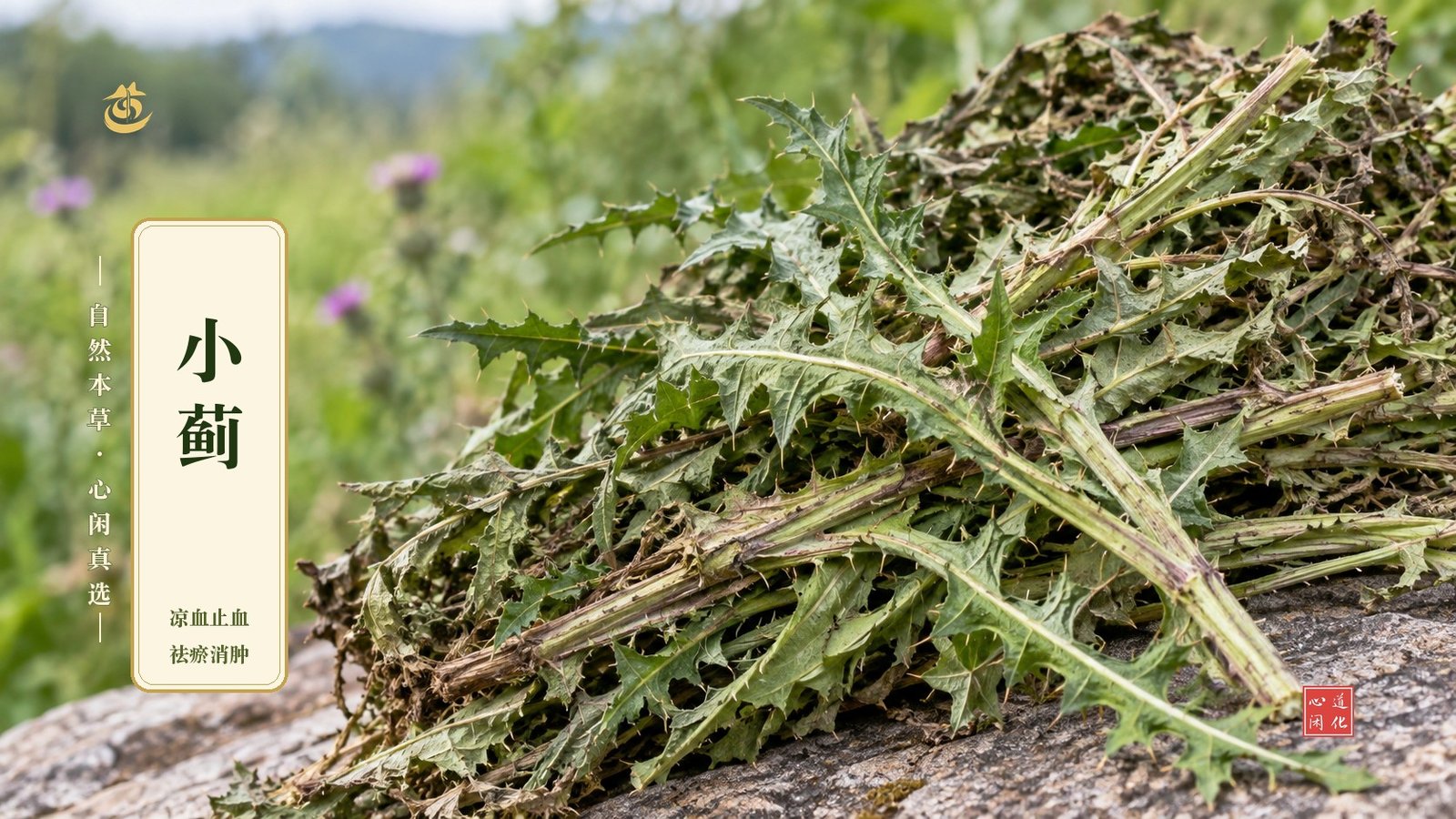
凉血止血与活血
身份与部位
菊科植物刺儿菜 Cirsium setosum (Willd.) MB. 的干燥地上部分。
主要产区
全国大部分地区均产。普通产区不直接等同于道地产区。
性味
甘、苦;凉
归经
心、肝
传统功效
凉血止血,祛瘀消肿
传统主治
衄血,吐血,尿血,便血,崩漏下血,外伤出血,痈肿疮毒
主要配伍
配白茅根为凉血止血思路;医用。药用组合须辨证使用,不作为家庭处方。
本草纲目
卷15 大薊小薊 小蓟主治:保血、破宿血、生新血及多种出血证;大蓟的条文另分。
食养特点
传统凉血止血,不是普遍滋补品
食用方法与家庭制作
不设常规家用代茶饮;可食嫩苗与药用地上部须分清
安全与使用边界
便血、尿血、异常出血应先就医,不自行止血掩盖病因
官方目录依据
卫法监发〔2002〕51号;用途及身份限定依原公告。
山药
内容摘要
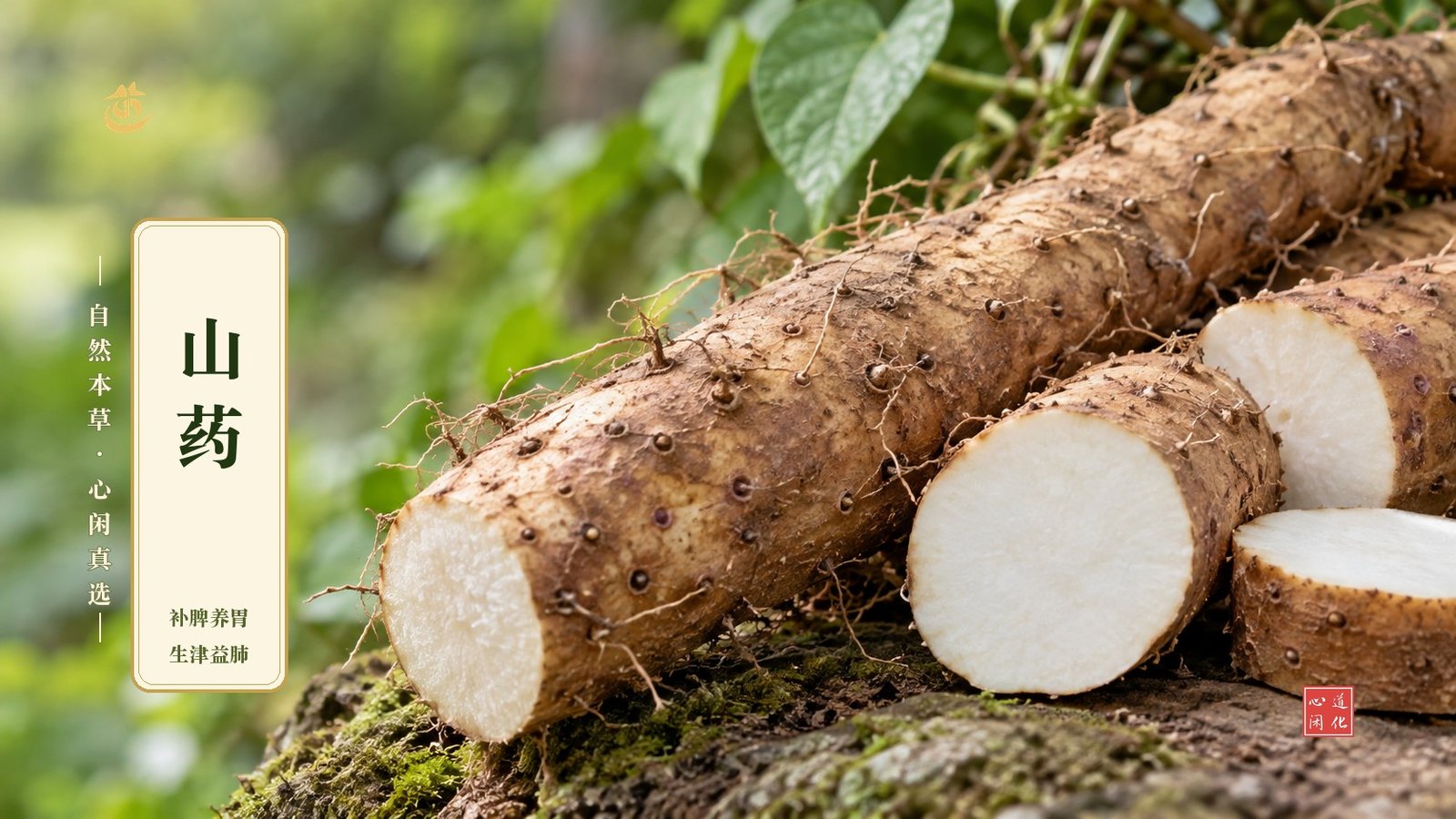
补气健脾与固摄
身份与部位
薯蓣科植物薯蓣 Dioscorea opposita Thunb.的干燥根茎。
道地产地
怀山药:河南温县、孟县、武陟、博爱、沁阳(旧怀庆府所在地,现属焦作地区)等县。〔P01 PDF第99页〕
性味
甘;平
归经
脾、肺、肾
传统功效
补脾养胃,生津益肺,补肾涩精
传统主治
脾虚食少,久泻不止,肺虚咳喘,肾虚遗精,带下,尿频,虚热消渴
主要配伍
配莲子、芡实为食养搭配;配茯苓健脾。药用组合须辨证使用,不作为家庭处方。
本草纲目
卷27 薯蕷 根:补中益气、益肾健脾、止泄痢;不是现代营养或疾病疗效结论。
食养特点
传统健脾养胃,日常主食补充
食用方法与家庭制作
鲜山药去皮后蒸熟、煮粥或炖汤;干片需煮软,非简单冲泡
安全与使用边界
黏液可能致接触性皮肤瘙痒;糖尿病计入主食
官方目录依据
卫法监发〔2002〕51号;用途及身份限定依原公告。
山楂
内容摘要
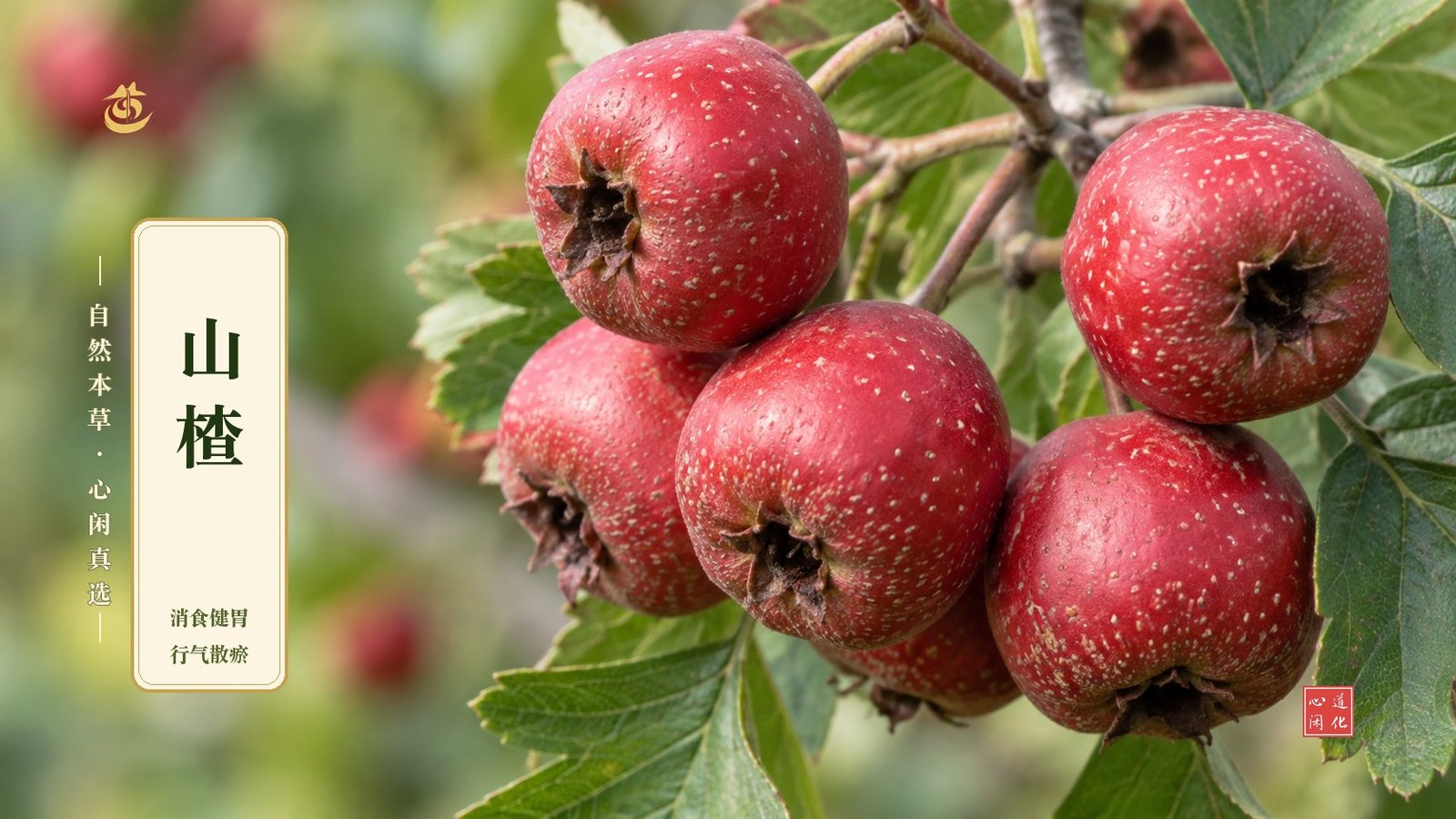
消食理气与和胃
身份与部位
蔷薇科植物山里红 Crataegus pinnatifida Bge. var. major N. E. Br.或山楂 Crataegus pinnatifida Bge.的干燥成熟果实。
主要产区
主产河南、河北、山东等地。普通产区不直接等同于道地产区。
性味
甘、酸;微温
归经
肝、脾、胃
传统功效
消食健胃,行气散瘀
传统主治
肉食积滞,胃脘胀满,泻痢腹痛,疼血经闭,产后瘀阻,心腹刺痛,疝气疼痛
主要配伍
配橘皮理气消食;有官方茶饮例。药用组合须辨证使用,不作为家庭处方。
本草纲目
卷30 山樝 果:消食积、消肉积、健胃,另记滞血痛胀;指出无食积而脾虚者多服反伤。
食养特点
传统消食,适合餐食搭配
食用方法与家庭制作
优先用新鲜果或少糖煮饮;定量茶饮见R03
安全与使用边界
胃酸过多、消化道溃疡慎用;孕妇先咨询
官方目录依据
卫法监发〔2002〕51号;用途及身份限定依原公告。
马齿苋
内容摘要
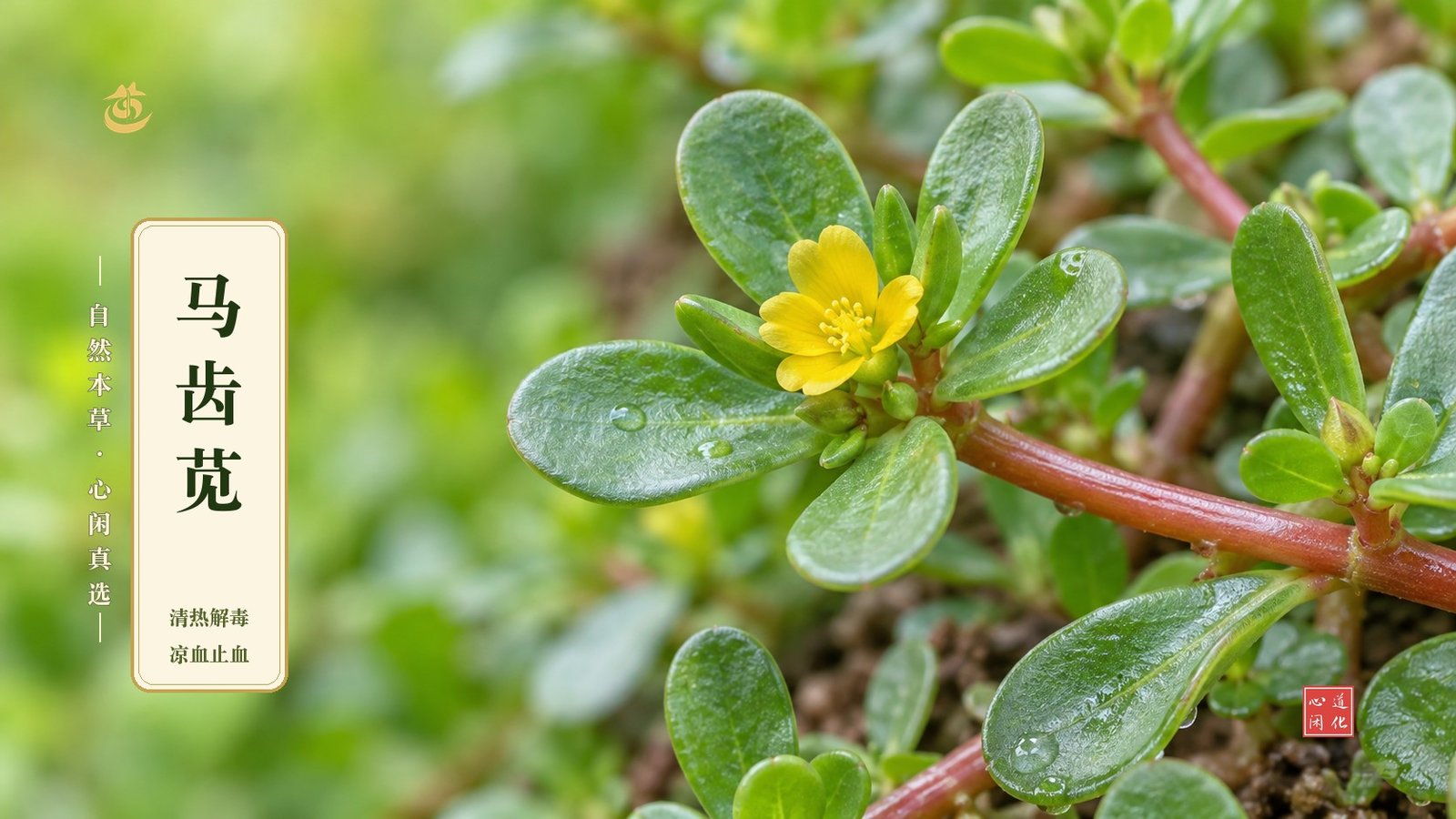
清热解毒与利湿
身份与部位
马齿苋科植物马齿苋 Portulaca oleracea L. 的干燥地上部分
性味
酸;寒
归经
肝、大肠
传统功效
清热解毒,凉血止血
传统主治
热毒血痢,痈肿疔疮,湿疹,丹毒,蛇虫咬伤,便血,痔血,崩漏下血
主要配伍
配粳米作粥;为食养搭配。药用组合须辨证使用,不作为家庭处方。
本草纲目
卷27 馬齒莧 菜:煮粥止痢、散血消肿、解毒通淋;种子明目说另列,不能套给嫩叶。
食养特点
传统清热止痢,作为蔬菜
食用方法与家庭制作
经可靠鉴别的新鲜嫩茎叶洗净焯熟,再炒食或入粥
安全与使用边界
孕妇慎用,脾胃虚寒便溏者慎;不要自采不明野菜
官方目录依据
卫法监发〔2002〕51号;用途及身份限定依原公告。
乌梢蛇
内容摘要
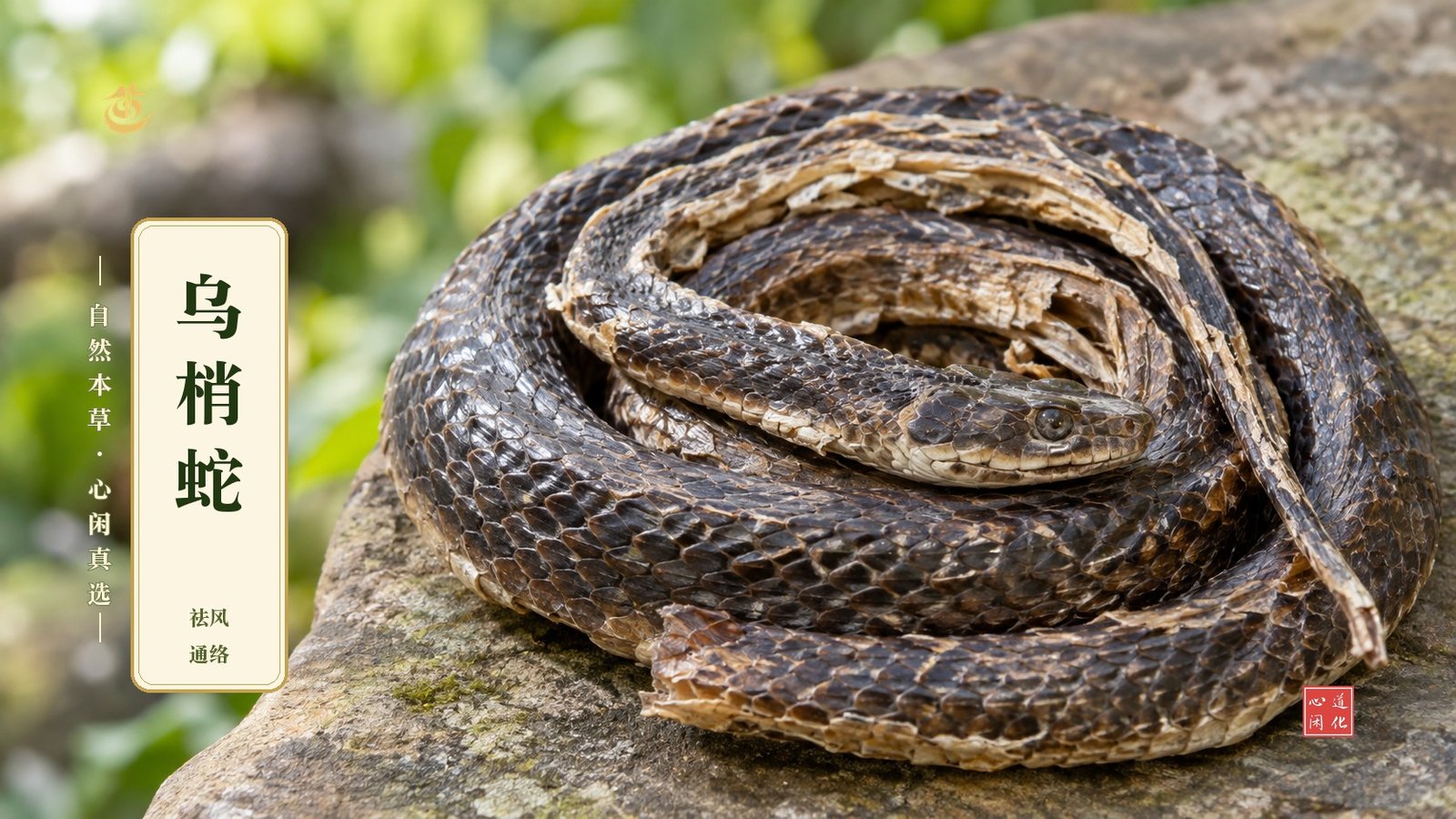
祛风通络与平肝
身份与部位
游蛇科动物乌梢蛇 Zaocys dhumnades (Cantor) 的干燥体。多于夏、秋二季捕捉,剖开蛇腹或先剥去蛇皮留头尾,除去内脏,盘成圆盘状,干燥。
主要产区
主产于山东、江西、浙江等地。普通产区不直接等同于道地产区。
性味
甘,平。
传统功效
祛风,通络,止痉。用于风湿顽痹,麻木拘挛,中风口眼歪斜,半身不遂,抽搐痉挛,破伤风,麻风疥癣,瘰疬恶疮
主要配伍
与当归等配属祛风通络方剂,不作厨房药膳组合。药用组合须辨证使用,不作为家庭处方。
本草纲目
卷43 烏蛇 肉:诸风顽痹、皮肤不仁、风瘙疥癣等历史用法;不据此提供家庭蛇酒。
食养特点
传统祛风通络;不作常规居家保健食材
食用方法与家庭制作
不提供泡酒、磨粉或家用茶饮方案
安全与使用边界
须核实合法来源、动物检疫与加工;不使用野生保护动物
官方目录依据
卫法监发〔2002〕51号;用途及身份限定依原公告。
乌梅
内容摘要
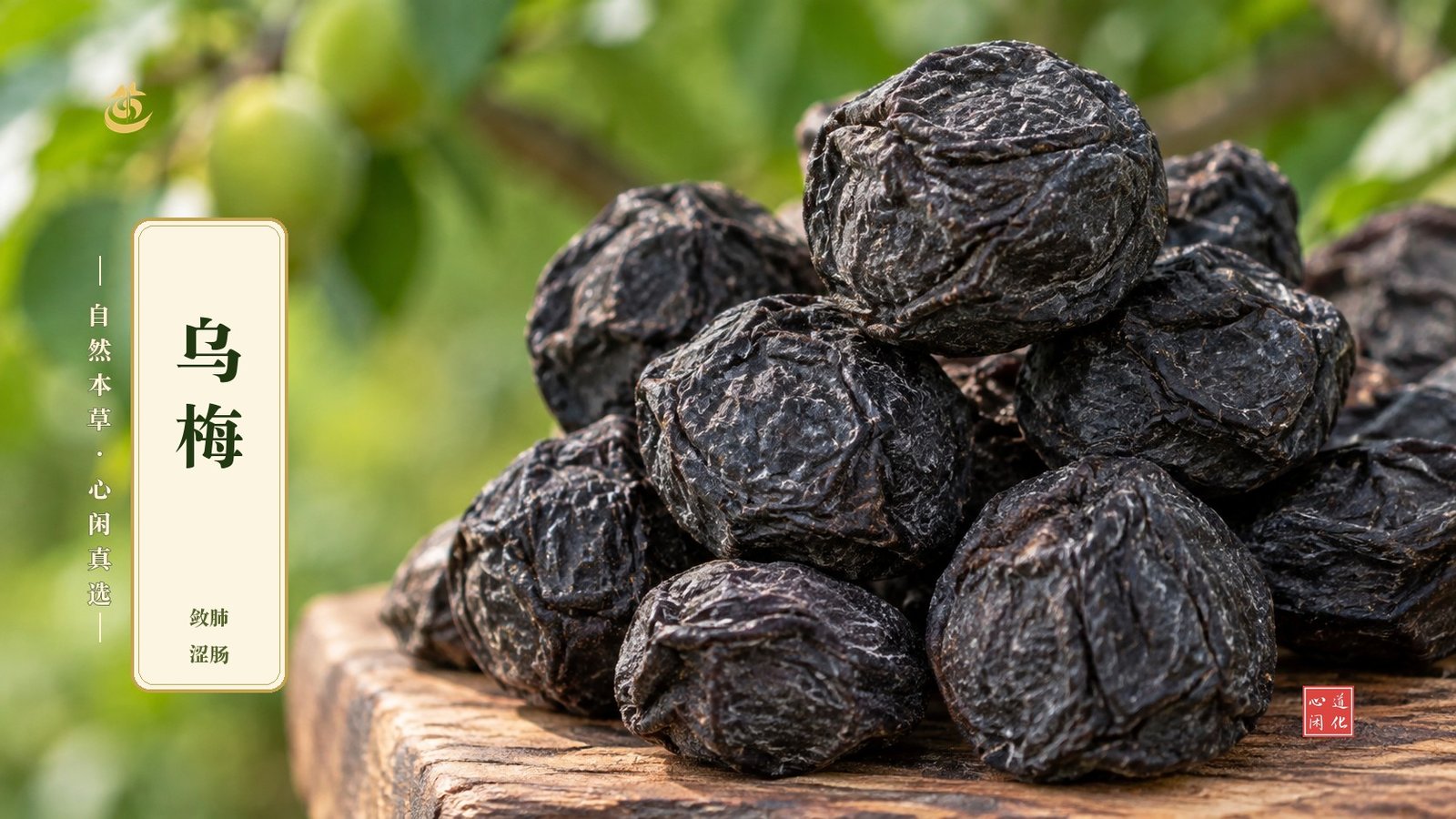
收涩生津与安神
身份与部位
蔷薇科植物梅 Prunus mume (Sieh.) Sieb. et Zucc. 的干燥近成熟果实。夏季果实近成熟时采收,低温烘干后闷至色变黑。
主要产区
主产于山西、河南、河北、山东等地。普通产区不直接等同于道地产区。
性味
涩、酸;平
归经
肝、脾、肺、大肠
传统功效
敛肺,涩肠,生津,安蛔
传统主治
肺虚久咳,久痢滑肠,虚热消渴,蛔厥呕吐腹痛;胆道蛔虫症
主要配伍
配山楂、橘皮作传统酸梅饮。药用组合须辨证使用,不作为家庭处方。
神农本草经
孙星衍辑本电子转录,梅實条:条文摘录“味酸,平。主下氣,除熱、煩、滿,安心,肢體痛,偏枯不仁,死肌,去青黑志,惡疾。”;按古代语境理解,轻身、不老等并非现代疗效证据。
本草纲目
卷29 梅 乌梅:止渴调中、敛肺涩肠,记久咳及泄痢;生梅、白梅与核仁分别记载。
食养特点
传统生津、敛肺涩肠,酸味饮品
食用方法与家庭制作
合规乌梅煮饮;定量组合见R04b,不用烟熏不明产品
安全与使用边界
反酸及胃部不耐受者慎;不要将涩肠等同于治疗感染性腹泻
官方目录依据
卫法监发〔2002〕51号;用途及身份限定依原公告。
木瓜
内容摘要
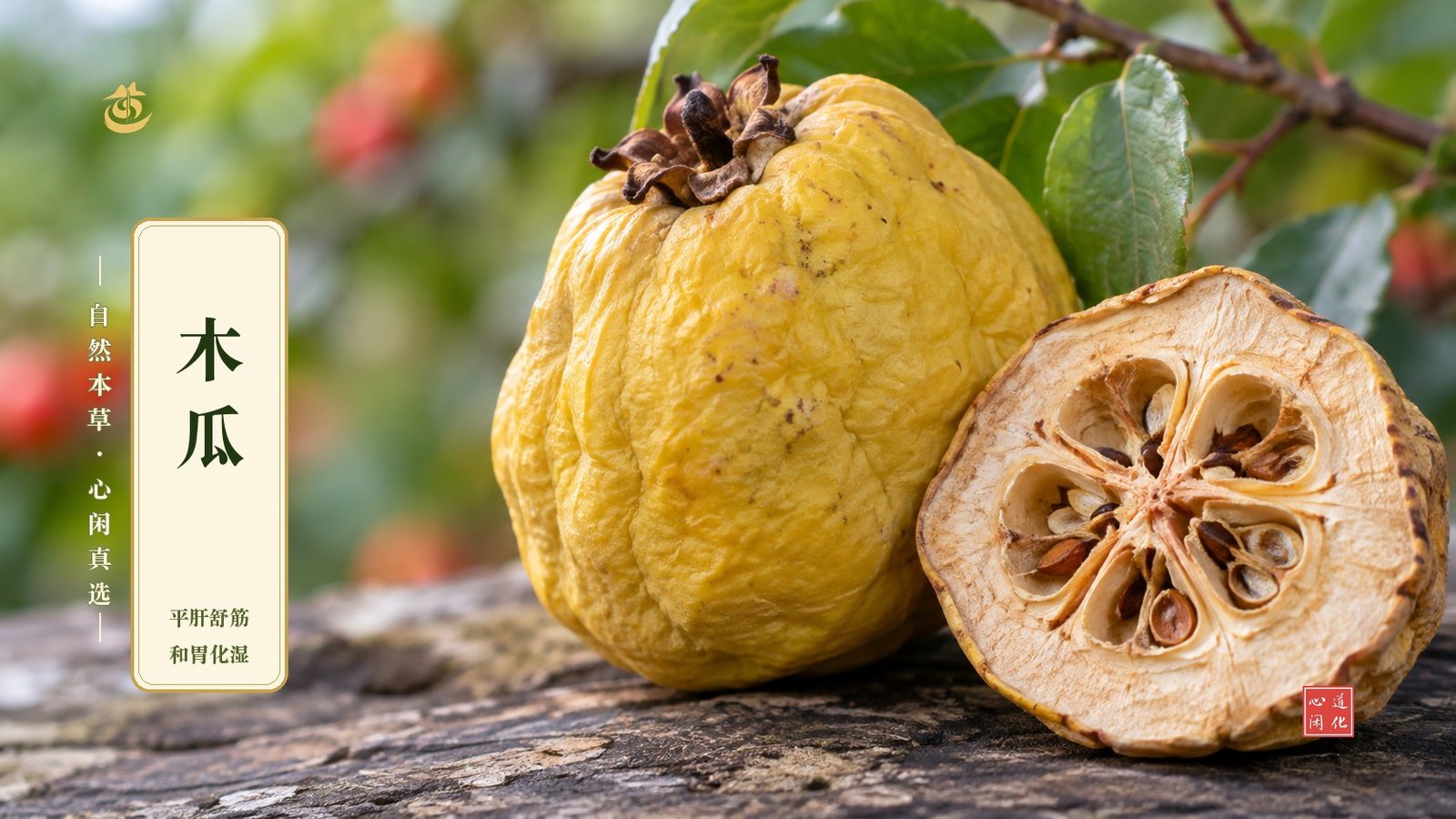
祛风通络与平肝
身份与部位
蔷薇科植物贴梗海棠 Chaenomeles speciosa (Sweet) Nakai的干燥成熟果实。亦称为“皱皮木瓜”或“宣木瓜”。
道地产地
淳木瓜:以浙江省杭州市淳安县、衢州市开化县为中心,核心区域包括杭州地区、金衢盆地等周边地区。〔P01 PDF第210页〕 宣木瓜:安徽宣城市宣州区的水东、孙埠、新田、周王、溪口、金坝等乡镇为中心,核心区域包括安徽东南丘陵与境内长江中下游平原的过渡地带。〔P01 PDF第784页〕
性味
酸;温
归经
肝、脾
传统功效
平肝舒筋,和胃化湿
传统主治
湿痹拘挛,腰膝关节酸重疼痛,吐泻转筋,脚气水肿
主要配伍
与薏苡仁为舒筋化湿思路;医用。药用组合须辨证使用,不作为家庭处方。
本草纲目
卷30 木瓜 果:湿痹脚气、吐下转筋、去湿和胃;此处不是现代水果番木瓜。
食养特点
传统舒筋和胃,不是番木瓜的营养说明
食用方法与家庭制作
用合规药食原料少量炖汤;不设统一茶饮量
安全与使用边界
此处为皱皮木瓜等目录对应原料,不能拿番木瓜替代
官方目录依据
卫法监发〔2002〕51号;用途及身份限定依原公告。
火麻仁
内容摘要
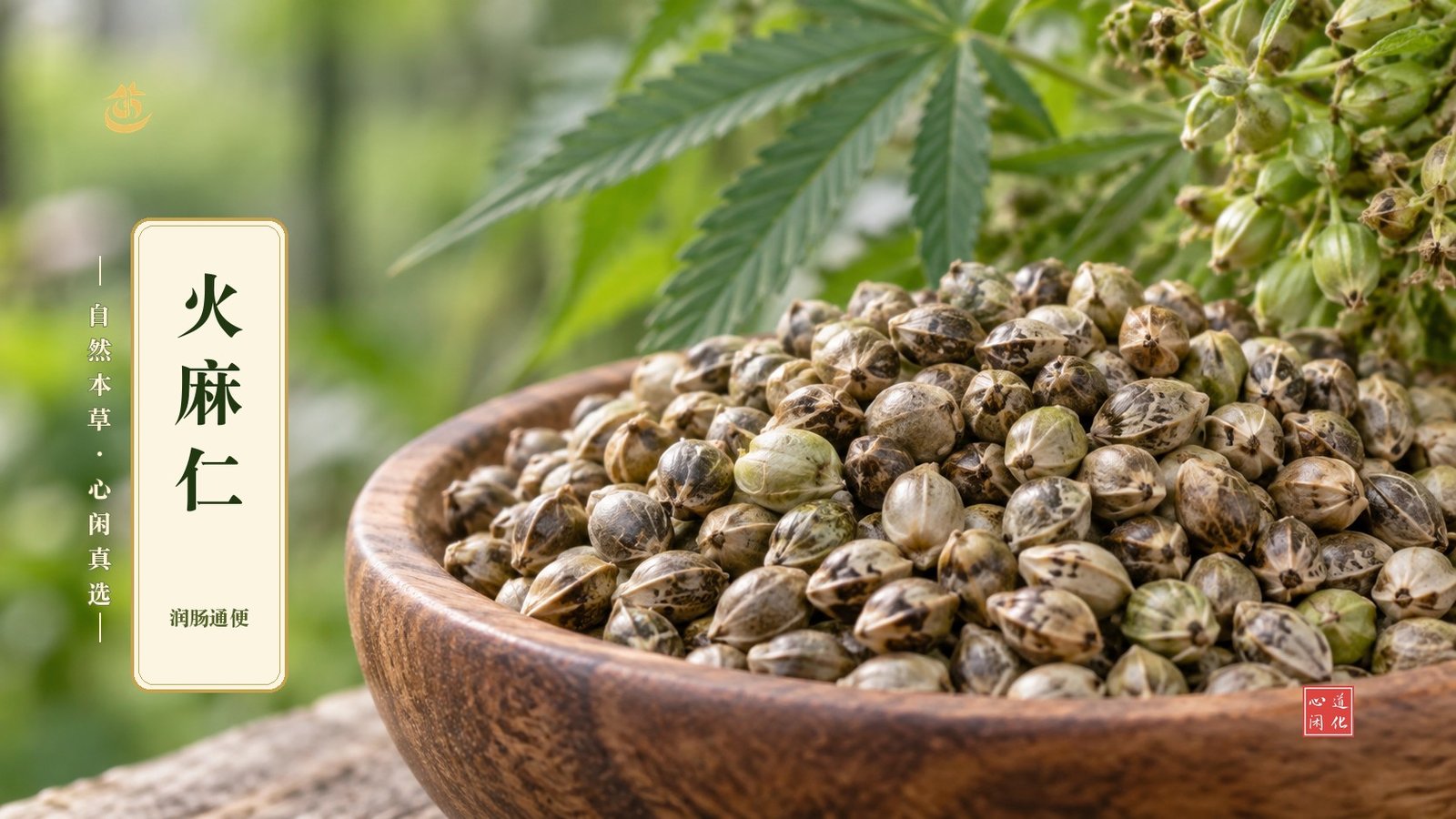
润肠与食养油脂
身份与部位
桑科植物大麻 Cannabis sativa L. 的干燥成熟果实。
主要产区
主产黑龙江、辽宁、吉林、四川、甘肃、云南、江苏、浙江等地。普通产区不直接等同于道地产区。
性味
甘;平
归经
脾、胃、大肠
传统功效
润肠通便
传统主治
血虚津亏,肠燥便秘
主要配伍
与杏仁、白芍等见麻子仁丸;属医方知识。药用组合须辨证使用,不作为家庭处方。
神农本草经
孙星衍辑本电子转录,麻賁中麻子段条:条文摘录“味甘,平。主補中益氣,肥健、不老、神仙。”;按古代语境理解,轻身、不老等并非现代疗效证据。
本草纲目
卷22 大麻 麻子:补中益气及润燥利肠等传统应用;麻勃、叶及相关精神异常记载不归种仁。
食养特点
传统润肠,食用种仁来源须明确
食用方法与家庭制作
选择合规脱壳熟制食用品,可研碎加粥;不食大麻叶或提取物
安全与使用边界
腹泻者慎用;不得把种仁身份扩展为含大麻素制品
官方目录依据
卫法监发〔2002〕51号;用途及身份限定依原公告。
代代花
内容摘要
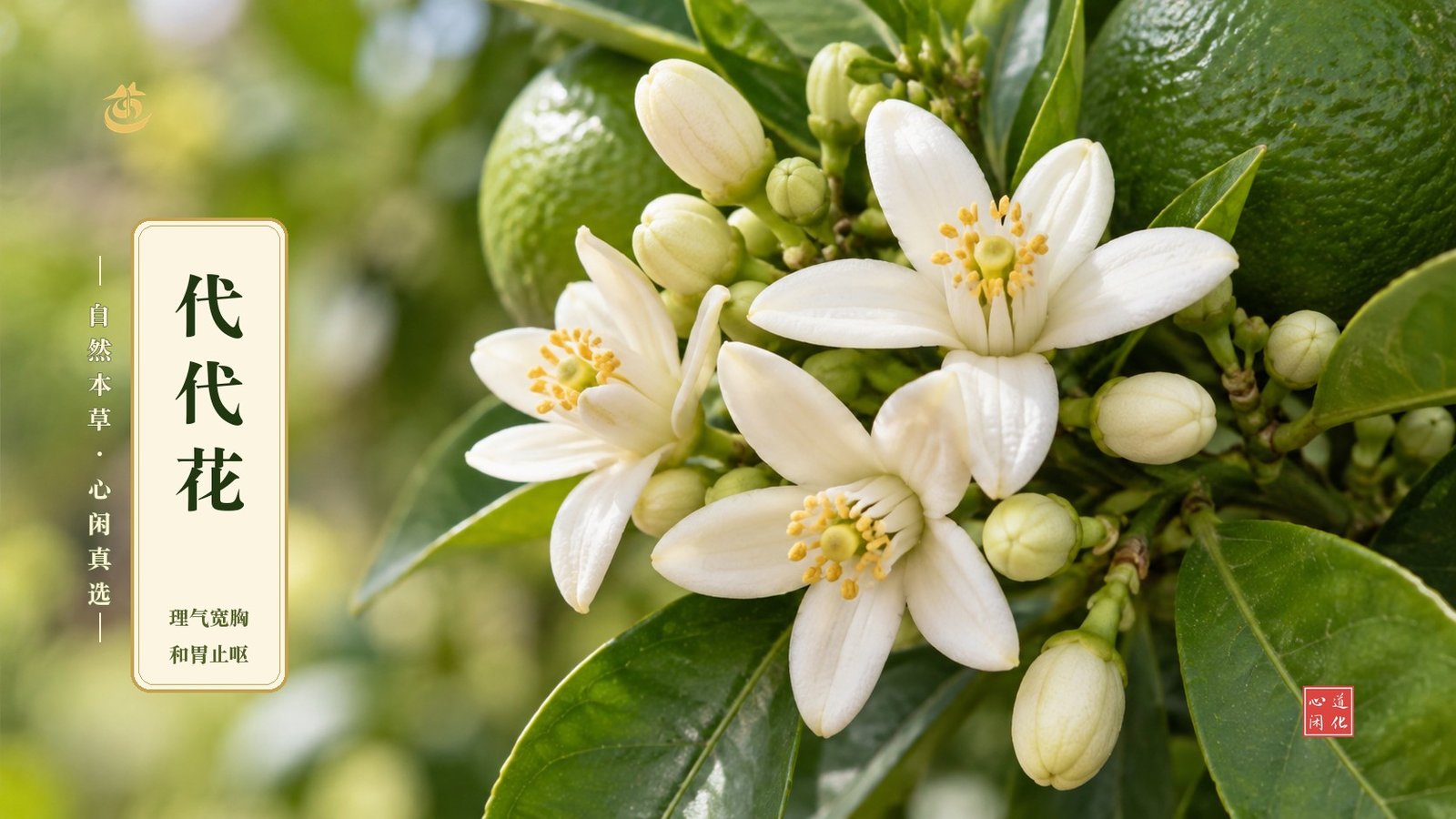
消食理气与和胃
性味
辛、甘、微苦;平
归经
脾、胃
传统功效
理气宽胸,和胃止呕
食养特点
传统理气宽中、和胃止呕
食用方法与家庭制作
可用合规食品级干花窨香,不列通用单味茶饮剂量。
安全与使用边界
勿把观赏花直接当食材;归经说法须按来源保留差异
官方目录依据
卫法监发〔2002〕51号;用途及身份限定依原公告。
玉竹
内容摘要
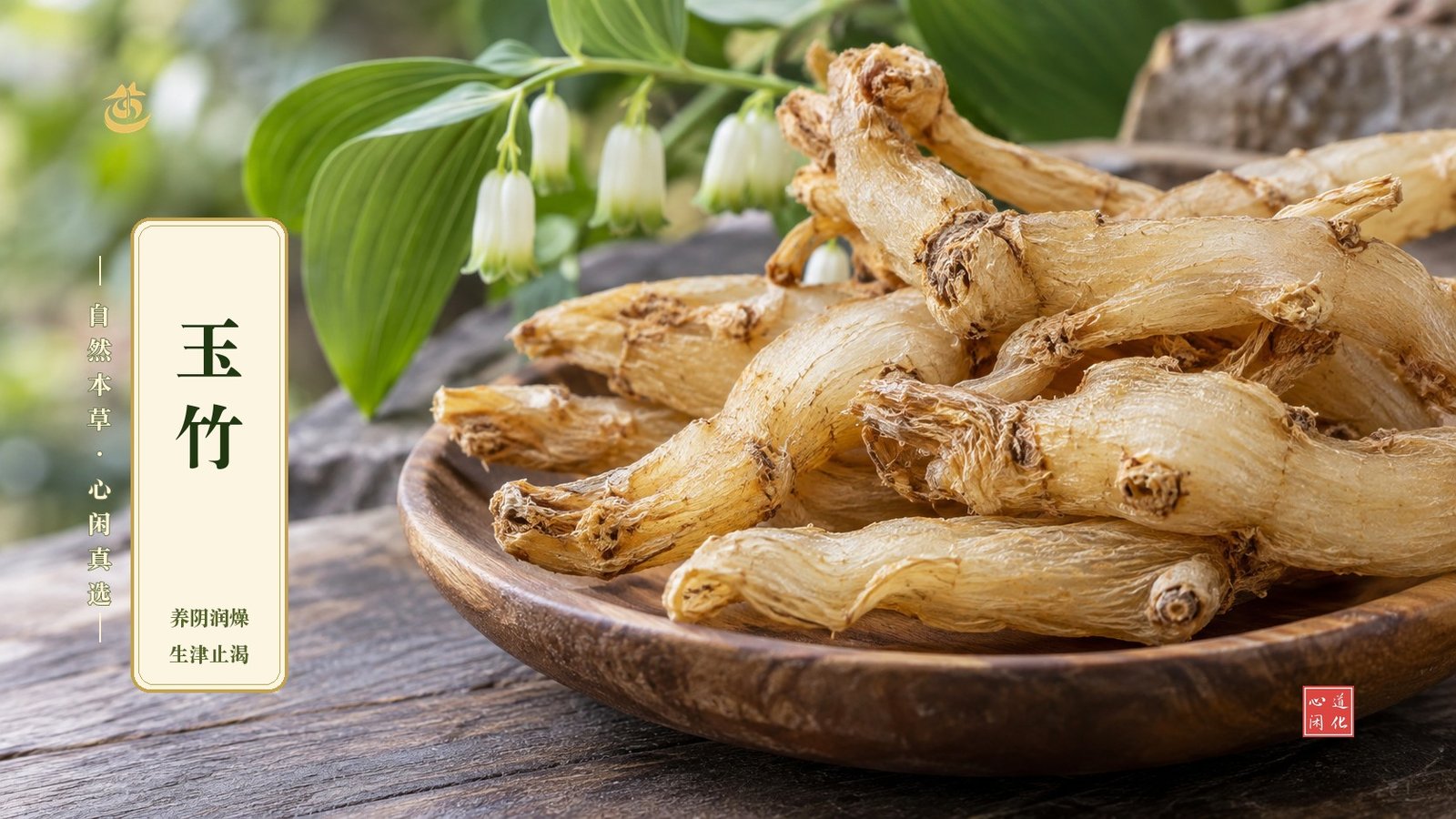
养阴润肺与生津
身份与部位
百合科植物玉竹 Polygonatum odoratum (Mill.) Druce的干燥根茎。
道地产地
湘玉竹:以衡邵盆地为核心的邵阳市、衡阳市以及与此区域接壤的娄底市、益阳市、长沙市等湘中丘陵盆地。〔P01 PDF第1205页〕
性味
甘;微寒
归经
肺、胃
传统功效
养阴润燥,生津止渴
传统主治
肺胃阴伤,燥热咳嗽,咽干口渴,内热消渴
主要配伍
配百合为养阴润燥食养思路。药用组合须辨证使用,不作为家庭处方。
神农本草经
孙星衍辑本电子转录,女萎条:条文摘录“味甘,平。主中風暴熱,不能動搖,跌筋結肉,諸不足。”;按古代语境理解,轻身、不老等并非现代疗效证据。 古名及部位不能直接等同于现代目录基原。
本草纲目
卷12上 萎蕤:女萎与萎蕤名实并论,记补中益气、润心肺及虚热口渴;古名与今玉竹须保留考证边界。
食养特点
传统润肺养胃,偏干燥情境
食用方法与家庭制作
合规饮片洗净后入汤炖煮;不以生根直接食用
安全与使用边界
脾虚便溏、湿重腹胀者慎;不能替代降糖治疗
官方目录依据
卫法监发〔2002〕51号;用途及身份限定依原公告。
甘草
内容摘要
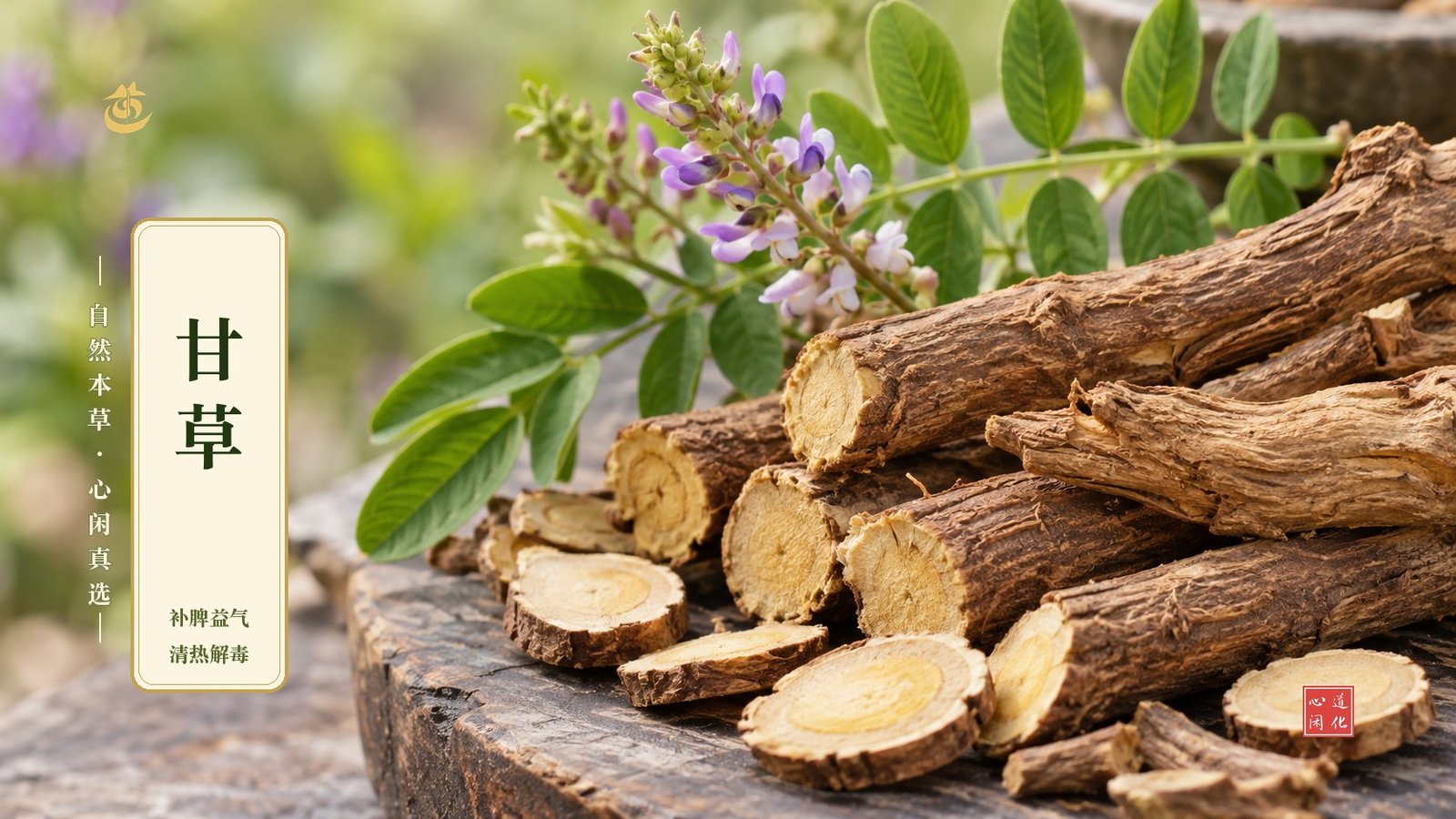
补气健脾与固摄
身份与部位
豆科植物甘草 Glycyrrhiza uralensis Fisch.的干燥根及根茎。
主要产区
主产于内蒙古、山西、甘肃、新疆、宁夏等地。普通产区不直接等同于道地产区。
性味
甘;平
归经
心、脾、肺、胃
传统功效
补脾益气,清热解毒,袪痰止咳,缓急止痛,调和诸药
传统主治
脾胃虚弱,倦怠乏力,心悸气短,咳嗽痰多,脘腹、四肢挛急疼痛,痈肿疮毒,缓解药物毒性、烈性
主要配伍
与白芍见芍药甘草汤;与乌梅见食养茶例。药用组合须辨证使用,不作为家庭处方。
本草纲目
卷12上 甘草 根:温中、补脾胃、润肺、缓急、解毒,区分生用与炙用;古称解百药毒不能作为现实中毒急救。
食养特点
传统补中、调味和缓急
食用方法与家庭制作
茶饮只列特定配方量R04b,避免全天反复续加
安全与使用边界
长期大量摄入可致低钾、血压升高;合并利尿剂等先问药师
官方目录依据
卫法监发〔2002〕51号;用途及身份限定依原公告。
白芷
内容摘要
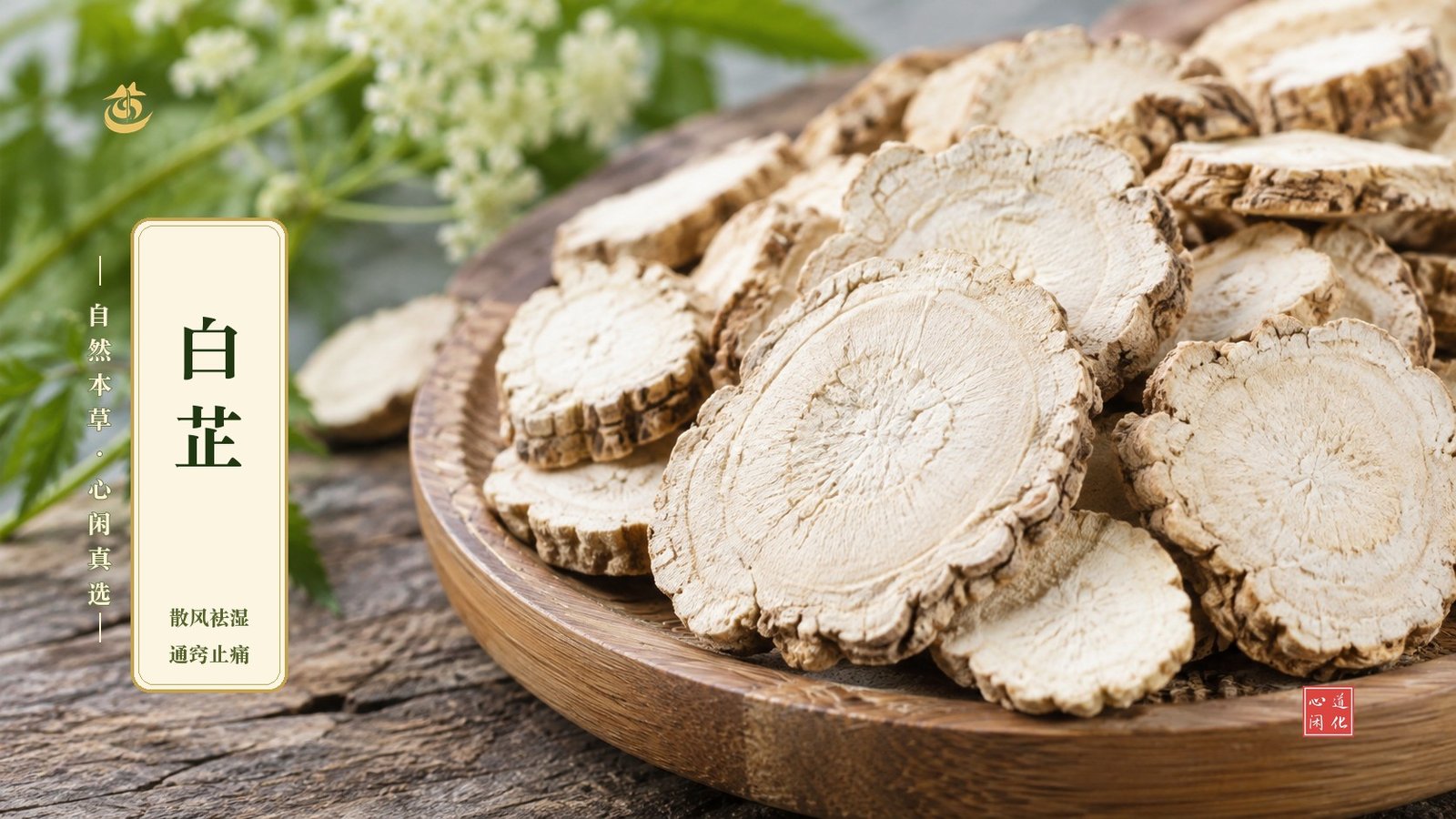
祛风通络与平肝
身份与部位
伞形科植物杭白芷 Angelica dahurica (Fisch. ex Hoffm.) Benth. et Hook. f. var. formosana (Boiss.) Shan et Yuan的干燥根。
道地产地
杭白芷:以浙江省杭州市、宁波市、金华市为中心,核心区域包括杭州湾地区、金衢盆地等周边地区。〔P01 PDF第184页〕 川白芷:产于遂宁、安岳、泸州、简阳、达州、重庆南川等周边地区的白芷。〔P01 PDF第298页〕
性味
辛;温
归经
肺、胃、大肠
传统功效
散风袪湿,通窍止痛,消肿排脓
传统主治
感冒头痛,眉棱骨痛,鼻塞,鼻渊,牙痛,白带,疮疡肿痛
主要配伍
配川芎用于头痛;属医用药对。药用组合须辨证使用,不作为家庭处方。
神农本草经
孙星衍辑本电子转录,白芷条:条文摘录“味辛,溫。主女人漏下赤白,血閉,陰腫,寒熱,風頭侵目淚出。”;按古代语境理解,轻身、不老等并非现代疗效证据。
本草纲目
卷14 白芷 根:头风、鼻渊、齿痛、止痛排脓及传统面脂用法;不据古面脂法推荐自制外敷。
食养特点
传统祛风止痛;少量芳香调味
食用方法与家庭制作
可作卤炖香料,取材须合规;不设美容内服茶
安全与使用边界
不自行用粉外敷破损皮肤;阴虚血热者慎
官方目录依据
卫法监发〔2002〕51号;用途及身份限定依原公告。
白果
内容摘要
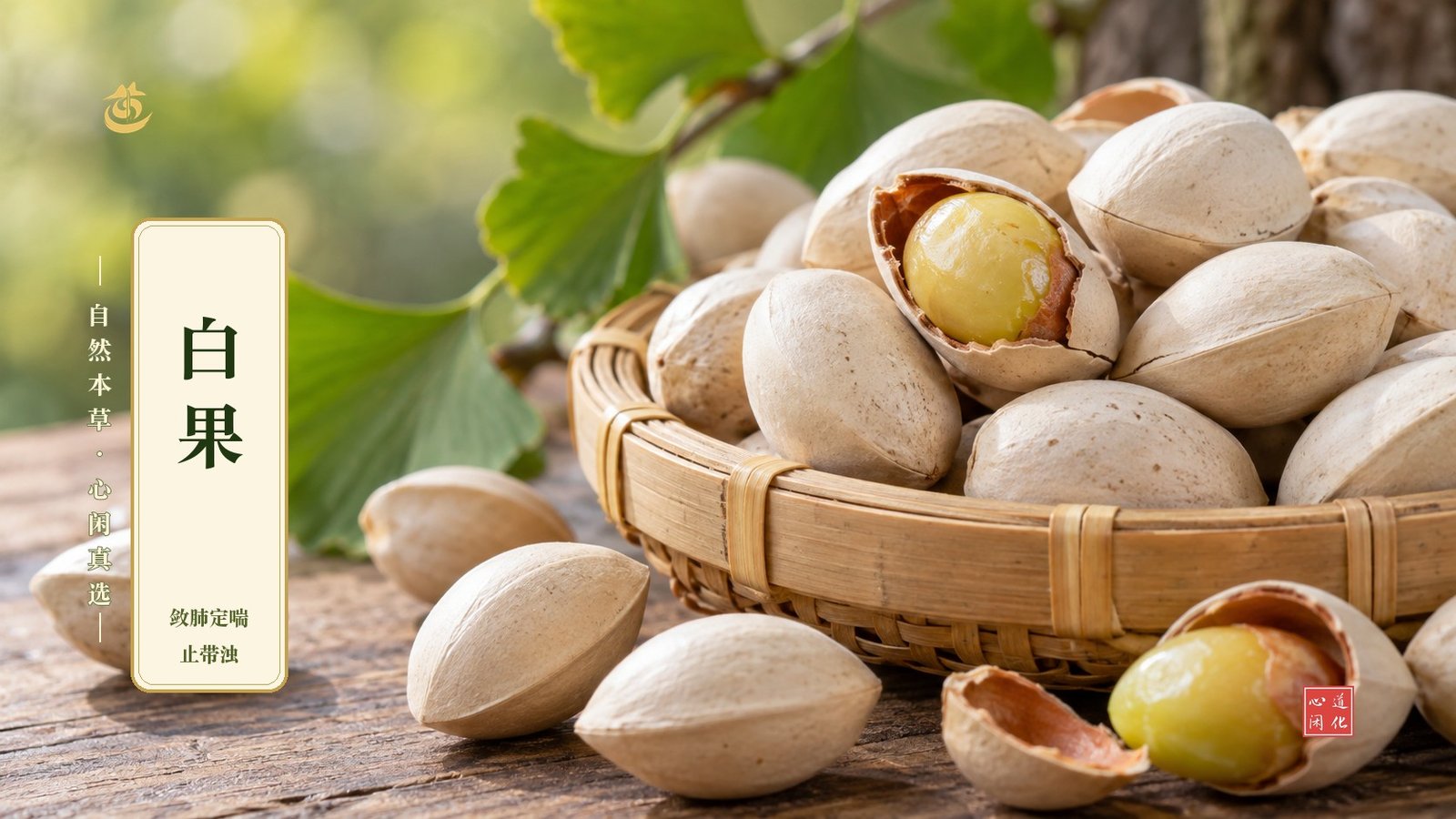
收涩生津与安神
身份与部位
银杏科植物银杏 Ginkgo biloba L.的干燥成熟种子。
主要产区
主产广西、四川、湖北、江苏等地。普通产区不直接等同于道地产区。
性味
甘、苦、涩;平;有毒
归经
肺
传统功效
敛肺定喘,止带浊,缩小便
传统主治
痰多喘咳,带下白浊,遗尿,尿频
主要配伍
配山药见官方食养例;与麻黄属医用。药用组合须辨证使用,不作为家庭处方。
本草纲目
卷30 銀杏 核仁:熟食温肺、定喘嗽、缩小便、止白浊;同时警示多食胀腹及小儿风险。
食养特点
传统敛肺、止带缩尿;不能日常长期服
食用方法与家庭制作
官方粥方见R09,5g为该方中用量,须熟制;不提供生泡茶
安全与使用边界
有毒,忌生食,儿童及孕妇不自行试用;煮熟不等于无限安全
官方目录依据
卫法监发〔2002〕51号;用途及身份限定依原公告。
白扁豆
内容摘要
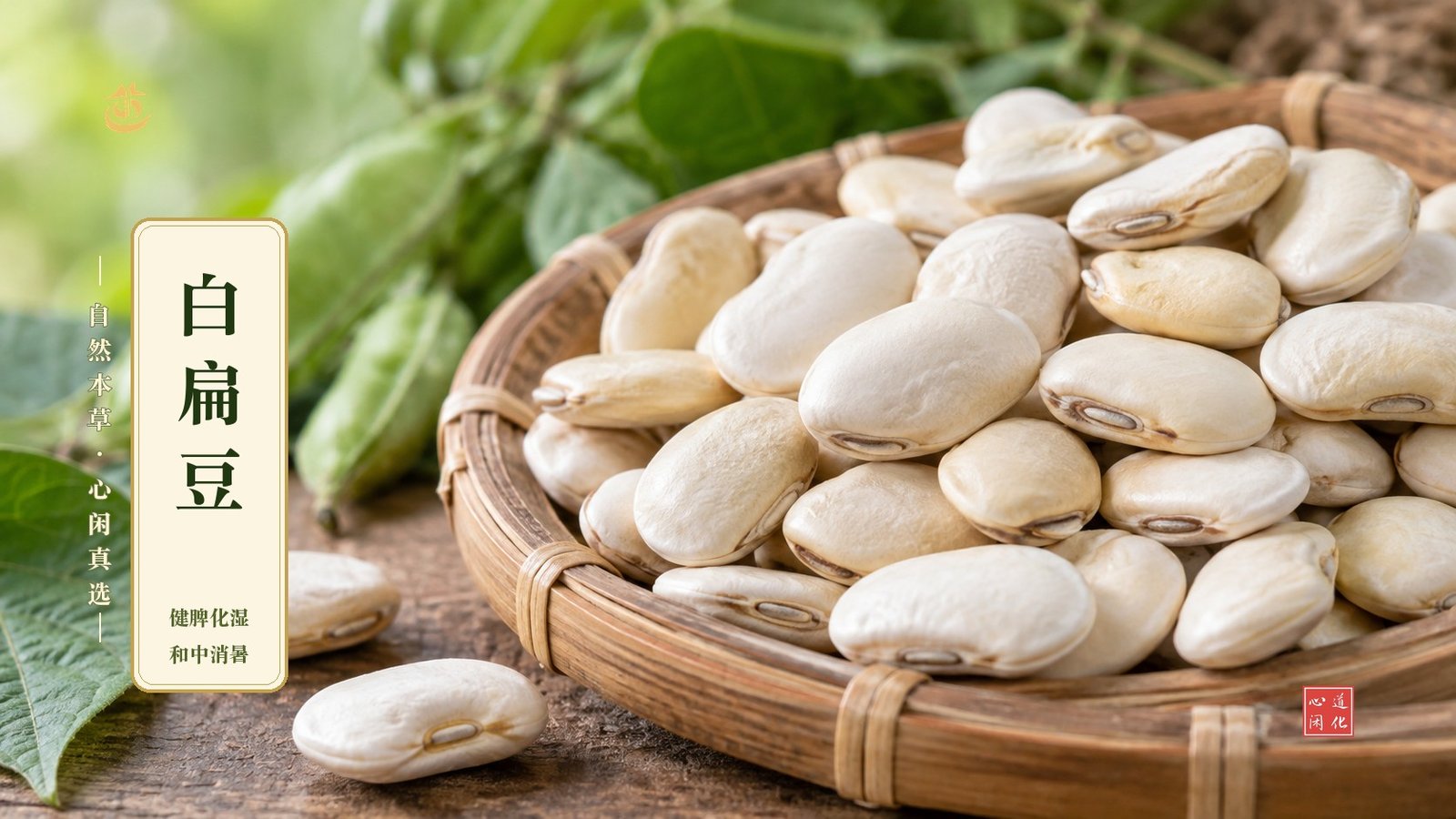
补气健脾与固摄
身份与部位
豆科植物白扁豆 Dolichos lablab L.的干燥成熟种子。
主要产区
主产于安徽、陕西、湖南、河南等地。普通产区不直接等同于道地产区。
性味
甘;微温
归经
脾、胃
传统功效
健脾化湿,和中消暑
传统主治
脾胃虚弱,食欲不振,大便溏泻,白带过多,暑湿吐泻,胸闷腹胀
主要配伍
配山药、莲子见健脾食养搭配。药用组合须辨证使用,不作为家庭处方。
本草纲目
卷24 藊豆 子:和中下气、止泄痢、消暑暖脾胃、除湿热;花叶藤另列。
食养特点
传统健脾化湿、和中消暑
食用方法与家庭制作
成熟白扁豆先浸泡,煮至软熟,入粥或汤
安全与使用边界
生豆、夹生豆可中毒;不可只用热水焖泡后吃
官方目录依据
卫法监发〔2002〕51号;用途及身份限定依原公告。
白扁豆花
内容摘要
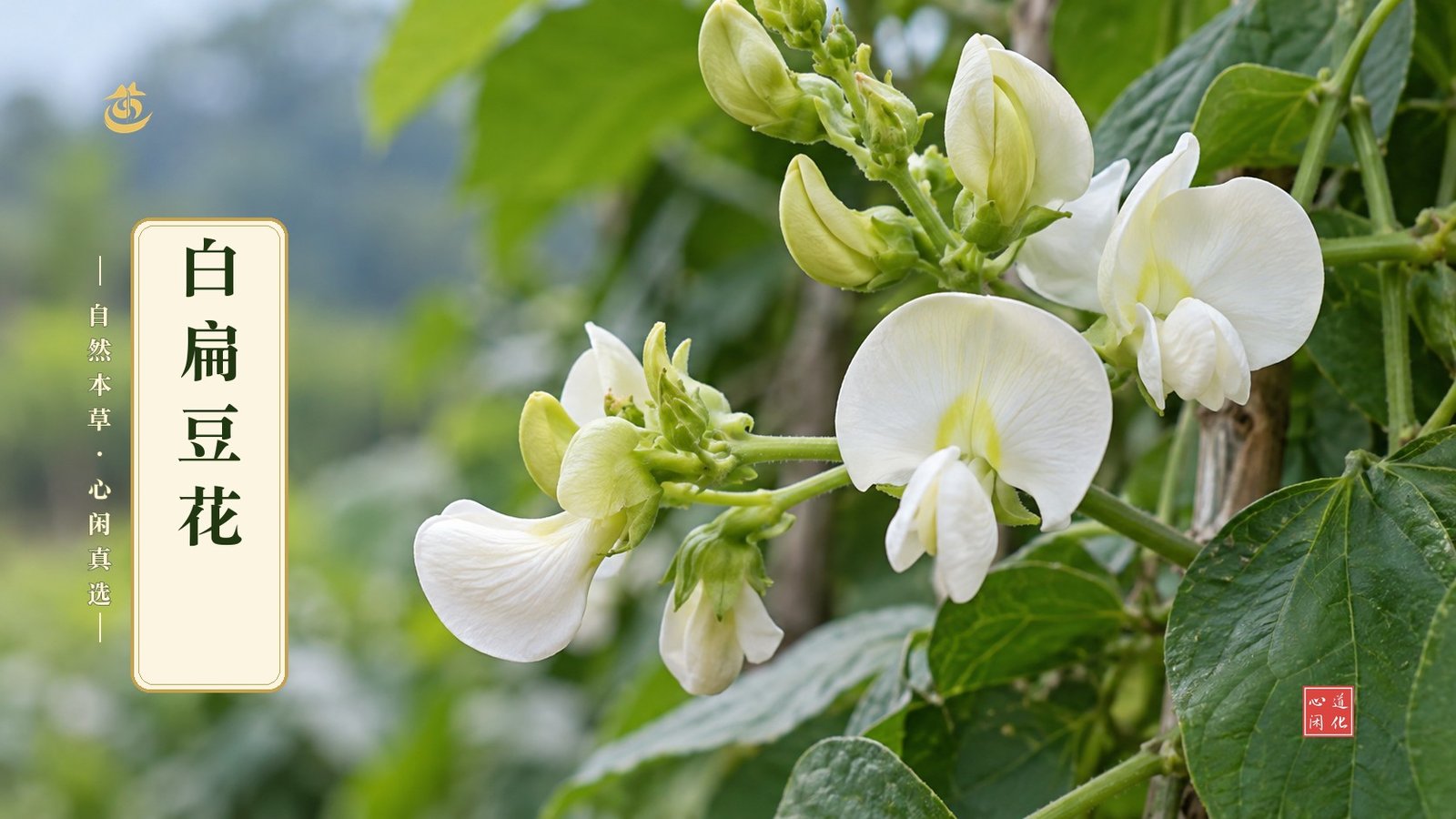
补气健脾与固摄
本草纲目
卷24 藊豆 花:单记赤白带下、崩带及作食治泄痢;不能把种子的全部主治移给花。
食养特点
传统解暑化湿、和中止泻
食用方法与家庭制作
采用可追溯干花煮饮或入汤,暂不设单味茶量
安全与使用边界
不能以豆种子的资料代替花;腹泻持续应就医
官方目录依据
卫法监发〔2002〕51号;用途及身份限定依原公告。
龙眼肉(桂圆)
内容摘要
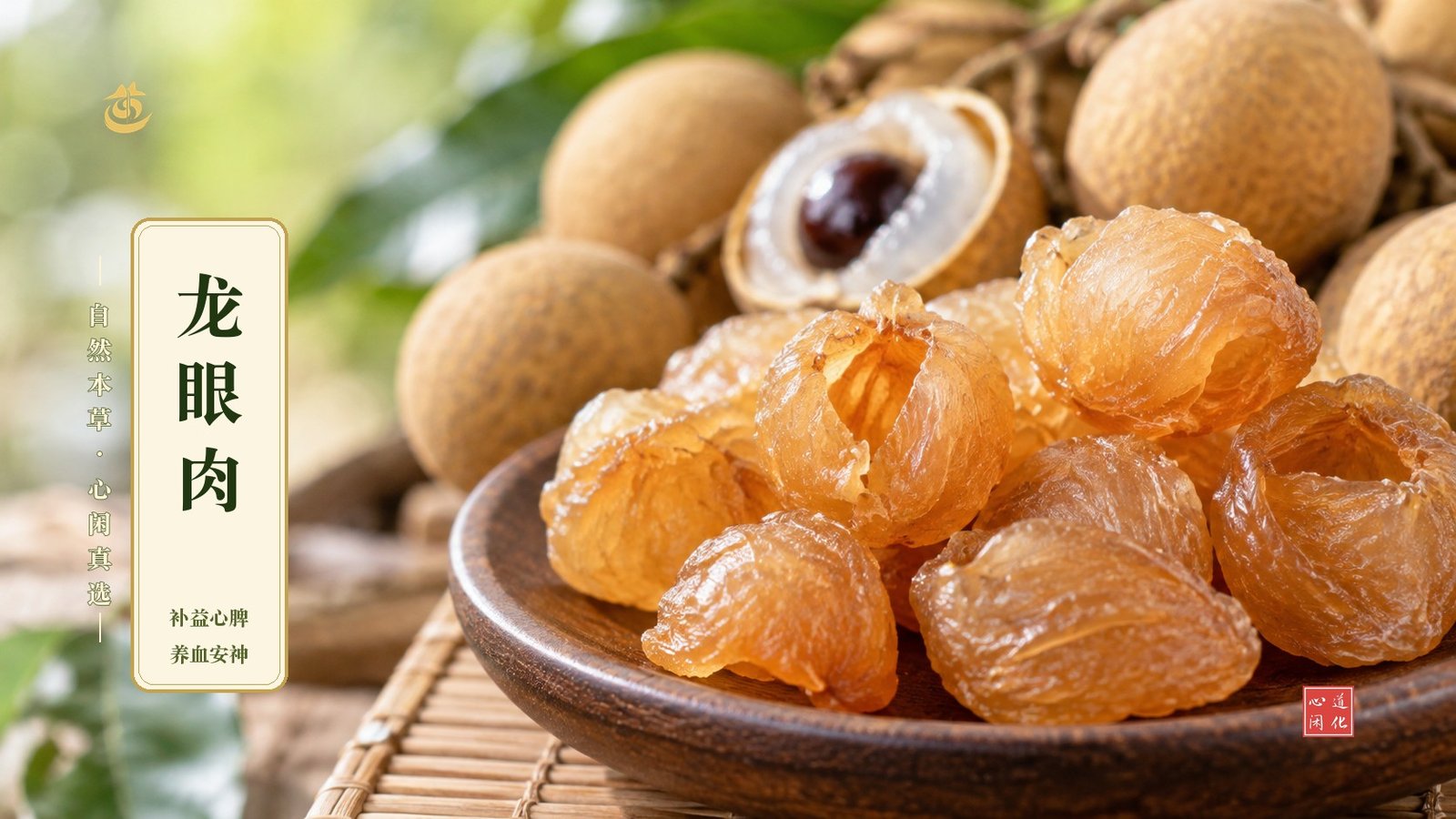
补气健脾与固摄
身份与部位
无患子科植物龙眼 Dimocarpus longan Lour.的假种皮。
主要产区
主产福建、广东、广西、云南等地。普通产区不直接等同于道地产区。
性味
甘;温
归经
心、脾
传统功效
补益心脾,养血安神
传统主治
气血不足,心悸怔忡,健忘失眠,血虚痿黄
主要配伍
配大枣作粥;归脾汤中与酸枣仁等配属医用。药用组合须辨证使用,不作为家庭处方。
神农本草经
孙星衍辑本电子转录,龍眼条:条文摘录“味甘,平。主五臟邪氣,安志厭食。”;按古代语境理解,轻身、不老等并非现代疗效证据。
本草纲目
卷31 龍眼 实:安志、开胃益脾、补虚长智;古代轻身不老说属于历史观念。
食养特点
传统补益心脾、养血安神
食用方法与家庭制作
去壳去核,肉入粥或蒸食,不额外重加糖
安全与使用边界
糖分较高;血糖管理者计量;湿热痰多者慎
官方目录依据
卫法监发〔2002〕51号;用途及身份限定依原公告。
决明子
内容摘要
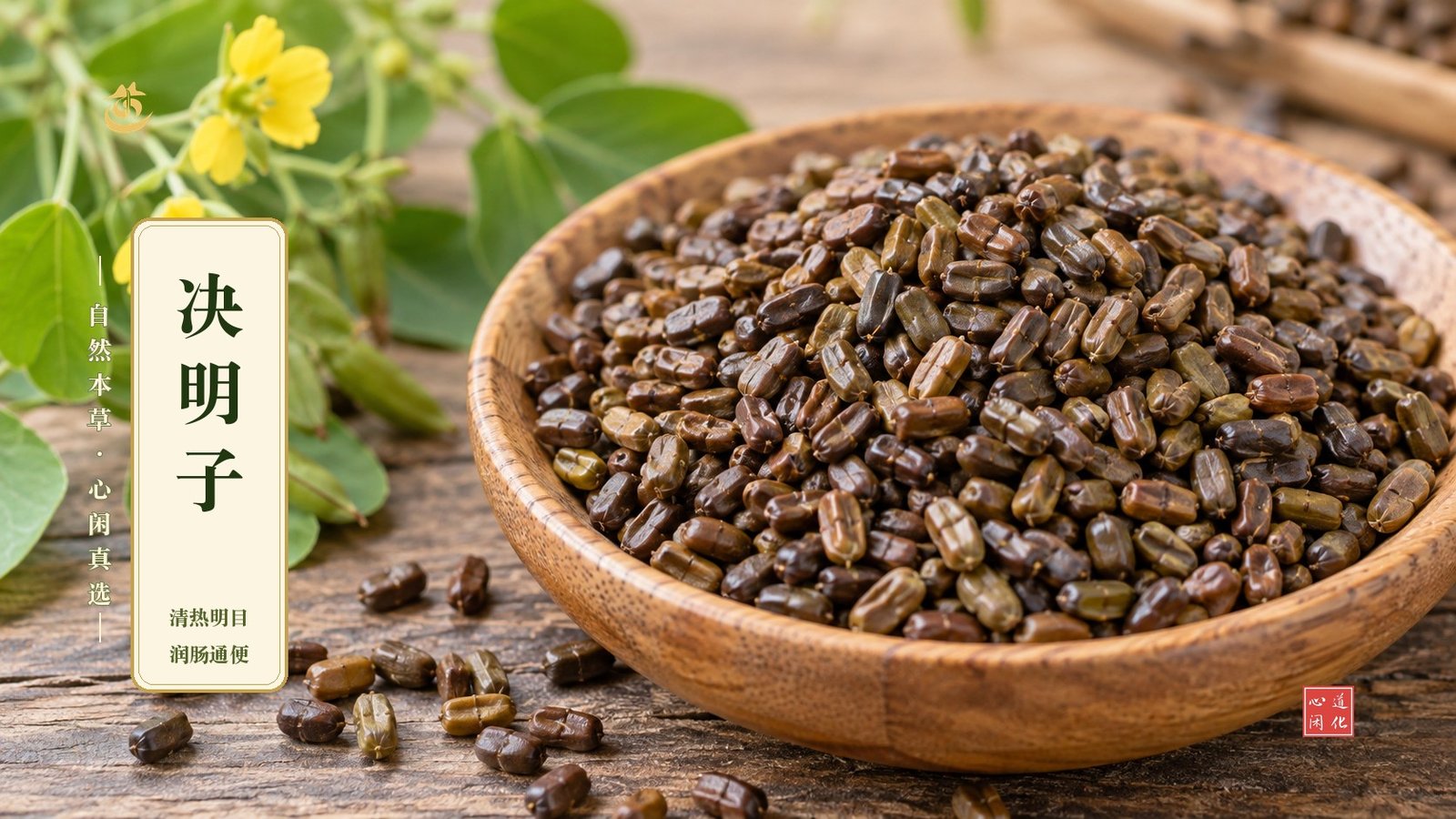
润肠与食养油脂
身份与部位
豆科植物决明 Cassia obtusifolia L.或小决明 Cassia tora L.的干燥成熟种子。
主要产区
主产安徽、江苏、四川等地。普通产区不直接等同于道地产区。
性味
甘、苦;微寒
归经
肝、大肠
传统功效
清热明目,润肠通便
传统主治
目赤涩痛,羞明多泪,头痛眩晕,目暗不明,大便秘结
主要配伍
配菊花见传统明目茶思路。药用组合须辨证使用,不作为家庭处方。
神农本草经
孙星衍辑本电子转录,決明子条:条文摘录“味鹹,平。主青盲、目淫、膚赤、白膜、眼赤痛、淚出。”;按古代语境理解,轻身、不老等并非现代疗效证据。
本草纲目
卷16 决明 子:青盲目赤、眼泪、肝热风眼等传统眼病认识;不等于现代眼科疗效。
食养特点
传统清肝明目、润肠;不标减肥药效
食用方法与家庭制作
仅使用合规炒制原料;无统一日常量,不长期喝浓茶
安全与使用边界
腹泻、低血压倾向者慎,勿替代降压或降脂药
官方目录依据
卫法监发〔2002〕51号;用途及身份限定依原公告。
百合
内容摘要
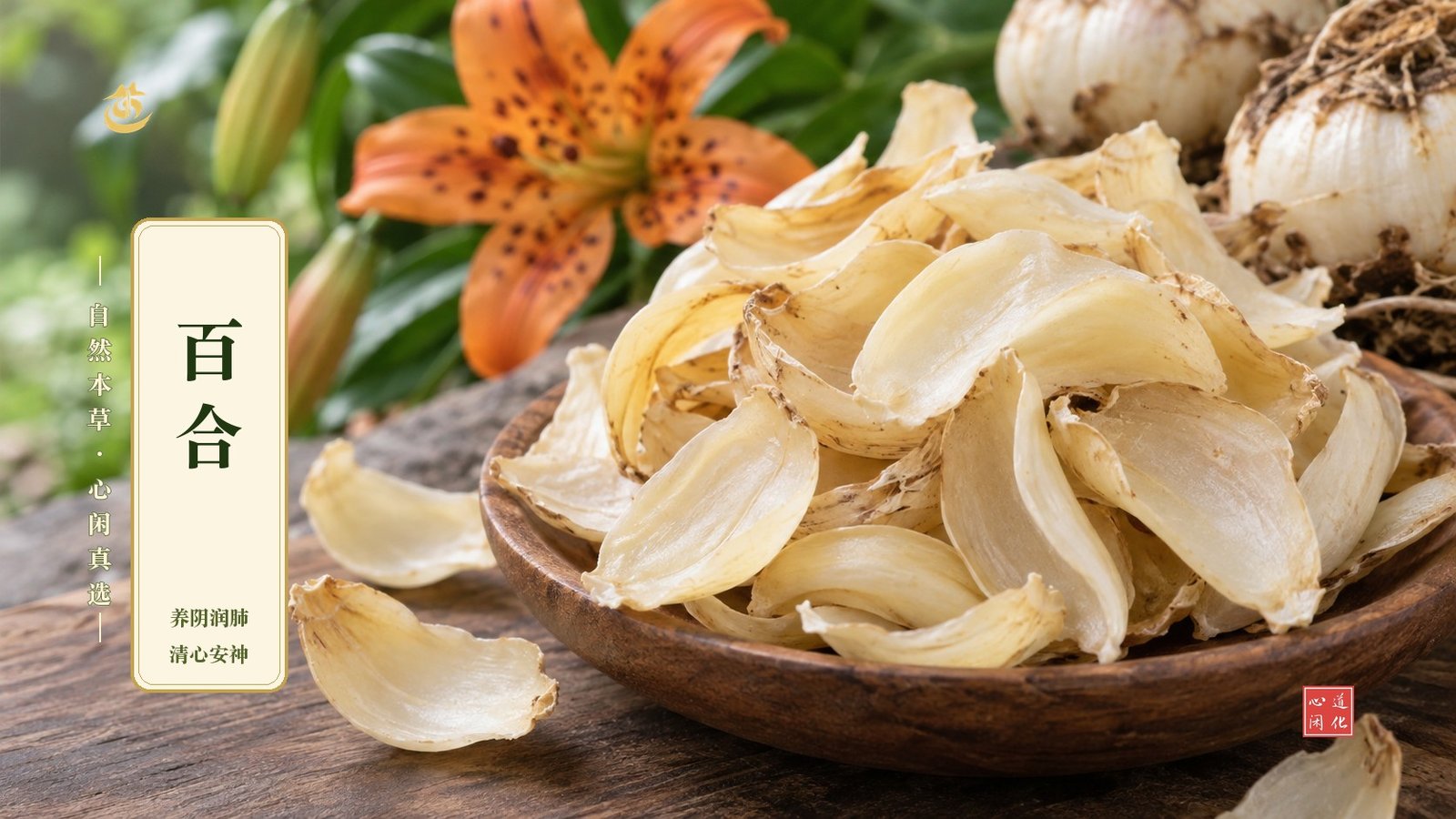
养阴润肺与生津
身份与部位
百合科植物卷丹 Lilium lancifolium Thunb.、百合 Lilium brownii F. E. Brown var. viridulum Baker 或细叶百合 Lilium pumilum DC. 的干燥肉质鳞叶。
道地产地
龙牙百合:以湖南邵阳市为核心及周边地区湿润亚热带。〔P01 PDF第1213页〕
性味
甘;寒
归经
心、肺
传统功效
养阴润肺,清心安神
传统主治
阴虚久咳,痰中带血,虚烦惊悸,失眠多梦,精神恍惚
主要配伍
配莲子作粥;与知母属百合知母汤医方。药用组合须辨证使用,不作为家庭处方。
神农本草经
孙星衍辑本电子转录,百合条:条文摘录“味甘,平。主邪氣腹張,心痛,利大小便,補中益氣。”;按古代语境理解,轻身、不老等并非现代疗效证据。
本草纲目
卷27 百合 根:补中益气,记百合病、安心定胆及温肺止嗽;花和种子另有记载。
食养特点
传统养阴润肺、清心安神
食用方法与家庭制作
食用百合洗净煮熟,可作百合莲子粥,干品充分泡软
安全与使用边界
不同观赏百合不能任意采食;脾虚便溏者慎
官方目录依据
卫法监发〔2002〕51号;用途及身份限定依原公告。
肉豆蔻
内容摘要
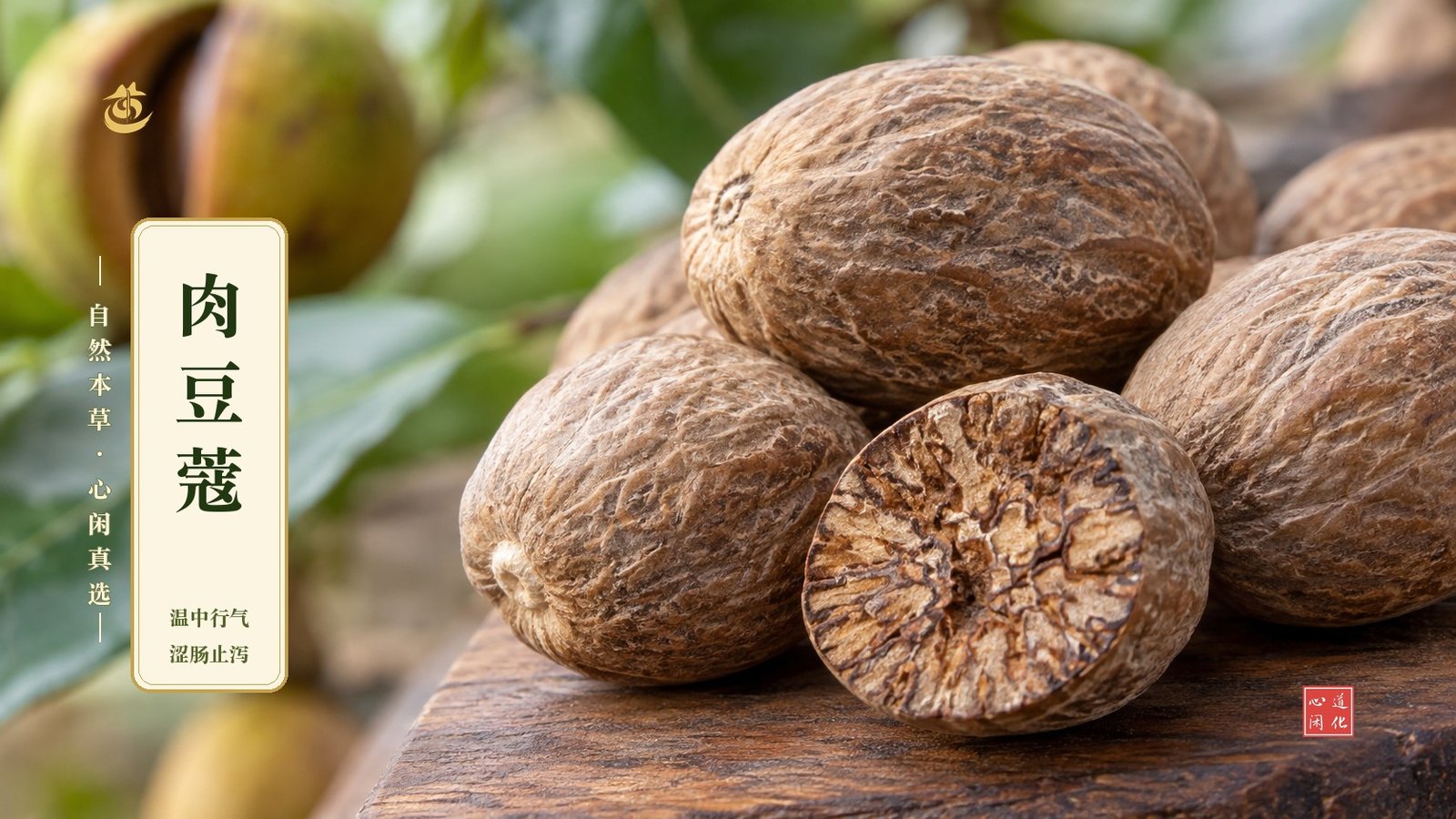
温中散寒与调味
身份与部位
肉豆蔻科植物肉豆蔻 Myristica fragrans Houtt.的干燥种仁。
主要产区
主产马来西亚、印尼、斯里兰卡等地,我国广东、广西、云南亦有栽培。普通产区不直接等同于道地产区。
性味
辛;温
归经
脾、胃、大肠
传统功效
温中行气,涩肠止泻
传统主治
脾胃虚寒,久泻不止,脘腹胀痛,食少呕吐
主要配伍
配补骨脂见四神丸,属医用。药用组合须辨证使用,不作为家庭处方。
本草纲目
卷14 肉豆蔻:温中消食、止泄、暖脾胃、固大肠。
食养特点
调味;传统温中涩肠
食用方法与家庭制作
仅少量作为烘焙或炖菜香料,勿吞粉浓煎
安全与使用边界
过量可致神经精神症状;不作催眠或致幻用途
官方目录依据
卫法监发〔2002〕51号;用途及身份限定依原公告。
肉桂
内容摘要
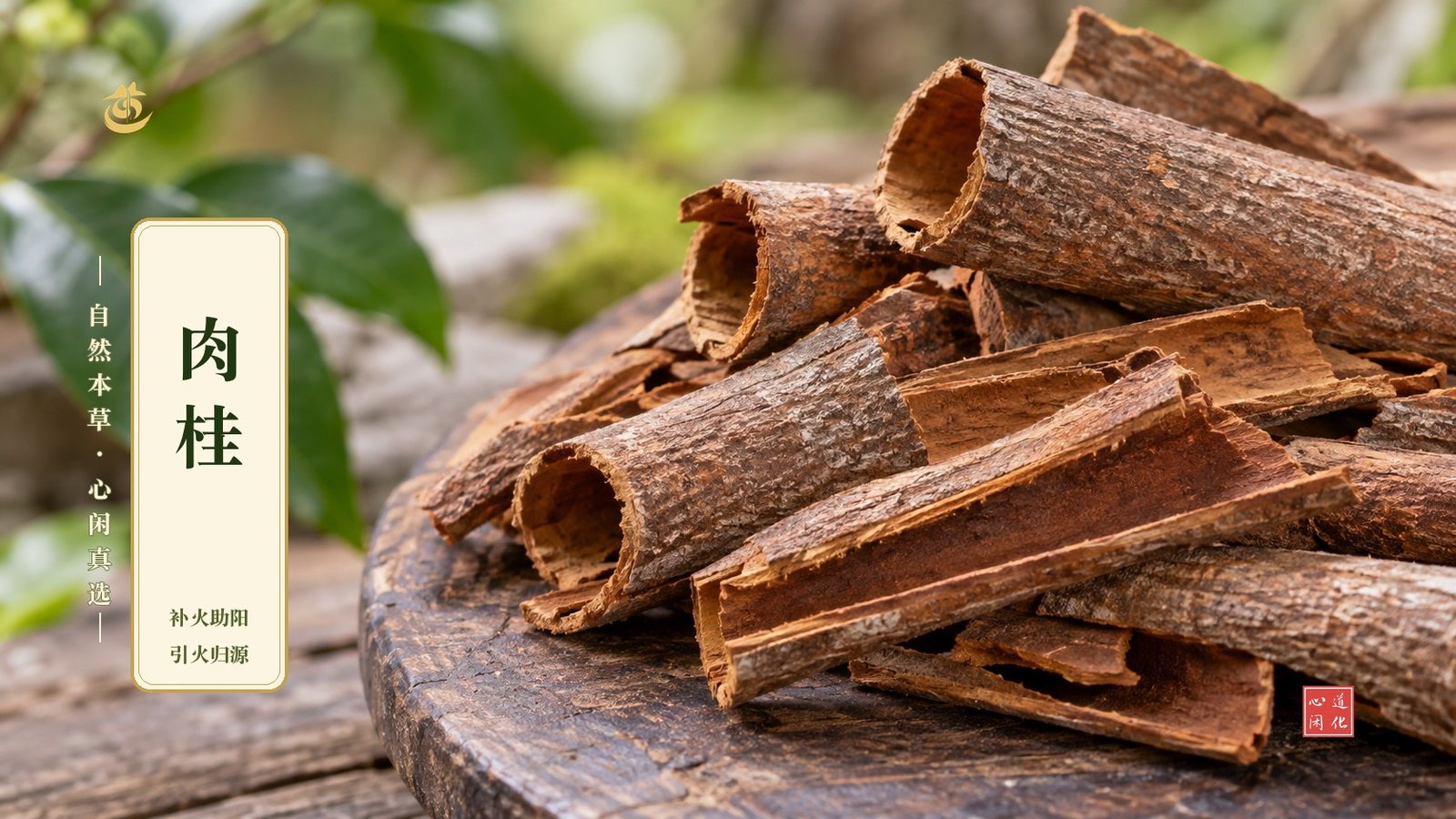
温中散寒与调味
身份与部位
樟科植物肉桂 Cinnamomum cassia Presl的干燥树皮。
道地产地
肉桂:以广西壮族自治区的防城、东兴等为中心,辐射上思、宁明、钦州等十万大山区域的其他县域;以广西壮族自治区的苍梧、藤县、岑溪、容县、北流等为中心,辐射广西壮族自治区平南、桂平、陆川、博白和广东省郁南、德庆、罗定、信宜、高要等大容山、云开大山、云雾山区域的其他县域。〔P01 PDF第980页〕
性味
辛、甘;大热
归经
肝、心、脾、肾
传统功效
补火助阳,引火归源,散寒止痛,活血通经
传统主治
阳痿,宫冷,腰膝冷痛,肾虚作喘,阳虚眩晕,目赤咽痛,心腹冷痛,虚寒吐泻,寒疝,奔豚,经闭,痛经
主要配伍
配干姜用于寒证;配伍药量须辨证。药用组合须辨证使用,不作为家庭处方。
神农本草经
孙星衍辑本电子转录,牡桂条:条文摘录“味辛,溫,主上氣咳逆,結氣,喉痹吐吸。利關節,補中益氣。”;按古代语境理解,轻身、不老等并非现代疗效证据。 古名及部位不能直接等同于现代目录基原。
本草纲目
卷34 桂 桂皮类:温中通脉、补下焦不足、治沉寒痼冷;桂枝段的解表功效不得混用。
食养特点
香辛料,传统温里散寒
食用方法与家庭制作
桂皮用于炖卤调味,不自行每日浓煎
安全与使用边界
温热性强,孕妇及出血倾向慎;桂皮与桂枝不同
官方目录依据
卫法监发〔2002〕51号;用途及身份限定依原公告。
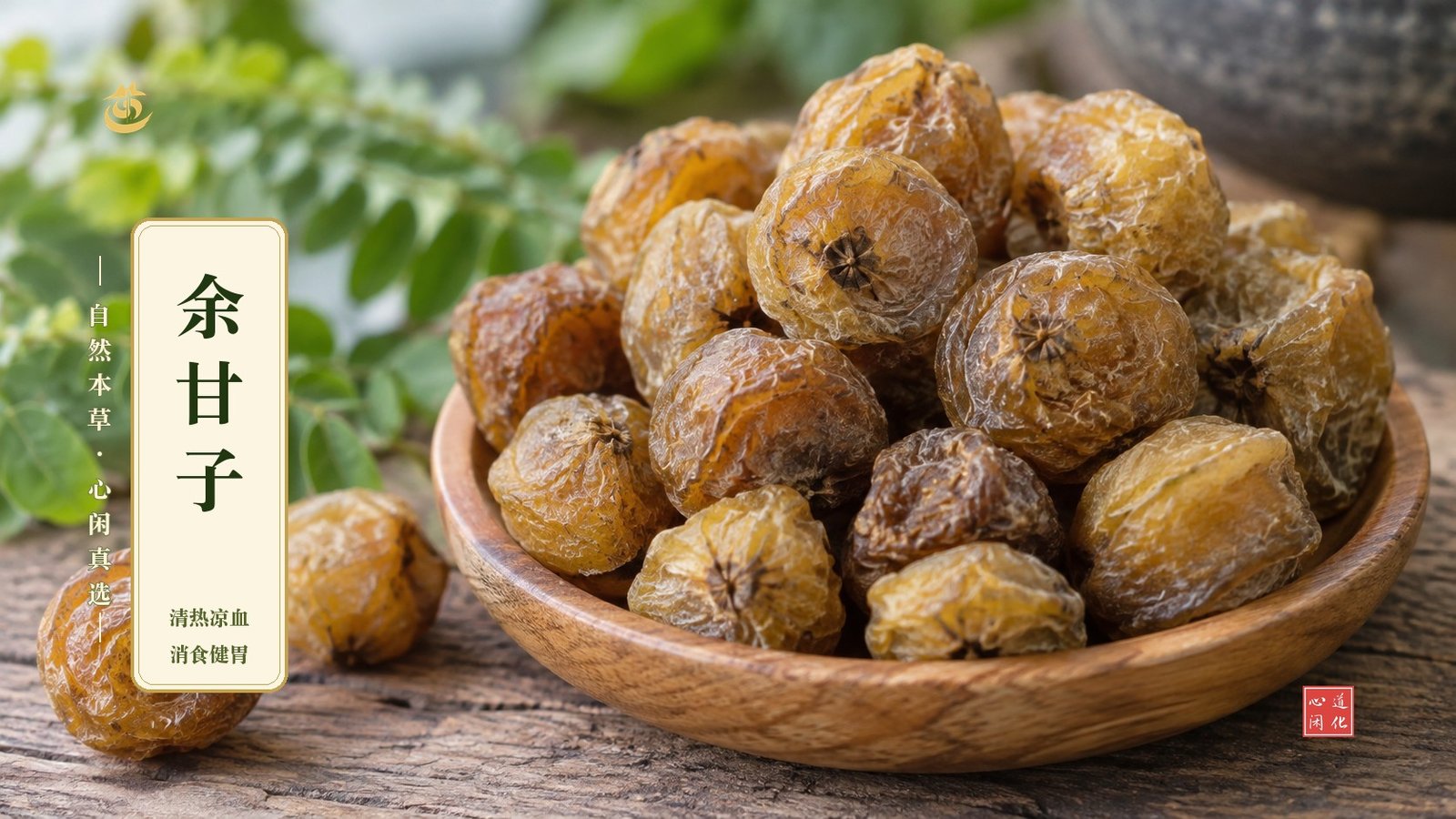
余甘子
内容摘要
养阴润肺与生津
身份与部位
大戟科植物余甘子 Phyllanthus emblica L.的干燥成熟果实。
主要产区
主产云南、四川、贵州、福建等地。普通产区不直接等同于道地产区。
性味
甘、酸、涩,微寒。
传统功效
清热凉血,消食健胃,生津止咳。用于血热血瘀,消化不良,腹胀,咳嗽,喉痛,口干
传统主治
血热血瘀、腹胀、消化不良、咳嗽、喉痛、口干
本草纲目
卷31 菴摩勒 果:风虚热气、上气咳嗽以及古代服金石者相关认识;不将解金石毒写成现代解毒用途。
食养特点
传统生津利咽、消食,果品补充
食用方法与家庭制作
合规鲜果洗净食用或煮少糖饮;不夸大维C治疗作用
安全与使用边界
酸味刺激,反酸者慎,蜜饯糖分另计
官方目录依据
卫法监发〔2002〕51号;用途及身份限定依原公告。
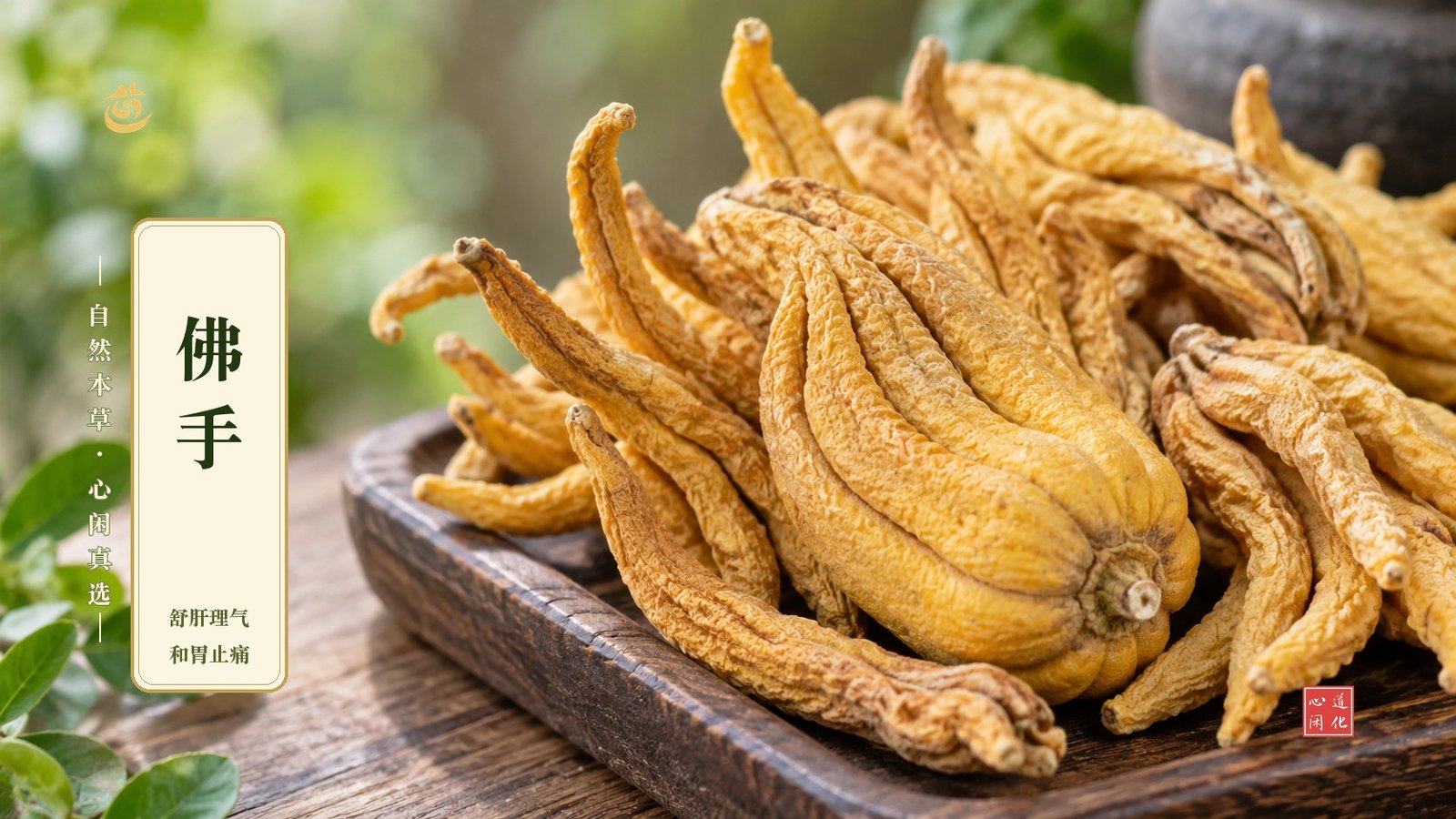
佛手
内容摘要
消食理气与和胃
身份与部位
芸香科植物佛手 Citrus medica L. var. sarcodactylis Swingle.的干燥果实。
道地产地
川佛手:四川永川、沐川、犍为、泸州、宜宾、合江、内江、乐山,重庆云阳、万州、开县、江津、綦江、涪陵等地及周边地区。〔P01 PDF第392页〕 广佛手:以广东省肇庆市德庆、广西桂林灌阳为核心及其周边地区。〔P01 PDF第843页〕
性味
辛、苦、酸;温
归经
肝、脾、肺
传统功效
舒肝理气,和胃止痛
传统主治
肝胃气滞,胸胁胀痛,胃脘痞满,食少呕吐
本草纲目
卷30 枸櫞 集解及主治:相关品类下记下气、除心头痰水、痰气咳嗽与心下气痛;佛手与香橼的古今名实需考证。
食养特点
传统宽胸和胃,芳香饮食搭配
食用方法与家庭制作
食品级干片入汤或煮饮;不食观赏盆栽来源果
安全与使用边界
阴虚燥咳或胃部刺激者慎;使用部位以成熟果实为准
官方目录依据
卫法监发〔2002〕51号;用途及身份限定依原公告。
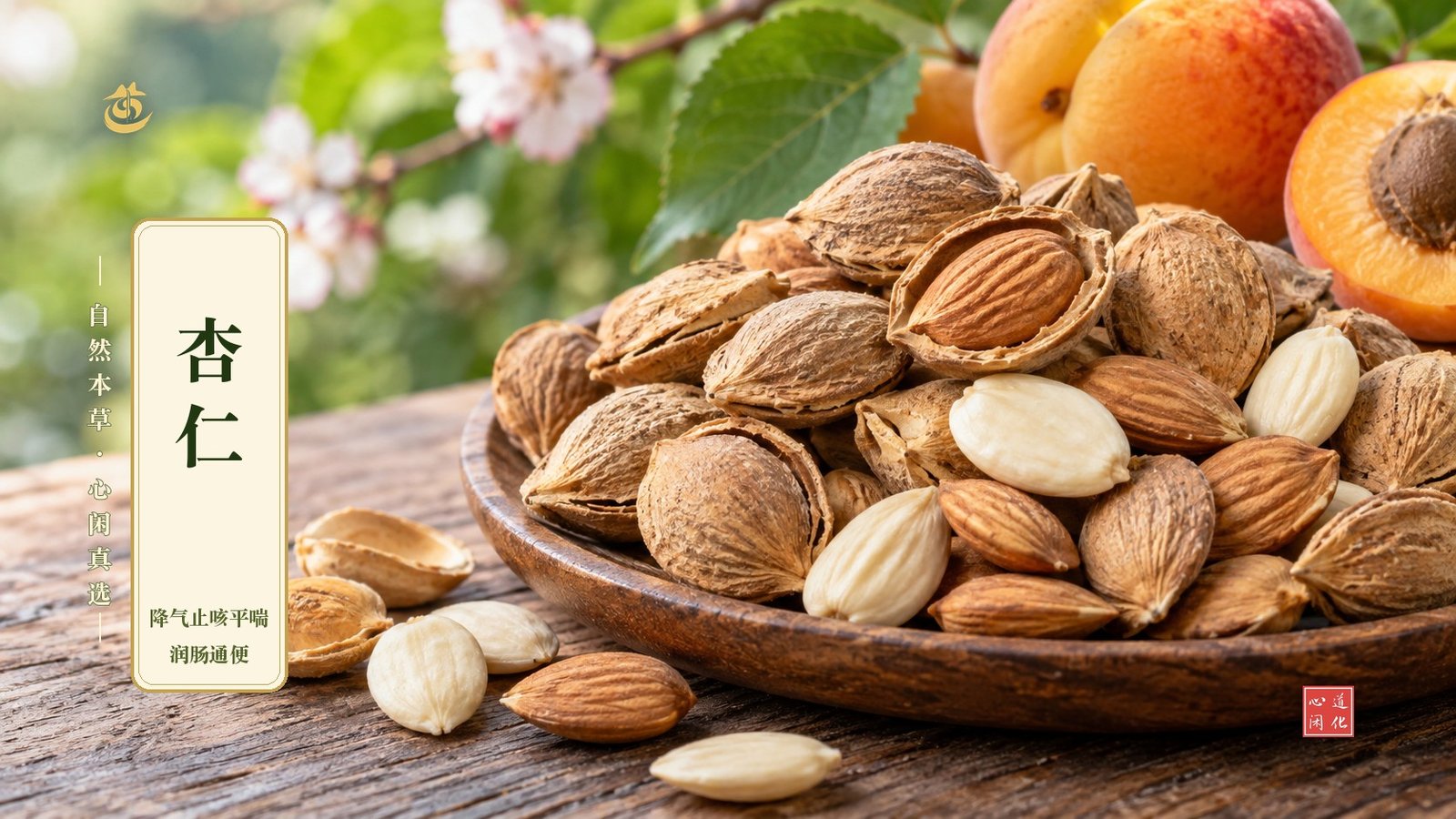
杏仁(甜、苦)
内容摘要
润肠与食养油脂
身份与部位
蔷薇科植物山杏 Prunus armeniaca L. var. ansu Masim.、西伯利亚杏 Prunus sibirica L.、东北杏 Prunus mandshurica (Maxim.) Koehne或杏 Prunus armeniaca L.的干燥成熟种子。
主要产区
主产辽宁、内蒙古、河北、山东等地。普通产区不直接等同于道地产区。
性味
苦杏仁:苦、微温、有小毒;甜杏仁与苦杏仁分开理解,不用苦仁性味归经统括
归经
苦杏仁:肺、大肠;不据此统括甜杏仁
传统功效
降气止咳平喘,润肠通便
传统主治
苦杏仁的传统应用:咳喘、肠燥便秘;不把药用苦仁主治移作甜仁营养功效
主要配伍
苦杏仁配紫苏叶见杏苏散;甜仁可配米作饮品。药用组合须辨证使用,不作为家庭处方。
神农本草经
孙星衍辑本电子转录,杏核仁条:条文摘录“味甘,溫。主咳逆上氣,雷鳴,喉痹下氣,產乳,金創、寒心、賁豚。”;按古代语境理解,轻身、不老等并非现代疗效证据。 古名及部位不能直接等同于现代目录基原。
本草纲目
卷29 杏 核仁:咳逆上气、下气、润心肺、润大肠气秘;果肉和巴旦杏条文另分,甜苦差异不可抹去。
食养特点
甜仁食品营养;苦仁传统降气润肠分列
食用方法与家庭制作
只采用标明食用身份的熟制甜杏仁制品;苦杏仁不给家用去毒方法
安全与使用边界
苦杏仁有氰苷风险;不能以巴旦木替代古籍杏仁
官方目录依据
卫法监发〔2002〕51号;用途及身份限定依原公告。
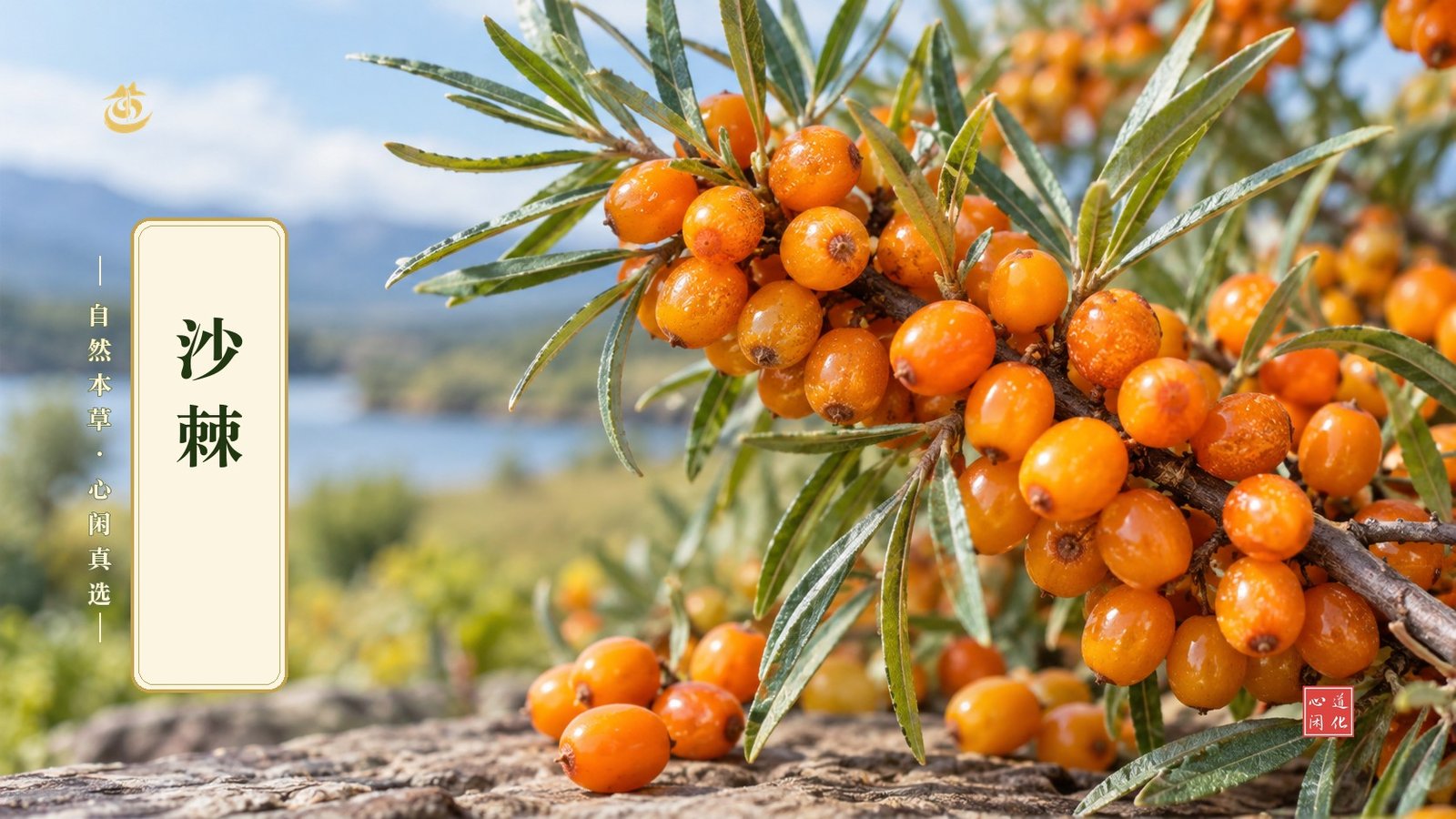
沙棘
内容摘要
消食理气与和胃
主要配伍
食品果汁可与其他果汁搭配,属于食品搭配。药用组合须辨证使用,不作为家庭处方。
食养特点
传统健胃消食、活血散瘀,果品营养
食用方法与家庭制作
合规成熟果制果汁或酱,低糖配方;无药用茶量
安全与使用边界
高酸果汁不耐受者慎,果油提取物不直接等同于目录中的果实
官方目录依据
卫法监发〔2002〕51号;用途及身份限定依原公告。
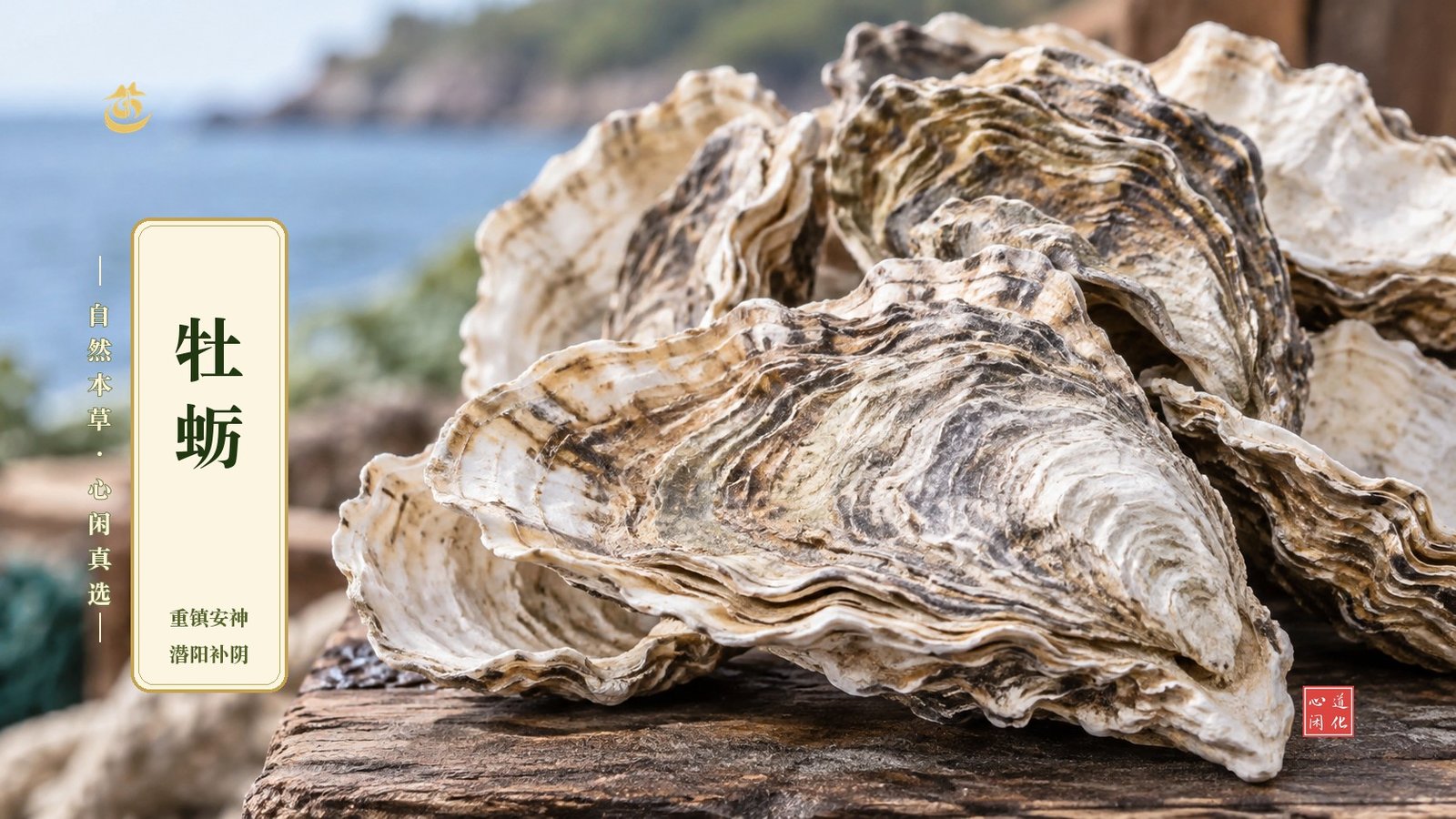
牡蛎
内容摘要
收涩生津与安神
身份与部位
牡蛎科动物长牡蛎 Ostrea gigas Thunberg、大连湾牡蛎 Ostrea talienwhanensis Crosse 或近江牡蛎 Ostrea rivularis Gould的贝壳。全年均可采收,去肉,洗净,晒干。
主要产区
主产于福建、山东、辽宁、广东沿海。普通产区不直接等同于道地产区。
性味
咸;微寒
归经
肝、肾、胆、膀胱
传统功效
重镇安神,潜阳补阴,软坚散结。煅牡蛎收敛固涩
传统主治
惊悸失眠,眩晕耳鸣,瘰疬痰核,症瘕痞块。自汗盗汗,遗精崩带,胃痛吞酸
主要配伍
与龙骨用于重镇安神;属医用矿物贝壳配伍。药用组合须辨证使用,不作为家庭处方。
本草纲目
卷46 牡蠣 壳药段:止汗、收涩、安神及相关虚劳记载;鲜牡蛎肉的饮食内容另段,不能混写。
食养特点
传统潜阳固涩,不能按鲜牡蛎肉营养代换
食用方法与家庭制作
目录药材为贝壳;不将贝壳粉自行添加饭菜或冲茶
安全与使用边界
贝壳与贝肉严格分开;煎煮方式、来源及重金属指标须核
官方目录依据
卫法监发〔2002〕51号;用途及身份限定依原公告。
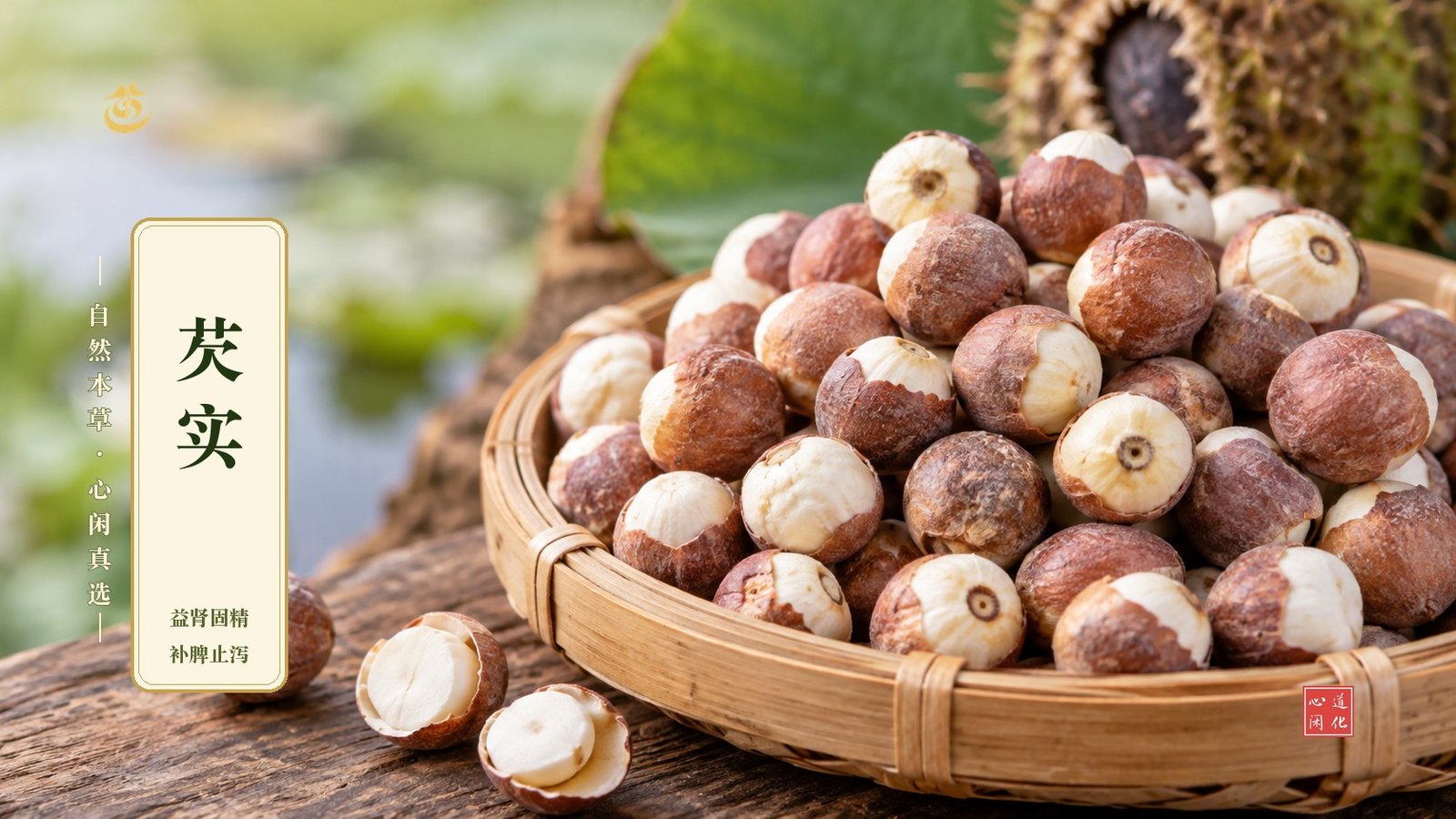
芡实
内容摘要
补气健脾与固摄
身份与部位
睡莲科植物芡 Euryale ferox Salisb. 的干燥成熟种仁。
道地产地
苏芡实:江苏省苏州及周边池沼湖塘浅水区域。〔P01 PDF第657页〕
性味
甘、涩;平
归经
脾、肾
传统功效
益肾固精,补脾止泻,祛湿止带
传统主治
梦遗遗精,遗尿尿频,脾虚久泻,白浊,带下
主要配伍
配山药、莲子作粥。药用组合须辨证使用,不作为家庭处方。
神农本草经
孙星衍辑本电子转录,雞頭實条:条文摘录“味苦,平。主濕痹,腰脊膝痛,補中,除暴疾,益精氣,強志,令耳目聰明。”;按古代语境理解,轻身、不老等并非现代疗效证据。
本草纲目
卷33 芡實 实:补中、益精气、益肾、止小便不禁及遗精带下。
食养特点
传统健脾止泻、益肾固精
食用方法与家庭制作
干种仁提前浸泡,煮软再入粥或汤
安全与使用边界
便秘及腹胀者少用;整粒需熟软防噎
官方目录依据
卫法监发〔2002〕51号;用途及身份限定依原公告。
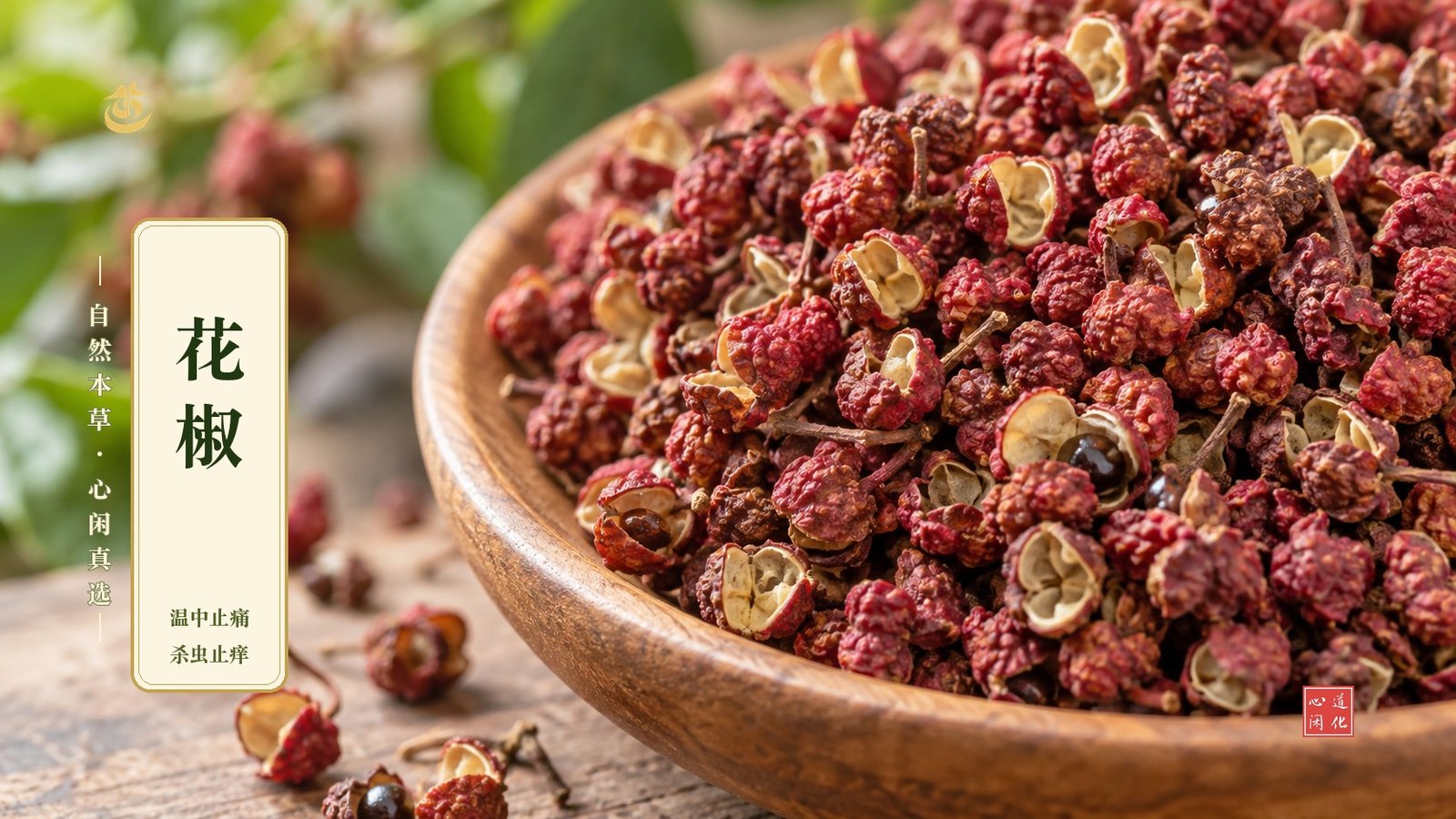
花椒
内容摘要
温中散寒与调味
身份与部位
芸香科植物花椒 Zanthoxylum bungeanum Maxim.的干燥成熟果皮。
道地产地
川椒:川椒以四川省汉源县为核心产区,扩展至川西南山地河谷区,川西、川西北高山峡谷区,以及四川盆地边缘的山区。〔P01 PDF第247页〕
性味
辛;温
归经
脾、胃、肾
传统功效
温中止痛,杀虫止痒
传统主治
果皮的传统应用:脘腹冷痛、呕吐泄泻、虫积腹痛等;种子椒目主治另栏,不移给果皮。
主要配伍
与生姜作烹调搭配;传统温中药对非通用方。药用组合须辨证使用,不作为家庭处方。
神农本草经
孙星衍辑本电子转录,蜀菽条:条文摘录“味辛,溫。主邪氣、咳逆,溫中,逐骨節,皮膚死肌,寒濕痹痛,下氣。”;按古代语境理解,轻身、不老等并非现代疗效证据。
本草纲目
卷32 蜀椒 椒红:温中下气、散寒湿及冷痛等;椒目利水记载不能直接写成果皮功效。
食养特点
香辛调味,传统温中止痛
食用方法与家庭制作
少量调味,制花椒水后滤除;不饮高浓花椒油
安全与使用边界
刺激性强,敏感及胃炎者慎,食用果皮与种子不同
官方目录依据
卫法监发〔2002〕51号;用途及身份限定依原公告。
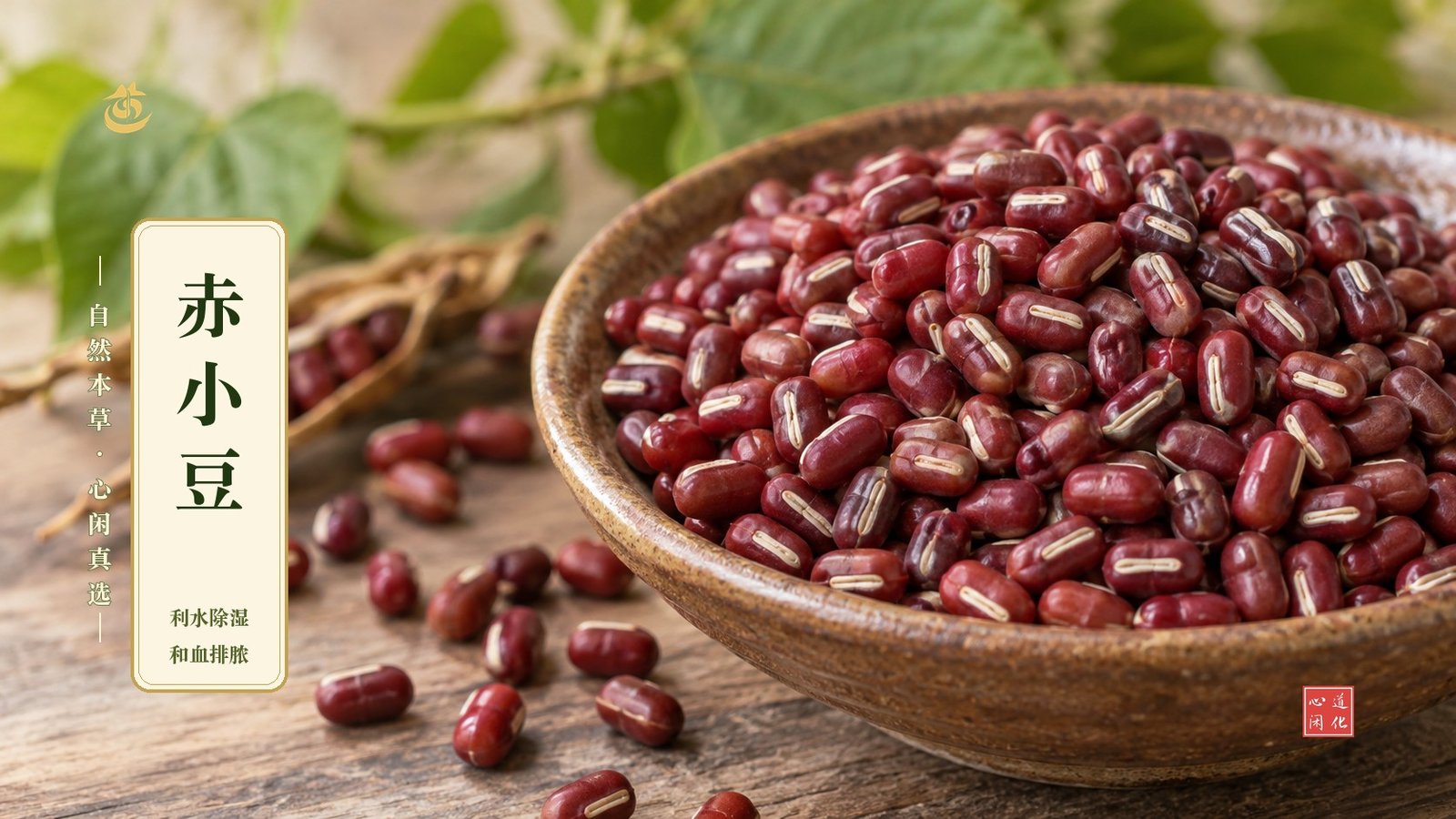
赤小豆
内容摘要
清热解毒与利湿
身份与部位
豆科植物赤小豆 Phaseolus calcaratus Roxb.的干燥成熟种子。
主要产区
主产于湖南、江西、广东、浙江等地。普通产区不直接等同于道地产区。
性味
甘、酸,平。
传统功效
利水除湿,和血排脓,消肿解毒。治水肿,脚气,黄疸,泻痢,便血,痈肿
主要配伍
配薏苡仁见官方食养茶,配米煮粥。药用组合须辨证使用,不作为家庭处方。
本草纲目
卷24 赤小豆 子:下水肿、排脓、利小便、除烦满;叶与花的记载分别保留。
食养特点
传统利水消肿,杂豆主食补充
食用方法与家庭制作
泡后煮至软熟,可入粥;定量茶例见R04a
安全与使用边界
赤小豆与普通红豆注意基原;限液或肾病者咨询
官方目录依据
卫法监发〔2002〕51号;用途及身份限定依原公告。
阿胶
内容摘要
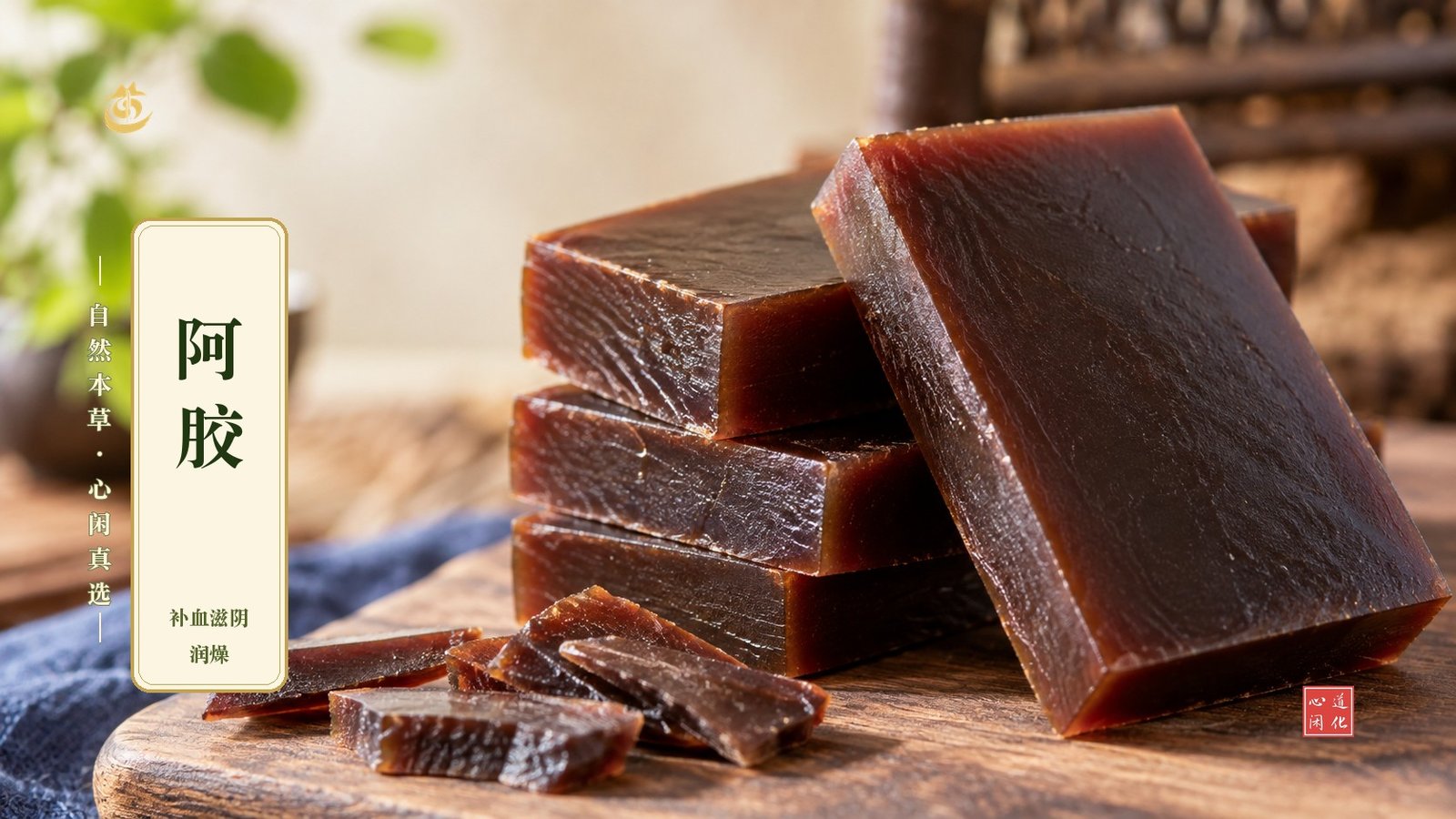
养阴润肺与生津
身份与部位
马科动物驴 Equus asinus L.的皮,经煎煮、浓缩制成的固体胶。
道地产地
阿胶:以山东省东阿县为中心,核心区域为东阿水文地质单元,包括东阿县及其周边地区的低山丘陵区、黄河冲积平原区等。〔P01 PDF第1074页〕
性味
甘;平
归经
肺、肝、肾
传统功效
补血滋阴,润燥,止血
传统主治
血虚萎黄,眩晕心悸,肌痿无力,心烦不眠,虚风内动,肺燥咳嗽,劳嗽咯血,吐血尿血,便血崩漏,妊娠胎漏
主要配伍
与熟地、白芍属补血方思路,非糕点通用处方。药用组合须辨证使用,不作为家庭处方。
神农本草经
孙星衍辑本电子转录,阿膠条:条文摘录“味甘,平。主心腹內崩,勞極,洒洒如瘧狀,腰腹痛,四肢酸疼,女子下血,安胎。”;按古代语境理解,轻身、不老等并非现代疗效证据。
本草纲目
卷50下 阿膠:虚劳、女子下血、止血、和血滋阴、润燥清肺;历史安胎记载不等于孕妇自用许可。
食养特点
传统补血滋阴,成品食养需控糖
食用方法与家庭制作
使用来源明确的合规阿胶食品;烊化入热食,不自行大批配药糕
安全与使用边界
不要把枣、阿胶等同纠正缺铁性贫血;腹胀便溏者慎
官方目录依据
卫法监发〔2002〕51号;用途及身份限定依原公告。
鸡内金
内容摘要
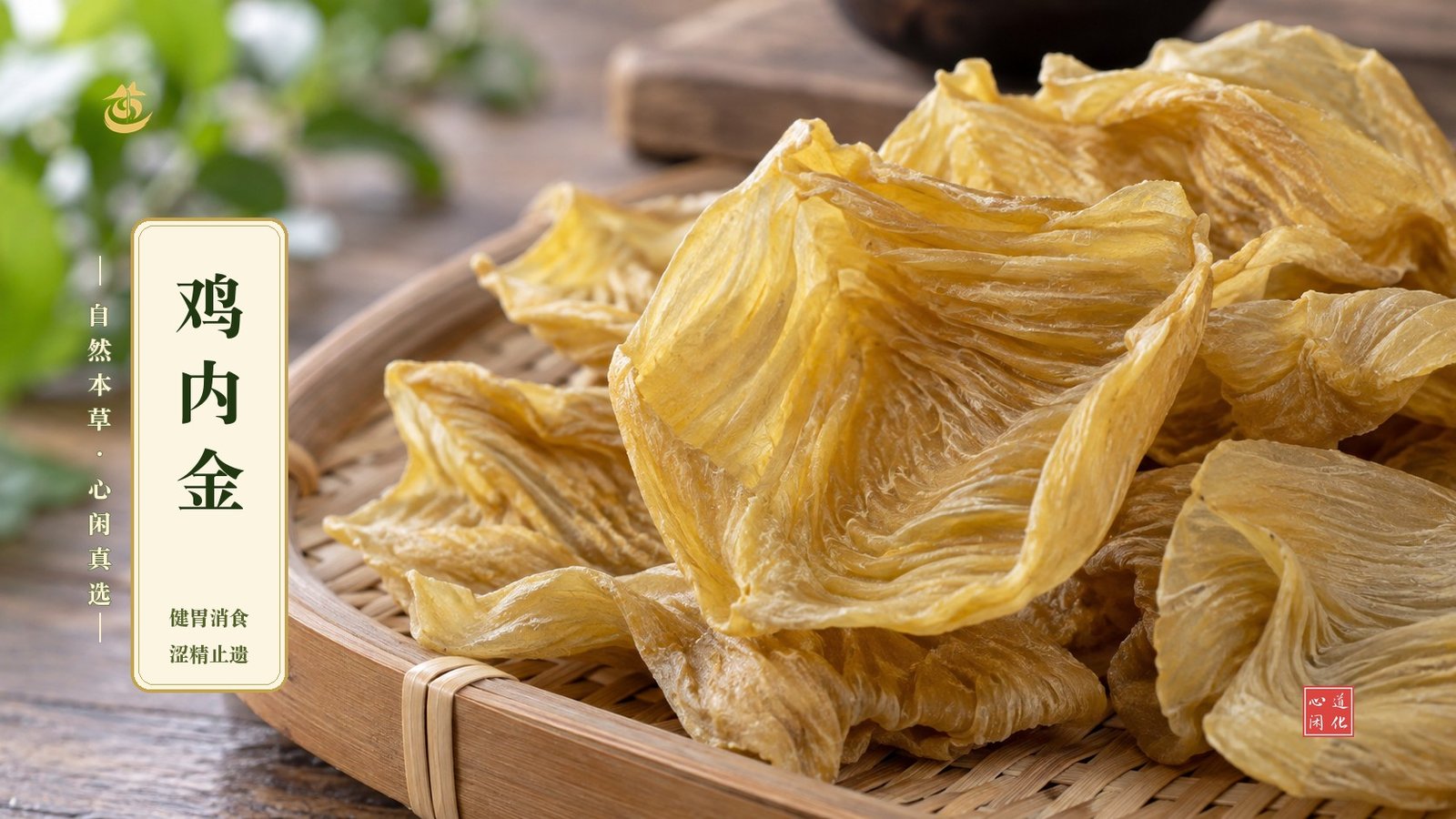
消食理气与和胃
身份与部位
雉科动物家鸡 Gallus gallus domesticus Brisson的干燥砂囊内壁。杀鸡后,取出鸡肫,立即取下内壁,洗净,晒干。
主要产区
全国各地均产。普通产区不直接等同于道地产区。
性味
甘;平
归经
脾、小肠、胃、膀胱
传统功效
健胃消食,涩精止遗
传统主治
食积不消,呕吐泻痢,小儿疳积,遗尿,遗精
主要配伍
配山楂、麦芽为消食医用思路。药用组合须辨证使用,不作为家庭处方。
本草纲目
卷48 鸡 膍胵里黄皮:止泄利、小便利及后世消导认识;鸡肉、血、胆等条文不能套用。
食养特点
传统健胃消食,不是鸡肉营养
食用方法与家庭制作
食用品须规范加工
安全与使用边界
生料污染风险;儿童消化症状应先查原因
官方目录依据
卫法监发〔2002〕51号;用途及身份限定依原公告。
麦芽
内容摘要
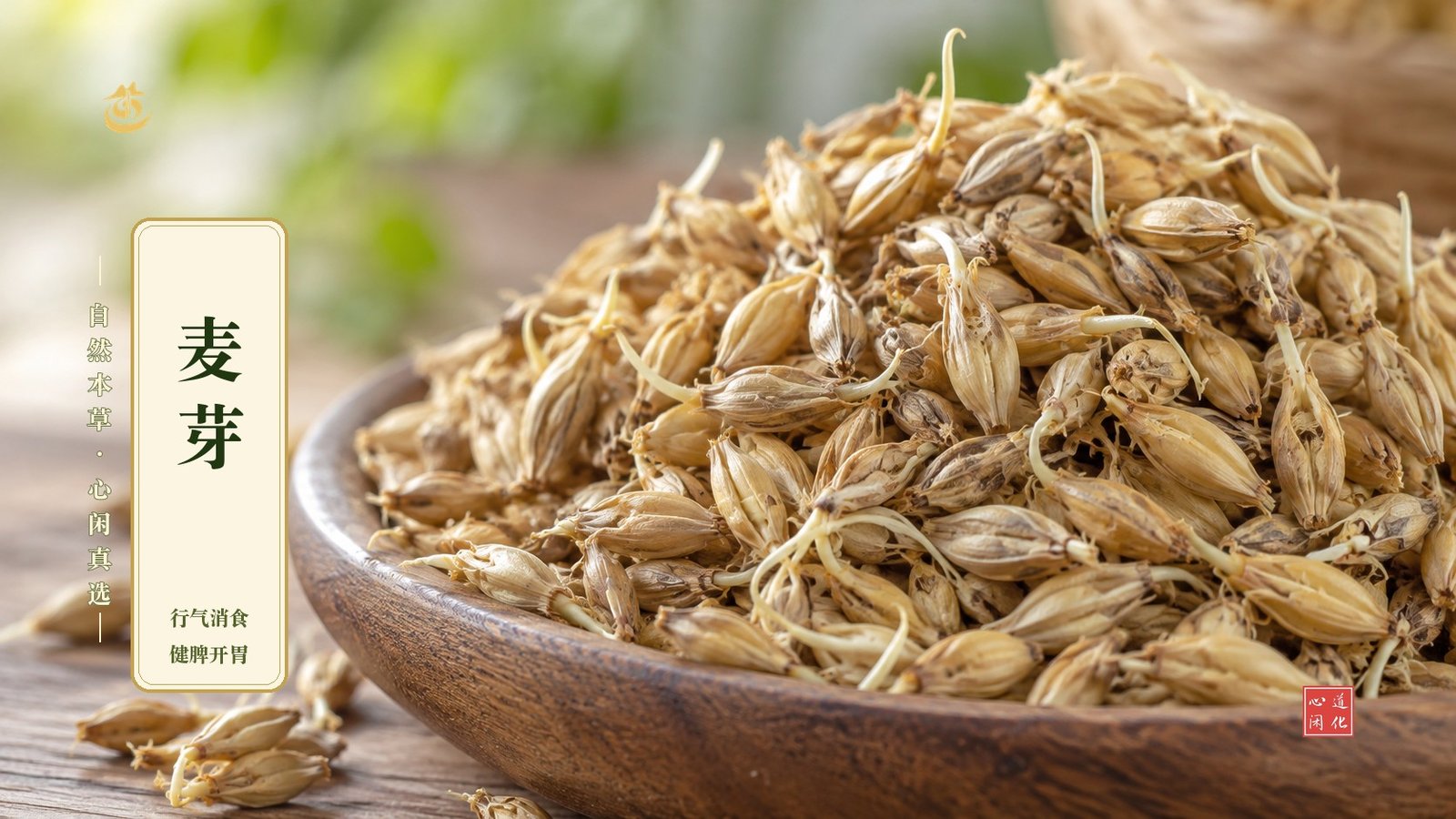
消食理气与和胃
身份与部位
禾本科植物大麦 Hordeum vulgare L. 的成熟果实经发芽处理后的干燥品。
主要产区
全国各地均产。普通产区不直接等同于道地产区。
性味
甘;平
归经
脾、胃
传统功效
行气消食,健脾开胃,退乳消胀
传统主治
食积不消,脘腹胀痛,脾虚食少,乳汁郁积,乳房胀痛,妇女断乳。生麦芽健脾和胃,疏肝行气,用于脾虚食少,乳汁郁积。炒麦芽行气消食回乳,用于食积不消,妇女断乳
主要配伍
配橘皮、大枣见官方和胃饮品。药用组合须辨证使用,不作为家庭处方。
本草纲目
卷25 糵米 大麦糵:消食和中、开胃、消化米面果食积;不得混用稻糵或粟糵功效。
食养特点
传统助消食,谷物饮食搭配
食用方法与家庭制作
食用麦芽可煎煮滤饮,组合例见R10
安全与使用边界
哺乳期勿自行长期大量饮用;生炒焦功效差别须记
官方目录依据
卫法监发〔2002〕51号;用途及身份限定依原公告。
昆布
内容摘要
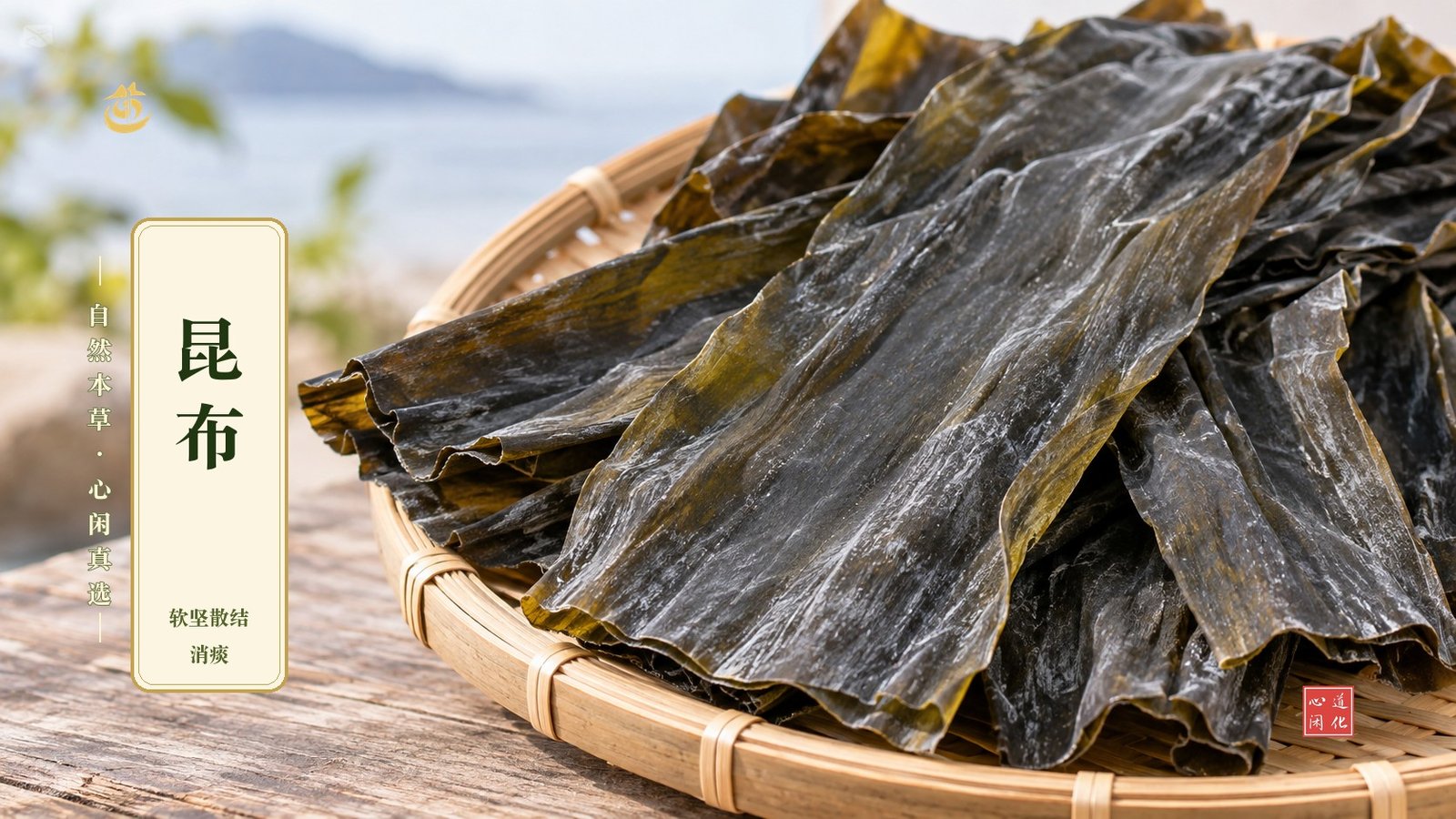
清热解毒与利湿
身份与部位
海带科植物海带 Laminaria japonica Aresch.或翅藻科植物昆布 (鹅掌菜) Ecklonia kurome Okam.的干燥叶状体。
主要产区
主产辽宁、山东等地。普通产区不直接等同于道地产区。
性味
咸;寒
归经
肝、肾、胃
传统功效
软坚散结,消痰,利水
传统主治
瘿瘤,瘰疬、睪丸肿痛,痰饮水肿
主要配伍
配海藻见传统软坚方;与豆腐是食材搭配。药用组合须辨证使用,不作为家庭处方。
本草纲目
卷19 昆布:水肿、瘿瘤聚结、利水道等传统记载;不直接对应现代甲状腺疾病治疗。
食养特点
日常海藻食材,传统消痰软坚利水
食用方法与家庭制作
合规昆布充分洗泡后煮汤,不能把汤当治甲状腺病药
安全与使用边界
含碘,甲状腺病及限碘者先咨询;与海藻区分
官方目录依据
卫法监发〔2002〕51号;用途及身份限定依原公告。
枣(大枣、酸枣、黑枣)
内容摘要
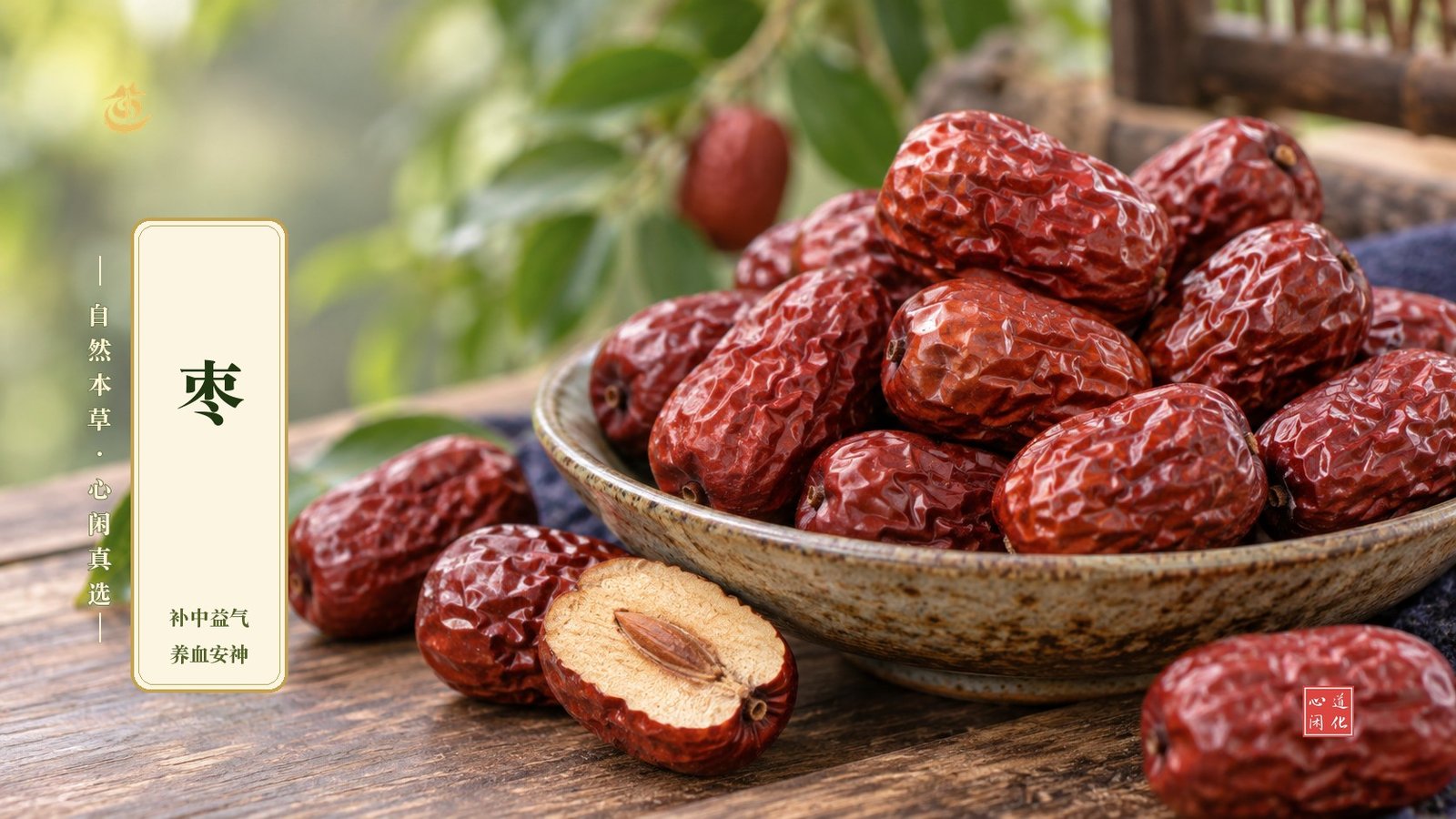
补气健脾与固摄
身份与部位
鼠李科植物枣 Ziziphus jujuba Mill.的干燥成熟果实
主要产区
主产于山西、陕西、河北、河南等地区。普通产区不直接等同于道地产区。
性味
大枣:甘;温;不据此统括酸枣、黑枣
归经
大枣:脾、胃;其余品种不直接套用
传统功效
补中益气,养血安神
传统主治
大枣:脾虚食少,乏力便溏,妇人脏躁;不统括酸枣、黑枣
主要配伍
大枣配生姜见经典调和营卫;食品配粳米。药用组合须辨证使用,不作为家庭处方。
本草纲目
卷29 枣 大枣:安中养脾、补中益气、和阴阳调营卫、生津;酸枣另条,君迁子不能按同名黑枣混入。
食养特点
大枣传统补中养血;酸枣果不是酸枣仁
食用方法与家庭制作
大枣去核煮粥或蒸食;茶例见R08;黑枣须核对应植物及加工
安全与使用边界
糖分计量;不以柿科君迁子冒充目录同名黑枣
官方目录依据
卫法监发〔2002〕51号;用途及身份限定依原公告。
罗汉果
内容摘要
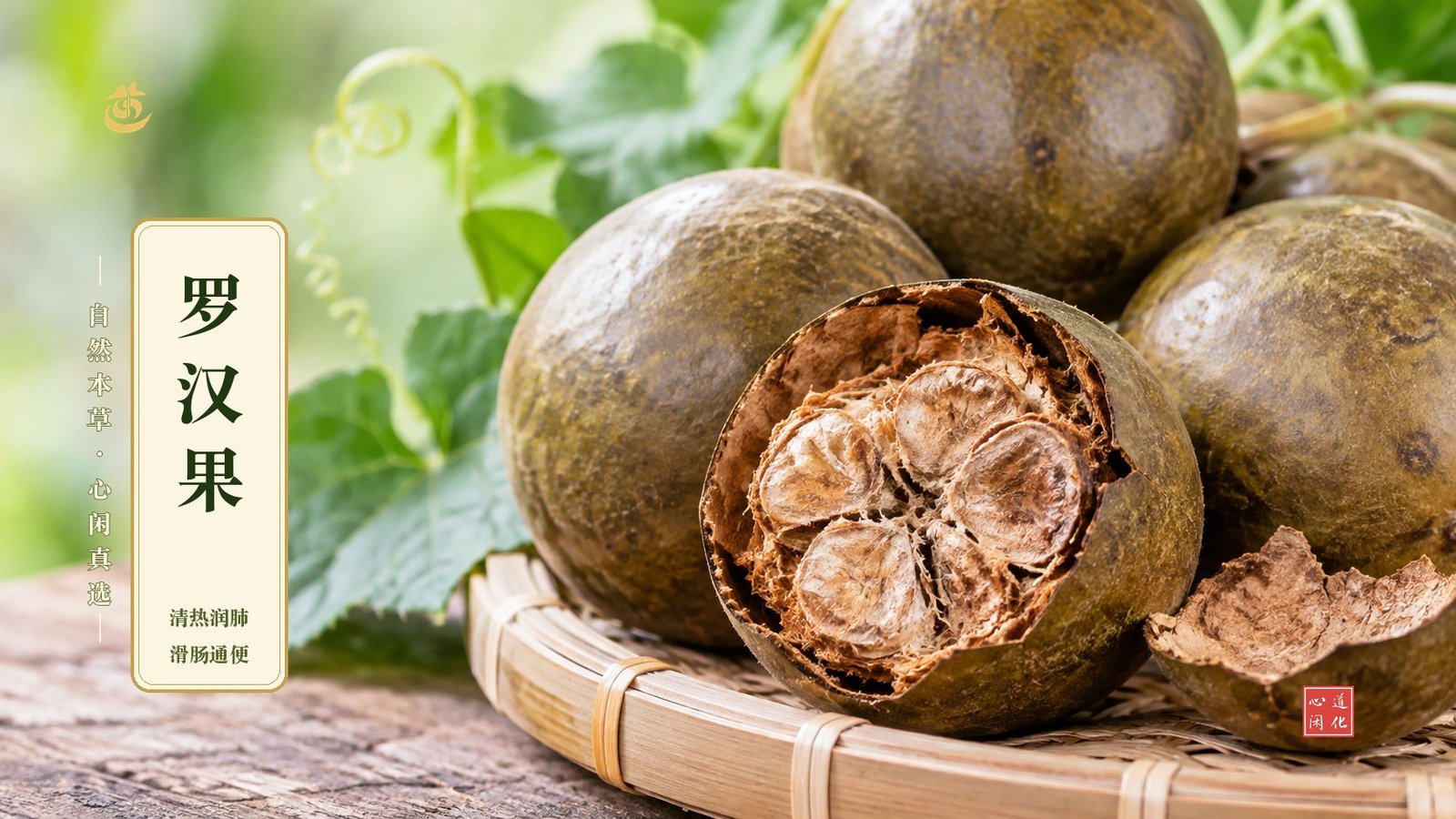
养阴润肺与生津
身份与部位
葫芦科植物罗汉果 Siraitia grosvenorii (Swingle) C. Jeffrey ex Lu et Z. Y. Zhang的干燥成熟果实。
道地产地
罗汉果:以广西壮族自治区桂林市为中心,核心区域包括永福、临桂、龙胜及其周边地区。〔P01 PDF第892页〕
性味
甘;凉
归经
肺、大肠
传统功效
清热润肺,滑肠通便
传统主治
肺火燥咳,咽痛失音,肠燥便秘
主要配伍
与青果、桔梗为利咽医用思路,具体量另定。药用组合须辨证使用,不作为家庭处方。
食养特点
传统清热润肺,饮品甜味来源
食用方法与家庭制作
合规干果打碎煮饮;根据产品标示取量,不写通用每日枚数
安全与使用边界
脾胃虚寒腹泻慎;不据甜味推断任何成品都无糖
官方目录依据
卫法监发〔2002〕51号;用途及身份限定依原公告。
郁李仁
内容摘要
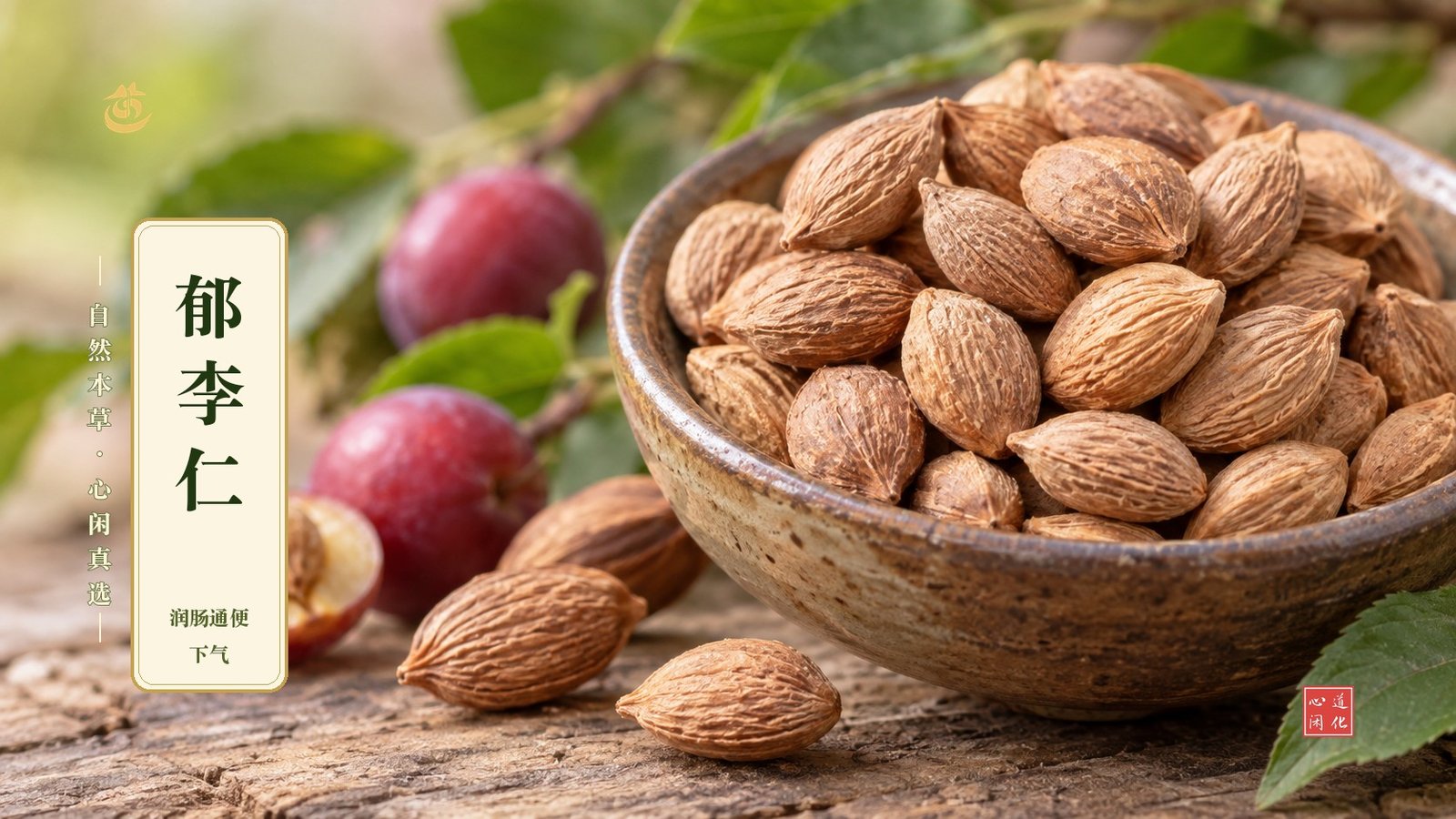
润肠与食养油脂
身份与部位
蔷薇科植物欧李 Prunus humilis Bge.、郁李 Prunus japonica Thunb.及长柄扁桃 Prunus pedunculata Maxim.的干燥成熟种子。
主要产区
主产东北地区以及河北、山东等地。普通产区不直接等同于道地产区。
性味
辛、苦、甘;平
归经
脾、大肠、小肠
传统功效
润肠通便,下气,利水
传统主治
津枯肠燥,食积气滞,腹胀便秘,水肿,脚气,小便不利
主要配伍
与火麻仁属润肠思路,医用。药用组合须辨证使用,不作为家庭处方。
神农本草经
孙星衍辑本电子转录,郁李仁条:条文摘录“味酸,平。主大腹水腫,面目四肢浮腫,利小便水道。”;按古代语境理解,轻身、不老等并非现代疗效证据。
本草纲目
卷36 郁李 核仁:利水、润燥、治大肠气滞燥涩;根的牙龈齿痛记载另分。
食养特点
传统润肠利水,不作常规坚果食品
食用方法与家庭制作
不提供家用生仁或浓茶方案;专业人员核量
安全与使用边界
有氰苷相关风险,孕妇及腹泻者慎,不可自采果核
官方目录依据
卫法监发〔2002〕51号;用途及身份限定依原公告。
金银花
内容摘要
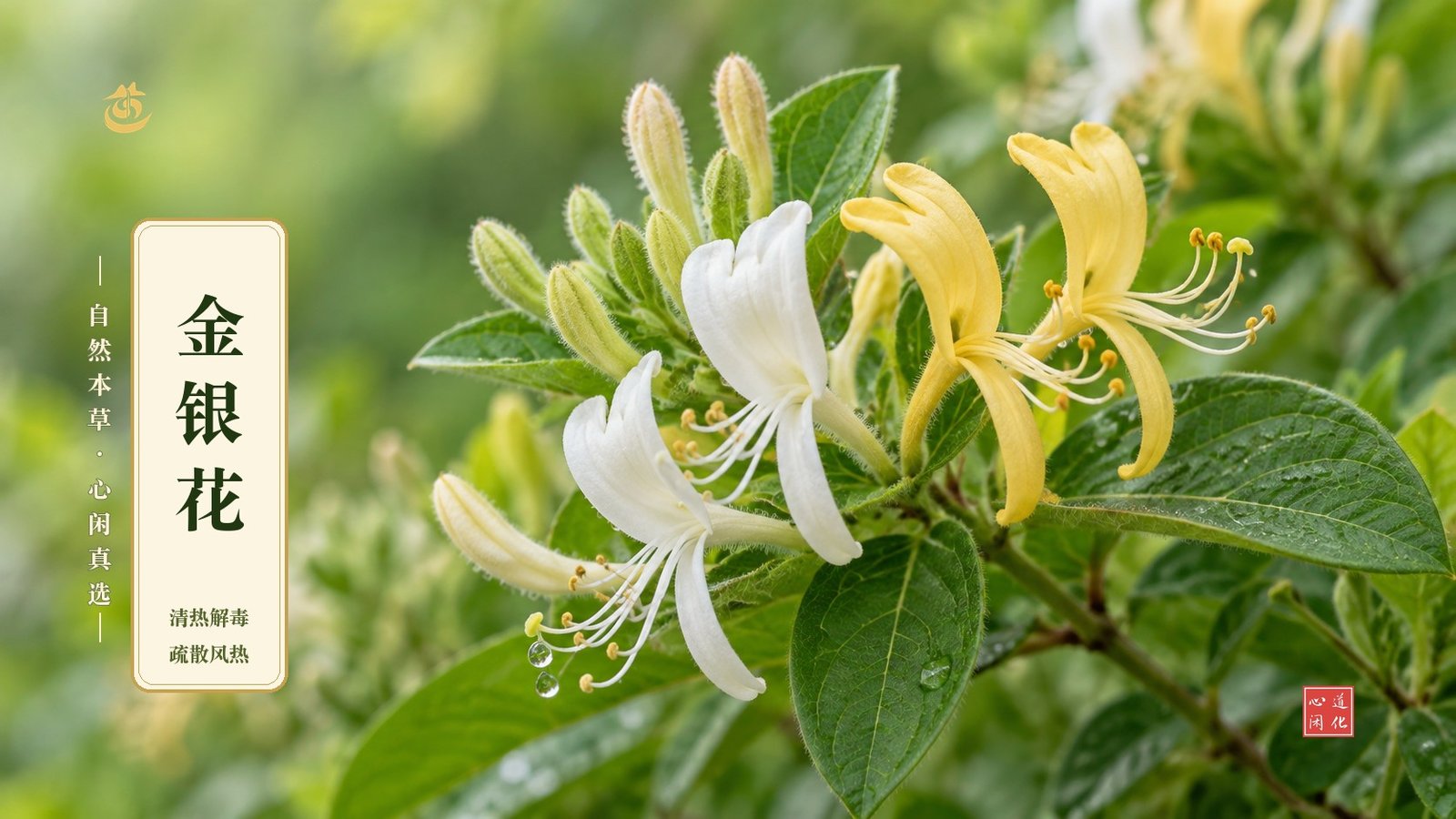
清热解毒与利湿
身份与部位
忍冬科植物忍冬 Lonicera japonica Thunb. 的干燥花蕾或待初开的花朵。
道地产地
密银花:河南省新密、荥阳、巩义、登封、封丘等区域及周边地区。〔P01 PDF第115页〕 东银花:以山东省平邑县为核心的沂蒙山区以及周边费县、蒙阴等区域的浅山丘陵地区。〔P01 PDF第1086页〕
性味
甘;寒
归经
肺、心、胃
传统功效
清热解毒,凉散风热
传统主治
痈肿疔疮,喉痹,丹毒,热毒升痢,风热感冒,温病发热
主要配伍
配菊花见官方双花茶;与连翘属医用。药用组合须辨证使用,不作为家庭处方。
本草纲目
卷18下 忍冬:散热解毒、肿毒疮疡及热毒痢等;古书涉及忍冬整体,今花蕾与藤药材另分。
食养特点
传统清热解毒、疏散风热
食用方法与家庭制作
目录对应忍冬花蕾;威海活动双花方为金银花15g、白菊花12g,属于特定药茶示例,不作人人日常量。
安全与使用边界
与山银花分开;虚寒腹泻及花粉过敏者慎
官方目录依据
卫法监发〔2002〕51号;用途及身份限定依原公告。
青果
内容摘要
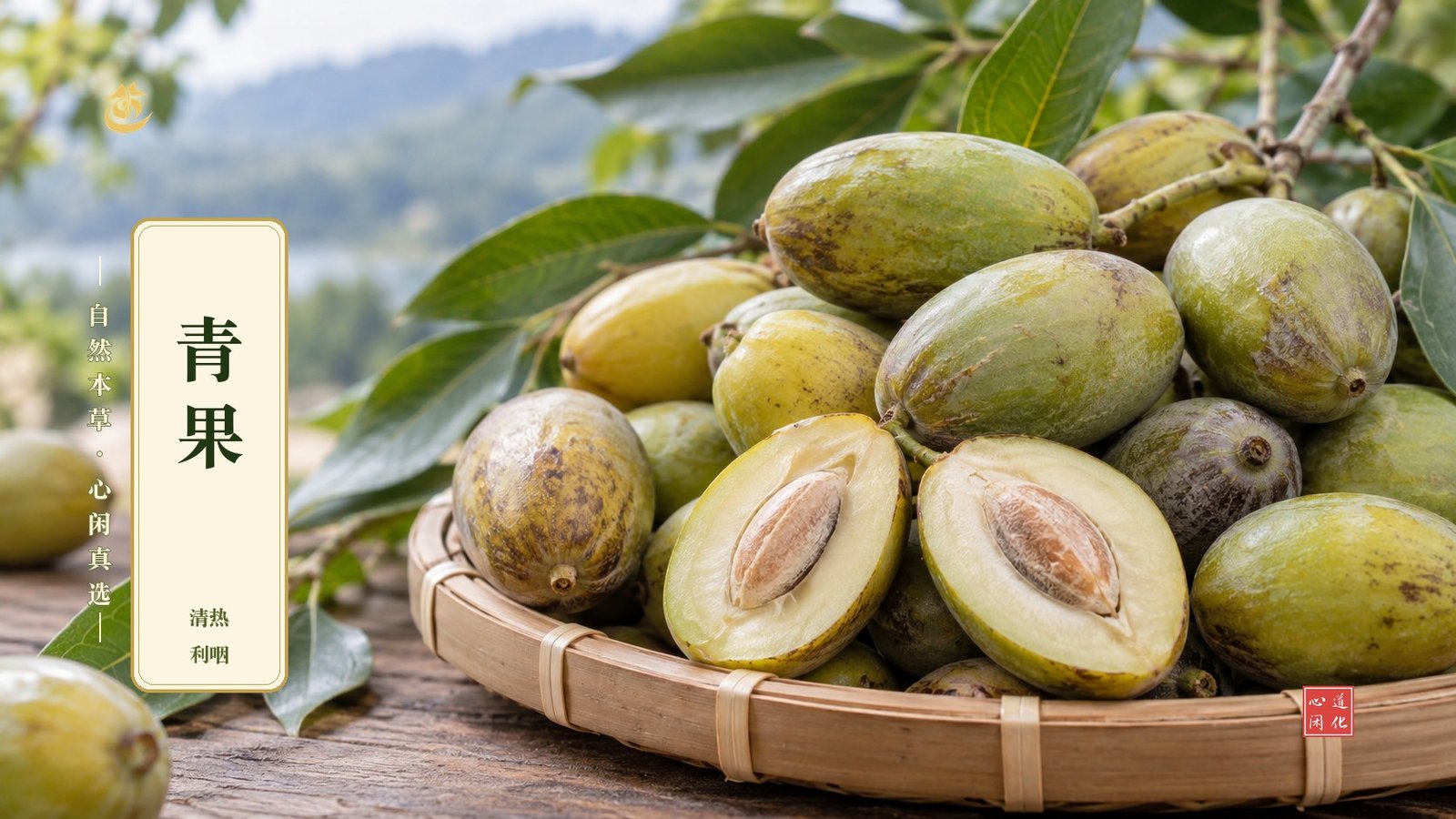
养阴润肺与生津
身份与部位
橄榄科植物橄榄 Canarium album Raeusch.的干燥成熟果实。
主要产区
主产广东、海南、福建、台湾等地。普通产区不直接等同于道地产区。
性味
甘、酸,平。
传统功效
清热,利咽,生津,解毒。用于咽喉肿痛、咳嗽、烦渴、鱼蟹中毒等
本草纲目
卷31 橄榄 果:生津止渴、咽喉痛、开胃下气;鱼鲠及鱼毒古说不能当急救指引。
食养特点
传统清热利咽、生津
食用方法与家庭制作
合规鲜果洗净去核,可煮饮或少量食用
安全与使用边界
不得凭古籍“解鱼毒”处理食物中毒;酸涩胃部不适者慎
官方目录依据
卫法监发〔2002〕51号;用途及身份限定依原公告。
鱼腥草
内容摘要
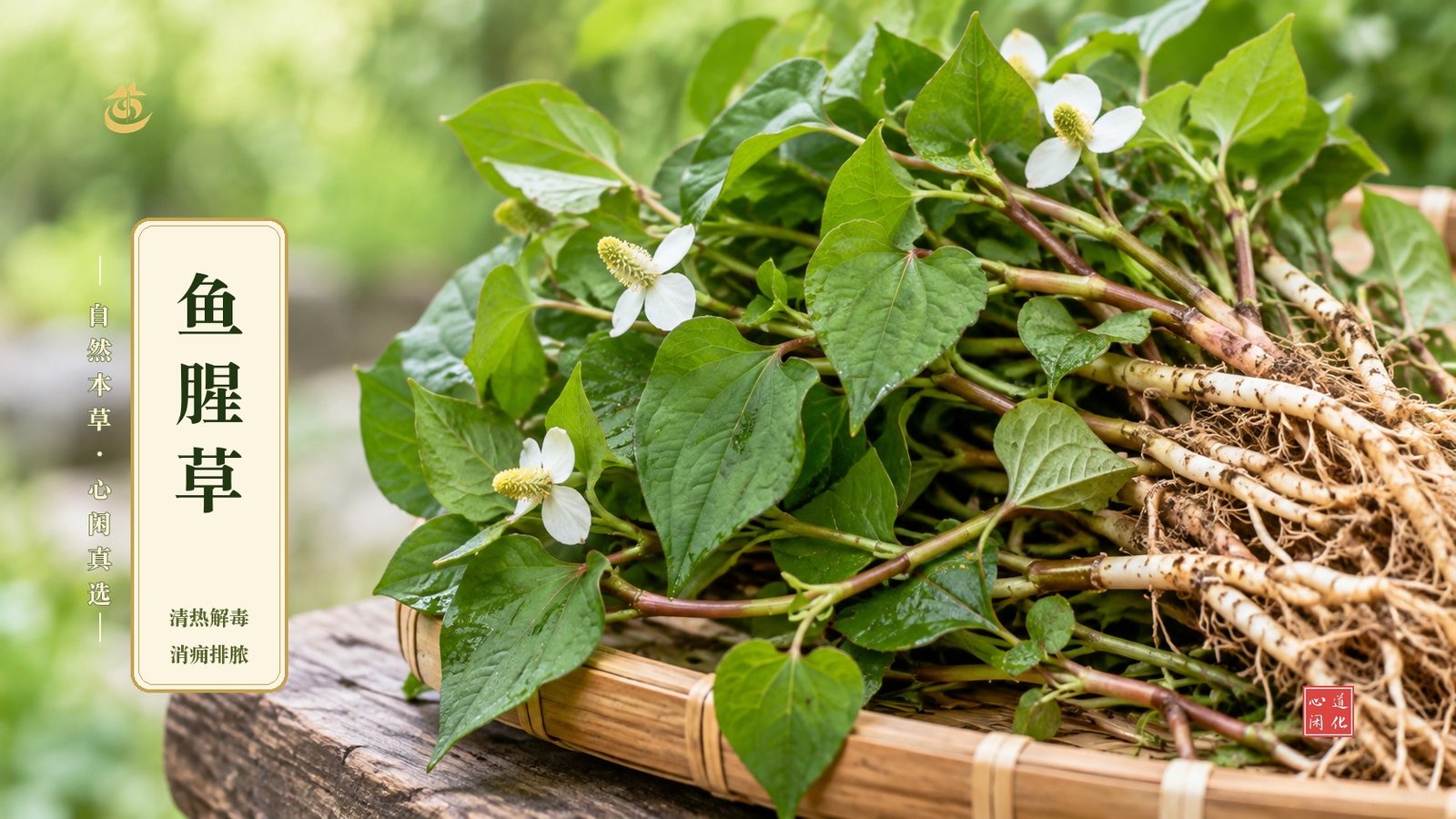
清热解毒与利湿
身份与部位
三白草科植物蕺菜 Houttuynia cordata Thunb.的新鲜全草或干燥地上部分。
主要产区
主产长江以南各地。普通产区不直接等同于道地产区。
性味
辛;微寒
归经
肺
传统功效
清热解毒,消痈排脓,利尿通淋
传统主治
肺痈吐脓,痰热喘咳,热痢,热淋,痈肿疮毒
主要配伍
与桔梗作清肺排脓思路,医用。药用组合须辨证使用,不作为家庭处方。
本草纲目
卷27 蕺:散热毒、癰肿疮痔等历史认识;古典附方不作为家庭外敷或感染治疗方案。
食养特点
传统清热解毒,鲜品可作地方蔬菜
食用方法与家庭制作
可靠食用鲜品洗净后充分烹熟;根茎与药用地上部区分
安全与使用边界
食用与注射制剂风险不能混同;过敏、腹泻者慎
官方目录依据
卫法监发〔2002〕51号;用途及身份限定依原公告。
姜(生姜、干姜)
内容摘要
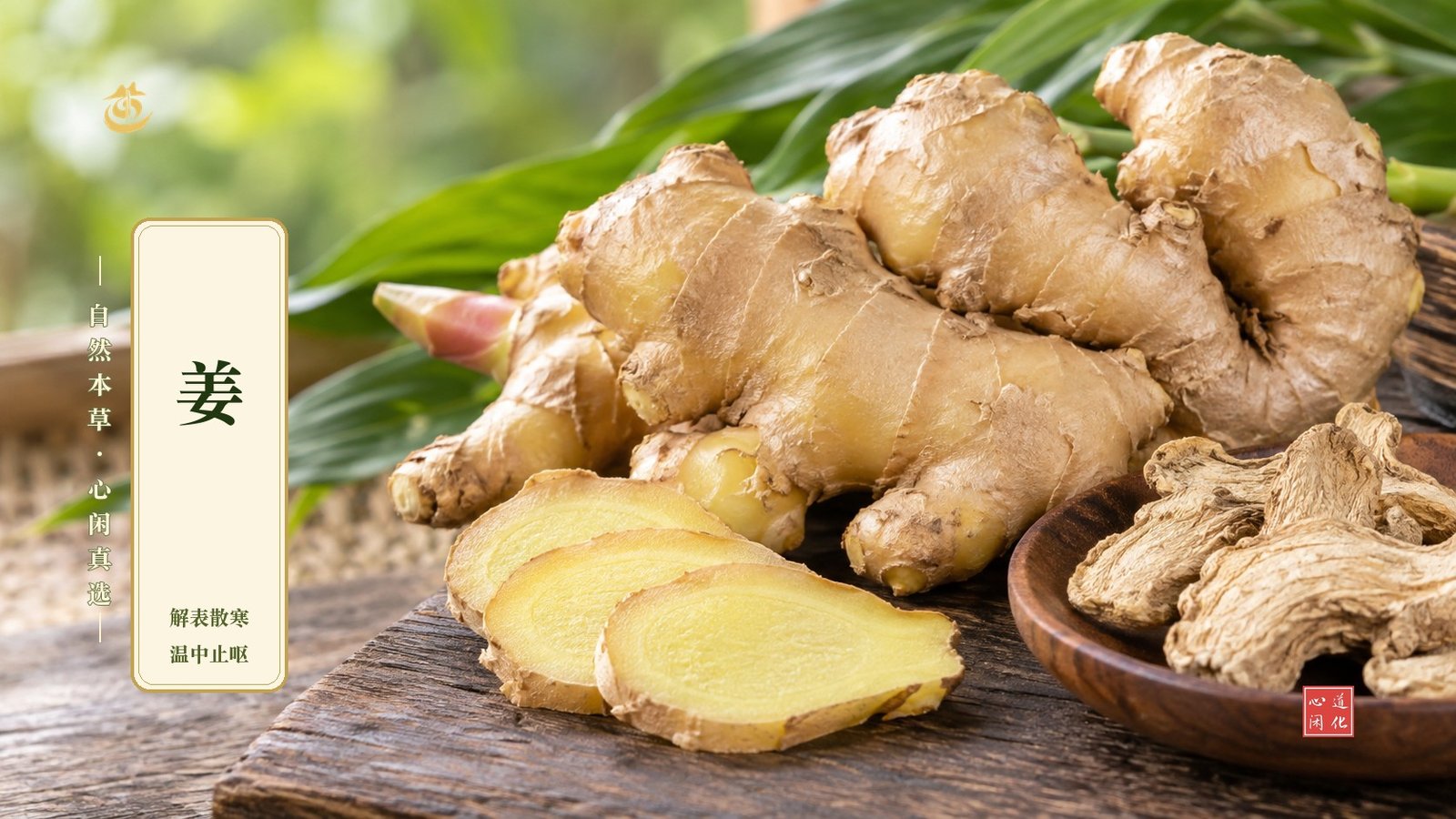
温中散寒与调味
身份与部位
姜科植物姜 Zingiber officinale (Willd.) Rosc.的新鲜根茎。
道地产地
川干姜:四川沐川、犍为、宜宾及周边地区。〔P01 PDF第410页〕 川干姜标准只对应干姜,不能整项套用于生姜。
性味
生姜:辛、微温(理工大学来源);干姜与生姜分开理解
归经
生姜:脾、肺、胃;不据此统括干姜
传统功效
解表散寒,温中止呕,化痰止咳,解鱼蟹毒
主要配伍
生姜配大枣;干姜配橘皮见辨证茶例。药用组合须辨证使用,不作为家庭处方。
本草纲目
卷26 生姜及乾姜:生姜记止呕、去痰下气、散寒;干姜另记温中止冷痢等,不能混写一个功效或用量。
食养特点
传统温中,生姜偏解表止呕,干姜温里更强
食用方法与家庭制作
生姜为烹调调味;干姜温中茶例见R04e,不能生干等量替代
安全与使用边界
姜浓饮可能刺激胃;发热或口干不能一概喝姜茶
官方目录依据
卫法监发〔2002〕51号;用途及身份限定依原公告。
枳椇子
内容摘要
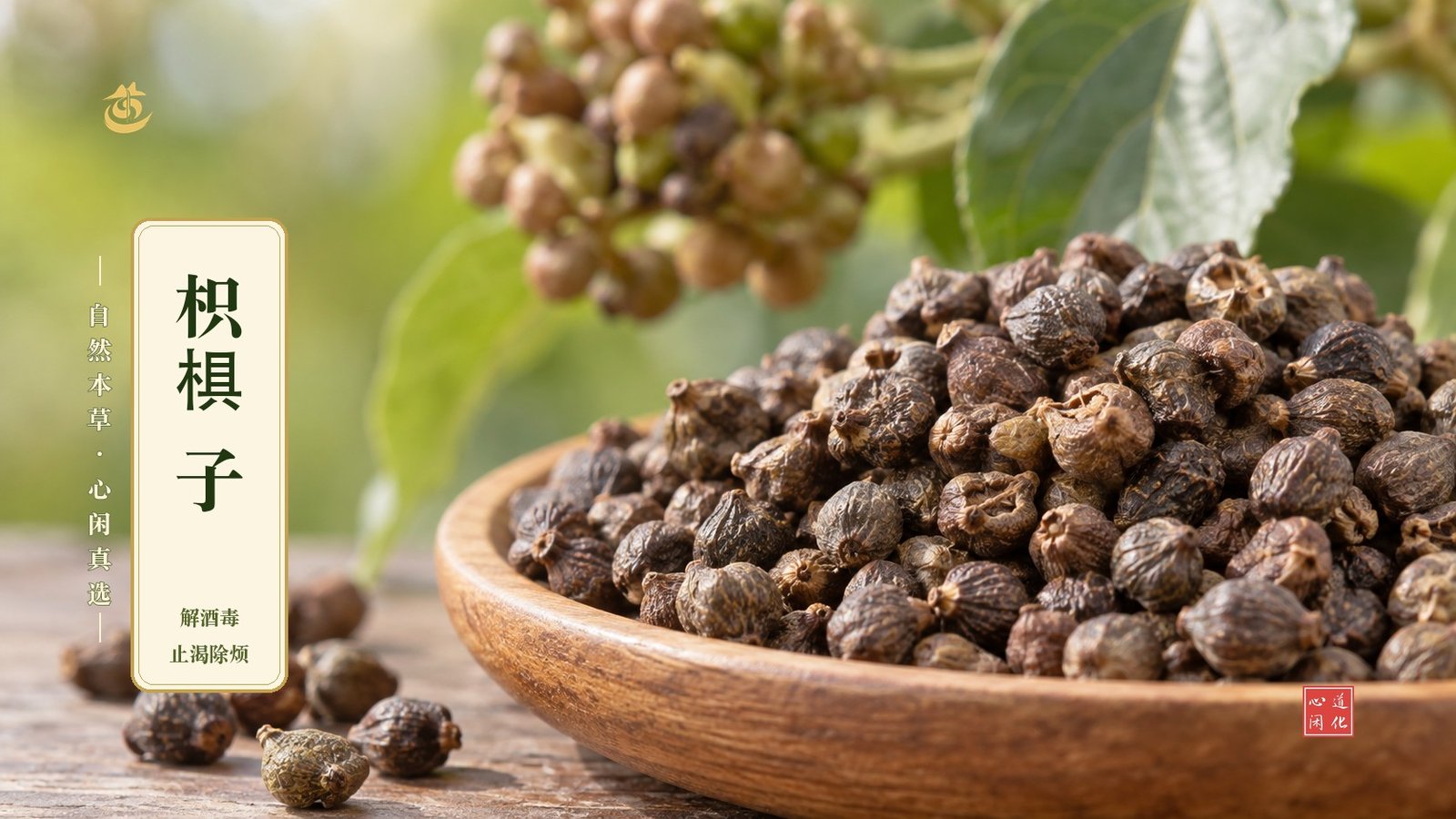
消食理气与和胃
身份与部位
鼠李科植物北枳椇 Hovenia dulcis Thumb.、枳椇 Hovenia acerba Lindi. 或毛果枳椇 Hovenia trichocarpa Chun et Tsiang 的干燥成熟种子
性味
甘;平
归经
心、脾、肺
传统功效
解酒毒,止渴除烦,止呕,通利二便
传统主治
饮酒发积,肺胃阴伤,余热烦渴
主要配伍
不以醒酒搭配鼓励饮酒;可列果梗食用文化。药用组合须辨证使用,不作为家庭处方。
本草纲目
卷31 枳椇 子与果相关:止渴除烦、止呕逆及解酒毒古说;种子与肉质果梗仍须核对部位,不表示可防醉酒损害。
食养特点
传统止渴除烦、解酒说;非酒精解毒药
食用方法与家庭制作
药用种子与甜果梗分开
安全与使用边界
醉酒意识不清不可喂饮,应急就医;不能预防酒驾风险
官方目录依据
卫法监发〔2002〕51号;用途及身份限定依原公告。
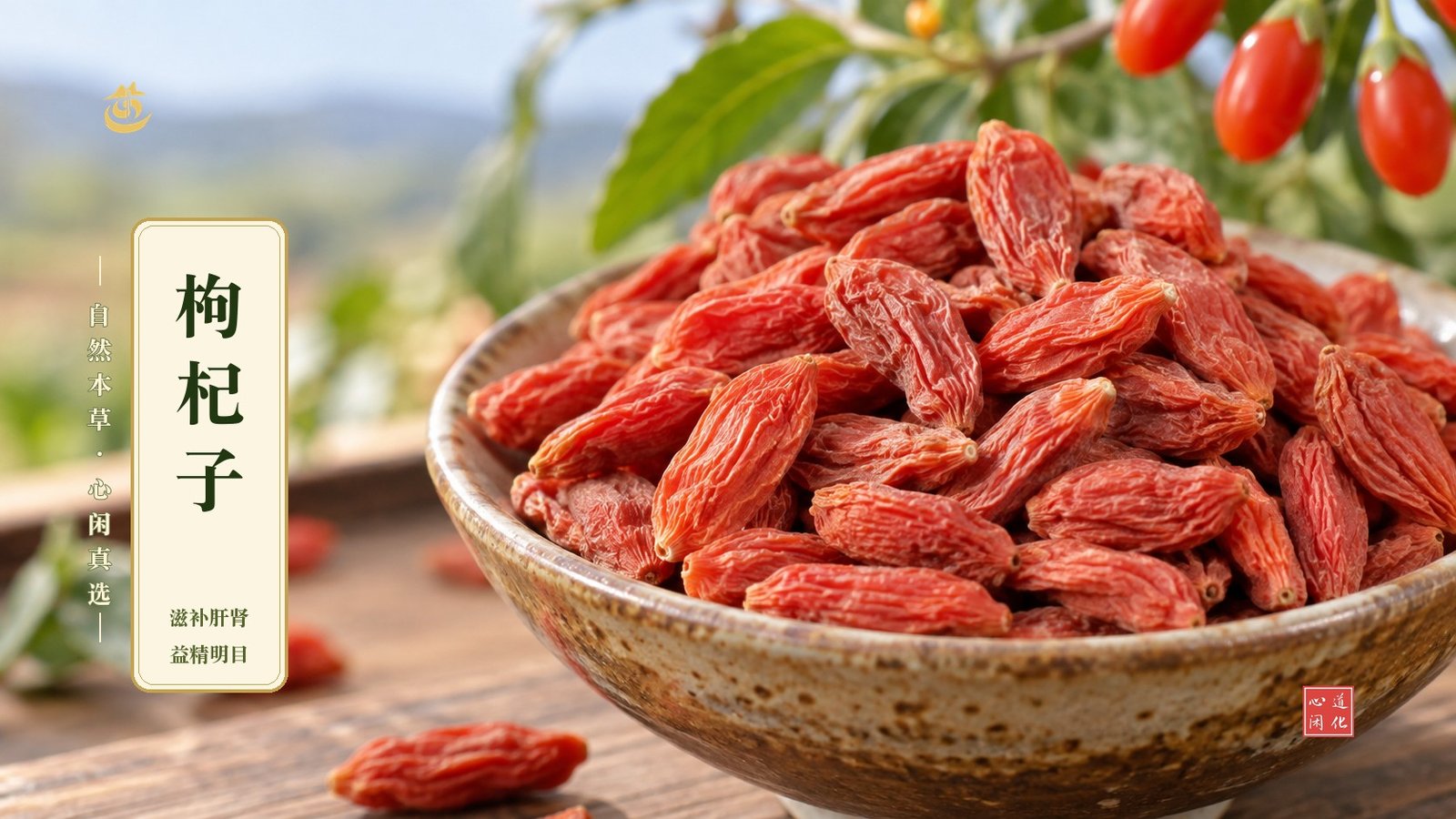
枸杞子
内容摘要
养阴润肺与生津
身份与部位
茄科植物宁夏枸杞 Lycium barbarum L. 的干燥成熟果实。
道地产地
宁夏枸杞:宁夏中宁县核心产区及其周边(宁夏盐池县以西至中卫沙坡头区,惠农县以南至固原原州区)地区。〔P01 PDF第60页〕
性味
甘;平
归经
肝、肾
传统功效
滋补肝肾,益精明目
传统主治
虚劳精亏,腰膝酸痛,眩晕耳鸣,内热消渴,血虚萎黄,目昏不明
主要配伍
配菊花作传统明目茶;蜜菊茶组合见R11。药用组合须辨证使用,不作为家庭处方。
本草纲目
卷36 枸杞地骨皮 枸杞子:子记补精气、滋肾润肺等;苗叶与地骨皮的清热功能不移给果实。
食养特点
传统滋补肝肾,食品果干补充
食用方法与家庭制作
单味泡水的科普示例每日6至12g,见R11;并非所有人通用安全上限。食养组合可见R11蜜菊茶。
安全与使用边界
服华法林者先咨询药师;糖分与霉变另查
官方目录依据
卫法监发〔2002〕51号;用途及身份限定依原公告。
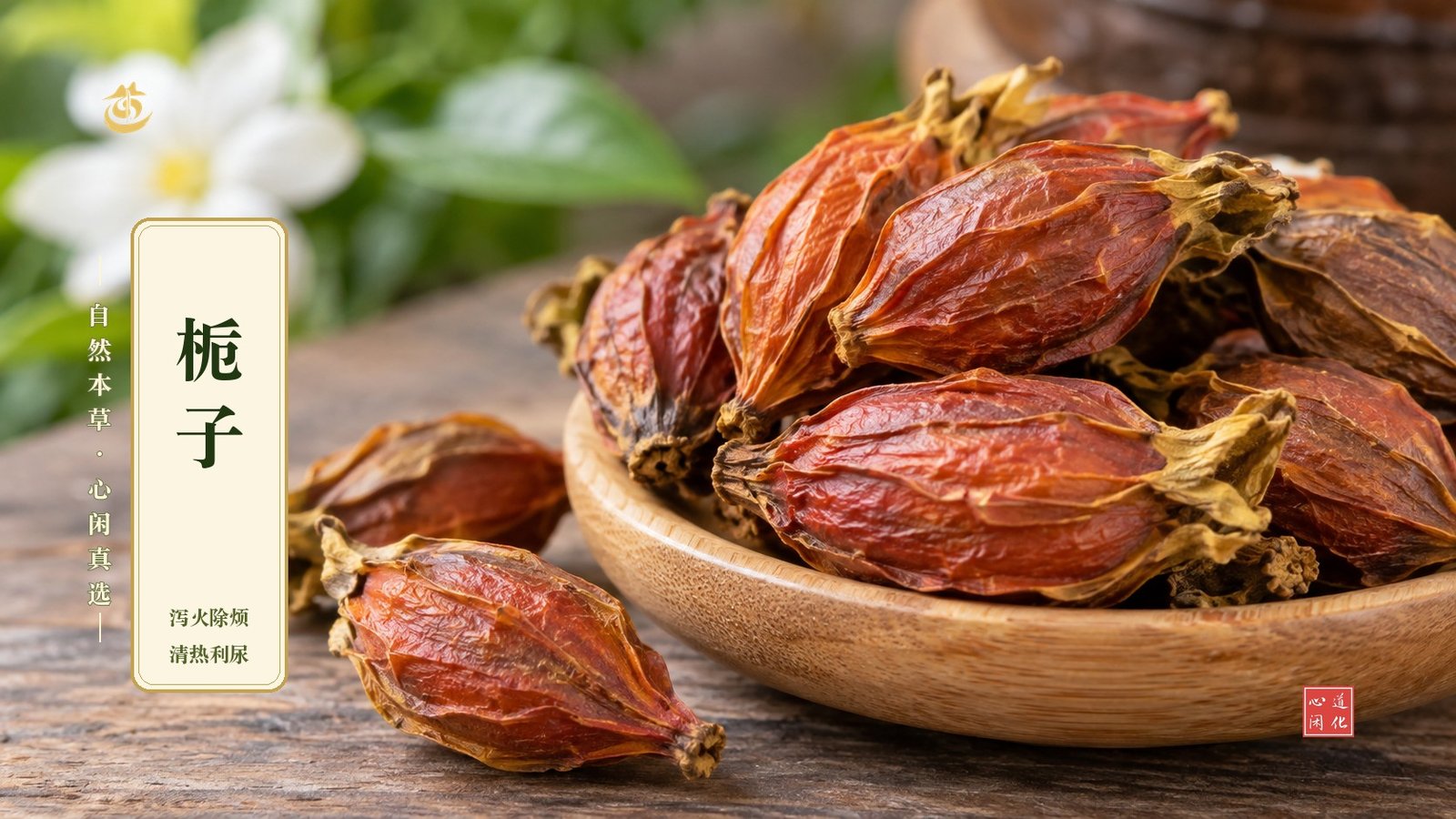
栀子
内容摘要
清热解毒与利湿
身份与部位
茜草科植物栀子 Gardenia jasminoides Ellis的干燥成熟果实。
道地产地
江栀子:以江西新建、丰城、万载、吉安、金溪、宜春为核心及其周边地区。〔P01 PDF第601页〕
性味
苦;寒
归经
心、肺、三焦
传统功效
泻火除烦,清热利尿,凉血解毒
传统主治
热病心烦,黄疸尿赤,血淋涩痛,血热吐衄,目赤肿痛,火毒疮疡;外治扭挫伤痛
主要配伍
配淡豆豉见栀子豉汤,医用。药用组合须辨证使用,不作为家庭处方。
本草纲目
卷36 巵子:心烦、胃热、黄病、小便不利及泻三焦火等传统主治。
食养特点
传统清热除烦、利湿,不作每天清火饮
食用方法与家庭制作
食品着色只用合规产品;不自行长期浓泡
安全与使用边界
苦寒可致胃肠不适,不能用来替代黄疸病因检查
官方目录依据
卫法监发〔2002〕51号;用途及身份限定依原公告。
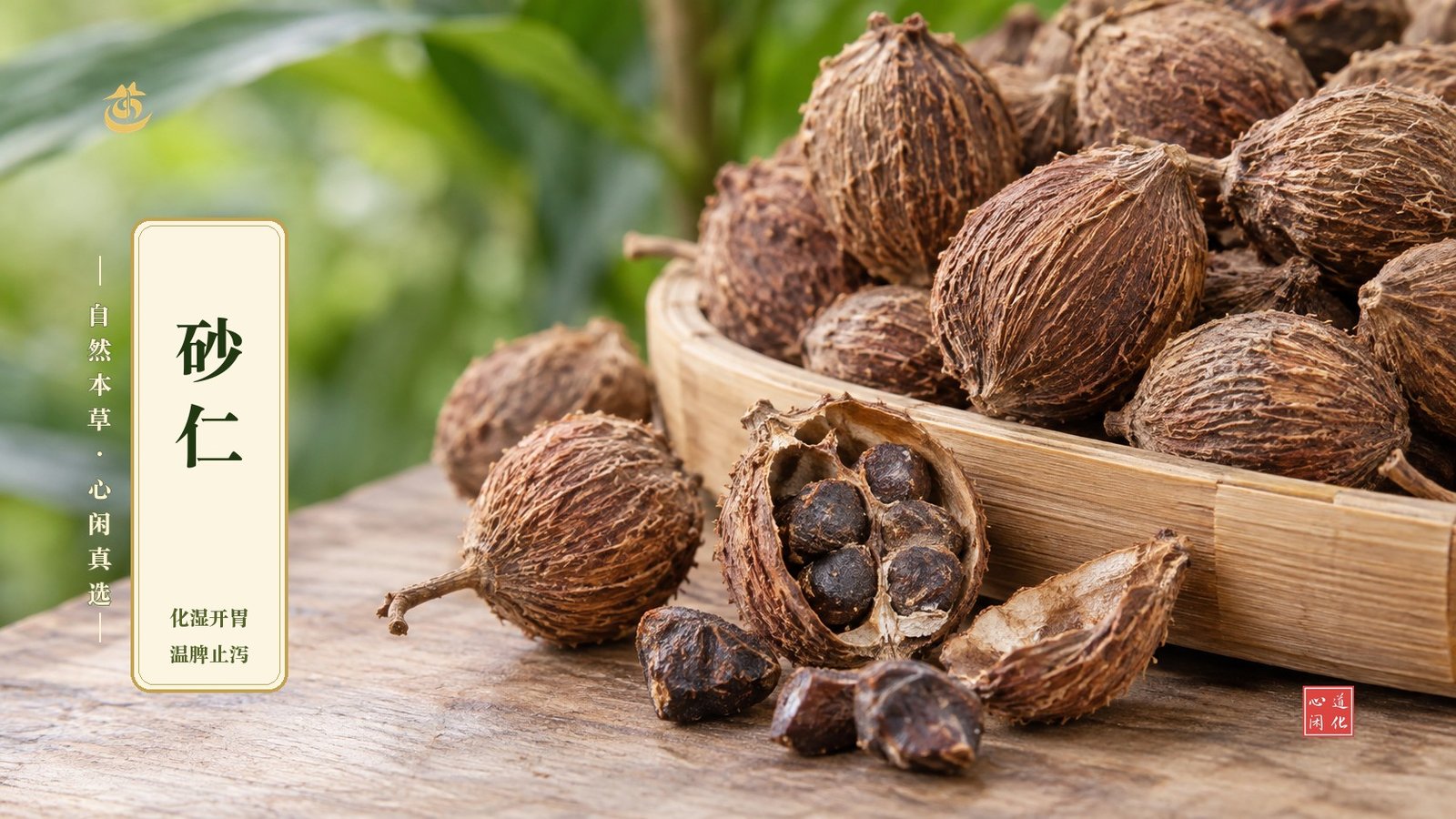
砂仁
内容摘要
消食理气与和胃
身份与部位
姜科植物阳春砂 Amomum villosum Lour. 、绿壳砂 Amomum villosum Lour. var. xanthioides T. L. Wu et Senjen 或海南砂 Amomum longiligulare T. L. Wu 的干燥成熟果实。
道地产地
阳春砂:以广东省阳春市为中心辐射至周边新兴、高州、信宜地区,核心区域为沿云雾山脉、天露山脉延伸的山地丘陵500m以下的林下山涧、山窝或缓坡地带。〔P01 PDF第818页〕
性味
辛;温
归经
脾、胃、肾
传统功效
化湿开胃,温脾止泻,理气安胎
传统主治
湿浊中阻,脘痞不饥,脾胃虚寒,呕吐泄泻,妊娠恶阻,胎动不安
主要配伍
配山药等属健脾化湿思路。药用组合须辨证使用,不作为家庭处方。
本草纲目
卷14 縮砂蔤 仁:温中、消食、行气止痛、和中安胎等古说;安胎不等于孕妇可自行用药。
食养特点
传统化湿醒脾,芳香调味
食用方法与家庭制作
炖汤临近出锅时加入捣裂砂仁,短煮,量需按食谱
安全与使用边界
安胎古说不等于孕妇可自用;不同砂仁基原须核
官方目录依据
卫法监发〔2002〕51号;用途及身份限定依原公告。
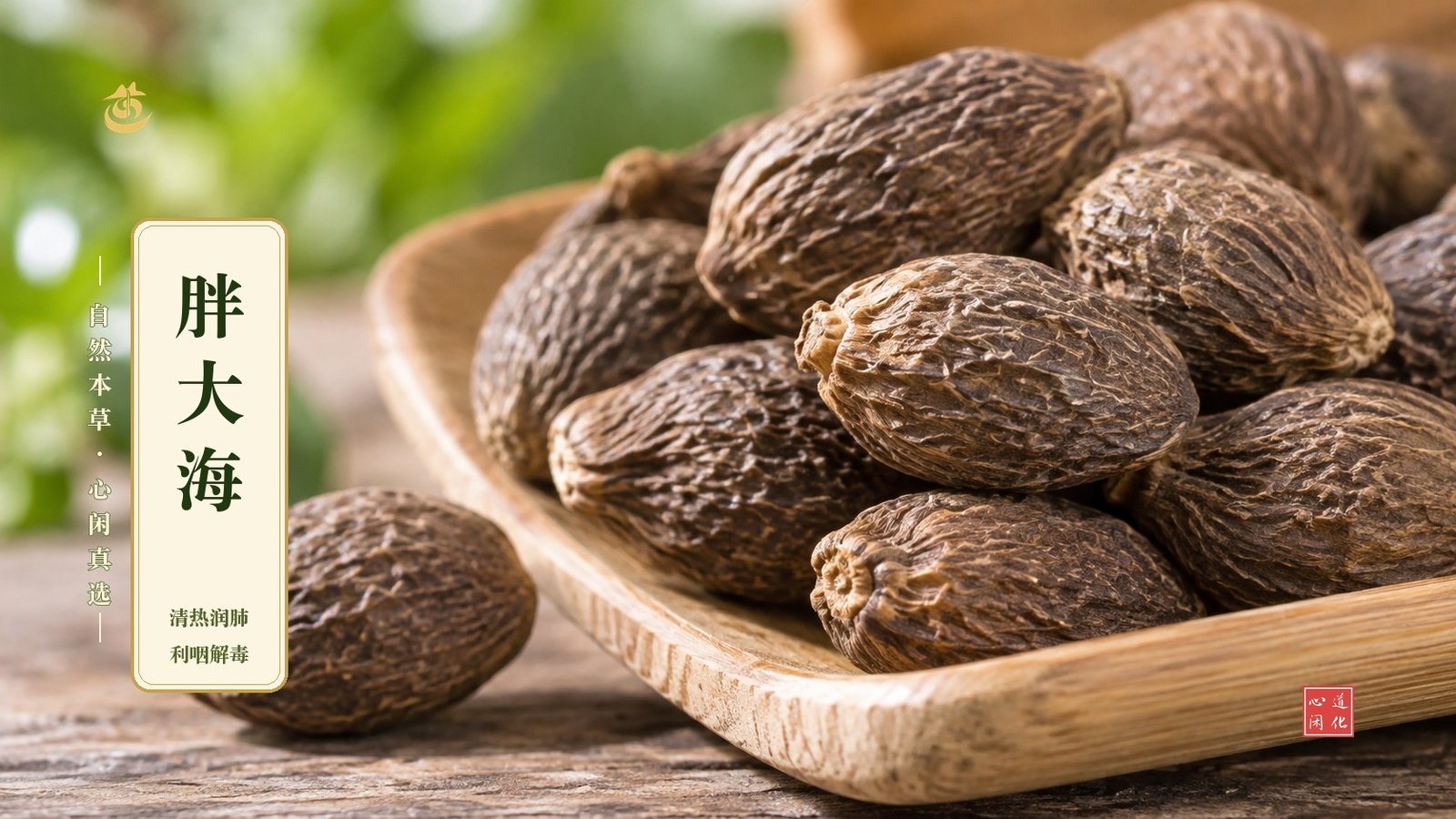
胖大海
内容摘要
宣肺化痰与利咽
身份与部位
梧桐科植物胖大海 Sterculia lychnophora Hance 的干燥成熟种子。
主要产区
主产越南、泰国、印度尼西亚、马来西亚等地。普通产区不直接等同于道地产区。
性味
甘;寒
归经
肺、大肠
传统功效
清热润肺,利咽解毒,润肠通便
传统主治
肺热声哑,干咳无痰,咽喉干痛,热结便秘,头痛目赤
主要配伍
与麦冬、甘草为利咽医用思路。药用组合须辨证使用,不作为家庭处方。
食养特点
传统清肺利咽、润肠;只适合特定热证
食用方法与家庭制作
合规种子冲泡可膨胀;单味枚数与疗程由专业人员核定
安全与使用边界
不长期当水喝;慢性声音嘶哑须就诊,腹泻及过敏者慎
官方目录依据
卫法监发〔2002〕51号;用途及身份限定依原公告。
茯苓
内容摘要
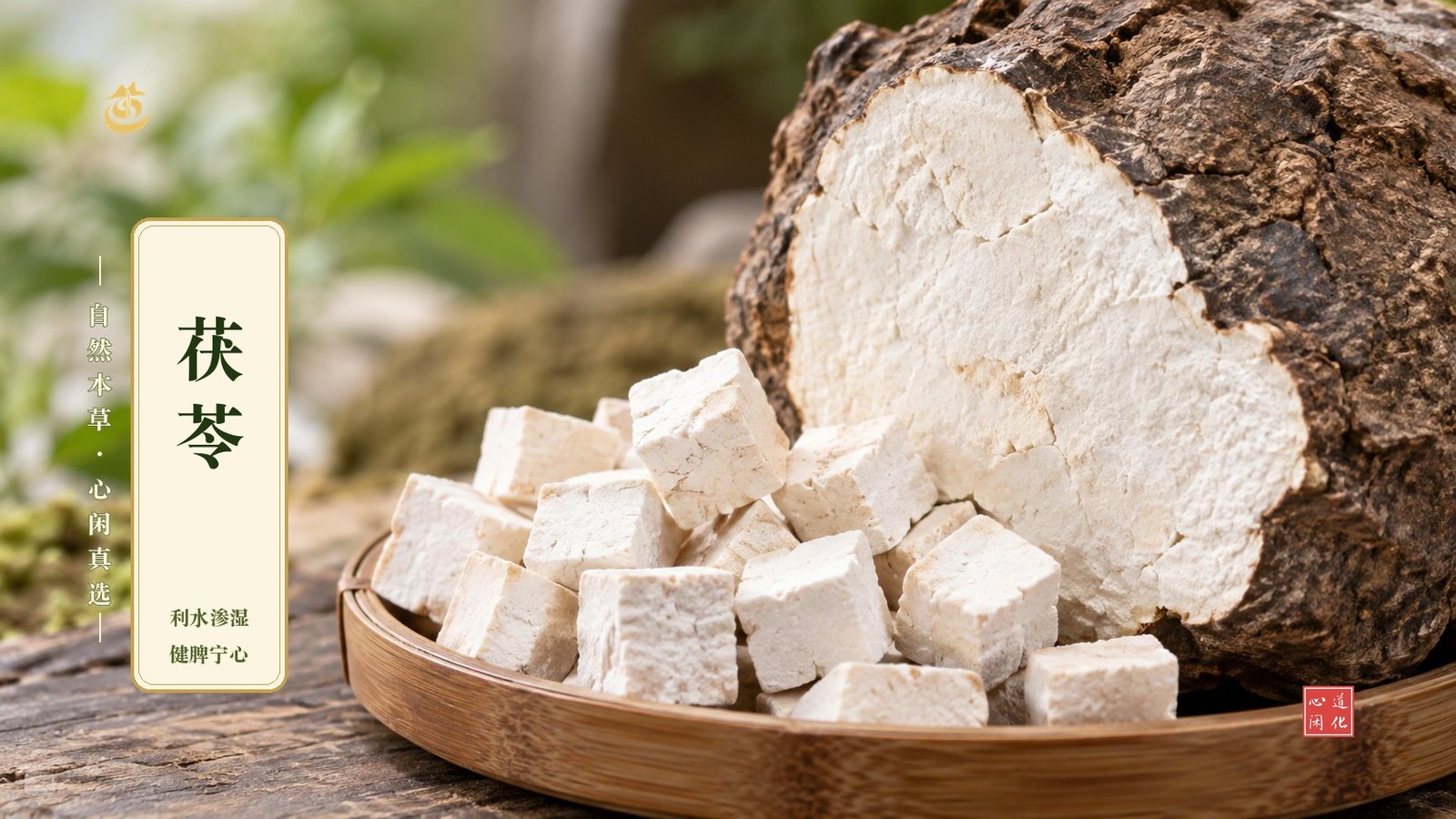
补气健脾与固摄
身份与部位
多孔菌科真菌茯苓 Poria cocos (Schw.) Wolf的干燥菌核。
道地产地
安苓:产于安徽省大别山区(岳西、金寨、霍山、潜山等地区)。〔P01 PDF第792页〕 云苓:云南楚雄、普洱、临沧、大理、丽江、迪庆及其周边区域。〔P01 PDF第1019页〕
性味
甘、淡;平
归经
心、脾、肺、肾
传统功效
利水渗湿,健脾宁心
传统主治
水肿尿少,痰饮眩悸,脾虚食少,便溏泄泻,心神不安,惊悸失眠
主要配伍
配山药、薏苡仁为食养;配白术属健脾方。药用组合须辨证使用,不作为家庭处方。
本草纲目
卷37 茯苓:利小便、去痰水、安心神、和中益气;茯神、茯苓皮等不同部位另记。
食养特点
传统健脾渗湿、宁心
食用方法与家庭制作
合规茯苓粉熟制入米糕或粥;块状须煮,非直接冲泡
安全与使用边界
茯苓、茯神、土茯苓分开;不以利水说替代肾病治疗
官方目录依据
卫法监发〔2002〕51号;用途及身份限定依原公告。
香橼
内容摘要
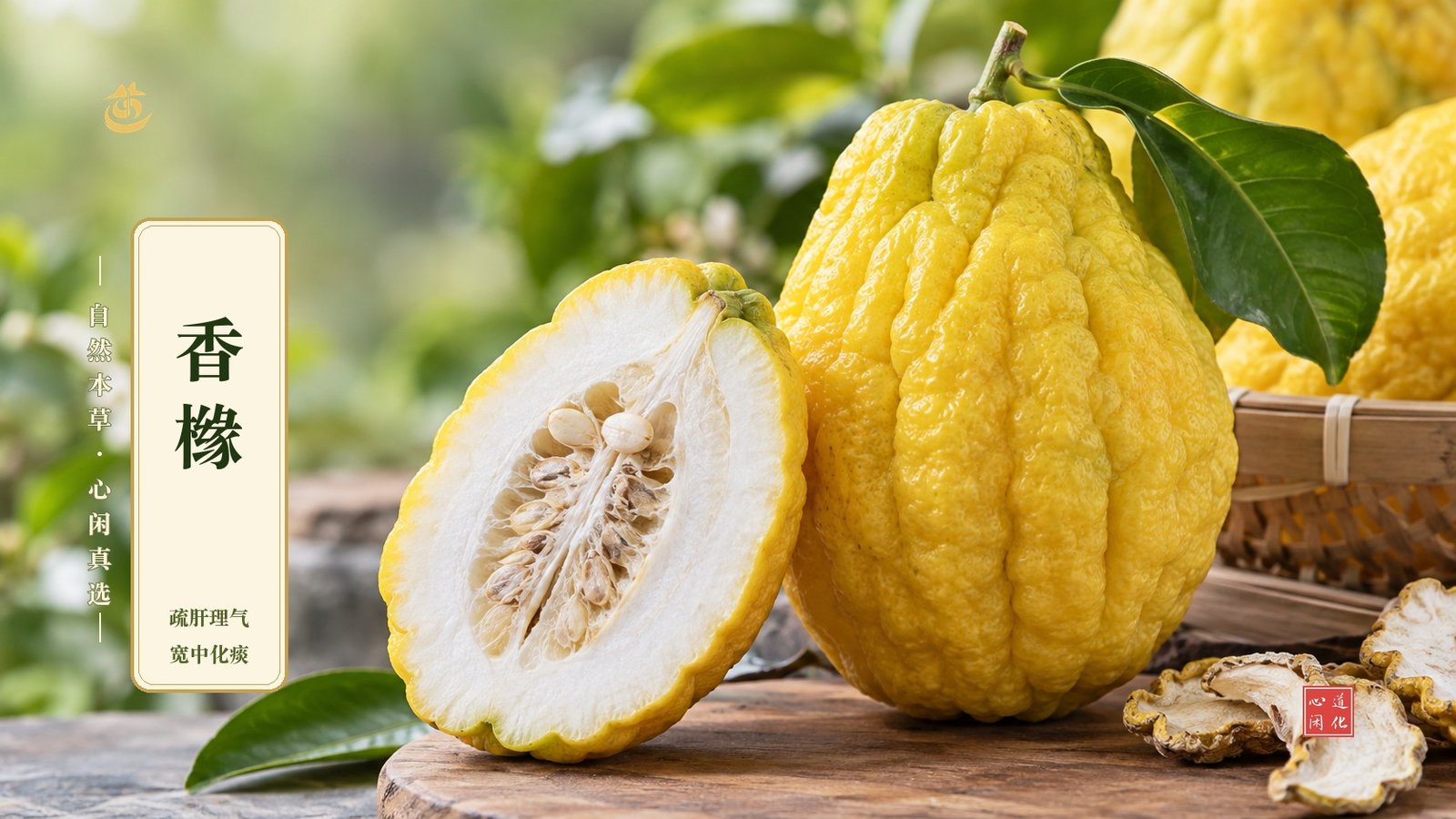
消食理气与和胃
身份与部位
芸香科植物枸橼 Citrus medica L.的干燥成熟果实。
主要产区
主产四川、福建、云南等地。普通产区不直接等同于道地产区。
性味
辛、苦、酸,温。
传统功效
疏肝理气,宽中化痰。用于胸腹满闷;胁肋胀痛;咳嗽痰多
主要配伍
可与橘皮配作理气化痰思路。药用组合须辨证使用,不作为家庭处方。
本草纲目
卷30 枸櫞:下气、除心头痰水、治痰气咳嗽及心下气痛;与佛手的品类关系保留考证说明。
食养特点
传统疏肝理气、宽中化痰
食用方法与家庭制作
合规果片可入汤,芳香物不宜久熬
安全与使用边界
香橼与佛手各自独立项目,不能因同属合并
官方目录依据
卫法监发〔2002〕51号;用途及身份限定依原公告。
香薷
内容摘要
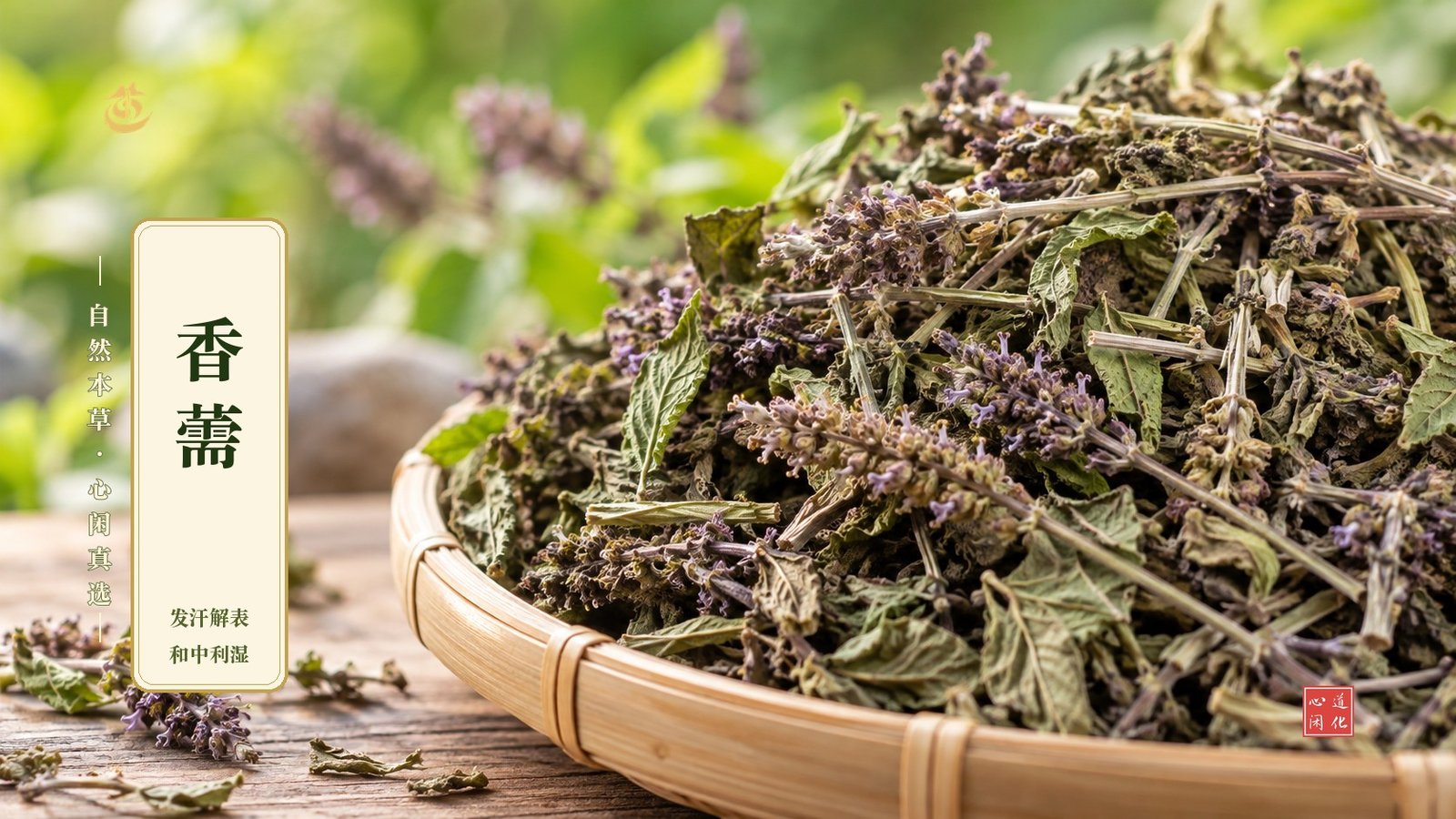
解表疏风与消暑
身份与部位
唇形科植物石香薷 Mosla chinensis Maxim.以及香薷变种江香薷 Mosla chinensis ‘Jiangxiangru’的干燥地上部分。
道地产地
江香薷:江西省新余市分宜县为核心及周边地区。〔P01 PDF第592页〕
性味
辛;微温
归经
肺、胃
传统功效
发汗解表,和中利湿
传统主治
暑湿感冒,恶寒发热,头痛无汗,腹痛吐泻,小便不利
主要配伍
配白扁豆、厚朴见香薷散,医用。药用组合须辨证使用,不作为家庭处方。
本草纲目
卷14 香薷:霍乱腹痛吐下、散水肿、调中温胃,记夏月煮饮;不据此给所有人常年清暑。
食养特点
传统解表化湿,偏暑月感寒
食用方法与家庭制作
不作为炎热时人人常喝的解暑茶;煎饮量由专业人员核定
安全与使用边界
中暑须降温和就医,香薷不是急救措施
官方目录依据
卫法监发〔2002〕51号;用途及身份限定依原公告。
桃仁
内容摘要
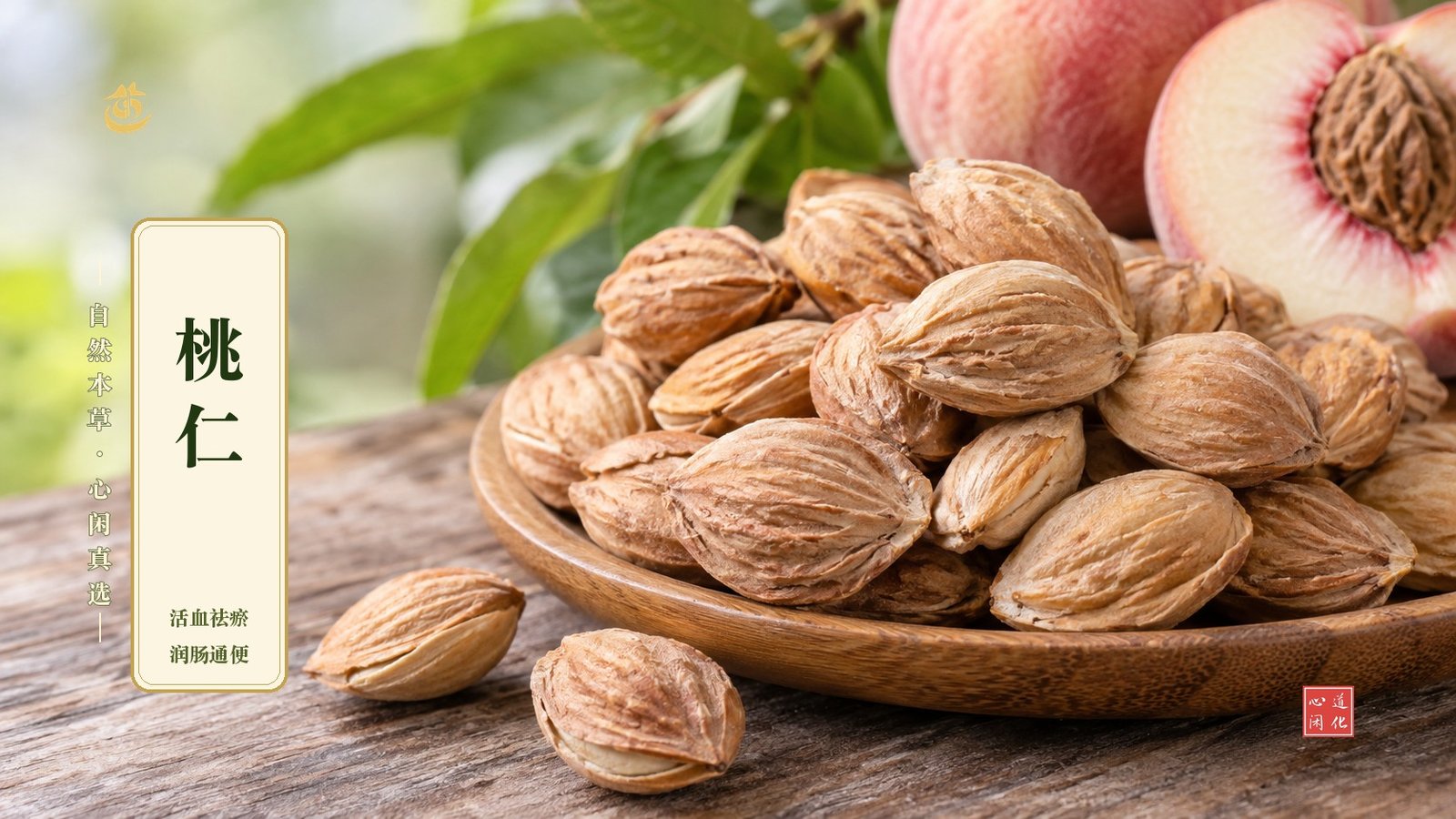
凉血止血与活血
身份与部位
蔷薇科植物桃 Prunus persica (L.) Batsch或山桃 Prunus davidiana (Carr.) Franch.的干燥成熟种子。
主要产区
主产北京、河北、陕西等地。普通产区不直接等同于道地产区。
性味
甘、苦;平
归经
肝、心、大肠
传统功效
活血祛瘀,润肠通便
传统主治
经闭,痛经,症瘕痞块,跌扑损伤,肠燥便秘
主要配伍
与桂枝、茯苓等见桂枝茯苓丸,属医方。药用组合须辨证使用,不作为家庭处方。
神农本草经
孙星衍辑本电子转录,桃核仁条:条文摘录“味苦,平。主症血、血閉、瘕邪,殺小虫。”;按古代语境理解,轻身、不老等并非现代疗效证据。
本草纲目
卷29 桃 核仁:瘀血血闭、通月水、润燥通便;桃果与桃花功效不得移用。
食养特点
传统活血、润肠,不作滋补坚果
食用方法与家庭制作
不提供生桃核家制或通用代茶饮方案
安全与使用边界
氰苷风险;孕妇、出血及抗凝用药人群先咨询
官方目录依据
卫法监发〔2002〕51号;用途及身份限定依原公告。
桑叶
内容摘要
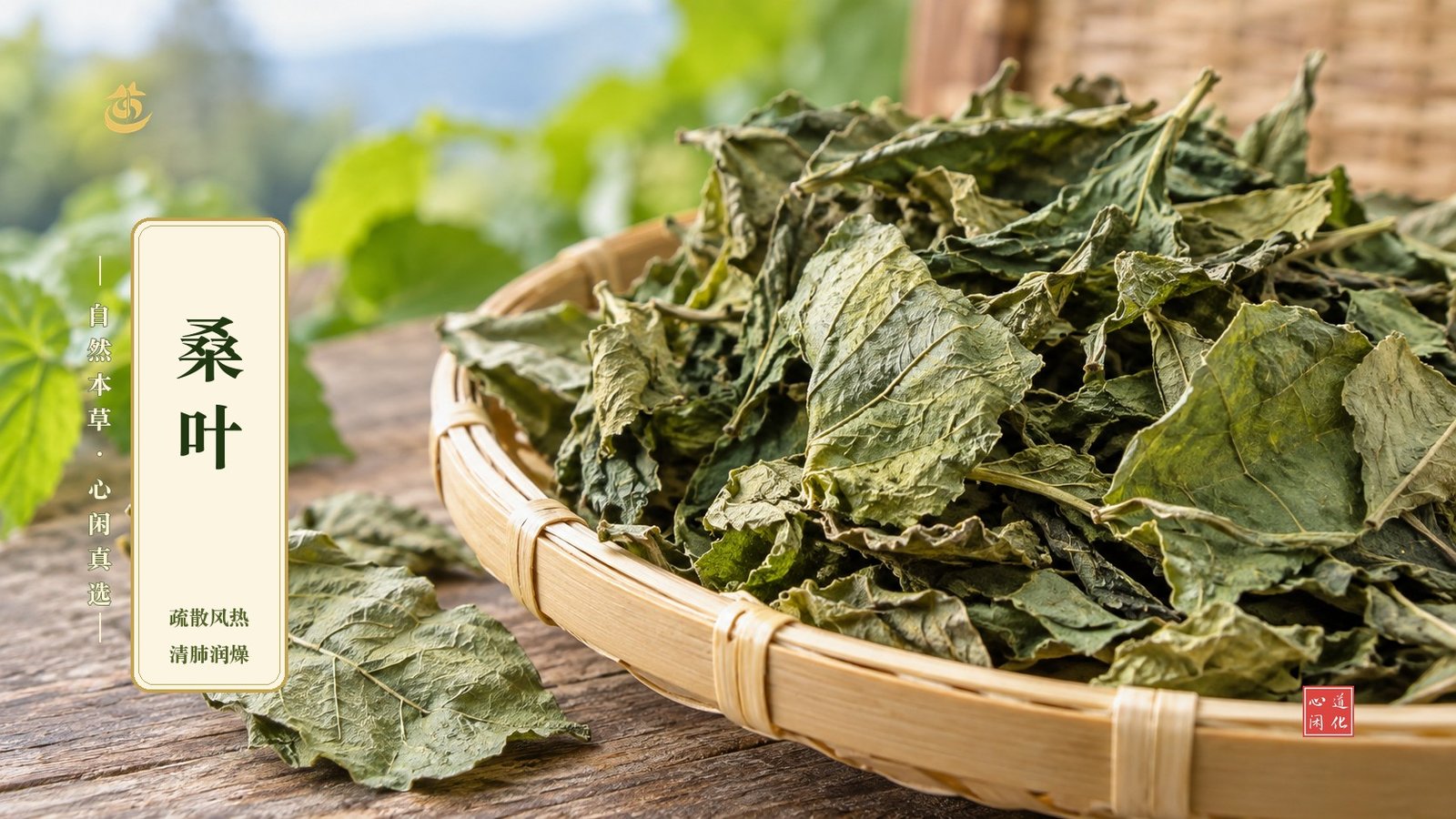
解表疏风与消暑
身份与部位
桑科植物桑 Morus alba L.的干燥叶。
主要产区
主产江苏、浙江、安徽、四川等地。普通产区不直接等同于道地产区。
性味
甘、苦;寒
归经
肝、肺
传统功效
疏散风热,清肺润燥,清肝明目
传统主治
风热感冒,肺热燥咳,头晕头痛,目赤昏花
主要配伍
配菊花属疏风清肺思路;桑菊饮是医方。药用组合须辨证使用,不作为家庭处方。
本草纲目
卷36 桑 叶:除寒热、煎饮利五脏、治劳热咳嗽及明目等;不套桑白皮的泻肺段。
食养特点
传统疏风清肺、明目,不标降糖疗效
食用方法与家庭制作
合规食品级叶冲泡或短煮;具体量须用完整食谱
安全与使用边界
与桑椹功能不同,脾胃虚寒便溏者慎
官方目录依据
卫法监发〔2002〕51号;用途及身份限定依原公告。
桑椹
内容摘要
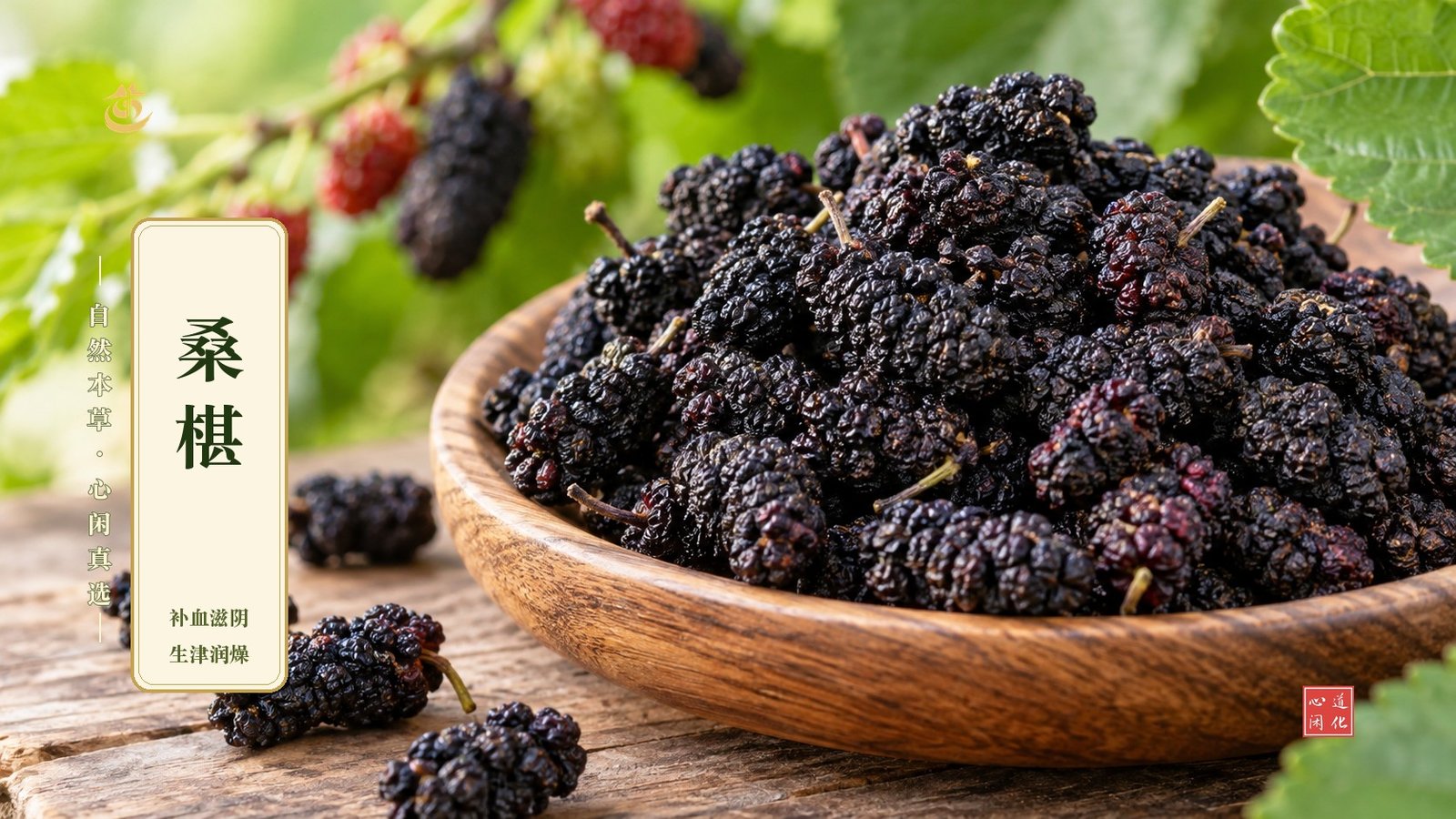
养阴润肺与生津
身份与部位
桑科植物桑 Morus alba L.的干燥果穗。
主要产区
主产浙江、江苏、安徽、新疆等地。普通产区不直接等同于道地产区。
性味
甘、酸;寒
归经
肝、心、肾
传统功效
补血滋阴,生津润燥
传统主治
眩晕耳鸣,心悸失眠,须发早白,津伤口渴,内热消渴,血虚便秘
主要配伍
与黑芝麻为滋养食物搭配。药用组合须辨证使用,不作为家庭处方。
本草纲目
卷36 桑 椹:止消渴、利五脏、安魂等传统记载;不套桑根白皮的利水主治。
食养特点
传统滋阴补血、生津润燥
食用方法与家庭制作
成熟鲜果洗净食用,或少糖煮粥;不自行酿酒保健
安全与使用边界
糖分计入;脾胃虚寒、易腹泻者慎
官方目录依据
卫法监发〔2002〕51号;用途及身份限定依原公告。
桔红
内容摘要
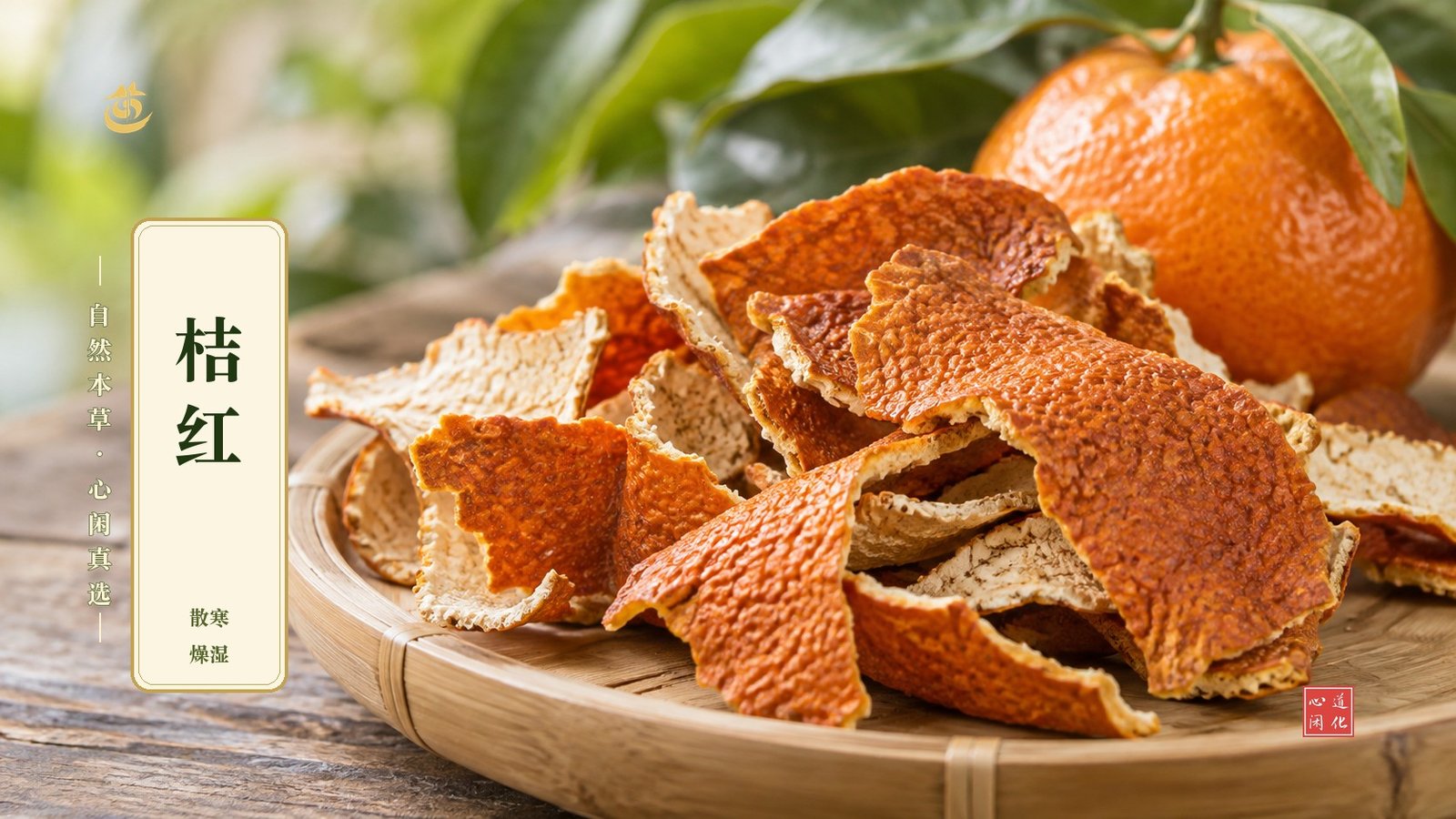
消食理气与和胃
身份与部位
芸香科植物橘 Citrus reticulata Blanco 及其栽培变种的干燥外层果皮
性味
辛、苦;温
归经
肺、脾
传统功效
散寒,燥湿,利气,消痰
传统主治
风寒咳嗽,喉痒痰多,食积伤酒,呕恶痞闷
主要配伍
与茯苓、半夏等为化痰医用思路。药用组合须辨证使用,不作为家庭处方。
本草纲目
卷30 橘 黄橘皮 橘红:行气消痰等传统认识;去白留红的橘红与化橘红不是同项。
食养特点
传统理气燥湿化痰
食用方法与家庭制作
合规橘红果皮作少量汤料
安全与使用边界
保留目录“桔红”;不与化橘红混同;阴虚燥咳慎
官方目录依据
卫法监发〔2002〕51号;用途及身份限定依原公告。
桔梗
内容摘要
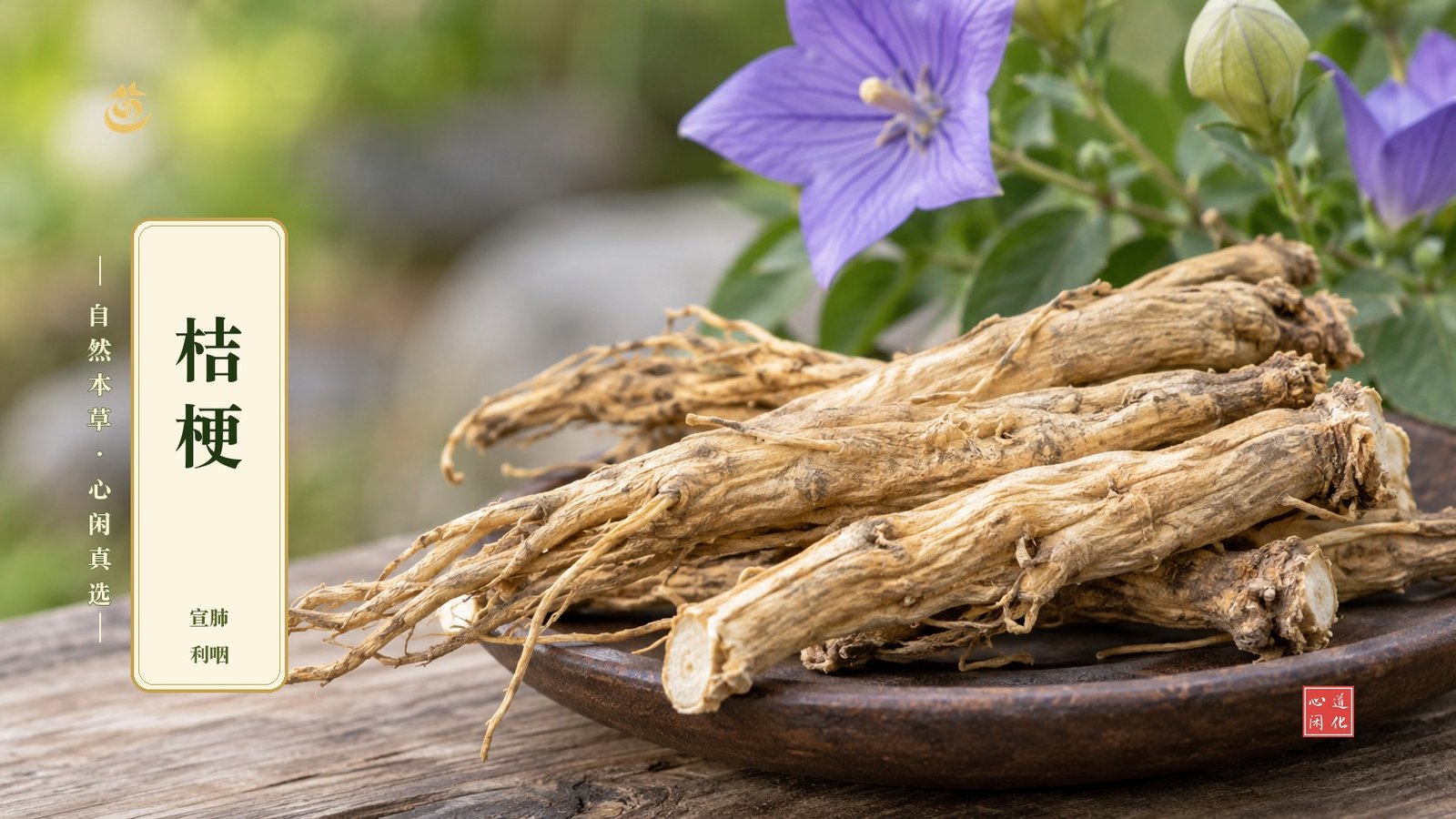
宣肺化痰与利咽
身份与部位
桔梗科植物桔梗 Platycodon grandiflorum (Jacq.) A. DC.的干燥根。
主要产区
主产华北、东北等地。普通产区不直接等同于道地产区。
性味
辛、苦;平
归经
肺
传统功效
宣肺,利咽,祛痰,排脓
传统主治
咳嗽痰多,胸闷不畅,咽痛,音哑,肺痈吐脓,疮疡脓成不溃
主要配伍
配甘草见桔梗汤,属医方;不等同日常茶。药用组合须辨证使用,不作为家庭处方。
本草纲目
卷12上 桔梗 根:胸胁痛、咽喉痛、消痰、排脓及清利肺气的传统应用。
食养特点
传统宣肺利咽排脓,不是养阴药
食用方法与家庭制作
来源明确的食用品须熟制;药材茶量由专业人员定
安全与使用边界
不可凭“排脓”自行处理肺部感染;咽痛持续就医
官方目录依据
卫法监发〔2002〕51号;用途及身份限定依原公告。
益智仁
内容摘要
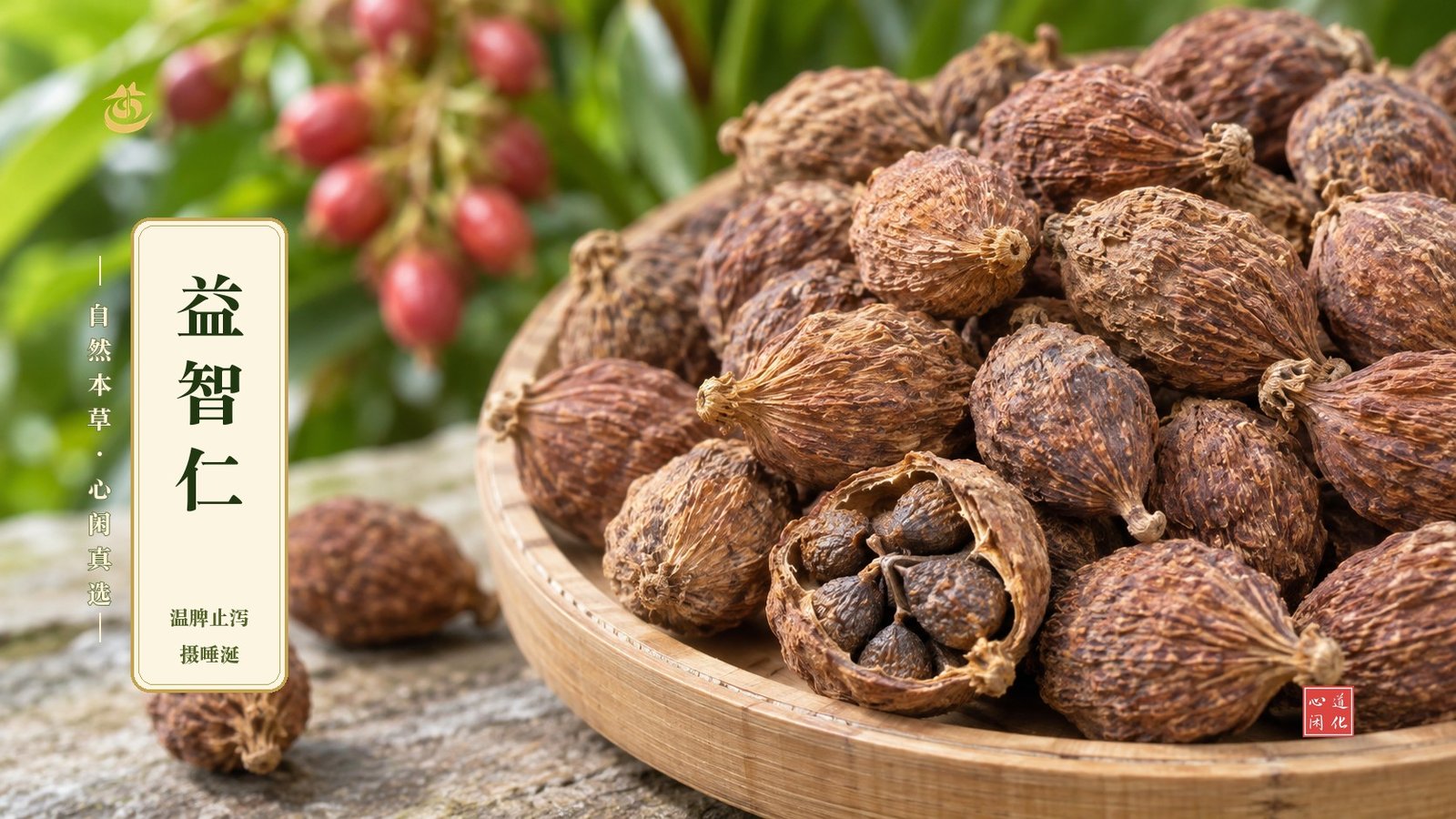
补气健脾与固摄
身份与部位
姜科植物益智 Alpinia oxyphylla Miq. 的干燥成熟果实。夏、秋间果实由绿变红时采收,晒干或低温干燥。
道地产地
广益智:主产于海南岛中南部地区(陵水、保亭、琼中等)、广东雷州及周边适宜地区。〔P01 PDF第869页〕
性味
辛;温
归经
脾、肾
传统功效
温脾止泻,摄唾涎,暖肾,固精缩尿
传统主治
脾胃虚寒,呕吐,泄泻,腹中冷痛,口多唾涎,肾虚遗尿,尿频,遗精,白浊
主要配伍
配乌药、山药见缩泉丸,医方。药用组合须辨证使用,不作为家庭处方。
本草纲目
卷14 益智子:暖脾、补肾、遗精、小便余沥及夜尿等古典认识。
食养特点
传统暖肾缩尿、温脾止泻
食用方法与家庭制作
使用合规食用果仁制作炖汤;不日日浓泡,不列通用添加量。
安全与使用边界
湿热淋证、发热尿痛不能按肾虚缩尿处理
官方目录依据
卫法监发〔2002〕51号;用途及身份限定依原公告。
荷叶
内容摘要
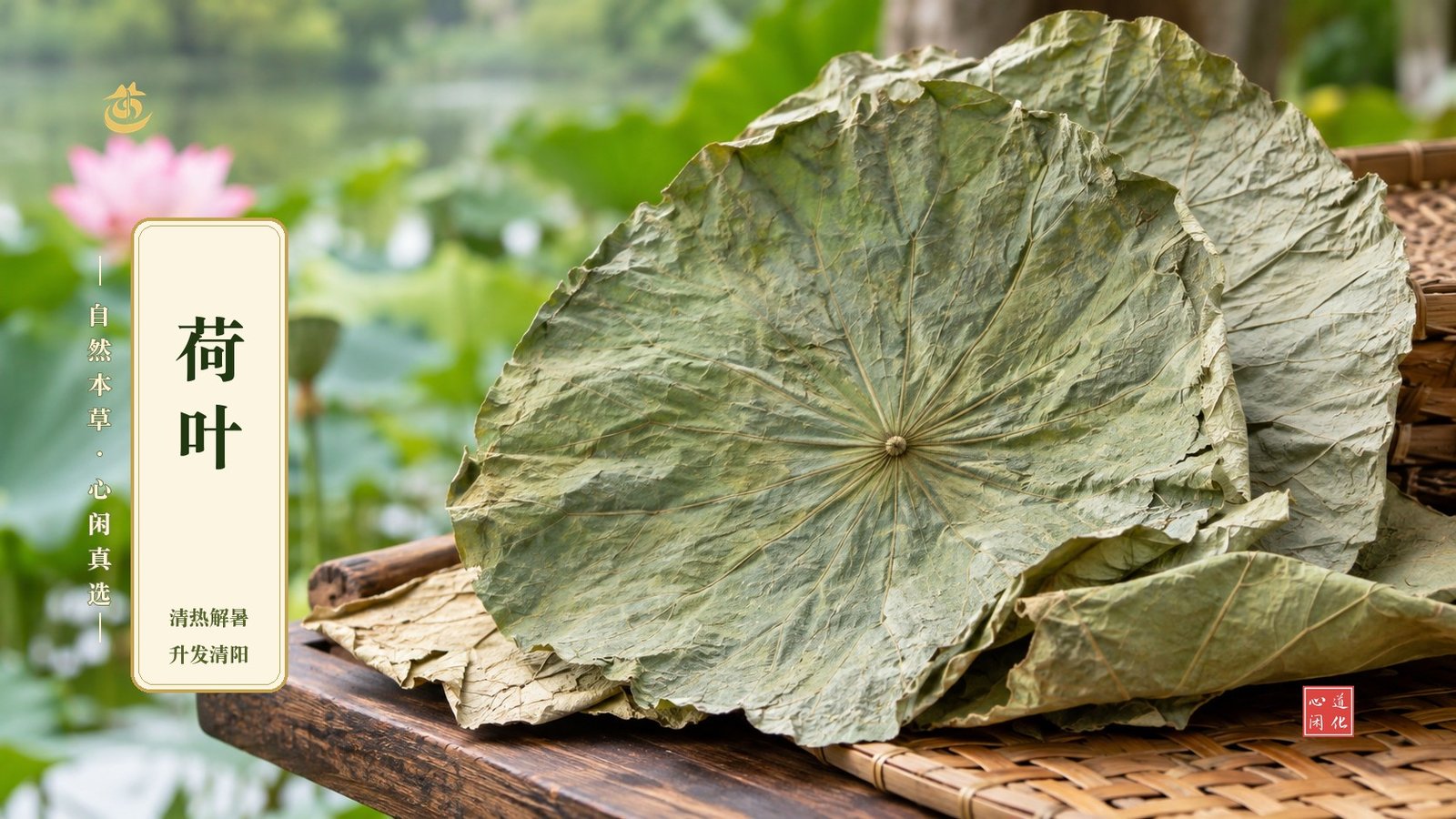
解表疏风与消暑
身份与部位
睡莲科植物莲 Nelumbo nucifera Gaertn.的干燥叶。
主要产区
主产福建、江苏、湖南、湖北等地。普通产区不直接等同于道地产区。
性味
苦;平
归经
肝、脾、胃
传统功效
清热解暑,升发清阳,凉血止血
传统主治
暑热烦渴,暑湿泄泻,脾虚泄泻,血热吐衄,便血崩漏
主要配伍
配山楂、橘皮见官方食养茶。药用组合须辨证使用,不作为家庭处方。
本草纲目
卷33 莲藕 荷叶:散瘀血、消暑、治暑热烦渴等;莲实、莲心与藕不移给荷叶。
食养特点
传统清暑、升清,芳香包蒸
食用方法与家庭制作
洗净荷叶包蒸饭,去叶吃饭;茶量见R03
安全与使用边界
不标减肥或降脂药效;荷叶与莲子心不同
官方目录依据
卫法监发〔2002〕51号;用途及身份限定依原公告。
莱菔子
内容摘要
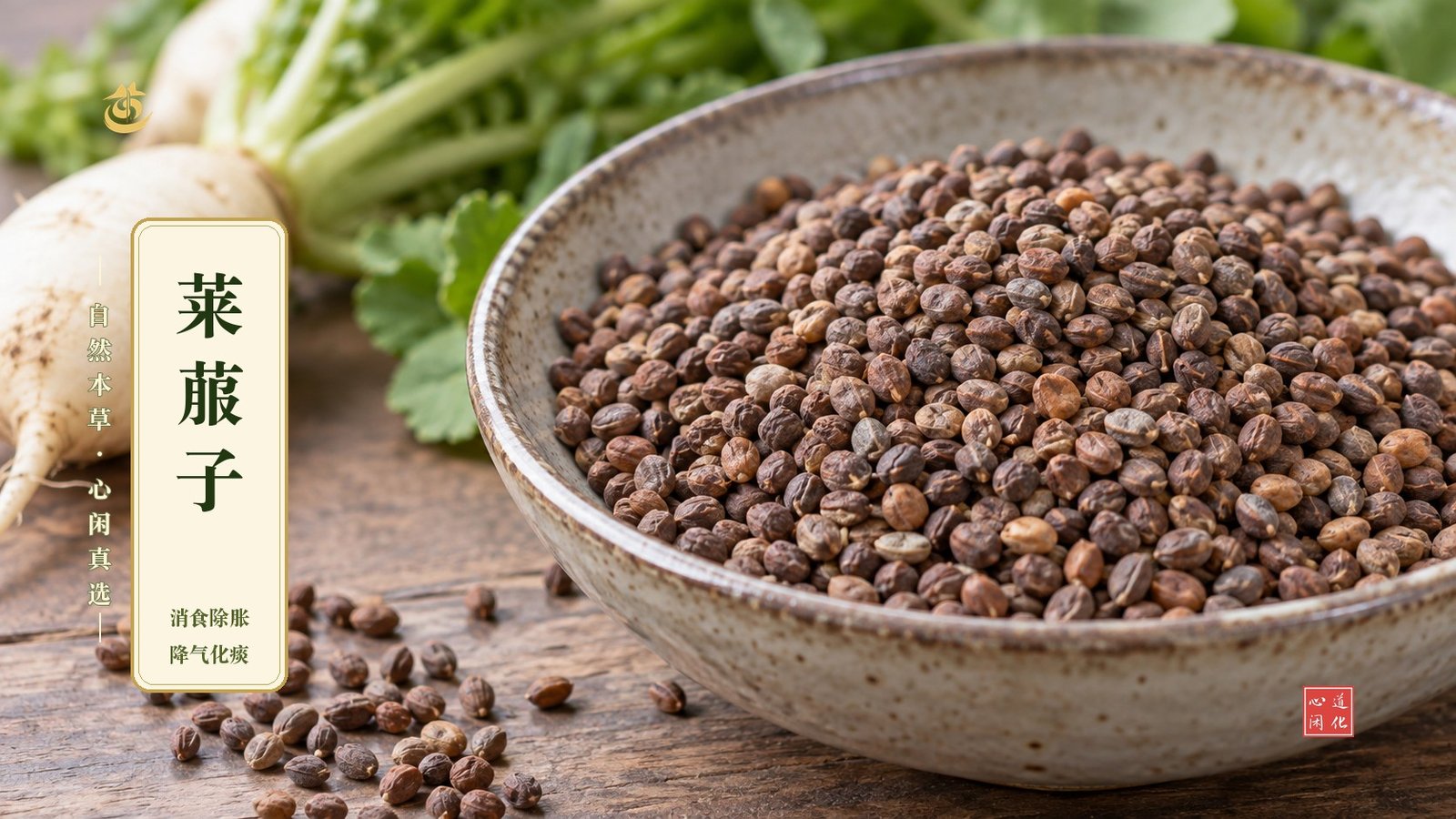
消食理气与和胃
身份与部位
十字花科植物萝卜 Raphanus sativus L.的干燥成熟种子。
主要产区
各地均产。普通产区不直接等同于道地产区。
性味
辛、甘;平
归经
脾、肺、胃
传统功效
消食除胀,降气化痰
传统主治
饮食停滞,脘腹胀痛,大便秘结,积滞泻痢,痰壅喘咳
主要配伍
配苏子、白芥子见三子养亲汤,属医方。药用组合须辨证使用,不作为家庭处方。
本草纲目
卷26 萊菔 子:下气定喘、消食除胀、治痰、利大小便;萝卜根的营养及功效另分。
食养特点
传统消食除胀、降气化痰
食用方法与家庭制作
不以生萝卜籽自泡或生吞;剂量与炒制需专业核定
安全与使用边界
不能以萝卜菜功效替代种子;配伍补气药需辨证
官方目录依据
卫法监发〔2002〕51号;用途及身份限定依原公告。
莲子
内容摘要
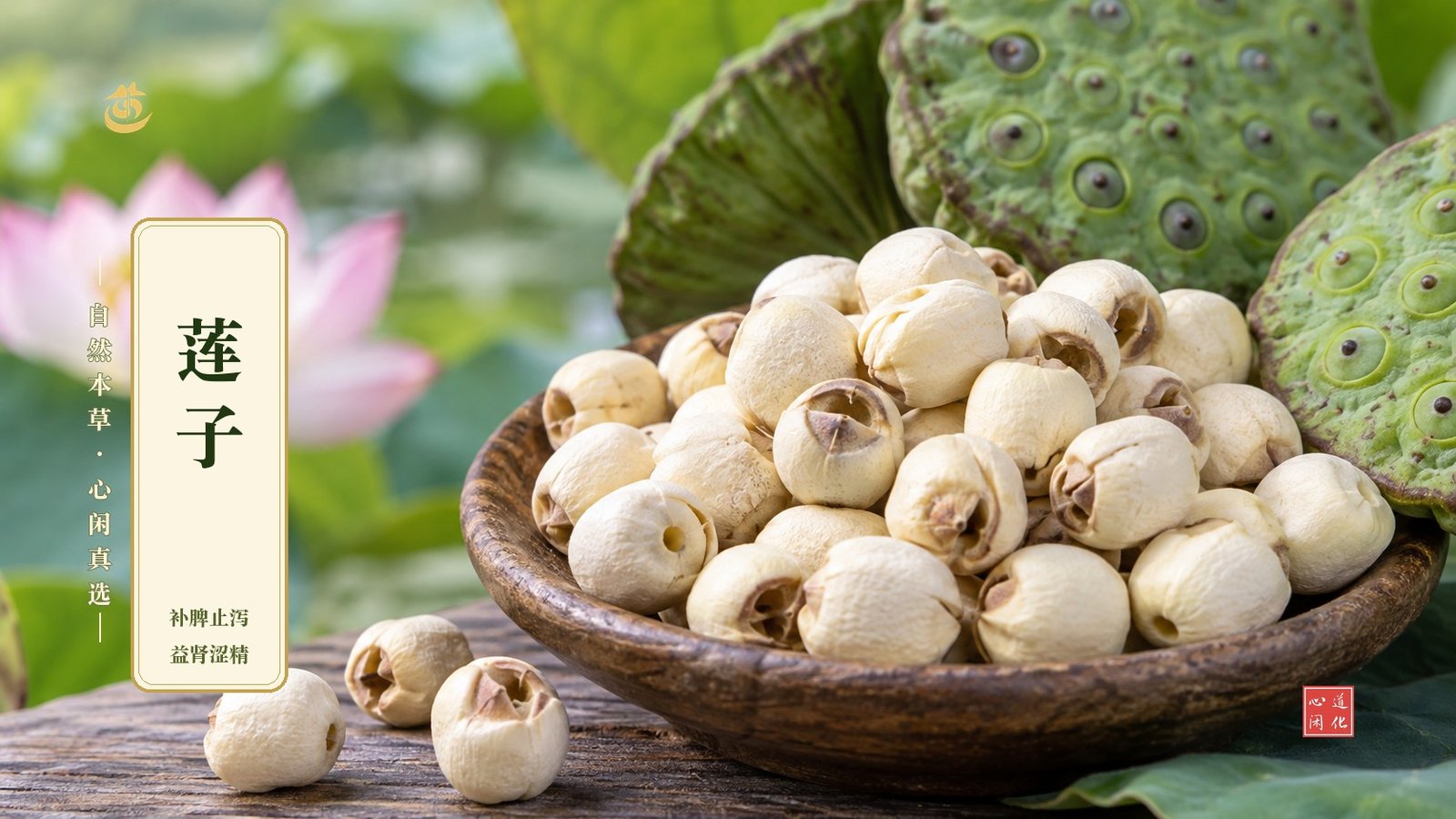
补气健脾与固摄
身份与部位
睡莲科植物莲 Nelumbo nucifera Gaertn. 的干燥成熟种子。除去莲心者称莲肉。
道地产地
建莲子:以福建省武夷山麓中段及武夷山南麓、闽西北山区盆地为中心,核心区域包括建宁县、南平市建阳区、建瓯县及其周边地区。〔P01 PDF第694页〕 湘莲子:以湖南省湘潭市为中心,核心区域包括湘江流域中下游的湘中低山丘陵小区等周边地区。〔P01 PDF第1196页〕
性味
甘、涩;平
归经
脾、肾、心
传统功效
补脾止泻,益肾涩精,养心安神
传统主治
脾虚久泻,遗精带下,心悸失眠
主要配伍
配百合、山药作粥。药用组合须辨证使用,不作为家庭处方。
神农本草经
孙星衍辑本电子转录,藕實莖条:条文摘录“味甘,平。主補中養神,益氣力,除百疾。”;按古代语境理解,轻身、不老等并非现代疗效证据。 古名及部位不能直接等同于现代目录基原。
本草纲目
卷33 莲藕 莲实:补中养神、益气、止渴及厚肠胃、固精等认识;莲心另段。
食养特点
传统补脾、益肾、养心
食用方法与家庭制作
去心莲仁泡软煮粥或炖汤;莲子心另有身份部位问题
安全与使用边界
不能把苦莲子心和食用莲仁等量替换;便秘者少用
官方目录依据
卫法监发〔2002〕51号;用途及身份限定依原公告。
高良姜
内容摘要
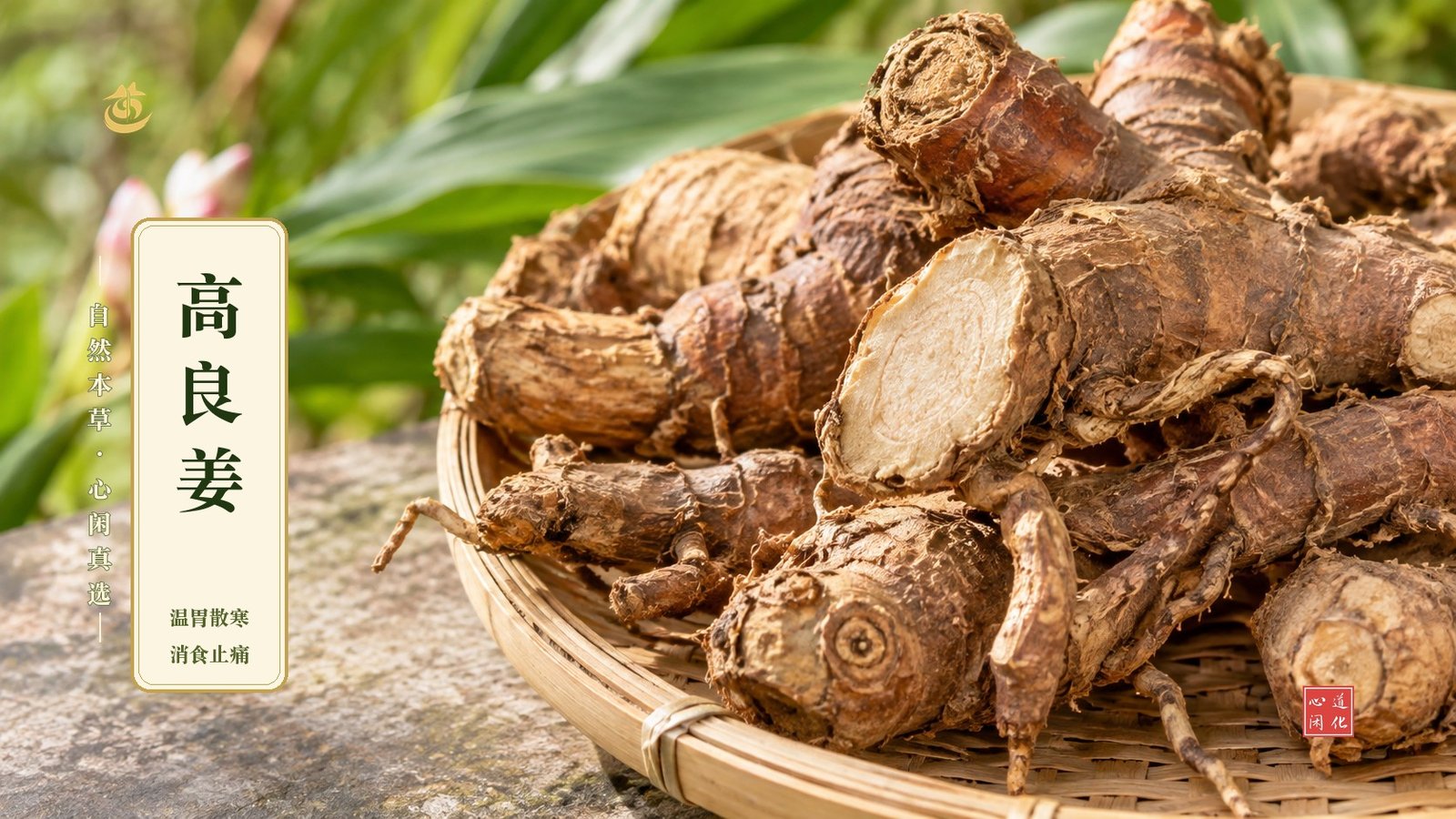
温中散寒与调味
身份与部位
姜科植物高良姜 Alpinia officinarum Oliv.的干燥根茎及根。
道地产地
高良姜:以广东雷州半岛的湛江、雷州、徐闻、遂溪为主及周边适宜生长的地区。〔P01 PDF第827页〕
性味
辛;热
归经
脾、胃
传统功效
温胃散寒,消食止痛
传统主治
脘腹冷痛,胃寒呕吐,嗳气吞酸
主要配伍
与香附见良附丸,属医方。药用组合须辨证使用,不作为家庭处方。
本草纲目
卷14 高良姜 根:胃中冷逆、温中止冷痛、反胃及消宿食;红豆蔻另段。
食养特点
传统温胃散寒,香辛调味
食用方法与家庭制作
合规根茎作炖菜香料,短时炖煮后滤除
安全与使用边界
温热较强,阴虚内热及胃肠刺激者慎
官方目录依据
卫法监发〔2002〕51号;用途及身份限定依原公告。
淡竹叶
内容摘要
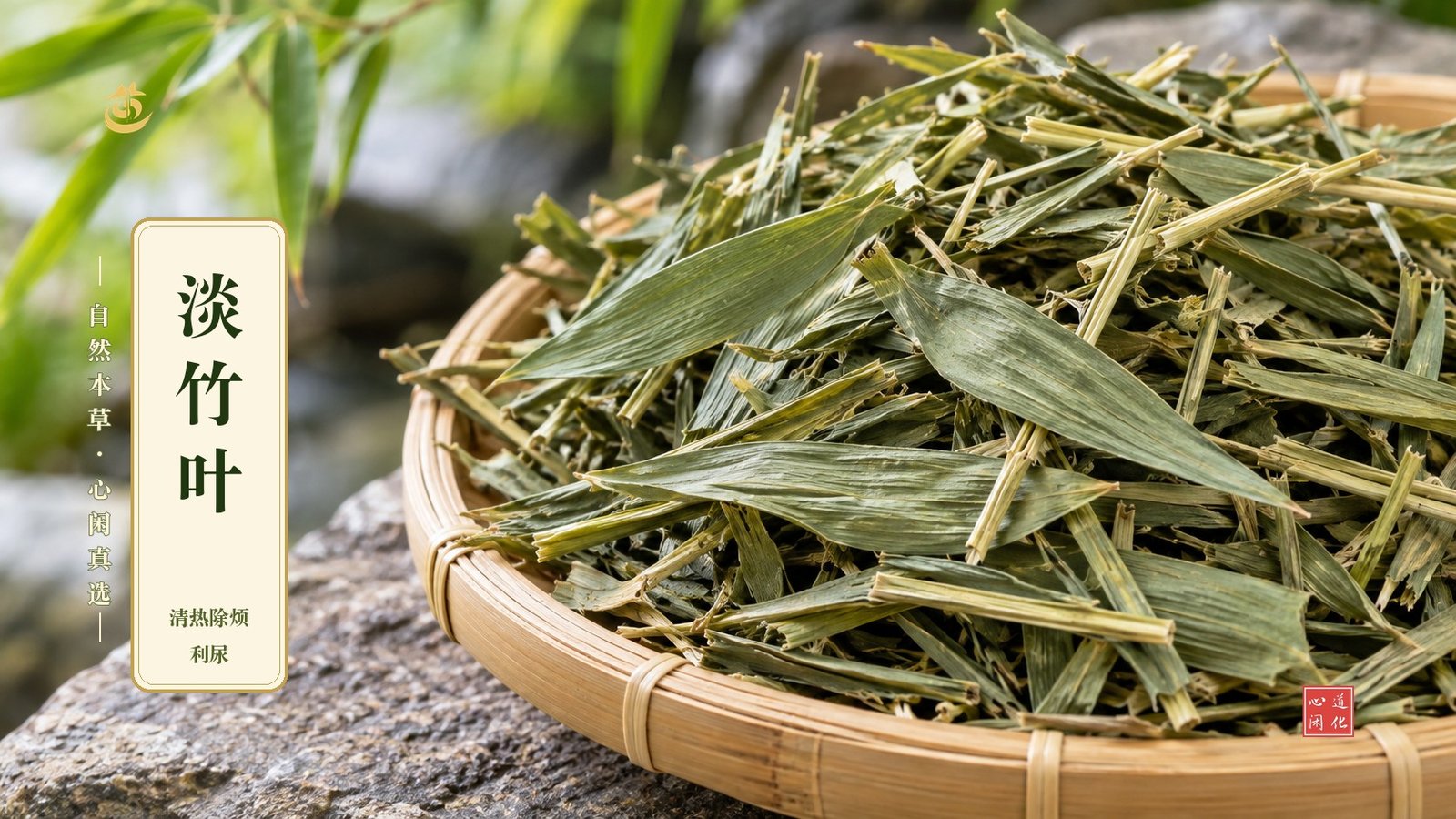
清热解毒与利湿
身份与部位
禾本科植物淡竹叶 Lophatherum gracile Brongn.的干燥茎叶。
主要产区
主产江苏、湖南、湖北等地。普通产区不直接等同于道地产区。
性味
甘、淡;寒
归经
心、胃、小肠
传统功效
清热除烦,利尿
传统主治
热病烦渴,小便赤涩淋痛,口舌生疮
本草纲目
卷16 淡竹葉 叶:去烦热、利小便、清心;根催生古说不归叶的家庭食养。
食养特点
传统清热除烦、利尿
食用方法与家庭制作
采用合规食品原料煮饮
安全与使用边界
草本淡竹叶与普通竹树叶不同;限液人群勿多饮
官方目录依据
卫法监发〔2002〕51号;用途及身份限定依原公告。
淡豆豉
内容摘要
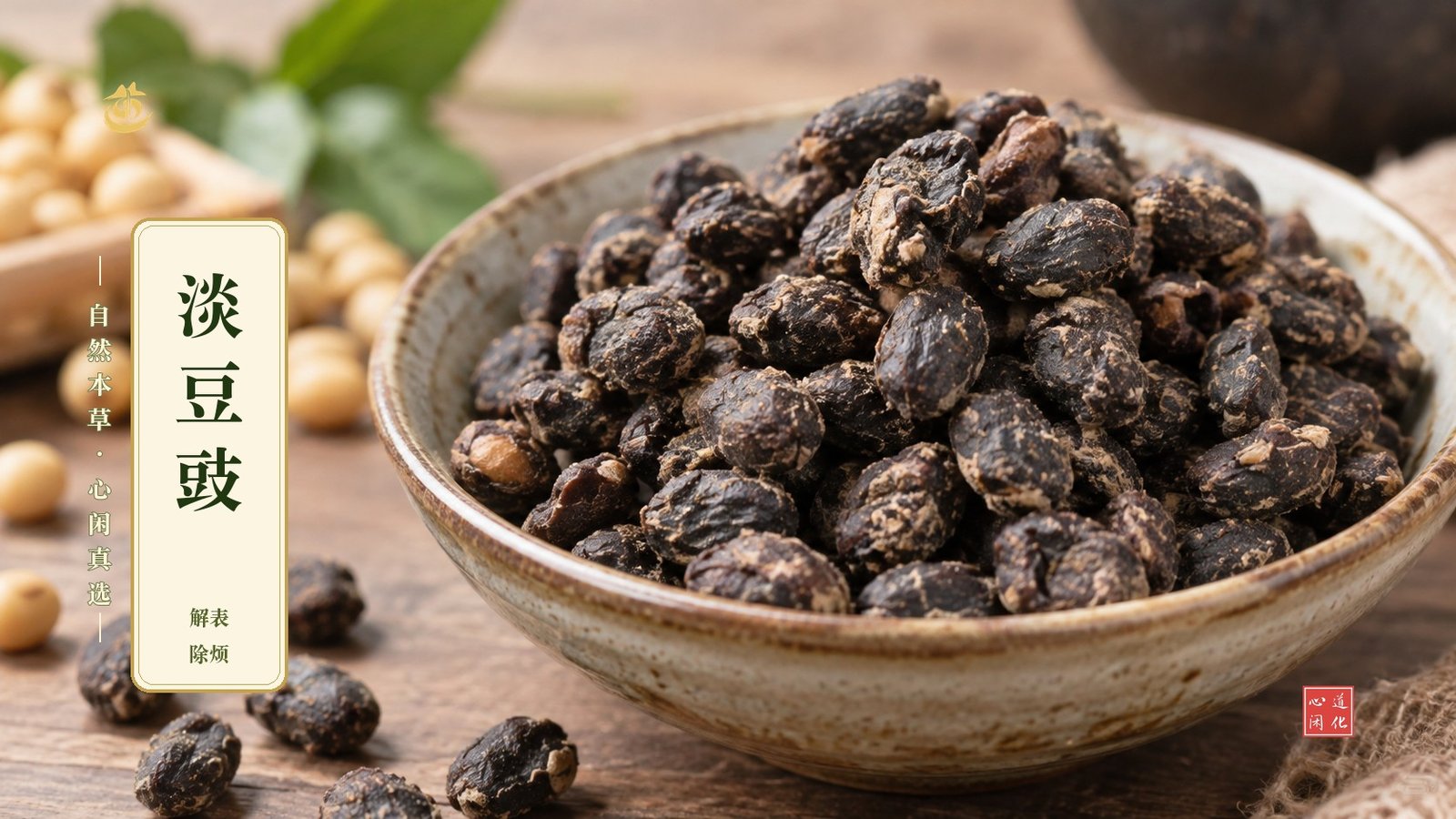
解表疏风与消暑
身份与部位
豆科植物大豆 Glycine max (L.) Merr.的成熟种子的发酵加工品。
主要产区
各地均产。普通产区不直接等同于道地产区。
性味
辛、苦;凉
归经
肺、胃
传统功效
解表,除烦,宣发郁热
传统主治
感冒、寒热头痛,烦燥胸闷,虚烦不眠
主要配伍
与栀子见栀子豉汤,医方。药用组合须辨证使用,不作为家庭处方。
本草纲目
卷25 大豆豉:伤寒头痛、寒热、烦躁满闷、发汗除烦;今药用淡豆豉与咸豆豉加工不同。
食养特点
传统解表除烦,发酵食品文化
食用方法与家庭制作
药用淡豆豉与盐豆豉区分;饮食用合规食品级产品
安全与使用边界
发酵需食品卫生,不建议自行按药材法发酵
官方目录依据
卫法监发〔2002〕51号;用途及身份限定依原公告。
菊花
内容摘要
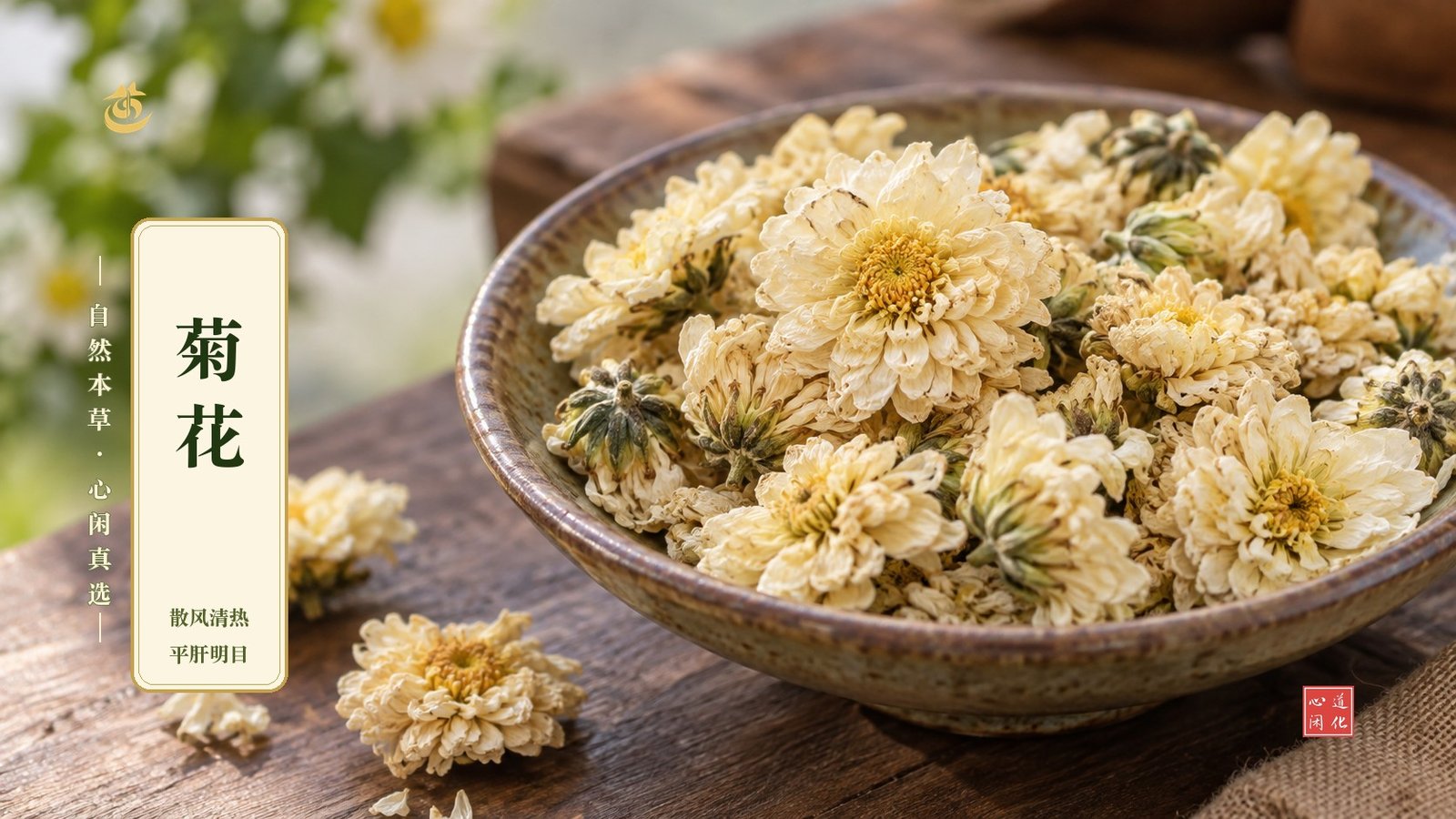
解表疏风与消暑
身份与部位
菊科植物菊 Chrysanthemum morifolium Ramat.的干燥头状花序。按产地和加工方法不同分为“杭菊”、“亳菊”、“贡菊”、“滁菊”。
道地产地
怀菊:以河南省焦作市(沁阳市、孟州市,温县、博爱县、武陟县、修武县)为核心产区,核心区域包括黄河中下游北畔等周边地区。〔P01 PDF第106页〕 杭白菊:以浙江省桐乡市为中心,核心区域包括杭嘉湖平原、金衢盆地等周边地区。〔P01 PDF第167页〕 亳菊:以安徽省亳州市为中心,核心区域包括涡河流域等周边地区。〔P01 PDF第733页〕 滁菊:以安徽省滁州市南谯区、全椒县为中心,核心区域包括滁河流域、池河流域等周边地区。〔P01 PDF第758页〕 贡菊:产于安徽省黄山市歙县金竹岭、大洲、高山及其毗邻地区等的菊科植物菊的栽培变种贡菊药材。〔P01 PDF第765页〕
性味
甘、苦;微寒
归经
肺、肝
传统功效
散风清热,平肝明目
传统主治
风热感冒,头痛眩晕,目赤肿痛,眼目昏花
主要配伍
配枸杞有官方食养例,配桑叶为疏风思路。药用组合须辨证使用,不作为家庭处方。
神农本草经
孙星衍辑本电子转录,鞠華条:条文摘录“味苦,平。主風,頭眩腫痛,目欲脫,淚出,皮膚死肌,惡風濕痹。”;按古代语境理解,轻身、不老等并非现代疗效证据。
本草纲目
卷15 菊 花:诸风头痛、目赤泪出、头目风热与明目等;野菊条另分。
食养特点
传统清肝明目、疏散风热
食用方法与家庭制作
单味5至8g为官方科普例见R01,非人人长期剂量
安全与使用边界
菊科过敏者慎;野菊花不是本项目替代品
官方目录依据
卫法监发〔2002〕51号;用途及身份限定依原公告。
菊苣
内容摘要
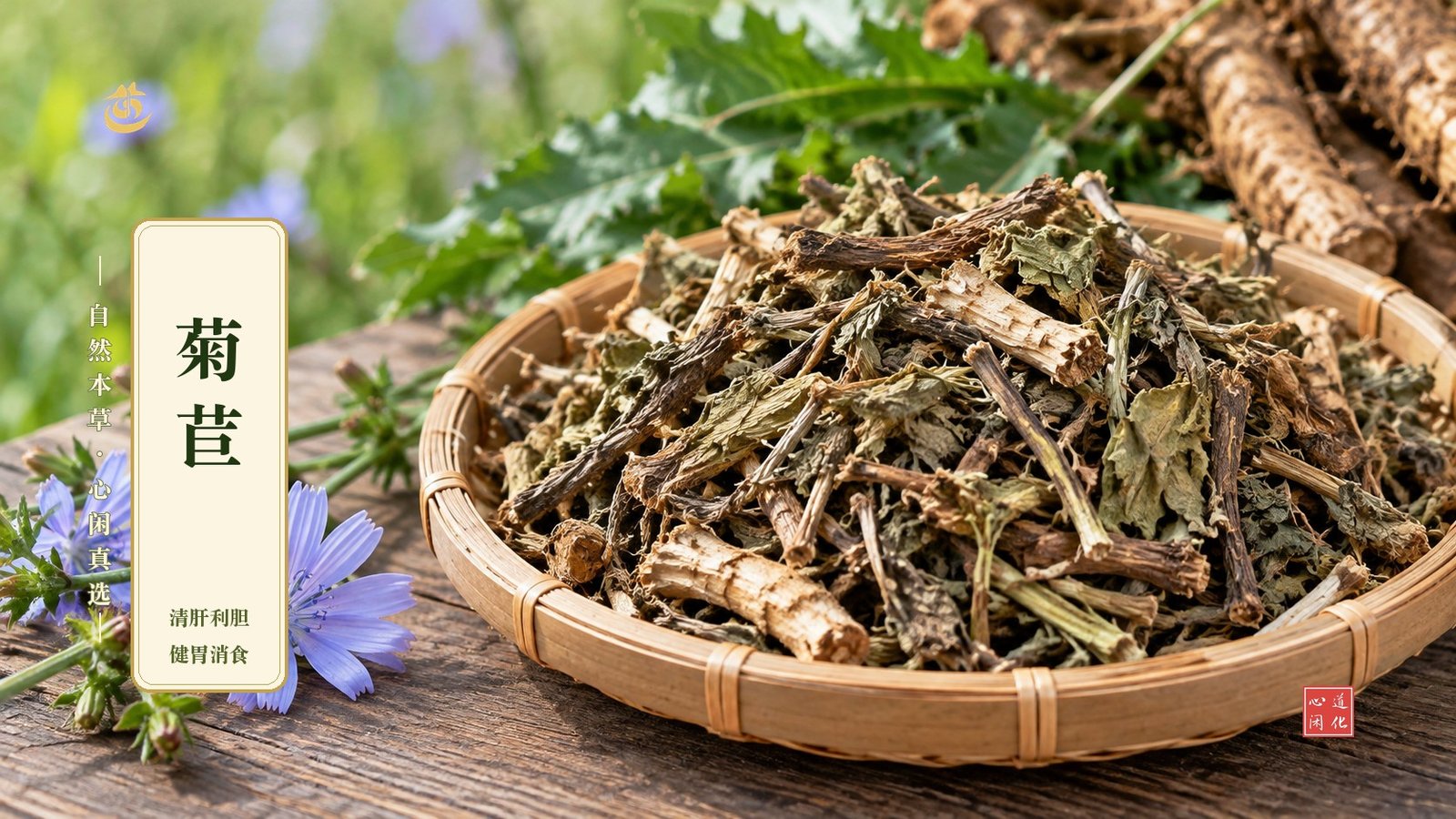
清热解毒与利湿
身份与部位
菊科植物毛菊苣或菊苣的干燥地上部分或根。
性味
微苦、咸;凉
归经
脾、肝、膀胱
传统功效
清肝利胆,健胃消食,利尿消肿
传统主治
民族药传统应用涉及肝火食少、胃脘湿热胀痛等;不据此替代黄疸或肾病诊疗
主要配伍
食品根可与谷物拼配。药用组合须辨证使用,不作为家庭处方。
食养特点
传统清肝利胆、健胃消食;食品根焙饮
食用方法与家庭制作
采用合规菊苣根焙饮产品按标签;叶菜与药用全草分开
安全与使用边界
菊科过敏及胃肠敏感者慎,不能泛称降尿酸药
官方目录依据
卫法监发〔2002〕51号;用途及身份限定依原公告。
黄芥子
内容摘要
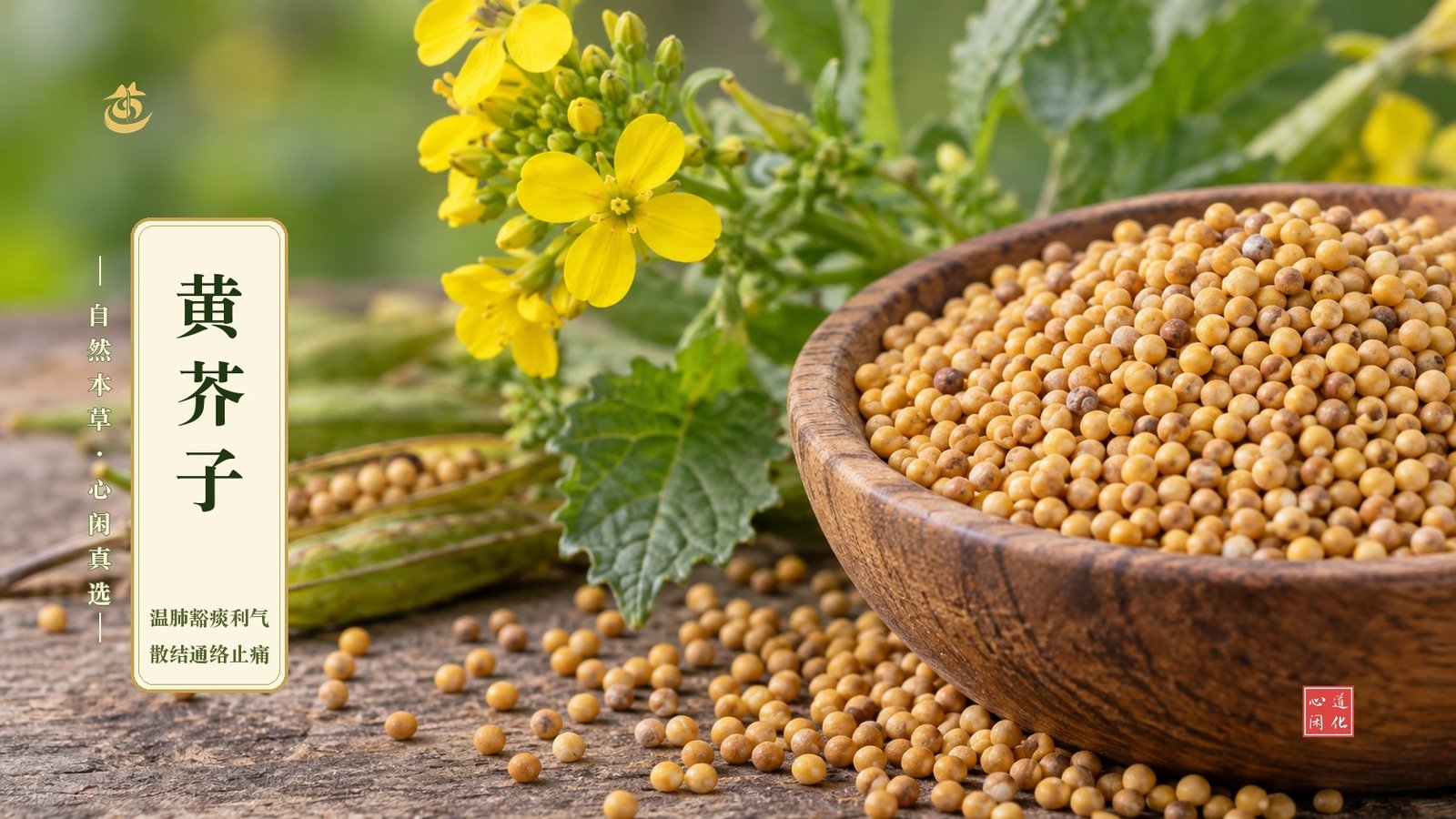
宣肺化痰与利咽
身份与部位
十字花科植物白芥 Sinapis alba L.或芥 Brassica juncea (L.) Czern. et Coss.的干燥成熟种子。前者习称“白芥子”,后者习称“黄芥子”。
主要产区
主产安徽、河南、四川、陕西等地。普通产区不直接等同于道地产区。
性味
辛,温。
传统功效
温肺豁痰利气,散结通络止痛。用于寒痰喘咳,胸胁胀痛,痰滞经络,关节麻木、疼痛,痰湿流注,阴疽肿毒
主要配伍
与苏子、莱菔子见三子养亲汤,白芥子与黄芥子不可混同。药用组合须辨证使用,不作为家庭处方。
本草纲目
卷26 芥 子:通肺豁痰、利膈开胃及散冷气等;须按黄芥、白芥等基原区别,不自动套三子养亲汤。
食养特点
辛香调味,传统温肺化痰
食用方法与家庭制作
食品级黄芥籽可作调味酱;不以医用粉自行外敷
安全与使用边界
黄芥子与白芥子不默认为同物;强刺激及过敏风险
官方目录依据
卫法监发〔2002〕51号;用途及身份限定依原公告。
黄精
内容摘要
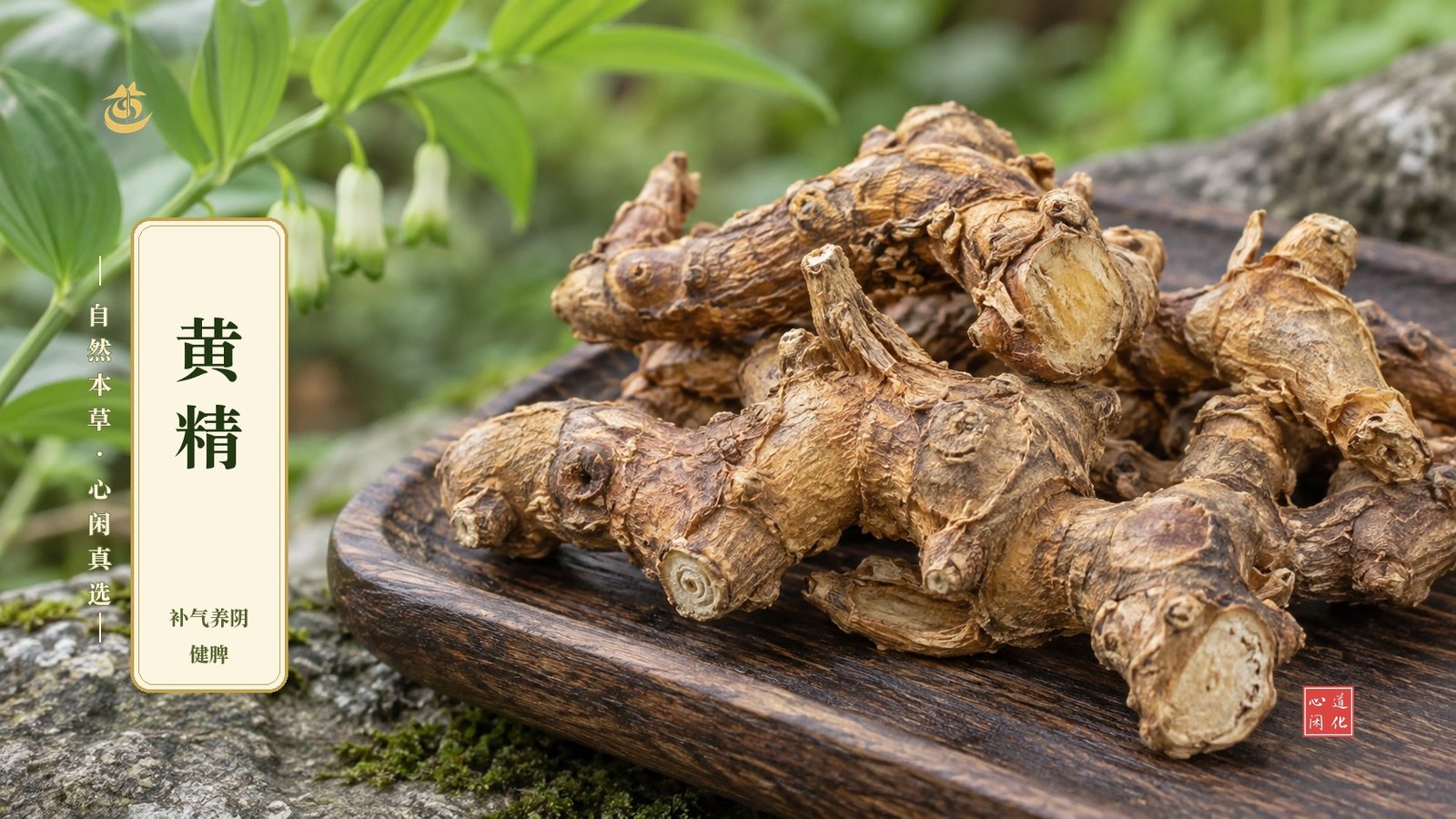
补气健脾与固摄
身份与部位
百合科植物黄精 Polygonatum sibiricum Delarb ex Redoute的干燥根茎。
主要产区
主产内蒙古、陕西、河北等地。普通产区不直接等同于道地产区。
性味
甘;平
归经
脾、肺、肾
传统功效
补气养阴,健脾,润肺,益肾
传统主治
脾胃虚弱,体倦乏力,口干食少,肺虚燥咳,精血不足,内热消渴
主要配伍
配山药为补益食養思路。药用组合须辨证使用,不作为家庭处方。
本草纲目
卷12上 黄精:补中益气、润心肺、助筋骨、补诸虚等;驻颜断谷是古养生语境。
食养特点
传统补气养阴、健脾润肺
食用方法与家庭制作
选择规范炮制的食用品入汤或糕点;不食未经处理的野生根茎
安全与使用边界
生品可能刺激咽喉,便溏湿盛者慎
官方目录依据
卫法监发〔2002〕51号;用途及身份限定依原公告。
紫苏
内容摘要
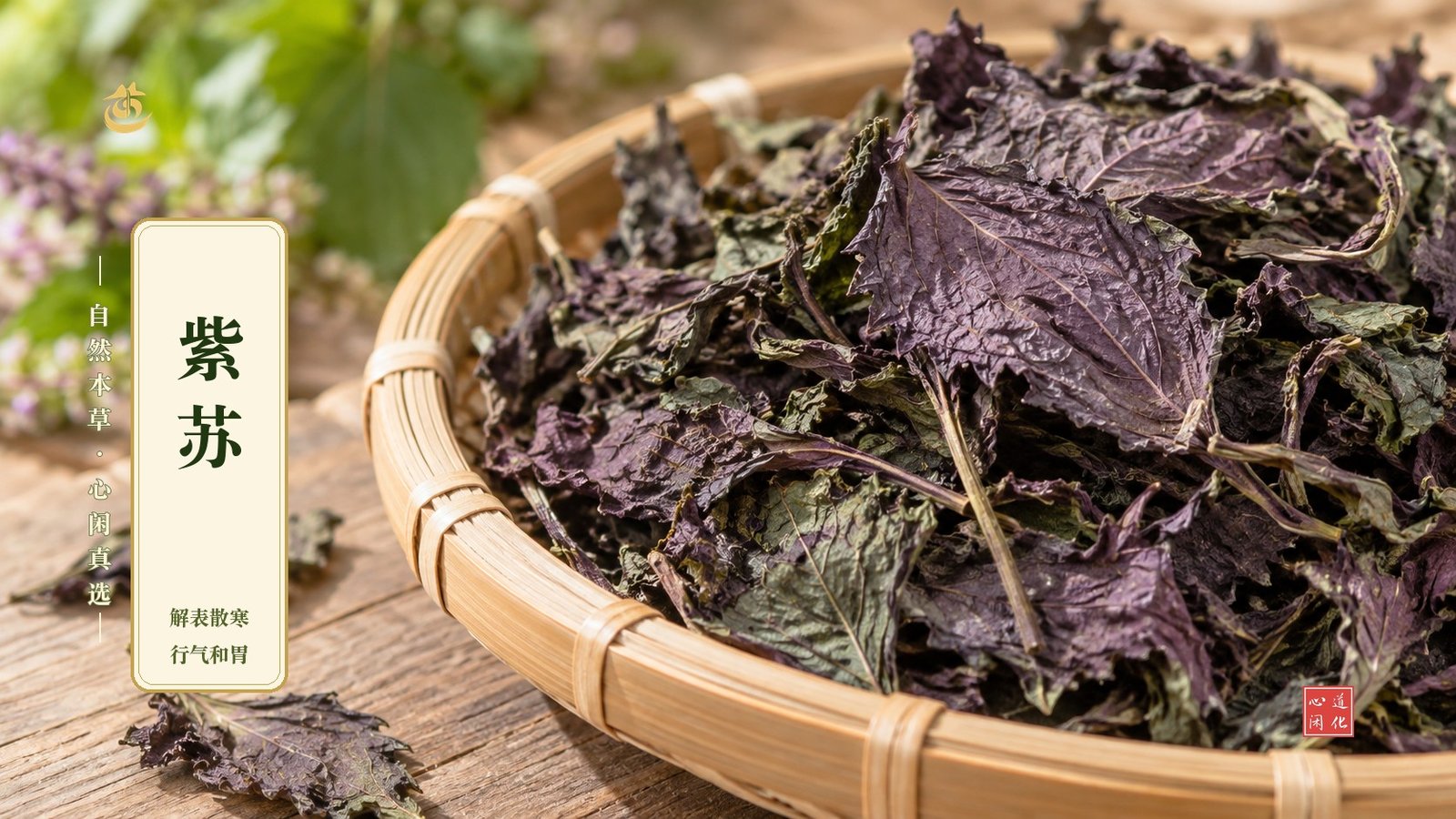
解表疏风与消暑
身份与部位
唇形科植物紫苏 Perilla frutescens (L.) Britt.的干燥叶。
主要产区
主产于江苏、浙江、河南、河北、湖北等地。普通产区不直接等同于道地产区。
性味
辛;温
归经
脾、肺
传统功效
解表散寒,行气和胃
传统主治
风寒感冒,咳嗽呕恶,妊娠呕吐,鱼蟹中毒
主要配伍
配生姜为温散思路;半夏厚朴汤属医方。药用组合须辨证使用,不作为家庭处方。
本草纲目
卷14 蘇 叶:下气除寒、解肌发表、行气宽中、和胃;古解鱼蟹毒不能作为食物中毒解毒剂。
食养特点
传统解表散寒、行气和胃,叶可佐菜
食用方法与家庭制作
合规紫苏叶切碎于菜肴临出锅加入,或用于鱼类烹调
安全与使用边界
古籍解鱼蟹毒不等于食物中毒解毒剂;植物需鉴别
官方目录依据
卫法监发〔2002〕51号;用途及身份限定依原公告。
紫苏籽
内容摘要
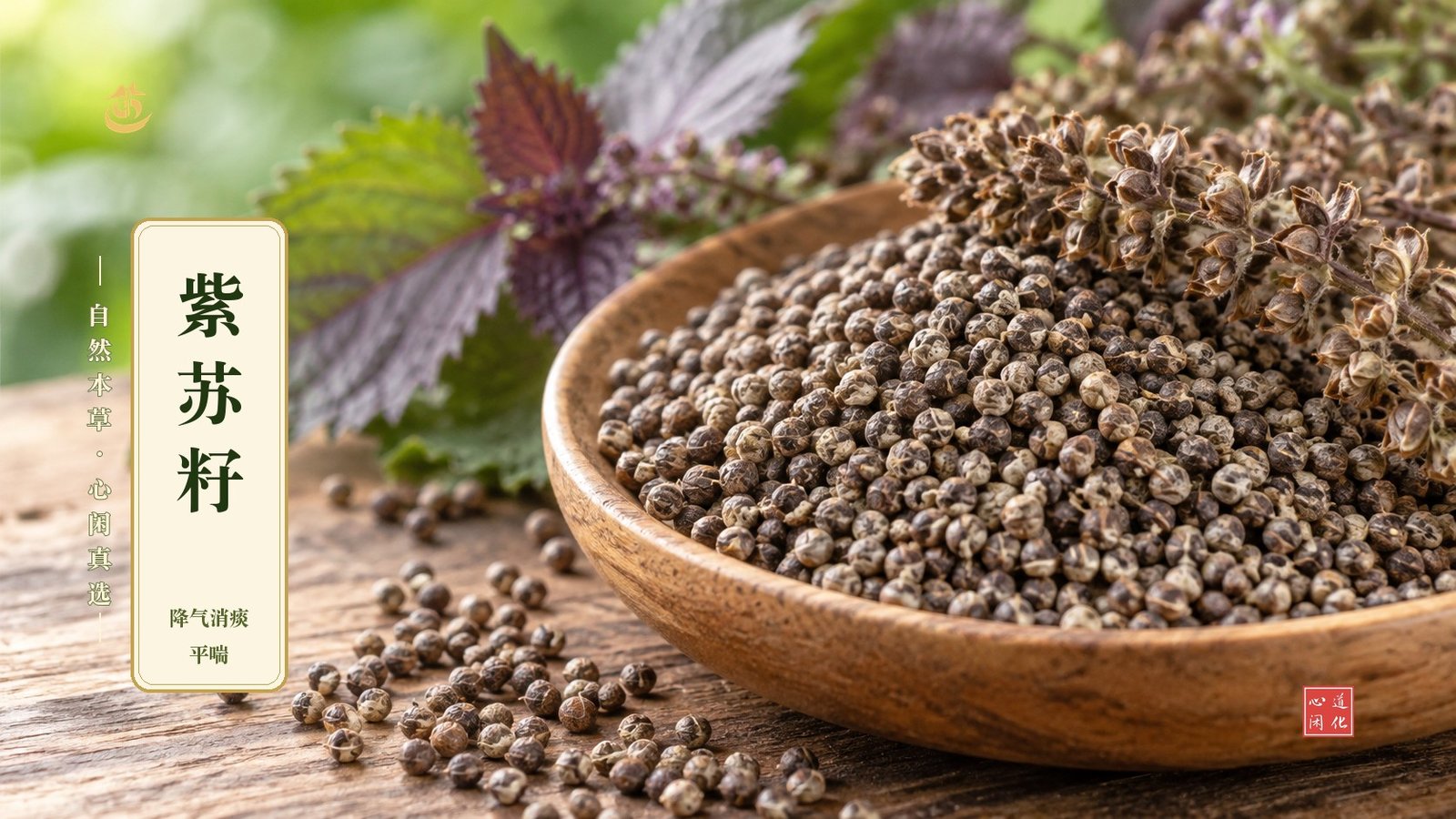
宣肺化痰与利咽
身份与部位
唇形科植物紫苏 Perilla frutescens (L.) Britt.的干燥成熟果实。
主要产区
主产浙江、江苏、湖北、河南等地。普通产区不直接等同于道地产区。
性味
辛;温
归经
肺
传统功效
降气消痰,平喘,润肠
传统主治
痰壅气逆,咳嗽气喘,肠燥便秘
主要配伍
配莱菔子、白芥子见三子养亲汤,医方。药用组合须辨证使用,不作为家庭处方。
本草纲目
卷14 蘇 子:下气除寒、治肺气喘急、顺气利膈及宽肠;苏叶内容另分。
食养特点
传统降气化痰、润肠;籽油为不同食品
食用方法与家庭制作
合规炒熟籽少量研碎作调味;油脂按食品标签
安全与使用边界
苏叶、苏子、精油功效身份分开;腹泻者慎
官方目录依据
卫法监发〔2002〕51号;用途及身份限定依原公告。
葛根
内容摘要
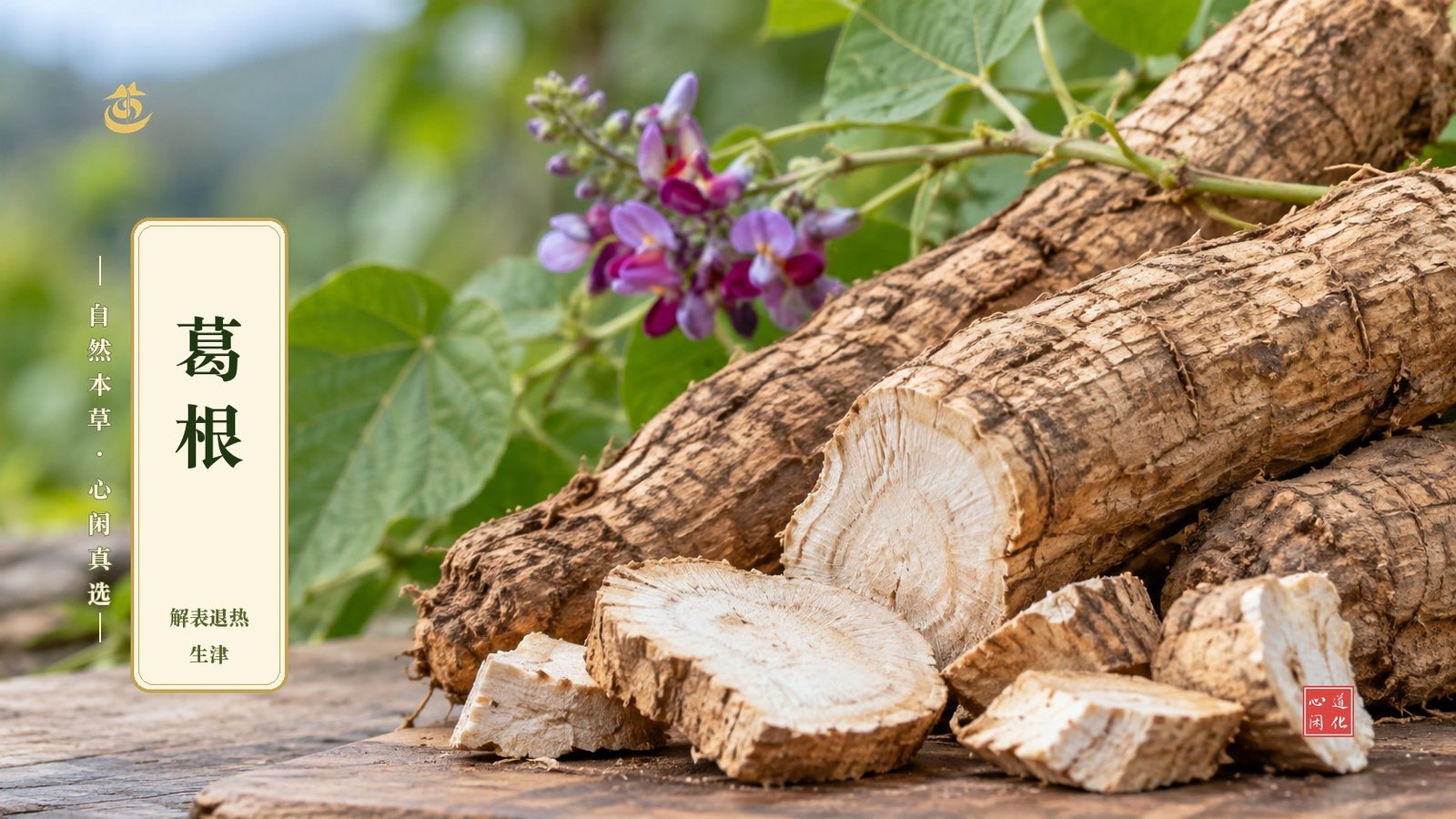
解表疏风与消暑
身份与部位
豆科植物野葛 Pueraria lobata (Willd.) Ohwi的干燥根。
主要产区
主产河南、浙江、广东、湖南等地。普通产区不直接等同于道地产区。
性味
甘、辛,凉。
传统功效
解表退热,生津,透疹,升阳止泻。用于外感发热头痛、口渴、消渴、麻疹不透、热痢、泄泻
传统主治
外感发热头痛,项强,口渴,消渴,泻泄,热痢,麻疹不透
主要配伍
与粳米为食養搭配;葛根汤属医方。药用组合须辨证使用,不作为家庭处方。
神农本草经
孙星衍辑本电子转录,葛根条:条文摘录“味甘,平。主消渴,身大熱,嘔吐,諸痹,起陰氣,解諸毒。”;按古代语境理解,轻身、不老等并非现代疗效证据。
本草纲目
卷18上 葛 根:消渴、身大热、解肌发表等;葛花解酒等不得移给根粉。
食养特点
传统生津、解肌,根淀粉作食物
食用方法与家庭制作
合规葛根粉以冷水调匀再煮至透明熟化,作为淀粉食品
安全与使用边界
葛根粉与全根饮片剂量不能互换;糖尿病计主食
官方目录依据
卫法监发〔2002〕51号;用途及身份限定依原公告。
黑芝麻
内容摘要
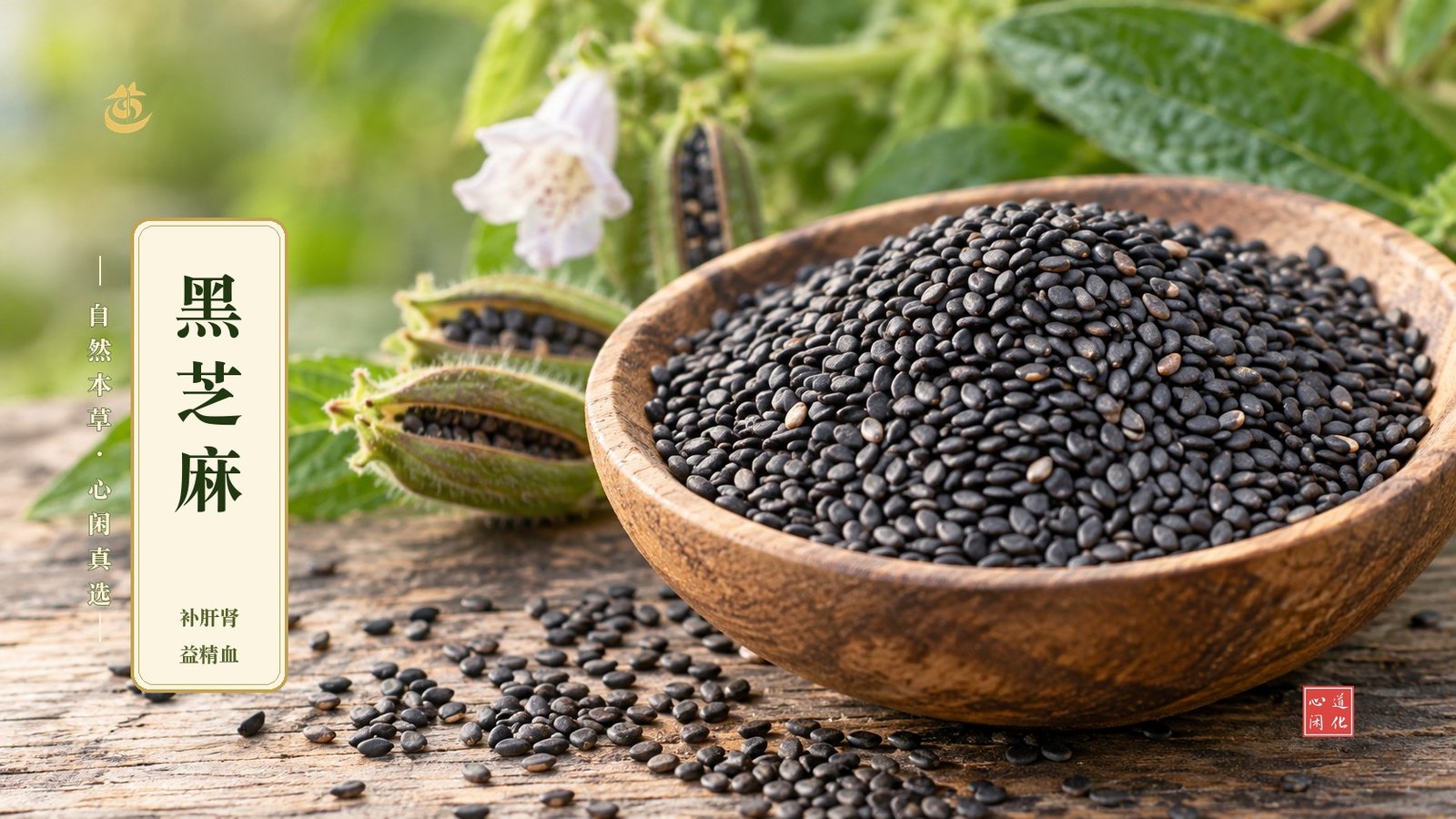
润肠与食养油脂
身份与部位
脂麻科植物 Sesamum indicum L. 的干燥成熟种子
性味
甘;平
归经
肝、肾、大肠
传统功效
补肝肾,益精血,润肠燥
传统主治
头晕眼花,耳鸣耳聋,须发早白,病后脱发,肠燥便秘
主要配伍
配桑椹作熟制食養搭配。药用组合须辨证使用,不作为家庭处方。
神农本草经
孙星衍辑本电子转录,胡麻条:条文摘录“味甘,平。主傷中虛羸,補五內(《御覽》作臟),益氣力,長肌肉,填髓腦。”;按古代语境理解,轻身、不老等并非现代疗效证据。 古名及部位不能直接等同于现代目录基原。
本草纲目
卷22 胡麻 子:补五内、益气力、填髓脑、润养及益肝肾等;古不老说非人体延寿证据。
食养特点
传统滋养肝肾、润燥;含脂肪食物
食用方法与家庭制作
炒熟后研碎入粥或面食,避免大量糖油芝麻糊
安全与使用边界
芝麻过敏禁食;油脂热量计入,不能保证乌发
官方目录依据
卫法监发〔2002〕51号;用途及身份限定依原公告。
黑胡椒
内容摘要
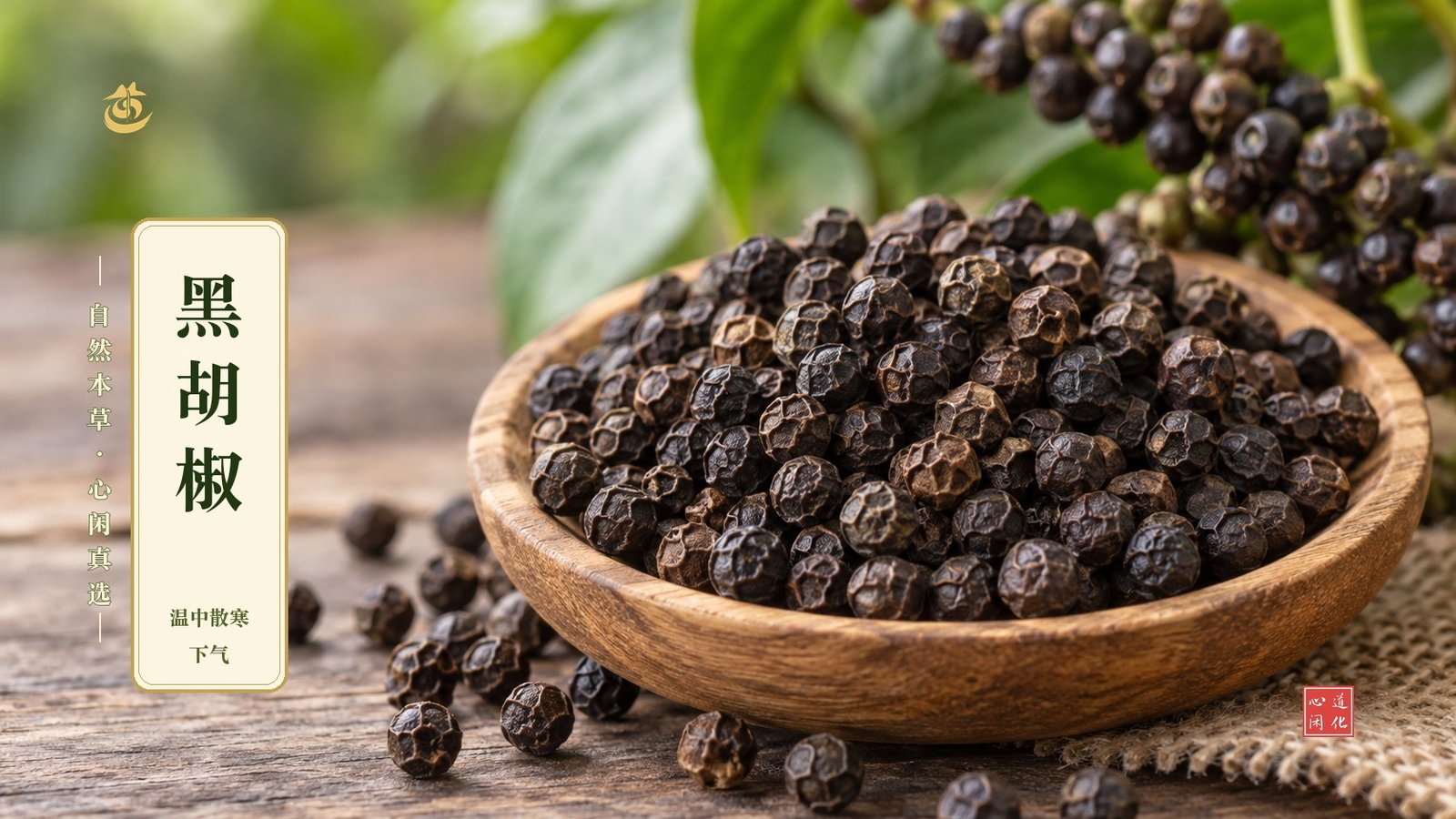
温中散寒与调味
身份与部位
胡椒科植物胡椒 Piper nigrum L.的干燥近成熟或成熟果实。
主要产区
主产东南亚各国,国内主产于广西、云南、海南等地。普通产区不直接等同于道地产区。
性味
辛;热
归经
胃、大肠
传统功效
温中散寒,下气,消痰
传统主治
胃寒呕吐,腹痛泄泻,食欲不振,癫痫痰多
主要配伍
与生姜为温中调味搭配。药用组合须辨证使用,不作为家庭处方。
本草纲目
卷32 胡椒:下气温中、去痰、治胃寒及寒滑等传统应用。
食养特点
辛香调味,传统温中下气
食用方法与家庭制作
食品级粉少量撒入熟菜或汤;不吞高浓胡椒粉
安全与使用边界
胃肠及呼吸道刺激,避免吸入;白黑胡椒加工不同
官方目录依据
卫法监发〔2002〕51号;用途及身份限定依原公告。
槐米
内容摘要
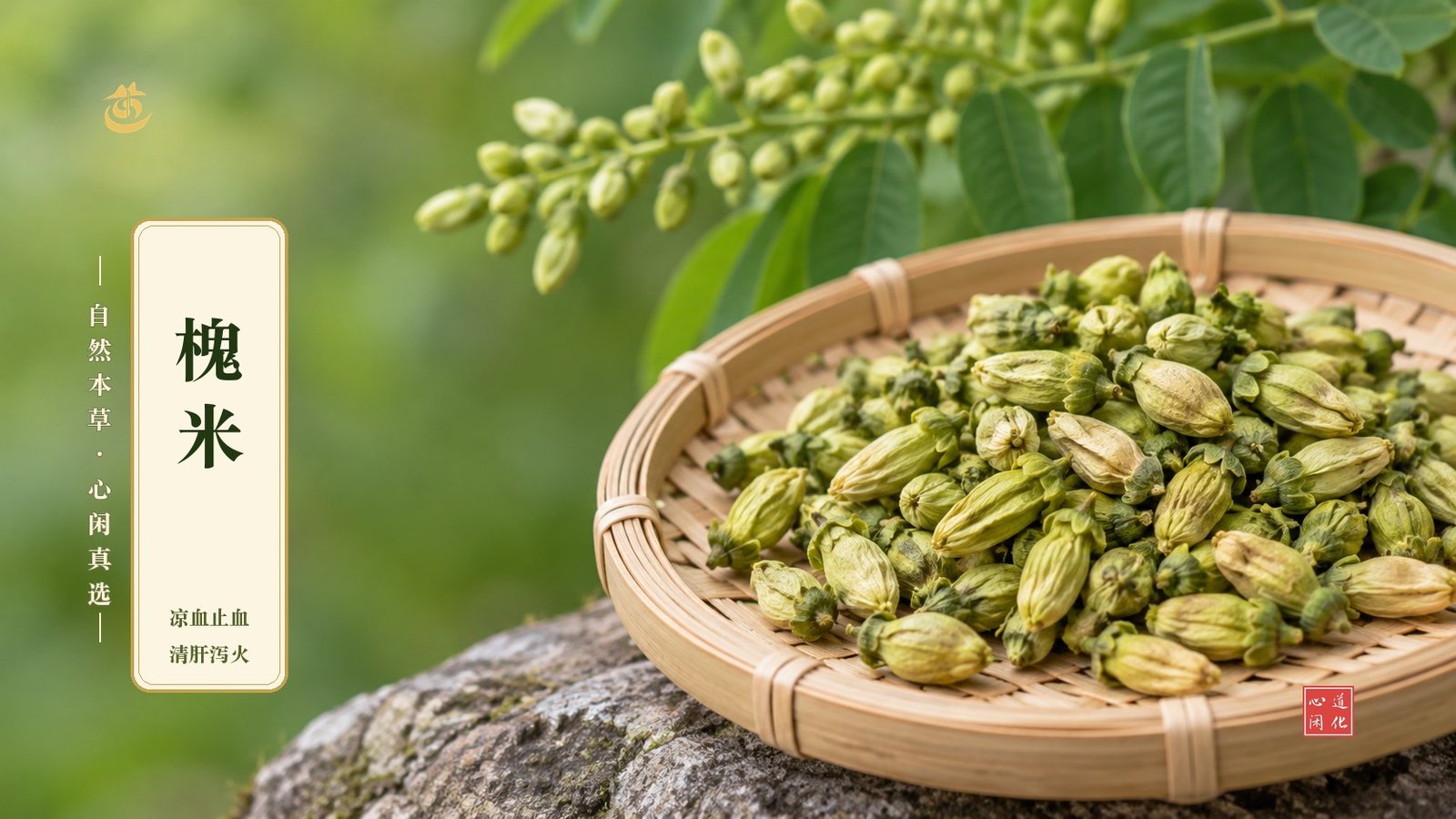
凉血止血与活血
身份与部位
豆科植物槐 Sophora japonica L. 的干燥花及花蕾。
主要产区
主产于河南、河北、山西、山东等地。普通产区不直接等同于道地产区。
性味
苦;微寒
归经
肝、大肠
传统功效
凉血止血,清肝泻火
传统主治
便血,痔血,血痢,崩漏,吐血,衄血,肝热目赤,头痛眩晕
主要配伍
与地榆属凉血止血医用思路。药用组合须辨证使用,不作为家庭处方。
本草纲目
卷35上 槐 花相关:花记肠风泻血、凉大肠等;未以现代花蕾与开放花作独立全部分界,须注部位对应。
食养特点
传统凉血止血、清肝;不是常规滋补
食用方法与家庭制作
合规花蕾原料
安全与使用边界
与槐花分别计项;花蕾与开放花不同,不自采路边树
官方目录依据
卫法监发〔2002〕51号;用途及身份限定依原公告。
槐花
内容摘要
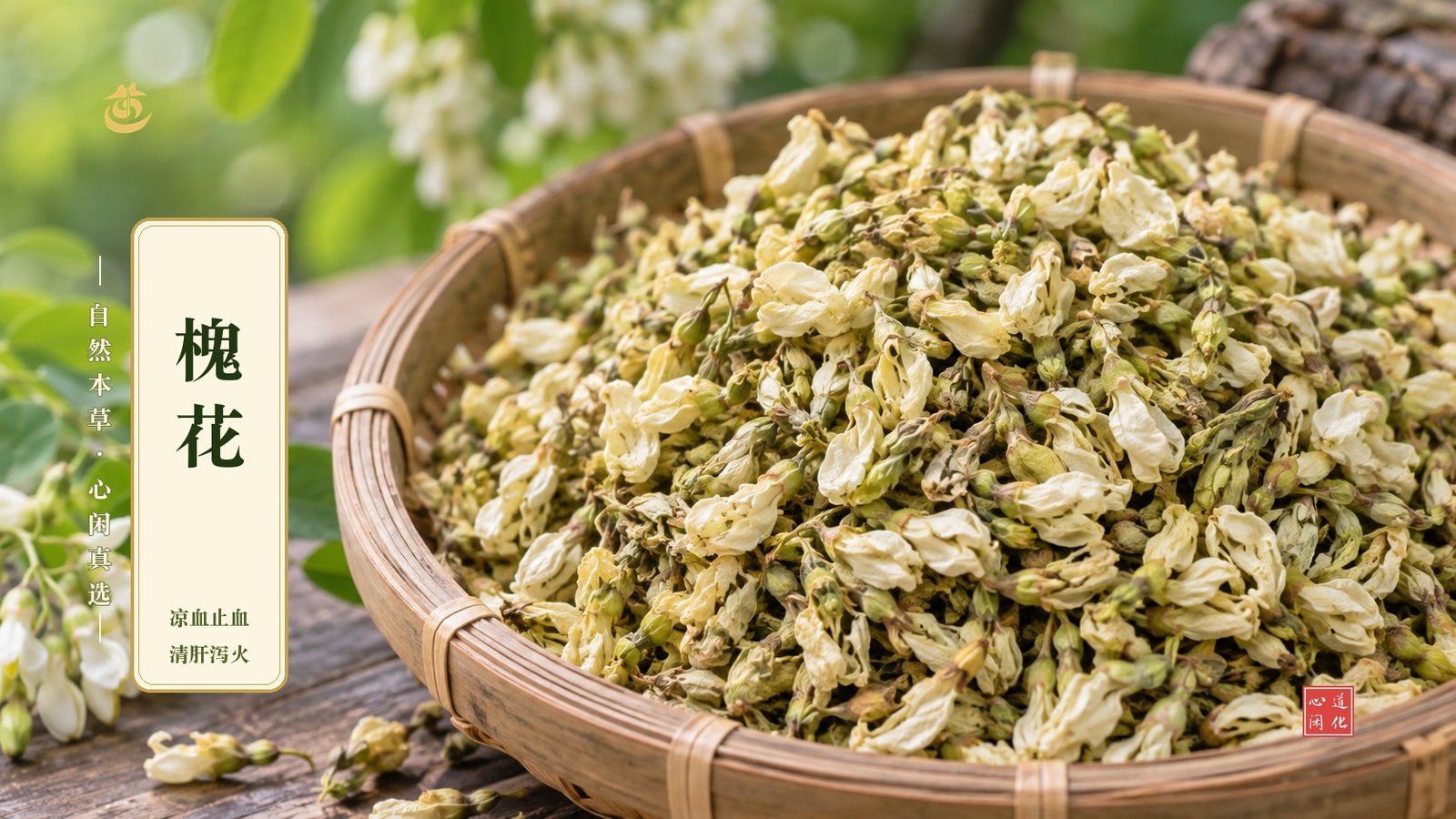
凉血止血与活血
身份与部位
豆科植物槐 Sophora japonica L. 的干燥花及花蕾。
主要产区
主产于河南、河北、山西、山东等地。普通产区不直接等同于道地产区。
性味
苦;微寒
归经
肝、大肠
传统功效
凉血止血,清肝泻火
传统主治
便血,痔血,血痢,崩漏,吐血,衄血,肝热目赤,头痛眩晕
主要配伍
配地榆为止血药对;食物可配面粉蒸食。药用组合须辨证使用,不作为家庭处方。
本草纲目
卷35上 槐 花:花记肠风泻血、凉大肠、吐衄崩漏等;槐实、树皮和叶主治不移用。
食养特点
传统凉血止血,合规花可作地方食材
食用方法与家庭制作
仅食用确证国槐花,洗净熟蒸;不是洋槐花资料通用
安全与使用边界
国槐与刺槐分清;出血症状先就诊
官方目录依据
卫法监发〔2002〕51号;用途及身份限定依原公告。
蒲公英
内容摘要
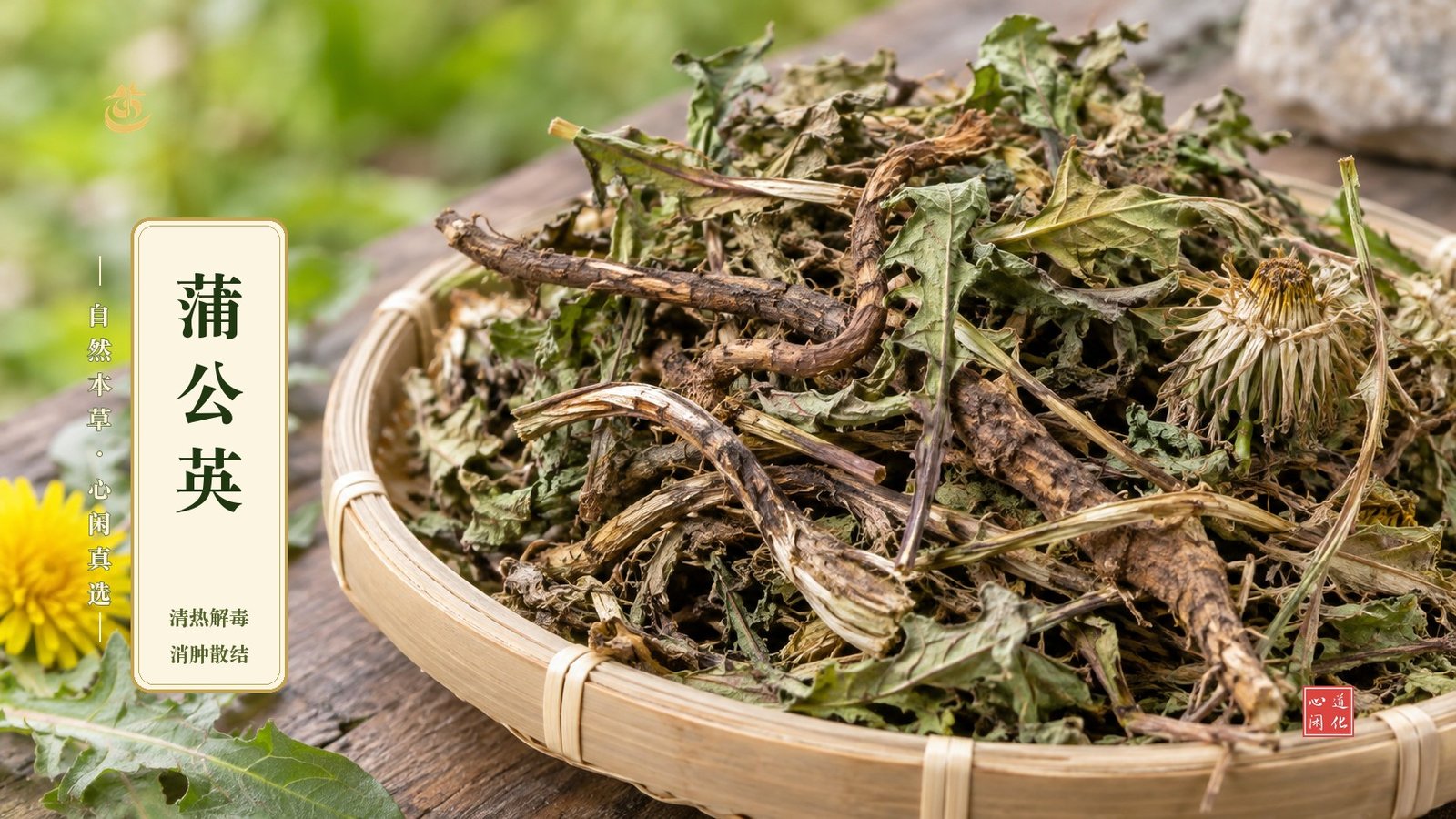
清热解毒与利湿
身份与部位
菊科植物蒲公英 Taraxacum mongolicum Hand.-Mazz.的干燥全草。
主要产区
主产于陕西、河北以及东北地区。普通产区不直接等同于道地产区。
性味
甘、苦;寒
归经
肝、胃
传统功效
清热解毒,消肿散结,利尿通淋
传统主治
疔疮肿毒,乳痈,目赤,咽痛,肺痈,肠痈,湿热黄疸,热淋涩痛
主要配伍
与金银花为清热解毒医用思路。药用组合须辨证使用,不作为家庭处方。
本草纲目
卷27 蒲公英:乳痈、水肿、散热毒及肿结等古典用途;不作抗癌或现代抗感染结论。
食养特点
传统清热消肿,嫩叶可作蔬菜
食用方法与家庭制作
可靠食品来源嫩叶洗净煮熟,不推荐每日浓根茶
安全与使用边界
菊科过敏、便溏腹泻者慎;不将消痈写成抗癌
官方目录依据
卫法监发〔2002〕51号;用途及身份限定依原公告。
蜂蜜
内容摘要
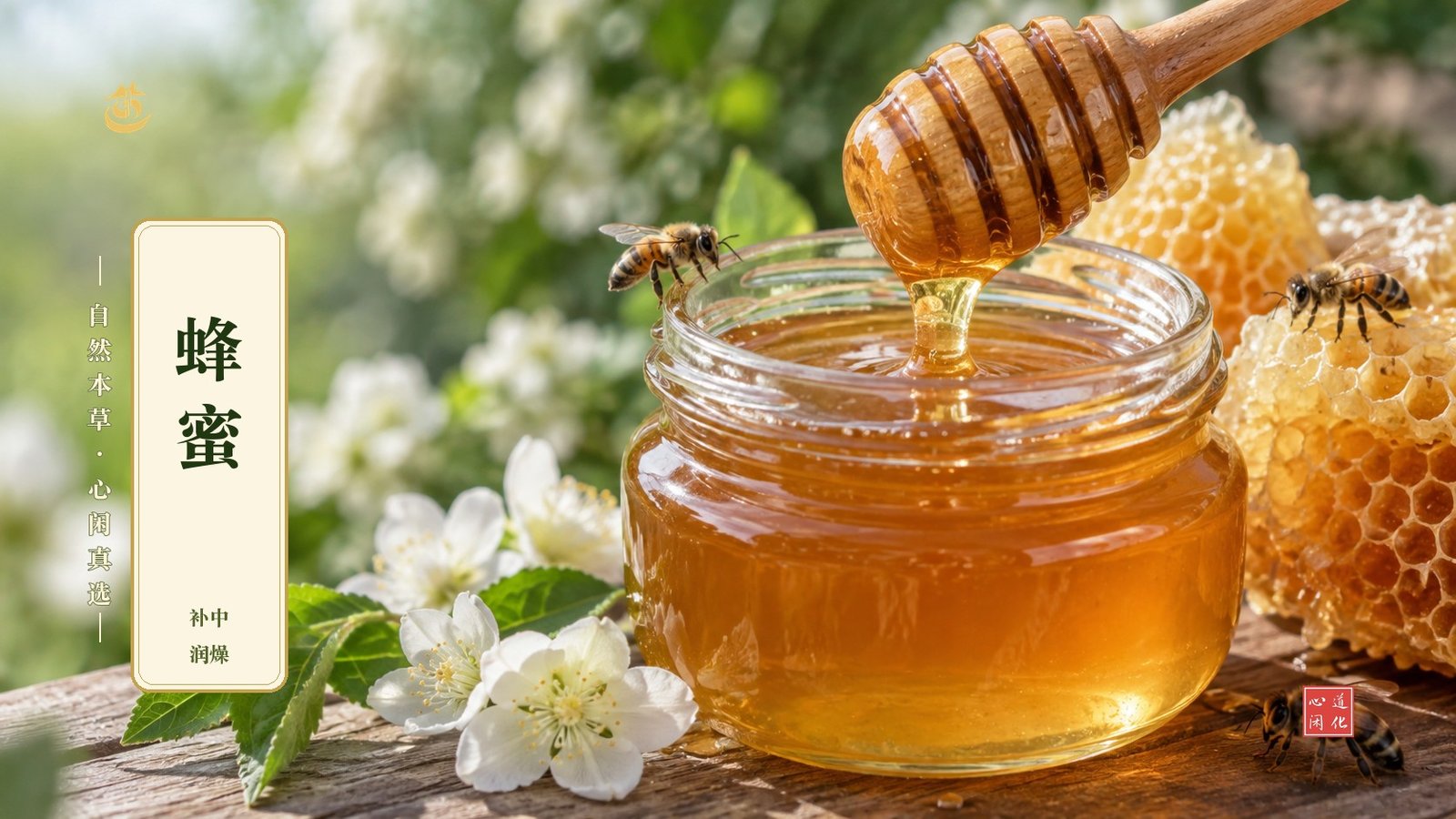
润肠与食养油脂
身份与部位
蜜蜂科昆虫中华蜜蜂 Apis cerana Fabricius 或意大利蜂 Apis mellifera Linnaeus 所酿的蜜
性味
甘;平
归经
肺、胃、大肠
传统功效
补中,润燥,止痛,解毒
传统主治
脘腹虚痛,肺燥干咳,肠燥便秘;外治疮疡不敛,水火烫伤
主要配伍
与温水为食品饮品;与百合作甜味搭配。药用组合须辨证使用,不作为家庭处方。
神农本草经
孙星衍辑本电子转录,石蜜条:条文摘录“味甘,平。主心腹邪氣,諸驚痙癇,安五臟,諸不足,益氣補中,止痛解毒,除眾病,和百藥。”;按古代语境理解,轻身、不老等并非现代疗效证据。
本草纲目
卷39 蜂蜜:益气补中、润养、止痛、解毒、和百药等传统用途;药性与现代糖摄入管理分开。
食养特点
传统润燥、和中,糖类食品
食用方法与家庭制作
入温饮或熟食少量调味,计入游离糖;无需追求特定水温药效
安全与使用边界
未满1岁婴儿禁食蜂蜜;糖尿病须控制糖量
官方目录依据
卫法监发〔2002〕51号;用途及身份限定依原公告。
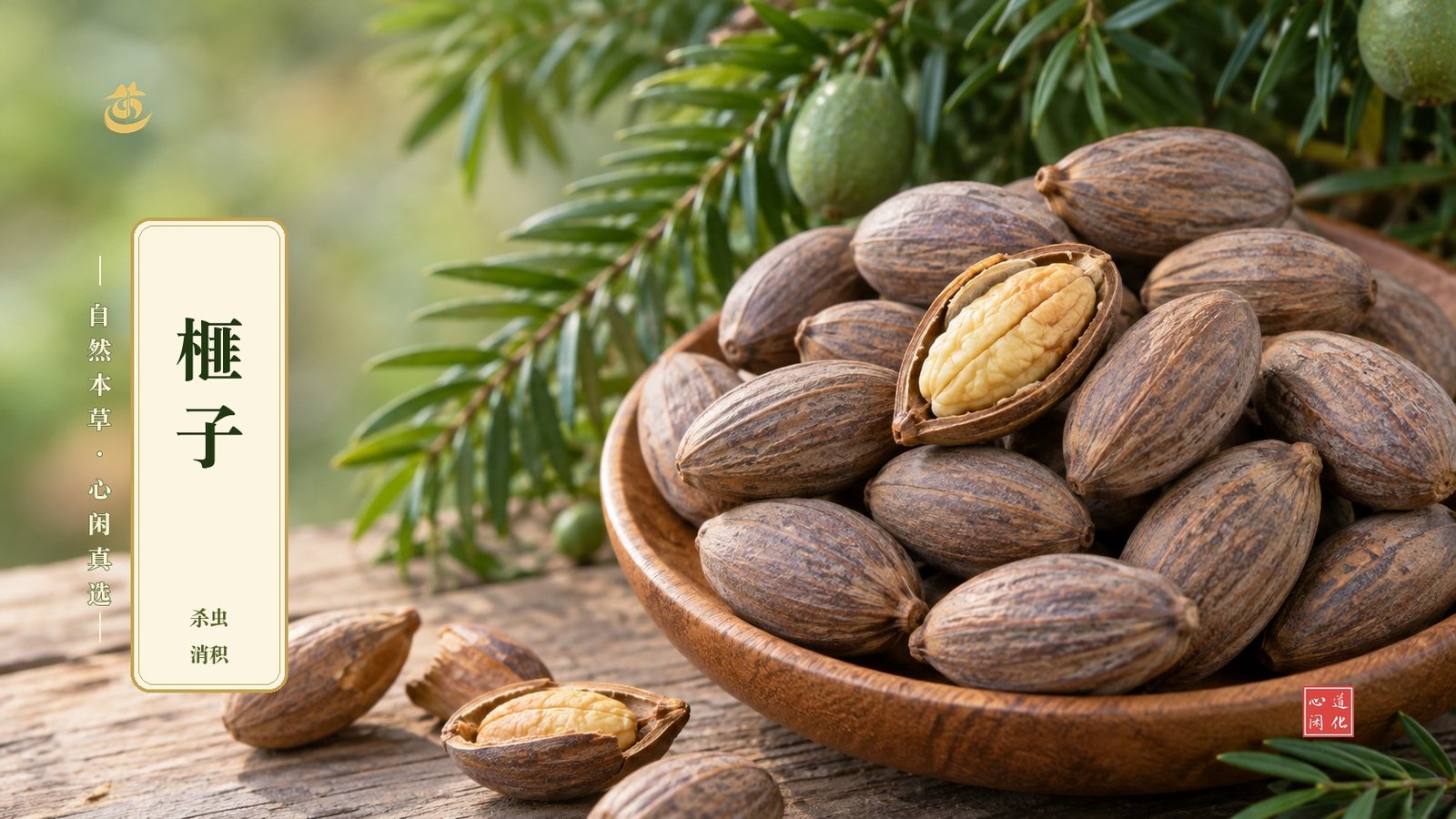
榧子
内容摘要
润肠与食养油脂
身份与部位
红豆杉科植物榧 Torreya grandis Fort.的干燥成熟种子。
主要产区
主产浙江、江苏、安徽等地。普通产区不直接等同于道地产区。
性味
甘,平。
传统功效
杀虫,消积,润燥。治虫积腹痛,小儿疳积,燥咳,便秘,痔疮
传统主治
种仁传统应用:虫积腹痛、燥咳、肠燥便秘等;树根、花、枝叶主治不套用。
主要配伍
与谷物为食材搭配。药用组合须辨证使用,不作为家庭处方。
本草纲目
卷31 榧实:去虫、滑肠、消谷及传统痔疾等;不采用古大量服食法自行驱虫。
食养特点
传统润燥杀虫;熟制种仁为坚果
食用方法与家庭制作
用合规熟制榧仁少量食用,不按古籍杀虫量服用
安全与使用边界
坚果过敏、腹泻者慎;虫病需现代诊治
官方目录依据
卫法监发〔2002〕51号;用途及身份限定依原公告。
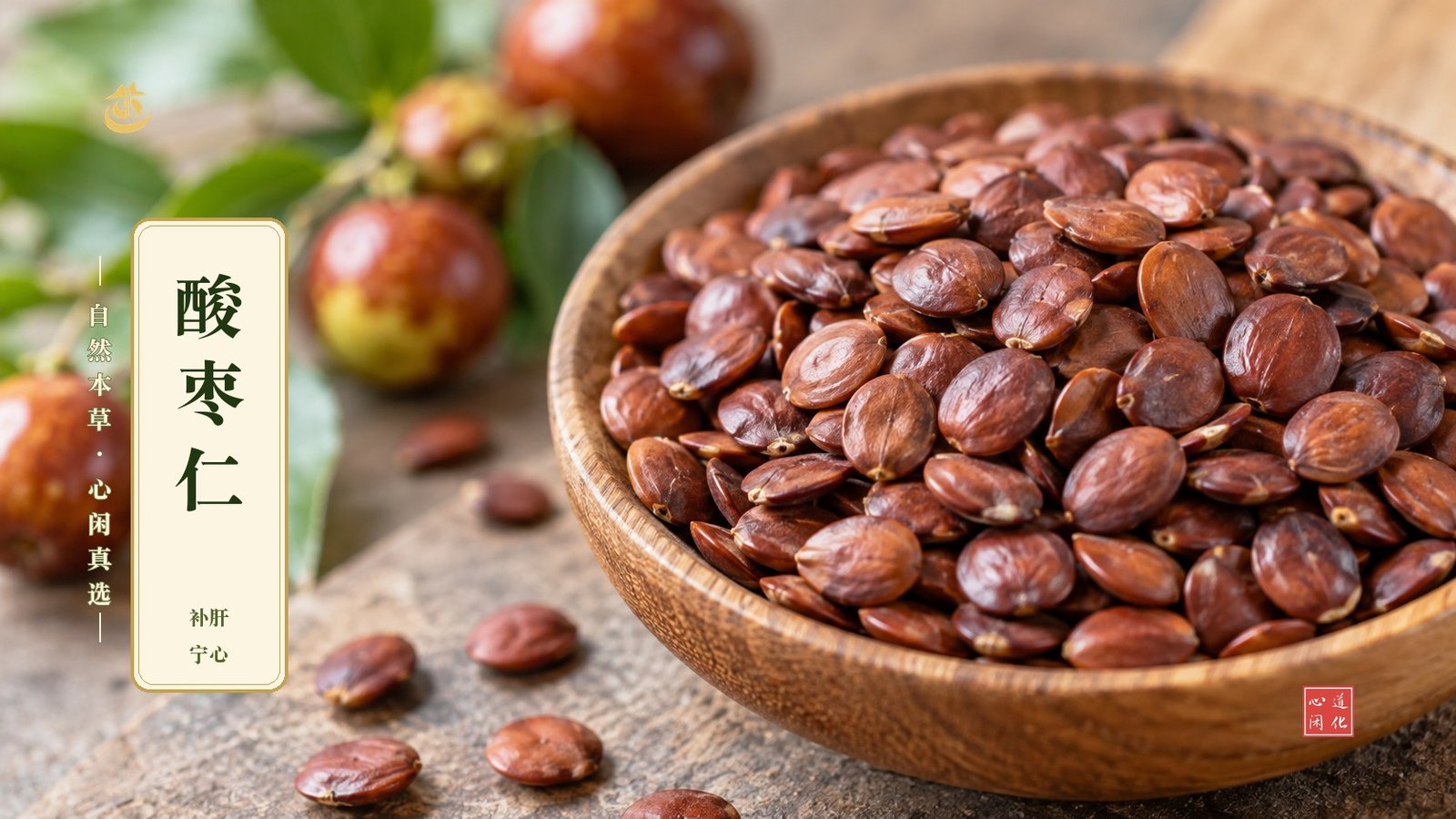
酸枣仁
内容摘要
收涩生津与安神
身份与部位
鼠李科植物酸枣 Ziziphus jujuba Mill. var. spinosa (Bunge) Hu ex H. F. Chou的干燥成熟种子。
道地产地
邢枣仁:沙河、临城、内丘、邢台市周边的丘陵地带。〔P01 PDF第1170页〕
性味
甘、酸;平
归经
肝、胆、心
传统功效
补肝,宁心,敛汗,生津
主要配伍
与茯苓、知母等见酸枣仁汤,医方。药用组合须辨证使用,不作为家庭处方。
神农本草经
孙星衍辑本电子转录,酸棗条:条文摘录“味酸,平。主心腹寒熱,邪結氣聚,四肢酸疼,濕痹。”;按古代语境理解,轻身、不老等并非现代疗效证据。 古名及部位不能直接等同于现代目录基原。
本草纲目
卷36 酸枣:酸枣条记烦心不得眠、虚汗等,仁的炒用另记;果实与种仁仍须分清。
食养特点
传统养心安神、敛汗,非通用安眠饮
食用方法与家庭制作
用规范炒制产品,药用磨碎煎服须辨证
安全与使用边界
服镇静药或驾驶前先咨询;酸枣果肉不能替代种仁
官方目录依据
卫法监发〔2002〕51号;用途及身份限定依原公告。
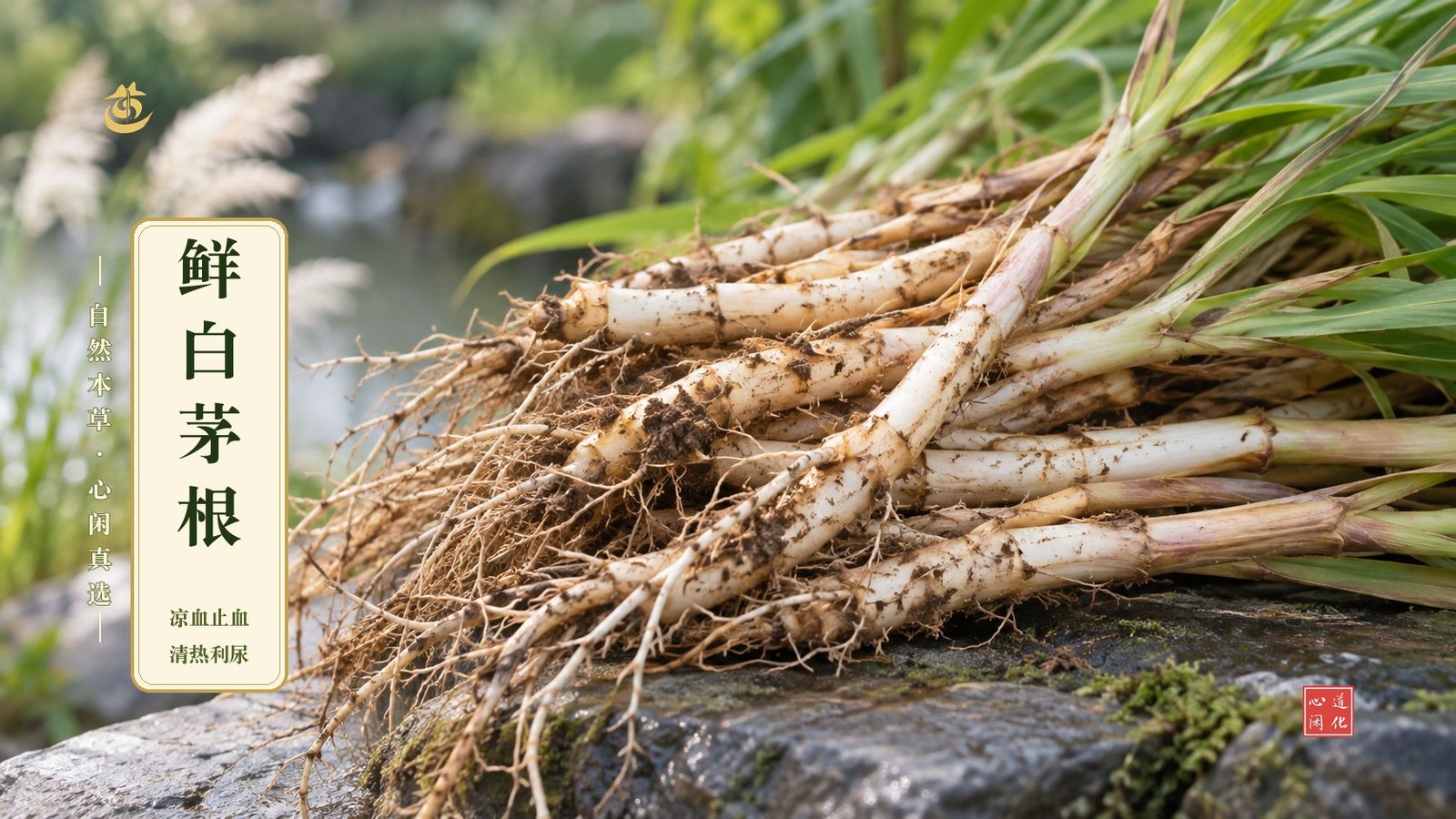
鲜白茅根
内容摘要
凉血止血与活血
身份与部位
禾本科植物白茅的鲜根茎;药材数据库的干燥根茎资料仅作基原线索,不能覆盖鲜品用量。
主要产区
主产河南、辽宁、河北、山西、山东、陕西、新疆等北方地区。普通产区不直接等同于道地产区。
性味
甘;寒
归经
肺、胃、膀胱
传统功效
凉血止血,清热利尿
传统主治
血热吐血,衄血,尿血,热病烦渴,黄疸,水肿,热淋涩痛
主要配伍
与鲜芦根为传统清热生津搭配。药用组合须辨证使用,不作为家庭处方。
神农本草经
孙星衍辑本电子转录,茅根条:条文摘录“味甘,寒。主勞傷虛羸,補中益氣,除瘀血、血閉、寒熱,利小便。”;按古代语境理解,轻身、不老等并非现代疗效证据。
本草纲目
卷13 白茅 根:利小便、止渴、止吐衄诸血;鲜干及花苗分别记录。
食养特点
传统清热利尿、凉血止血
食用方法与家庭制作
鲜品来源须确证,洗净切段煮饮;鲜干不能等量互换
安全与使用边界
异常出血不能自用掩盖;限液或肾病人群咨询
官方目录依据
卫法监发〔2002〕51号;用途及身份限定依原公告。
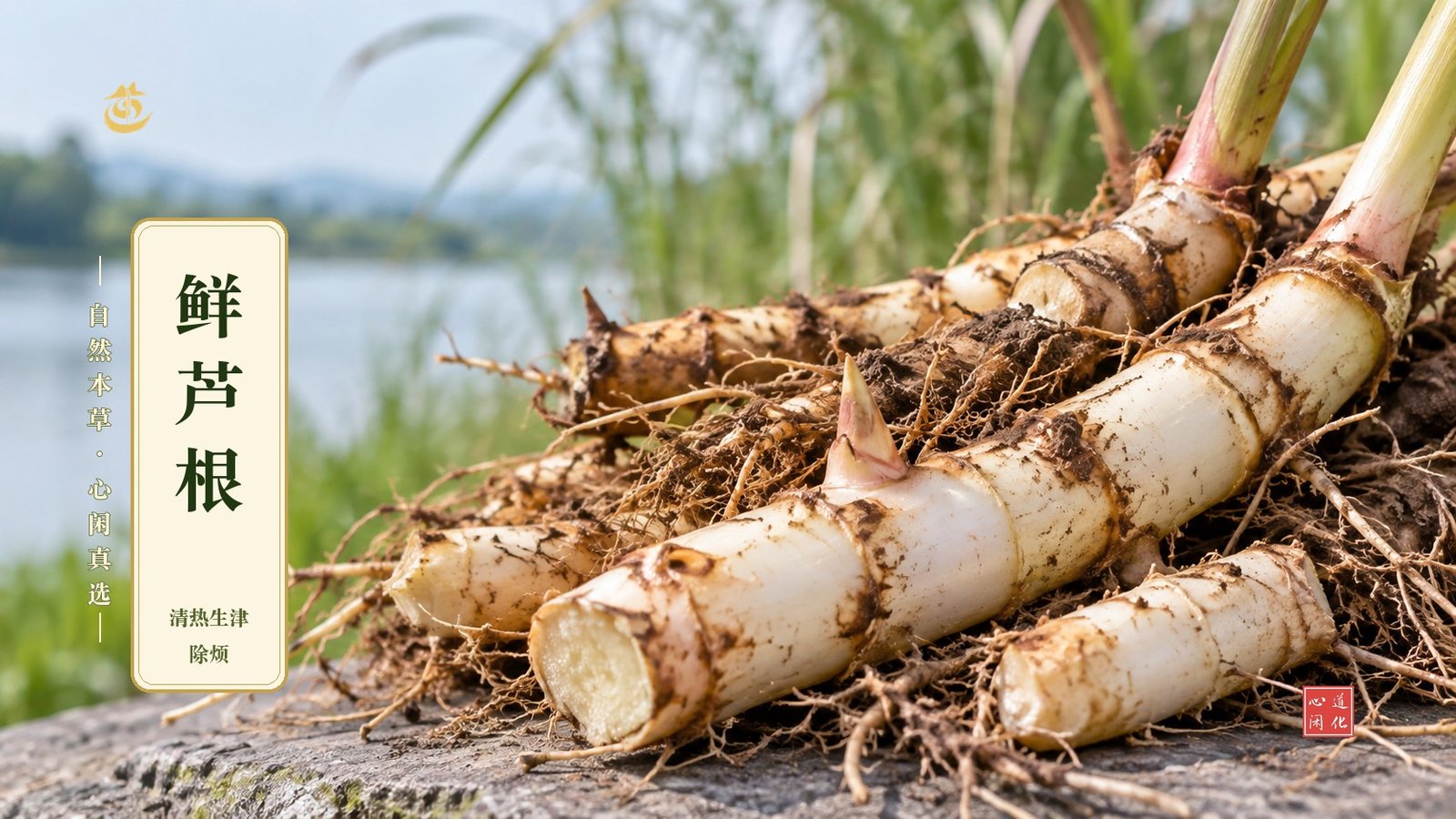
鲜芦根
内容摘要
养阴润肺与生津
身份与部位
禾本科植物芦苇的鲜根茎;目录限定鲜品,不能以干芦根等量代替。
主要产区
主产安徽、浙江、湖北、江苏等地。普通产区不直接等同于道地产区。
性味
甘;寒
归经
肺、胃
传统功效
清热生津,除烦,止呕,利尿
传统主治
热病烦渴,胃热呕哕,肺热咳嗽,肺痈吐脓,热淋涩痛
主要配伍
与白茅根属清热生津配伍。药用组合须辨证使用,不作为家庭处方。
本草纲目
卷15 蘆 根:消渴、客热、胃热呕逆等;芦笋、茎叶及芦柴主治另分。
食养特点
传统清热生津、止呕
食用方法与家庭制作
合规鲜芦根洗净切段煮饮,不取污水河道根
安全与使用边界
芦根与淡竹叶不同;鲜品储藏注意腐败
官方目录依据
卫法监发〔2002〕51号;用途及身份限定依原公告。
蝮蛇
内容摘要
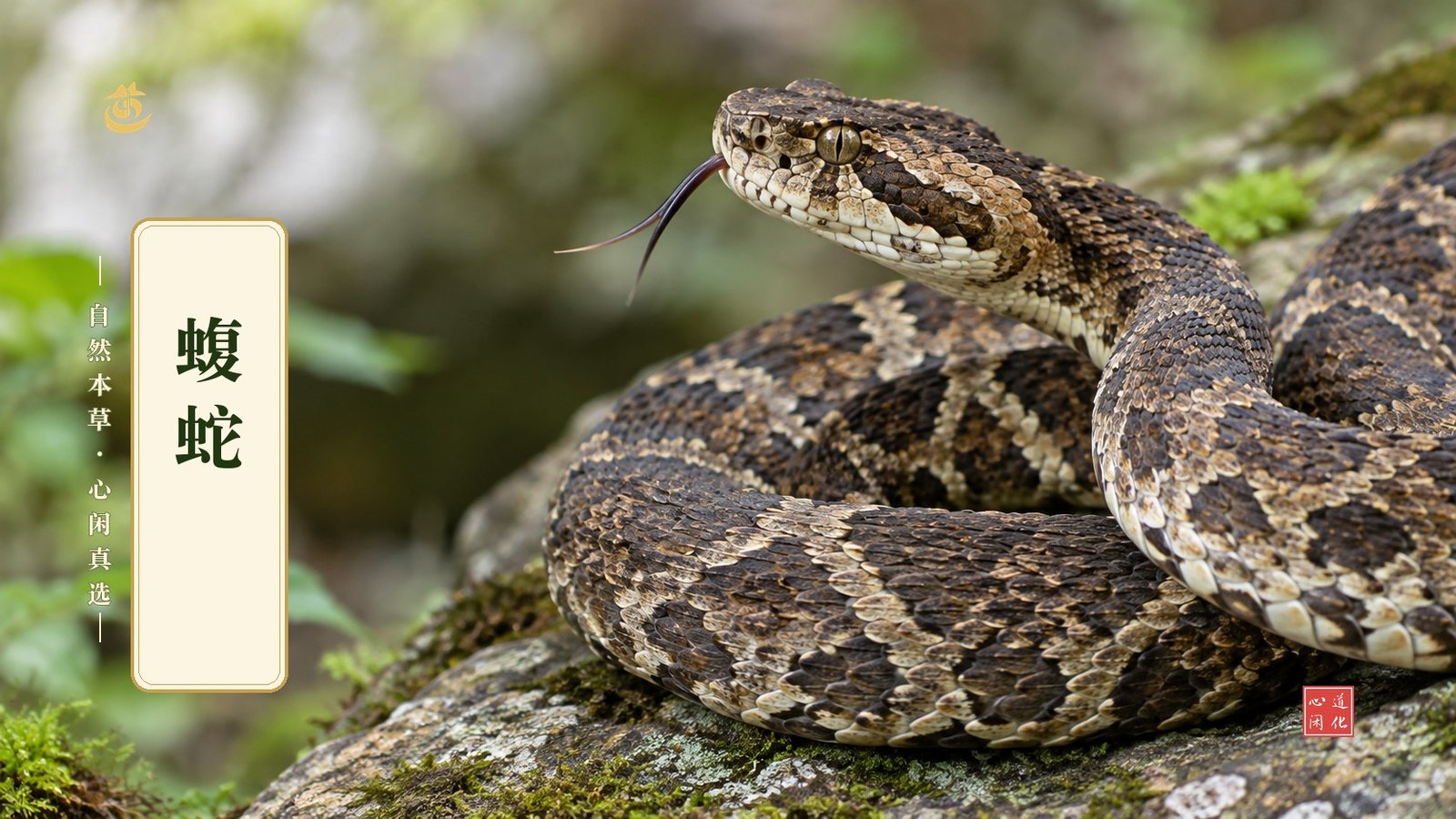
祛风通络与平肝
主要配伍
不列普通家庭配伍。药用组合须辨证使用,不作为家庭处方。
本草纲目
卷43 蝮蛇 肉:历史风病、痹麻、恶疮等用法;不提供捕蛇、浸酒或毒动物家庭加工。
食养特点
历史动物药记录,不作常规日常养生
食用方法与家庭制作
不提供自捕、自制蛇酒或家庭食用配方
安全与使用边界
须查合法来源、保护与检疫规则;有毒动物不自行加工
官方目录依据
卫法监发〔2002〕51号;用途及身份限定依原公告。
橘皮
内容摘要
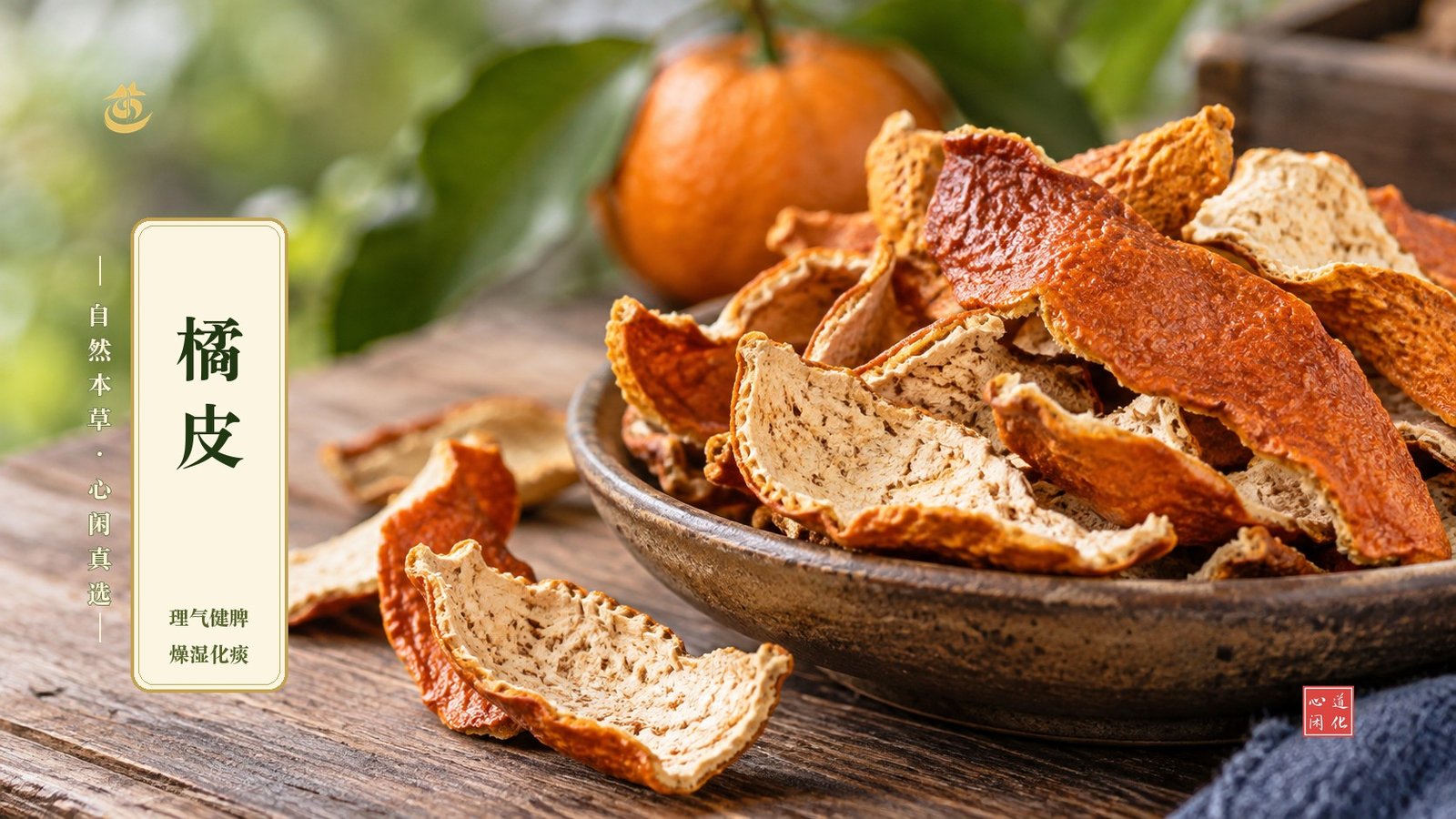
消食理气与和胃
身份与部位
芸香科植物橘 Citrus reticulata Blanco及其栽培变种的干燥成熟果皮。
道地产地
广陈皮:以广东省江门市新会区(会城街道办、大泽镇、司前镇、罗坑镇、双水镇、崖门镇、沙堆镇、古井镇、三江镇、睦洲镇、大螯镇和围垦指挥部行政区域)为中心,核心区域包括以银洲湖两岸冲积平原为核心的新会境内潭江沿岸冲积平原带和南部海滨沉积平原新垦区。〔P01 PDF第800页〕
性味
辛、苦;温
归经
脾、肺
传统功效
理气健脾,燥湿化痰
传统主治
成熟果皮(陈皮):脘腹胀满、食少吐泻、咳嗽痰多;青皮、橘红、橘核主治另列。
主要配伍
配佛手理气;配山楂有官方食養茶。药用组合须辨证使用,不作为家庭处方。
神农本草经
孙星衍辑本电子转录,橘柚条:条文摘录“味辛,溫。主胸中瘕熱逆氣,利水谷。”;按古代语境理解,轻身、不老等并非现代疗效证据。
本草纲目
卷30 橘 黄橘皮:下气、燥湿化痰、健脾和胃等传统认识;果肉润肺说不归陈皮。
食养特点
传统理气健脾、燥湿化痰
食用方法与家庭制作
合规陈皮3至5g加约500ml水煮5至10分钟,来源R02
安全与使用边界
新鲜橘皮晒干不等于合格陈皮,霉变禁用;胃酸多慎
官方目录依据
卫法监发〔2002〕51号;用途及身份限定依原公告。
薄荷
内容摘要
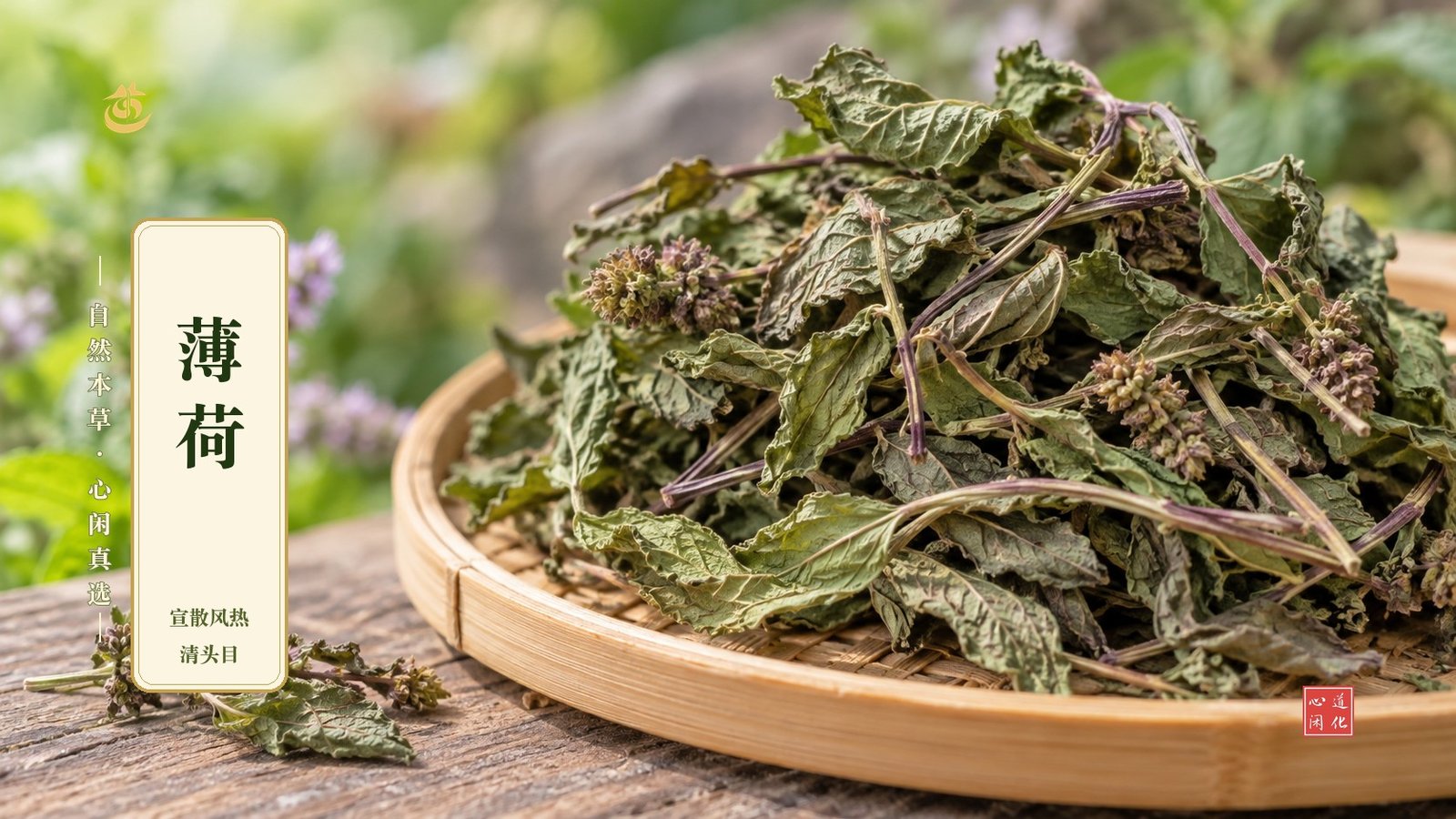
解表疏风与消暑
身份与部位
唇形科植物薄荷 Mentha haplocalyx Briq. 的干燥地上部分。
道地产地
苏薄荷:主产于江苏省苏州、南通及周边地区。〔P01 PDF第647页〕
性味
辛;凉
归经
肝、肺
传统功效
宣散风热,清头目,透疹
传统主治
风热感冒,风温初起,头痛,目赤,喉痹,口疮,风疹,胸胁胀闷
主要配伍
与菊花作疏风芳香搭配。药用组合须辨证使用,不作为家庭处方。
本草纲目
卷14 薄荷:疏散风热、清头目、利咽喉等;不按古虫蛇伤附方处理现实急症。
食养特点
传统清利头目、疏风,饮食芳香
食用方法与家庭制作
食品级叶少量用于凉拌熟食或末段冲泡,不煮浓精油
安全与使用边界
反流及薄荷敏感者慎;精油不作为叶等量内服
官方目录依据
卫法监发〔2002〕51号;用途及身份限定依原公告。
薏苡仁
内容摘要
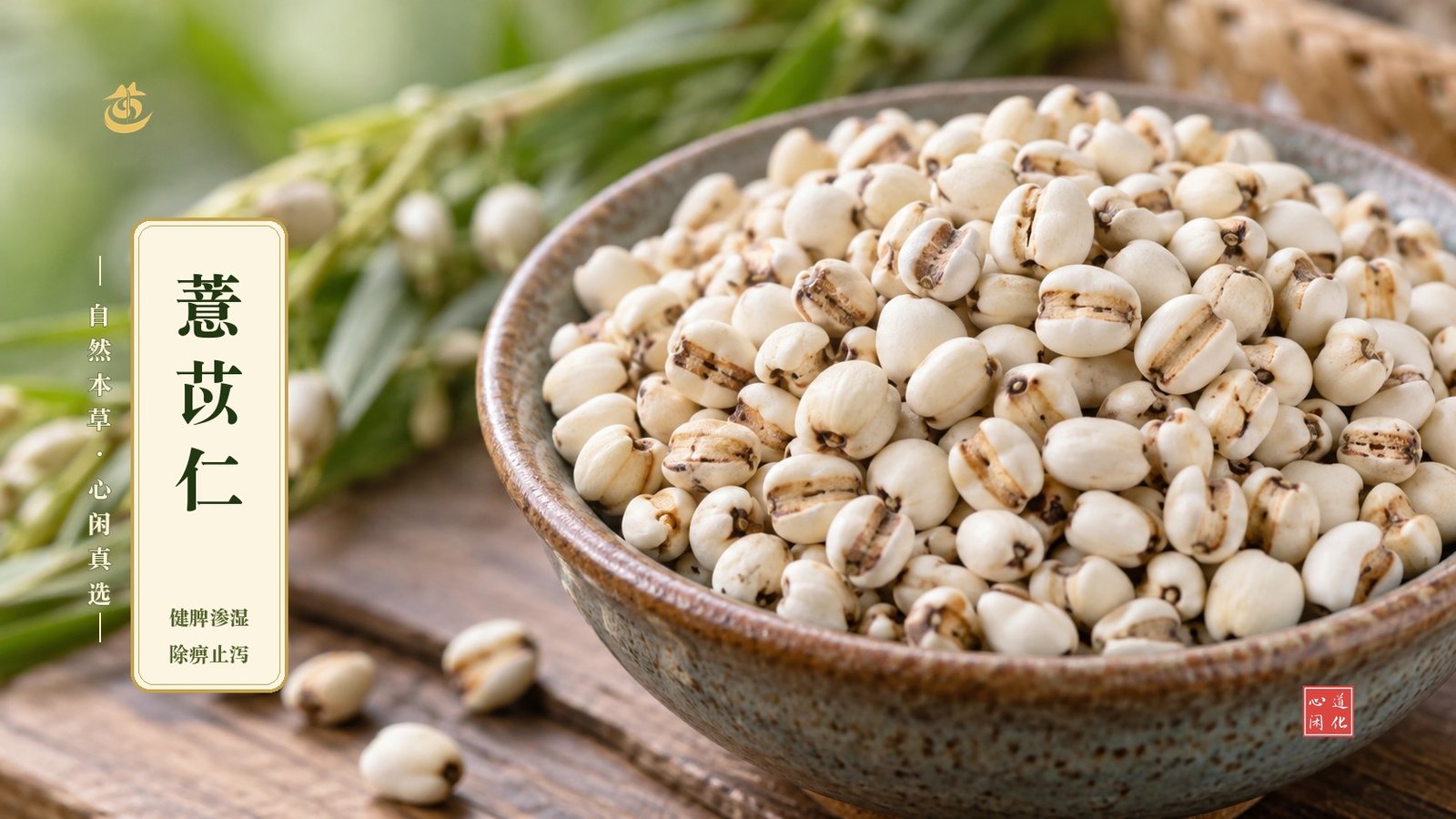
清热解毒与利湿
身份与部位
禾本科植物薏苡 Coix lacryma-jobi L. var. ma-yuen (Roman.) Stapf的干燥成熟种仁。
道地产地
祁薏米:以河北省安国市为核心及周边地区。〔P01 PDF第1132页〕
性味
甘、淡;凉
归经
脾、肺、胃
传统功效
健脾渗湿,除痹止泻,清热排脓
传统主治
水肿,脚气,小便不利,湿痹拘挛,脾虚泄泻,肺痈,肠痈
主要配伍
配赤小豆有官方茶例;配山药作粥。药用组合须辨证使用,不作为家庭处方。
本草纲目
卷23 薏苡仁:利肠胃、消水肿、健脾益胃、补肺清热、去湿;根的古禁忌与叶不同。
食养特点
传统健脾渗湿,谷物主食补充
食用方法与家庭制作
洗泡后煮至软熟作粥;茶例见R04a,整粒不能短泡即吃
安全与使用边界
孕妇先咨询;淀粉计主食;炒制不能保证祛湿治病
官方目录依据
卫法监发〔2002〕51号;用途及身份限定依原公告。
薤白
内容摘要
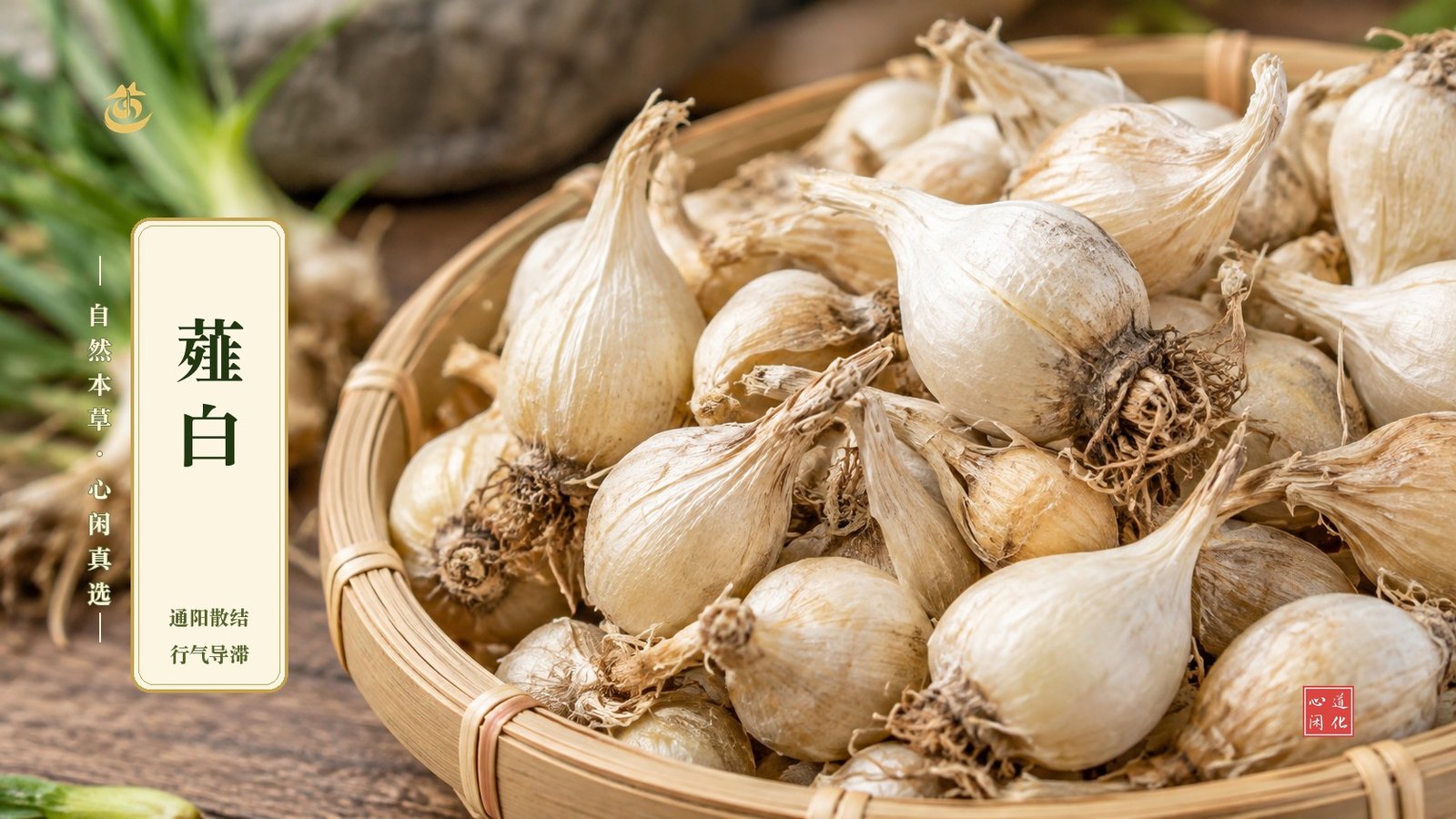
消食理气与和胃
身份与部位
百合科植物小根蒜 Allium macrostemon Bge.、薤 Allium chinense G. Don的干燥鳞茎。
主要产区
主产东北地区及江苏、湖北等地。普通产区不直接等同于道地产区。
性味
辛、苦;温
归经
肺、胃、大肠
传统功效
通阳散结,行气导滞
传统主治
胸痹寒痛,痰饮咳喘,泄痢后重
主要配伍
与瓜蒌见瓜蒌薤白白酒汤,医方。药用组合须辨证使用,不作为家庭处方。
神农本草经
孙星衍辑本电子转录,薤条:条文摘录“味辛,溫。主金創,創敗,輕身、不飢、耐老。”;按古代语境理解,轻身、不老等并非现代疗效证据。
本草纲目
卷26 薤:温中散结、治胸痹心痛及下气等;古药酒不是家用保健酒处方。
食养特点
传统通阳散结、行气,葱蒜样食材
食用方法与家庭制作
合规鲜品炒熟佐餐或入汤,不仿古医方泡酒
安全与使用边界
胸痛须就医,不能以通阳说自行处理心绞痛
官方目录依据
卫法监发〔2002〕51号;用途及身份限定依原公告。
覆盆子
内容摘要
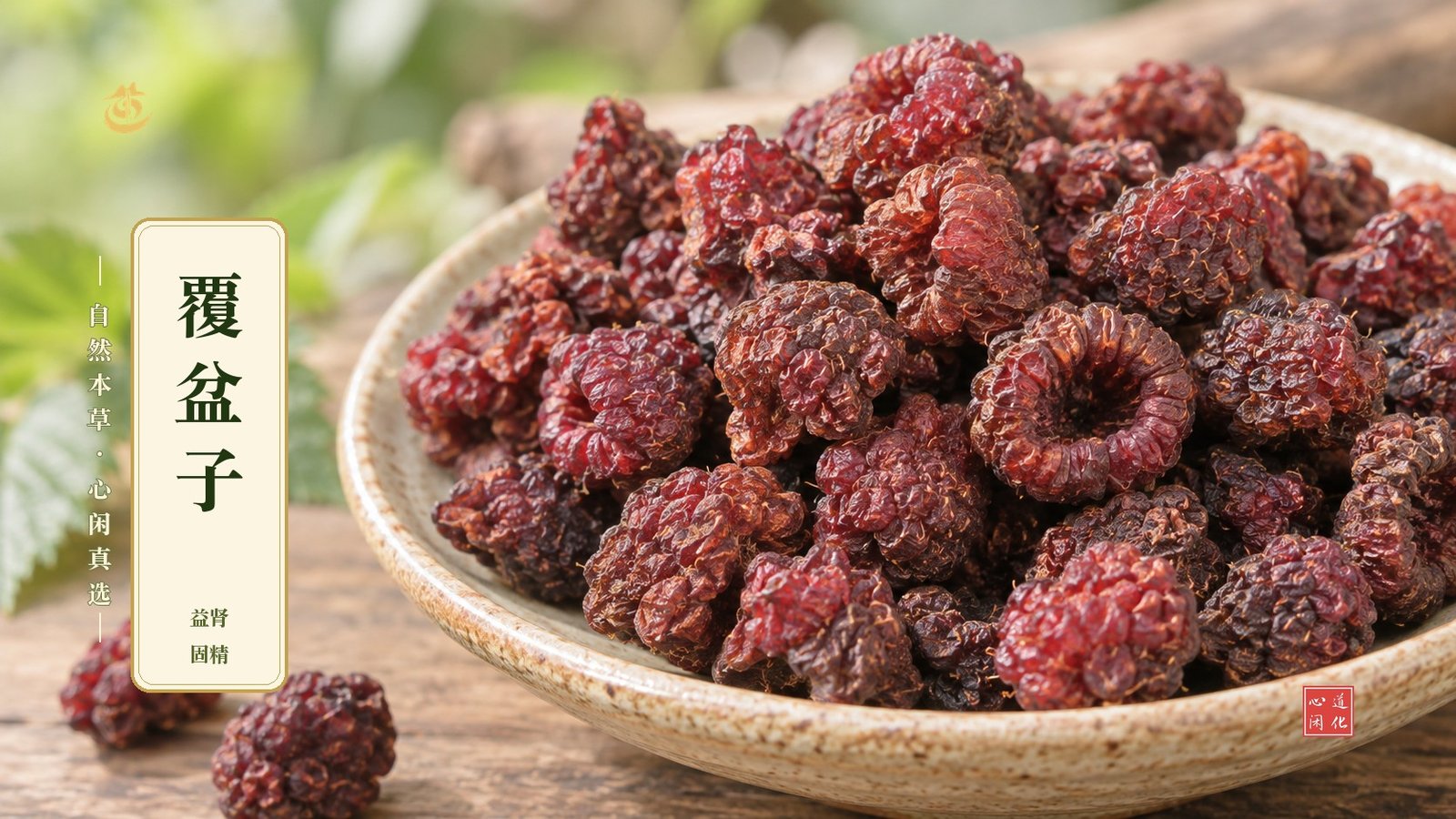
补气健脾与固摄
身份与部位
蔷薇科悬钩子属植物华东覆盆子 Rubus chingii Hu的干燥成熟果实。
主要产区
主产于浙江、福建、湖北、安徽、江西、广东等地。普通产区不直接等同于道地产区。
性味
甘、酸;温
归经
肾、膀胱
传统功效
益肾,固精,缩尿
传统主治
肾虚遗尿,小便频数,阳痿早泄,遗精滑精
主要配伍
配菟丝子等见五子衍宗丸,医方。药用组合须辨证使用,不作为家庭处方。
本草纲目
卷18上 覆盆子:补虚、补肝明目、益肾缩小便等;有子古说不转为改善生育的承诺。
食养特点
传统益肾固精、缩尿;食用鲜果另分
食用方法与家庭制作
药材为规定成熟度果实,食用覆盆莓与饮片不能互换
安全与使用边界
不得写提高生育率承诺;孕妇和泌尿症状者咨询
官方目录依据
卫法监发〔2002〕51号;用途及身份限定依原公告。
藿香
内容摘要
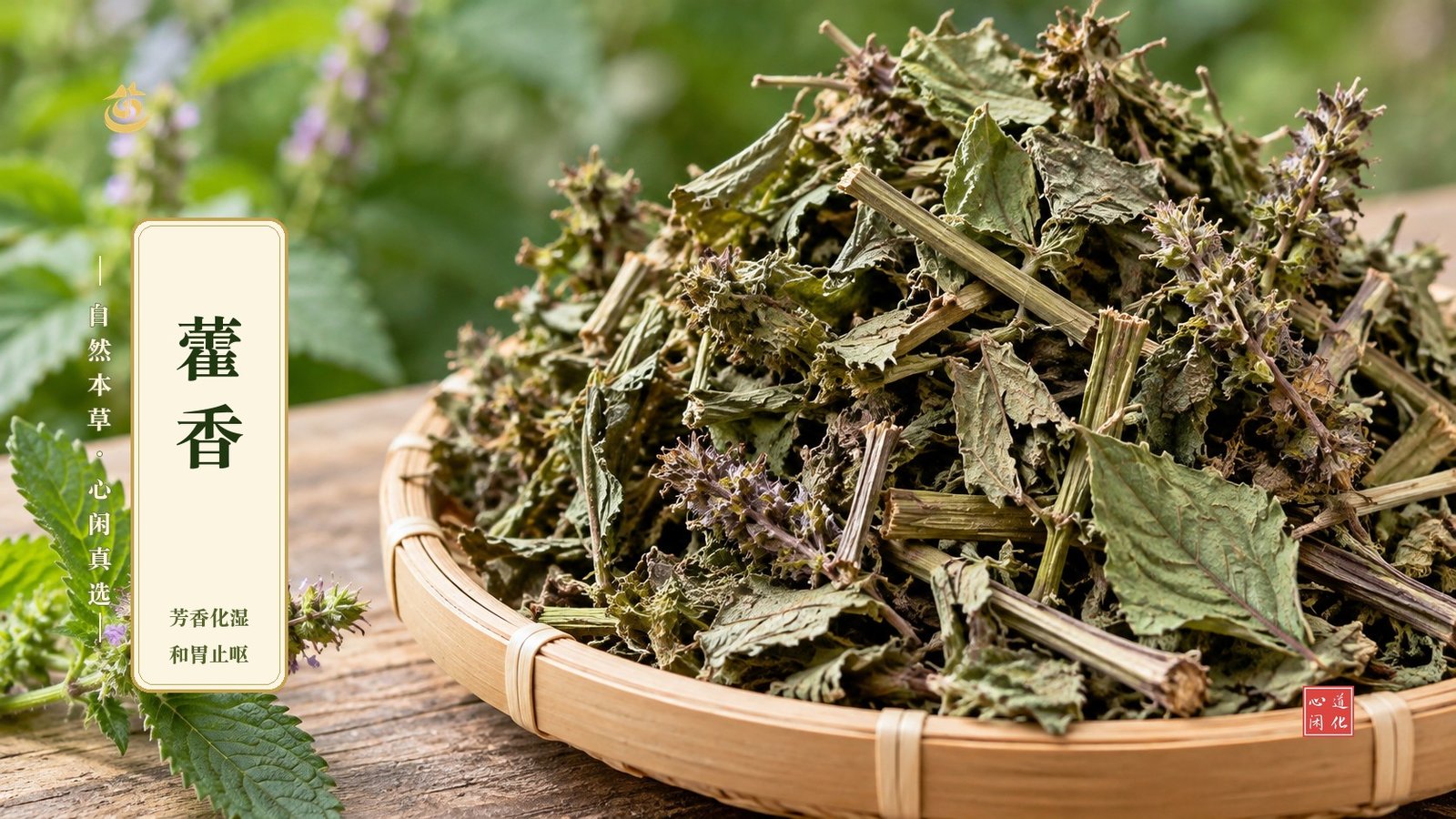
解表疏风与消暑
身份与部位
唇形科植物广藿香 Pogostemon cablin (Blanco) Benth.的干燥地上部分。
道地产地
广藿香:广东肇庆、高要及西江周边适宜生长地区。〔P01 PDF第852页〕 广藿香标准不等于所有古名藿香;古名与现代基原不能直接等同。
性味
辛,微温。
传统功效
芳香化湿;和胃止呕;祛暑解表。主湿阻中焦之脘腹痞闵;食欲不振;呕吐;泄泻;外感暑湿之寒热头痛;湿温初起的发热身困;胸闵恶心;鼻渊;手足癣
主要配伍
与橘皮等为芳香化湿思路;茶例见R04c。药用组合须辨证使用,不作为家庭处方。
本草纲目
卷14 藿香 枝叶:止吐逆、助胃气、开胃进饮食;古藿香与今广藿香基原须辨。
食养特点
传统芳香化湿、和中止呕
食用方法与家庭制作
用确定基原的合规原料;定量例中的藿香3g见R04c
安全与使用边界
广藿香与土藿香勿混用;挥发油不直接食用
官方目录依据
卫法监发〔2002〕51号;用途及身份限定依原公告。
当归
内容摘要
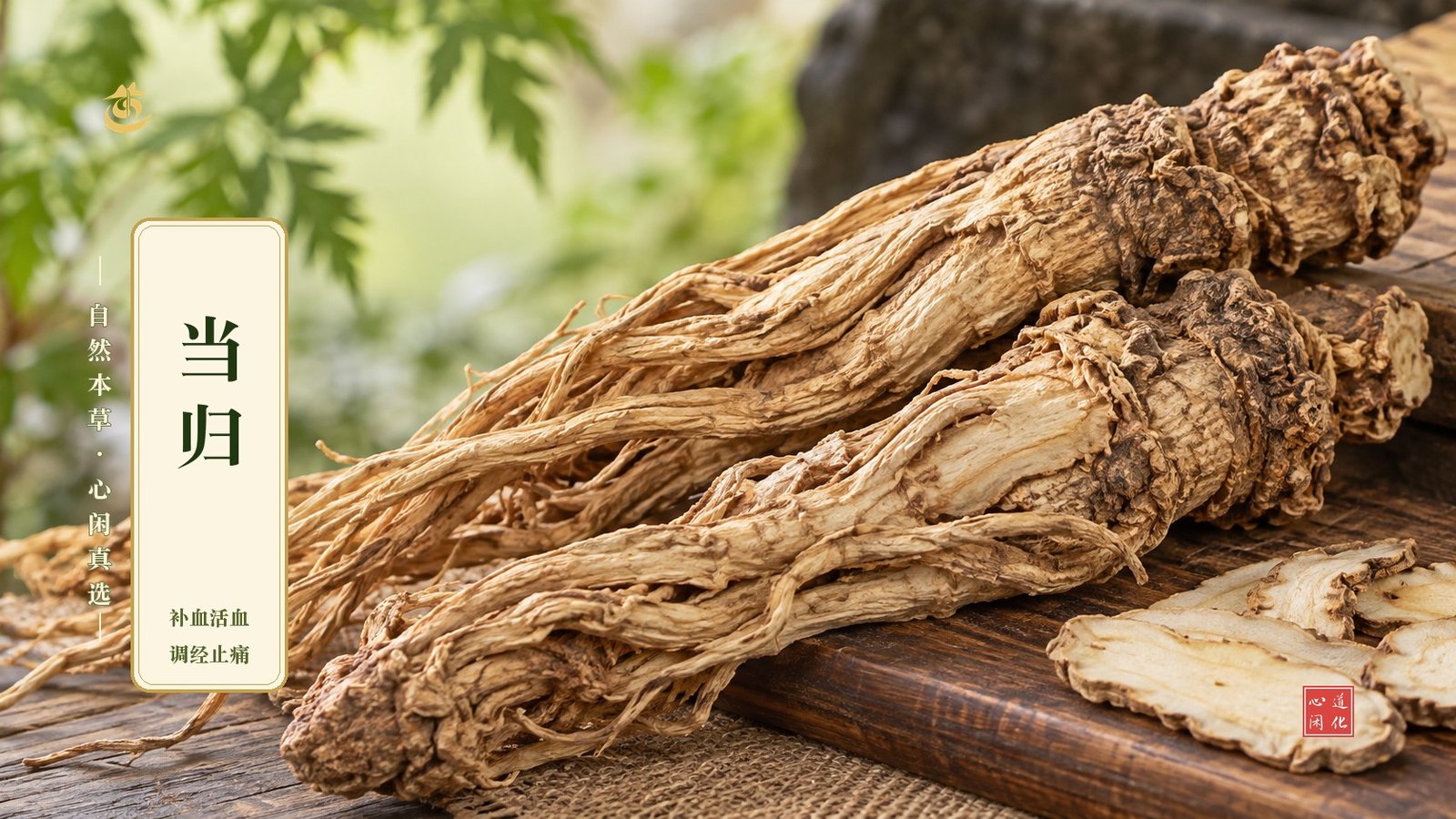
凉血止血与活血
身份与部位
伞形科植物当归 Angelica sinensis (Oliv.) Diels 的干燥根。
道地产地
岷当归:岷当归位于甘肃南部的岷山山脉东支和陇中黄土高原与青藏高原的交汇过渡带,传统以甘肃省岷县及其周边地区(如宕昌、漳县、渭源、卓尼、临潭等地)为当归药材的道地产区。〔P01 PDF第51页〕 云当归:云南省滇西北地区的大理、丽江、迪庆、怒江以及其他高寒冷凉地区。〔P01 PDF第1003页〕
性味
辛、甘;温
归经
肝、心、脾
传统功效
补血活血,调经止痛,润肠通便
传统主治
血虚萎黄,眩晕心悸,月经不调,经闭痛经,虚寒腹痛,肠燥便秘,风湿痹痛,跌扑损伤,痈疽疮疡
主要配伍
配黄芪见当归补血汤,只列医方知识。药用组合须辨证使用,不作为家庭处方。
神农本草经
孙星衍辑本电子转录,當歸条:条文摘录“味甘,溫。主咳逆上氣,溫瘧、寒熱,洗在皮膚中(《大觀本》,洗音癬),婦人漏下絕子,諸惡創瘍、金創。”;按古代语境理解,轻身、不老等并非现代疗效证据。
本草纲目
卷14 当归 根:和血补血、诸痛、虚劳及妇科病证认识;食品用途仍受2019公告限定。
食养特点
食品范围仅香辛料调味;传统补血活血另述
食用方法与家庭制作
仅作香辛料和调味品;不编制养生茶、药膳治疗或自行浓煎用量。
安全与使用边界
2019公告限用途;孕妇、出血及抗凝用药人群先咨询;2019年第8号限定用途须遵守。
官方目录依据
2019年第8号;用途及身份限定依原公告。
山柰
内容摘要
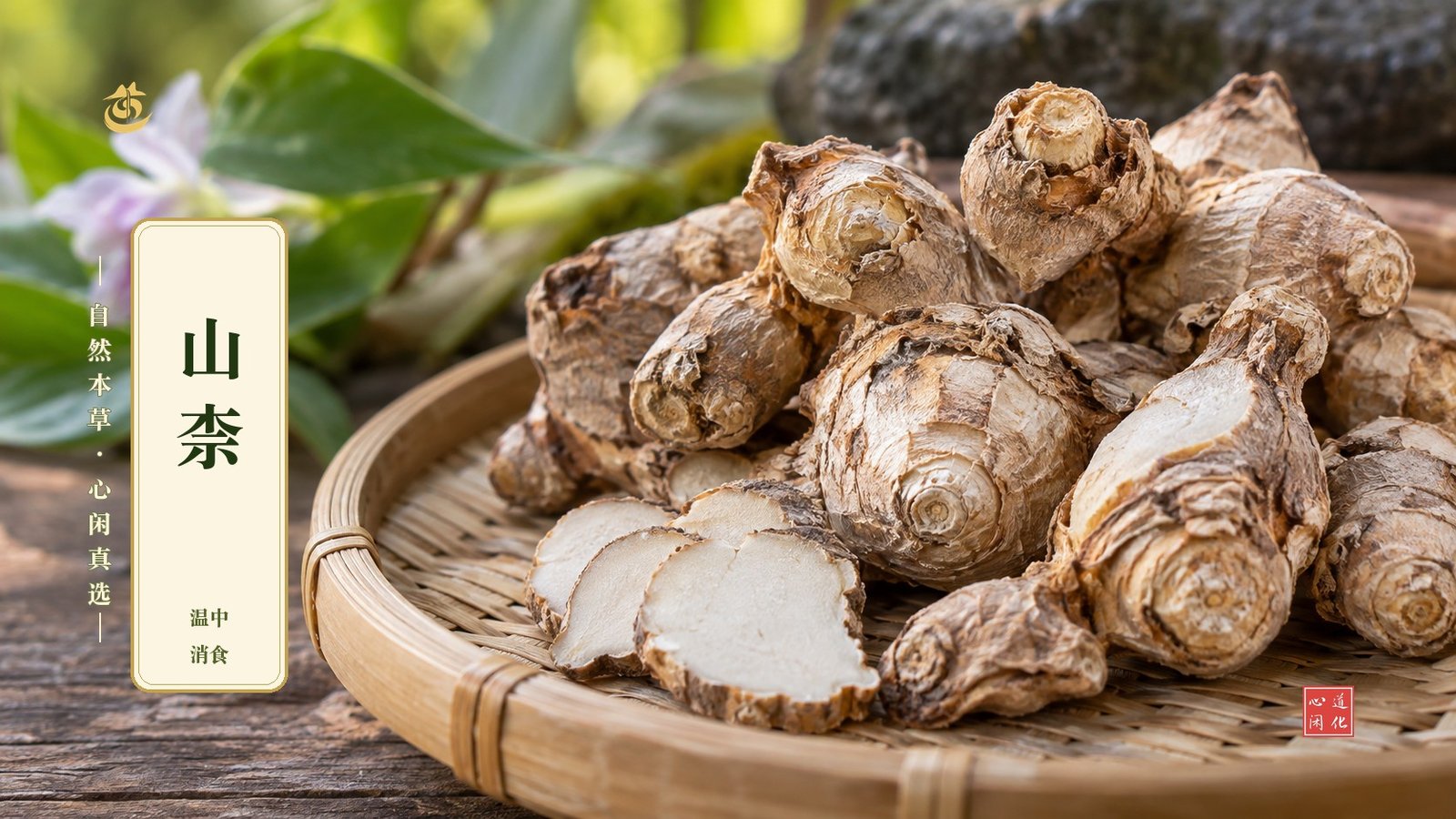
温中散寒与调味
身份与部位
姜科植物山柰 (沙姜) Kaempferia galanga L.的干燥根茎。
主要产区
主产福建、两广、闽南地区。普通产区不直接等同于道地产区。
性味
辛,温。
传统功效
温中,消食,止痛。治心腹冷痛,停食不化,跌打损伤,牙痛。用于胸隔胀满,脘腹冷痛。饮食不消
传统主治
脘腹冷痛,寒湿吐泻、霍乱,胸腹胀满,饮食不消,牙痛,风湿痹痛
主要配伍
厨房可配生姜、八角;属调味搭配。药用组合须辨证使用,不作为家庭处方。
本草纲目
卷14 山柰 根:暖中、心腹冷气痛、寒湿等;食品仅香辛料和调味品。
食养特点
食品范围仅香辛料调味;传统温中消食
食用方法与家庭制作
仅作香辛料和调味品;不编制养生茶、药膳治疗或自行浓煎用量。
安全与使用边界
仅香辛料调味;不随意磨粉作药茶;2019年第8号限定用途须遵守。
官方目录依据
2019年第8号;用途及身份限定依原公告。
西红花
内容摘要
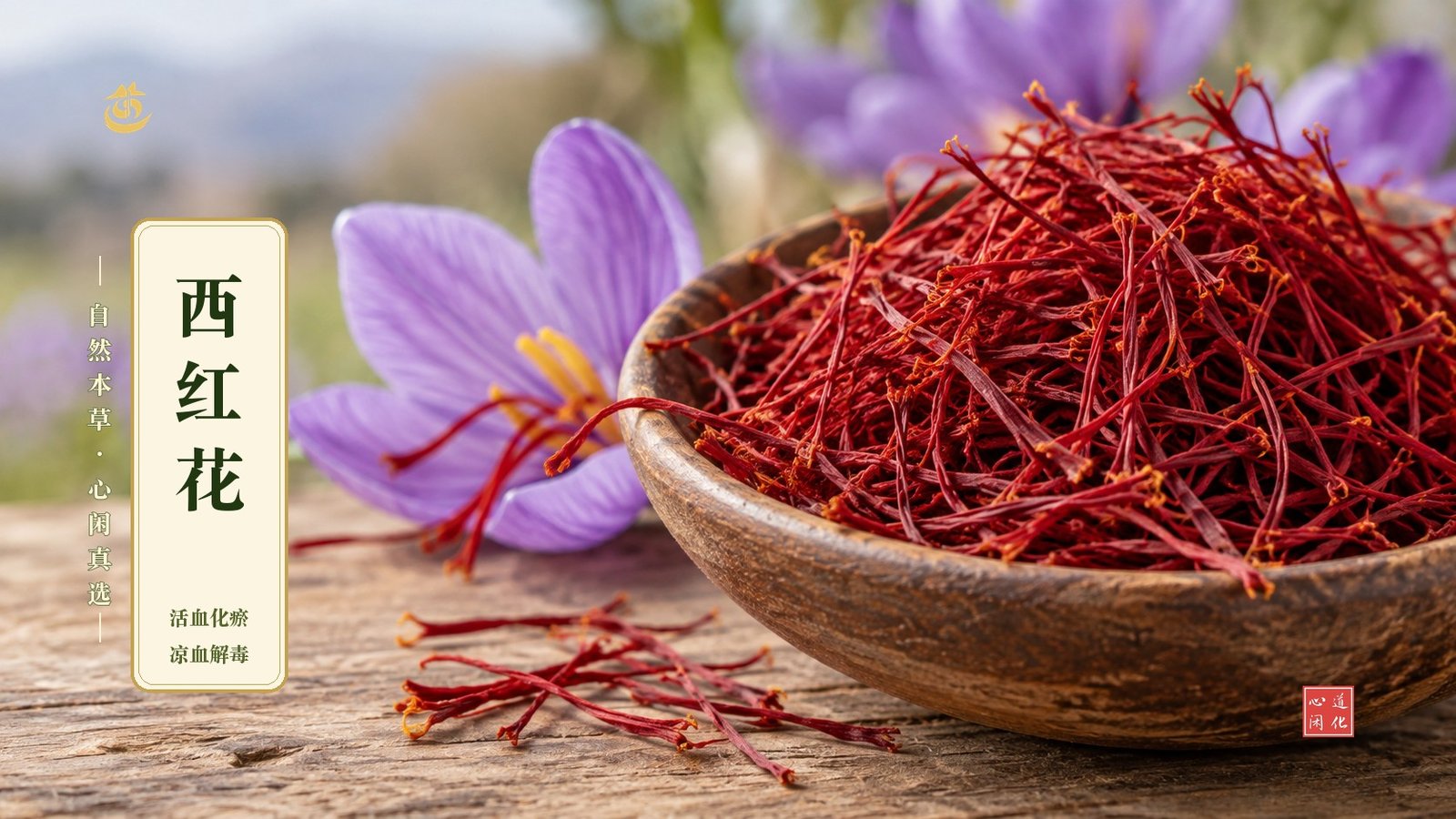
凉血止血与活血
身份与部位
鸢尾科植物番红花 Crocus sativus L.的柱头。
主要产区
主产于欧洲南部至伊朗。浙江、江西、江苏、北京、上海有少量栽培。普通产区不直接等同于道地产区。
性味
甘;平
归经
肝、心
传统功效
活血化瘀,凉血解毒,解郁安神
传统主治
经闭症瘕,产后瘀阻,温毒发斑,懮郁痞闷,惊悸发狂
主要配伍
不按红花药对替代;配米饭只作调色香辛。药用组合须辨证使用,不作为家庭处方。
本草纲目
卷15 番红花:心忧郁、气闷不散、活血、惊悸等;不套红花条,食品仅香辛调味。
食养特点
食品范围仅香辛料调味;传统活血解郁
食用方法与家庭制作
仅作香辛料和调味品;不编制养生茶、药膳治疗或自行浓煎用量。
安全与使用边界
仅香辛料调味;孕妇及出血抗凝人群慎;与红花不同;2019年第8号限定用途须遵守。
官方目录依据
2019年第8号;用途及身份限定依原公告。
草果
内容摘要
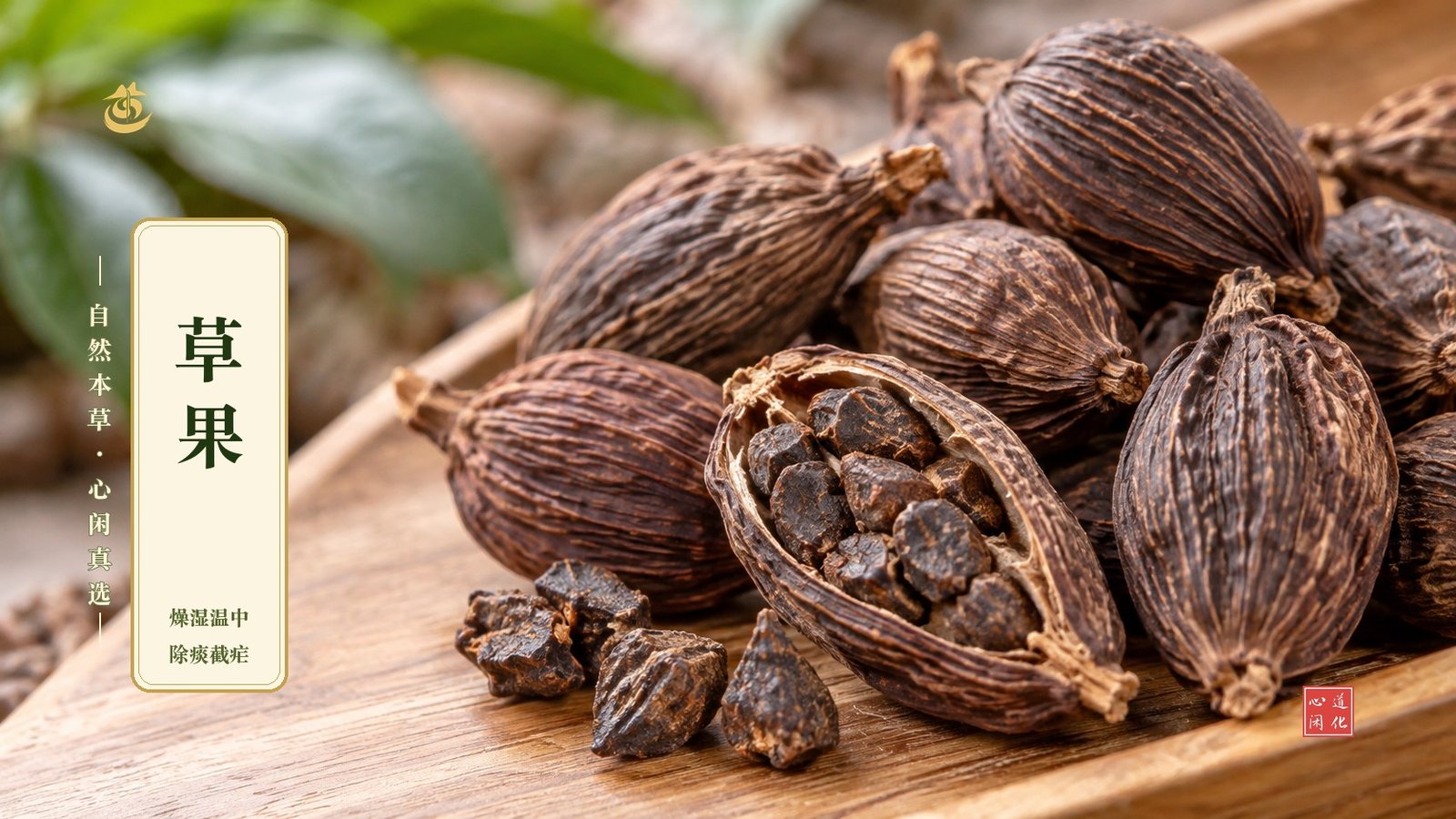
温中散寒与调味
身份与部位
姜科植物草果 Amomum tsao-ko Crevost et Lemaire的干燥成熟果实。
道地产地
云南草果:滇南和滇东南的金平、屏边、绿春、元阳、文山、马关、麻栗坡等临边境山区为核心及云南其他沿边境山区。〔P01 PDF第1036页〕
性味
辛;温
归经
脾、胃
传统功效
燥湿温中,除痰截疟
传统主治
寒湿内阻,脘腹胀痛,痞满呕吐,疟疾寒热
主要配伍
与生姜、八角为烹调搭配。药用组合须辨证使用,不作为家庭处方。
本草纲目
卷14 豆蔻 草豆蔻相关:温中、燥湿及瘴疟等历史论述;草果与现代草豆蔻药材不可简单互换,古名与现代药材应区别理解。
食养特点
仅香辛料调味;传统燥湿温中
食用方法与家庭制作
仅作香辛料和调味品;不编制养生茶、药膳治疗或自行浓煎用量。
安全与使用边界
仅香辛料调味;勿把截疟古说用于治疗疟疾;2019年第8号限定用途须遵守。
官方目录依据
2019年第8号;用途及身份限定依原公告。
姜黄
内容摘要
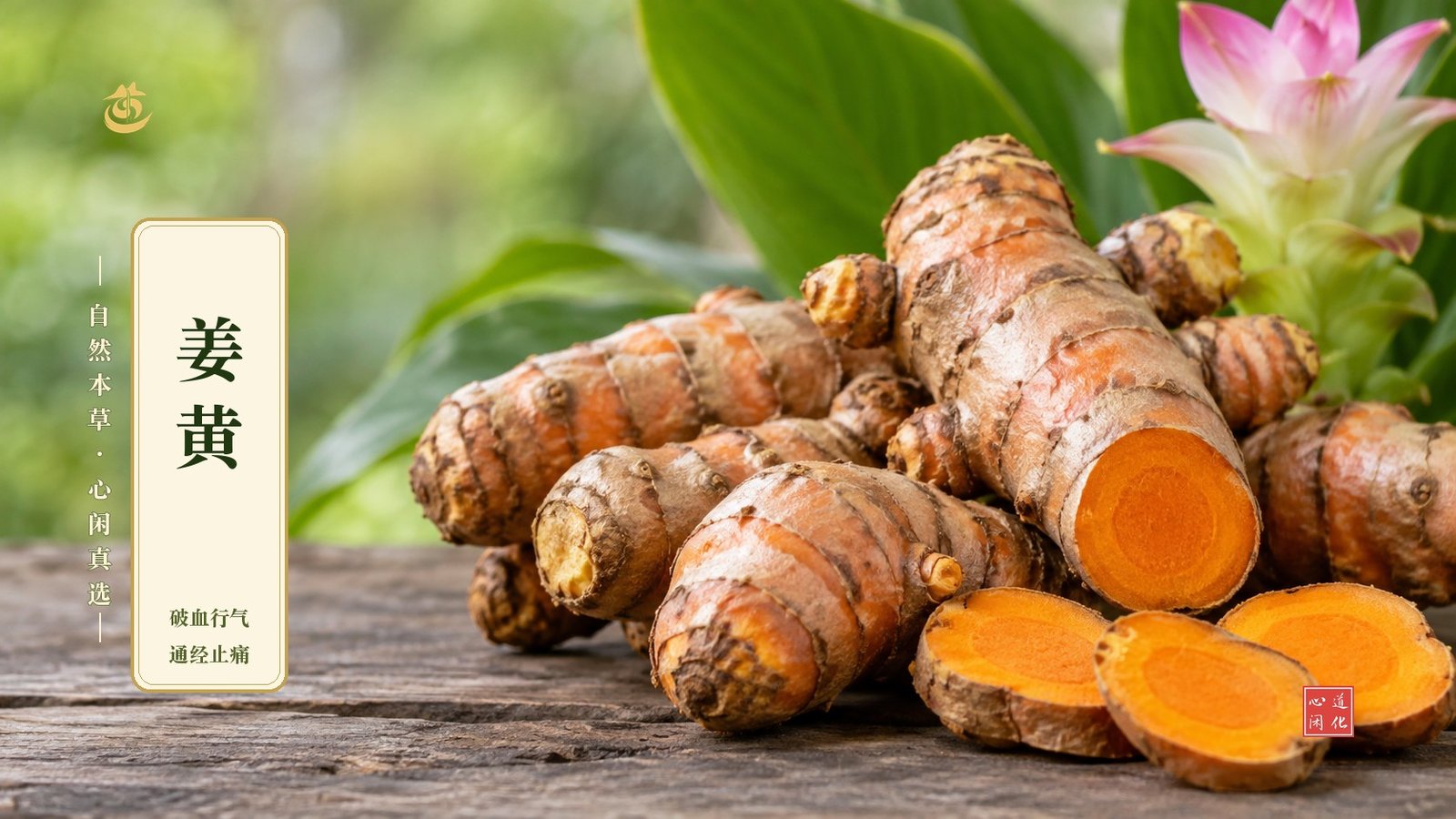
凉血止血与活血
身份与部位
姜科植物姜黄 Curcuma longa L.的干燥根茎。
道地产地
川姜黄:四川犍为、沐川、宜宾等川南一带,以及崇州、双流等金马河和羊马河流域一带。〔P01 PDF第273页〕
性味
辛、苦;温
归经
肝、脾
传统功效
破血行气,通经止痛
传统主治
胸胁刺痛,闭经,症瘕,风湿肩臂疼痛,跌扑肿痛
主要配伍
与胡椒同作厨房调味不等于增效医方。药用组合须辨证使用,不作为家庭处方。
本草纲目
卷14 薑黄:破血、行气、通月经、治瘀血及风痹臂痛等;与郁金不同。
食养特点
仅香辛料调味;传统破血行气
食用方法与家庭制作
仅作香辛料和调味品;不编制养生茶、药膳治疗或自行浓煎用量。
安全与使用边界
仅香辛料调味;浓缩提取物不直接等同于目录原料,胆道病及抗凝用药咨询;2019年第8号限定用途须遵守。
官方目录依据
2019年第8号;用途及身份限定依原公告。
荜茇
内容摘要
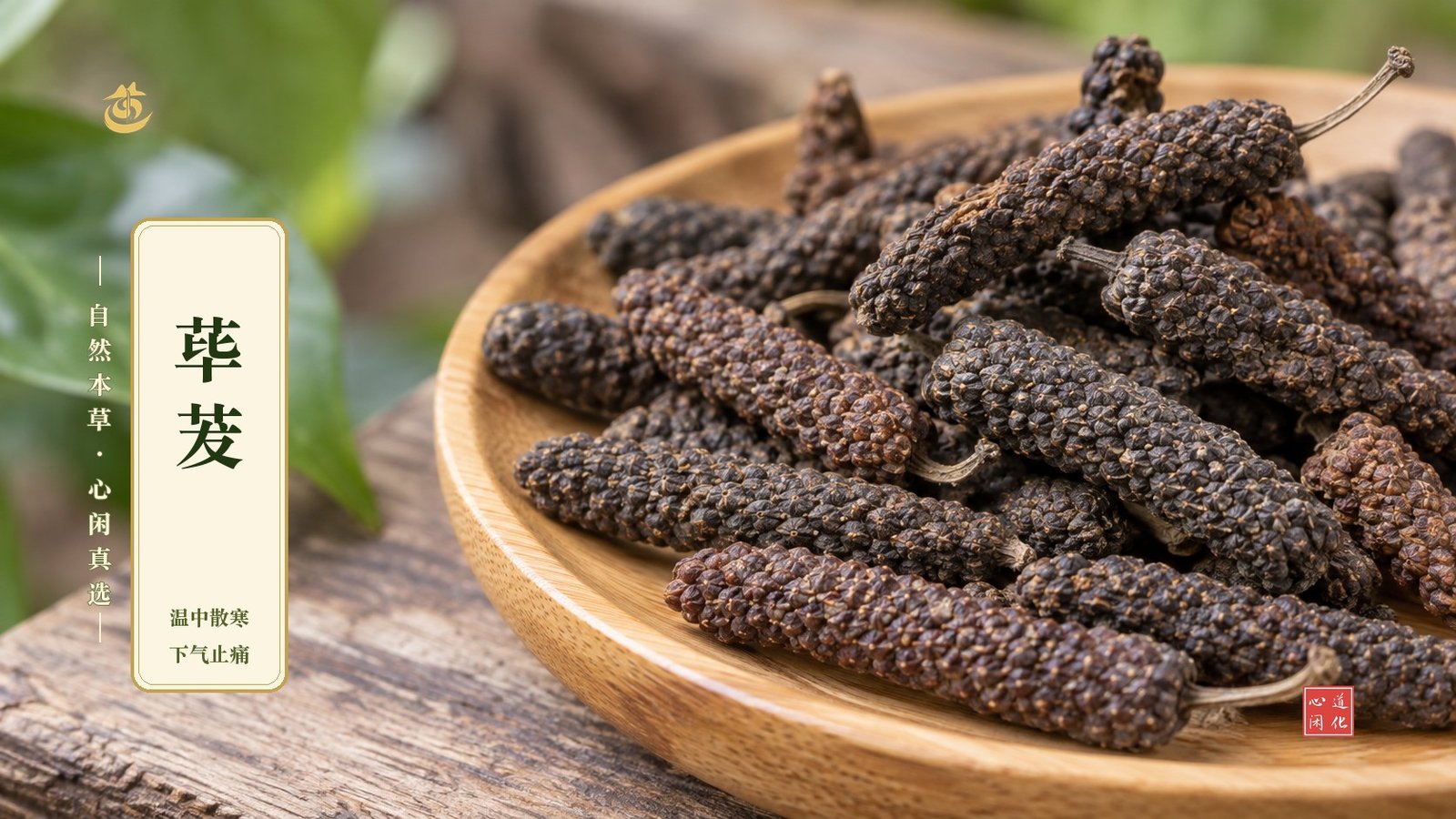
温中散寒与调味
身份与部位
胡椒科植物荜茇 Piper longum L.的干燥近成熟或成熟果穗。
主要产区
主产印尼等地。普通产区不直接等同于道地产区。
性味
苦;热
归经
胃、大肠
传统功效
温中散寒,下气止痛
传统主治
脘腹冷痛,呕吐,泄泻,偏头痛;外治牙痛
主要配伍
可配胡椒等为调味文化,不作通用药方。药用组合须辨证使用,不作为家庭处方。
本草纲目
卷14 蓽茇:温中下气、心腹冷痛等;同时指出辛热耗散不宜多用。
食养特点
仅香辛料调味;传统温中止痛
食用方法与家庭制作
仅作香辛料和调味品;不编制养生茶、药膳治疗或自行浓煎用量。
安全与使用边界
仅香辛料调味,温燥刺激;不作日常药茶;2019年第8号限定用途须遵守。
官方目录依据
2019年第8号;用途及身份限定依原公告。
党参
内容摘要
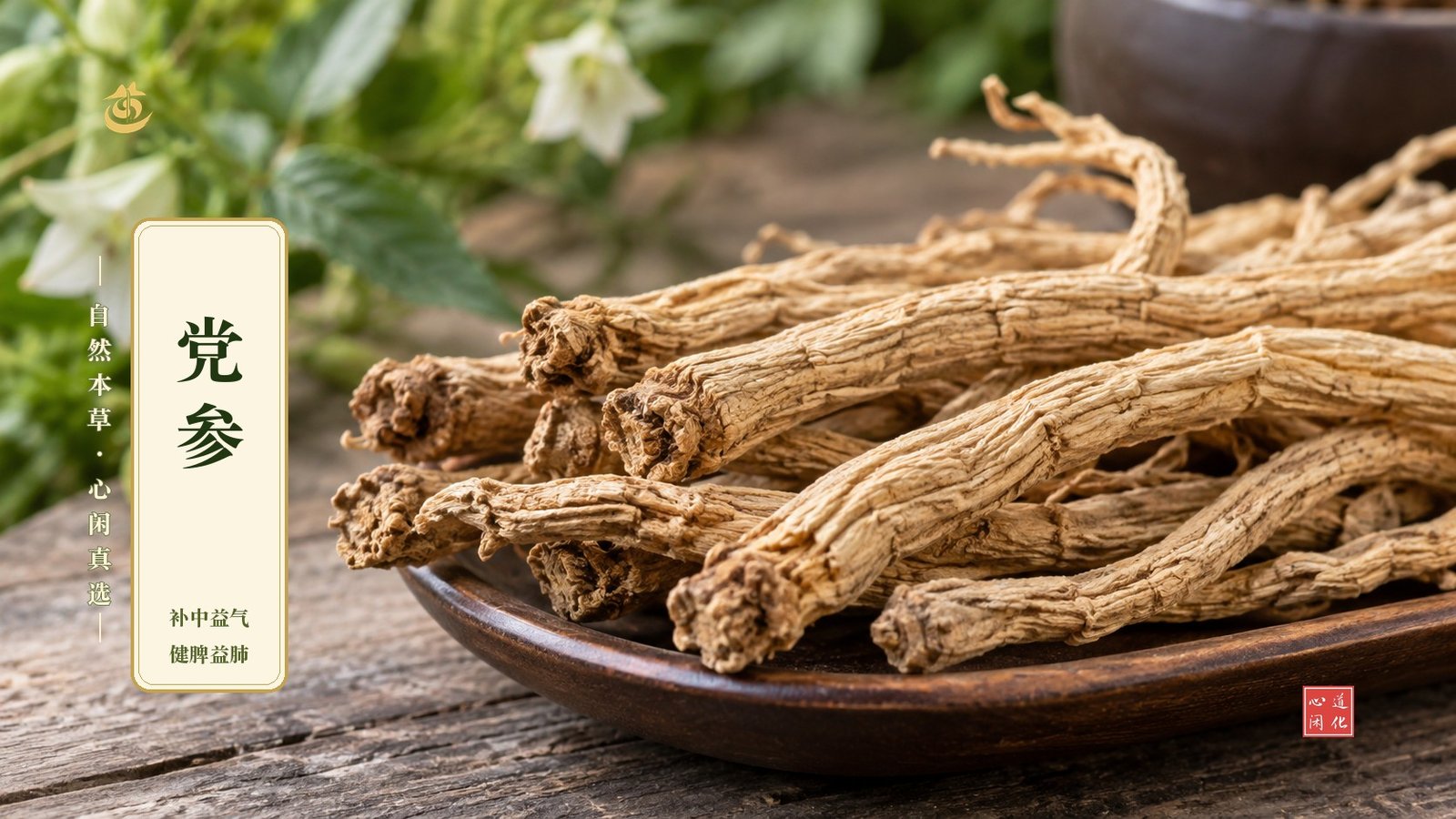
补气健脾与固摄
身份与部位
桔梗科植物党参 Codonopsis pilosula (Franch.) Nannf.的干燥根。
道地产地
潞党参:主产于山西省长治市、晋城市及周边地区。〔P01 PDF第40页〕
性味
甘;平
归经
脾、肺
传统功效
补中益气,健脾益肺
传统主治
脾肺虚弱,气短心悸,食少便溏,虚喘咳嗽,内热消渴
食养特点
传统补气健脾、生津养血
食用方法与家庭制作
用合规干根入汤煮后滤出,按完整食谱量;非随意增加
安全与使用边界
新增9项特殊人群不推荐;不与藜芦同用;官方不推荐孕妇、哺乳期妇女及婴幼儿食用。
官方目录依据
2023年第9号;用途及身份限定依原公告。
肉苁蓉(荒漠)
内容摘要
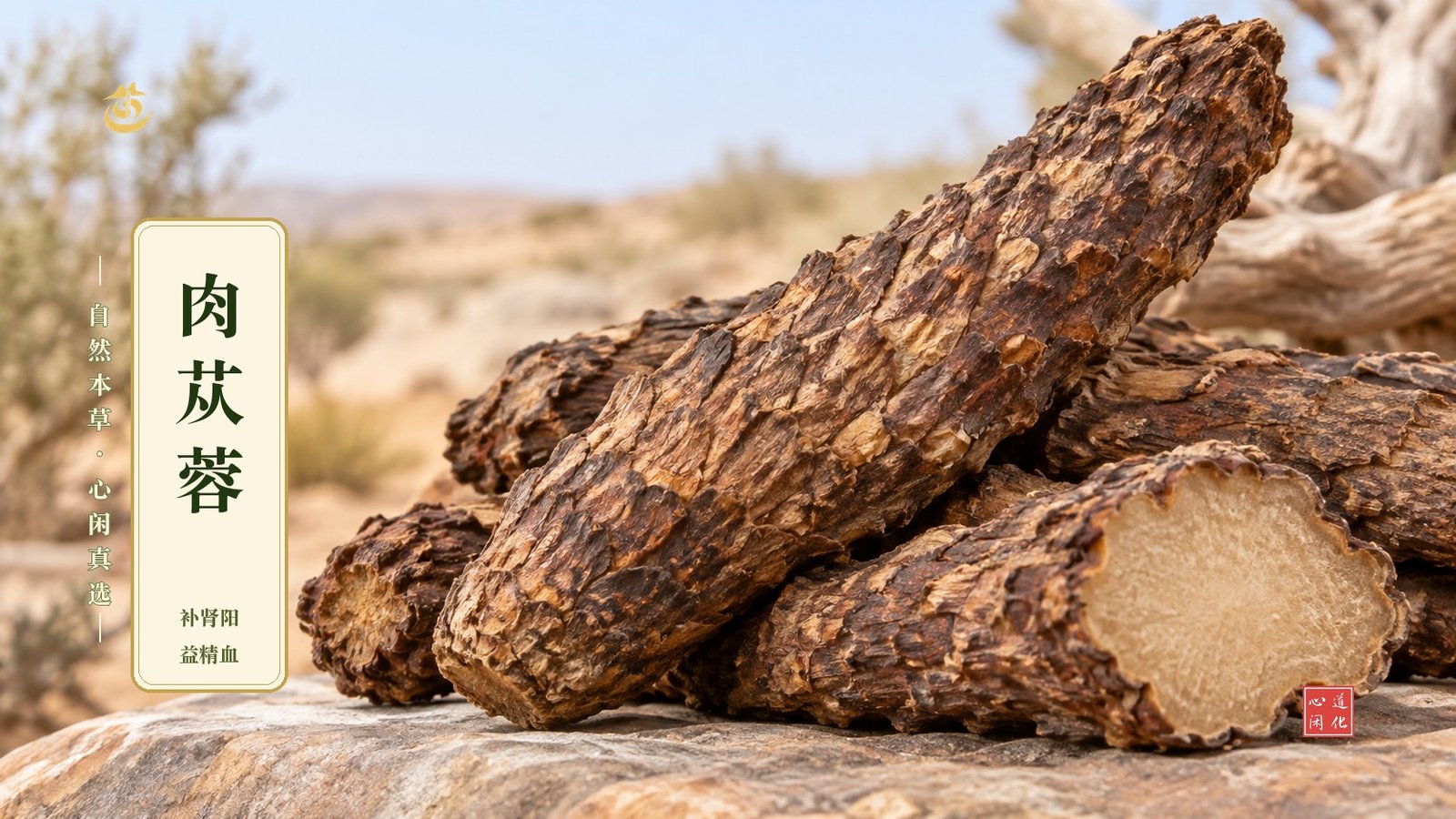
润肠与食养油脂
身份与部位
列当科植物肉苁蓉 Cistanche deserticola Y. C. Ma 的干燥带鳞叶的肉质茎;按2023年第9号公告,不以管花肉苁蓉替代。
道地产地
肉苁蓉:产于内蒙古阿拉善盟为中心的西部沙漠地区及与甘肃接壤的沙漠地区的肉苁蓉药材。〔P01 PDF第1276页〕
性味
甘、咸;温
归经
肾、大肠
传统功效
补肾阳,益精血,润肠通便
传统主治
阳痿,不孕,腰膝酸软,筋骨无力,肠燥便秘
主要配伍
与火麻仁为润肠医用思路。药用组合须辨证使用,不作为家庭处方。
神农本草经
孙星衍辑本电子转录,肉松蓉条:条文摘录“味甘,微溫。主五勞七傷,補中,除莖中寒熱痛,養五臟,強陰,益精氣,多子,婦人症瘕。”;按古代语境理解,轻身、不老等并非现代疗效证据。
本草纲目
卷12上 肉苁蓉:补中、益精气、暖腰膝等;古广义肉苁蓉不直接锁定现代荒漠种。
食养特点
传统补肾益精、润肠;非人人壮阳补品
食用方法与家庭制作
合规荒漠肉苁蓉加工原料可按有出处的完整食谱入汤,不列通用添加量。
安全与使用边界
新增9项特殊人群不推荐;便溏腹泻慎;不以管花肉苁蓉替代;官方不推荐孕妇、哺乳期妇女及婴幼儿食用。
官方目录依据
2023年第9号;用途及身份限定依原公告。
铁皮石斛
内容摘要
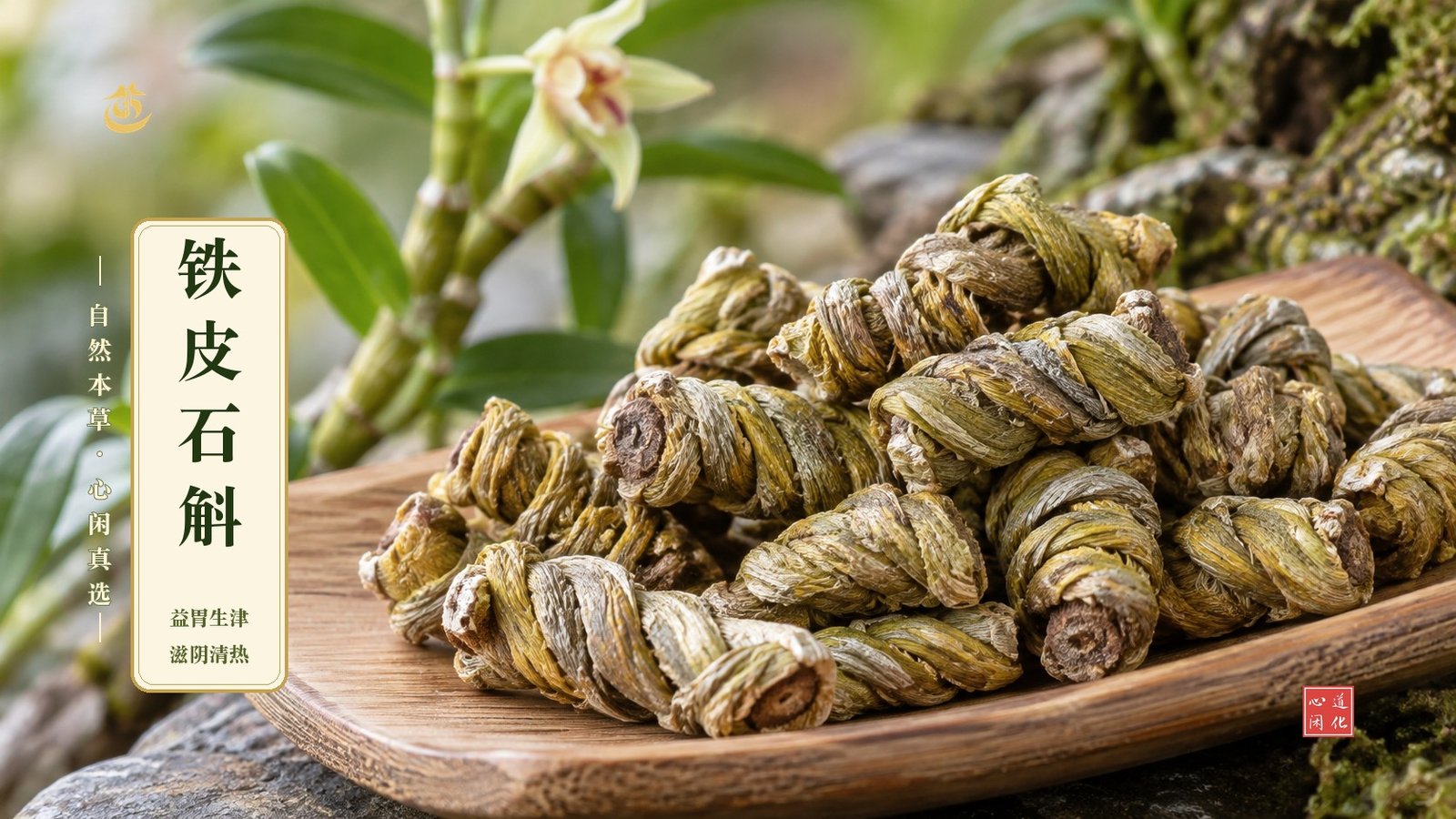
养阴润肺与生津
身份与部位
兰科植物铁皮石斛的干燥茎;古称石斛不能唯一锁定现代铁皮石斛。
道地产地
铁皮石斛:以浙江省乐清市、台州市天台县、金华市武义县、杭州市临安区为中心,核心区域包括浙江省(温台地区、金丽衢地区、杭州地区)、云南省广南县等周边地区。〔P01 PDF第1370页〕
性味
甘;微寒
归经
胃、肾
传统功效
益胃生津,滋阴清热
传统主治
热病津伤、口干烦渴、胃阴不足、食少干呕及阴虚虚热等传统病证
主要配伍
与麦冬为养阴生津医用思路。药用组合须辨证使用,不作为家庭处方。
神农本草经
孙星衍辑本电子转录,石斛条:条文摘录“味甘,平。主傷中,除痹,下氣,補五臟虛勞、羸瘦,強陰。”;按古代语境理解,轻身、不老等并非现代疗效证据。 古名及部位不能直接等同于现代目录基原。
本草纲目
卷20 石斛:补虚、益精、强阴、平胃气等广义石斛认识;不能声称条中每句均专指铁皮石斛。
食养特点
传统益胃生津;古石斛记载属广义溯源
食用方法与家庭制作
医院科普药茶示例:石斛5g、绿茶3g开水冲泡;原文针对津伤口渴、病后虚热,须辨证,不作为人人日常量。详见本条医院来源。
安全与使用边界
新增9项特殊人群不推荐;古籍石斛不能锁定铁皮种;官方不推荐孕妇、哺乳期妇女及婴幼儿食用。
官方目录依据
2023年第9号;用途及身份限定依原公告。
西洋参
内容摘要
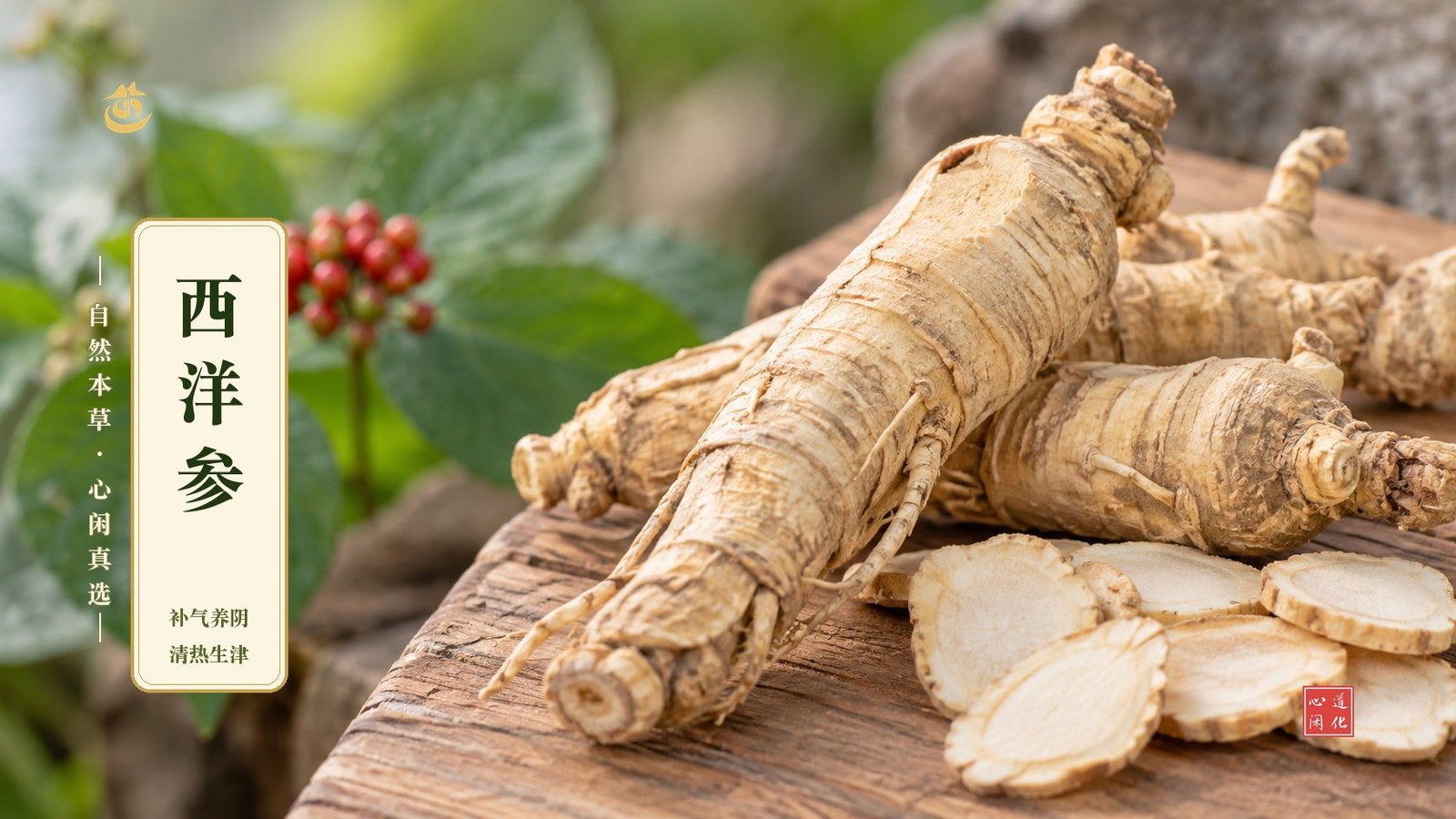
补气健脾与固摄
身份与部位
五加科植物西洋参 Panax quinquefolium L.的干燥根。
主要产区
主产加拿大、美国等地。普通产区不直接等同于道地产区。
性味
微苦、甘;凉
归经
心、肺、肾
传统功效
补气养阴,清热生津
传统主治
气虚阴亏,内热,咳喘痰血,虚热烦倦,消渴,口燥咽干
主要配伍
与麦冬为补气养阴配伍,医用。药用组合须辨证使用,不作为家庭处方。
食养特点
传统补气养阴、清热生津
食用方法与家庭制作
合规根片煮饮,按产品或专业指导;不套用人参量
安全与使用边界
新增9项特殊人群不推荐;不与藜芦同用,合并用药咨询;官方不推荐孕妇、哺乳期妇女及婴幼儿食用。
官方目录依据
2023年第9号;用途及身份限定依原公告。
黄芪
内容摘要
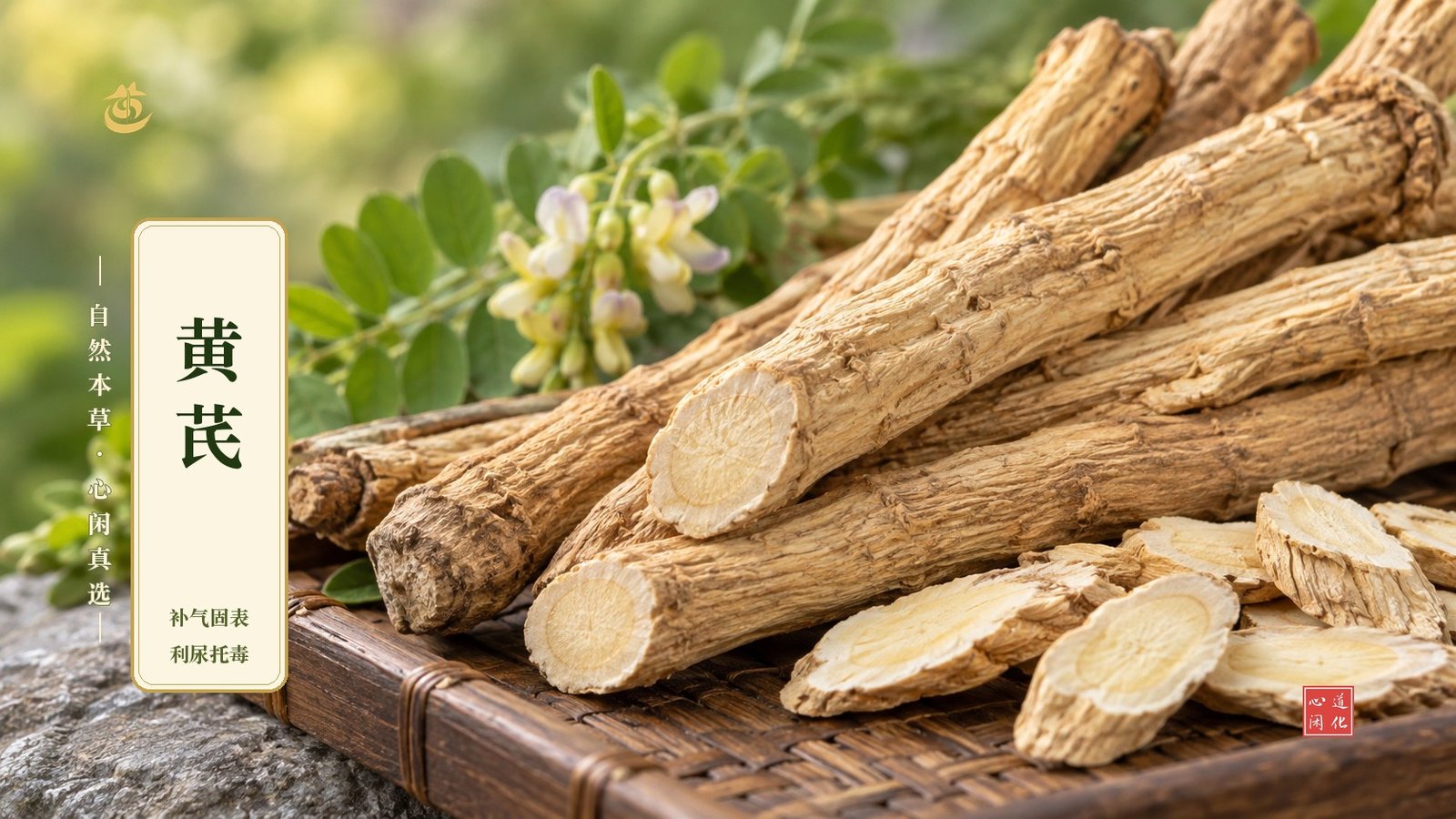
补气健脾与固摄
身份与部位
豆科植物蒙古黄芪 Astragalus membranaceus (Fisch.) Bge. var. mongholicus (Bge.) Hsiao、膜荚黄芪 Astragalus membranaceus (Fisch.) 的干燥根。
道地产地
北芪:以恒山、太行山山脉为核心的山西北部、内蒙中西部以及与此区域接壤或临近的甘肃、宁夏、陕西、河北、东北等地区干旱中温带。〔P01 PDF第30页〕
性味
甘;温
归经
脾、肺
传统功效
补气固表,利尿托毒,排脓,敛疮生肌
传统主治
气虚乏力,食少便溏,中气下陷,久泻脱肛,便血崩漏,表虚自汗,气虚水肿,痈疽难溃,久溃不敛,血虚萎黄,内热消渴;慢性肾炎蛋白尿,糖尿病
主要配伍
与大枣有官方茶例;与当归为医方。药用组合须辨证使用,不作为家庭处方。
本草纲目
卷12上 黄耆 根:补虚、排脓、止痛、补肺益气及虚劳自汗等;古瘰疬等不直接等同现代诊断。
食养特点
传统补气,适合辨识后的气虚食養
食用方法与家庭制作
黄芪10g与红枣2至3枚例见R08,非全民长期量
安全与使用边界
新增9项特殊人群不推荐;发热等不要自行按气虚喝;官方不推荐孕妇、哺乳期妇女及婴幼儿食用。
官方目录依据
2023年第9号;用途及身份限定依原公告。
灵芝
内容摘要
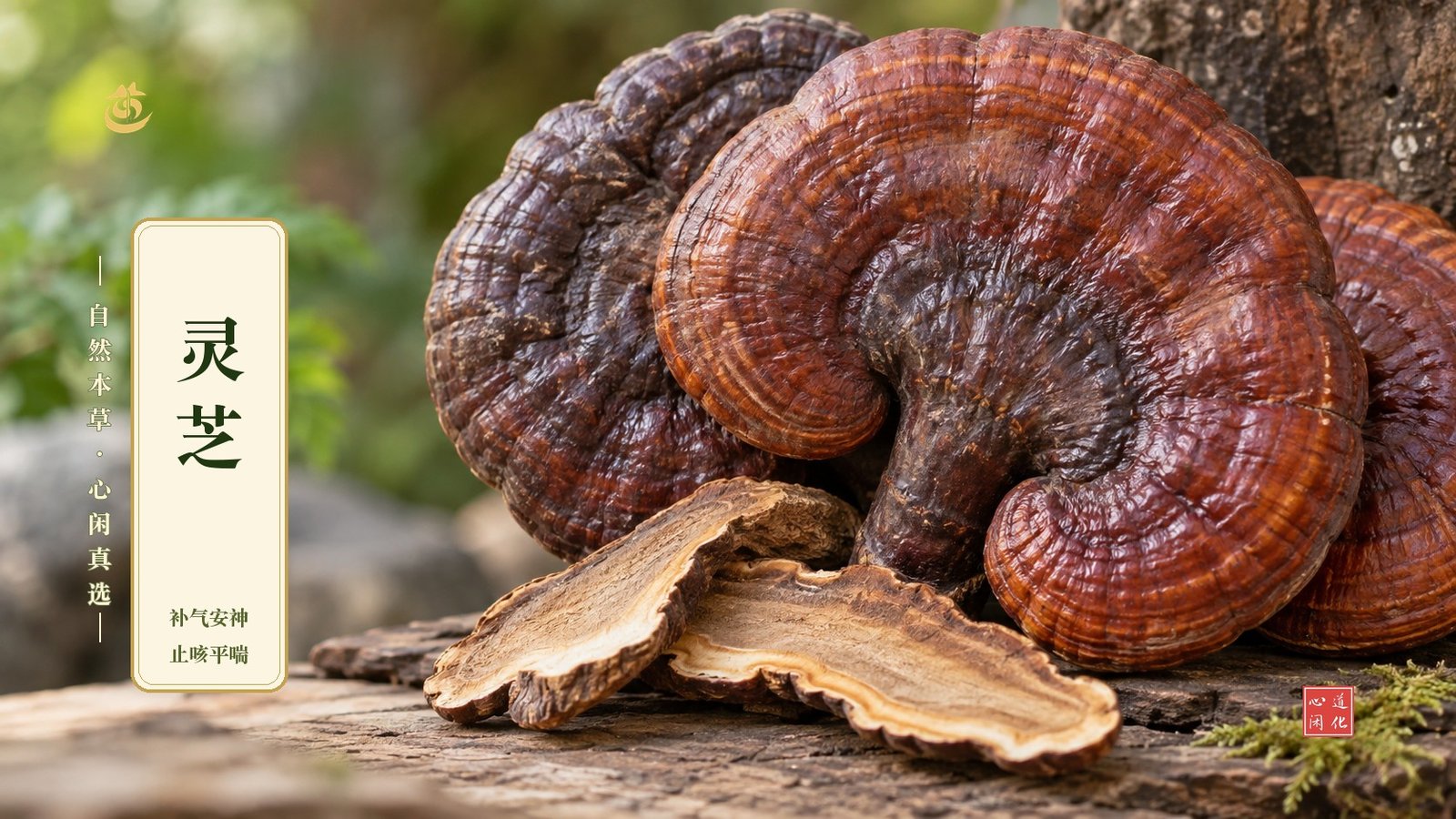
收涩生津与安神
身份与部位
多孔菌科真菌赤芝 Ganoderma lucidum (Leyss.ex Fr.) Karst.或紫芝 Ganoderma sinense Zhao, Xu et Zhang的干燥子实体。
道地产地
赤芝:以浙江省龙泉市、武义县,安徽省金寨县、霍山县、岳西县为中心,核心区域包括武夷山山脉、仙霞岭山脉、括苍山山脉、大别山山脉等周边地区。〔P01 PDF第1360页〕 所列道地条目仅为赤芝,不扩展至目录全部灵芝基原。
性味
甘;平(平据浸会大学条目)
归经
肝、心、肺、肾
传统功效
补气安神,止咳平喘
传统主治
眩晕不眠,心悸气短,虚劳咳喘
主要配伍
不列万能补品组合;与其他药物需辨证。药用组合须辨证使用,不作为家庭处方。
神农本草经
孙星衍辑本电子转录,赤芝条:条文摘录“味苦,平。主胸中結,益心氣,補中,增智慧,不忘。”;按古代语境理解,轻身、不老等并非现代疗效证据。 古名及部位不能直接等同于现代目录基原。
本草纲目
卷28 芝 赤芝及紫芝:赤芝益心气、补中;紫芝益精气、利关节等,古六芝不与今基原逐项强行等同。
食养特点
传统补气安神,非抗癌或免疫疗效承诺
食用方法与家庭制作
合规赤芝或紫芝子实体可切片煮饮,不列通用日常用量。
安全与使用边界
新增9项特殊人群不推荐;孢子粉不是子实体自动覆盖;官方不推荐孕妇、哺乳期妇女及婴幼儿食用。
官方目录依据
2023年第9号;用途及身份限定依原公告。
山茱萸
内容摘要
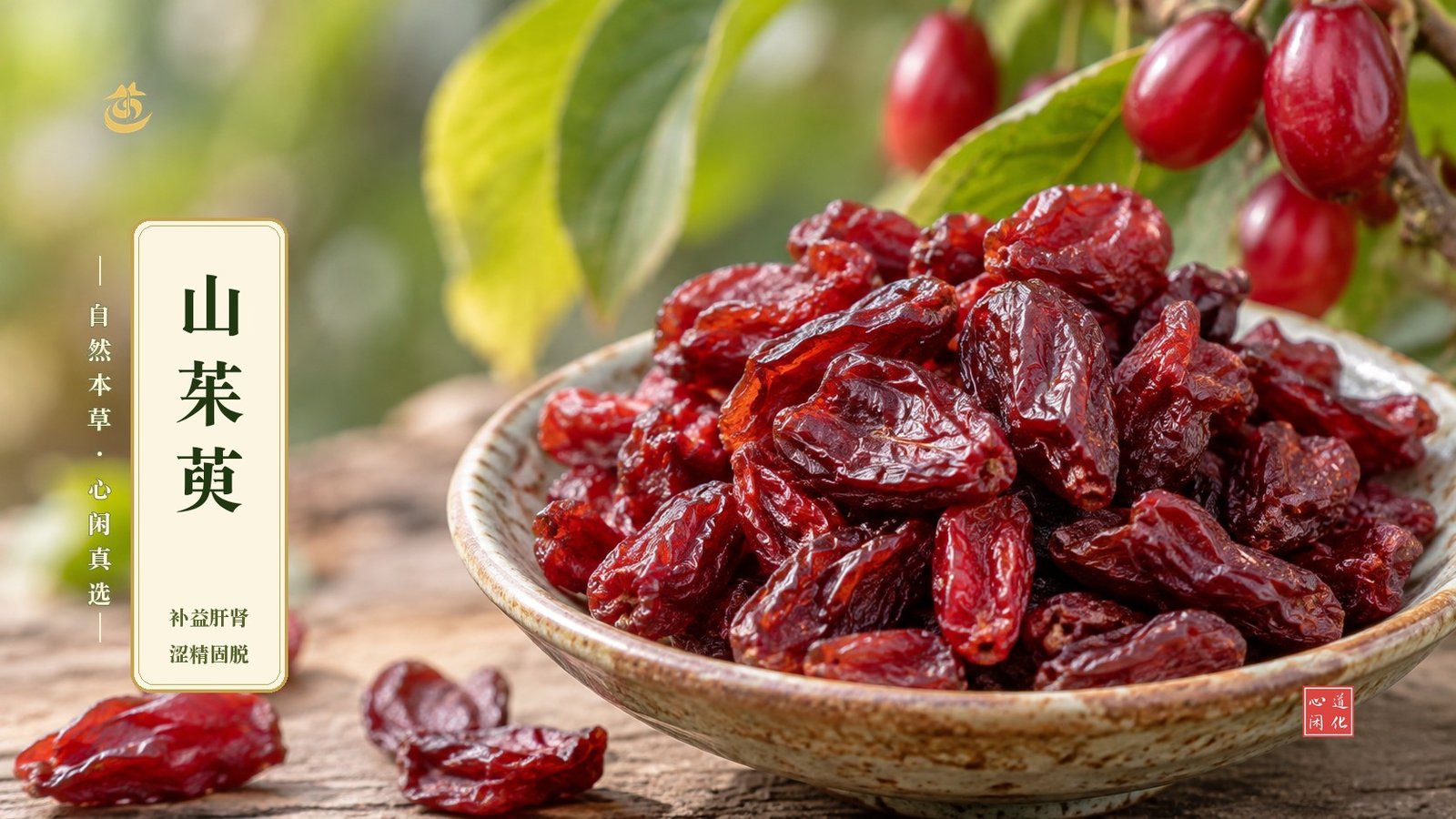
收涩生津与安神
身份与部位
山茱萸科植物山茱萸 Cornus officinalis Sieb. et Zucc. 的干燥成熟果肉。
道地产地
淳萸肉:地处浙江省西北部天目山区,位于淳安县、临安市及周边区域,属中亚热带季风型气候。〔P01 PDF第220页〕
性味
涩、酸;微温
归经
肝、肾
传统功效
补益肝肾,涩精固脱
传统主治
眩晕耳鸣,腰膝酸痛,阳痿遗精,遗尿尿频,崩漏带下,大汗虚脱,内热消渴
主要配伍
与熟地、山药见六味地黄丸,医方。药用组合须辨证使用,不作为家庭处方。
本草纲目
卷36 山茱萸 实:温中、强阴益精、止小便利及酸涩收滑等;与吴茱萸分清。
食养特点
传统补益肝肾、收涩,不是酸甜果零食
食用方法与家庭制作
使用合规去核果肉加工原料,不仿医方浓煎,不列通用茶饮量。
安全与使用边界
新增9项特殊人群不推荐;与吴茱萸不同;官方不推荐孕妇、哺乳期妇女及婴幼儿食用。
官方目录依据
2023年第9号;用途及身份限定依原公告。
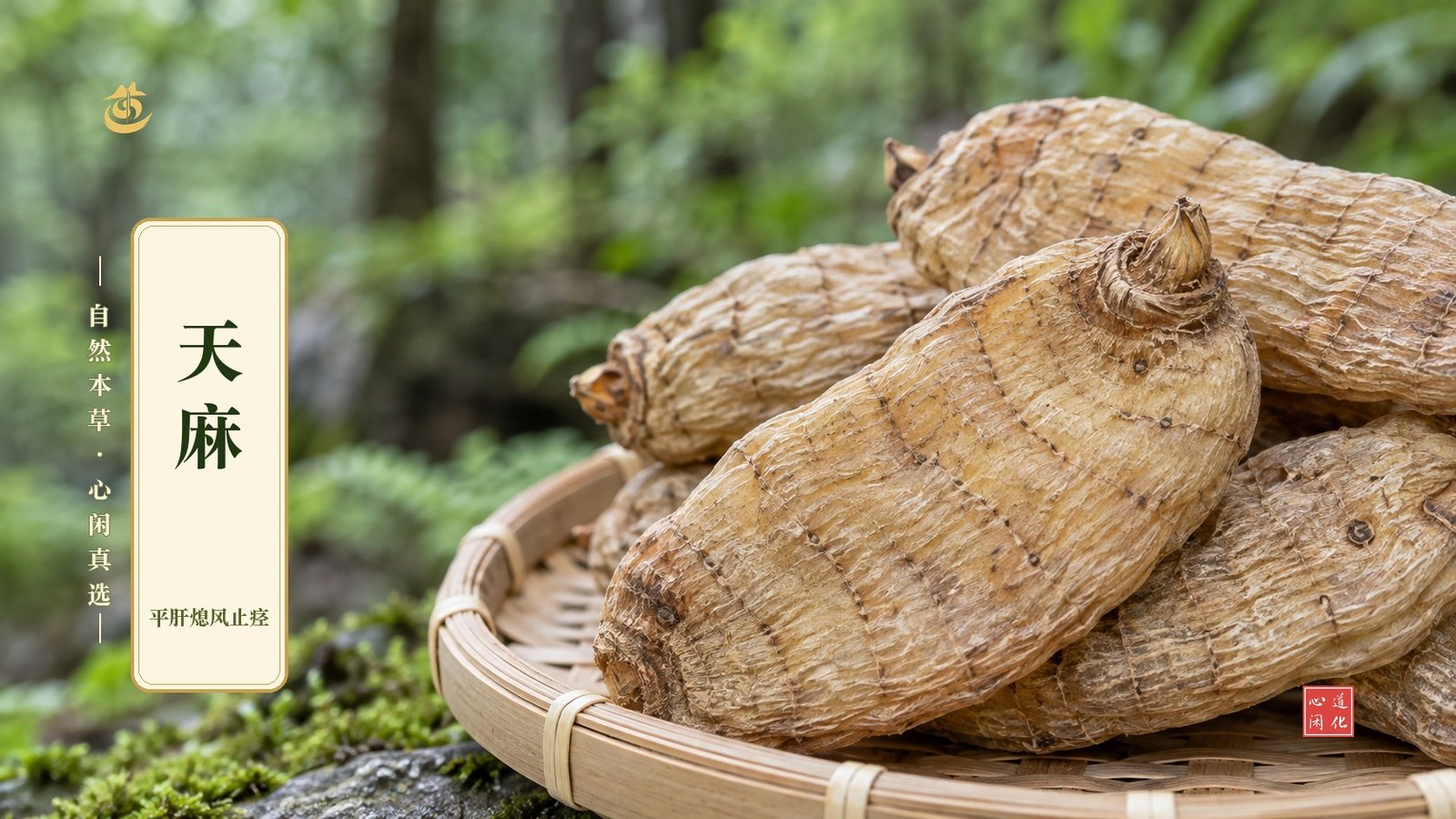
天麻
内容摘要
祛风通络与平肝
身份与部位
兰科天麻属植物天麻 Gastrodia elata Bl.的干燥块茎
道地产地
天麻:6.1.1昭通天麻云南昭通市的彝良、镇雄、盐津、大关、永善、威信、绥江、昭阳等县区,其中以彝良、镇雄两产地为核心及其相邻的周边县区为主。6.1.2贵天麻贵州毕节、赫章、纳雍、织金、瓮安、贵定、都匀、黔西、大方等县区天麻。6.1.3西天麻陕西汉中地区、甘肃康县和河南南阳地区。〔P01 PDF第992页〕
性味
甘;平
归经
肝
传统功效
平肝熄风止痉
传统主治
头痛眩晕,肢体麻木,小儿惊风,惊痫抽搐,破伤风
主要配伍
与钩藤为平肝医用;天麻钩藤饮属医方。药用组合须辨证使用,不作为家庭处方。
神农本草经
孙星衍辑本电子转录,赤箭条:条文摘录“味辛,溫。主殺鬼精物、蠱毒惡氣。”;按古代语境理解,轻身、不老等并非现代疗效证据。 古名及部位不能直接等同于现代目录基原。
本草纲目
卷12下 赤箭天麻:记诸风湿痹、拘挛、风痫、风虚头痛眩晕等;不能用于所有头痛。
食养特点
传统平肝息风,不是所有头痛都适用
食用方法与家庭制作
合规块茎入汤先煮透,食品量按完整食谱
安全与使用边界
新增9项特殊人群不推荐;官方解读过敏体质不宜;官方不推荐孕妇、哺乳期妇女及婴幼儿食用。
官方目录依据
2023年第9号;用途及身份限定依原公告。
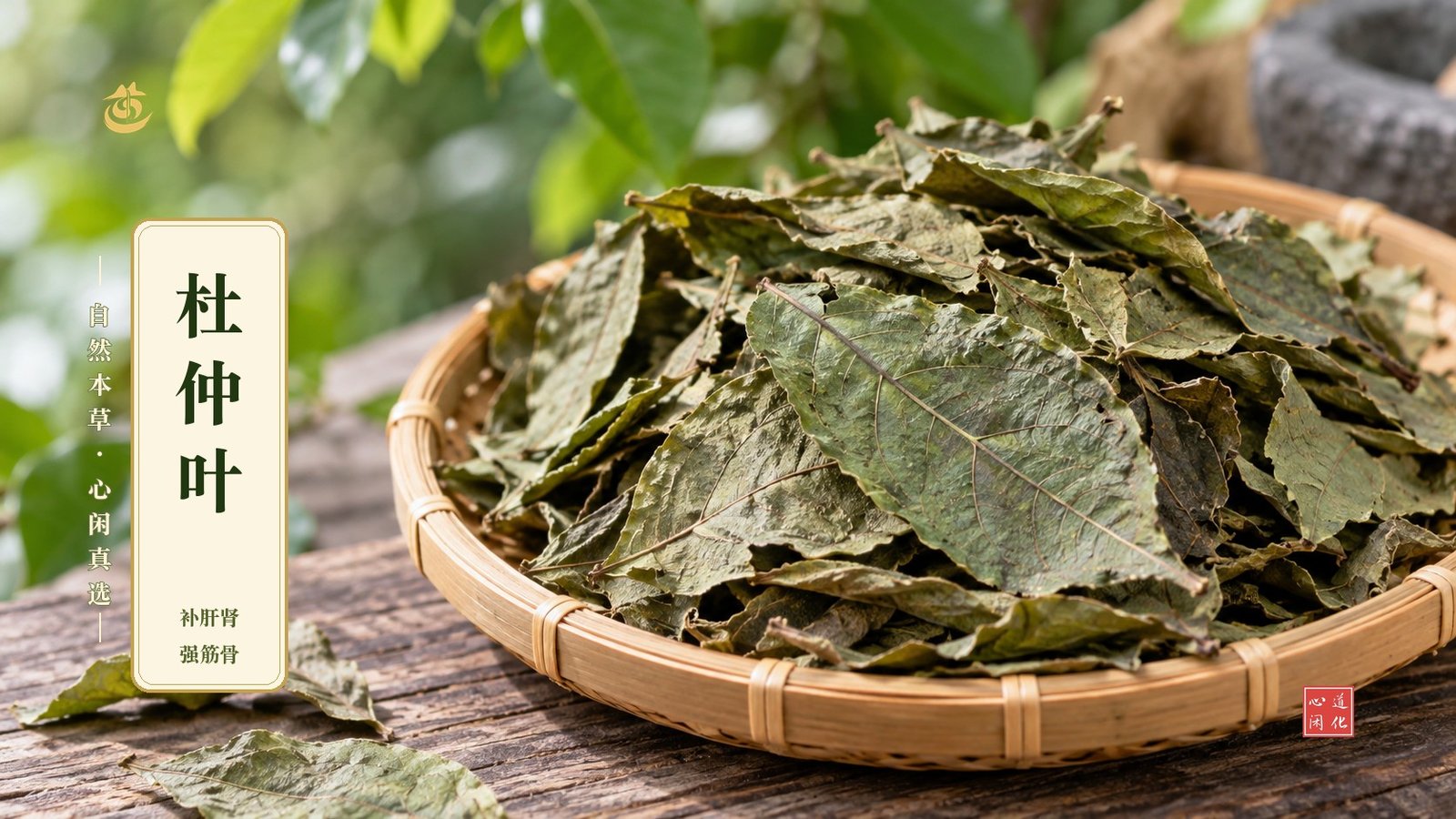
杜仲叶
内容摘要
祛风通络与平肝
身份与部位
杜仲科植物杜仲 Eucommia ulmoides Oliv. 的干燥叶。
主要产区
主产于云南、贵州、湖北、四川等地,现各地广泛栽种。普通产区不直接等同于道地产区。
性味
微辛;温
归经
肝、肾
传统功效
补肝肾,强筋骨
传统主治
叶材与树皮的应用范围不同,树皮的安胎等主治不能移用于杜仲叶。
主要配伍
不把杜仲皮与牛膝药对移植为叶配方。药用组合须辨证使用,不作为家庭处方。
本草纲目
卷35上 杜仲 檰芽:可见嫩芽作蔬及去风毒等历史记载;树皮的腰膝痛补肾功效不能全部移给现代杜仲叶。
食养特点
传统补肝肾、强筋骨;叶茶须单独核量
食用方法与家庭制作
采用合规叶茶产品按标示,不能以树皮量替换
安全与使用边界
新增9项特殊人群不推荐;杜仲皮与叶分别记录;官方不推荐孕妇、哺乳期妇女及婴幼儿食用。
官方目录依据
2023年第9号;用途及身份限定依原公告。
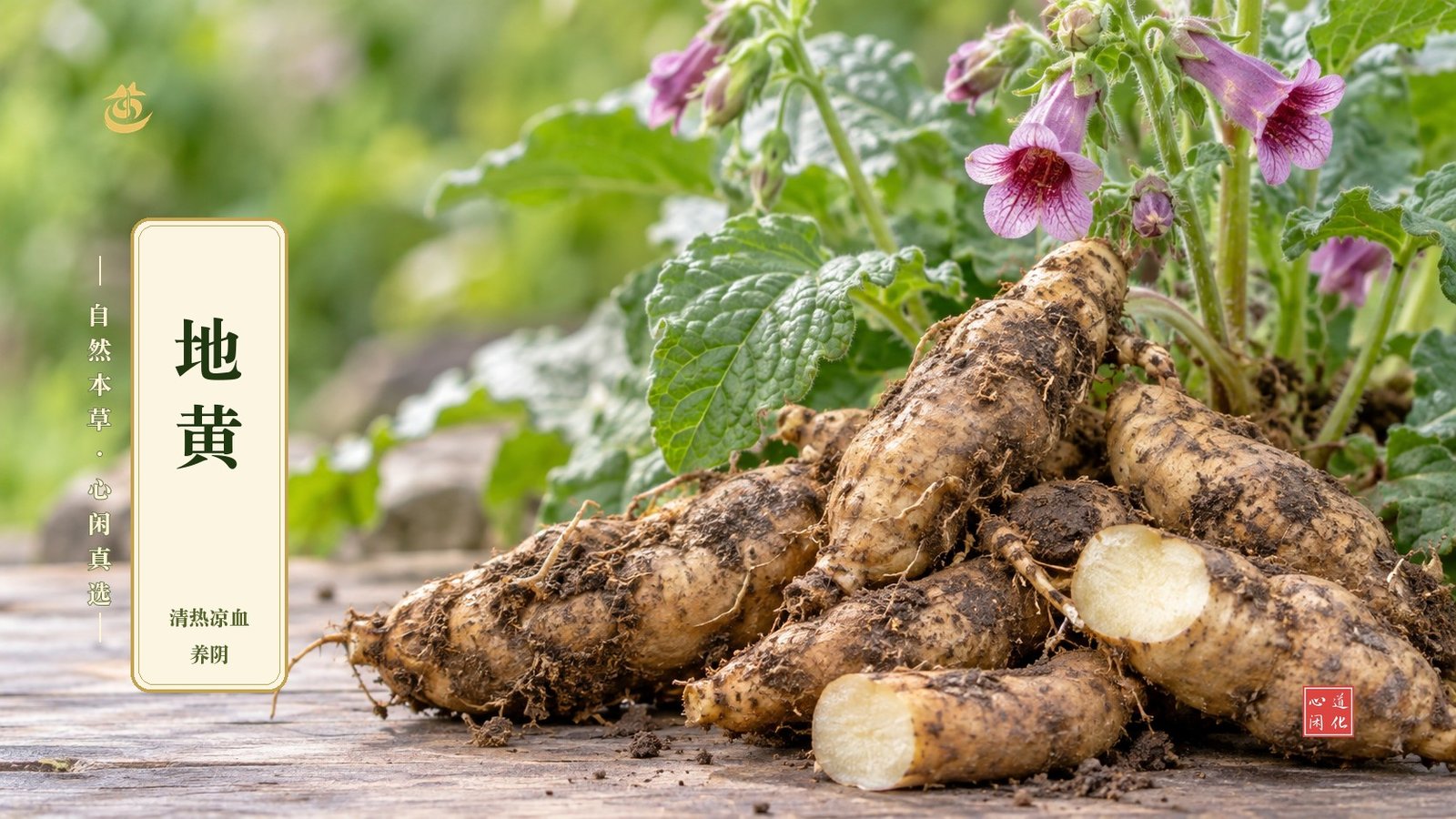
地黄
内容摘要
养阴润肺与生津
身份与部位
玄参科植物地黄 Rehmannia glutinosa Libosch. 的新鲜或干燥块根。
道地产地
怀地黄:河南省焦作市温县、武陟县、孟州市、沁阳市、博爱县、修武县等核心及其周边地区〔P01 PDF第78页〕
性味
甘;寒
归经
肝、心、肾
传统功效
清热凉血,养阴,生津
传统主治
热病舌绛烦渴,阴止内热,骨蒸劳热,内热消渴,吐血,衄血,发斑发疹
主要配伍
生地配麦冬偏养阴;熟地配山药为补益方。药用组合须辨证使用,不作为家庭处方。
本草纲目
卷16 地黄 乾生熟各段:干地黄、生地黄与熟地黄分论;清热血证与补血滋阴的用途不能混成一条。
食养特点
鲜、生、熟功效不同:清热生津与滋阴补血分开
食用方法与家庭制作
经规范加工的合规原料入汤,注明鲜、生或熟,不共用一个茶量
安全与使用边界
新增4项特殊人群不推荐;腹泻湿重慎;不自行仿古酒蒸;官方不推荐孕妇、哺乳期妇女及婴幼儿食用。
官方目录依据
2024年第4号;用途及身份限定依原公告。
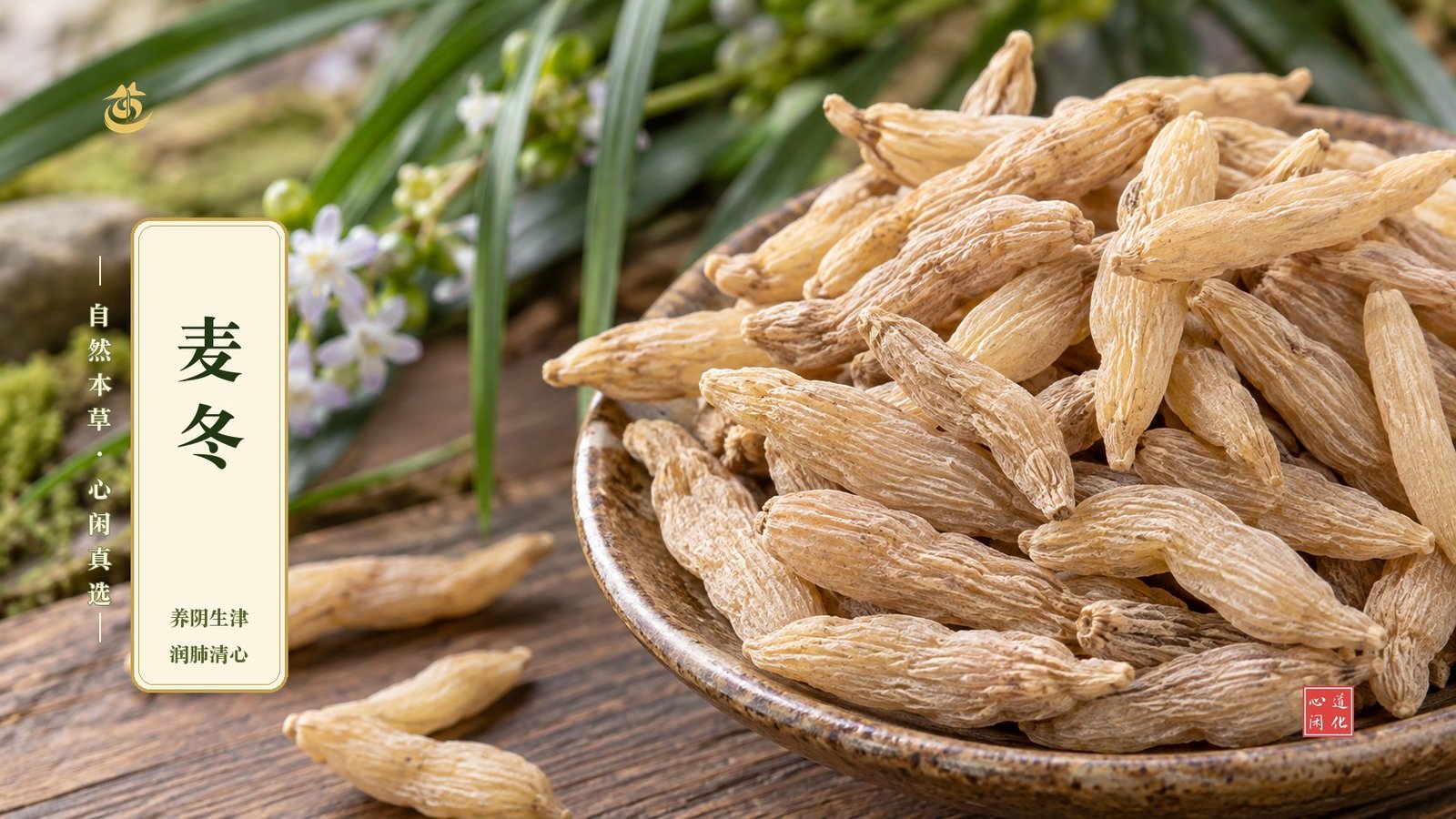
麦冬
内容摘要
养阴润肺与生津
身份与部位
百合科植物麦冬 Ophiopogon japonicus (Thunb.) Ker-Gawl.的干燥块根。
道地产地
浙麦冬:以浙江省杭州市、宁波市慈溪市、台州市三门县为中心,核心区域包括钱塘江流域、浙北平原区、浙东丘陵低山小区等周边地区。〔P01 PDF第142页〕 川麦冬:以四川省绵阳市三台县(花园乡、光明乡)为中心的三台县涪江沿岸的冲积平坝和开阔谷地等周边地区。〔P01 PDF第290页〕
性味
微苦、甘;微寒
归经
心、肺、胃
传统功效
养阴生津,润肺清心
传统主治
肺燥干咳,虚劳咳嗽,津伤口渴,心烦失眠,内热消渴,肠燥便秘;咽白喉
主要配伍
与玉竹、百合为养阴食養思路。药用组合须辨证使用,不作为家庭处方。
神农本草经
孙星衍辑本电子转录,麥門冬条:条文摘录“味甘,平。主心腹結氣,傷中、傷飽,胃絡脈絕,羸瘦短氣。”;按古代语境理解,轻身、不老等并非现代疗效证据。
本草纲目
卷16 麦门冬:口干燥渴、虚劳客热、肺气与心热等传统认识。
食养特点
传统养阴润肺、益胃生津、清心
食用方法与家庭制作
合规块根洗净煮饮或入汤
安全与使用边界
新增4项特殊人群不推荐;腹泻便溏慎;官方不推荐孕妇、哺乳期妇女及婴幼儿食用。
官方目录依据
2024年第4号;用途及身份限定依原公告。
天冬
内容摘要
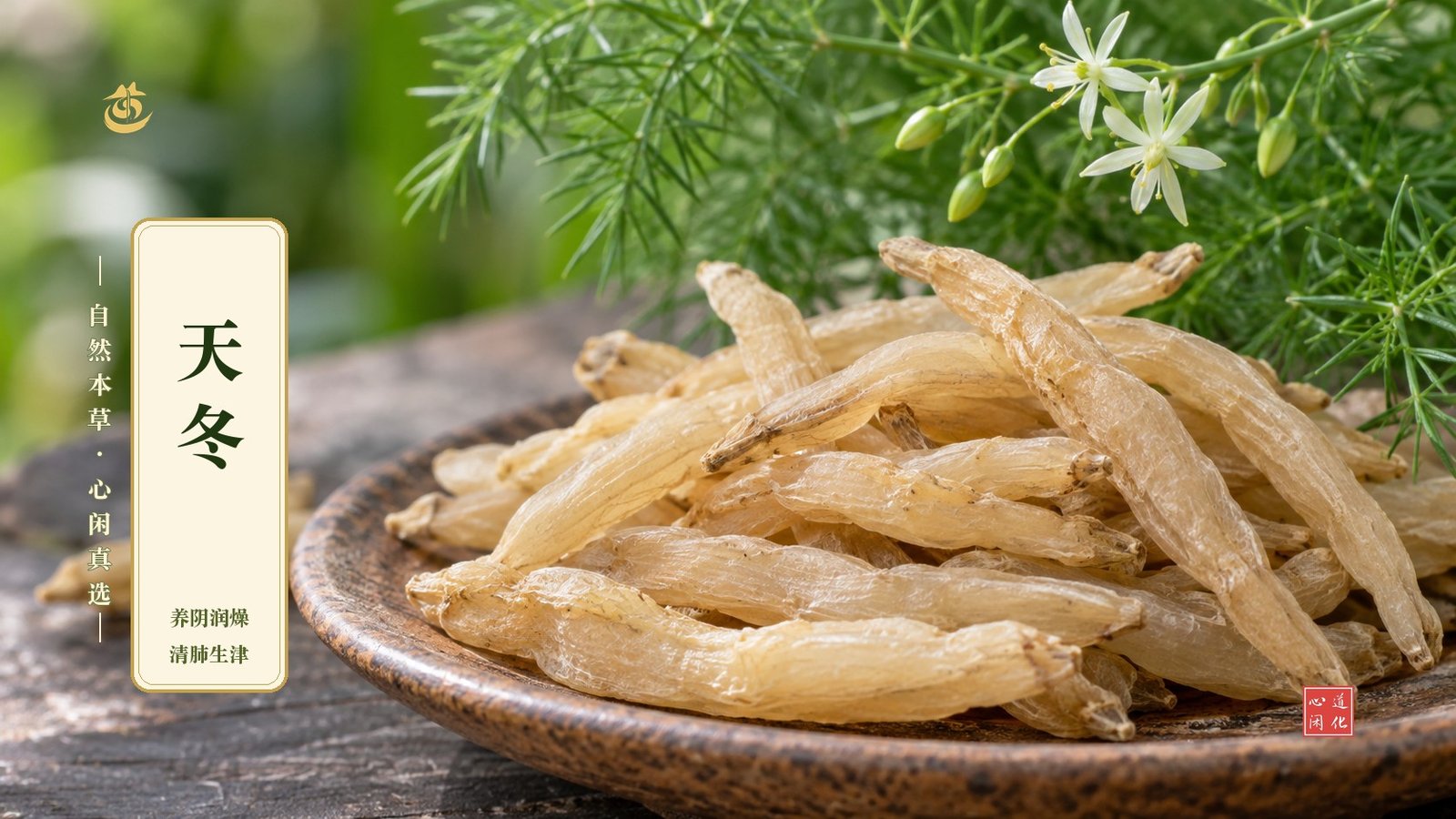
养阴润肺与生津
身份与部位
百合科植物天冬 Asparagus cochinchinensis (Lour.) Merr.的干燥块根。
主要产区
主产广西、四川、贵州等地。普通产区不直接等同于道地产区。
性味
甘、苦;寒
归经
肺、肾
传统功效
养阴润燥,清肺生津
传统主治
肺燥干咳,顿咳痰黏,咽干口渴,肠燥便秘
主要配伍
与麦冬为养阴配伍,医用。药用组合须辨证使用,不作为家庭处方。
神农本草经
孙星衍辑本电子转录,天門冬条:条文摘录“味苦,平。主諸暴風濕偏痹,強骨髓,殺三虫,去伏尸。”;按古代语境理解,轻身、不老等并非现代疗效证据。
本草纲目
卷18上 天门冬:润燥滋阴、清金降火,记肺气咳逆、烦渴等。
食养特点
传统养阴清热、润燥生津
食用方法与家庭制作
合规块根煮汤,按完整食谱量,勿生食未知野根
安全与使用边界
新增4项特殊人群不推荐;苦寒便溏及脾胃虚寒慎;官方不推荐孕妇、哺乳期妇女及婴幼儿食用。
官方目录依据
2024年第4号;用途及身份限定依原公告。
化橘红
内容摘要
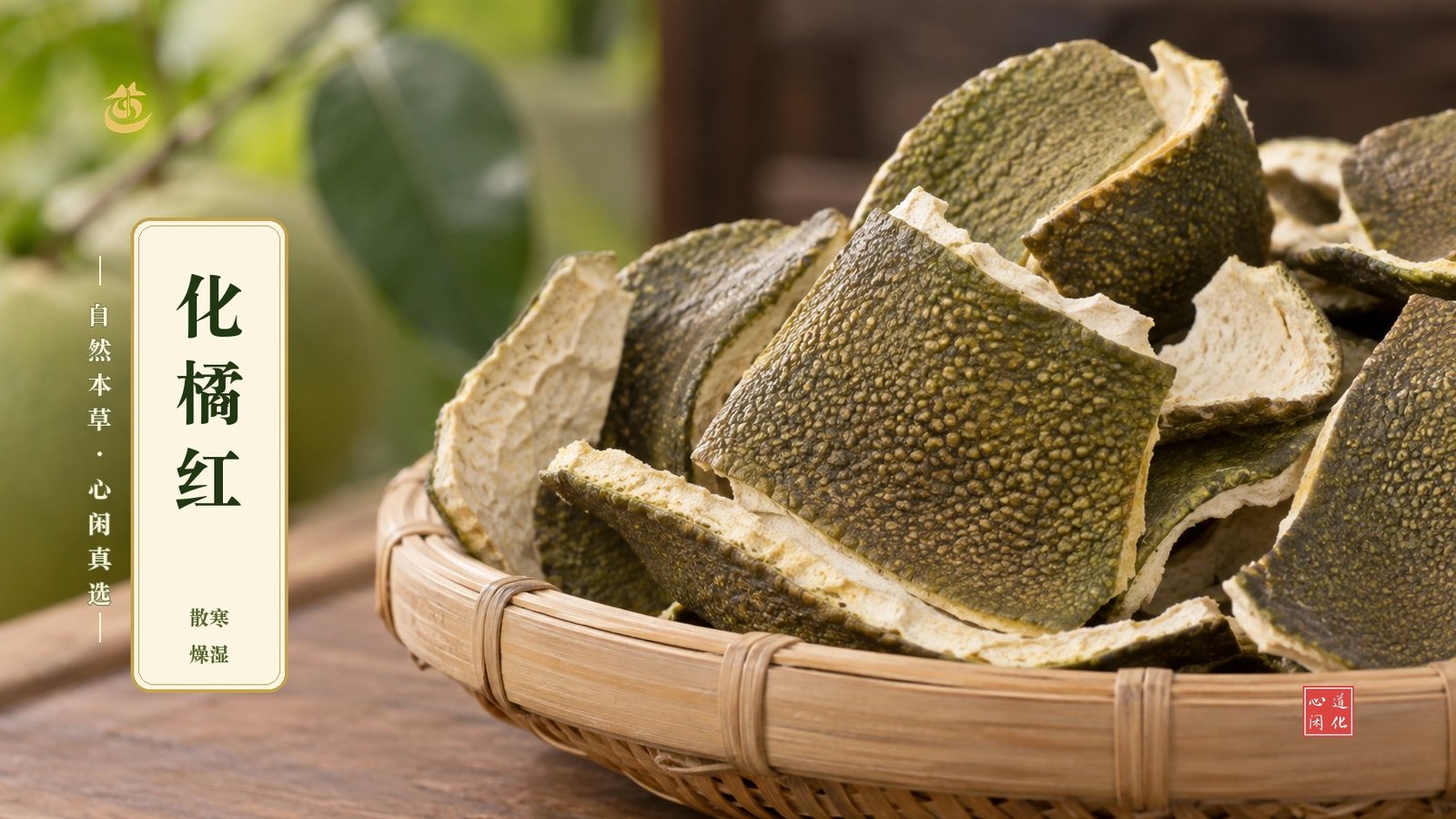
消食理气与和胃
身份与部位
芸香科植物化州柚 Citrus grandis ‘Tomentosa’ 的未成熟或近成熟的干燥外层果皮。前者习称“毛橘红”,后者习称 “光七爪”“光五爪”。
道地产地
化橘红:以广东省化州市罗江流域两岸为中心,核心区域包括平定镇,文楼镇,合江镇和中垌镇等周边地区。〔P01 PDF第809页〕
性味
辛、苦,温。
传统功效
散寒,燥湿,利气,消痰。用于风寒咳嗽、喉痒痰多、食积伤酒、呕恶痞闷
本草纲目
卷30 柚 皮相关:柚皮记消食快膈、散气化痰;不声称该条已按现代化橘红两个基原完成独立界定。
食养特点
传统理气宽中、燥湿化痰
安全与使用边界
新增4项特殊人群不推荐;与橘红不同;阴虚燥咳慎;官方不推荐孕妇、哺乳期妇女及婴幼儿食用。
官方目录依据
2024年第4号;用途及身份限定依原公告。
公共依据与古籍版本
A01
卫法监发〔2002〕51号
A02
2019年第8号
A03
2023年第9号
A04
2024年第4号
P01
中华中医药学会道地药材团体标准汇编,PDF页码以电子文件为准。
古籍版本
神农本草经为清孙星衍辑校系统,不等于完整传世汉代原稿;本草纲目为明李时珍著、文渊阁四库全书版本电子转录。条目保留卷次、部位及名实对应边界。
S01 甘草风险
S02 生扁豆风险
S03 苦杏仁风险
S04 蜂蜜风险
整理人:杨子
Food and Medicine of Shared Origin
Clove (Dingxiang)
Content Summary
Warming the Center, Dispersing Cold, and Flavoring
Identity and Part Used
The dried flower buds of the clove plant Eugenia caryophyllata Thunb., of the family Myrtaceae.
Main Producing Areas
Mainly produced on Zanzibar Island in Tanzania, as well as in Malaysia, Indonesia, and other places. Cultivated in Hainan and Guangdong in China. An ordinary producing area is not directly equivalent to the authentic producing area.
Nature and Flavor
Pungent; warm
Channel Entry
Spleen, Stomach, Lung, Kidney
Traditional Actions
Warms the center and directs counterflow downward; supplements the kidney and assists yang
Traditional Indications
Deficiency cold of the spleen and stomach, hiccup and vomiting, poor appetite with vomiting and diarrhea, cold pain in the heart and abdomen, and kidney-deficiency impotence
Principal Combinations
Clove combined with persimmon calyx directs counterflow downward and stops hiccup; this is a medicinal combination. Medicinal combinations must be used according to pattern differentiation and are not to be treated as household prescriptions.
Compendium of Materia Medica
juan 34, Clove, flower buds: warms the spleen and stomach, treats counterflow vomiting, and treats stomach cold; the same entry also records jidingxiang and the bark, each taking meaning from its part.
Dietary-Nourishing Characteristics
Aromatic flavoring; traditionally warms the center
Culinary Methods and Home Preparation
Add a small amount of whole flower buds to braising liquid or stewed meat, and remove them after cooking; do not prepare a concentrated decoction on one's own
Safety and Limits of Use
Use with caution in those with a warm-dry constitution or oral and gastrointestinal irritation; do not ingest clove essential oil
Official Catalogue Basis
Wei Fa Jian Fa [2002] No. 51; uses and identity limits per the original announcement.
Star Anise (Bajiao Huixiang)
Content Summary
Warming the Center, Dispersing Cold, and Flavoring
Identity and Part Used
The dried ripe fruit of the star anise plant Illicium verum Hook. f., of the family Magnoliaceae.
Authentic Producing Area
Star anise: with the areas of Longzhou, Ningming, Baise, Tiandeng, Debao, Jingxi, Napo, and Pingxiang and other cities and counties along the Zuojiang and Youjiang rivers in the southwest of the Guangxi Zhuang Autonomous Region as the core region, together with the eastern and southeastern cities and counties such as Pubei, Bobai, Yulin, Cangwu, Wuzhou, Tengxian, Beiliu, Cenxi, and Zhaoping, and the northwestern counties such as Donglan, Lingyun, Fengshan, Bama, Xilin, and Longlin. [P01 PDF p. 970]
Nature and Flavor
Pungent; warm
Channel Entry
Liver, Kidney, Spleen, Stomach
Traditional Actions
Warms yang and disperses cold; regulates qi and relieves pain
Traditional Indications
Cold hernia with abdominal pain, kidney-deficiency low back pain, stomach-cold vomiting, and cold pain in the stomach and abdomen
Principal Combinations
Together with fennel, it is a drug for warming and dispersing cold qi; in the kitchen it may be combined with fresh ginger. Medicinal combinations must be used according to pattern differentiation and are not to be treated as household prescriptions.
Compendium of Materia Medica
juan 26, Huixiang, Collected Explanations: clearly distinguishes the forms of star anise and herbaceous fennel; the indications in the entry such as warming the center and directing qi downward cannot all be attributed exclusively to star anise without distinction.
Dietary-Nourishing Characteristics
Aromatic flavoring; traditionally disperses cold and regulates qi
Culinary Methods and Home Preparation
Used as a spice for stewed meat and braised dishes; do not drink the concentrated broth of a whole pot of braising spices as tea
Safety and Limits of Use
Edible star anise must be identified; do not use toxic look-alikes such as mangcao
Official Catalogue Basis
Wei Fa Jian Fa [2002] No. 51; uses and identity limits per the original announcement.
Sword Bean (Daodou)
Content Summary
Warming the Center, Dispersing Cold, and Flavoring
Identity and Part Used
The dried ripe seeds of the sword bean plant Canavalia gladiata (Jacq.) DC., of the family Fabaceae.
Main Producing Areas
Mainly produced in Anhui, Hubei, Jiangsu, and other areas. An ordinary producing area is not directly equivalent to the authentic producing area.
Nature and Flavor
Sweet, warm.
Traditional Actions
Warms the center and directs qi downward. Benefits the intestines and stomach, stops vomiting, and benefits the kidney and supplements original qi
Traditional Indications
Used for deficiency-cold hiccup, vomiting, abdominal distension, kidney-deficiency low back pain, and phlegm dyspnea
Principal Combinations
Combined with fresh ginger as an approach to warming the stomach; the medicinal dosage is determined separately. Medicinal combinations must be used according to pattern differentiation and are not to be treated as household prescriptions.
Compendium of Materia Medica
juan 24, Sword Bean: warms the center and directs qi downward, benefits the intestines and stomach, stops hiccup, and benefits the kidney and supplements original qi.
Dietary-Nourishing Characteristics
Traditionally warms the center and directs qi downward
Culinary Methods and Home Preparation
The ripe seeds must be fully soaked and thoroughly cooked; eating the tender pods cannot substitute for the medicinal seeds
Safety and Limits of Use
Do not eat raw or brew briefly; identify the raw and cooked parts separately
Official Catalogue Basis
Wei Fa Jian Fa [2002] No. 51; uses and identity limits per the original announcement.
Fennel (Xiaohuixiang)
Content Summary
Warming the Center, Dispersing Cold, and Flavoring
Identity and Part Used
The dried ripe fruit of the fennel plant Foeniculum vulgare Mill., of the family Apiaceae.
Main Producing Areas
Native to Europe; in China mainly produced in Inner Mongolia, Gansu, Sichuan, and other places. An ordinary producing area is not directly equivalent to the authentic producing area.
Nature and Flavor
Pungent; warm
Channel Entry
Liver, Spleen, Kidney, Stomach
Traditional Actions
Disperses cold and relieves pain; regulates qi and harmonizes the stomach
Traditional Indications
Cold hernia with abdominal pain, unilateral swelling and sagging of the testicle, dysmenorrhea, distending pain in the lower abdomen, poor appetite with vomiting and diarrhea, and hydrocele of the testicle
Principal Combinations
Combined with galangal for cold-type stomach pain; this is a traditional drug pair. Medicinal combinations must be used according to pattern differentiation and are not to be treated as household prescriptions.
Compendium of Materia Medica
juan 26, Huixiang, seeds: warms the center and directs qi downward, recording traditional uses such as cold qi in the heart and abdomen and hernia pain; distinguished from the imported star anise.
Dietary-Nourishing Characteristics
Flavoring; traditionally warms the center and disperses cold
Culinary Methods and Home Preparation
Fennel seeds may be used in flour-based fillings or stews; do not steep them in a strong infusion over the long term
Safety and Limits of Use
Use with caution in those with pronounced heat signs; the seeds and the fennel shoots are recorded separately
Official Catalogue Basis
Wei Fa Jian Fa [2002] No. 51; uses and identity limits per the original announcement.
Small Thistle (Xiaoji)
Content Summary
Cooling the Blood, Stopping Bleeding, and Invigorating the Blood
Identity and Part Used
The dried aerial parts of the thistle plant Cirsium setosum (Willd.) MB., of the family Asteraceae.
Main Producing Areas
Produced in most regions throughout the country. An ordinary producing area is not directly equivalent to the authentic producing area.
Nature and Flavor
Sweet, bitter; cool
Channel Entry
Heart, Liver
Traditional Actions
Cools the blood and stops bleeding; dispels stasis and reduces swelling
Traditional Indications
Epistaxis, hematemesis, hematuria, blood in the stool, uterine bleeding, traumatic bleeding, and abscesses and sores
Principal Combinations
Combined with lalang grass rhizome as an approach to cooling the blood and stopping bleeding; medicinal. Medicinal combinations must be used according to pattern differentiation and are not to be treated as household prescriptions.
Compendium of Materia Medica
juan 15, Large and Small Thistle, indications of small thistle: preserving the blood, breaking old blood, generating new blood, and various bleeding patterns; the entry for large thistle is separated.
Dietary-Nourishing Characteristics
Traditionally cools the blood and stops bleeding; it is not a general tonic
Culinary Methods and Home Preparation
No routine household tea substitute is provided; the edible tender shoots and the medicinal aerial parts must be distinguished
Safety and Limits of Use
Blood in the stool, hematuria, and abnormal bleeding should first be medically evaluated; do not stop bleeding on one's own and conceal the cause
Official Catalogue Basis
Wei Fa Jian Fa [2002] No. 51; uses and identity limits per the original announcement.
Chinese Yam (Shanyao)
Content Summary
Supplementing Qi, Strengthening the Spleen, and Securing
Identity and Part Used
The dried rhizome of the yam plant Dioscorea opposita Thunb., of the family Dioscoreaceae.
Authentic Producing Area
Huai yam: the counties of Wenxian, Mengxian, Wuzhi, Bo'ai, and Qinyang in Henan (the former site of Huaiqing Prefecture, now part of the Jiaozuo area). [P01 PDF p. 99]
Nature and Flavor
Sweet; neutral
Channel Entry
Spleen, Lung, Kidney
Traditional Actions
Supplements the spleen and nourishes the stomach; generates fluids and benefits the lungs; supplements the kidney and secures the essence
Traditional Indications
Spleen-deficiency poor appetite, chronic unremitting diarrhea, lung-deficiency cough and dyspnea, kidney-deficiency seminal emission, vaginal discharge, frequent urination, and deficiency-heat wasting-thirst
Principal Combinations
Combined with lotus seed and euryale seed as a dietary-nourishing pairing; combined with poria to strengthen the spleen. Medicinal combinations must be used according to pattern differentiation and are not to be treated as household prescriptions.
Compendium of Materia Medica
juan 27, Shuyu, root: supplements the center and boosts qi, benefits the kidney and strengthens the spleen, and stops diarrhea and dysentery; this is not a modern nutritional or disease-efficacy conclusion.
Dietary-Nourishing Characteristics
Traditionally strengthens the spleen and nourishes the stomach; a daily staple supplement
Culinary Methods and Home Preparation
Fresh yam is peeled and then steamed, cooked into congee, or stewed in soup; dried slices must be cooked until soft, not simply brewed
Safety and Limits of Use
The mucilage may cause contact itching of the skin; in diabetes it is counted as a staple food
Official Catalogue Basis
Wei Fa Jian Fa [2002] No. 51; uses and identity limits per the original announcement.
Hawthorn (Shanzha)
Content Summary
Aiding Digestion, Regulating Qi, and Harmonizing the Stomach
Identity and Part Used
The dried ripe fruit of the plant Crataegus pinnatifida Bge. var. major N. E. Br. or Crataegus pinnatifida Bge., of the family Rosaceae.
Main Producing Areas
Mainly produced in Henan, Hebei, Shandong, and other places. An ordinary producing area is not directly equivalent to the authentic producing area.
Nature and Flavor
Sweet, sour; slightly warm
Channel Entry
Liver, Spleen, Stomach
Traditional Actions
Aids digestion and strengthens the stomach; moves qi and disperses stasis
Traditional Indications
Food stagnation from meat, distension and fullness in the stomach, diarrhea and dysentery with abdominal pain, amenorrhea with painful blood (wording uncertain; source text as-is, pending verification), postpartum stasis obstruction, stabbing pain in the heart and abdomen, and hernia pain
Principal Combinations
Combined with tangerine peel to regulate qi and aid digestion; there is an official tea-drink example. Medicinal combinations must be used according to pattern differentiation and are not to be treated as household prescriptions.
Compendium of Materia Medica
juan 30, Shanzha, fruit: disperses food stagnation, disperses meat stagnation, and strengthens the stomach; also records stagnant-blood pain and distension; it points out that taking much of it when there is spleen deficiency without food stagnation is instead harmful.
Dietary-Nourishing Characteristics
Traditionally aids digestion; suitable as a meal accompaniment
Culinary Methods and Home Preparation
Prefer fresh fruit or a low-sugar decoction as a drink; for the fixed-quantity tea drink see R03
Safety and Limits of Use
Use with caution in hyperacidity and peptic ulcer; pregnant women should consult first
Official Catalogue Basis
Wei Fa Jian Fa [2002] No. 51; uses and identity limits per the original announcement.
Purslane (Machixian)
Content Summary
Clearing Heat, Resolving Toxicity, and Draining Dampness
Identity and Part Used
The dried aerial parts of the purslane plant Portulaca oleracea L., of the family Portulacaceae
Nature and Flavor
Sour; cold
Channel Entry
Liver, Large Intestine
Traditional Actions
Clears heat and resolves toxicity; cools the blood and stops bleeding
Traditional Indications
Bloody dysentery from heat toxin, abscesses and boils, eczema, erysipelas, snake and insect bites, blood in the stool, bleeding hemorrhoids, and uterine bleeding
Principal Combinations
Combined with japonica rice in congee; this is a dietary-nourishing pairing. Medicinal combinations must be used according to pattern differentiation and are not to be treated as household prescriptions.
Compendium of Materia Medica
juan 27, Purslane, the vegetable: cooked in congee it stops dysentery, disperses blood and reduces swelling, resolves toxicity and frees strangury; the statement that the seeds improve vision is listed separately and cannot be applied to the tender leaves.
Dietary-Nourishing Characteristics
Traditionally clears heat and stops dysentery; used as a vegetable
Culinary Methods and Home Preparation
Reliably identified fresh tender stems and leaves are washed, blanched until cooked, and then stir-fried or added to congee
Safety and Limits of Use
Use with caution in pregnant women and in those with spleen-stomach deficiency cold and loose stools; do not gather unidentified wild vegetables yourself
Official Catalogue Basis
Wei Fa Jian Fa [2002] No. 51; uses and identity limits per the original announcement.
Black-Tailed Snake (Wushaoshe)
Content Summary
Dispelling Wind, Unblocking the Collaterals, and Calming the Liver
Identity and Part Used
The dried body of the black-tailed snake Zaocys dhumnades (Cantor), of the family Colubridae. It is mostly caught in the two seasons of summer and autumn; the snake's belly is cut open, or the skin is first stripped off while the head and tail are kept, the viscera are removed, and the body is coiled into a disc shape and dried.
Main Producing Areas
Mainly produced in Shandong, Jiangxi, Zhejiang, and other places. An ordinary producing area is not directly equivalent to the authentic producing area.
Nature and Flavor
Sweet, neutral.
Traditional Actions
Dispels wind, unblocks the collaterals, and stops spasms. Used for stubborn wind-damp impediment, numbness and contracture, wind-stroke with deviated mouth and eye, hemiplegia, convulsions and spasms, tetanus, leprosy and scabies, and scrofula and malignant sores
Principal Combinations
Combined with dong quai and others, it belongs to formulas that dispel wind and unblock the collaterals; it is not used as a kitchen medicinal-diet combination. Medicinal combinations must be used according to pattern differentiation and are not to be treated as household prescriptions.
Compendium of Materia Medica
juan 43, Black Snake, flesh: historical uses such as various wind stubborn impediments, insensibility of the skin, and wind itch and scabies; no household snake wine is provided on this basis.
Dietary-Nourishing Characteristics
Traditionally dispels wind and unblocks the collaterals; not used as a routine home health food ingredient
Culinary Methods and Home Preparation
No scheme for steeping in wine, grinding into powder, or a household tea drink is provided
Safety and Limits of Use
Lawful sourcing, animal quarantine, and processing must be verified; do not use protected wild animals
Official Catalogue Basis
Wei Fa Jian Fa [2002] No. 51; uses and identity limits per the original announcement.
Dark Plum (Wumei)
Content Summary
Astringing, Generating Fluids, and Calming the Spirit
Identity and Part Used
The dried nearly ripe fruit of the plum plant Prunus mume (Sieh.) Sieb. et Zucc., of the family Rosaceae. The nearly ripe fruit is harvested in summer, dried at low temperature, and then kept covered until the color turns black.
Main Producing Areas
Mainly produced in Shanxi, Henan, Hebei, Shandong, and other places. An ordinary producing area is not directly equivalent to the authentic producing area.
Nature and Flavor
Astringent, sour; neutral
Channel Entry
Liver, Spleen, Lung, Large Intestine
Traditional Actions
Astrings the lungs, astrings the intestines, generates fluids, and calms roundworms
Traditional Indications
Chronic cough from lung deficiency, chronic dysentery with slack intestines, deficiency-heat wasting-thirst, and roundworm colic with vomiting and abdominal pain; biliary ascariasis
Principal Combinations
Combined with hawthorn and tangerine peel to make a traditional sour plum drink. Medicinal combinations must be used according to pattern differentiation and are not to be treated as household prescriptions.
The Divine Farmer's Materia Medica
Sun Xingyan reconstructed edition, electronic transcription, the Meishi (plum fruit) entry: the passage is excerpted as 'Flavor sour, neutral. Governs descending qi, removes heat, agitation, and fullness, calms the heart, [treats] pain of the limbs, hemiplegia and insensibility, dead flesh, removes blue-black moles, and malignant diseases.'; understood in the ancient context, statements such as lightening the body and not aging are not evidence of modern efficacy.
Compendium of Materia Medica
juan 29, Plum, dark plum: quenches thirst and regulates the center, astrings the lungs and intestines, and records chronic cough and diarrhea and dysentery; the raw plum, white plum, and kernel are recorded separately.
Dietary-Nourishing Characteristics
Traditionally generates fluids and astrings the lungs and intestines; a sour drink
Culinary Methods and Home Preparation
Lawfully compliant dark plums are boiled as a drink; for the fixed-quantity combination see R04b; do not use smoked products of unknown origin
Safety and Limits of Use
Use with caution in those with acid reflux and stomach intolerance; do not equate astringing the intestines with treating infectious diarrhea
Official Catalogue Basis
Wei Fa Jian Fa [2002] No. 51; uses and identity limits per the original announcement.
Chinese Quince (Mugua)
Content Summary
Dispelling Wind, Unblocking the Collaterals, and Calming the Liver
Identity and Part Used
The dried ripe fruit of the plant Chaenomeles speciosa (Sweet) Nakai, of the family Rosaceae. It is also called wrinkled-skin mugua or Xuan mugua.
Authentic Producing Area
Chun mugua: centered on Chun'an County of Hangzhou and Kaihua County of Quzhou in Zhejiang Province, with the core region including the Hangzhou area and the Jinhua-Quzhou Basin and surroundings. [P01 PDF p. 210] Xuan mugua: centered on the townships of Shuidong, Sunbu, Xintian, Zhouwang, Xikou, and Jinba in Xuanzhou District of Xuancheng City, Anhui, with the core region including the transitional zone between the hills of southeastern Anhui and the middle and lower Yangtze plain within the province. [P01 PDF p. 784]
Nature and Flavor
Sour; warm
Channel Entry
Liver, Spleen
Traditional Actions
Calms the liver and relaxes the sinews; harmonizes the stomach and transforms dampness
Traditional Indications
Damp impediment with contracture, aching and heavy pain of the lumbar spine and knee joints, vomiting and diarrhea with cramps, and beriberi with edema
Principal Combinations
With coix seed as an approach to relaxing the sinews and transforming dampness; medicinal. Medicinal combinations must be used according to pattern differentiation and are not to be treated as household prescriptions.
Compendium of Materia Medica
juan 30, Mugua, fruit: damp impediment and beriberi, vomiting and diarrhea with cramps, and removing dampness and harmonizing the stomach; here it is not the modern fruit papaya.
Dietary-Nourishing Characteristics
Traditionally relaxes the sinews and harmonizes the stomach; it is not a nutritional description of papaya
Culinary Methods and Home Preparation
A small amount of lawfully compliant food-medicine material is used in stewed soup; no unified tea-drink quantity is set
Safety and Limits of Use
Here the material corresponds to the catalogue item such as wrinkled-skin mugua; papaya cannot be substituted
Official Catalogue Basis
Wei Fa Jian Fa [2002] No. 51; uses and identity limits per the original announcement.
Hemp Seed (Huomaren)
Content Summary
Moistening the Intestines and Dietary-Nourishing Oils
Identity and Part Used
The dried ripe fruit of the hemp plant Cannabis sativa L., of the family Moraceae.
Main Producing Areas
Mainly produced in Heilongjiang, Liaoning, Jilin, Sichuan, Gansu, Yunnan, Jiangsu, Zhejiang, and other places. An ordinary producing area is not directly equivalent to the authentic producing area.
Nature and Flavor
Sweet; neutral
Channel Entry
Spleen, Stomach, Large Intestine
Traditional Actions
Moistens the intestines and frees the stool
Traditional Indications
Blood deficiency and depleted fluids, with dry intestines and constipation
Principal Combinations
With apricot kernel, white peony, and others it appears in Maziren Wan (Hemp Seed Pill); this is medicinal formula knowledge. Medicinal combinations must be used according to pattern differentiation and are not to be treated as household prescriptions.
The Divine Farmer's Materia Medica
Sun Xingyan reconstructed edition, electronic transcription, the hemp-seed passage within the Mabeng entry: the passage is excerpted as 'Flavor sweet, neutral. Governs supplementing the center and boosting qi; makes plump and strong, not aging, [and like] an immortal.'; understood in the ancient context, statements such as lightening the body and not aging are not evidence of modern efficacy.
Compendium of Materia Medica
juan 22, Hemp, hemp seed: traditional uses such as supplementing the center and boosting qi and moistening dryness and freeing the intestines; the records of mabo (hemp flower), the leaves, and related mental abnormalities are not attributed to the seed kernel.
Dietary-Nourishing Characteristics
Traditionally moistens the intestines; the source of the edible seed kernel must be clear
Culinary Methods and Home Preparation
Choose lawfully compliant hulled, cooked edible products; they may be ground and added to congee; do not eat hemp leaves or extracts
Safety and Limits of Use
Use with caution in those with diarrhea; the identity of the seed kernel must not be extended to cannabinoid-containing products
Official Catalogue Basis
Wei Fa Jian Fa [2002] No. 51; uses and identity limits per the original announcement.
Daidai Flower (Daidaihua)
Content Summary
Aiding Digestion, Regulating Qi, and Harmonizing the Stomach
Nature and Flavor
Pungent, sweet, slightly bitter; neutral
Channel Entry
Spleen, Stomach
Traditional Actions
Regulates qi and relaxes the chest; harmonizes the stomach and stops vomiting
Dietary-Nourishing Characteristics
Traditionally regulates qi and relaxes the center; harmonizes the stomach and stops vomiting
Culinary Methods and Home Preparation
Lawfully compliant food-grade dried flowers may be used for scenting; no general single-herb tea-drink dosage is listed.
Safety and Limits of Use
Do not treat ornamental flowers directly as food ingredients; differing statements on channel entry must be preserved according to the source
Official Catalogue Basis
Wei Fa Jian Fa [2002] No. 51; uses and identity limits per the original announcement.
Yuzhu (Fragrant Solomon's Seal)
Content Summary
Nourishing Yin, Moistening the Lungs, and Generating Fluids
Identity and Part Used
The dried rhizome of the plant Yuzhu Polygonatum odoratum (Mill.) Druce, of the family Liliaceae.
Authentic Producing Area
Xiang yuzhu: the Hengyang-Shaoyang Basin as the core, with Shaoyang City, Hengyang City, and the neighboring Loudi City, Yiyang City, and Changsha City in the central Hunan hilly basin. [P01 PDF p. 1205]
Nature and Flavor
Sweet; slightly cold
Channel Entry
Lung, Stomach
Traditional Actions
Nourishes yin and moistens dryness; generates fluids and quenches thirst
Traditional Indications
Yin damage of the lung and stomach, dry-heat cough, dry throat and thirst, and internal heat wasting-thirst
Principal Combinations
Combined with lily bulb as an approach to nourishing yin and moistening dryness in dietary nourishment. Medicinal combinations must be used according to pattern differentiation and are not to be treated as household prescriptions.
The Divine Farmer's Materia Medica
Sun Xingyan reconstructed edition, electronic transcription, the Nuwei entry: the passage is excerpted as 'Flavor sweet, neutral. Governs wind-strike with violent heat, inability to move, contracture of the sinews and knotted flesh, and all insufficiencies.'; understood in the ancient context, statements such as lightening the body and not aging are not evidence of modern efficacy. Ancient names and parts cannot be directly equated with the modern catalogue source.
Compendium of Materia Medica
juan 12, part 1, Weirui: the names and realities of Nuwei and Weirui are discussed together, recording supplementing the center and boosting qi, moistening the heart and lungs, and deficiency-heat with thirst; the boundary of textual research between the ancient name and today's Yuzhu must be preserved.
Dietary-Nourishing Characteristics
Traditionally moistens the lungs and nourishes the stomach, favoring dry conditions
Culinary Methods and Home Preparation
Lawfully compliant decoction pieces are washed and then stewed in soup; the raw roots are not eaten directly
Safety and Limits of Use
Use with caution in those with spleen deficiency and loose stools or with heavy dampness and abdominal distension; it cannot replace glucose-lowering treatment
Official Catalogue Basis
Wei Fa Jian Fa [2002] No. 51; uses and identity limits per the original announcement.
Licorice Root (Gancao)
Content Summary
Supplementing Qi, Strengthening the Spleen, and Securing
Identity and Part Used
The dried root and rhizome of the licorice plant Glycyrrhiza uralensis Fisch., of the family Fabaceae.
Main Producing Areas
Mainly produced in Inner Mongolia, Shanxi, Gansu, Xinjiang, Ningxia, and other places. An ordinary producing area is not directly equivalent to the authentic producing area.
Nature and Flavor
Sweet; neutral
Channel Entry
Heart, Spleen, Lung, Stomach
Traditional Actions
Supplements the spleen and boosts qi, clears heat and resolves toxicity, expels phlegm and stops cough, relaxes tension and relieves pain, and harmonizes all drugs
Traditional Indications
Spleen-stomach deficiency, fatigue and lack of strength, palpitations and short breath, cough with profuse phlegm, contracture and pain of the stomach, abdomen, and limbs, and abscesses and sores; mitigates the toxicity and harshness of drugs
Principal Combinations
With white peony it appears in Shaoyao Gancao Tang (Peony and Licorice Decoction); with dark plum it appears in a dietary-nourishing tea example. Medicinal combinations must be used according to pattern differentiation and are not to be treated as household prescriptions.
Compendium of Materia Medica
juan 12, part 1, Licorice, root: warms the center, supplements the spleen and stomach, moistens the lungs, relaxes tension, and resolves toxicity, distinguishing raw use from honey-fried use; the ancient claim of resolving the toxicity of a hundred drugs cannot serve as actual poisoning emergency care.
Dietary-Nourishing Characteristics
Traditionally supplements the center, flavors, and relaxes tension
Culinary Methods and Home Preparation
For tea drinks only the specific formula quantity R04b is listed; avoid repeatedly replenishing throughout the day
Safety and Limits of Use
Long-term large intake may cause low potassium and elevated blood pressure; those on diuretics or the like should ask a pharmacist first
Official Catalogue Basis
Wei Fa Jian Fa [2002] No. 51; uses and identity limits per the original announcement.
Baizhi (Dahurian Angelica Root)
Content Summary
Dispelling Wind, Unblocking the Collaterals, and Calming the Liver
Identity and Part Used
The dried root of the Hangzhou baizhi plant Angelica dahurica (Fisch. ex Hoffm.) Benth. et Hook. f. var. formosana (Boiss.) Shan et Yuan, of the family Apiaceae.
Authentic Producing Area
Hangzhou baizhi: centered on Hangzhou City, Ningbo City, and Jinhua City in Zhejiang Province, with the core region including the Hangzhou Bay area and the Jinhua-Quzhou Basin and surroundings. [P01 PDF p. 184] Sichuan baizhi: baizhi produced in the surrounding areas of Suining, Anyue, Luzhou, Jianyang, Dazhou, and Nanchuan of Chongqing. [P01 PDF p. 298]
Nature and Flavor
Pungent; warm
Channel Entry
Lung, Stomach, Large Intestine
Traditional Actions
Disperses wind and expels dampness, frees the orifices and relieves pain, and reduces swelling and discharges pus
Traditional Indications
Common-cold headache, pain of the supraorbital bone, nasal congestion, sinusitis, toothache, leukorrhea, and sores with swelling and pain
Principal Combinations
Combined with chuanxiong for headache; this is a medicinal drug pair. Medicinal combinations must be used according to pattern differentiation and are not to be treated as household prescriptions.
The Divine Farmer's Materia Medica
Sun Xingyan reconstructed edition, electronic transcription, the Baizhi entry: the passage is excerpted as 'Flavor pungent, warm. Governs women's leaking of red and white [discharge], blood blockage, swelling of the genitals, alternating chills and fever, and wind in the head invading the eyes with tearing.'; understood in the ancient context, statements such as lightening the body and not aging are not evidence of modern efficacy.
Compendium of Materia Medica
juan 14, Baizhi, root: head wind, sinusitis, toothache, relieving pain and discharging pus, and the traditional use in facial creams; self-made topical applications are not recommended on the basis of the ancient facial-cream method.
Dietary-Nourishing Characteristics
Traditionally dispels wind and relieves pain; a small amount for aromatic flavoring
Culinary Methods and Home Preparation
It may serve as a braising and stewing spice, and the material must be lawfully compliant; no beauty oral tea is provided
Safety and Limits of Use
Do not apply the powder topically to broken skin on one's own; use with caution in those with yin deficiency and blood heat
Official Catalogue Basis
Wei Fa Jian Fa [2002] No. 51; uses and identity limits per the original announcement.
Ginkgo Seed (Baiguo)
Content Summary
Astringing, Generating Fluids, and Calming the Spirit
Identity and Part Used
The dried ripe seeds of the ginkgo plant Ginkgo biloba L., of the family Ginkgoaceae.
Main Producing Areas
Mainly produced in Guangxi, Sichuan, Hubei, Jiangsu, and other places. An ordinary producing area is not directly equivalent to the authentic producing area.
Nature and Flavor
Sweet, bitter, astringent; neutral; toxic
Channel Entry
Lung
Traditional Actions
Astrings the lungs and calms wheezing, stops turbid vaginal discharge, and reduces urination
Traditional Indications
Cough and dyspnea with profuse phlegm, turbid white vaginal discharge, enuresis, and frequent urination
Principal Combinations
Combined with Chinese yam it appears in an official dietary-nourishing example; combined with ephedra it is medicinal. Medicinal combinations must be used according to pattern differentiation and are not to be treated as household prescriptions.
Compendium of Materia Medica
juan 30, Ginkgo, kernel: eaten cooked it warms the lungs, calms wheezing cough, reduces urination, and stops turbid white discharge; at the same time it warns that eating much causes abdominal distension and risk in children.
Dietary-Nourishing Characteristics
Traditionally astrings the lungs, stops discharge, and reduces urination; it is not to be taken daily over the long term
Culinary Methods and Home Preparation
For the official congee formula see R09, where 5 g is the quantity used in that formula, and it must be cooked; no raw-steeped tea is provided
Safety and Limits of Use
Toxic; raw eating is contraindicated; children and pregnant women should not try it on their own; cooking does not mean unlimited safety
Official Catalogue Basis
Wei Fa Jian Fa [2002] No. 51; uses and identity limits per the original announcement.
White Hyacinth Bean (Baibiandou)
Content Summary
Supplementing Qi, Strengthening the Spleen, and Securing
Identity and Part Used
The dried ripe seeds of the white hyacinth bean plant Dolichos lablab L., of the family Fabaceae.
Main Producing Areas
Mainly produced in Anhui, Shaanxi, Hunan, Henan, and other places. An ordinary producing area is not directly equivalent to the authentic producing area.
Nature and Flavor
Sweet; slightly warm
Channel Entry
Spleen, Stomach
Traditional Actions
Strengthens the spleen and transforms dampness; harmonizes the center and dispels summerheat
Traditional Indications
Spleen-stomach deficiency, poor appetite, loose watery stools, excessive leukorrhea, summerheat-damp vomiting and diarrhea, and chest oppression with abdominal distension
Principal Combinations
With Chinese yam and lotus seed it appears in a spleen-strengthening dietary-nourishing pairing. Medicinal combinations must be used according to pattern differentiation and are not to be treated as household prescriptions.
Compendium of Materia Medica
juan 24, Biandou, seeds: harmonizes the center and directs qi downward, stops diarrhea and dysentery, dispels summerheat and warms the spleen and stomach, and removes damp-heat; the flowers, leaves, and vines are listed separately.
Dietary-Nourishing Characteristics
Traditionally strengthens the spleen and transforms dampness; harmonizes the center and dispels summerheat
Culinary Methods and Home Preparation
Ripe white hyacinth beans are first soaked, cooked until soft and done, and added to congee or soup
Safety and Limits of Use
Raw beans and undercooked beans may cause poisoning; they must not be eaten after merely being steeped in hot water
Official Catalogue Basis
Wei Fa Jian Fa [2002] No. 51; uses and identity limits per the original announcement.
White Hyacinth Bean Flower (Baibiandou Hua)
Content Summary
Supplementing Qi, Strengthening the Spleen, and Securing
Compendium of Materia Medica
juan 24, Biandou, flowers: separately records red and white vaginal discharge, flooding and discharge, and use as a food therapy for diarrhea and dysentery; the full indications of the seeds cannot be transferred to the flowers.
Dietary-Nourishing Characteristics
Traditionally relieves summerheat and transforms dampness; harmonizes the center and stops diarrhea
Culinary Methods and Home Preparation
Traceable dried flowers are boiled as a drink or added to soup; no single-herb tea quantity is set for now
Safety and Limits of Use
Data on the bean seeds cannot substitute for that on the flowers; persistent diarrhea should be medically evaluated
Official Catalogue Basis
Wei Fa Jian Fa [2002] No. 51; uses and identity limits per the original announcement.
Longan Flesh (Guiyuan)
Content Summary
Supplementing Qi, Strengthening the Spleen, and Securing
Identity and Part Used
The aril of the longan plant Dimocarpus longan Lour., of the family Sapindaceae.
Main Producing Areas
Mainly produced in Fujian, Guangdong, Guangxi, Yunnan, and other places. An ordinary producing area is not directly equivalent to the authentic producing area.
Nature and Flavor
Sweet; warm
Channel Entry
Heart, Spleen
Traditional Actions
Supplements and benefits the heart and spleen; nourishes the blood and calms the spirit
Traditional Indications
Insufficiency of qi and blood, palpitations and severe palpitations, poor memory and insomnia, and blood-deficiency withered-yellow [complexion]
Principal Combinations
Combined with jujube in congee; in Guipi Tang (Restore the Spleen Decoction) it is combined with spiny jujube seed and others, which is medicinal. Medicinal combinations must be used according to pattern differentiation and are not to be treated as household prescriptions.
The Divine Farmer's Materia Medica
Sun Xingyan reconstructed edition, electronic transcription, the Longyan entry: the passage is excerpted as 'Flavor sweet, neutral. Governs pathogenic qi of the five viscera; calms the will and satiates the appetite for food.'; understood in the ancient context, statements such as lightening the body and not aging are not evidence of modern efficacy.
Compendium of Materia Medica
juan 31, Longan, fruit: calms the will, opens the appetite and benefits the spleen, supplements deficiency and increases wisdom; the ancient statements of lightening the body and not aging belong to historical notions.
Dietary-Nourishing Characteristics
Traditionally supplements and benefits the heart and spleen; nourishes the blood and calms the spirit
Culinary Methods and Home Preparation
Shelled and pitted, the flesh is added to congee or steamed; do not add extra heavy sugar
Safety and Limits of Use
Relatively high in sugar; those managing blood sugar should measure the amount; use with caution in those with damp-heat and profuse phlegm
Official Catalogue Basis
Wei Fa Jian Fa [2002] No. 51; uses and identity limits per the original announcement.
Cassia Seed (Juemingzi)
Content Summary
Moistening the Intestines and Dietary-Nourishing Oils
Identity and Part Used
The dried ripe seeds of the plant Cassia obtusifolia L. or Cassia tora L., of the family Fabaceae.
Main Producing Areas
Mainly produced in Anhui, Jiangsu, Sichuan, and other places. An ordinary producing area is not directly equivalent to the authentic producing area.
Nature and Flavor
Sweet, bitter; slightly cold
Channel Entry
Liver, Large Intestine
Traditional Actions
Clears heat and brightens the eyes; moistens the intestines and frees the stool
Traditional Indications
Red painful eyes with a gritty sensation, photophobia with excessive tearing, headache and dizziness, dimness of vision, and constipation
Principal Combinations
With chrysanthemum it appears in the traditional approach of an eye-brightening tea. Medicinal combinations must be used according to pattern differentiation and are not to be treated as household prescriptions.
The Divine Farmer's Materia Medica
Sun Xingyan reconstructed edition, electronic transcription, the Juemingzi entry: the passage is excerpted as 'Flavor salty, neutral. Governs blue blindness, excessive eye discharge, reddened skin, white membrane, red painful eyes, and tearing.'; understood in the ancient context, statements such as lightening the body and not aging are not evidence of modern efficacy.
Compendium of Materia Medica
juan 16, Jueming, seeds: traditional understanding of eye disorders such as blue blindness, red eyes, tearing, and liver-heat wind eye; this is not equal to modern ophthalmological efficacy.
Dietary-Nourishing Characteristics
Traditionally clears the liver and brightens the eyes and moistens the intestines; no weight-loss drug effect is claimed
Culinary Methods and Home Preparation
Only lawfully compliant roasted material is used; there is no unified daily quantity, and strong tea is not drunk over the long term
Safety and Limits of Use
Use with caution in those with diarrhea or a tendency to low blood pressure; do not substitute for blood-pressure-lowering or lipid-lowering drugs
Official Catalogue Basis
Wei Fa Jian Fa [2002] No. 51; uses and identity limits per the original announcement.
Lily Bulb (Baihe)
Content Summary
Nourishing Yin, Moistening the Lungs, and Generating Fluids
Identity and Part Used
The dried fleshy scale leaves of the plants Lilium lancifolium Thunb., Lilium brownii F. E. Brown var. viridulum Baker, or Lilium pumilum DC., of the family Liliaceae.
Authentic Producing Area
Longya lily: centered on Shaoyang City in Hunan and the surrounding humid subtropical area. [P01 PDF p. 1213]
Nature and Flavor
Sweet; cold
Channel Entry
Heart, Lung
Traditional Actions
Nourishes yin and moistens the lungs; clears the heart and calms the spirit
Traditional Indications
Chronic cough from yin deficiency, blood-streaked phlegm, deficiency restlessness and palpitations, insomnia with profuse dreams, and mental vagueness
Principal Combinations
Combined with lotus seed in congee; with anemarrhena it belongs to Baihe Zhimu Tang (Lily and Anemarrhena Decoction), a medicinal formula. Medicinal combinations must be used according to pattern differentiation and are not to be treated as household prescriptions.
The Divine Farmer's Materia Medica
Sun Xingyan reconstructed edition, electronic transcription, the Baihe entry: the passage is excerpted as 'Flavor sweet, neutral. Governs pathogenic qi with abdominal distension, heart pain, frees the stool and urine, and supplements the center and boosts qi.'; understood in the ancient context, statements such as lightening the body and not aging are not evidence of modern efficacy.
Compendium of Materia Medica
juan 27, Lily, root: supplements the center and boosts qi, and records the lily disease, calming the heart and settling the gallbladder, and warming the lungs and stopping cough; the flowers and seeds are recorded separately.
Dietary-Nourishing Characteristics
Traditionally nourishes yin and moistens the lungs; clears the heart and calms the spirit
Culinary Methods and Home Preparation
Edible lily bulbs are washed and cooked; they may be made into lily and lotus-seed congee, and dried ones are fully soaked until soft
Safety and Limits of Use
Different ornamental lilies must not be gathered and eaten at will; use with caution in those with spleen deficiency and loose stools
Official Catalogue Basis
Wei Fa Jian Fa [2002] No. 51; uses and identity limits per the original announcement.
Nutmeg (Roudoukou)
Content Summary
Warming the Center, Dispersing Cold, and Flavoring
Identity and Part Used
The dried seed kernel of the nutmeg plant Myristica fragrans Houtt., of the family Myristicaceae.
Main Producing Areas
Mainly produced in Malaysia, Indonesia, Sri Lanka, and other places; it is also cultivated in Guangdong, Guangxi, and Yunnan in China. An ordinary producing area is not directly equivalent to the authentic producing area.
Nature and Flavor
Pungent; warm
Channel Entry
Spleen, Stomach, Large Intestine
Traditional Actions
Warms the center and moves qi; astrings the intestines and stops diarrhea
Traditional Indications
Spleen-stomach deficiency cold, chronic unremitting diarrhea, distending pain in the stomach and abdomen, and poor appetite with vomiting
Principal Combinations
With psoralea fruit it appears in Sishen Wan (Four Spirits Pill), which is medicinal. Medicinal combinations must be used according to pattern differentiation and are not to be treated as household prescriptions.
Compendium of Materia Medica
juan 14, Nutmeg: warms the center and aids digestion, stops diarrhea, warms the spleen and stomach, and secures the large intestine.
Dietary-Nourishing Characteristics
Flavoring; traditionally warms the center and astrings the intestines
Culinary Methods and Home Preparation
Only a small amount is used as a spice for baking or stewed dishes; do not swallow the powder or prepare a concentrated decoction
Safety and Limits of Use
Excess may cause neuropsychiatric symptoms; it is not for hypnotic or hallucinogenic use
Official Catalogue Basis
Wei Fa Jian Fa [2002] No. 51; uses and identity limits per the original announcement.
Cinnamon Bark (Rougui)
Content Summary
Warming the Center, Dispersing Cold, and Flavoring
Identity and Part Used
The dried bark of the cinnamon plant Cinnamomum cassia Presl, of the family Lauraceae.
Authentic Producing Area
Cinnamon: centered on Fangcheng and Dongxing in the Guangxi Zhuang Autonomous Region, radiating to the other counties of the Shiwandashan area such as Shangsi, Ningming, and Qinzhou; and centered on Cangwu, Tengxian, Cenxi, Rongxian, and Beiliu in the Guangxi Zhuang Autonomous Region, radiating to the other counties of the Darongshan, Yunkai Dashan, and Yunwu Shan areas such as Pingnan, Guiping, Luchuan, and Bobai in the Guangxi Zhuang Autonomous Region, and Yunan, Deqing, Luoding, Xinyi, and Gaoyao in Guangdong Province. [P01 PDF p. 980]
Nature and Flavor
Pungent, sweet; greatly hot
Channel Entry
Liver, Heart, Spleen, Kidney
Traditional Actions
Supplements fire and assists yang, guides fire back to its source, disperses cold and relieves pain, and invigorates the blood and frees the menses
Traditional Indications
Impotence, cold uterus, cold pain of the lumbar spine and knees, wheezing from kidney deficiency, dizziness from yang deficiency, red eyes and sore throat, cold pain in the heart and abdomen, deficiency-cold vomiting and diarrhea, cold hernia, running piglet qi, amenorrhea, and dysmenorrhea
Principal Combinations
Combined with dried ginger for cold patterns; the combined dosage must be determined by pattern differentiation. Medicinal combinations must be used according to pattern differentiation and are not to be treated as household prescriptions.
The Divine Farmer's Materia Medica
Sun Xingyan reconstructed edition, electronic transcription, the Mugui entry: the passage is excerpted as 'Flavor pungent, warm. Governs rising qi with cough and counterflow, bound qi, and throat impediment with vomiting and inhalation. Frees the joints and supplements the center and boosts qi.'; understood in the ancient context, statements such as lightening the body and not aging are not evidence of modern efficacy. Ancient names and parts cannot be directly equated with the modern catalogue source.
Compendium of Materia Medica
juan 34, Gui, the cinnamon-bark category: warms the center and frees the vessels, supplements insufficiency of the lower burner, and treats deep cold and chronic cold; the exterior-releasing action of the guizhi (cinnamon twig) passage must not be conflated.
Dietary-Nourishing Characteristics
A spice; traditionally warms the interior and disperses cold
Culinary Methods and Home Preparation
Cinnamon bark is used for stewing and braising flavoring; do not prepare a concentrated decoction daily on one's own
Safety and Limits of Use
Its warmth and heat are strong, so use with caution in pregnant women and those with a bleeding tendency; cinnamon bark differs from cinnamon twig
Official Catalogue Basis
Wei Fa Jian Fa [2002] No. 51; uses and identity limits per the original announcement.
Yuganzi (Emblic Myrobalan)
Content Summary
Nourishing Yin, Moistening the Lungs, and Generating Fluids
Identity and Part Used
The dried ripe fruit of the plant Phyllanthus emblica L., of the family Euphorbiaceae.
Main Producing Areas
Mainly produced in Yunnan, Sichuan, Guizhou, Fujian, and other places. An ordinary producing area is not directly equivalent to the authentic producing area.
Nature and Flavor
Sweet, sour, astringent, slightly cold.
Traditional Actions
Clears heat and cools the blood, aids digestion and strengthens the stomach, and generates fluids and stops cough. Used for blood heat and blood stasis, indigestion, abdominal distension, cough, sore throat, and dry mouth
Traditional Indications
Blood heat and blood stasis, abdominal distension, indigestion, cough, sore throat, and dry mouth
Compendium of Materia Medica
juan 31, Anmole, fruit: wind-deficiency heat qi, rising qi with cough, and the ancient understanding related to those taking mineral drugs; the resolution of mineral-drug toxicity is not written as a modern detoxification use.
Dietary-Nourishing Characteristics
Traditionally generates fluids and benefits the throat and aids digestion; a fruit supplement
Culinary Methods and Home Preparation
Lawfully compliant fresh fruit is washed and eaten or boiled into a low-sugar drink; the therapeutic effect of vitamin C is not exaggerated
Safety and Limits of Use
The sour taste is irritating; use with caution in those with acid reflux; the sugar of candied fruit is counted separately
Official Catalogue Basis
Wei Fa Jian Fa [2002] No. 51; uses and identity limits per the original announcement.
Finger Citron (Foshou)
Content Summary
Aiding Digestion, Regulating Qi, and Harmonizing the Stomach
Identity and Part Used
The dried fruit of the finger citron plant Citrus medica L. var. sarcodactylis Swingle, of the family Rutaceae.
Authentic Producing Area
Sichuan finger citron: Yongchuan, Muchuan, Qianwei, Luzhou, Yibin, Hejiang, Neijiang, and Leshan in Sichuan, and Yunyang, Wanzhou, Kaixian, Jiangjin, Qijiang, and Fuling in Chongqing, and their surrounding areas. [P01 PDF p. 392] Guangdong finger citron: centered on Deqing in Zhaoqing City, Guangdong, and Guanyang in Guilin, Guangxi, and their surrounding areas. [P01 PDF p. 843]
Nature and Flavor
Pungent, bitter, sour; warm
Channel Entry
Liver, Spleen, Lung
Traditional Actions
Soothes the liver and regulates qi; harmonizes the stomach and relieves pain
Traditional Indications
Qi stagnation of the liver and stomach, distending pain in the chest and hypochondrium, stuffiness and fullness in the stomach, and poor appetite with vomiting
Compendium of Materia Medica
juan 30, Juyuan, Collected Explanations and indications: under the related category it records directing qi downward, removing phlegm and water from the heart, phlegm-qi cough, and qi pain below the heart; the ancient and modern names and realities of finger citron and citron require textual research.
Dietary-Nourishing Characteristics
Traditionally relaxes the chest and harmonizes the stomach; an aromatic dietary pairing
Culinary Methods and Home Preparation
Food-grade dried slices are added to soup or boiled as a drink; do not eat fruit from ornamental potted plants
Safety and Limits of Use
Use with caution in those with yin-deficiency dry cough or stomach irritation; the part used should be the ripe fruit
Official Catalogue Basis
Wei Fa Jian Fa [2002] No. 51; uses and identity limits per the original announcement.
Apricot Kernel (Sweet, Bitter)
Content Summary
Moistening the Intestines and Dietary-Nourishing Oils
Identity and Part Used
The dried ripe seeds of the plants Prunus armeniaca L. var. ansu Masim., Prunus sibirica L., Prunus mandshurica (Maxim.) Koehne, or Prunus armeniaca L., of the family Rosaceae.
Main Producing Areas
Mainly produced in Liaoning, Inner Mongolia, Hebei, Shandong, and other places. An ordinary producing area is not directly equivalent to the authentic producing area.
Nature and Flavor
Bitter apricot kernel: bitter, slightly warm, mildly toxic; sweet apricot kernel and bitter apricot kernel are understood separately, and the nature, flavor, and channel entry of the bitter kernel are not used to cover both
Channel Entry
Bitter apricot kernel: Lung, Large Intestine; sweet apricot kernel is not covered on this basis
Traditional Actions
Descends qi and stops cough and calms wheezing; moistens the intestines and frees the stool
Traditional Indications
Traditional uses of bitter apricot kernel: cough and wheezing, and dry-intestine constipation; the medicinal indications of the bitter kernel are not transferred to the nutritional claims of the sweet kernel
Principal Combinations
Bitter apricot kernel with perilla leaf appears in Xingsu San (Apricot and Perilla Powder); the sweet kernel may be combined with rice as a drink. Medicinal combinations must be used according to pattern differentiation and are not to be treated as household prescriptions.
The Divine Farmer's Materia Medica
Sun Xingyan reconstructed edition, electronic transcription, the Apricot Kernel entry: the passage is excerpted as 'Flavor sweet, warm. Governs cough and counterflow with rising qi, thunderous [bowel] sounds, throat impediment with descending qi, promoting lactation, metal wounds, cold heart, and running piglet.'; understood in the ancient context, statements such as lightening the body and not aging are not evidence of modern efficacy. Ancient names and parts cannot be directly equated with the modern catalogue source.
Compendium of Materia Medica
juan 29, Apricot, kernel: cough and counterflow with rising qi, descending qi, moistening the heart and lungs, and moistening qi constipation of the large intestine; the passages on the fruit flesh and on badam apricot are separated, and the difference between sweet and bitter must not be erased.
Dietary-Nourishing Characteristics
Sweet kernel for food nutrition; bitter kernel listed separately for traditionally descending qi and moistening the intestines
Culinary Methods and Home Preparation
Only cooked sweet apricot kernel products labeled as being for food use are used; no household detoxification method is given for bitter apricot kernel
Safety and Limits of Use
Bitter apricot kernel carries a cyanogenic glycoside risk; badam (almond) cannot substitute for the apricot kernel of the ancient texts
Official Catalogue Basis
Wei Fa Jian Fa [2002] No. 51; uses and identity limits per the original announcement.
Sea Buckthorn (Shaji)
Content Summary
Aiding Digestion, Regulating Qi, and Harmonizing the Stomach
Principal Combinations
As a food juice it may be paired with other fruit juices, which is a food pairing. Medicinal combinations must be used according to pattern differentiation and are not to be treated as household prescriptions.
Dietary-Nourishing Characteristics
Traditionally strengthens the stomach and aids digestion and invigorates the blood and disperses stasis; fruit nutrition
Culinary Methods and Home Preparation
Lawfully compliant ripe fruit is made into juice or jam with a low-sugar formula; there is no medicinal tea quantity
Safety and Limits of Use
Use with caution in those intolerant of high-acid juice; the fruit-oil extract is not directly equivalent to the fruit in the catalogue
Official Catalogue Basis
Wei Fa Jian Fa [2002] No. 51; uses and identity limits per the original announcement.
Oyster Shell (Muli)
Content Summary
Astringing, Generating Fluids, and Calming the Spirit
Identity and Part Used
The shells of the oysters Ostrea gigas Thunberg, Ostrea talienwhanensis Crosse, or Ostrea rivularis Gould, of the family Ostreidae. They may be harvested throughout the year; the flesh is removed, and the shells are washed and sun-dried.
Main Producing Areas
Mainly produced along the coasts of Fujian, Shandong, Liaoning, and Guangdong. An ordinary producing area is not directly equivalent to the authentic producing area.
Nature and Flavor
Salty; slightly cold
Channel Entry
Liver, kidney, gallbladder, bladder
Traditional Actions
Heavily settling and calming the spirit, subduing yang and supplementing yin, softening hardness and dissipating masses. Calcined oyster shell astringes and secures.
Traditional Indications
Palpitations with fright and insomnia, dizziness and tinnitus, scrofula and phlegm nodes, abdominal masses and distension. Spontaneous sweating and night sweating, seminal emission, metrorrhagia and leukorrhea, stomach pain with acid regurgitation.
Principal Combinations
With Longgu (fossilized bone) it is used to heavily settle and calm the spirit; this is a medicinal mineral-and-shell combination. Medicinal combinations must be used by pattern differentiation and are not household prescriptions.
Compendium of Materia Medica
juan 46, Oyster Shell (Muli), shell-drug section: records on stopping sweating, astringing, calming the spirit, and related consumptive damage; the dietary content on fresh oyster meat is treated in a separate section and must not be conflated.
Dietary-Nourishing Characteristics
Traditionally it subdues yang and secures and astringes; it cannot be replaced by the nutrition of fresh oyster meat.
Culinary Methods and Home Preparation
The catalogue drug is the shell; do not on one's own add shell powder to food or steep it as tea.
Safety and Limits of Use
Shell and shellfish meat must be kept strictly separate; decoction method, source, and heavy-metal indicators are to be verified (pending verification).
Official Catalogue Basis
Wei Fa Jian Fa [2002] No. 51; uses and identity limits follow the original announcement.
Gorgon Nut (Qianshi)
Content Summary
Supplementing qi, fortifying the spleen, and securing
Identity and Part Used
The dried ripe seed kernel of the Nymphaeaceae plant Euryale ferox Salisb.
Authentic Producing Area
Su Qianshi: the shallow-water areas of ponds, lakes, and pools in Suzhou, Jiangsu Province, and its surroundings. [P01 PDF p. 657]
Nature and Flavor
Sweet, astringent; neutral
Channel Entry
Spleen, kidney
Traditional Actions
Benefiting the kidney and securing the essence, supplementing the spleen and stopping diarrhea, dispelling dampness and stopping leukorrhea
Traditional Indications
Nocturnal emission and seminal emission, enuresis and frequent urination, chronic diarrhea from spleen deficiency, turbid urine, leukorrhea
Principal Combinations
With Chinese yam (Shanyao) and lotus seed (Lianzi) it is made into congee. Medicinal combinations must be used by pattern differentiation and are not household prescriptions.
The Divine Farmer's Materia Medica
Electronic transcription of the Sun Xingyan reconstructed edition, entry 'Jitoushi' (Gorgon Nut): excerpt of the passage 'Flavor bitter, neutral. Governs damp impediment, pain of the lower back, spine, and knees; supplements the center; eliminates sudden ailments; benefits the essence and qi; strengthens the will; makes the ears and eyes keen and bright.' Read in the ancient context, 'lightening the body' and 'preventing aging' are not evidence of modern therapeutic efficacy.
Compendium of Materia Medica
juan 33, Gorgon Nut (Qianshi), the seed: supplementing the center, benefiting the essence and qi, benefiting the kidney, stopping uncontrollable urination, and seminal emission and leukorrhea.
Dietary-Nourishing Characteristics
Traditionally fortifies the spleen and stops diarrhea, benefits the kidney and secures the essence
Culinary Methods and Home Preparation
Soak the dried seed kernels in advance, then cook until soft before adding to congee or soup
Safety and Limits of Use
Use sparingly in those with constipation or abdominal distension; whole kernels must be cooked soft to prevent choking
Official Catalogue Basis
Wei Fa Jian Fa [2002] No. 51; uses and identity limits follow the original announcement.
Sichuan Pepper (Huajiao)
Content Summary
Warming the center, dissipating cold, and seasoning
Identity and Part Used
The dried ripe pericarp of the Rutaceae plant Zanthoxylum bungeanum Maxim.
Authentic Producing Area
Chuanjiao (Sichuan pepper): Chuanjiao has Hanyuan County, Sichuan Province, as its core producing area, extending to the mountain-valley regions of southwestern Sichuan, the high-mountain and gorge regions of western and northwestern Sichuan, and the mountainous areas on the margins of the Sichuan Basin. [P01 PDF p. 247]
Nature and Flavor
Pungent; warm
Channel Entry
Spleen, stomach, kidney
Traditional Actions
Warming the center and stopping pain, killing worms and stopping itching
Traditional Indications
Traditional applications of the pericarp: cold pain of the epigastrium and abdomen, vomiting and diarrhea, abdominal pain from worm accumulation, etc.; the indications of the seed, Jiaomu, are given separately and are not transferred to the pericarp.
Principal Combinations
Paired with fresh ginger in cooking; the traditional center-warming drug pair is not a universal formula. Medicinal combinations must be used by pattern differentiation and are not household prescriptions.
The Divine Farmer's Materia Medica
Electronic transcription of the Sun Xingyan reconstructed edition, entry 'Shujiao' (Sichuan pepper): excerpt of the passage 'Flavor pungent, warm. Governs evil qi and cough with counterflow; warms the center; expels [pathogens from] the joints and dead flesh of the skin; [treats] cold-damp impediment pain; lowers qi.' Read in the ancient context, 'lightening the body' and 'preventing aging' are not evidence of modern therapeutic efficacy.
Compendium of Materia Medica
juan 32, Sichuan Pepper (Shujiao), Jiaohong (the red pericarp): warming the center and lowering qi, dissipating cold-damp and cold pain, etc.; the records of Jiaomu promoting water cannot be written directly as actions of the pericarp.
Dietary-Nourishing Characteristics
An aromatic spice for seasoning; traditionally warms the center and stops pain
Culinary Methods and Home Preparation
Use a small amount for seasoning; after making Sichuan-pepper water, strain it out; do not drink highly concentrated Sichuan-pepper oil
Safety and Limits of Use
Strongly irritating; use with caution in sensitive individuals and those with gastritis; the edible pericarp and the seed are not the same
Official Catalogue Basis
Wei Fa Jian Fa [2002] No. 51; uses and identity limits follow the original announcement.
Adzuki Bean (Chixiaodou)
Content Summary
Clearing heat, resolving toxin, and draining dampness
Identity and Part Used
The dried ripe seed of the Fabaceae plant Phaseolus calcaratus Roxb.
Main Producing Areas
Mainly produced in Hunan, Jiangxi, Guangdong, Zhejiang, and other places. An ordinary producing area is not directly equivalent to an authentic producing area.
Nature and Flavor
Sweet, sour; neutral.
Traditional Actions
Promoting water and eliminating dampness, harmonizing blood and expelling pus, reducing swelling and resolving toxin. Treats edema, beriberi, jaundice, diarrhea and dysentery, bloody stool, and abscesses.
Principal Combinations
With Job's tears (Yiyiren) it appears in an official dietary-nourishing tea; with rice it is made into congee. Medicinal combinations must be used by pattern differentiation and are not household prescriptions.
Compendium of Materia Medica
juan 24, Adzuki Bean (Chixiaodou), the seed: lowering edema, expelling pus, promoting urination, eliminating fullness and restlessness; the records of the leaf and flower are kept separately.
Dietary-Nourishing Characteristics
Traditionally promotes water and reduces swelling; a mixed-bean supplement to staple foods
Culinary Methods and Home Preparation
After soaking, cook until soft and well done; may be added to congee; for a quantified tea example see R04a
Safety and Limits of Use
Note the botanical source of Chixiaodou versus ordinary red bean; those on fluid restriction or with kidney disease should consult [a professional]
Official Catalogue Basis
Wei Fa Jian Fa [2002] No. 51; uses and identity limits follow the original announcement.
Ass-Hide Gelatin (Ejiao)
Content Summary
Nourishing yin, moistening the lung, and generating fluids
Identity and Part Used
A solid gelatin made by decocting and concentrating the hide of the Equidae animal donkey, Equus asinus L.
Authentic Producing Area
Ejiao: centered on Dong'e County, Shandong Province, the core area is the Dong'e hydrogeological unit, including the low-hill and hilly areas and the Yellow River alluvial-plain areas of Dong'e County and its surroundings. [P01 PDF p. 1074]
Nature and Flavor
Sweet; neutral
Channel Entry
Lung, liver, kidney
Traditional Actions
Supplementing blood and nourishing yin, moistening dryness, and stopping bleeding
Traditional Indications
Blood-deficiency sallow complexion, dizziness and palpitations, muscular atrophy and weakness, restless heart and insomnia, internal stirring of deficiency wind, dry-lung cough, consumptive cough with hemoptysis, hematemesis and hematuria, bloody stool, metrorrhagia and metrostaxis, and leakage in pregnancy
Principal Combinations
With prepared rehmannia (Shudi) and white peony (Baishao) it follows a blood-supplementing formula approach, not a universal pastry prescription. Medicinal combinations must be used by pattern differentiation and are not household prescriptions.
The Divine Farmer's Materia Medica
Electronic transcription of the Sun Xingyan reconstructed edition, entry 'Ejiao': excerpt of the passage 'Flavor sweet, neutral. Governs internal collapse of the heart and abdomen, extreme taxation with shivering like malaria, pain of the lower back and abdomen, aching pain of the four limbs, uterine bleeding in women; calms the fetus.' Read in the ancient context, 'lightening the body' and 'preventing aging' are not evidence of modern therapeutic efficacy.
Compendium of Materia Medica
juan 50 (lower), Ejiao: consumptive taxation, uterine bleeding in women, stopping bleeding, harmonizing blood and nourishing yin, moistening dryness and clearing the lung; historical records of calming the fetus do not equal permission for pregnant women to use it on their own.
Dietary-Nourishing Characteristics
Traditionally supplements blood and nourishes yin; finished dietary products require sugar control
Culinary Methods and Home Preparation
Use compliant Ejiao foods of clearly identified source; melt it into hot food; do not on one's own prepare large batches of medicated cake
Safety and Limits of Use
Do not equate jujube and Ejiao with correcting iron-deficiency anemia; use with caution in those with abdominal distension and loose stools
Official Catalogue Basis
Wei Fa Jian Fa [2002] No. 51; uses and identity limits follow the original announcement.
Chicken Gizzard Lining (Jineijin)
Content Summary
Aiding digestion, regulating qi, and harmonizing the stomach
Identity and Part Used
The dried inner lining of the gizzard of the Phasianidae animal domestic fowl, Gallus gallus domesticus Brisson. After slaughtering the chicken, remove the gizzard, immediately take off the inner lining, wash it clean, and dry it in the sun.
Main Producing Areas
Produced throughout the country. An ordinary producing area is not directly equivalent to an authentic producing area.
Nature and Flavor
Sweet; neutral
Channel Entry
Spleen, small intestine, stomach, bladder
Traditional Actions
Fortifying the stomach and aiding digestion, astringing the essence and stopping emissions
Traditional Indications
Undigested food accumulation, vomiting, diarrhea and dysentery, infantile malnutrition, enuresis, and seminal emission
Principal Combinations
With hawthorn (Shanzha) and malt (Maiya) it follows a digestion-aiding medicinal approach. Medicinal combinations must be used by pattern differentiation and are not household prescriptions.
Compendium of Materia Medica
juan 48, Chicken, the yellow lining of the gizzard (Pichi li huangpi): stopping diarrhea and dysentery, promoting urination, and later generations' understanding of digestion-promoting use; the passages on chicken meat, blood, and gallbladder cannot be applied here.
Dietary-Nourishing Characteristics
Traditionally fortifies the stomach and aids digestion; it is not the nutrition of chicken meat
Culinary Methods and Home Preparation
Edible products must be processed according to standards
Safety and Limits of Use
Risk of contamination from raw material; digestive symptoms in children should first have their cause investigated
Official Catalogue Basis
Wei Fa Jian Fa [2002] No. 51; uses and identity limits follow the original announcement.
Malt (Maiya)
Content Summary
Aiding digestion, regulating qi, and harmonizing the stomach
Identity and Part Used
The dried product of the ripe fruit of the Poaceae plant barley, Hordeum vulgare L., after germination treatment.
Main Producing Areas
Produced throughout the country. An ordinary producing area is not directly equivalent to an authentic producing area.
Nature and Flavor
Sweet; neutral
Channel Entry
Spleen, stomach
Traditional Actions
Moving qi and aiding digestion, fortifying the spleen and opening the appetite, suppressing lactation and reducing distension
Traditional Indications
Undigested food accumulation, distending pain of the epigastrium and abdomen, poor appetite from spleen deficiency, stagnation of breast milk, distending pain of the breasts, and weaning in women. Raw malt fortifies the spleen and harmonizes the stomach and soothes the liver and moves qi, used for poor appetite from spleen deficiency and stagnation of breast milk. Fried malt moves qi and aids digestion and suppresses lactation, used for undigested food accumulation and weaning in women
Principal Combinations
With tangerine peel (Jupi) and jujube (Dazao) it appears in an official stomach-harmonizing beverage. Medicinal combinations must be used by pattern differentiation and are not household prescriptions.
Compendium of Materia Medica
juan 25, Nie-mi (sprouted grain), Barley Sprout (Damai nie): aiding digestion and harmonizing the center, opening the appetite, and digesting accumulations of rice, noodles, and fruit; the actions of rice sprout or millet sprout must not be conflated.
Dietary-Nourishing Characteristics
Traditionally aids digestion; a grain-based dietary companion
Culinary Methods and Home Preparation
Edible malt may be decocted and the liquid strained for drinking; for a combination example see R10
Safety and Limits of Use
During lactation, do not on one's own drink it in large amounts over a long period; note the differences in action among raw, fried, and scorched [malt]
Official Catalogue Basis
Wei Fa Jian Fa [2002] No. 51; uses and identity limits follow the original announcement.
Kelp (Kunbu)
Content Summary
Clearing heat, resolving toxin, and draining dampness
Identity and Part Used
The dried thallus of the Laminariaceae plant kelp, Laminaria japonica Aresch., or of the Alariaceae plant Kunbu (E'zhangcai), Ecklonia kurome Okam.
Main Producing Areas
Mainly produced in Liaoning, Shandong, and other places. An ordinary producing area is not directly equivalent to an authentic producing area.
Nature and Flavor
Salty; cold
Channel Entry
Liver, kidney, stomach
Traditional Actions
Softening hardness and dissipating masses, eliminating phlegm, and promoting water
Traditional Indications
Goiter and tumors, scrofula, swelling and pain of the testicles, phlegm-rheum and edema
Principal Combinations
With seaweed (Haizao) it appears in traditional hardness-softening formulas; with tofu it is a food pairing. Medicinal combinations must be used by pattern differentiation and are not household prescriptions.
Compendium of Materia Medica
juan 19, Kunbu: traditional records on edema, goiter and masses, and promoting the water passages; not directly corresponding to modern treatment of thyroid disease.
Dietary-Nourishing Characteristics
An everyday seaweed food; traditionally eliminates phlegm, softens hardness, and promotes water
Culinary Methods and Home Preparation
Compliant Kunbu is thoroughly washed and soaked, then boiled into soup; the soup cannot be treated as a drug for thyroid disease
Safety and Limits of Use
Contains iodine; those with thyroid disease or on iodine restriction should consult first; distinguish it from Haizao (seaweed)
Official Catalogue Basis
Wei Fa Jian Fa [2002] No. 51; uses and identity limits follow the original announcement.
Jujube (Large Jujube, Sour Jujube, Black Jujube)
Content Summary
Supplementing qi, fortifying the spleen, and securing
Identity and Part Used
The dried ripe fruit of the Rhamnaceae plant jujube, Ziziphus jujuba Mill.
Main Producing Areas
Mainly produced in Shanxi, Shaanxi, Hebei, Henan, and other regions. An ordinary producing area is not directly equivalent to an authentic producing area.
Nature and Flavor
Large Jujube: sweet; warm; on this basis it does not collectively cover sour jujube and black jujube
Channel Entry
Large Jujube: spleen, stomach; the other varieties do not apply directly
Traditional Actions
Supplementing the center and boosting qi, nourishing blood and calming the spirit
Traditional Indications
Large Jujube: poor appetite from spleen deficiency, fatigue and loose stools, and zang-organ agitation in women; it does not collectively cover sour jujube and black jujube
Principal Combinations
Large jujube with fresh ginger appears in the classic harmonizing of the nutritive and defensive [qi]; as food it is paired with non-glutinous rice (Jingmi). Medicinal combinations must be used by pattern differentiation and are not household prescriptions.
Compendium of Materia Medica
juan 29, Jujube, Large Jujube: calming the center and nourishing the spleen, supplementing the center and boosting qi, harmonizing yin and yang and regulating the nutritive and defensive [qi], and generating fluids; sour jujube is a separate entry, and Diospyros lotus (Junqianzi) must not be mixed in as the identically named black jujube.
Dietary-Nourishing Characteristics
Large jujube traditionally supplements the center and nourishes blood; sour jujube fruit is not sour jujube seed (Suanzaoren)
Culinary Methods and Home Preparation
Remove the pit of large jujubes and cook them into congee or steam them; for a tea example see R08; the plant corresponding to black jujube and its processing are to be verified (pending verification)
Safety and Limits of Use
Account for sugar content; do not pass off Diospyros lotus (Junqianzi) of the Ebenaceae as the identically named black jujube of the catalogue
Official Catalogue Basis
Wei Fa Jian Fa [2002] No. 51; uses and identity limits follow the original announcement.
Monk Fruit (Luohanguo)
Content Summary
Nourishing yin, moistening the lung, and generating fluids
Identity and Part Used
The dried ripe fruit of the Cucurbitaceae plant monk fruit, Siraitia grosvenorii (Swingle) C. Jeffrey ex Lu et Z. Y. Zhang.
Authentic Producing Area
Monk fruit: centered on Guilin City, Guangxi Zhuang Autonomous Region, the core area includes Yongfu, Lingui, Longsheng, and their surrounding areas. [P01 PDF p. 892]
Nature and Flavor
Sweet; cool
Channel Entry
Lung, large intestine
Traditional Actions
Clearing heat and moistening the lung, lubricating the intestines and moving the bowels
Traditional Indications
Dry cough from lung fire, sore throat with loss of voice, and constipation from intestinal dryness
Principal Combinations
With Chinese olive (Qingguo) and platycodon (Jiegeng) it follows a throat-relieving medicinal approach, with specific amounts to be determined separately. Medicinal combinations must be used by pattern differentiation and are not household prescriptions.
Dietary-Nourishing Characteristics
Traditionally clears heat and moistens the lung; a source of sweetness in beverages
Culinary Methods and Home Preparation
Compliant dried fruit is crushed and boiled for drinking; take the amount according to the product label, and no universal daily number of pieces is given
Safety and Limits of Use
Use with caution in diarrhea from spleen-stomach deficiency cold; do not infer from sweetness that any finished product is sugar-free
Official Catalogue Basis
Wei Fa Jian Fa [2002] No. 51; uses and identity limits follow the original announcement.
Bush Cherry Seed (Yuliren)
Content Summary
Moistening the intestines and dietary-nourishing oils
Identity and Part Used
The dried ripe seeds of the Rosaceae plants Prunus humilis Bge., Prunus japonica Thunb., and Prunus pedunculata Maxim.
Main Producing Areas
Mainly produced in the Northeast region as well as Hebei, Shandong, and other places. An ordinary producing area is not directly equivalent to an authentic producing area.
Nature and Flavor
Pungent, bitter, sweet; neutral
Channel Entry
Spleen, large intestine, small intestine
Traditional Actions
Moistening the intestines and moving the bowels, lowering qi, and promoting water
Traditional Indications
Depleted fluids and intestinal dryness, food accumulation with qi stagnation, abdominal distension and constipation, edema, beriberi, and difficult urination
Principal Combinations
With hemp seed (Huomaren) it follows an intestine-moistening approach, for medicinal use. Medicinal combinations must be used by pattern differentiation and are not household prescriptions.
The Divine Farmer's Materia Medica
Electronic transcription of the Sun Xingyan reconstructed edition, entry 'Yuliren': excerpt of the passage 'Flavor sour, neutral. Governs great abdominal edema and swelling of the face, eyes, and four limbs; promotes urination and the water passages.' Read in the ancient context, 'lightening the body' and 'preventing aging' are not evidence of modern therapeutic efficacy.
Compendium of Materia Medica
juan 36, Bush Cherry (Yuli), the kernel: promoting water, moistening dryness, and treating qi stagnation with dry astringency of the large intestine; the records on the root for gum and toothache are treated separately.
Dietary-Nourishing Characteristics
Traditionally moistens the intestines and promotes water; not to be used as an ordinary nut food
Culinary Methods and Home Preparation
No household scheme for raw kernels or concentrated tea is provided; a professional determines the amount
Safety and Limits of Use
There is a cyanogenic-glycoside-related risk; use with caution in pregnant women and those with diarrhea, and do not gather fruit pits on one's own
Official Catalogue Basis
Wei Fa Jian Fa [2002] No. 51; uses and identity limits follow the original announcement.
Honeysuckle Flower (Jinyinhua)
Content Summary
Clearing heat, resolving toxin, and draining dampness
Identity and Part Used
The dried flower buds or nearly opened flowers of the Caprifoliaceae plant honeysuckle, Lonicera japonica Thunb.
Authentic Producing Area
Mi Yinhua (Mixian honeysuckle): the Xinmi, Xingyang, Gongyi, Dengfeng, Fengqiu and other areas of Henan Province and their surroundings. [P01 PDF p. 115] Dong Yinhua (Eastern honeysuckle): the Yimeng mountain area centered on Pingyi County, Shandong Province, and the low-hill and hilly areas of the surrounding Fei County, Mengyin, and other regions. [P01 PDF p. 1086]
Nature and Flavor
Sweet; cold
Channel Entry
Lung, heart, stomach
Traditional Actions
Clearing heat and resolving toxin, cooling and dissipating wind-heat
Traditional Indications
Abscesses and furuncles, throat impediment, erysipelas, heat-toxin dysentery (source wording pending verification), wind-heat common cold, and warm-disease fever
Principal Combinations
With chrysanthemum (Juhua) it appears in an official two-flower tea (Shuanghua tea); with forsythia (Lianqiao) it is for medicinal use. Medicinal combinations must be used by pattern differentiation and are not household prescriptions.
Compendium of Materia Medica
juan 18 (lower), Honeysuckle (Rendong): dissipating heat and resolving toxin, swellings and sores, and heat-toxin dysentery, etc.; ancient books refer to the honeysuckle plant as a whole, whereas today the flower bud and the stem (vine) are treated as separate drugs.
Dietary-Nourishing Characteristics
Traditionally clears heat and resolves toxin and dissipates wind-heat
Culinary Methods and Home Preparation
The catalogue corresponds to the honeysuckle flower bud; the two-flower formula from the Weihai event is honeysuckle 15 g and white chrysanthemum 12 g, which is a specific medicinal-tea example and not a daily amount for everyone.
Safety and Limits of Use
Keep it separate from Shanyinhua (mountain honeysuckle); use with caution in those with deficiency-cold diarrhea or pollen allergy
Official Catalogue Basis
Wei Fa Jian Fa [2002] No. 51; uses and identity limits follow the original announcement.
Chinese Olive (Qingguo)
Content Summary
Nourishing yin, moistening the lung, and generating fluids
Identity and Part Used
The dried ripe fruit of the Burseraceae plant Chinese olive, Canarium album Raeusch.
Main Producing Areas
Mainly produced in Guangdong, Hainan, Fujian, Taiwan, and other places. An ordinary producing area is not directly equivalent to an authentic producing area.
Nature and Flavor
Sweet, sour; neutral.
Traditional Actions
Clearing heat, relieving the throat, generating fluids, and resolving toxin. Used for sore throat, cough, thirst with restlessness, and fish-and-crab poisoning, etc.
Compendium of Materia Medica
juan 31, Chinese Olive, the fruit: generating fluids and quenching thirst, sore throat, opening the appetite and lowering qi; the ancient statements about fish bones lodged in the throat and fish poison cannot serve as emergency guidance.
Dietary-Nourishing Characteristics
Traditionally clears heat, relieves the throat, and generates fluids
Culinary Methods and Home Preparation
Compliant fresh fruit is washed and pitted; it may be boiled for drinking or eaten in small amounts
Safety and Limits of Use
Do not rely on the ancient texts' 'neutralizing fish poison' to handle food poisoning; use with caution in those with sour, astringent-related stomach discomfort
Official Catalogue Basis
Wei Fa Jian Fa [2002] No. 51; uses and identity limits follow the original announcement.
Houttuynia (Yuxingcao)
Content Summary
Clearing heat, resolving toxin, and draining dampness
Identity and Part Used
The fresh whole plant or dried aerial parts of the Saururaceae plant Houttuynia cordata Thunb.
Main Producing Areas
Mainly produced in areas south of the Yangtze River. An ordinary producing area is not directly equivalent to an authentic producing area.
Nature and Flavor
Pungent; slightly cold
Channel Entry
Lung
Traditional Actions
Clearing heat and resolving toxin, dissipating abscesses and expelling pus, promoting urination and freeing strangury
Traditional Indications
Lung abscess with expectoration of pus, phlegm-heat wheezing and cough, heat dysentery, heat strangury, and abscesses and sores
Principal Combinations
With platycodon (Jiegeng) it follows a lung-clearing, pus-expelling approach, for medicinal use. Medicinal combinations must be used by pattern differentiation and are not household prescriptions.
Compendium of Materia Medica
juan 27, Ji (Houttuynia): historical understanding of dissipating heat-toxin and treating swellings, sores, and hemorrhoids, etc.; the appended formulas of the classics are not to be used as household schemes for external application or infection treatment.
Dietary-Nourishing Characteristics
Traditionally clears heat and resolves toxin; the fresh product can serve as a regional vegetable
Culinary Methods and Home Preparation
Reliable edible fresh product should be washed and thoroughly cooked; distinguish the rhizome from the medicinal aerial part
Safety and Limits of Use
The risks of the food and of injectable preparations must not be conflated; use with caution in those with allergy or diarrhea
Official Catalogue Basis
Wei Fa Jian Fa [2002] No. 51; uses and identity limits follow the original announcement.
Ginger (Fresh Ginger, Dried Ginger)
Content Summary
Warming the center, dissipating cold, and seasoning
Identity and Part Used
The fresh rhizome of the Zingiberaceae plant ginger, Zingiber officinale (Willd.) Rosc.
Authentic Producing Area
Chuan Ganjiang (Sichuan dried ginger): the Muchuan, Qianwei, Yibin and surrounding areas of Sichuan. [P01 PDF p. 410] The Chuan Ganjiang standard corresponds only to dried ginger and cannot be applied wholesale to fresh ginger.
Nature and Flavor
Fresh ginger: pungent, slightly warm (source: a university of science and technology); dried ginger and fresh ginger are understood separately
Channel Entry
Fresh ginger: spleen, lung, stomach; on this basis it does not collectively cover dried ginger
Traditional Actions
Releasing the exterior and dissipating cold, warming the center and stopping vomiting, transforming phlegm and stopping cough, and neutralizing fish-and-crab poison
Principal Combinations
Fresh ginger is paired with large jujube; dried ginger with tangerine peel appears in a pattern-differentiation tea example. Medicinal combinations must be used by pattern differentiation and are not household prescriptions.
Compendium of Materia Medica
juan 26, Fresh Ginger and Dried Ginger: for fresh ginger are recorded stopping vomiting, removing phlegm and lowering qi, and dissipating cold; for dried ginger are separately recorded warming the center and stopping cold dysentery, etc.; their actions or amounts must not be written as one.
Dietary-Nourishing Characteristics
Traditionally warms the center; fresh ginger tends to release the exterior and stop vomiting, while dried ginger warms the interior more strongly
Culinary Methods and Home Preparation
Fresh ginger is a culinary seasoning; for a dried-ginger center-warming tea example see R04e; fresh and dried ginger cannot be substituted in equal amounts
Safety and Limits of Use
A strong ginger drink may irritate the stomach; one should not drink ginger tea indiscriminately for fever or dry mouth
Official Catalogue Basis
Wei Fa Jian Fa [2002] No. 51; uses and identity limits follow the original announcement.
Raisin Tree Seed (Zhijuzi)
Content Summary
Aiding digestion, regulating qi, and harmonizing the stomach
Identity and Part Used
The dried ripe seeds of the Rhamnaceae plants Hovenia dulcis Thumb., Hovenia acerba Lindi., or Hovenia trichocarpa Chun et Tsiang
Nature and Flavor
Sweet; neutral
Channel Entry
Heart, spleen, lung
Traditional Actions
Resolving alcohol toxin, quenching thirst and eliminating restlessness, stopping vomiting, and freeing both urination and defecation
Traditional Indications
Accumulation from drinking alcohol, yin damage of the lung and stomach, and residual-heat thirst with restlessness
Principal Combinations
Do not use sobering-up combinations to encourage drinking; the food culture of the fruit stalk may be listed. Medicinal combinations must be used by pattern differentiation and are not household prescriptions.
Compendium of Materia Medica
juan 31, Zhiju (Raisin Tree), the seed and fruit-related parts: ancient statements on quenching thirst and eliminating restlessness, stopping vomiting with counterflow, and resolving alcohol toxin; the part used for the seed versus the fleshy fruit stalk is still to be verified, and this does not mean it can prevent the harm of intoxication.
Dietary-Nourishing Characteristics
Traditional statements of quenching thirst, eliminating restlessness, and resolving alcohol; not an alcohol antidote drug
Culinary Methods and Home Preparation
The medicinal seed and the sweet fruit stalk are kept separate
Safety and Limits of Use
Do not feed drinks to someone intoxicated with impaired consciousness; seek emergency medical care; it cannot prevent the risk of drunk driving
Official Catalogue Basis
Wei Fa Jian Fa [2002] No. 51; uses and identity limits follow the original announcement.
Goji Berry (Gouqizi)
Content Summary
Nourishing yin, moistening the lung, and generating fluids
Identity and Part Used
The dried ripe fruit of the Solanaceae plant Ningxia goji, Lycium barbarum L.
Authentic Producing Area
Ningxia goji: the core producing area of Zhongning County, Ningxia, and its surroundings (from west of Yanchi County, Ningxia, to Shapotou District of Zhongwei, and from south of Huinong County to Yuanzhou District of Guyuan). [P01 PDF p. 60]
Nature and Flavor
Sweet; neutral
Channel Entry
Liver, kidney
Traditional Actions
Tonifying the liver and kidney, benefiting the essence and brightening the eyes
Traditional Indications
Consumptive taxation with essence depletion, soreness and pain of the lower back and knees, dizziness and tinnitus, internal-heat wasting-thirst, blood-deficiency sallow complexion, and dim vision
Principal Combinations
With chrysanthemum (Juhua) it makes a traditional eyes-brightening tea; for a honey-chrysanthemum tea combination see R11. Medicinal combinations must be used by pattern differentiation and are not household prescriptions.
Compendium of Materia Medica
juan 36, Goji and Lycium Root Bark (Digupi), Goji Berry (Gouqizi): for the fruit are recorded supplementing the essence and qi, nourishing the kidney and moistening the lung, etc.; the heat-clearing actions of the seedling leaf and of the root bark (Digupi) are not transferred to the fruit.
Dietary-Nourishing Characteristics
Traditionally tonifies the liver and kidney; a dried-fruit food supplement
Culinary Methods and Home Preparation
The popular-science example of steeping the single herb in water is 6 to 12 g per day, see R11; this is not a universal safe upper limit for everyone. For a dietary-nourishing combination see the honey-chrysanthemum tea in R11.
Safety and Limits of Use
Those taking warfarin should consult a pharmacist first; sugar content and mold contamination are to be checked separately
Official Catalogue Basis
Wei Fa Jian Fa [2002] No. 51; uses and identity limits follow the original announcement.
Gardenia Fruit (Zhizi)
Content Summary
Clearing heat, resolving toxin, and draining dampness
Identity and Part Used
The dried ripe fruit of the Rubiaceae plant gardenia, Gardenia jasminoides Ellis.
Authentic Producing Area
Jiang Zhizi (Jiangxi gardenia): the areas of Xinjian, Fengcheng, Wanzai, Ji'an, Jinxi, and Yichun in Jiangxi as the core, and their surroundings. [P01 PDF p. 601]
Nature and Flavor
Bitter; cold
Channel Entry
Heart, lung, triple burner
Traditional Actions
Draining fire and eliminating restlessness, clearing heat and promoting urination, cooling blood and resolving toxin
Traditional Indications
Restlessness in heat disease, jaundice with dark urine, blood strangury with painful, difficult urination, blood-heat hematemesis and epistaxis, red and swollen eyes, and fire-toxin sores; applied externally for sprains and contusions
Principal Combinations
With fermented soybean (Dandouchi) it appears in Zhizi Chi Tang (Gardenia and Fermented Soybean Decoction), for medicinal use. Medicinal combinations must be used by pattern differentiation and are not household prescriptions.
Compendium of Materia Medica
juan 36, Zhizi (Gardenia): traditional indications such as heart restlessness, stomach heat, jaundice, difficult urination, and draining triple-burner fire.
Dietary-Nourishing Characteristics
Traditionally clears heat and eliminates restlessness and drains dampness; not to be used as a daily fire-clearing drink
Culinary Methods and Home Preparation
For food coloring use only compliant products; do not on one's own steep it strongly over a long period
Safety and Limits of Use
Bitter and cold, it may cause gastrointestinal discomfort; it cannot replace investigation of the cause of jaundice
Official Catalogue Basis
Wei Fa Jian Fa [2002] No. 51; uses and identity limits follow the original announcement.
Amomum Fruit (Sharen)
Content Summary
Aiding digestion, regulating qi, and harmonizing the stomach
Identity and Part Used
The dried ripe fruits of the Zingiberaceae plants Yangchun Amomum villosum Lour., Green-shell Amomum villosum Lour. var. xanthioides T. L. Wu et Senjen, or Hainan Amomum longiligulare T. L. Wu.
Authentic Producing Area
Yangchun Amomum: centered on Yangchun City, Guangdong Province, radiating to the surrounding Xinxing, Gaozhou, and Xinyi areas; the core area is the under-forest stream gullies, mountain hollows, or gentle-slope zones below 500 m in the mountainous hills extending along the Yunwu and Tianlu ranges. [P01 PDF p. 818]
Nature and Flavor
Pungent; warm
Channel Entry
Spleen, stomach, kidney
Traditional Actions
Transforming dampness and opening the appetite, warming the spleen and stopping diarrhea, regulating qi and calming the fetus
Traditional Indications
Damp turbidity obstructing the center, epigastric stuffiness with loss of appetite, deficiency-cold of the spleen and stomach, vomiting and diarrhea, morning sickness in pregnancy, and restless fetal movement
Principal Combinations
With Chinese yam (Shanyao) and others it follows a spleen-fortifying, dampness-transforming approach. Medicinal combinations must be used by pattern differentiation and are not household prescriptions.
Compendium of Materia Medica
juan 14, Suo Sha Mi (Amomum), the kernel: ancient statements on warming the center, aiding digestion, moving qi and stopping pain, and harmonizing the center and calming the fetus; calming the fetus does not mean pregnant women may use the drug on their own.
Dietary-Nourishing Characteristics
Traditionally transforms dampness and awakens the spleen; an aromatic seasoning
Culinary Methods and Home Preparation
When stewing soup, add cracked amomum near the end of cooking and simmer briefly; the amount should follow the recipe
Safety and Limits of Use
The ancient statement of calming the fetus does not mean pregnant women may self-administer; the botanical sources of the different amomum drugs are to be verified (pending verification)
Official Catalogue Basis
Wei Fa Jian Fa [2002] No. 51; uses and identity limits follow the original announcement.
Malva Nut (Pangdahai)
Content Summary
Diffusing the lung, transforming phlegm, and relieving the throat
Identity and Part Used
The dried ripe seeds of the Sterculiaceae plant Sterculia lychnophora Hance.
Main Producing Areas
Mainly produced in Vietnam, Thailand, Indonesia, Malaysia, and other places. An ordinary producing area is not directly equivalent to an authentic producing area.
Nature and Flavor
Sweet; cold
Channel Entry
Lung, large intestine
Traditional Actions
Clearing heat and moistening the lung, relieving the throat and resolving toxin, moistening the intestines and moving the bowels
Traditional Indications
Hoarseness from lung heat, dry cough without phlegm, dry sore throat, constipation from heat binding, and headache with red eyes
Principal Combinations
With dwarf lilyturf (Maimendong) and licorice (Gancao) it follows a throat-relieving medicinal approach. Medicinal combinations must be used by pattern differentiation and are not household prescriptions.
Dietary-Nourishing Characteristics
Traditionally clears the lung, relieves the throat, and moistens the intestines; suitable only for specific heat patterns
Culinary Methods and Home Preparation
Compliant seeds swell when steeped; the number of pieces for single-herb use and the course of treatment are determined by a professional
Safety and Limits of Use
Do not drink it as water over the long term; chronic hoarseness requires medical consultation, and use with caution in those with diarrhea or allergy
Official Catalogue Basis
Wei Fa Jian Fa [2002] No. 51; uses and identity limits follow the original announcement.
Poria (Fuling)
Content Summary
Supplementing qi, fortifying the spleen, and securing
Identity and Part Used
The dried sclerotium of the Polyporaceae fungus Poria cocos (Schw.) Wolf.
Authentic Producing Area
An Ling (Anhui poria): produced in the Dabie Mountains of Anhui Province (the Yuexi, Jinzhai, Huoshan, Qianshan and other areas). [P01 PDF p. 792] Yun Ling (Yunnan poria): the Chuxiong, Pu'er, Lincang, Dali, Lijiang, and Diqing areas of Yunnan and their surroundings. [P01 PDF p. 1019]
Nature and Flavor
Sweet, bland; neutral
Channel Entry
Heart, spleen, lung, kidney
Traditional Actions
Promoting water and leaching out dampness, fortifying the spleen and calming the heart
Traditional Indications
Edema with scanty urine, phlegm-rheum with dizziness and palpitations, poor appetite from spleen deficiency, loose stools and diarrhea, restlessness of the heart-spirit, and palpitations with fright and insomnia
Principal Combinations
With Chinese yam (Shanyao) and Job's tears (Yiyiren) it is used in dietary nourishment; with white atractylodes (Baizhu) it belongs to spleen-fortifying formulas. Medicinal combinations must be used by pattern differentiation and are not household prescriptions.
Compendium of Materia Medica
juan 37, Poria (Fuling): promoting urination, removing phlegm and water, calming the heart-spirit, and harmonizing the center and boosting qi; the different parts such as Fushen and Poria peel are recorded separately.
Dietary-Nourishing Characteristics
Traditionally fortifies the spleen, leaches out dampness, and calms the heart
Culinary Methods and Home Preparation
Compliant poria powder is cooked into rice cakes or congee; the block form must be boiled and is not directly steeped
Safety and Limits of Use
Poria (Fuling), Fushen, and Tufuling are kept separate; do not use the water-promoting statement to replace the treatment of kidney disease
Official Catalogue Basis
Wei Fa Jian Fa [2002] No. 51; uses and identity limits follow the original announcement.
Citron Fruit (Xiangyuan)
Content Summary
Aiding digestion, regulating qi, and harmonizing the stomach
Identity and Part Used
The dried ripe fruit of the Rutaceae plant citron, Citrus medica L.
Main Producing Areas
Mainly produced in Sichuan, Fujian, Yunnan, and other places. An ordinary producing area is not directly equivalent to an authentic producing area.
Nature and Flavor
Pungent, bitter, sour; warm.
Traditional Actions
Soothing the liver and regulating qi, relaxing the center and transforming phlegm. Used for fullness and oppression of the chest and abdomen; distending pain of the rib-side; cough with copious phlegm
Principal Combinations
It may be paired with tangerine peel (Jupi) in a qi-regulating, phlegm-transforming approach. Medicinal combinations must be used by pattern differentiation and are not household prescriptions.
Compendium of Materia Medica
juan 30, Citron (Juyuan): lowering qi, eliminating phlegm and water at the heart, treating phlegm-qi cough and qi pain below the heart; the categorical relationship with finger citron (Foshou) is retained with its textual-research note.
Dietary-Nourishing Characteristics
Traditionally soothes the liver and regulates qi and relaxes the center and transforms phlegm
Culinary Methods and Home Preparation
Compliant fruit slices may be added to soup; aromatic substances should not be boiled for long
Safety and Limits of Use
Xiangyuan (citron) and Foshou (finger citron) are each independent items and must not be merged merely because they belong to the same genus
Official Catalogue Basis
Wei Fa Jian Fa [2002] No. 51; uses and identity limits follow the original announcement.
Mosla (Xiangru)
Content Summary
Releasing the exterior, soothing wind, and dispelling summerheat
Identity and Part Used
The dried aerial parts of the Lamiaceae plant Mosla chinensis Maxim. and the Xiangru variety Jiangxiangru, Mosla chinensis 'Jiangxiangru'.
Authentic Producing Area
Jiang Xiangru: Fenyi County, Xinyu City, Jiangxi Province, as the core, and its surroundings. [P01 PDF p. 592]
Nature and Flavor
Pungent; slightly warm
Channel Entry
Lung, stomach
Traditional Actions
Inducing sweat and releasing the exterior, harmonizing the center and draining dampness
Traditional Indications
Summerheat-damp common cold, aversion to cold with fever, headache without sweating, abdominal pain with vomiting and diarrhea, and difficult urination
Principal Combinations
With white hyacinth bean (Baibiandou) and magnolia bark (Houpo) it appears in Xiangru San (Mosla Powder), for medicinal use. Medicinal combinations must be used by pattern differentiation and are not household prescriptions.
Compendium of Materia Medica
juan 14, Xiangru (Mosla): cholera with abdominal pain, vomiting and diarrhea, dissipating edema, and regulating the center and warming the stomach, recorded for boiling and drinking in summer; on this basis one does not give everyone year-round summerheat-clearing doses.
Dietary-Nourishing Characteristics
Traditionally releases the exterior and transforms dampness; tends to treat cold contraction in the summer months
Culinary Methods and Home Preparation
Not to be used as a heat-relieving tea that everyone drinks regularly in hot weather; the decocted drinking amount is determined by a professional
Safety and Limits of Use
Heatstroke requires cooling and medical attention; Mosla is not a first-aid measure
Official Catalogue Basis
Wei Fa Jian Fa [2002] No. 51; uses and identity limits follow the original announcement.
Peach Kernel (Taoren)
Content Summary
Cooling blood, stopping bleeding, and invigorating blood
Identity and Part Used
The dried ripe seeds of the Rosaceae plants peach, Prunus persica (L.) Batsch, or mountain peach, Prunus davidiana (Carr.) Franch.
Main Producing Areas
Mainly produced in Beijing, Hebei, Shaanxi, and other places. An ordinary producing area is not directly equivalent to an authentic producing area.
Nature and Flavor
Sweet, bitter; neutral
Channel Entry
Liver, heart, large intestine
Traditional Actions
Invigorating blood and dispelling stasis, moistening the intestines and moving the bowels
Traditional Indications
Amenorrhea, dysmenorrhea, abdominal masses and distension, traumatic injuries from falls and blows, and constipation from intestinal dryness
Principal Combinations
With cassia twig (Guizhi) and poria (Fuling) and others it appears in Guizhi Fuling Wan (Cassia Twig and Poria Pill), which is a medicinal formula. Medicinal combinations must be used by pattern differentiation and are not household prescriptions.
The Divine Farmer's Materia Medica
Electronic transcription of the Sun Xingyan reconstructed edition, entry 'Taohe Ren' (Peach Kernel): excerpt of the passage 'Flavor bitter, neutral. Governs massed blood, blood block, and abdominal mass evil; kills small worms.' Read in the ancient context, 'lightening the body' and 'preventing aging' are not evidence of modern therapeutic efficacy.
Compendium of Materia Medica
juan 29, Peach, the kernel: static blood and blood block, freeing menstruation, and moistening dryness and moving the bowels; the actions of the peach fruit and peach blossom must not be transferred here.
Dietary-Nourishing Characteristics
Traditionally invigorates blood and moistens the intestines; not to be used as a nourishing nut
Culinary Methods and Home Preparation
No household scheme for raw peach pits or a universal tea substitute is provided
Safety and Limits of Use
Cyanogenic-glycoside risk; pregnant women, those with bleeding, and those on anticoagulant medication should consult first
Official Catalogue Basis
Wei Fa Jian Fa [2002] No. 51; uses and identity limits follow the original announcement.
Mulberry Leaf (Sangye)
Content Summary
Releasing the exterior, soothing wind, and dispelling summerheat
Identity and Part Used
The dried leaves of the Moraceae plant mulberry, Morus alba L.
Main Producing Areas
Mainly produced in Jiangsu, Zhejiang, Anhui, Sichuan, and other places. An ordinary producing area is not directly equivalent to an authentic producing area.
Nature and Flavor
Sweet, bitter; cold
Channel Entry
Liver, lung
Traditional Actions
Dispersing and dissipating wind-heat, clearing the lung and moistening dryness, clearing the liver and brightening the eyes
Traditional Indications
Wind-heat common cold, dry cough from lung heat, dizziness and headache, and red eyes with blurred vision
Principal Combinations
With chrysanthemum (Juhua) it follows a wind-dispelling, lung-clearing approach; Sang Ju Yin (Mulberry Leaf and Chrysanthemum Drink) is a medicinal formula. Medicinal combinations must be used by pattern differentiation and are not household prescriptions.
Compendium of Materia Medica
juan 36, Mulberry, the leaf: eliminating cold and heat, being decocted for drinking to benefit the five zang, treating consumptive-heat cough, and brightening the eyes, etc.; the lung-draining section of the root bark (Sangbaipi) is not applied here.
Dietary-Nourishing Characteristics
Traditionally dissipates wind, clears the lung, and brightens the eyes; no blood-sugar-lowering efficacy is claimed
Culinary Methods and Home Preparation
Compliant food-grade leaves are steeped or briefly boiled; specific amounts require a complete recipe
Safety and Limits of Use
Its function differs from that of mulberry fruit (Sangshen); use with caution in those with spleen-stomach deficiency cold and loose stools
Official Catalogue Basis
Wei Fa Jian Fa [2002] No. 51; uses and identity limits follow the original announcement.
Mulberry Fruit (Sangshen)
Content Summary
Nourishing yin, moistening the lung, and generating fluids
Identity and Part Used
The dried fruit spike of the Moraceae plant mulberry, Morus alba L.
Main Producing Areas
Mainly produced in Zhejiang, Jiangsu, Anhui, Xinjiang, and other places. An ordinary producing area is not directly equivalent to an authentic producing area.
Nature and Flavor
Sweet, sour; cold
Channel Entry
Liver, heart, kidney
Traditional Actions
Supplementing blood and nourishing yin, generating fluids and moistening dryness
Traditional Indications
Dizziness and tinnitus, palpitations and insomnia, premature graying of the beard and hair, thirst from fluid damage, internal-heat wasting-thirst, and constipation from blood deficiency
Principal Combinations
With black sesame (Heizhima) it is a nourishing food pairing. Medicinal combinations must be used by pattern differentiation and are not household prescriptions.
Compendium of Materia Medica
juan 36, Mulberry, the fruit (Sangshen): traditional records on stopping wasting-thirst, benefiting the five zang, and calming the soul, etc.; the water-promoting indications of the mulberry root bark are not applied here.
Dietary-Nourishing Characteristics
Traditionally nourishes yin and supplements blood and generates fluids and moistens dryness
Culinary Methods and Home Preparation
Ripe fresh fruit is washed and eaten, or cooked into lightly sweetened congee; do not on one's own brew wine for health
Safety and Limits of Use
Account for sugar content; use with caution in those with spleen-stomach deficiency cold or who easily have diarrhea
Official Catalogue Basis
Wei Fa Jian Fa [2002] No. 51; uses and identity limits follow the original announcement.
Tangerine Peel (Juhong)
Content Summary
Aiding digestion, regulating qi, and harmonizing the stomach
Identity and Part Used
The dried outer peel of the Rutaceae plant tangerine, Citrus reticulata Blanco, and its cultivated varieties
Nature and Flavor
Pungent, bitter; warm
Channel Entry
Lung, spleen
Traditional Actions
Dissipating cold, drying dampness, promoting qi, and eliminating phlegm
Traditional Indications
Wind-cold cough, itchy throat with copious phlegm, food accumulation and alcohol damage, and nausea with stuffiness and oppression
Principal Combinations
With poria (Fuling) and pinellia (Banxia) and others it follows a phlegm-transforming medicinal approach. Medicinal combinations must be used by pattern differentiation and are not household prescriptions.
Compendium of Materia Medica
juan 30, Tangerine, Yellow Tangerine Peel, Juhong: traditional understanding such as moving qi and eliminating phlegm; the Juhong obtained by removing the white and keeping the red and the Huajuhong are not the same item.
Dietary-Nourishing Characteristics
Traditionally regulates qi, dries dampness, and transforms phlegm
Culinary Methods and Home Preparation
Compliant Juhong tangerine peel is used as a small amount of soup seasoning
Safety and Limits of Use
Retain the catalogue term 'Juhong'; do not conflate it with Huajuhong; use with caution in yin-deficiency dry cough
Official Catalogue Basis
Wei Fa Jian Fa [2002] No. 51; uses and identity limits follow the original announcement.
Platycodon Root (Jiegeng)
Content Summary
Diffusing the lung, transforming phlegm, and relieving the throat
Identity and Part Used
The dried root of the Campanulaceae plant platycodon, Platycodon grandiflorum (Jacq.) A. DC.
Main Producing Areas
Mainly produced in North China, the Northeast, and other places. An ordinary producing area is not directly equivalent to an authentic producing area.
Nature and Flavor
Pungent, bitter; neutral
Channel Entry
Lung
Traditional Actions
Diffusing the lung, relieving the throat, expelling phlegm, and discharging pus
Traditional Indications
Cough with copious phlegm, chest oppression and poor flow, sore throat, hoarseness, lung abscess with expectoration of pus, and sores with formed pus that does not rupture
Principal Combinations
With licorice (Gancao) it appears in Jiegeng Tang (Platycodon Decoction), which is a medicinal formula; it is not equivalent to an everyday tea. Medicinal combinations must be used by pattern differentiation and are not household prescriptions.
Compendium of Materia Medica
juan 12 (upper), Platycodon (Jiegeng), the root: traditional applications for chest and rib-side pain, throat pain, eliminating phlegm, discharging pus, and clearing and freeing lung qi.
Dietary-Nourishing Characteristics
Traditionally diffuses the lung, relieves the throat, and discharges pus; it is not a yin-nourishing drug
Culinary Methods and Home Preparation
Edible products of clearly identified source must be cooked; the amount for medicinal tea is determined by a professional
Safety and Limits of Use
Do not self-treat lung infection on the basis of "discharging pus"; seek medical care if sore throat persists
Official Catalogue Basis
Wei Fa Jian Fa [2002] No. 51; use and identity limits follow the original announcement.
Yizhiren
Content Summary
Supplementing qi, fortifying the spleen, and securing
Identity and Part Used
The dried ripe fruit of the Zingiberaceae plant Yizhi, Alpinia oxyphylla Miq. Harvested in summer and autumn when the fruit turns from green to red, then sun-dried or dried at low temperature.
Authentic Producing Area
Guangyizhi: mainly produced in the central and southern parts of Hainan Island (Lingshui, Baoting, Qiongzhong, etc.) and in Leizhou, Guangdong, and surrounding suitable areas. [P01 PDF p. 869]
Nature and Flavor
Pungent; warm
Channel Entry
Spleen, kidney
Traditional Actions
Warms the spleen and stops diarrhea, controls saliva and drool, warms the kidney, secures the essence and reduces urination
Traditional Indications
Deficiency-cold of the spleen and stomach, vomiting, diarrhea, cold pain in the abdomen, excessive saliva and drool, kidney-deficiency enuresis, frequent urination, seminal emission, white turbidity
Principal Combinations
Combined with Wuyao and Shanyao, as seen in Suoquan Pill; a medical formula. Medicinal combinations must be used by pattern differentiation and are not home prescriptions.
Compendium of Materia Medica
juan 14, Yizhizi: classical understandings such as warming the spleen, supplementing the kidney, seminal emission, dribbling urination, and nocturia.
Dietary-Nourishing Characteristics
Traditionally warms the kidney and reduces urination, warms the spleen and stops diarrhea
Culinary Methods and Home Preparation
Use compliant edible kernels to make stewed soup; do not steep strongly every day, and no general added amount is listed.
Safety and Limits of Use
Damp-heat strangury and febrile painful urination must not be treated as kidney-deficiency reduced urination
Official Catalogue Basis
Wei Fa Jian Fa [2002] No. 51; use and identity limits follow the original announcement.
Heye (Lotus Leaf)
Content Summary
Releasing the exterior, dispelling wind, and relieving summer-heat
Identity and Part Used
The dried leaf of the Nymphaeaceae plant Lian, Nelumbo nucifera Gaertn.
Main Producing Areas
Mainly produced in Fujian, Jiangsu, Hunan, Hubei, and other places. Ordinary producing areas are not directly equivalent to authentic producing areas.
Nature and Flavor
Bitter; neutral
Channel Entry
Liver, spleen, stomach
Traditional Actions
Clears heat and relieves summer-heat, raises and disperses clear yang, cools the blood and stops bleeding
Traditional Indications
Summer-heat with thirst and restlessness, summer-damp diarrhea, spleen-deficiency diarrhea, blood-heat vomiting and epistaxis, blood in the stool and uterine flooding and spotting
Principal Combinations
Combined with Shanzha and Jupi as seen in the official dietary-nourishing tea. Medicinal combinations must be used by pattern differentiation and are not home prescriptions.
Compendium of Materia Medica
juan 33, Lian'ou, Heye: disperses blood stasis, relieves summer-heat, and treats summer-heat thirst and restlessness, etc.; the actions of Lianshi, Lianxin, and Ou are not transferred to Heye.
Dietary-Nourishing Characteristics
Traditionally clears summer-heat and raises the clear; aromatic, wrapped and steamed
Culinary Methods and Home Preparation
Wash the lotus leaf, wrap and steam rice, then remove the leaf and eat the rice; for tea amounts see R03
Safety and Limits of Use
No weight-loss or lipid-lowering drug efficacy is claimed; lotus leaf and lotus plumule are different
Official Catalogue Basis
Wei Fa Jian Fa [2002] No. 51; use and identity limits follow the original announcement.
Laifuzi (Radish Seed)
Content Summary
Promoting digestion, regulating qi, and harmonizing the stomach
Identity and Part Used
The dried ripe seed of the Brassicaceae plant Luobo, Raphanus sativus L.
Main Producing Areas
Produced everywhere. Ordinary producing areas are not directly equivalent to authentic producing areas.
Nature and Flavor
Pungent, sweet; neutral
Channel Entry
Spleen, lung, stomach
Traditional Actions
Promotes digestion and relieves distension, descends qi and transforms phlegm
Traditional Indications
Food stagnation, distending pain in the epigastrium and abdomen, constipation, dysentery and diarrhea from accumulated stagnation, phlegm congestion with panting and cough
Principal Combinations
Combined with Suzi and Baijiezi, as seen in Sanzi Yangqin Tang; a medical formula. Medicinal combinations must be used by pattern differentiation and are not home prescriptions.
Compendium of Materia Medica
juan 26, Laifu, Zi: descends qi and calms panting, promotes digestion and relieves distension, treats phlegm, and promotes stool and urine; the nutrition and actions of the radish root are classified separately.
Dietary-Nourishing Characteristics
Traditionally promotes digestion and relieves distension, descends qi and transforms phlegm
Culinary Methods and Home Preparation
Do not steep or swallow raw radish seeds on one's own; dosage and dry-frying must be professionally determined
Safety and Limits of Use
The actions of the radish vegetable cannot replace those of the seed; combining with qi-supplementing drugs requires pattern differentiation
Official Catalogue Basis
Wei Fa Jian Fa [2002] No. 51; use and identity limits follow the original announcement.
Lianzi (Lotus Seed)
Content Summary
Supplementing qi, fortifying the spleen, and securing
Identity and Part Used
The dried ripe seed of the Nymphaeaceae plant Lian, Nelumbo nucifera Gaertn. The seed with the plumule removed is called lianrou.
Authentic Producing Area
Jianlianzi: centered on the middle section of the Wuyi Mountain foothills in Fujian Province and the southern foothills of Wuyi Mountain and the mountain basins of northwestern Fujian, with the core area including Jianning County, Jianyang District of Nanping City, Jian'ou County, and their surroundings. [P01 PDF p. 694] Xianglianzi: centered on Xiangtan City, Hunan Province, with the core area including the low-mountain and hilly sub-regions of central Hunan in the middle and lower reaches of the Xiang River and their surroundings. [P01 PDF p. 1196]
Nature and Flavor
Sweet, astringent; neutral
Channel Entry
Spleen, kidney, heart
Traditional Actions
Supplements the spleen and stops diarrhea, benefits the kidney and secures the essence, nourishes the heart and calms the spirit
Traditional Indications
Chronic diarrhea from spleen deficiency, seminal emission and vaginal discharge, palpitations and insomnia
Principal Combinations
Combined with Baihe and Shanyao as congee. Medicinal combinations must be used by pattern differentiation and are not home prescriptions.
The Divine Farmer's Materia Medica
Electronic transcription of the Sun Xingyan reconstructed edition, Oushi Jing entry: the passage is quoted as "Sweet in flavor, neutral. Mainly treats central supplementation and nourishing the spirit, benefits qi and strength, and removes the hundred diseases."; understood in the ancient context, lightness of body and no aging, etc., are not evidence of modern efficacy. Ancient names and parts cannot be directly equated with the modern catalogue's source materia medica.
Compendium of Materia Medica
juan 33, Lian'ou, Lianshi: understandings such as supplementing the center and nourishing the spirit, benefiting qi, quenching thirst, thickening the intestines and stomach, and securing the essence; Lianxin is treated in a separate passage.
Dietary-Nourishing Characteristics
Traditionally supplements the spleen, benefits the kidney, and nourishes the heart
Culinary Methods and Home Preparation
Soak plumule-removed lotus kernels until soft and cook as congee or stewed soup; lotus plumule has its own issues of identity and part used
Safety and Limits of Use
The bitter lotus plumule cannot be substituted in equal amounts for edible lotus kernels; those with constipation should use it sparingly
Official Catalogue Basis
Wei Fa Jian Fa [2002] No. 51; use and identity limits follow the original announcement.
Gaoliangjiang (Galangal Rhizome)
Content Summary
Warming the middle and dispersing cold, and seasoning
Identity and Part Used
The dried rhizome and root of the Zingiberaceae plant Gaoliangjiang, Alpinia officinarum Oliv.
Authentic Producing Area
Gaoliangjiang: mainly from Zhanjiang, Leizhou, Xuwen, and Suixi on the Leizhou Peninsula of Guangdong, along with surrounding areas suitable for its growth. [P01 PDF p. 827]
Nature and Flavor
Pungent; hot
Channel Entry
Spleen, stomach
Traditional Actions
Warms the stomach and disperses cold, promotes digestion and relieves pain
Traditional Indications
Cold pain in the epigastrium and abdomen, stomach-cold vomiting, belching and acid regurgitation
Principal Combinations
With Xiangfu, as seen in Liangfu Pill; a medical formula. Medicinal combinations must be used by pattern differentiation and are not home prescriptions.
Compendium of Materia Medica
juan 14, Gaoliangjiang, Gen: cold counterflow in the stomach, warming the middle to stop cold pain, nausea, and dissolving stagnant food; Hongdoukou is treated in a separate passage.
Dietary-Nourishing Characteristics
Traditionally warms the stomach and disperses cold; an aromatic, pungent seasoning
Culinary Methods and Home Preparation
Compliant rhizome used as a stewing spice, filtered out after a short stewing
Safety and Limits of Use
Strongly warm-hot; use with caution in those with yin deficiency and internal heat or gastrointestinal irritation
Official Catalogue Basis
Wei Fa Jian Fa [2002] No. 51; use and identity limits follow the original announcement.
Danzhuye (Lophatherum Leaf)
Content Summary
Clearing heat, resolving toxin, and draining dampness
Identity and Part Used
The dried stem and leaf of the Poaceae plant Danzhuye, Lophatherum gracile Brongn.
Main Producing Areas
Mainly produced in Jiangsu, Hunan, Hubei, and other places. Ordinary producing areas are not directly equivalent to authentic producing areas.
Nature and Flavor
Sweet, bland; cold
Channel Entry
Heart, stomach, small intestine
Traditional Actions
Clears heat and relieves restlessness, promotes urination
Traditional Indications
Febrile disease with thirst and restlessness, red, scanty, painful urination, sores on the mouth and tongue
Compendium of Materia Medica
juan 16, Danzhuye, Ye: removes irritability and heat, promotes urination, and clears the heart; the ancient claim that the root hastens labor is not attributed to the leaf's home dietary-nourishing use.
Dietary-Nourishing Characteristics
Traditionally clears heat and relieves restlessness, promotes urination
Culinary Methods and Home Preparation
Use compliant food ingredients, boiled as a drink
Safety and Limits of Use
The herb Danzhuye differs from ordinary bamboo leaves; those on fluid restriction should not drink it in quantity
Official Catalogue Basis
Wei Fa Jian Fa [2002] No. 51; use and identity limits follow the original announcement.
Dandouchi (Fermented Soybean)
Content Summary
Releasing the exterior, dispelling wind, and relieving summer-heat
Identity and Part Used
A fermented processed product of the ripe seed of the Fabaceae plant Dadou, Glycine max (L.) Merr.
Main Producing Areas
Produced everywhere. Ordinary producing areas are not directly equivalent to authentic producing areas.
Nature and Flavor
Pungent, bitter; cool
Channel Entry
Lung, stomach
Traditional Actions
Releases the exterior, relieves restlessness, and diffuses stagnant heat
Traditional Indications
Common cold, alternating chills and fever with headache, restlessness and chest oppression, deficiency restlessness and insomnia
Principal Combinations
With Zhizi, as seen in Zhizi Chi Tang; a medical formula. Medicinal combinations must be used by pattern differentiation and are not home prescriptions.
Compendium of Materia Medica
juan 25, Dadouchi: cold-damage headache, chills and fever, restlessness and fullness, and inducing sweat to relieve restlessness; today the medicinal Dandouchi and salted douchi are processed differently.
Dietary-Nourishing Characteristics
Traditionally releases the exterior and relieves restlessness; a fermented-food culture
Culinary Methods and Home Preparation
Distinguish medicinal Dandouchi from salted douchi; for dietary use, use compliant food-grade products
Safety and Limits of Use
Fermentation requires food hygiene; fermenting on one's own by the medicinal method is not recommended
Official Catalogue Basis
Wei Fa Jian Fa [2002] No. 51; use and identity limits follow the original announcement.
Juhua (Chrysanthemum Flower)
Content Summary
Releasing the exterior, dispelling wind, and relieving summer-heat
Identity and Part Used
The dried capitulum of the Asteraceae plant Ju, Chrysanthemum morifolium Ramat. Depending on place of origin and processing method, it is divided into "Hangju", "Boju", "Gongju", and "Chuju".
Authentic Producing Area
Huaiju: with Jiaozuo City, Henan Province (Qinyang City, Mengzhou City, Wen County, Bo'ai County, Wuzhi County, Xiuwu County) as the core producing area, with the core region including the north bank of the middle and lower reaches of the Yellow River and its surroundings. [P01 PDF p. 106] Hangbaiju: centered on Tongxiang City, Zhejiang Province, with the core region including the Hangjiahu Plain, the Jinqu Basin, and their surroundings. [P01 PDF p. 167] Boju: centered on Bozhou City, Anhui Province, with the core region including the Guo River basin and its surroundings. [P01 PDF p. 733] Chuju: centered on Nanqiao District and Quanjiao County of Chuzhou City, Anhui Province, with the core region including the Chu River basin, Chi River basin, and their surroundings. [P01 PDF p. 758] Gongju: produced in Jinzhuling, Dazhou, and Gaoshan of She County, Huangshan City, Anhui Province, and adjacent areas; the cultivated variety of the Asteraceae plant Ju, i.e., the Gongju medicinal material. [P01 PDF p. 765]
Nature and Flavor
Sweet, bitter; slightly cold
Channel Entry
Lung, liver
Traditional Actions
Disperses wind and clears heat, pacifies the liver and brightens the eyes
Traditional Indications
Wind-heat common cold, headache and dizziness, red, swollen, painful eyes, blurred vision
Principal Combinations
With Gouqi there is an official dietary-nourishing example; with Sangye it follows a wind-dispelling approach. Medicinal combinations must be used by pattern differentiation and are not home prescriptions.
The Divine Farmer's Materia Medica
Electronic transcription of the Sun Xingyan reconstructed edition, Juhua entry: the passage is quoted as "Bitter in flavor, neutral. Mainly treats wind, swelling and pain of the head and dizziness, eyes about to protrude, tearing, dead flesh of the skin, aversion to wind and damp impediment."; understood in the ancient context, lightness of body and no aging, etc., are not evidence of modern efficacy.
Compendium of Materia Medica
juan 15, Ju, Hua: headache from various winds, red eyes with tearing, wind-heat of the head and eyes, and brightening the eyes, etc.; the wild chrysanthemum entry is classified separately.
Dietary-Nourishing Characteristics
Traditionally clears the liver and brightens the eyes, disperses wind-heat
Culinary Methods and Home Preparation
A single ingredient of 5 to 8 g is an official popular-science example, see R01; it is not a long-term dose for everyone
Safety and Limits of Use
Use with caution in those allergic to Asteraceae; wild chrysanthemum is not a substitute in this project
Official Catalogue Basis
Wei Fa Jian Fa [2002] No. 51; use and identity limits follow the original announcement.
Juqu (Chicory)
Content Summary
Clearing heat, resolving toxin, and draining dampness
Identity and Part Used
The dried aerial part or root of the Asteraceae plant Maojuqu or Juqu.
Nature and Flavor
Slightly bitter, salty; cool
Channel Entry
Spleen, liver, bladder
Traditional Actions
Clears the liver and benefits the gallbladder, strengthens the stomach and promotes digestion, promotes urination and reduces swelling
Traditional Indications
The traditional use of this ethnic medicine involves liver-fire with poor appetite, damp-heat distending pain in the epigastrium, etc.; it is not on this basis a substitute for the diagnosis and treatment of jaundice or kidney disease
Principal Combinations
The food root can be blended with grains. Medicinal combinations must be used by pattern differentiation and are not home prescriptions.
Dietary-Nourishing Characteristics
Traditionally clears the liver and benefits the gallbladder, strengthens the stomach and promotes digestion; the food root is roasted and drunk
Culinary Methods and Home Preparation
Use compliant roasted chicory-root drink products according to the label; the leaf vegetable and the medicinal whole herb are kept separate
Safety and Limits of Use
Use with caution in those allergic to Asteraceae or with sensitive stomach and intestines; it cannot be broadly called a uric-acid-lowering drug
Official Catalogue Basis
Wei Fa Jian Fa [2002] No. 51; use and identity limits follow the original announcement.
Huangjiezi (Yellow Mustard Seed)
Content Summary
Diffusing the lung, transforming phlegm, and benefiting the throat
Identity and Part Used
The dried ripe seed of the Brassicaceae plant Baijie, Sinapis alba L., or Jie, Brassica juncea (L.) Czern. et Coss. The former is commonly called "Baijiezi" and the latter "Huangjiezi".
Main Producing Areas
Mainly produced in Anhui, Henan, Sichuan, Shaanxi, and other places. Ordinary producing areas are not directly equivalent to authentic producing areas.
Nature and Flavor
Pungent, warm.
Traditional Actions
Warms the lung and clears phlegm, benefits qi, disperses nodules, frees the collaterals, and relieves pain. Used for cold-phlegm panting and cough, distending pain in the chest and hypochondrium, phlegm stagnating in the collaterals, numbness and pain of the joints, phlegm-damp streaming sores, and yin flat abscess with swelling and toxin
Principal Combinations
With Suzi and Laifuzi, as seen in Sanzi Yangqin Tang; Baijiezi and Huangjiezi must not be conflated. Medicinal combinations must be used by pattern differentiation and are not home prescriptions.
Compendium of Materia Medica
juan 26, Jie, Zi: frees the lung and clears phlegm, benefits the diaphragm and opens the stomach, and disperses cold qi, etc.; the source materia medica must be distinguished as Huangjie, Baijie, and so on, and Sanzi Yangqin Tang is not automatically applied.
Dietary-Nourishing Characteristics
A pungent aromatic seasoning; traditionally warms the lung and transforms phlegm
Culinary Methods and Home Preparation
Food-grade yellow mustard seeds can be made into a seasoning paste; do not self-apply medicinal powder externally
Safety and Limits of Use
Huangjiezi and Baijiezi are not by default the same substance; there is a risk of strong irritation and allergy
Official Catalogue Basis
Wei Fa Jian Fa [2002] No. 51; use and identity limits follow the original announcement.
Huangjing (Solomon's Seal Rhizome)
Content Summary
Supplementing qi, fortifying the spleen, and securing
Identity and Part Used
The dried rhizome of the Liliaceae plant Huangjing, Polygonatum sibiricum Delarb ex Redoute.
Main Producing Areas
Mainly produced in Inner Mongolia, Shaanxi, Hebei, and other places. Ordinary producing areas are not directly equivalent to authentic producing areas.
Nature and Flavor
Sweet; neutral
Channel Entry
Spleen, lung, kidney
Traditional Actions
Supplements qi and nourishes yin, fortifies the spleen, moistens the lung, and benefits the kidney
Traditional Indications
Weakness of the spleen and stomach, bodily fatigue and lack of strength, dry mouth and poor appetite, lung-deficiency dry cough, insufficiency of essence and blood, internal heat and wasting-thirst
Principal Combinations
With Shanyao it follows a supplementing dietary-nourishing approach. Medicinal combinations must be used by pattern differentiation and are not home prescriptions.
Compendium of Materia Medica
juan 12, part 1, Huangjing: supplements the center and benefits qi, moistens the heart and lung, strengthens the sinews and bones, and supplements various deficiencies, etc.; preserving the complexion and abstaining from grains belong to the ancient health-nourishing context.
Dietary-Nourishing Characteristics
Traditionally supplements qi and nourishes yin, fortifies the spleen and moistens the lung
Culinary Methods and Home Preparation
Choose regularly processed edible products for soups or pastries; do not eat untreated wild rhizomes
Safety and Limits of Use
The raw product may irritate the throat; use with caution in those with loose stool and exuberant dampness
Official Catalogue Basis
Wei Fa Jian Fa [2002] No. 51; use and identity limits follow the original announcement.
Zisu (Perilla Leaf)
Content Summary
Releasing the exterior, dispelling wind, and relieving summer-heat
Identity and Part Used
The dried leaf of the Lamiaceae plant Zisu, Perilla frutescens (L.) Britt.
Main Producing Areas
Mainly produced in Jiangsu, Zhejiang, Henan, Hebei, Hubei, and other places. Ordinary producing areas are not directly equivalent to authentic producing areas.
Nature and Flavor
Pungent; warm
Channel Entry
Spleen, lung
Traditional Actions
Releases the exterior and disperses cold, moves qi and harmonizes the stomach
Traditional Indications
Wind-cold common cold, cough with nausea and vomiting, vomiting of pregnancy, fish and crab poisoning
Principal Combinations
With Shengjiang it follows a warming-dispersing approach; Banxia Houpo Tang is a medical formula. Medicinal combinations must be used by pattern differentiation and are not home prescriptions.
Compendium of Materia Medica
juan 14, Su, Ye: descends qi and removes cold, releases the flesh and induces sweating, moves qi and relaxes the center, and harmonizes the stomach; the ancient resolution of fish and crab toxin cannot serve as an antidote for food poisoning.
Dietary-Nourishing Characteristics
Traditionally releases the exterior and disperses cold, moves qi and harmonizes the stomach; the leaf can accompany dishes
Culinary Methods and Home Preparation
Compliant perilla leaves, chopped and added just before a dish is taken off the heat, or used in cooking fish
Safety and Limits of Use
The ancient texts' resolution of fish and crab toxin is not equal to an antidote for food poisoning; the plant must be identified
Official Catalogue Basis
Wei Fa Jian Fa [2002] No. 51; use and identity limits follow the original announcement.
Zisuzi (Perilla Seed)
Content Summary
Diffusing the lung, transforming phlegm, and benefiting the throat
Identity and Part Used
The dried ripe fruit of the Lamiaceae plant Zisu, Perilla frutescens (L.) Britt.
Main Producing Areas
Mainly produced in Zhejiang, Jiangsu, Hubei, Henan, and other places. Ordinary producing areas are not directly equivalent to authentic producing areas.
Nature and Flavor
Pungent; warm
Channel Entry
Lung
Traditional Actions
Descends qi and disperses phlegm, calms panting, and moistens the intestines
Traditional Indications
Phlegm congestion with qi counterflow, cough and panting, intestinal dryness and constipation
Principal Combinations
With Laifuzi and Baijiezi, as seen in Sanzi Yangqin Tang; a medical formula. Medicinal combinations must be used by pattern differentiation and are not home prescriptions.
Compendium of Materia Medica
juan 14, Su, Zi: descends qi and removes cold, treats lung qi panting and urgency, smooths qi and benefits the diaphragm, and relaxes the intestines; the content on Suye is classified separately.
Dietary-Nourishing Characteristics
Traditionally descends qi and transforms phlegm, and moistens the intestines; the seed oil is a different food
Culinary Methods and Home Preparation
Compliant dry-fried seeds, ground in small amounts as a seasoning; the oil follows the food label
Safety and Limits of Use
Suye, Suzi, and the essential oil are kept separate in action and identity; use with caution in those with diarrhea
Official Catalogue Basis
Wei Fa Jian Fa [2002] No. 51; use and identity limits follow the original announcement.
Gegen (Kudzu Root)
Content Summary
Releasing the exterior, dispelling wind, and relieving summer-heat
Identity and Part Used
The dried root of the Fabaceae plant Yege, Pueraria lobata (Willd.) Ohwi.
Main Producing Areas
Mainly produced in Henan, Zhejiang, Guangdong, Hunan, and other places. Ordinary producing areas are not directly equivalent to authentic producing areas.
Nature and Flavor
Sweet, pungent, cool.
Traditional Actions
Releases the exterior and reduces fever, generates fluids, vents rashes, raises yang and stops diarrhea. Used for exterior-contraction fever and headache, thirst, wasting-thirst, unerupted measles, heat dysentery, and diarrhea
Traditional Indications
Exterior-contraction fever and headache, stiff neck, thirst, wasting-thirst, diarrhea, heat dysentery, unerupted measles
Principal Combinations
With Jingmi it is a dietary-nourishing pairing; Gegen Tang is a medical formula. Medicinal combinations must be used by pattern differentiation and are not home prescriptions.
The Divine Farmer's Materia Medica
Electronic transcription of the Sun Xingyan reconstructed edition, Gegen entry: the passage is quoted as "Sweet in flavor, neutral. Mainly treats wasting-thirst, great heat of the body, vomiting, various impediments, and raises the yin qi, and resolves various toxins."; understood in the ancient context, lightness of body and no aging, etc., are not evidence of modern efficacy.
Compendium of Materia Medica
juan 18, part 1, Ge, Gen: wasting-thirst, great heat of the body, releasing the flesh and inducing sweating, etc.; the sobering-up actions, etc., of Gehua must not be transferred to the root powder.
Dietary-Nourishing Characteristics
Traditionally generates fluids and releases the flesh; the root starch is used as food
Culinary Methods and Home Preparation
Compliant kudzu root powder is mixed evenly with cold water and then cooked until transparent and cooked through, as a starch food
Safety and Limits of Use
The doses of kudzu root powder and whole-root decoction pieces cannot be interchanged; for diabetes it counts as a staple food
Official Catalogue Basis
Wei Fa Jian Fa [2002] No. 51; use and identity limits follow the original announcement.
Heizhima (Black Sesame)
Content Summary
Moistening the intestines and dietary-nourishing oils
Identity and Part Used
The dried ripe seed of the Pedaliaceae plant Sesamum indicum L.
Nature and Flavor
Sweet; neutral
Channel Entry
Liver, kidney, large intestine
Traditional Actions
Supplements the liver and kidney, benefits essence and blood, and moistens intestinal dryness
Traditional Indications
Dizziness and blurred vision, tinnitus and deafness, premature graying of the beard and hair, hair loss after illness, intestinal dryness and constipation
Principal Combinations
With Sangshen as a cooked dietary-nourishing pairing. Medicinal combinations must be used by pattern differentiation and are not home prescriptions.
The Divine Farmer's Materia Medica
Electronic transcription of the Sun Xingyan reconstructed edition, Huma entry: the passage is quoted as "Sweet in flavor, neutral. Mainly treats injury of the center and emaciation and weakness, supplements the five viscera (the Yulan edition reads 'organs'), benefits qi and strength, grows muscles and flesh, and fills the marrow and brain."; understood in the ancient context, lightness of body and no aging, etc., are not evidence of modern efficacy. Ancient names and parts cannot be directly equated with the modern catalogue's source materia medica.
Compendium of Materia Medica
juan 22, Huma, Zi: supplements the five viscera, benefits qi and strength, fills the marrow and brain, nourishes and benefits the liver and kidney, etc.; the ancient claim of no aging is not evidence of human life extension.
Dietary-Nourishing Characteristics
Traditionally nourishes the liver and kidney and moistens dryness; a fat-containing food
Culinary Methods and Home Preparation
After dry-frying, grind and add to congee or flour foods; avoid large amounts of sugary, oily sesame paste
Safety and Limits of Use
Those allergic to sesame must not eat it; the oil's calories must be counted, and it cannot guarantee blackening the hair
Official Catalogue Basis
Wei Fa Jian Fa [2002] No. 51; use and identity limits follow the original announcement.
Heihujiao (Black Pepper)
Content Summary
Warming the middle and dispersing cold, and seasoning
Identity and Part Used
The dried nearly ripe or ripe fruit of the Piperaceae plant Hujiao, Piper nigrum L.
Main Producing Areas
Mainly produced in the countries of Southeast Asia; domestically mainly produced in Guangxi, Yunnan, Hainan, and other places. Ordinary producing areas are not directly equivalent to authentic producing areas.
Nature and Flavor
Pungent; hot
Channel Entry
Stomach, large intestine
Traditional Actions
Warms the middle and disperses cold, descends qi, and disperses phlegm
Traditional Indications
Stomach-cold vomiting, abdominal pain and diarrhea, poor appetite, epilepsy with profuse phlegm
Principal Combinations
With Shengjiang it is a warming-the-middle seasoning pairing. Medicinal combinations must be used by pattern differentiation and are not home prescriptions.
Compendium of Materia Medica
juan 32, Hujiao: traditional applications such as descending qi and warming the middle, removing phlegm, and treating stomach cold and cold slippery [conditions].
Dietary-Nourishing Characteristics
A pungent aromatic seasoning; traditionally warms the middle and descends qi
Culinary Methods and Home Preparation
Food-grade powder sprinkled in small amounts over cooked dishes or soup; do not swallow highly concentrated pepper powder
Safety and Limits of Use
Gastrointestinal and respiratory irritation; avoid inhalation; white and black pepper are processed differently
Official Catalogue Basis
Wei Fa Jian Fa [2002] No. 51; use and identity limits follow the original announcement.
Huaimi (Sophora Flower Bud)
Content Summary
Cooling the blood, stopping bleeding, and invigorating the blood
Identity and Part Used
The dried flower and flower bud of the Fabaceae plant Huai, Sophora japonica L.
Main Producing Areas
Mainly produced in Henan, Hebei, Shanxi, Shandong, and other places. Ordinary producing areas are not directly equivalent to authentic producing areas.
Nature and Flavor
Bitter; slightly cold
Channel Entry
Liver, large intestine
Traditional Actions
Cools the blood and stops bleeding, clears the liver and drains fire
Traditional Indications
Blood in the stool, bleeding hemorrhoids, blood dysentery, uterine flooding and spotting, hematemesis, epistaxis, liver-heat red eyes, headache and dizziness
Principal Combinations
With Diyu it belongs to a blood-cooling, bleeding-stopping medical approach. Medicinal combinations must be used by pattern differentiation and are not home prescriptions.
Compendium of Materia Medica
juan 35, part 1, Huai, Hua-related: the flower records intestinal-wind bloody diarrhea and cooling the large intestine, etc.; the modern bud and open flower are not used as a fully independent division, and part correspondence must be noted.
Dietary-Nourishing Characteristics
Traditionally cools the blood and stops bleeding, and clears the liver; it is not a routine tonic
Culinary Methods and Home Preparation
Compliant flower-bud raw material
Safety and Limits of Use
Counted as a separate item from Huaihua; the bud and the open flower are different; do not pick from roadside trees on one's own
Official Catalogue Basis
Wei Fa Jian Fa [2002] No. 51; use and identity limits follow the original announcement.
Huaihua (Sophora Flower)
Content Summary
Cooling the blood, stopping bleeding, and invigorating the blood
Identity and Part Used
The dried flower and flower bud of the Fabaceae plant Huai, Sophora japonica L.
Main Producing Areas
Mainly produced in Henan, Hebei, Shanxi, Shandong, and other places. Ordinary producing areas are not directly equivalent to authentic producing areas.
Nature and Flavor
Bitter; slightly cold
Channel Entry
Liver, large intestine
Traditional Actions
Cools the blood and stops bleeding, clears the liver and drains fire
Traditional Indications
Blood in the stool, bleeding hemorrhoids, blood dysentery, uterine flooding and spotting, hematemesis, epistaxis, liver-heat red eyes, headache and dizziness
Principal Combinations
With Diyu it is a bleeding-stopping drug pair; as food it can be combined with wheat flour and steamed. Medicinal combinations must be used by pattern differentiation and are not home prescriptions.
Compendium of Materia Medica
juan 35, part 1, Huai, Hua: the flower records intestinal-wind bloody diarrhea, cooling the large intestine, hematemesis, epistaxis, uterine flooding and spotting, etc.; the indications of Huaishi, the bark, and the leaf are not transferred.
Dietary-Nourishing Characteristics
Traditionally cools the blood and stops bleeding; the compliant flower can serve as a local food ingredient
Culinary Methods and Home Preparation
Eat only confirmed Guohuai flowers, washed and steamed thoroughly; it is not interchangeable with information on Yanghuai (black locust) flowers
Safety and Limits of Use
Distinguish Guohuai from Cihuai; for bleeding symptoms, seek medical care first
Official Catalogue Basis
Wei Fa Jian Fa [2002] No. 51; use and identity limits follow the original announcement.
Pugongying (Dandelion)
Content Summary
Clearing heat, resolving toxin, and draining dampness
Identity and Part Used
The dried whole herb of the Asteraceae plant Pugongying, Taraxacum mongolicum Hand.-Mazz.
Main Producing Areas
Mainly produced in Shaanxi, Hebei, and the Northeast region. Ordinary producing areas are not directly equivalent to authentic producing areas.
Nature and Flavor
Sweet, bitter; cold
Channel Entry
Liver, stomach
Traditional Actions
Clears heat and resolves toxin, reduces swelling and disperses nodules, promotes urination and frees strangury
Traditional Indications
Furuncles and swelling with toxin, breast abscess, red eyes, sore throat, lung abscess, intestinal abscess, damp-heat jaundice, heat strangury with painful urination
Principal Combinations
With Jinyinhua it follows a heat-clearing, toxin-resolving medical approach. Medicinal combinations must be used by pattern differentiation and are not home prescriptions.
Compendium of Materia Medica
juan 27, Pugongying: classical uses such as breast abscess, edema, dispersing heat toxin, and swelling and nodules; it does not serve as an anti-cancer or modern anti-infection conclusion.
Dietary-Nourishing Characteristics
Traditionally clears heat and reduces swelling; the tender leaves can be used as a vegetable
Culinary Methods and Home Preparation
Tender leaves from a reliable food source are washed and cooked thoroughly; a daily concentrated root tea is not recommended
Safety and Limits of Use
Use with caution in those allergic to Asteraceae or with loose stool and diarrhea; do not write abscess resolution as anti-cancer
Official Catalogue Basis
Wei Fa Jian Fa [2002] No. 51; use and identity limits follow the original announcement.
Fengmi (Honey)
Content Summary
Moistening the intestines and dietary-nourishing oils
Identity and Part Used
The honey made by the Apidae insect Chinese honeybee, Apis cerana Fabricius, or the Italian bee, Apis mellifera Linnaeus
Nature and Flavor
Sweet; neutral
Channel Entry
Lung, stomach, large intestine
Traditional Actions
Supplements the center, moistens dryness, relieves pain, and resolves toxin
Traditional Indications
Deficiency pain in the epigastrium and abdomen, lung-dryness dry cough, intestinal dryness and constipation; externally treats non-healing sores and ulcers, and burns from water and fire
Principal Combinations
With warm water it is a food beverage; with Baihe it is a sweetening pairing. Medicinal combinations must be used by pattern differentiation and are not home prescriptions.
The Divine Farmer's Materia Medica
Electronic transcription of the Sun Xingyan reconstructed edition, Shimi entry: the passage is quoted as "Sweet in flavor, neutral. Mainly treats perverse qi of the heart and abdomen, various frights, spasms, and epilepsy, calms the five viscera, various insufficiencies, benefits qi and supplements the center, relieves pain and resolves toxin, removes many diseases, and harmonizes the hundred medicines."; understood in the ancient context, lightness of body and no aging, etc., are not evidence of modern efficacy.
Compendium of Materia Medica
juan 39, Fengmi: traditional uses such as benefiting qi and supplementing the center, nourishing, relieving pain, resolving toxin, and harmonizing the hundred medicines; its medicinal nature is kept separate from modern sugar-intake management.
Dietary-Nourishing Characteristics
Traditionally moistens dryness and harmonizes the center; a sugary food
Culinary Methods and Home Preparation
Added in small amounts to warm drinks or cooked food for seasoning, counted as free sugars; there is no need to pursue a specific water temperature for medicinal effect
Safety and Limits of Use
Infants under 1 year of age must not be given honey; those with diabetes must control sugar amounts
Official Catalogue Basis
Wei Fa Jian Fa [2002] No. 51; use and identity limits follow the original announcement.
Feizi (Torreya Seed)
Content Summary
Moistening the intestines and dietary-nourishing oils
Identity and Part Used
The dried ripe seed of the Taxaceae plant Fei, Torreya grandis Fort.
Main Producing Areas
Mainly produced in Zhejiang, Jiangsu, Anhui, and other places. Ordinary producing areas are not directly equivalent to authentic producing areas.
Nature and Flavor
Sweet, neutral.
Traditional Actions
Kills parasites, disperses accumulations, and moistens dryness. Treats parasitic abdominal pain, childhood nutritional impairment, dry cough, constipation, and hemorrhoids
Traditional Indications
Traditional use of the seed kernel: parasitic abdominal pain, dry cough, intestinal dryness and constipation, etc.; the indications of the tree root, flower, and branches and leaves are not applied.
Principal Combinations
With grains it is a food-ingredient pairing. Medicinal combinations must be used by pattern differentiation and are not home prescriptions.
Compendium of Materia Medica
juan 31, Feishi: removes parasites, lubricates the intestines, disperses grain, and treats traditional hemorrhoidal disease, etc.; the ancient method of ingesting large amounts is not adopted for self-administered deworming.
Dietary-Nourishing Characteristics
Traditionally moistens dryness and kills parasites; the cooked seed kernel is a nut
Culinary Methods and Home Preparation
Compliant cooked torreya kernels are eaten in small amounts; do not take them in the deworming amounts of the ancient texts
Safety and Limits of Use
Use with caution in those with nut allergy or diarrhea; parasitic disease requires modern diagnosis and treatment
Official Catalogue Basis
Wei Fa Jian Fa [2002] No. 51; use and identity limits follow the original announcement.
Suanzaoren (Sour Jujube Seed)
Content Summary
Astringing, generating fluids, and calming the spirit
Identity and Part Used
The dried ripe seed of the Rhamnaceae plant Suanzao, Ziziphus jujuba Mill. var. spinosa (Bunge) Hu ex H. F. Chou.
Authentic Producing Area
Xingzaoren: the hilly terrain around Shahe, Lincheng, Neiqiu, and Xingtai City. [P01 PDF p. 1170]
Nature and Flavor
Sweet, sour; neutral
Channel Entry
Liver, gallbladder, heart
Traditional Actions
Supplements the liver, calms the heart, astringes sweat, and generates fluids
Principal Combinations
With Fuling, Zhimu, and others, as seen in Suanzaoren Tang; a medical formula. Medicinal combinations must be used by pattern differentiation and are not home prescriptions.
The Divine Farmer's Materia Medica
Electronic transcription of the Sun Xingyan reconstructed edition, Suanzao entry: the passage is quoted as "Sour in flavor, neutral. Mainly treats cold and heat of the heart and abdomen, binding of pathogenic qi with qi accumulation, soreness and pain of the four limbs, and damp impediment."; understood in the ancient context, lightness of body and no aging, etc., are not evidence of modern efficacy. Ancient names and parts cannot be directly equated with the modern catalogue's source materia medica.
Compendium of Materia Medica
juan 36, Suanzao: the Suanzao entry records restlessness with inability to sleep, deficiency sweating, etc., while the dry-fried use of the kernel is recorded separately; the fruit and the seed kernel must still be distinguished.
Dietary-Nourishing Characteristics
Traditionally nourishes the heart and calms the spirit, and astringes sweat; it is not a general sleep drink
Culinary Methods and Home Preparation
Use regularly dry-fried products; medicinal use by grinding and decocting must follow pattern differentiation
Safety and Limits of Use
Consult first before taking sedatives or driving; sour jujube fruit flesh cannot replace the seed kernel
Official Catalogue Basis
Wei Fa Jian Fa [2002] No. 51; use and identity limits follow the original announcement.
Xian Baimaogen (Fresh Cogongrass Rhizome)
Content Summary
Cooling the blood, stopping bleeding, and invigorating the blood
Identity and Part Used
The fresh rhizome of the Poaceae plant Baimao; the dried-rhizome data of the medicinal-material database serves only as a lead to the source materia medica and cannot cover the dosage of the fresh product.
Main Producing Areas
Mainly produced in the northern regions of Henan, Liaoning, Hebei, Shanxi, Shandong, Shaanxi, Xinjiang, and others. Ordinary producing areas are not directly equivalent to authentic producing areas.
Nature and Flavor
Sweet; cold
Channel Entry
Lung, stomach, bladder
Traditional Actions
Cools the blood and stops bleeding, clears heat and promotes urination
Traditional Indications
Blood-heat hematemesis, epistaxis, blood in the urine, febrile disease with thirst and restlessness, jaundice, edema, heat strangury with painful urination
Principal Combinations
With fresh Lugen it is a traditional heat-clearing, fluid-generating pairing. Medicinal combinations must be used by pattern differentiation and are not home prescriptions.
The Divine Farmer's Materia Medica
Electronic transcription of the Sun Xingyan reconstructed edition, Maogen entry: the passage is quoted as "Sweet in flavor, cold. Mainly treats overexertion injury with emaciation and weakness, supplements the center and benefits qi, removes blood stasis, blood block, cold and heat, and promotes urination."; understood in the ancient context, lightness of body and no aging, etc., are not evidence of modern efficacy.
Compendium of Materia Medica
juan 13, Baimao, Gen: promotes urination, quenches thirst, and stops hematemesis, epistaxis, and various bleedings; the fresh and dried forms and the flower and sprout are recorded separately.
Dietary-Nourishing Characteristics
Traditionally clears heat and promotes urination, cools the blood and stops bleeding
Culinary Methods and Home Preparation
The source of the fresh product must be confirmed; wash, cut into sections, and boil as a drink; fresh and dried cannot be interchanged in equal amounts
Safety and Limits of Use
Abnormal bleeding must not be masked by self-use; those on fluid restriction or with kidney disease should consult
Official Catalogue Basis
Wei Fa Jian Fa [2002] No. 51; use and identity limits follow the original announcement.
Xian Lugen (Fresh Reed Rhizome)
Content Summary
Nourishing yin, moistening the lung, and generating fluids
Identity and Part Used
The fresh rhizome of the Poaceae plant Luwei; the catalogue restricts it to the fresh product, and the dried reed rhizome cannot be substituted in equal amounts.
Main Producing Areas
Mainly produced in Anhui, Zhejiang, Hubei, Jiangsu, and other places. Ordinary producing areas are not directly equivalent to authentic producing areas.
Nature and Flavor
Sweet; cold
Channel Entry
Lung, stomach
Traditional Actions
Clears heat and generates fluids, relieves restlessness, stops vomiting, and promotes urination
Traditional Indications
Febrile disease with thirst and restlessness, stomach-heat retching and vomiting, lung-heat cough, lung abscess with discharge of pus, heat strangury with painful urination
Principal Combinations
With Baimaogen it is a heat-clearing, fluid-generating combination. Medicinal combinations must be used by pattern differentiation and are not home prescriptions.
Compendium of Materia Medica
juan 15, Lu, Gen: wasting-thirst, exogenous heat, stomach-heat vomiting and counterflow, etc.; the indications of the asparagus, stem and leaf, and reed brushwood are classified separately.
Dietary-Nourishing Characteristics
Traditionally clears heat and generates fluids, and stops vomiting
Culinary Methods and Home Preparation
Compliant fresh reed rhizome, washed, cut into sections, and boiled as a drink; do not take roots from sewage-polluted river channels
Safety and Limits of Use
Reed rhizome differs from Danzhuye; note spoilage when storing the fresh product
Official Catalogue Basis
Wei Fa Jian Fa [2002] No. 51; use and identity limits follow the original announcement.
Fushe (Pallas' Pit Viper)
Content Summary
Dispelling wind, freeing the collaterals, and pacifying the liver
Principal Combinations
No ordinary home combination is listed. Medicinal combinations must be used by pattern differentiation and are not home prescriptions.
Compendium of Materia Medica
juan 43, Fushe, Rou: historical uses for wind disease, impediment and numbness, and malignant sores, etc.; no household processing such as snake catching or steeping in wine is provided for this venomous animal.
Dietary-Nourishing Characteristics
A historical record of an animal drug; it is not for routine daily health-nourishing
Culinary Methods and Home Preparation
No formula is provided for self-caught or self-made snake wine or home consumption
Safety and Limits of Use
Lawful sources and protection and quarantine rules must be checked; do not process venomous animals on one's own
Official Catalogue Basis
Wei Fa Jian Fa [2002] No. 51; use and identity limits follow the original announcement.
Jupi (Tangerine Peel)
Content Summary
Promoting digestion, regulating qi, and harmonizing the stomach
Identity and Part Used
The dried ripe peel of the Rutaceae plant Ju, Citrus reticulata Blanco, and its cultivated varieties.
Authentic Producing Area
Guangchenpi: centered on Xinhui District of Jiangmen City, Guangdong Province (the administrative areas of Huicheng Subdistrict Office, Daze Town, Siqian Town, Luokeng Town, Shuangshui Town, Yamen Town, Shadui Town, Gujing Town, Sanjiang Town, Muzhou Town, Da'ao Town, and the Reclamation Command), with the core region including the alluvial plain belt along the Tan River within Xinhui, centered on the alluvial plain on both banks of Yinzhou Lake, and the newly reclaimed southern coastal sedimentary plain. [P01 PDF p. 800]
Nature and Flavor
Pungent, bitter; warm
Channel Entry
Spleen, lung
Traditional Actions
Regulates qi and fortifies the spleen, dries dampness and transforms phlegm
Traditional Indications
Ripe peel (Chenpi): epigastric and abdominal distension and fullness, poor appetite with vomiting and diarrhea, cough with profuse phlegm; the indications of Qingpi, Juhong, and Juhe are listed separately.
Principal Combinations
With Foshou it regulates qi; with Shanzha there is an official dietary-nourishing tea. Medicinal combinations must be used by pattern differentiation and are not home prescriptions.
The Divine Farmer's Materia Medica
Electronic transcription of the Sun Xingyan reconstructed edition, Juyou entry: the passage is quoted as "Pungent in flavor, warm. Mainly treats mass-like heat and counterflow qi in the chest, and promotes water and grain."; understood in the ancient context, lightness of body and no aging, etc., are not evidence of modern efficacy.
Compendium of Materia Medica
juan 30, Ju, Huangjupi: traditional understandings such as descending qi, drying dampness and transforming phlegm, and fortifying the spleen and harmonizing the stomach; the statement that the fruit flesh moistens the lung is not attributed to Chenpi.
Dietary-Nourishing Characteristics
Traditionally regulates qi and fortifies the spleen, dries dampness and transforms phlegm
Culinary Methods and Home Preparation
Compliant Chenpi 3 to 5 g boiled with about 500 ml of water for 5 to 10 minutes, source R02
Safety and Limits of Use
Sun-dried fresh tangerine peel is not equal to qualified Chenpi; moldy peel is prohibited; use with caution in those with excess stomach acid
Official Catalogue Basis
Wei Fa Jian Fa [2002] No. 51; use and identity limits follow the original announcement.
Bohe (Mint)
Content Summary
Releasing the exterior, dispelling wind, and relieving summer-heat
Identity and Part Used
The dried aerial part of the Lamiaceae plant Bohe, Mentha haplocalyx Briq.
Authentic Producing Area
Subohe: mainly produced in Suzhou, Nantong, and surrounding areas of Jiangsu Province. [P01 PDF p. 647]
Nature and Flavor
Pungent; cool
Channel Entry
Liver, lung
Traditional Actions
Diffuses and disperses wind-heat, clears the head and eyes, and vents rashes
Traditional Indications
Wind-heat common cold, early wind-warmth, headache, red eyes, throat impediment, mouth sores, wind rash, distension and oppression in the chest and hypochondrium
Principal Combinations
With Juhua it is an aromatic wind-dispelling pairing. Medicinal combinations must be used by pattern differentiation and are not home prescriptions.
Compendium of Materia Medica
juan 14, Bohe: disperses wind-heat, clears the head and eyes, and benefits the throat, etc.; the ancient appended formulas for insect and snake bites are not used to handle real emergencies.
Dietary-Nourishing Characteristics
Traditionally clears and benefits the head and eyes and dispels wind; aromatic in food and drink
Culinary Methods and Home Preparation
Food-grade leaves are used in small amounts in cold-dressed cooked food or infused at the final stage; do not boil a concentrated essential oil
Safety and Limits of Use
Use with caution in those with reflux or sensitivity to mint; the essential oil is not taken internally in an amount equal to the leaf
Official Catalogue Basis
Wei Fa Jian Fa [2002] No. 51; use and identity limits follow the original announcement.
Yiyiren (Coix Seed)
Content Summary
Clearing heat, resolving toxin, and draining dampness
Identity and Part Used
The dried ripe seed kernel of the Poaceae plant Yiyi, Coix lacryma-jobi L. var. ma-yuen (Roman.) Stapf.
Authentic Producing Area
Qiyimi: centered on Anguo City, Hebei Province, and surrounding areas. [P01 PDF p. 1132]
Nature and Flavor
Sweet, bland; cool
Channel Entry
Spleen, lung, stomach
Traditional Actions
Fortifies the spleen and drains dampness, removes impediment and stops diarrhea, clears heat and discharges pus
Traditional Indications
Edema, beriberi, difficult urination, damp impediment with contracture, spleen-deficiency diarrhea, lung abscess, intestinal abscess
Principal Combinations
With chixiaodou (adzuki bean) there is an official tea example; with shanyao (Chinese yam) it is made into congee. Medicinal combinations must be used according to pattern differentiation and are not domestic prescriptions.
Compendium of Materia Medica
juan 23, Yiyiren (coix seed): benefits the intestines and stomach, disperses edema, strengthens the spleen and benefits the stomach, supplements the lung and clears heat, and removes dampness; the ancient contraindications for the root differ from those for the leaf.
Dietary-Nourishing Characteristics
Traditionally strengthens the spleen and drains dampness; a supplement as a cereal staple.
Culinary Methods and Home Preparation
After washing and soaking, boil until soft and cooked to make congee; for the tea example see R04a; whole grains cannot be eaten after only a brief soak.
Safety and Limits of Use
Pregnant women should consult first; the starch counts as a staple food; dry-frying does not guarantee that it dispels dampness or cures disease.
Official Catalogue Basis
Wei Fa Jian Fa [2002] No. 51; use and identity are limited according to the original announcement.
Xiebai
Content Summary
Dispersing food and regulating qi, and harmonizing the stomach
Identity and Part Used
The dried bulb of the Liliaceae plants Xiaogensuan Allium macrostemon Bge. and Xie Allium chinense G. Don.
Main Producing Areas
Mainly produced in the Northeast region and in Jiangsu, Hubei, and other places. Ordinary producing areas are not directly equivalent to the authentic producing area.
Nature and Flavor
Pungent, bitter; warm
Channel Entry
Lung, stomach, large intestine
Traditional Actions
Unblocks yang and disperses nodulation, moves qi and removes stagnation.
Traditional Indications
Cold pain of chest impediment, phlegm-fluid cough and dyspnea, and diarrhea and dysentery with tenesmus.
Principal Combinations
With Gualou, see the Gualou Xiebai Baijiu Decoction, a medical formula. Medicinal combinations must be used according to pattern differentiation and are not domestic prescriptions.
Divine Farmer's Materia Medica
Electronic transcription of the Sun Xingyan reconstructed edition, Xie entry: the passage excerpted reads, 'Flavor pungent, warm. Governs metal wounds and rotting sores; lightens the body, prevents hunger, and endures old age.'; understood in the ancient context, 'lightening the body,' 'not aging,' and the like are not modern evidence of efficacy.
Compendium of Materia Medica
juan 26, Xie: warms the middle and disperses nodulation, treats chest impediment and heart pain and lowers qi, etc.; the ancient medicinal wine is not a domestic health-wine prescription.
Dietary-Nourishing Characteristics
Traditionally unblocks yang and disperses nodulation and moves qi; a scallion-and-garlic-like foodstuff.
Culinary Methods and Home Preparation
Compliant fresh product, stir-fried until cooked as a side dish or added to soup; do not imitate the ancient medical formulas by steeping in wine.
Safety and Limits of Use
Chest pain requires medical attention; the notion of unblocking yang cannot be used to self-treat angina.
Official Catalogue Basis
Wei Fa Jian Fa [2002] No. 51; use and identity are limited according to the original announcement.
Fupenzi
Content Summary
Supplementing qi and strengthening the spleen, and securing
Identity and Part Used
The dried ripe fruit of the Rosaceae genus Rubus plant Huadong Fupenzi Rubus chingii Hu.
Main Producing Areas
Mainly produced in Zhejiang, Fujian, Hubei, Anhui, Jiangxi, Guangdong, and other places. Ordinary producing areas are not directly equivalent to the authentic producing area.
Nature and Flavor
Sweet, sour; warm
Channel Entry
Kidney, bladder
Traditional Actions
Benefits the kidney, secures the essence, and reduces urination.
Traditional Indications
Kidney-deficiency enuresis, frequent urination, impotence and premature ejaculation, and seminal emission and spermatorrhea.
Principal Combinations
With Tusizi and others, see the Wu Zi Yan Zong Wan, a medical formula. Medicinal combinations must be used according to pattern differentiation and are not domestic prescriptions.
Compendium of Materia Medica
juan 18, upper: Fupenzi: supplements deficiency, supplements the liver and brightens the eyes, benefits the kidney and reduces urination, etc.; the ancient saying of 'having children' is not converted into a promise of improving fertility.
Dietary-Nourishing Characteristics
Traditionally benefits the kidney and secures the essence and reduces urination; the edible fresh fruit is categorized separately.
Culinary Methods and Home Preparation
The medicinal material is fruit at a stipulated degree of ripeness; the edible raspberry and the prepared slices cannot be interchanged.
Safety and Limits of Use
No promise of increasing fertility may be written; pregnant women and those with urinary symptoms should consult.
Official Catalogue Basis
Wei Fa Jian Fa [2002] No. 51; use and identity are limited according to the original announcement.
Huoxiang
Content Summary
Releasing the exterior and dispelling wind, and relieving summerheat
Identity and Part Used
The dried aerial parts of the Labiatae plant Guang Huoxiang Pogostemon cablin (Blanco) Benth.
Authentic Producing Area
Guang Huoxiang: the areas suitable for growth in Zhaoqing, Gaoyao, and around the West River in Guangdong. [P01 PDF p. 852] The Guang Huoxiang standard is not equivalent to all the ancient names for Huoxiang; ancient names and modern botanical sources cannot be directly equated.
Nature and Flavor
Pungent, slightly warm.
Traditional Actions
Aromatic transformation of dampness; harmonizes the stomach and stops vomiting; dispels summerheat and releases the exterior. Mainly for stuffiness and oppression of the epigastrium and abdomen from dampness obstructing the middle burner [sic]; poor appetite; vomiting; diarrhea; chills, fever, and headache from externally contracted summerheat-dampness; fever and heaviness of the body at the onset of damp-warmth; chest stuffiness and nausea [sic]; sinusitis; and tinea of the hands and feet.
Principal Combinations
With tangerine peel and the like, the idea is aromatic transformation of dampness; for the tea example see R04c. Medicinal combinations must be used according to pattern differentiation and are not domestic prescriptions.
Compendium of Materia Medica
juan 14, Huoxiang, branches and leaves: stops counterflow vomiting, assists stomach qi, and opens the appetite and promotes eating; the botanical sources of ancient Huoxiang and present-day Guang Huoxiang must be distinguished.
Dietary-Nourishing Characteristics
Traditionally aromatic transformation of dampness, harmonizing the middle and stopping vomiting.
Culinary Methods and Home Preparation
Use compliant materials of definite botanical source; for the measured example of Huoxiang 3 g see R04c.
Safety and Limits of Use
Guang Huoxiang and Tu Huoxiang must not be used interchangeably; the volatile oil is not to be eaten directly.
Official Catalogue Basis
Wei Fa Jian Fa [2002] No. 51; use and identity are limited according to the original announcement.
Danggui
Content Summary
Cooling the blood and stopping bleeding, and invigorating the blood
Identity and Part Used
The dried root of the Umbelliferae plant Danggui Angelica sinensis (Oliv.) Diels.
Authentic Producing Area
Min Danggui: Min Danggui is located in the eastern branch of the Minshan range in southern Gansu and the transitional belt where the Longzhong Loess Plateau meets the Qinghai-Tibet Plateau; traditionally the authentic producing area of the Danggui medicinal material is Min County in Gansu Province and its surrounding areas (such as Dangchang, Zhangxian, Weiyuan, Zhuoni, Lintan, and other places). [P01 PDF p. 51] Yun Danggui: the Dali, Lijiang, Diqing, and Nujiang areas of northwestern Yunnan and other high, cold, and cool regions. [P01 PDF p. 1003]
Nature and Flavor
Pungent, sweet; warm
Channel Entry
Liver, heart, spleen
Traditional Actions
Supplements the blood and invigorates the blood, regulates menstruation and relieves pain, and moistens the intestines and frees the stool.
Traditional Indications
Blood-deficiency sallow complexion, dizziness and palpitations, irregular menstruation, amenorrhea and dysmenorrhea, deficiency-cold abdominal pain, dry-intestine constipation, wind-damp impediment pain, traumatic injury from falls, and abscesses, boils, and sores.
Principal Combinations
With Huangqi, see the Danggui Blood-Supplementing Decoction; this lists medical-formula knowledge only. Medicinal combinations must be used according to pattern differentiation and are not domestic prescriptions.
Divine Farmer's Materia Medica
Electronic transcription of the Sun Xingyan reconstructed edition, Danggui entry: the passage excerpted reads, 'Flavor sweet, warm. Governs cough with counterflow qi, warm malaria, cold and heat, and [lesions] washing in the skin (in the Daguan edition, xian is pronounced xuan); women's dripping and uterine bleeding, and loss of offspring; various malignant sores and metal wounds.'; understood in the ancient context, 'lightening the body,' 'not aging,' and the like are not modern evidence of efficacy.
Compendium of Materia Medica
juan 14, Danggui, root: harmonizes the blood and supplements the blood, and [addresses] various pains, consumptive exhaustion, and gynecological disorders; food use remains limited by the 2019 announcement.
Dietary-Nourishing Characteristics
Within the food scope it serves only as a spice and seasoning; the traditional blood-supplementing and blood-invigorating uses are described separately.
Culinary Methods and Home Preparation
Used only as a spice and seasoning; no nourishing tea, medicated-diet treatment, or self-devised concentrated-decoction dosage is to be compiled.
Safety and Limits of Use
The 2019 announcement restricts use; pregnant women and those with bleeding or on anticoagulant medication should consult first; the restricted uses of No. 8 of 2019 must be observed.
Official Catalogue Basis
No. 8 of 2019; use and identity are limited according to the original announcement.
Shannai
Content Summary
Warming the middle and dispersing cold, and seasoning
Identity and Part Used
The dried rhizome of the Zingiberaceae plant Shannai (Shajiang) Kaempferia galanga L.
Main Producing Areas
Mainly produced in Fujian, Guangdong and Guangxi, and southern Fujian. Ordinary producing areas are not directly equivalent to the authentic producing area.
Nature and Flavor
Pungent, warm.
Traditional Actions
Warms the middle, disperses food, and relieves pain. Treats cold pain of the heart and abdomen, undigested retained food, traumatic injuries from falls and blows, and toothache. Used for distention and fullness of the chest and diaphragm and cold pain of the epigastrium and abdomen. Indigestion.
Traditional Indications
Cold pain of the epigastrium and abdomen, vomiting and diarrhea from cold-dampness, cholera, distention and fullness of the chest and abdomen, indigestion, toothache, and wind-damp impediment pain.
Principal Combinations
In the kitchen it may be combined with fresh ginger and star anise; this is a seasoning pairing. Medicinal combinations must be used according to pattern differentiation and are not domestic prescriptions.
Compendium of Materia Medica
juan 14, Shannai, root: warms the middle and [addresses] cold-qi pain of the heart and abdomen, cold-dampness, etc.; as a food it is only a spice and seasoning.
Dietary-Nourishing Characteristics
Within the food scope it is only a spice and seasoning; traditionally warms the middle and disperses food.
Culinary Methods and Home Preparation
Used only as a spice and seasoning; no nourishing tea, medicated-diet treatment, or self-devised concentrated-decoction dosage is to be compiled.
Safety and Limits of Use
Seasoning spice only; do not casually grind it into powder for a medicinal tea; the restricted uses of No. 8 of 2019 must be observed.
Official Catalogue Basis
No. 8 of 2019; use and identity are limited according to the original announcement.
Xihonghua (saffron)
Content Summary
Cooling the blood and stopping bleeding, and invigorating the blood
Identity and Part Used
The stigmas of the Iridaceae plant Fanhonghua Crocus sativus L.
Main Producing Areas
Mainly produced from southern Europe to Iran. Small amounts are cultivated in Zhejiang, Jiangxi, Jiangsu, Beijing, and Shanghai. Ordinary producing areas are not directly equivalent to the authentic producing area.
Nature and Flavor
Sweet; neutral
Channel Entry
Liver, heart
Traditional Actions
Invigorates the blood and transforms stasis, cools the blood and resolves toxin, and relieves depression and calms the spirit.
Traditional Indications
Amenorrhea and abdominal masses, postpartum blood stasis obstruction, macules from warm toxin, melancholy and stuffiness, and palpitations with mania.
Principal Combinations
Not to be substituted as a Honghua herb-pair; with rice it serves only as a coloring spice. Medicinal combinations must be used according to pattern differentiation and are not domestic prescriptions.
Compendium of Materia Medica
juan 15, Fanhonghua: heart melancholy, qi stuffiness that does not disperse, invigorating the blood, palpitations, etc.; do not apply the Honghua entry to it; as a food it is only a spice and seasoning.
Dietary-Nourishing Characteristics
Within the food scope it is only a spice and seasoning; traditionally invigorates the blood and relieves depression.
Culinary Methods and Home Preparation
Used only as a spice and seasoning; no nourishing tea, medicated-diet treatment, or self-devised concentrated-decoction dosage is to be compiled.
Safety and Limits of Use
Seasoning spice only; caution in pregnant women and in those with bleeding or on anticoagulants; different from Honghua; the restricted uses of No. 8 of 2019 must be observed.
Official Catalogue Basis
No. 8 of 2019; use and identity are limited according to the original announcement.
Caoguo
Content Summary
Warming the middle and dispersing cold, and seasoning
Identity and Part Used
The dried ripe fruit of the Zingiberaceae plant Caoguo Amomum tsao-ko Crevost et Lemaire.
Authentic Producing Area
Yunnan Caoguo: the border-adjacent mountainous areas of Jinping, Pingbian, Luchun, Yuanyang, Wenshan, Maguan, and Malipo in southern and southeastern Yunnan serve as the core, together with other border-adjacent mountainous areas of Yunnan. [P01 PDF p. 1036]
Nature and Flavor
Pungent; warm
Channel Entry
Spleen, stomach
Traditional Actions
Dries dampness and warms the middle, and eliminates phlegm and interrupts malaria.
Traditional Indications
Internal obstruction by cold-dampness, distending pain of the epigastrium and abdomen, stuffiness and fullness with vomiting, and malarial cold and heat.
Principal Combinations
With fresh ginger and star anise it is a culinary pairing. Medicinal combinations must be used according to pattern differentiation and are not domestic prescriptions.
Compendium of Materia Medica
juan 14, Doukou / Caodoukou-related: historical discussions of warming the middle, drying dampness, and miasmic malaria, etc.; Caoguo and the modern Caodoukou medicinal material cannot be simply interchanged, and ancient names and modern medicinal materials should be understood as distinct.
Dietary-Nourishing Characteristics
Seasoning spice only; traditionally dries dampness and warms the middle.
Culinary Methods and Home Preparation
Used only as a spice and seasoning; no nourishing tea, medicated-diet treatment, or self-devised concentrated-decoction dosage is to be compiled.
Safety and Limits of Use
Seasoning spice only; do not use the ancient claim of interrupting malaria to treat malaria; the restricted uses of No. 8 of 2019 must be observed.
Official Catalogue Basis
No. 8 of 2019; use and identity are limited according to the original announcement.
Jianghuang (turmeric)
Content Summary
Cooling the blood and stopping bleeding, and invigorating the blood
Identity and Part Used
The dried rhizome of the Zingiberaceae plant Jianghuang Curcuma longa L.
Authentic Producing Area
Chuan Jianghuang: the southern Sichuan areas of Qianwei, Muchuan, and Yibin, as well as the Jinma River and Yangma River basins around Chongzhou and Shuangliu. [P01 PDF p. 273]
Nature and Flavor
Pungent, bitter; warm
Channel Entry
Liver, spleen
Traditional Actions
Breaks blood stasis and moves qi, and frees menstruation and relieves pain.
Traditional Indications
Stabbing pain of the chest and hypochondrium, amenorrhea, abdominal masses, wind-damp shoulder and arm pain, and swelling and pain from falls and blows.
Principal Combinations
Using it together with pepper as a kitchen seasoning does not amount to an enhanced medical formula. Medicinal combinations must be used according to pattern differentiation and are not domestic prescriptions.
Compendium of Materia Medica
juan 14, Jianghuang: breaks blood stasis, moves qi, frees menstruation, and treats blood stasis and wind impediment with arm pain, etc.; different from Yujin.
Dietary-Nourishing Characteristics
Seasoning spice only; traditionally breaks blood stasis and moves qi.
Culinary Methods and Home Preparation
Used only as a spice and seasoning; no nourishing tea, medicated-diet treatment, or self-devised concentrated-decoction dosage is to be compiled.
Safety and Limits of Use
Seasoning spice only; concentrated extracts are not directly equivalent to the catalogue material; those with biliary disease or on anticoagulants should consult; the restricted uses of No. 8 of 2019 must be observed.
Official Catalogue Basis
No. 8 of 2019; use and identity are limited according to the original announcement.
Biba
Content Summary
Warming the middle and dispersing cold, and seasoning
Identity and Part Used
The dried nearly ripe or ripe fruit spike of the Piperaceae plant Biba Piper longum L.
Main Producing Areas
Mainly produced in Indonesia and other places. Ordinary producing areas are not directly equivalent to the authentic producing area.
Nature and Flavor
Bitter; hot
Channel Entry
Stomach, large intestine
Traditional Actions
Warms the middle and disperses cold, and lowers qi and relieves pain.
Traditional Indications
Cold pain of the epigastrium and abdomen, vomiting, diarrhea, and migraine; used externally for toothache.
Principal Combinations
It may be combined with pepper and the like as a seasoning culture, not as a general medicinal formula. Medicinal combinations must be used according to pattern differentiation and are not domestic prescriptions.
Compendium of Materia Medica
juan 14, Biba: warms the middle and lowers qi and [addresses] cold pain of the heart and abdomen, etc.; it also points out that being pungent and hot and dissipating, it should not be used in quantity.
Dietary-Nourishing Characteristics
Seasoning spice only; traditionally warms the middle and relieves pain.
Culinary Methods and Home Preparation
Used only as a spice and seasoning; no nourishing tea, medicated-diet treatment, or self-devised concentrated-decoction dosage is to be compiled.
Safety and Limits of Use
Seasoning spice only, warm and drying and irritant; not to be used as a daily medicinal tea; the restricted uses of No. 8 of 2019 must be observed.
Official Catalogue Basis
No. 8 of 2019; use and identity are limited according to the original announcement.
Dangshen
Content Summary
Supplementing qi and strengthening the spleen, and securing
Identity and Part Used
The dried root of the Campanulaceae plant Dangshen Codonopsis pilosula (Franch.) Nannf.
Authentic Producing Area
Lu Dangshen: mainly produced in Changzhi City, Jincheng City, and surrounding areas of Shanxi Province. [P01 PDF p. 40]
Nature and Flavor
Sweet; neutral
Channel Entry
Spleen, lung
Traditional Actions
Supplements the middle and boosts qi, and strengthens the spleen and benefits the lung.
Traditional Indications
Spleen-lung weakness, shortness of breath and palpitations, reduced food intake and loose stool, deficiency dyspnea and cough, and internal-heat wasting-thirst.
Dietary-Nourishing Characteristics
Traditionally supplements qi and strengthens the spleen, and generates fluid and nourishes the blood.
Culinary Methods and Home Preparation
Use compliant dried root, add to soup, boil, then strain out; use the amount of a complete recipe, not an arbitrary increase.
Safety and Limits of Use
Newly added among the nine items; use is not recommended for special populations; not to be used together with Lilu; the official position does not recommend consumption by pregnant women, nursing women, or infants and young children.
Official Catalogue Basis
No. 9 of 2023; use and identity are limited according to the original announcement.
Roucongrong (Desert Species)
Content Summary
Moistening the intestines and dietary-nourishing oils
Identity and Part Used
The dried fleshy stem with scale leaves of the Orobanchaceae plant Roucongrong Cistanche deserticola Y. C. Ma; according to the No. 9 of 2023 announcement, it is not to be substituted by Guanhua Roucongrong.
Authentic Producing Area
Roucongrong: the Roucongrong medicinal material produced in the western desert regions centered on Alxa League in Inner Mongolia and in the desert regions bordering Gansu. [P01 PDF p. 1276]
Nature and Flavor
Sweet, salty; warm
Channel Entry
Kidney, large intestine
Traditional Actions
Supplements kidney yang, benefits the essence and blood, and moistens the intestines and frees the stool.
Traditional Indications
Impotence, infertility, soreness and weakness of the lower back and knees, weakness of the sinews and bones, and dry-intestine constipation.
Principal Combinations
With Huomaren, the idea is medicinal moistening of the intestines. Medicinal combinations must be used according to pattern differentiation and are not domestic prescriptions.
Divine Farmer's Materia Medica
Electronic transcription of the Sun Xingyan reconstructed edition, Rousongrong entry: the passage excerpted reads, 'Flavor sweet, slightly warm. Governs the five strains and seven injuries; supplements the middle; removes cold and heat pain in the penis; nourishes the five viscera; strengthens yin; benefits the essence and qi; leads to many offspring; and women's abdominal masses.'; understood in the ancient context, 'lightening the body,' 'not aging,' and the like are not modern evidence of efficacy.
Compendium of Materia Medica
juan 12, upper: Roucongrong: supplements the middle, benefits the essence and qi, and warms the lower back and knees, etc.; the broad ancient category of Roucongrong does not directly fix on the modern desert species.
Dietary-Nourishing Characteristics
Traditionally supplements the kidney and benefits the essence and moistens the intestines; not a yang-strengthening tonic for everyone.
Culinary Methods and Home Preparation
Compliant processed desert Roucongrong material may be added to soup following a complete recipe with a source; no general added amount is listed.
Safety and Limits of Use
Newly added among the nine items; use is not recommended for special populations; caution with loose stool and diarrhea; not to be substituted by Guanhua Roucongrong; the official position does not recommend consumption by pregnant women, nursing women, or infants and young children.
Official Catalogue Basis
No. 9 of 2023; use and identity are limited according to the original announcement.
Tiepishihu
Content Summary
Nourishing yin and moistening the lung, and generating fluid
Identity and Part Used
The dried stem of the Orchidaceae plant Tiepishihu; the ancient name Shihu cannot be uniquely fixed on the modern Tiepishihu.
Authentic Producing Area
Tiepishihu: centered on Yueqing City, Tiantai County of Taizhou City, Wuyi County of Jinhua City, and Lin'an District of Hangzhou City in Zhejiang Province; the core region includes Zhejiang Province (the Wenzhou-Taizhou area, the Jinhua-Lishui-Quzhou area, and the Hangzhou area) and surrounding areas such as Guangnan County in Yunnan Province. [P01 PDF p. 1370]
Nature and Flavor
Sweet; slightly cold
Channel Entry
Stomach, kidney
Traditional Actions
Benefits the stomach and generates fluid, and nourishes yin and clears heat.
Traditional Indications
Traditional disease patterns such as fluid damage in febrile disease, dry mouth and excessive thirst, insufficiency of stomach yin, reduced food intake with dry retching, and yin-deficiency deficiency-heat.
Principal Combinations
With Maidong, the idea is medicinal nourishing of yin and generation of fluid. Medicinal combinations must be used according to pattern differentiation and are not domestic prescriptions.
Divine Farmer's Materia Medica
Electronic transcription of the Sun Xingyan reconstructed edition, Shihu entry: the passage excerpted reads, 'Flavor sweet, neutral. Governs damage to the middle; removes impediment; lowers qi; supplements the five viscera in consumptive exhaustion and emaciation; strengthens yin.'; understood in the ancient context, 'lightening the body,' 'not aging,' and the like are not modern evidence of efficacy. Ancient names and parts used cannot be directly equated with the modern catalogue botanical source.
Compendium of Materia Medica
juan 20, Shihu: the broad understanding of Shihu as supplementing deficiency, benefiting the essence, strengthening yin, and calming stomach qi, etc.; one cannot claim that every sentence in the entry refers specifically to Tiepishihu.
Dietary-Nourishing Characteristics
Traditionally benefits the stomach and generates fluid; the ancient Shihu records belong to broad-source tracing.
Culinary Methods and Home Preparation
Hospital public-education medicinal-tea example: Shihu 5 g and green tea 3 g steeped in boiling water; the original text addresses fluid-damage thirst and post-illness deficiency-heat, requires pattern differentiation, and is not a daily amount for everyone. See this entry's hospital source for details.
Safety and Limits of Use
Newly added among the nine items; use is not recommended for special populations; the Shihu of ancient texts cannot be fixed on the Tiepishihu species; the official position does not recommend consumption by pregnant women, nursing women, or infants and young children.
Official Catalogue Basis
No. 9 of 2023; use and identity are limited according to the original announcement.
Xiyangshen (American ginseng)
Content Summary
Supplementing qi and strengthening the spleen, and securing
Identity and Part Used
The dried root of the Araliaceae plant Xiyangshen Panax quinquefolium L.
Main Producing Areas
Mainly produced in Canada, the United States, and other places. Ordinary producing areas are not directly equivalent to the authentic producing area.
Nature and Flavor
Slightly bitter, sweet; cool
Channel Entry
Heart, lung, kidney
Traditional Actions
Supplements qi and nourishes yin, and clears heat and generates fluid.
Traditional Indications
Qi deficiency and yin depletion, internal heat, cough and dyspnea with bloody phlegm, deficiency-heat and fatigue, wasting-thirst, and dry mouth with a parched throat.
Principal Combinations
With Maidong it is a qi-supplementing and yin-nourishing combination, medicinal. Medicinal combinations must be used according to pattern differentiation and are not domestic prescriptions.
Dietary-Nourishing Characteristics
Traditionally supplements qi and nourishes yin, and clears heat and generates fluid.
Culinary Methods and Home Preparation
Compliant root slices boiled as a drink, per the product or professional guidance; do not apply the dosage of Renshen.
Safety and Limits of Use
Newly added among the nine items; use is not recommended for special populations; not to be used together with Lilu; consult about combined medication; the official position does not recommend consumption by pregnant women, nursing women, or infants and young children.
Official Catalogue Basis
No. 9 of 2023; use and identity are limited according to the original announcement.
Huangqi
Content Summary
Supplementing qi and strengthening the spleen, and securing
Identity and Part Used
The dried root of the Leguminosae plants Menggu Huangqi Astragalus membranaceus (Fisch.) Bge. var. mongholicus (Bge.) Hsiao and Mojia Huangqi Astragalus membranaceus (Fisch.).
Authentic Producing Area
Beiqi: the arid temperate zone of northern Shanxi and central-western Inner Mongolia, centered on the Hengshan and Taihangshan ranges, together with the adjacent or neighboring regions of Gansu, Ningxia, Shaanxi, Hebei, and the Northeast. [P01 PDF p. 30]
Nature and Flavor
Sweet; warm
Channel Entry
Spleen, lung
Traditional Actions
Supplements qi and secures the exterior, promotes urination and draws out toxin, discharges pus, and closes sores and promotes tissue regeneration.
Traditional Indications
Qi-deficiency fatigue, reduced food intake and loose stool, sinking of the middle qi, chronic diarrhea and rectal prolapse, bloody stool and flooding-and-spotting, exterior-deficiency spontaneous sweating, qi-deficiency edema, abscesses and boils that are difficult to rupture, chronic ulcers that do not close, blood-deficiency sallow complexion, and internal-heat wasting-thirst; proteinuria of chronic nephritis, and diabetes.
Principal Combinations
With jujube there is an official tea example; with Danggui it is a medical formula. Medicinal combinations must be used according to pattern differentiation and are not domestic prescriptions.
Compendium of Materia Medica
juan 12, upper: Huangqi, root: supplements deficiency, discharges pus, relieves pain, supplements the lung and boosts qi, and [addresses] consumptive exhaustion with spontaneous sweating, etc.; the ancient scrofula and the like are not directly equivalent to modern diagnoses.
Dietary-Nourishing Characteristics
Traditionally supplements qi; suitable for dietary nourishing of qi deficiency after identification.
Culinary Methods and Home Preparation
For the example of Huangqi 10 g with 2 to 3 jujubes see R08; not a long-term amount for everyone.
Safety and Limits of Use
Newly added among the nine items; use is not recommended for special populations; do not self-administer for fever and the like on the basis of qi deficiency; the official position does not recommend consumption by pregnant women, nursing women, or infants and young children.
Official Catalogue Basis
No. 9 of 2023; use and identity are limited according to the original announcement.
Lingzhi
Content Summary
Astringing and generating fluid, and calming the spirit
Identity and Part Used
The dried fruiting body of the Polyporaceae fungus Chizhi Ganoderma lucidum (Leyss. ex Fr.) Karst. or Zizhi Ganoderma sinense Zhao, Xu et Zhang.
Authentic Producing Area
Chizhi: centered on Longquan City and Wuyi County in Zhejiang Province and Jinzhai County, Huoshan County, and Yuexi County in Anhui Province; the core region includes surrounding areas along the Wuyishan, Xianxialing, Kuocangshan, and Dabieshan ranges. [P01 PDF p. 1360] The authentic-item entry listed is only Chizhi and does not extend to all the Lingzhi botanical sources in the catalogue.
Nature and Flavor
Sweet; neutral (neutral according to the Hong Kong Baptist University entry)
Channel Entry
Liver, heart, lung, kidney
Traditional Actions
Supplements qi and calms the spirit, and stops cough and calms dyspnea.
Traditional Indications
Dizziness and insomnia, palpitations and shortness of breath, and consumptive-exhaustion cough and dyspnea.
Principal Combinations
No all-purpose tonic combination is listed; use with other drugs requires pattern differentiation. Medicinal combinations must be used according to pattern differentiation and are not domestic prescriptions.
Divine Farmer's Materia Medica
Electronic transcription of the Sun Xingyan reconstructed edition, Chizhi entry: the passage excerpted reads, 'Flavor bitter, neutral. Governs knotted accumulations in the chest; benefits heart qi; supplements the middle; increases wisdom; [and prevents] forgetfulness.'; understood in the ancient context, 'lightening the body,' 'not aging,' and the like are not modern evidence of efficacy. Ancient names and parts used cannot be directly equated with the modern catalogue botanical source.
Compendium of Materia Medica
juan 28, Zhi, Chizhi and Zizhi: Chizhi benefits heart qi and supplements the middle; Zizhi benefits the essence and qi and frees the joints, etc.; the ancient six Zhi are not forcibly equated item by item with modern botanical sources.
Dietary-Nourishing Characteristics
Traditionally supplements qi and calms the spirit; not a promise of anti-cancer or immune efficacy.
Culinary Methods and Home Preparation
Compliant Chizhi or Zizhi fruiting bodies may be sliced and boiled as a drink; no general daily amount is listed.
Safety and Limits of Use
Newly added among the nine items; use is not recommended for special populations; spore powder is not automatically covered by the fruiting body; the official position does not recommend consumption by pregnant women, nursing women, or infants and young children.
Official Catalogue Basis
No. 9 of 2023; use and identity are limited according to the original announcement.
Shanzhuyu
Content Summary
Astringing and generating fluid, and calming the spirit
Identity and Part Used
The dried ripe fruit flesh of the Cornaceae plant Shanzhuyu Cornus officinalis Sieb. et Zucc.
Authentic Producing Area
Chun Yurou: located in the Tianmushan area of northwestern Zhejiang Province, in Chun'an County, Lin'an City, and surrounding areas, with a mid-subtropical monsoon climate. [P01 PDF p. 220]
Nature and Flavor
Astringent, sour; slightly warm
Channel Entry
Liver, kidney
Traditional Actions
Supplements and benefits the liver and kidney, and astringes the essence and secures against collapse.
Traditional Indications
Dizziness and tinnitus, soreness and pain of the lower back and knees, impotence and seminal emission, enuresis and frequent urination, flooding-and-spotting and vaginal discharge, profuse sweating with collapse, and internal-heat wasting-thirst.
Principal Combinations
With Shudi and Shanyao, see the Liu Wei Di Huang Wan, a medical formula. Medicinal combinations must be used according to pattern differentiation and are not domestic prescriptions.
Compendium of Materia Medica
juan 36, Shanzhuyu, fruit: warms the middle, strengthens yin and benefits the essence, stops frequent urination, and [is] sour, astringent, and restraining of slippage, etc.; to be distinguished clearly from Wuzhuyu.
Dietary-Nourishing Characteristics
Traditionally supplements and benefits the liver and kidney and astringes; it is not a sweet-and-sour fruit snack.
Culinary Methods and Home Preparation
Use compliant pitted fruit-flesh processed material; do not imitate medical formulas with concentrated decoctions; no general tea amount is listed.
Safety and Limits of Use
Newly added among the nine items; use is not recommended for special populations; different from Wuzhuyu; the official position does not recommend consumption by pregnant women, nursing women, or infants and young children.
Official Catalogue Basis
No. 9 of 2023; use and identity are limited according to the original announcement.
Tianma
Content Summary
Dispelling wind and freeing the collaterals, and calming the liver
Identity and Part Used
The dried tuber of the Orchidaceae genus Gastrodia plant Tianma Gastrodia elata Bl.
Authentic Producing Area
Tianma: 6.1.1 Zhaotong Tianma: the counties and districts of Yiliang, Zhenxiong, Yanjin, Daguan, Yongshan, Weixin, Suijiang, and Zhaoyang in Zhaotong City, Yunnan, with the two producing areas of Yiliang and Zhenxiong as the core, together with their adjacent surrounding counties and districts. 6.1.2 Gui Tianma: Tianma from the counties and districts of Bijie, Hezhang, Nayong, Zhijin, Weng'an, Guiding, Duyun, Qianxi, and Dafang in Guizhou. 6.1.3 Xi Tianma: the Hanzhong area of Shaanxi, Kang County of Gansu, and the Nanyang area of Henan. [P01 PDF p. 992]
Nature and Flavor
Sweet; neutral
Channel Entry
Liver
Traditional Actions
Calms the liver, extinguishes wind, and stops spasms.
Traditional Indications
Headache and dizziness, numbness of the limbs, infantile convulsions, convulsive epilepsy with twitching, and tetanus.
Principal Combinations
With Gouteng it is medicinal calming of the liver; the Tianma Gouteng Decoction is a medical formula. Medicinal combinations must be used according to pattern differentiation and are not domestic prescriptions.
Divine Farmer's Materia Medica
Electronic transcription of the Sun Xingyan reconstructed edition, Chijian entry: the passage excerpted reads, 'Flavor pungent, warm. Governs killing ghost-spirits, gu poison, and evil qi.'; understood in the ancient context, 'lightening the body,' 'not aging,' and the like are not modern evidence of efficacy. Ancient names and parts used cannot be directly equated with the modern catalogue botanical source.
Compendium of Materia Medica
juan 12, lower: Chijian / Tianma: records various wind-damp impediments, contractures, wind epilepsy, and wind-deficiency headache and dizziness, etc.; it cannot be used for all headaches.
Dietary-Nourishing Characteristics
Traditionally calms the liver and extinguishes wind; it is not suitable for all headaches.
Culinary Methods and Home Preparation
Compliant tubers are added to soup and boiled through first; the food amount follows a complete recipe.
Safety and Limits of Use
Newly added among the nine items; use is not recommended for special populations; the official interpretation states it is unsuitable for allergic constitutions; the official position does not recommend consumption by pregnant women, nursing women, or infants and young children.
Official Catalogue Basis
No. 9 of 2023; use and identity are limited according to the original announcement.
Duzhongye
Content Summary
Dispelling wind and freeing the collaterals, and calming the liver
Identity and Part Used
The dried leaf of the Eucommiaceae plant Duzhong Eucommia ulmoides Oliv.
Main Producing Areas
Mainly produced in Yunnan, Guizhou, Hubei, Sichuan, and other places; now widely cultivated in various regions. Ordinary producing areas are not directly equivalent to the authentic producing area.
Nature and Flavor
Slightly pungent; warm
Channel Entry
Liver, kidney
Traditional Actions
Supplements the liver and kidney, and strengthens the sinews and bones.
Traditional Indications
The scope of use of the leaf material differs from that of the bark; the bark's indications such as calming the fetus cannot be transferred to Duzhongye.
Principal Combinations
Do not transplant the Duzhong bark and Niuxi herb-pair into a leaf formula. Medicinal combinations must be used according to pattern differentiation and are not domestic prescriptions.
Compendium of Materia Medica
juan 35, upper: Duzhong, Mianya: one finds historical records of the tender sprouts used as a vegetable and for dispelling wind toxin, etc.; the bark's effects of supplementing the kidney for lower-back and knee pain cannot all be transferred to modern Duzhongye.
Dietary-Nourishing Characteristics
Traditionally supplements the liver and kidney and strengthens the sinews and bones; the leaf tea amount must be verified separately.
Culinary Methods and Home Preparation
Use compliant leaf-tea products according to the label; the bark amount cannot be substituted.
Safety and Limits of Use
Newly added among the nine items; use is not recommended for special populations; Duzhong bark and leaf are recorded separately; the official position does not recommend consumption by pregnant women, nursing women, or infants and young children.
Official Catalogue Basis
No. 9 of 2023; use and identity are limited according to the original announcement.
Dihuang
Content Summary
Nourishing yin and moistening the lung, and generating fluid
Identity and Part Used
The fresh or dried tuberous root of the Scrophulariaceae plant Dihuang Rehmannia glutinosa Libosch.
Authentic Producing Area
Huai Dihuang: the core areas of Wen County, Wuzhi County, Mengzhou City, Qinyang City, Bo'ai County, and Xiuwu County in Jiaozuo City, Henan Province, and their surrounding areas. [P01 PDF p. 78]
Nature and Flavor
Sweet; cold
Channel Entry
Liver, heart, kidney
Traditional Actions
Clears heat and cools the blood, nourishes yin, and generates fluid.
Traditional Indications
In febrile disease with a crimson tongue and excessive thirst, internal heat from yin deficiency [sic], steaming-bone consumptive heat, internal-heat wasting-thirst, vomiting of blood, epistaxis, and the appearance of macules and papules.
Principal Combinations
Shengdi with Maidong leans toward nourishing yin; Shudi with Shanyao is a tonifying formula. Medicinal combinations must be used according to pattern differentiation and are not domestic prescriptions.
Compendium of Materia Medica
juan 16, Dihuang, separate sections on dried, raw, and prepared: Gan Dihuang, Sheng Dihuang, and Shu Dihuang are discussed separately; the uses of clearing heat in blood patterns and of supplementing blood and nourishing yin cannot be merged into a single entry.
Dietary-Nourishing Characteristics
The fresh, raw, and prepared forms have different actions: clearing heat and generating fluid are separated from nourishing yin and supplementing blood.
Culinary Methods and Home Preparation
Standardly processed compliant material is added to soup, with the fresh, raw, or prepared form noted; a single tea amount is not shared.
Safety and Limits of Use
Newly added among the four items; use is not recommended for special populations; caution with diarrhea and heavy dampness; do not self-administer the ancient wine-steaming method; the official position does not recommend consumption by pregnant women, nursing women, or infants and young children.
Official Catalogue Basis
No. 4 of 2024; use and identity are limited according to the original announcement.
Maidong
Content Summary
Nourishing yin and moistening the lung, and generating fluid
Identity and Part Used
The dried tuberous root of the Liliaceae plant Maidong Ophiopogon japonicus (Thunb.) Ker-Gawl.
Authentic Producing Area
Zhe Maidong: centered on Hangzhou City, Cixi City of Ningbo City, and Sanmen County of Taizhou City in Zhejiang Province; the core region includes the Qiantang River basin, the northern Zhejiang plain area, and the eastern Zhejiang hilly and low-mountain sub-area, and their surrounding areas. [P01 PDF p. 142] Chuan Maidong: the alluvial flatlands and open valleys along the Fujiang River in Santai County, centered on Santai County (Huayuan Township and Guangming Township) of Mianyang City, Sichuan Province, and their surrounding areas. [P01 PDF p. 290]
Nature and Flavor
Slightly bitter, sweet; slightly cold
Channel Entry
Heart, lung, stomach
Traditional Actions
Nourishes yin and generates fluid, and moistens the lung and clears the heart.
Traditional Indications
Dry cough from lung dryness, consumptive-exhaustion cough, fluid-damage thirst, heart vexation and insomnia, internal-heat wasting-thirst, and dry-intestine constipation; pharyngeal diphtheria.
Principal Combinations
With Yuzhu and Baihe, the idea is dietary nourishing of yin. Medicinal combinations must be used according to pattern differentiation and are not domestic prescriptions.
Divine Farmer's Materia Medica
Electronic transcription of the Sun Xingyan reconstructed edition, Maimendong entry: the passage excerpted reads, 'Flavor sweet, neutral. Governs knotted qi of the heart and abdomen; damage to the middle; damage from overeating; severance of the stomach network vessels; emaciation and shortness of breath.'; understood in the ancient context, 'lightening the body,' 'not aging,' and the like are not modern evidence of efficacy.
Compendium of Materia Medica
juan 16, Maimendong: traditional understanding of dry mouth and thirst, consumptive exhaustion with guest heat, lung qi and heart heat, etc.
Dietary-Nourishing Characteristics
Traditionally nourishes yin and moistens the lung, benefits the stomach and generates fluid, and clears the heart.
Culinary Methods and Home Preparation
Compliant tuberous roots are washed and boiled as a drink or added to soup.
Safety and Limits of Use
Newly added among the four items; use is not recommended for special populations; caution with diarrhea and loose stool; the official position does not recommend consumption by pregnant women, nursing women, or infants and young children.
Official Catalogue Basis
No. 4 of 2024; use and identity are limited according to the original announcement.
Tiandong
Content Summary
Nourishing yin and moistening the lung, and generating fluid
Identity and Part Used
The dried tuberous root of the Liliaceae plant Tiandong Asparagus cochinchinensis (Lour.) Merr.
Main Producing Areas
Mainly produced in Guangxi, Sichuan, Guizhou, and other places. Ordinary producing areas are not directly equivalent to the authentic producing area.
Nature and Flavor
Sweet, bitter; cold
Channel Entry
Lung, kidney
Traditional Actions
Nourishes yin and moistens dryness, and clears the lung and generates fluid.
Traditional Indications
Dry cough from lung dryness, paroxysmal cough with sticky phlegm, dry throat and thirst, and dry-intestine constipation.
Principal Combinations
With Maidong it is a yin-nourishing combination, medicinal. Medicinal combinations must be used according to pattern differentiation and are not domestic prescriptions.
Divine Farmer's Materia Medica
Electronic transcription of the Sun Xingyan reconstructed edition, Tianmendong entry: the passage excerpted reads, 'Flavor bitter, neutral. Governs sudden wind-damp hemiplegic impediment; strengthens the bone marrow; kills the three worms; removes the hidden corpse.'; understood in the ancient context, 'lightening the body,' 'not aging,' and the like are not modern evidence of efficacy.
Compendium of Materia Medica
juan 18, upper: Tianmendong: moistens dryness and nourishes yin, and clears metal and lowers fire; records lung-qi counterflow cough, vexing thirst, etc.
Dietary-Nourishing Characteristics
Traditionally nourishes yin and clears heat, and moistens dryness and generates fluid.
Culinary Methods and Home Preparation
Compliant tuberous roots are boiled in soup; use the amount of a complete recipe; do not eat unknown wild roots raw.
Safety and Limits of Use
Newly added among the four items; use is not recommended for special populations; caution with bitter-cold, loose stool, and spleen-stomach deficiency-cold; the official position does not recommend consumption by pregnant women, nursing women, or infants and young children.
Official Catalogue Basis
No. 4 of 2024; use and identity are limited according to the original announcement.
Huajuhong
Content Summary
Dispersing food and regulating qi, and harmonizing the stomach
Identity and Part Used
The dried outer peel of the unripe or nearly ripe fruit of the Rutaceae plant Huazhou Pomelo Citrus grandis 'Tomentosa'. The former is commonly called 'Mao Juhong,' and the latter commonly called 'Guang Qizhua' and 'Guang Wuzhua.'
Authentic Producing Area
Huajuhong: centered on both banks of the Luojiang River basin in Huazhou City, Guangdong Province; the core region includes Pingding Town, Wenlou Town, Hejiang Town, and Zhongdong Town, and their surrounding areas. [P01 PDF p. 809]
Nature and Flavor
Pungent, bitter, warm.
Traditional Actions
Disperses cold, dries dampness, frees qi, and eliminates phlegm. Used for wind-cold cough, itchy throat with copious phlegm, food stagnation and alcohol damage, and nausea and stuffiness.
Compendium of Materia Medica
juan 30, pomelo peel-related: pomelo peel is recorded as dispersing food and easing the diaphragm and dispersing qi and transforming phlegm; it does not claim that this entry has completed an independent definition according to the two modern Huajuhong botanical sources.
Dietary-Nourishing Characteristics
Traditionally regulates qi and relaxes the middle, and dries dampness and transforms phlegm.
Safety and Limits of Use
Newly added among the four items; use is not recommended for special populations; different from Juhong; caution with yin-deficiency dry cough; the official position does not recommend consumption by pregnant women, nursing women, or infants and young children.
Official Catalogue Basis
No. 4 of 2024; use and identity are limited according to the original announcement.
Public References and Ancient-Text Editions
A01
Wei Fa Jian Fa [2002] No. 51
A02
No. 8 of 2019
A03
No. 9 of 2023
A04
No. 4 of 2024
P01
Compilation of Group Standards for Authentic Medicinal Materials of the China Association of Chinese Medicine; PDF page numbers are subject to the electronic file.
Ancient-Text Editions
The Divine Farmer's Materia Medica belongs to the Qing-dynasty Sun Xingyan editorial and collation system and is not equivalent to a complete transmitted Han-dynasty original manuscript; the Compendium of Materia Medica is an electronic transcription of the Wenyuange Siku Quanshu edition authored by Li Shizhen of the Ming dynasty. The entries retain the boundaries of juan numbers, parts used, and name-reality correspondence.
S01 Licorice Risk
S02 Raw Hyacinth Bean Risk
S03 Bitter Apricot Kernel Risk
S04 Honey Risk
Compiled by: Yangzi