烟雨人生
4、烟雨人生
原创 杨子 道藏研究 2021-12-23 12:27

近来,常出差,出长差。
偶尔回来,继续我的碎碎念。记录当下。
厦门,雨。窗外一派空濛。整个城市湿漉漉的,在烟雨中,宁静而沉默。疫情原因,这个熙熙攘攘的城市出现了过去少有的宽松和寂寞。
午后,弹了一会琴,曲冷音涩,无情无味,无心无绪。七弦之间,满是红尘琐碎和忙碌。我知道,这是心有尘埃的原因。于是慵懒地躺在沙发上,不语。静静地看着天花板,发呆。然后端起电脑,开始漫无边际地敲击键盘。说来奇怪,一打字,心灵便渐渐安静下来。
每到无聊之际,惟诗琴自适,笔墨为怀。日久经年,已成自然。
短短两个月,出差次数,超过了职业生涯中过去所有出差时间的总和。越来越快的节奏,让人渐渐与过去的沉静修行脱轨。这不是我的本愿和期待,只是生活的必须。个人而言,还是更喜欢一个人在满屋的书橱柜间,躺在沙发上,抱一本书,随心尽情,自由思想。
上周,一位朋友转篇文章,写的是浙江某地疫情确诊人群的真实生存状态,里面详实记录了普通基层人们生活的忙碌、艰辛和无奈坚持。其中,有一句话:
除了自己,谁也不敢辜负。
不知为什么,看到这句话,莫名地心酸。想到这是一位市长的转发,多少也觉得是一种欣慰和希望。至少说明,确实还有一些官员是在阅读基层百姓的挣扎和不易。心头忽生一丝社会温情。

在繁华和虚荣背后,深度透视心灵,不是满室创伤、满堂乱麻的,又有几人?有几人在按照自己的意愿和规划路线在有序前行?谦恭的对象,有几位是内心真正仰视和尊重的?亲切笑语的,有几位是灵魂深处愉悦的沟通?枕边人是不是心上人?所从事的,是不是自己内心选择的职业?所颂扬的,是不是发自内心的信仰?所歌唱的,是不是与生俱来的真性情?
成年人的灵魂,是经不起拷问的。
近来,突然有点喜欢起音乐。自小,我并不热爱音乐。丝竹之美,常在我的关切之外。就近两周,突然觉得音乐并不遥远。早上,看到一个音乐短视频,让人动情的不仅仅是旋律之美,而是某种弦音带给人的思考,让人一下子拉回到过去的某种场景。这可能是一种岁月的沉淀吧。早些时候听歌,听的是歌词和旋律;后来听歌,听的是故事和背景;现在听歌,慢慢的有了代入感,是在听曲中的自己,生命的字节时而欢快,时而忧伤。岁月,让心灵变得柔软而慈悲。听歌,从用耳,到用心,到用情,也是一个过程。这种体会,以前只在读书中有过。而今,却在音乐中感受到了。这或许说明,音乐,开始走进了我的生命,尽管比图书晚了好多年。
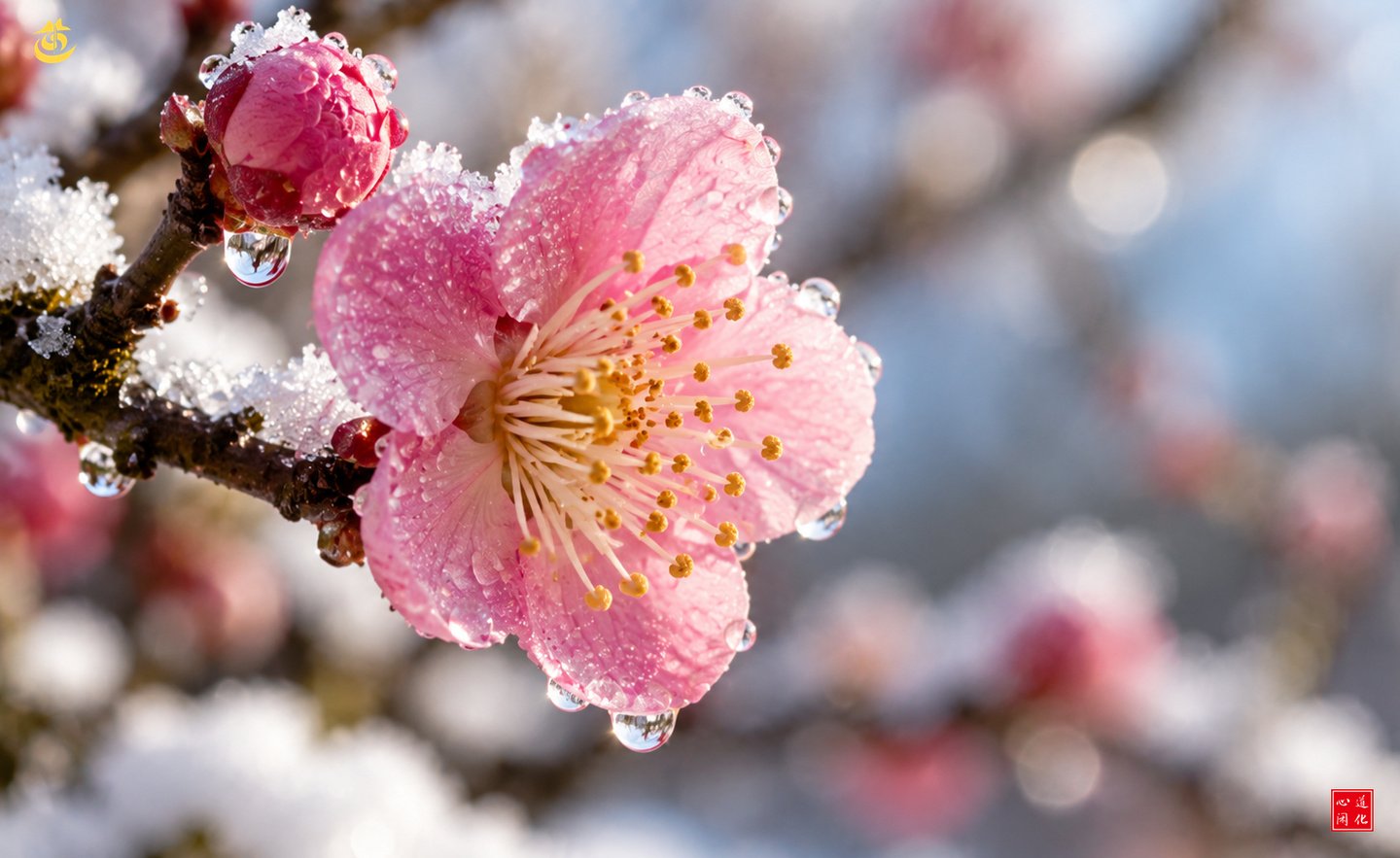
生命中大多数的时光,都在阅读中度过。阅读带给我的富足和愉悦感,超越语言。
明朝有一位读书人李贽,福建泉州人,他是真正从书中读到了自我的人,一位真性情的思想家,他的伟大和对这个民族思想的启蒙作用,远未被社会认知和体悟,更谈不上挖掘。若是哪天这个社会把李贽供起来,那么这个民族的根性开化可期。扯远了。本只是想引用他一句话:
富莫富于常知足,贵莫贵于能脱俗。贫莫贫于无见识,贱莫贱于无骨力。(李贽)
毫无疑问,读书,真的就给了他富足感,让他有见识,有骨力!
而对阅读的感受,清代的文学家张潮算是达到了相当高境界。他性情沉静,清心寡欲,不爱社交,喜欢将时间用来与同道中人饮酒写诗。
他写过一本随笔格言文集《幽梦影》,其中记录了不少关于读书的切身感悟。其中一句:
少年读书如隙中窥月;
中年读书如庭中望月;
老年读书如台上玩月;
皆以阅历之浅深,
为所得之浅深耳。

这种境界,非亲历不可体味。同样一本《道德经》,我从小读到现在,每一个年龄段,都有不同的理解和体悟。三十来岁时,突然有了一点点所谓的社会地位和职位职权,于是,愚昧、无知和自大,达到一个顶峰,曾一度还想动笔注释《道德经》,现在想来很可笑,可别亵渎老子的智慧了。要是能领悟透了《道德经》的一小部分智慧,早就不是这个命运了。人,真的需要岁月才能真正的成长。所谓成长,就是开始有根性的自知意识。就是知道自己是谁,知道自己是怎么回事,知道自己想去哪里,想做什么,能做什么,想与什么样人相处;从而不再因为别人的夸赞而欣喜若狂,不再因为别人的批评而烦恼沮丧;居上不欺凌,处下不卑微;为男人知道责任与担当,为女人懂得理解与温情;年轻一点的,知道路还长,不必计较眼前的点滴风雨得失;年长一点的,知道人生短暂,完全可以情随情迁,无矩自然。
无悔的人生,不是活成别人的样子,而是尽情地活成自已本来的样子。真性情地活着,才是最优美的人生。个人印象中,能达到这一人生目标的,陈独秀先生算是一位。他说:
世界文明发源地有二:一是科学研究室,一是监狱。
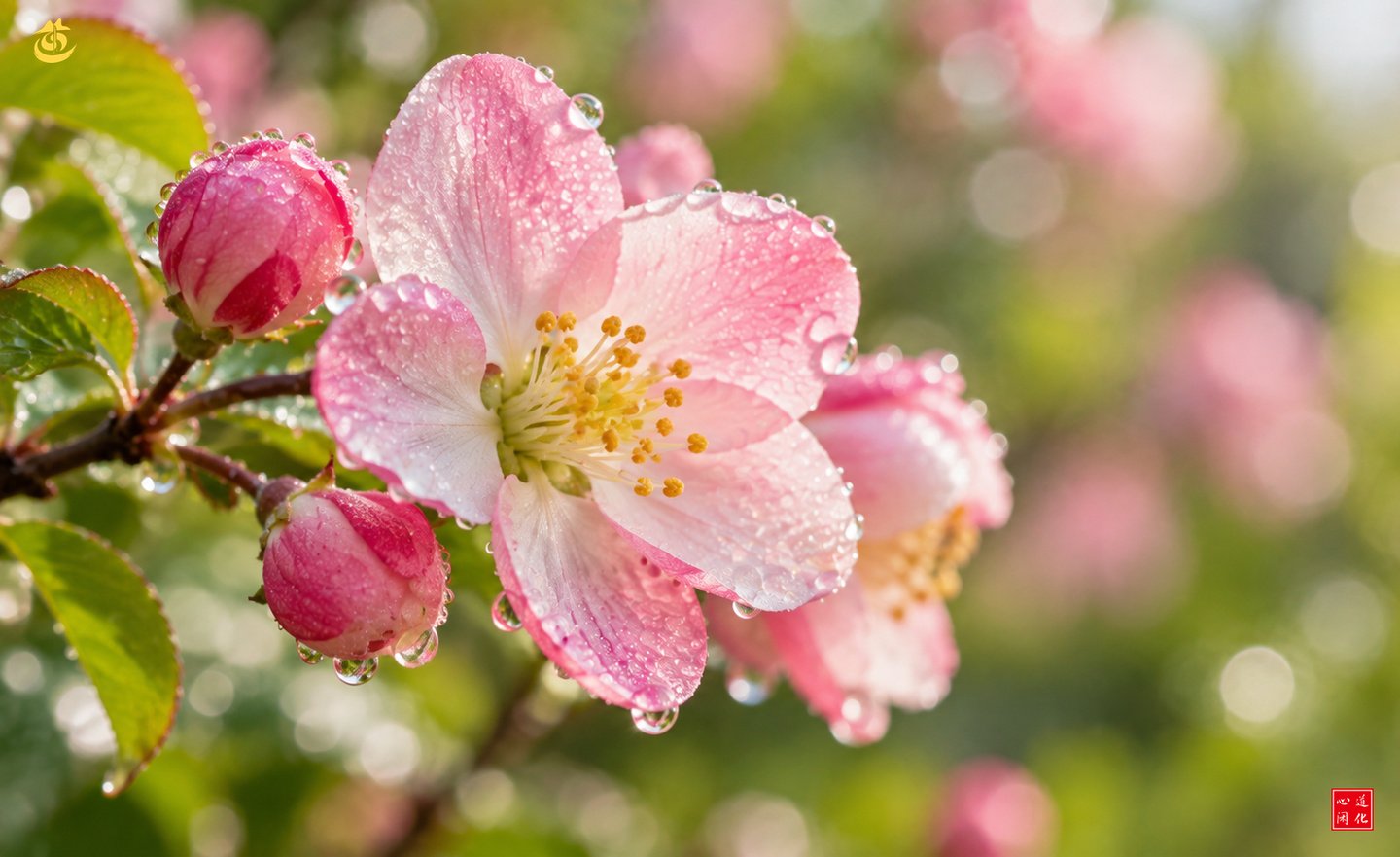
我们青年要立志出了研究室就入监狱,出了监狱就入研究室,这才是人生最高尚优美的生活。
从这两处发生的文明,才是真正的文明,才是有生命有价值的文明。
就凭这段话,陈独秀先生可以入选思想家之列。他这句话对中国的意义更是重大。他们那个年代,最好的代名词,就是“科学与民主”,一批新生力量用“科学与民主”的旗帜,使得旧体制摧枯拉朽般瓦解,不可逆转。而在那个时代,要科学,就是进研究室;要民主,就是要进监狱。(忽然想笑,经典语言,永不过时)。而陈独秀先生的一生,就是在监狱和学术之间来回切换。他在狱中所写的《小学识字教本》,至今很难买到。那本书不仅是训诂音韵学的经典著作。有人说,陈独秀先生的汉字图像也是为汉字插上了一根翅膀,汉字的另一根翅膀是周有光先生的汉语拼音。
陈独秀先生确实优美地度过了他的一生。因为他依着自己的本性,真性情了一辈子。他活的激情、活的自然、活得洒脱、活得畅快淋漓,活得精彩,活得悲壮。最后,他也本真地殉了自己的秉性和信仰。绝尘而去。留给这个世界和他所创立的组织,一个永远也无法真正理解的背影。
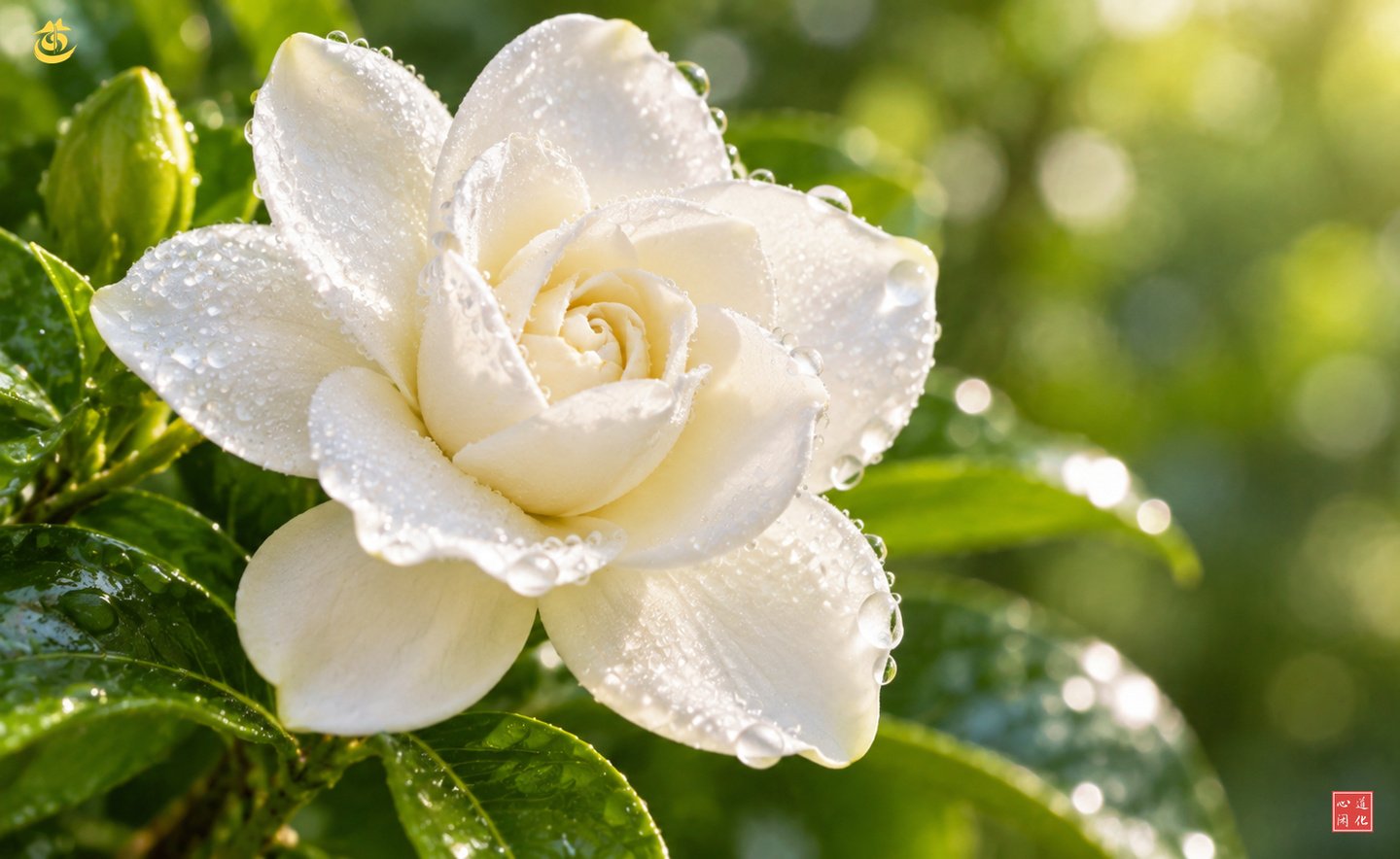
读历史,膜拜和盲信,是第一阶段;怀疑和求证是第二阶段;逻辑推理和人性代入理解则是成年人的读史态度。通常讲,历史由三部分构成:
真理和真相---良知与道德
记录和故事---本职与本位
杜撰与谎言---利益与魔心
同样的一本史书,不同的人,或同一个人在不同的年龄段,会读到不同的内容。
……
我刚才在说什么来着?写作如人生,岔题太远,忘了来路。

来南方,快五年了。这几年,一直在静静地观察,思考(确切说,是反思)人生。近期,突然很想专注地工作,想让关心自己和自己关心的人,以及,风雨相随的团队,过上好日子,富足而尊严。于是,暂时放下了浩瀚如海的《道藏》,拉上行李,上了动车。一个城市,又一个城市,开始了实地的拜访、沟通与调研。
人生,是一个神奇的旅程。与沉浸在《道藏》的世界里不同,走出家门,另一番天地。所到之处,热情有加,温暖备至。与五年前刚到时的感受一样,这是一个“温暖的福建人间”。再次庆幸自己,误打误撞地,来对了地方。渐渐的,对家乡的思念,也没那么强烈了。
---
写着,想着;想着,写着;渐渐的,就入睡了。
醒来,天已黑了。突然肚饿。于是起身做晚餐。冰箱里已两周没有补给,只有冻牛排。就煎牛排吧。两块冻连在一起了。算了,既然你们这么难分难舍,神仙姐姐就成全你们,一起煎了吧。手一抖,油,倒多了。算了,再补煎两个鸡蛋吧。胃会不会撑坏没想太多,就是有点担心发胖。管他呢。在如今这样全球疫情肆虐的日子里,免疫力才是王道。胖点好,胖点好,胖点的女人皱纹少。于是给自己找到了饮食不节制的理由:提高免疫力!以及,抗衰老!味道不错,先吃吧。于是又是边吃边后悔,边后悔边吃。今天的饮料,不是白开水了,是二哥给开的中药,调理水土不服的。前一阵只顾出差,还没顾上服用。今天一起补上。其实,已慢慢总结出原因了,只要不吃海鲜,皮肤就不会过敏了。但哥哥一片心,还是喝了吧。味道不错。我一惯不怕吃苦,药香,更是家的味道。
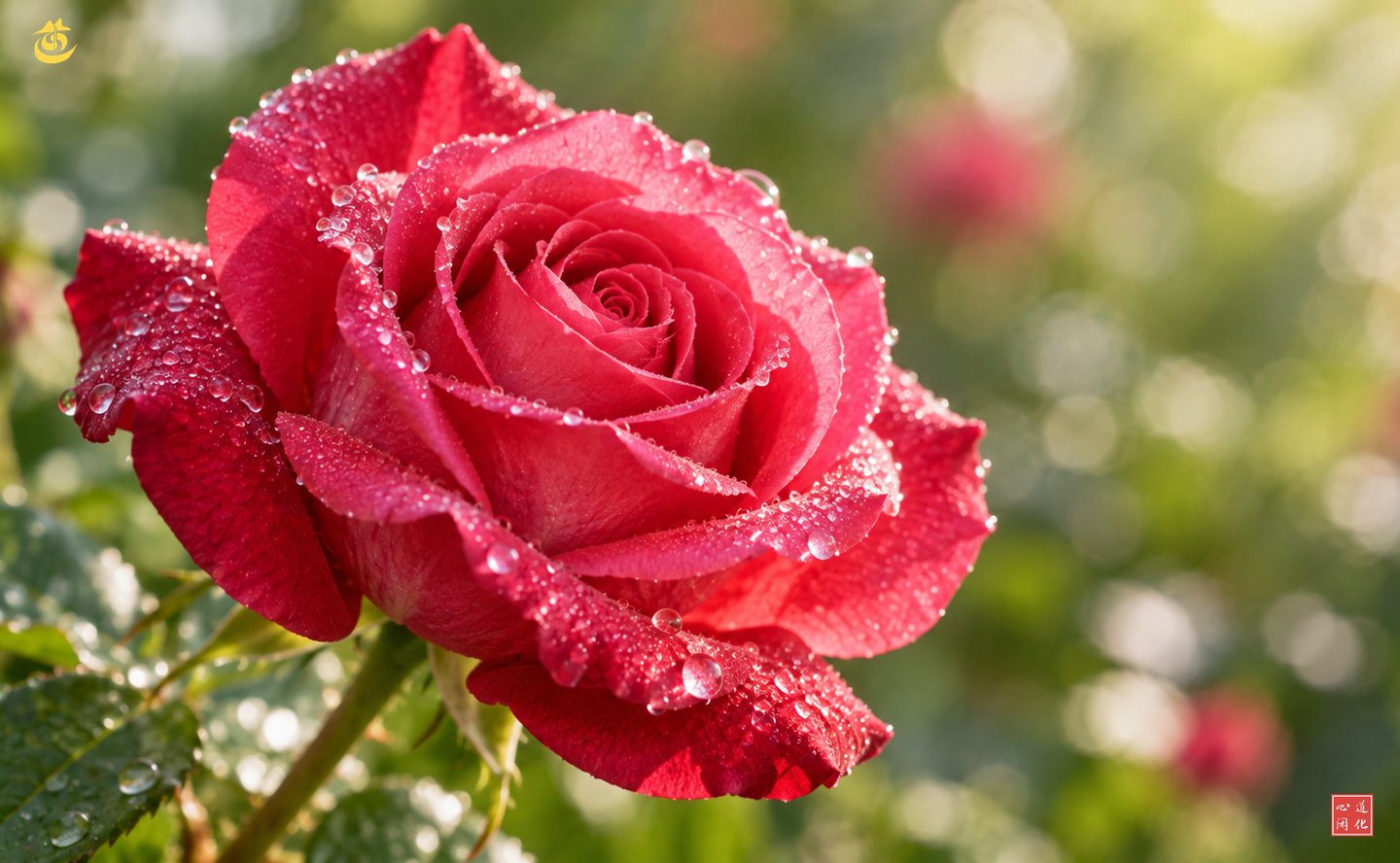
朋友来电。可能是升官或是发财了,听起来情绪格外的好。
友:我在打球,你在干嘛呢?
我:晚餐。
友:吃什么?
我:牛排,鸡蛋,还有----馒头
屏幕那端,笑起来。“吃这么多!还有,这是什么搭配?喝点你自己泡的酒没有?”
“不喝酒。今天喝的是中药,我哥开的,调理身体。”

屏幕那端,或许是因为边上装修的声音而没听到,或许是难以想像餐桌画面,听得一头雾水。拿中药当饮料,恐怕只有中药铺长大的人,才可理解吧。
……
过量饮食的后果,就是立杆见影地降低智商。饱餐之后,脑袋莫名地自大与空洞。后悔已无益,不如安逸地忘记。忽然想起了千年乌龟的修炼秘诀:吃饱了不动。于是把沙发调整到一个合适的伸张角度,躺下看书。《古今笑》,又随手翻到明朝大才子冯梦龙的《古今笑》,以前我曾介绍过这本书(又名《古今谭概》),真是一本妙趣横生的笑话集。只是至今没有现代文译本出版,所以人们对这本书相对陌生。
翻哪算哪,转一则的笑话出来,与君同乐。
先说明一下,《古今笑》是相当有水平的一本笑话集,但读出真味,需要知道一些背景知识。先介绍下故事中人物王安石的相关背景。
据《宋史·列传第八十六》中记载:王安石“性不好华腴,自奉至俭,或衣垢不浣,面垢不洗”,意思是说王安石非常的节俭,而且不修边幅,衣服脏了也不洗,面孔脏了也不洗。因为经常不换衣服不洗澡,所以贵为宰相的王安石,身上就生出了丰富的虱子。
该故事的题目是“须虱颂”,是关于王安石胡子里虱子的故事,原文如下:
须虱颂
王介甫、王禹玉同侍朝见。虱自介甫襦领而上,直缘其须。上顾之而笑,介甫不自知也。朝退,禹玉指告,介甫命从者去之。禹玉曰:“未可轻去,愿烦一言。”介甫曰:“何如?”禹玉曰,“屡游相须,曾经御览。”众大笑。

大意:一天,宋朝的宰相王安石和大臣王禹玉,一同上朝觐见神宗皇帝。在回答皇上垂询时,王安石侃侃而谈。就在这个时候,有一只虱子从王安石的衣领处(原文用了简单的“儒领”二字,简洁明快,道尽幽默之意),慢慢地爬了出来,接着爬进了他抖动的胡须里,并在胡须里钻钻停停,有时黏住一根胡须不动,似乎是在荡秋千。
皇上看到了,忍不住笑了起来。王禹玉也看到了,却不敢在皇上面前提醒他。只有王安石自己不知道,还是恭恭敬敬地站立着,还在专心致志地回答皇帝的问题。
退朝以后,王禹玉对王安石说起了虱子爬在他胡须上的这件事情。王安石听后,赶快就叫随从来捉虱子。王禹玉急忙制止道:“虱子是不能捉的,为什么不能捉呢?这可是有说法的。”
王安石不解地问:“那你说说有什么来由。”王禹玉微微一笑,缓缓吟道:“屡游相须,曾经御览。”(意:曾多次在宰相胡须里游玩,又经皇帝看过的,这虱子真是尊贵极了,所以不能捉了去)
所有在场的大臣,包括王安石在内,听到这句话后,都忍不住哈哈大笑起来了。
这是一个笑话。翻译成现代文,就不好笑了。文字的魅力,在于其韵味和言外之意。文言文如同一块坚实、有嚼劲的豆腐块,而译成现代文,有豆腐渣之感。但也没办法,大家已普遍不习惯阅读我们的古文了。我偶尔引用一点点,还常有朋友大呼:“看不懂你写的啥”,这是我的苦。也是你的累。
相知两不易,只在文字间。

照例,道情两首:
注:有时感觉,人生就如杨树上的一片叶子,年轻时无知,不知生之真味,哗啦哗啦热闹一阵,不知不觉就变黄了。然后风一吹,所有豪迈随风而去。还来不及思考生命是怎么回事,一切都结束了。

《树叶》
门前一棵杨,挺拔入云庭;
树有千千叶,叶叶各不同。
风来共摇曳,哗哗起乐声;
一曲舞未尽,此生已半程。
何似人在世,从众作从容;
一阵秋风过,俱归尘土中。

《入道》
奉香拜老君,诚心谢道恩。
道德五千言,阴阳是乾坤。
乾坤何其妙,度我入玄门;
玄门路幽长,万里悟道真。
悟道静空里,月华庭院深;
独在院中坐,不觉花满身。

《难易词》
乍交之欢易,久处不厌难;
面前之誉易,背后无毁难。
夺得玉玺易,坐稳皇位难;
一统江山易,凝聚人心难。
遍读诗书易,写尽相思难;
满屏文字易,一字入心难。

《唱和》
半生不相见,陌然参与商
今夕何因缘,共此灯烛光
君言隔一帘,莲花自芬芳
香消烟不散,茶淡水不凉
静待卷帘日,清风吹满房
A Life in Misty Rain
20. A Life in Misty Rain
Originally published by Yang Zi, Daozang Research, 2021-12-23 12:27
Lately I am often away on business — long business.
Once in a while I come home, and go on with my murmuring to myself. Recording the present.
Xiamen, rain. Outside the window, a wash of mist. The whole city is drenched, quiet and silent in the misty rain. Because of the pandemic, this bustling city has taken on a looseness and loneliness rarely seen in the past.
In the afternoon I played the qin for a while — the tunes cold, the notes rough; no feeling, no flavor; no heart, no mood. Between the seven strings, all the trivia and bustle of the red dust. I knew this was because the heart had dust on it. So I lay lazily on the sofa, saying nothing, quietly staring at the ceiling, in a daze. Then I picked up the computer and began tapping the keys without direction. Strange to say: once typing begins, the heart grows quiet by degrees.
Whenever boredom comes, only poems and the qin for my own ease, brush and ink for my company. Over long days and years, it has become second nature.
In just two short months, my trips have exceeded the total of all past business travel in my whole career. The ever-faster rhythm has by degrees knocked one off the rails of the old quiet cultivation. This was not my wish or hope — only life's necessity. For my own part, I still prefer to be alone among a house full of bookcases and cabinets, lying on the sofa with a book in my arms, following my heart's pleasure, thinking free thoughts.
Last week a friend forwarded an article describing the real living conditions of the diagnosed in a district of Zhejiang; it recorded in detail the busyness, the hardship, and the helpless persistence of ordinary people at the grassroots. In it there was one line:
We dare let no one down—except ourselves.
I do not know why, but reading that line, I felt an unaccountable ache. Learning that it was a mayor's repost made it feel, in some measure, a comfort and a hope. At least it shows that some officials really are reading of the struggles and hardships of ordinary people. A thread of social warmth rose in my heart.
Behind the flourish and the vanity, look deep into the soul: how many rooms are not full of wounds, not tangled like hemp? How many are moving ahead in good order along the route of their own wish and plan? Of those one bows to with courtesy, how many does one truly look up to and respect in the heart? Of the genial smiles and pleasantries, how many are communions of real joy from the depths of the soul? Is the person at your pillow the person in your heart? Is the work one does the calling of one's own inner choice? Is what one hymns a faith that rises from the heart? Is what one sings an inborn true temperament?
The soul of a grown-up cannot stand interrogation.
Lately I have rather suddenly taken a liking to music. From childhood I was never fond of it; the beauty of strings and pipes usually lay outside my concerns. Yet in just these past two weeks I have suddenly felt that music is not so far away. In the morning I saw a short music video; what moved one was not only the beauty of the melody but the thinking a certain string-tone set off, carrying one back at a stroke to some scene of the past. Perhaps this is what the accumulated experience of the years brings. In earlier days, listening to a song, one heard the words and the tune; later, the story and the background; now, listening, one slowly finds oneself inside it — one is hearing oneself in the song, the bytes of life now merry, now mournful. The years make the heart soft and compassionate. Listening to songs — from the ear, to the heart, to the feeling — is itself a process. Once I knew this only from reading books; now I have felt it in music. Perhaps it means that music has begun to enter my life, though many years later than books.
Most of the hours of my life have passed in reading. The abundance and joy reading brings me lie beyond words.
In the Ming there was a reader named Li Zhi, a native of Quanzhou, Fujian. He is a man who truly read a self out of his books, a thinker of true temperament. His greatness and his part in kindling this nation's thought have still not been recognized or felt by society, much less mined. If one day this society sets Li Zhi up on an altar, then the opening of this nation's root nature may be hoped for. I have strayed from the point; I only meant to quote one line of his:
No wealth is wealthier than constant contentment; no nobility nobler than escape from the vulgar. No poverty poorer than lack of discernment; no baseness baser than lack of backbone. (Li Zhi)
Without doubt, reading truly gave him abundance — gave him discernment, and backbone!
As for the feel of reading, the Qing man of letters Zhang Chao reached a rare height. His temperament was calm and still, his desires few and his heart clear; he shunned society, and liked to spend his time drinking wine and writing poems with kindred spirits.
He wrote a book of jottings and aphorisms, the Youmeng Ying, in which he recorded many a felt insight about reading. One of them:
In youth, reading is like peeping at the moon through a crack;
in middle age, like gazing at the moon from a courtyard;
in old age, like playing with the moon on a terrace;
all according to the shallowness or depth of one's experience,
which alone sets the measure of what one gains.
A state like this cannot be tasted without living it. The very same Daodejing, read from my childhood until now, has yielded a different understanding and insight at every age. In my early thirties, suddenly possessing a little so-called social standing and a position of authority, my ignorance, blindness, and conceit reached a peak; for a time I even meant to take up my pen and annotate the Daodejing. Thinking of it now, it is laughable — what a profanation of Laozi's wisdom that would have been! Had I been able to grasp even a small part of the Daodejing's wisdom, my fate would long ago have been otherwise. A person truly needs the years to truly grow. Growing up means beginning to have a rooted self-knowledge: knowing who one is, knowing what one is really about, knowing where one wants to go, what one wants to do and can do, and with what sort of people one wants to pass one's days; and so no longer going wild with joy at another's praise, nor vexed and dejected at another's criticism; when above, not bullying; when below, not abject. For men, to know responsibility and to shoulder it; for women, to understand and to be warm. The younger should know the road is long — no need to reckon every passing wind, rain, gain, and loss; the older should know life is short — one may well let feeling follow feeling, unbound and natural.
A life without regret is not living into another's shape, but living one's own original shape to the full. To live in true temperament is the most beautiful life. In my own impression, one who attained this goal was Mr. Chen Duxiu. He said:
There are two birthplaces of world civilization: the scientific research room, and the prison.
Our youth should resolve to walk out of the research room into prison, and out of prison into the research room — that is life's noblest and most beautiful living. / Civilization that issues from these two places alone is true civilization, civilization with life and worth.
On the strength of that passage alone, Mr. Chen Duxiu may be enrolled among the thinkers. His words meant even more for China. In their era, the best byword was "science and democracy"; a force of the new generation, under the banner of "science and democracy," brought the old system down like rotten wood, past recall. And in that time, to want science was to enter the research room; to want democracy was to enter the prison. (I suddenly want to laugh — the classic phrase never goes out of date.) And Mr. Chen Duxiu's whole life was spent switching back and forth between prison and scholarship. The Xiaoxue Shizijiaoben he wrote in prison is still very hard to buy today. That book is not only a classic of philology and phonology. Some say Mr. Chen Duxiu's images of the Chinese characters gave the characters one wing, and that the other wing was Mr. Zhou Youguang's hanyu pinyin.
Mr. Chen Duxiu did indeed pass his life beautifully. For he followed his own nature, a whole lifetime of true temperament. He lived with passion, lived naturally, lived freely, lived to the last drop of relish; lived it brilliantly, lived it in tragic grandeur. In the end, in his own truth, he died a martyr to his temperament and his faith. Gone beyond the dust. He left to this world, and to the organization he founded, a back that can never truly be understood.
Reading history: worship and blind faith are the first stage; doubt and verification the second; logical inference and understanding through human nature are the grown-up's way of reading history. Generally speaking, history is made of three parts:
truth and the true record — conscience and morality;
records and stories — duty and standpoint;
fabrication and lies — interest and the demon heart.
The very same history, different readers — or the same reader at different ages — will read differently.
......
What was I talking of just now? Writing is like life: I strayed too far off the path and forgot where I came from.
Nearly five years since I came south. These years I have been quietly watching, and thinking (to be exact, rethinking) about life. Lately I have suddenly wanted to work with full concentration, wanting those who care for me and whom I care for, and the team that has followed me through wind and rain, to live good days, abundant and dignified. So for a time I set down the vast-as-the-sea Daozang (Daoist Canon), pulled my suitcase, and boarded the bullet train. One city, then another city — I began my field visits, my communicating and surveying.
Life is a marvelous journey. Unlike immersion in the world of the Daozang (Daoist Canon), stepping out the door is another world altogether. Everywhere I have gone, warmth upon warmth, kindness upon kindness. Just as when I first arrived five years ago — this is a "warm human world of Fujian." Once again I count myself lucky that, blundering along, I blundered into the right place. Little by little, the homesickness is not so sharp either.
---
Writing, thinking; thinking, writing; and by degrees, I fell asleep.
When I woke, the sky was already dark. Suddenly hungry, I rose to make dinner. The fridge, unsupplied for two weeks, held nothing but frozen steaks. Steak it is, then. Two of them were frozen together. Oh well — since you two are so loath to part, the fairy sister will grant your wish: into the pan together. My hand shook — too much oil. Never mind; fry two eggs to make up for it. I did not much worry whether my stomach would be stretched to bursting, only a little about growing fat. Let it be. In days when the global pandemic runs riot thus, immunity is the only true way. Plump is good, plump is good — plump women have fewer wrinkles. And so I found myself the reasons for intemperate eating: to raise my immunity! And — to fight aging! Tastes good; eat first. And so once again I ate while regretting, and regretted while eating. Today's drink was not plain boiled water but the Chinese medicine my second elder brother prescribed, to adjust me to the climate. The past stretch I was so busy traveling I had not got round to taking it; today I finally get around to taking it. In fact I have slowly worked out the cause: as long as I do not eat seafood, my skin does not flare. But my brother's heart was in it, so drink it down. It tastes good. I have never feared bitterness, and the fragrance of medicine is the very flavor of home.
A friend called. Perhaps promoted or newly rich — he sounded in extraordinarily high spirits.
Friend: I'm off playing ball. What are you up to?
Me: dinner.
Friend: Eating what?
Me: steak, eggs, and — steamed buns.
From the other end of the screen came laughter. "Eating all that! And what a combination! Did you have any of that wine you brew yourself?"
"No wine. Today I'm drinking Chinese medicine, prescribed by my elder brother, to tune up my body."
At the other end of the screen, whether because of the renovation noise beside him or because the dinner-table scene was past imagining, he was entirely at sea. Taking Chinese medicine as a beverage — perhaps only someone raised in a Chinese medicine shop could understand.
......
The consequence of overeating is an immediate drop in IQ. After a full meal, the head swells without cause with conceit and hollowness. Regret serves no purpose; better to forget it in comfort. Suddenly I recalled the thousand-year turtle's secret of cultivation: when full, do not move. So I adjusted the sofa to a suitable angle of stretch, lay down, and read. Once again I had chanced upon the Gujin Xiao by the great Ming wit Feng Menglong — I have introduced this book before (also titled Gujin Tan Gai); it is truly a collection of jests brimming with savor. Only, no modern-language edition has ever been published, so people remain relatively unfamiliar with it.
Wherever it falls open, that is the page; let me copy out one of its jokes, to share the laughter with you.
First, a word of explanation: the Gujin Xiao is a joke book of real quality, but to taste its true savor one needs some background knowledge. Let me first sketch the background of Wang Anshi, the man in the story.
According to the Song Shi, Liezhuan No. 86: Wang Anshi "was by nature no lover of luxury, and kept himself to the utmost frugality; sometimes his clothes went foul and were not washed, and his face went foul and was not washed" — meaning that Wang Anshi was extremely frugal, and careless of appearance besides: clothes dirty and unwashed, face dirty and unwashed. Because he so often neither changed his clothes nor bathed, Wang Anshi — a man as exalted as chief councilor — bred a rich crop of lice upon his person.
The story is titled "In Praise of the Beard Louse" — a tale of the louse in Wang Anshi's beard. The original text follows:
In Praise of the Beard Louse
Wang Jiefu and Wang Yuyu were attending at court together. A louse climbed up from Jiefu's collar and straight along his beard. The sovereign glanced at it and laughed; Jiefu himself knew nothing of it. When court was dismissed, Yuyu pointed it out; Jiefu ordered an attendant to remove it. Yuyu said: "Not so lightly removed — let me trouble you for a word first." Jiefu said: "What would it be?" Yuyu said: "It has repeatedly toured the minister's beard, and has been beheld by the sovereign's eyes." All roared with laughter.
The gist: one day the Song councilor Wang Anshi and the minister Wang Yuyu attended court together for an audience with Emperor Shenzong. Answering the emperor's inquiry, Wang Anshi held forth eloquently. Just then, a louse crawled slowly out from Wang Anshi's collar (the original uses the plain two characters "ru ling" — spare and brisk, exhausting the humor of the thing), then climbed into his twitching beard, boring and pausing, now sticking fast to a single whisker, as if swinging on a swing.
The emperor saw it and could not help laughing. Wang Yuyu saw it too, but dared not remind him before the sovereign. Only Wang Anshi himself knew nothing, standing there respectfully as ever, still answering the emperor's questions with full attention.
After court was dismissed, Wang Yuyu told Wang Anshi of the louse that had crawled into his beard. Hearing this, Wang Anshi at once called an attendant to catch the louse. Wang Yuyu hastily stopped him: "The louse must not be caught. Why not? There is a reason for it."
Wang Anshi, puzzled, asked: "Then tell me the reason." Wang Yuyu smiled faintly and chanted slowly: "It has repeatedly toured the minister's beard, and has been beheld by the sovereign's eyes." (Meaning: it has many times sported in the councilor's beard, and has been looked upon by the emperor — this louse is noble beyond all lice, and so must not be caught away.)
All the ministers present, Wang Anshi included, could not help bursting into loud laughter at these words.
That is a joke. Translated into the modern tongue, it stops being funny. The charm of words lies in their savor and their meaning beyond the words. Classical Chinese is like a firm, chewy block of bean curd; rendered into the modern tongue it has the feel of bean-curd dregs. But there is no help for it — people in general are no longer used to reading our old prose. When I quote a tiny scrap now and then, friends still regularly cry out: "I can't understand a thing you write." This is my affliction — and your burden.
For two to know each other is no easy thing; it lies only in the written word.
As usual, two Daoqing chants:
Note: sometimes I feel that a man's life is like a leaf on a poplar — young and unknowing, never tasting life's true savor, noisily rustling through a lively spell, then turning yellow before one knows it. Then a gust of wind, and all one's boldness goes with the wind. Before there is time to think what living is about, everything is over.
"The Leaf"
Before the gate a poplar stands, straight and tall into the cloudy court;
The tree has leaves a thousandfold, and every leaf is different.
When the wind comes they sway together, rustling up a music;
Before one dance is done, this life is already half its course.
How like man in this world, mistaking conformity for composure;
One autumn wind sweeps past, and all return together to the dust.
"Entering the Dao"
Offering incense, I bow to the Old Lord, thanking the Dao's grace with a true heart.
The Daodejing's five thousand words — yin and yang are heaven and earth.
Heaven and earth, how wondrous their workings, ferrying me through the mysterious gate;
The road of the mystery runs long and shadowed; ten thousand miles to wake to the truth of the Dao.
Waking to the Dao in stillness and emptiness, the moonlight deep in the courtyard;
Sitting alone in the yard, unaware that flowers have covered my body.
"Words of Easy and Hard"
The joy of first acquaintance is easy; to be long together and never tire, hard;
Praise to one's face is easy; no slander behind one's back, hard.
To seize the jade seal is easy; to sit firm upon the throne, hard;
To unify the realm is easy; to bind men's hearts together, hard.
To read through all the poems and books is easy; to write out all one's longing, hard;
To fill a screen with words is easy; for one word to enter the heart, hard.
"Song and Echo"
Half a life without sight of each other, strangers like the Shen and Shang stars;
What karma is it, this night, that we share the light of this lamp and candle?
You say that across a curtain the lotus keeps its own fragrance;
The incense fades but the smoke does not scatter; the tea grows thin but the water stays warm;
Quietly I await the day the curtain rolls up, and a clear wind fills the room.