道家:《心相篇》看面相、识人心、知前程
3、道家:《心相篇》看面相、识人心、知前程
原创 杨子 道藏研究 2020-07-31
古语有云:
进门不问荣枯事,观看容颜便得知。
这其实是相面术,非常普遍的阅人术。经验丰富、智慧通达的人,通过察言观色,便知大致。

《心相篇》是一本被誉为相面学的神奇之书。为历代官场、学界、商贾世家所暗中推崇。近些年来,常人读《冰鉴》者甚,原因是有毛泽东先生推荐,从而被视为帝王阅人宝典。
中医上有句俗语叫:“外行吃人参,内行喝黄芪”。

在阅人术方面,而真正内行人家,对《心相篇》参悟神会,渐知一个人的面相与内心的关系,进而,从心观行,预知其未来前程。
凡道家“相面”之学,实则为“读心”为本的;“算命”之学,亦是由现状形势去预测未来的。
人常说,
读万卷书,不如行万里路;
行万里路,不如阅人无数;
阅人无数,不如仙人指路。
《心相篇》即是仙家教你如何“阅人”的。
《心相篇》的作者,了不得。不得不先介绍下。
陈抟,字图南,号扶摇子,宋皇帝给他的赐号---“希夷先生”,世称陈抟老祖。陈抟,与老子是同乡,故里现在河南省周口市鹿邑县,是唐末、五代、宋初的道士。活了118岁。那个年代,118岁哈。就这一点,就值得我们好好研究一下他的著作和养生术。

凭良心讲,这是中国学术界最对不起的人之一。特别是儒家,历代所谓理学大师,内心对陈抟都欠着一份良心债。简单说,原因是周敦颐直接借鉴了陈抟的《无极图》而创立了《太极图》,邵雍的易大传论,也直接来源于陈抟的《先天图》,但以儒学为主流的学术界没有陈抟的名字,只因他是道家人。
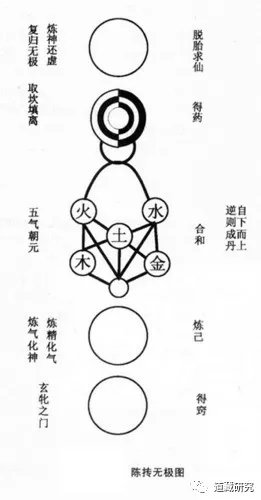
陈抟是位道士,学术专注精深,不为世人所知,世称隐士。他继承汉代以来的象数学体系,又深悟黄帝、老子等道家学派的清静无为哲学,参透道教修炼方式,博通百家,创造了道家秘图《无极图》。
据明末黄宗炎说:“钟离权受以吕洞宾,吕洞宾与陈图南同隐华山,因此得以授予陈抟(明,黄宗炎《太极图说辨》)
张三丰得《无极图》精华,在此基础上创立了太极道体系,把丹道和太极内功结合在了一起,现代练习太极拳的人需要了解一下。
陈抟的《无极图》、张三丰的《修真图》中都描述了生命的演进里程,即:
无极生太极,太极生两仪,
两仪生四象,四象演五行,
五行演八卦,八卦得演万物昌。
现在医学对生命科学的认识与解释,本质上,都是一样的原理。
除张三丰之外,大学者周敦颐也得到了陈抟的《无极图》。周敦颐本人对陈抟老祖及道教十分敬仰,他写了一首诗《读英真君丹诀诗》,说明了他的思想来源:
始观丹诀信希夷,盖得阴阳造化机。
子自母生能致主,精神合后更知微。
(《周敦颐集 卷三》)
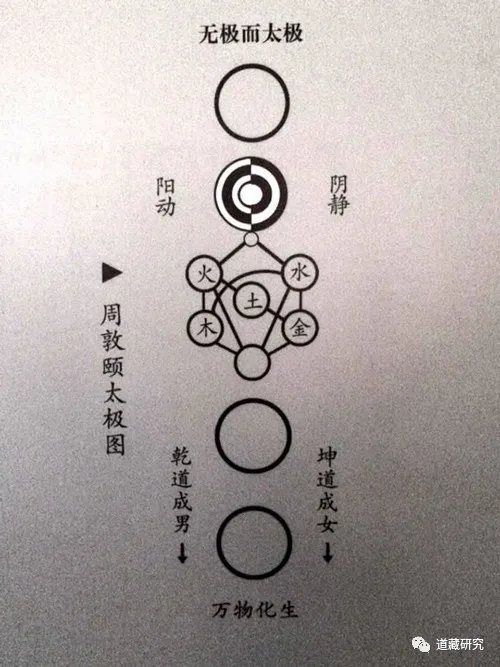
周敦颐天资聪明,得到陈抟真传《无极图》后,一句话“无极而太极”,就把陈抟的《无极图》变成了他的《太极图》,并配以文字,取名《太极图说》,于是就有了理学的起源。这就是程朱理学的起点。但后世儒家最让人看不起的,就在这一点上,死不承认理学思想源于道家。这主要因为朱熹本人带头耍赖,说周敦颐的学说是“莫知其师传之所自”,意思是不知道他们理学原创周敦颐是跟谁学的。如果一般的人说不知道也就算了,但大学者朱熹说不知道,近千年之后,我还替他臊得慌。老实说,我从儒家典籍中确实学习到了不少有益的东西,但随着年龄的增长和阅读的积累,越来越难以仰视儒学,其中一个原因就在于此。历代学者,儒者多为官,总仗着权势占其他学派的便宜,而且从不脸红。

现在全世界的孔子学院在陆续关闭,虽有政治因素,但西方人从儒学中阅读不到中华民族令人仰视的哲学智慧,也是很重要的原因。一如黑格尔所言:
“我们看到孔子和他的弟子们的谈话(《论语》),里面所讲的是一种常识道德,这种常识道德我们在哪里都找得到,在哪一个民族里都找得到,可能还要好些,这是毫无出色之点的东西。孔子只是一个实际的世间智者,在他那里思辨的哲学是一点也没有了————只有一些善良的、老练的、道德的教训,从里面我们不能获得什么特殊的东西。西塞罗留下给我们的《政治义务论》便是一本道德教训的书,比孔子所有的书内容丰富,而且更好。我们根据他的原著可以断言:为了保持孔子的名声,假使他的书从来不曾有过翻译,那倒是更好的事”。( 黑格尔《哲学史讲演录》第一卷)
这是一段令所有儒家思想信奉者吐血的点评。黑格尔在西方哲学史上的地位众所周知,他这一段话,基本把孔子和儒家学说定格在了一个相对低端的思想境界。我们把儒家学说当成国粹,到处建孔子学院,现在被关掉,感觉就是自己的文化被人关在了外面。我虽不是儒家后生,但还是感觉到莫名的屈辱,不知道脸往哪儿搁。我可能太爱这个民族的传统文化了。才一直痛心。

到了明清时代,学术界对此争论不休,而自称儒家的理学界对此仍避而不淡。清朝对中华文明的一大贡献是是《四库全书》,但三百年来,这套书的学术价值到底为中华文明起到了多少正向作用呢?香港学者陈廖安教授看到了儒家编辑团队在搜集中漏掉了绝大部分的道家书籍,直接嘲笑说《四库全书》其实应该叫《四库不全书》,真是笑死人。

到了民国,钱穆先生开始梳理学脉,又公然否认理学的起源之事,死掰硬拧理学源于儒家道统。在这一点上,冯友兰先生讲了实话,说是周敦颐是跟道士所学,但绝口不提陈抟的名字。实在是学术格局上的憾事,也是难以启齿的丢脸事。关于这些文献,我在《中国形而上》的《宇宙发生论》中有专篇陈列,部分节选发在了公众号《周敦颐的思想源于道家—陈抟》一文中(2015年10月)。
也难怪,郑板桥说:
儒士,孔子的罪人;
和尚,释迦的罪人;
道士,老子的罪人。
近千年来,还没有哪一位儒家能为此事找到一块合适的学术遮羞布。然而,那位陈抟老祖,早已踩一片祥云,升仙去了。留下我们这些俗心凡胎,对此事喋喋不休,无法释怀。

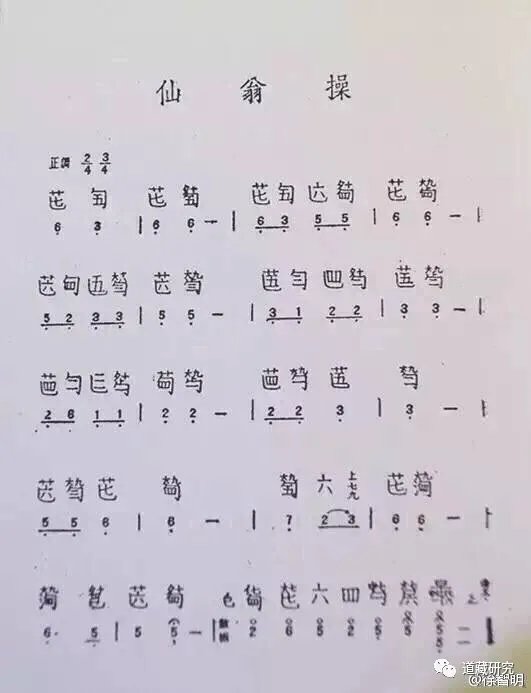
每一位弹古琴的人,都学过入门曲---《仙翁操》,讲的就是陈抟老祖飞升的境界。
“仙翁---仙翁---得道仙翁----”
漫妙幽远的素谱简乐,飘然飞升的心灵超脱,随指尖在七弦间回荡,此种境界,真正是心归大道,情系烟霞,非懂琴知道者不可体味。
不过,现代人并不在意宋明理学的起源,我其实亦不在意。理学不承认源自道家,就像心学不承认源自佛家一样。现在那些膜拜王阳明的人,若是谁一提心学本质是佛学,就立即火了。一万个不认账。心学那一套,固然在唯心学上很有见地,但终究还是佛学的演化。不争论。只是国学的学术界可悲可哀。

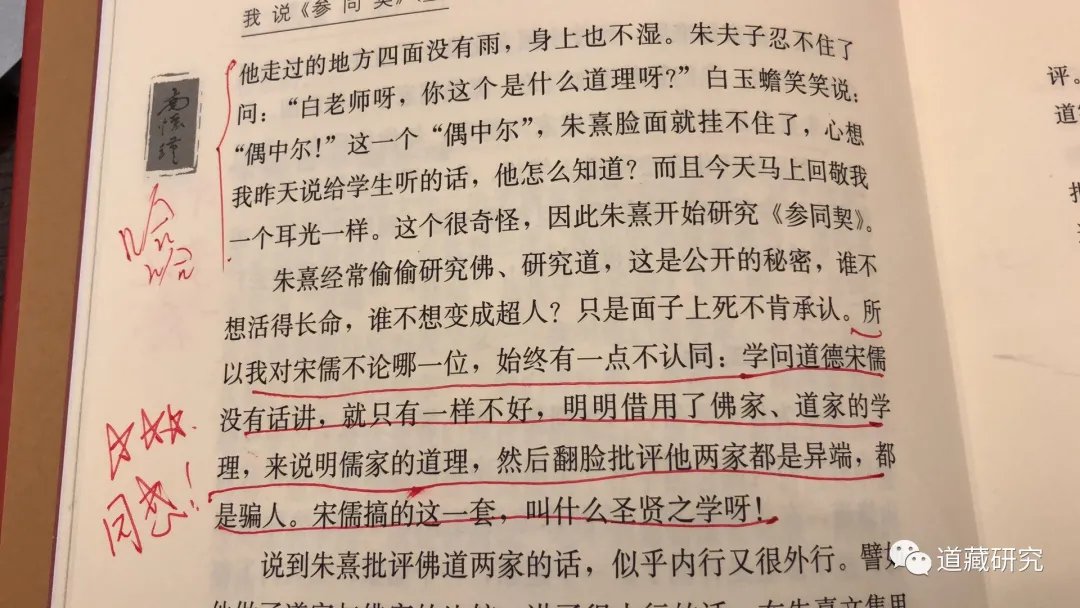
其实,不管哪家的文章,只要写的好,学来就是。只是看到了严重不公的事,连句公道话都不敢说,实在良知不安。就连一贯和蔼的国学大师南怀瑾先生对儒家那一套也实在看不过去,点名批评道:
朱熹经常偷偷研究佛、研究道,这是公开的秘密,谁不想活得长命,谁不想变成超人?只是面子上死不肯承认。所以我对宋儒不论哪一位,始终有一点不认同:学问道德宋儒没有话讲,就只有一样不好,明明借用了佛家、道家的学理,来说明儒家的道理,然后翻脸批评他两家都是异端,都是骗人。宋儒搞的这一套,叫什么圣贤之学呀!(南怀瑾《我说参同契》)
扯远了。
除了在学术上的价值,陈抟还是一位以睡功而闻名的养生专家,被称为“睡仙”,他服气辟谷,通常每天只是几杯酒即可,一睡就是一百多天。他经历了唐末的战乱、五代十国的战乱、到了宋朝,那样的时代背景下,活了118岁,实在可称为“神仙”。
陈抟精通读心术,预测精准,史有记载。
陈抟能预知人意,据说他的斋室中有大瓢挂在墙壁上,道士贾休复心里想要这个大瓢,去他家拜访,陈抟就对贾休复说:“你来不是有其他事情,是想要我的大瓢而已。”然后叫人取下来给他。 贾休复很惊讶,认为陈抟是神仙。

还有一个故事,说有个叫郭沆的人,曾夜宿云台观陈抟处。陈抟叫半夜叫他赶快回家,郭沆犹疑不决;过了一会儿,陈抟又说:“你可以不回去了。”第二天,郭沆回到家中,果然,他的母亲在那天半夜突然得心痛病几乎死去,一顿饭的功夫又好了。

下面简介下陈抟老祖的《心相篇》。读书百遍,其义自现。建议尽量阅读原文(楷体)。
“相者之术,于眉睫方寸之间。以征毕生之休咎”,相人之术,就是从一个人的眉宇方寸之间的“小风水”,预测一个人的凶吉善恶。
“兹以心相名编,谓相从心生”,所谓相由心生,即一个人的面相是由其内心决定的。孟子也说:“胸中正,则眸子了焉”,一个贼眉鼠眼的人,多是心怀鬼胎的人。心中坦荡,自然气宇轩昂。
汝相予一心,要包藏得天下理;
相予两肩,要担得天下事;
相予两脚,要踏得万事定。
注:一个人心量不行,就藏不了天下,没有大战略;如果一个人站不直,肩膀都挺不起,一付卑躬屈膝的下作模样,一看就担当不了大事;一个人若是走路不正,总遛墙根儿,中间道都不敢走,也成不了大气候。

古人如此看相测命,现代人也一样,从一个人的气质中基本可判断其社会地位或格局担当。虽不绝对,但大数不差。所以历代学者认为《心相篇》为省已观人的参照。即是:
“人诚深明乎此,可以相人。可以为人相,可以自相。而且不妨于随时随事,皆作相者观。即以此为省已观人之则可也。”
如果一个人对此术深解通达的话,就可以去阅人了,也可以自信地被别人阅读,当然也可以随时随地自照自正,达到逐步提升心的力量和相的魅力,从而一再地为自己转运升达。
所以,读懂了《心相篇》可以厄运转好运,好运连连不断。呵呵。
以下为原文及简译:

心者貌之根,审心而善恶自见;行者心之表,观行而祸福可知。
心地是相貌的根本,审视一个人的内心,就可以了解他的本性是善是恶;行为处事是心性的外在表现,观察一个人的行为,就可以预知他的祸福吉凶。
转眼无情,贫寒夭促;时谈念旧,富贵期颐。
翻脸无情的人一生贫寒短命;经常念旧怀恩的人,多会长寿多福。
小富小贵易盈,前程有限;大富大贵不动,厚福无疆。
有一点小富小贵就骄傲自满、自以为是的人,前程有限;有了大成就也谦虚,常怀敬畏之心的人,福报无边。
欺蔽阴私,纵有荣华儿不享;公平正直,虽无子息死为神。
欺瞒之人,恶行隐蔽、行为不磊落的人,纵有荣华富贵,也无法长久,更无法传至后代。而公平正直的人虽没有子嗣,死后也会成神仙。

开口说轻生,临大节决然规避;逢人称知己,即深交究竟平常。
动不动就表决心为国家、为民族抛头颅、撒热血,拍着胸脯为朋友两肋插刀的人,真正到了关键时刻,一定会缩头回避;见人就套近乎,称兄弟,朋友满天下的人,深交下去,不过如此。
处大事不辞劳怨,堪为栋梁之材;遇小故辄避嫌疑,岂是腹心之寄。
大事面前,任劳任怨的人,一定可担重任;碰到一点小事就先把自己摘干净,凡事要站在干地上,自全自保而不顾他人,这样的人不可以作为心腹之人。因为他会为了自己免过而出卖你。
愚鲁人说话尖酸刻薄,既贫穷必损寿元;聪明子语言木讷优容,享安康且膺封诰。
那些能说会道、言语尖酸刻薄的人,命运一定会贫穷而且短命;有大智慧的人通常语言木讷,沉着稳重,这样的人必尊贵有日。
患难中能守者,若读书可作朝廷柱石之臣;安乐中若忘者,纵低才岂非金榜青云之客。
在极度艰难中还能坚持自己的操守,不随波逐流的人,如果读书、走仕途之路,一定是国家的栋梁之臣;在安乐环境中依然保持勤奋努力人,哪怕天资不够聪明,也可以够金榜题名,青云直上。

弗以见小为守成,惹祸破家难免;
那此爱贪小从里便宜的人,并不是在积财,而是在积祸,家道败落是不可避免的。
处事迟而不急,大器晚成;己机决而能藏,高才早发。
处事沉稳不乱的,早晚必成大器;有主见而又能深藏不露的人,往往可以年轻得志。
忮(zhì)求念胜,图名利,到底逊人;恻隐心多,遇艰难,中途获救。
争胜心强,爱嫉妒别人的成就和才华,贪图名利,这样的人终究会不如人;心怀仁慈的人,即使身处困境,也一定会有贵人相助。
不分德怨,料难至乎遐年;较量锱铢,岂足期乎大受。
恩怨不分的人,不会长寿;若见一个人处处斤斤计较,就可以断定此人受不起大福。
过刚者图谋易就,灾伤岂保全无;太柔者作事难成,平福亦能安受。
性格过于刚强的人,做事虽容易成功,但往往很难善终保全;过于柔弱的人,做事不容易成功,福报小但可以平安地享受。

乐处生悲,一生辛苦;怒时反笑,至老奸邪。
碰到高兴的事还愁眉苦脸,这样的人过于悲观,就算有好运也会转坏,终会一生辛苦,没有快乐;遇到让人愤怒的事情,反而面带笑容,这不是老成,而是一种性情扭曲。此种人到老了,也是奸诈凶邪。没有真性情的人,不可交。
好矜己善,弗再望乎功名;乐摘人非,最足伤乎性命。
自我标榜、自我夸耀的人,是仕途大忌。因为没有领导会提拔喜欢邀功的部下。经常指摘别人的不是,这样的人有性命之险。
责人重而责己轻,弗与同谋共事;功归人而过归己,侭堪救患扶灾。
凡事指责别人多,自己不担责任的,不能与他共谋大事;把功劳归别人,主动担当过失的人,可以担当临危救难、解困扶灾的大任。
曲意周全知有后;任情激搏必凶亡。
自己宁可受委屈也努力周全别人,此种人福泽后代;性情暴烈的人必定凶亡。
易变脸,薄福之人奚较;耐久朋,能容之士可宗。
易涨易退山溪水,易反易复小人心。易变脸的人薄福,不可与之计较;久处不厌的人可以深交,有心量的人值得依赖和依靠。
好与人争,滋培浅而前程有限;必求自反,蓄积厚而事业能伸。
争强好胜的人,却可断定其前程有限;经常自我反省的,德行深厚,事业鹏程有期。
济急拯危,亦有时乎贫乏,福自天来;解纷排难,恐亦涉乎囹圄,神必佑之。
救人于危难之中的人,或许也遭遇贫困,但上天会终赐祥瑞;常为别人分忧解难的人,或许有时也有牢狱之灾,但自有神灵来保佑他。
饿死岂在纹描,抛衣撒饭;瘟亡不由运数,骂地咒天。
被饿死的人不仅仅因为面相上有“穷纹”,而是这些人不知惜福,糟踏五谷,浪费资产;得瘟疫而亡的人也不仅是运数不济,而这是这些人自己对天地、自然和神灵缺少敬畏之心。
无事失措仓皇,光如闪电;有难怡然不动,安若泰山。
没什么事也经常仓皇失措的人,福不久长;临大难镇定自若,泰山崩于前而不改其色的人,福报稳定久远。
积功累仁,百年必报;大出小入,数世其昌。
积功累仁的善行早晚必得善果;为人大方,多给予少索回,命数必然昌盛。
如何短折亡身?出薄言、做薄事、存薄心、种种皆薄。
什么样的人容易矢折短命呢?薄情人。出薄言、做薄事、存薄心,处处都薄。
如何凶灾恶死?多阴毒、积阴私、有阴行、事事皆阴。
什么样的人容易遭遇横祸,不得好死呢?多阴毒、积阴私、有阴行、事事皆阴,就是阴蚂蚁一样的人,必有凶灾。
如何毒疮而终?肥甘凝腻。
什么样的人容易得内脏之疾呢?饮食上过于肥甘厚味,不注意养生的人。

如何盛年丧子?心地欺瞒。
什么样的人容易盛年丧子呢?心地欺瞒,搞诈骗的人,必死儿子。
如何多遭火盗?刻剥民财。
什么样的人会遭遇火盗之灾呢?刻剥民财的人,必有灾祸。
如何时犯官府,强梁作胆。
什么样的人早晚被官府抓捕呢?胆大妄为、以权欺弱的人。
何知端揆首辅?常怀济物之心。
怎么判断一个人有当宰相的潜质呢?常怀济物之心是重要指标。
何知拜将封侯?独挟盖世之气。
怎么判断一个有拜将封侯的潜力呢?有独挟盖世的胸襟、气魄。
何知玉堂金马?动容清丽。
古人博取功名,总以文章。怎么知道一个人可以成功呢?看他的文笔真诚,文字清新,让人读来为之动容,眼前清爽。这是以文观人,不仅是相面了。看来通过一个人的文字也可以预测其前程。

何知建牙拥节?气概凌霄。
怎么判断一个人有成为封彊大吏的潜质呢?志存高远,气概凌霄的气势。
何知丞簿下吏?量平胆薄。
体制内的人怎么判断呢?没心量又没胆量的人,仕途有限。怎么判断一个人只能当小职员,而没有升职潜力呢?说白了,心量和胆量,是两个重要指标。
何知明经教职?志近行拘。
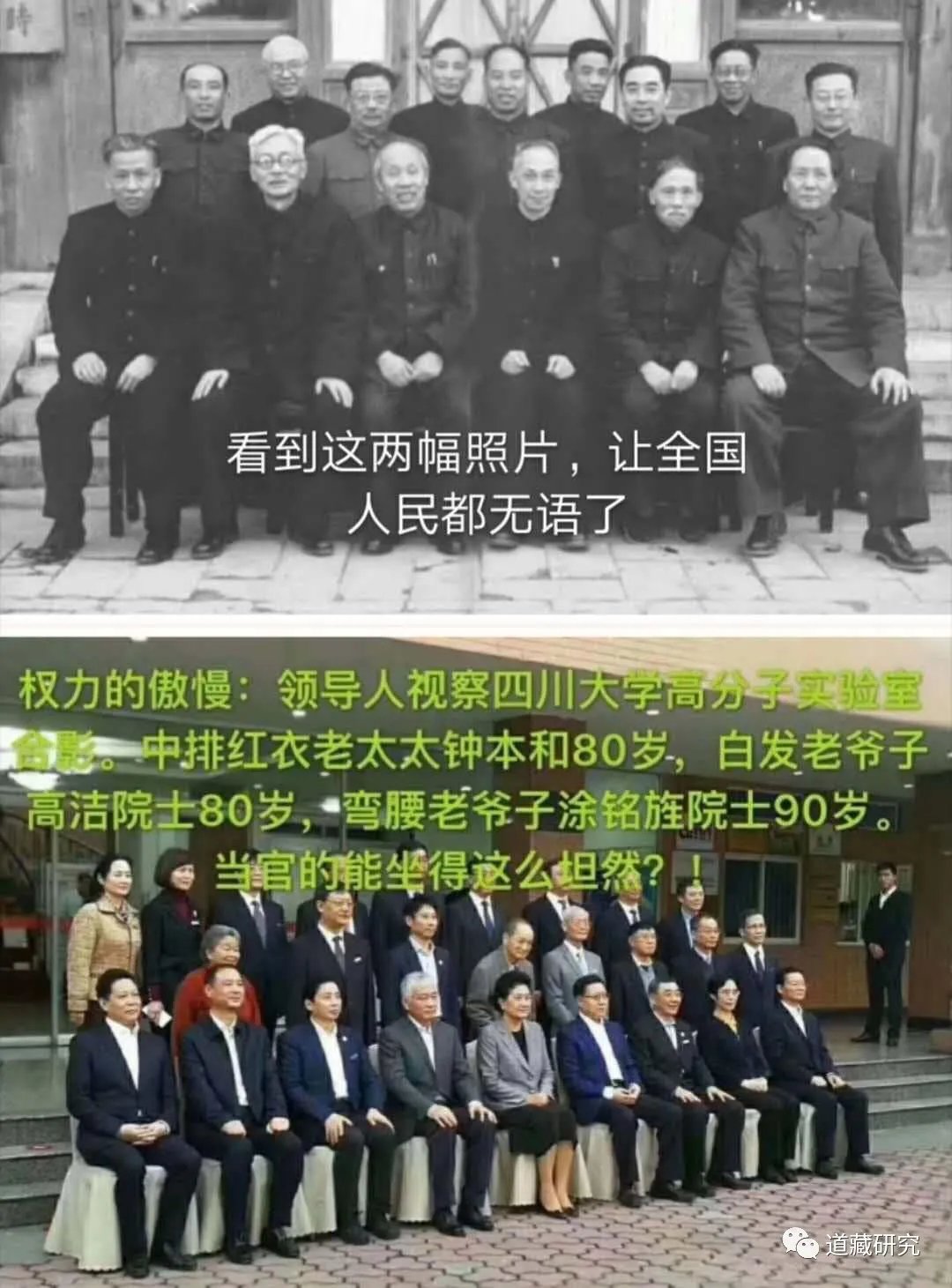
为什么有的人精通典籍不能成就大业而只教书糊口呢?因为行为受书本之言的约束。(古人看来教书职业不如当官好,立功显名才是成功是宗法时代的标志,就算到了现在,学者地位也还是不能与当官的相比,哪怕你是院士)
若论妇人,先须静默,从来淑女不贵才能。
说到妇德女相,首先要沉稳安静,好女人都是贵在德行,不是才能。
有威严,当膺一品之封;少修饰,能掌万金之重。
这是讲有旺夫相的女人。有威严气质的女人天命大,可封一品诰命;少浓妆的女人朴素大气,能管理大的家业。
多言好胜,纵然有嗣必伤身;尽孝兼慈,不特助夫还旺子。
多言好胜的女人,即使有后代也必受伤害;孝顺慈爱的女人,不但助夫还能旺子。
贫苦中毫无怨詈,两国褒封;富贵时常惜衣粮,满堂荣庆。
贫苦中无怨言,会受到婆家娘家双方的褒奖;富贵还能勤俭持家,一定会荣庆满堂。
信乎骨格步位,相辅而行;允矣血气精神,由之而显。
一个人的面部骨骼肌肉布局和谐,气血充盈,说明身心康健,可以长久。
知其善而守之,锦上添花;知其恶而弗为,祸转为福!
知其善而守住善道,有福之人可以锦上添花;知其恶而不去做,有祸之人可以转祸为福。

惯例,转两首过去写的道情,给隔屏的道友:
《遮羞布》
风云既息,田园如故;
顿将凡心收拾住。
每思祥云瑞气处,
便觉心归素;
世人为处我无为,
绝壁凌空
真言与天诉。
转身斩断攀缘索,
跳出红炉 。
跳出红炉,
道藏指归通玄路;
不唯心,不唯物,
灵图玉诀风仙度;
举目七分仙霞顶,
三分烟雨四分雾。
说无被无迷,
谈空为空误
穷途之士看初心;
功成之人观末路
静夜思
人生为何?
掩面笑他
常出门
总不带遮羞布。
哈哈

《年华》
人在天涯望天涯,望尽天涯思年华;
年华如水情如丝,丝丝缕缕付烟霞。
YZ.2019.11.15
《虚名似轻烟》
青山浮白烟,黛云遮碧天;
珠雨隔窗静,晶莹透心田。
袅袅山中起,缓缓向天边;
人间虚名事,何似此轻烟。
谁人划天河,中央透微蓝;
自问此心久,何日成神仙?
The Daoist Xinxiang Pian: Reading Faces, Discerning Hearts, Knowing the Road Ahead
3. The Daoist Xinxiang Pian: Reading Faces, Discerning Hearts, Knowing the Road Ahead
Originally published by Yang Zi, Daozang Yanjiu, 2020-07-31
An old saying has it:
At the door, ask nothing of fortune's rise or fall; watch the face, and you will know it all.
This is really the art of face-reading — a very widespread art of reading people. The person rich in experience and clear through with wisdom, by listening to words and watching looks, knows the broad outline at once.
The Xinxiang Pian is a book hailed as a marvel of the art of face-reading, secretly esteemed through the dynasties in officialdom, the academies, and the great merchant houses. In recent years, many ordinary readers have taken up the Bingjian, thanks to a recommendation from Mr. Mao Zedong, and so it has come to be regarded as a sovereign's treasure-book for reading men.
Chinese medicine has a common saying: "The outsider eats ginseng; the insider drinks huangqi."
In the art of reading people, it is the true insiders who have pondered the Xinxiang Pian to the point of intuitive mastery, gradually coming to know the relation between a person's face and that person's inner heart — and then, from the heart watching the conduct, to foresee the road ahead.
All the Daoist learning of "face-reading" is in truth founded on "heart-reading"; and the learning of "fortune-telling," likewise, predicts the future from present conditions and circumstances.
People often say,
Ten thousand scrolls read are not worth ten thousand li traveled;
Ten thousand li traveled are not worth countless people read;
Countless people read are not worth one immortal pointing the way.
The Xinxiang Pian is precisely the immortals' teaching on how to "read people."
The author of the Xinxiang Pian is no ordinary figure; he must be introduced first.
Chen Tuan, courtesy name Tunan, sobriquet Fuyaozi, with the title the Song emperor bestowed on him — "Master Xiyi" — known to the world as Old Ancestor Chen Tuan. Chen Tuan was a fellow townsman of Laozi; his home place is today Luyi County, Zhoukou, Henan Province, and he was a Daoist of the late Tang, the Five Dynasties, and the early Song. He lived to 118 years — 118, ha, in that age. For that point alone he is worth our careful study, his writings and his art of nourishing life.
In all conscience, he is one of the men Chinese scholarship has most wronged. The Confucians especially: generation upon generation of the so-called masters of principle each owed Chen Tuan a debt of conscience in their hearts. Briefly, the reason is that Zhou Dunyi directly drew on Chen Tuan's Wuji Tu to create his Taiji Tu, and Shao Yong's great discourse on the Yi likewise derives directly from Chen Tuan's Xiantian Tu — yet in the academy where Confucianism held the mainstream there is no place for Chen Tuan's name, only because he was of the Daoist side.
Chen Tuan was a Daoist priest, focused and profound in scholarship, unknown to the world — the world calls him a hidden man. He inherited the image-number system that had come down from the Han, deeply grasped the clear-still, non-action philosophy of the Daoist school of the Yellow Emperor and Laozi, penetrated the Daoist manner of cultivation, mastered the hundred schools broadly, and created the Daoist secret diagram, the Wuji Tu.
According to Huang Zongyan of the late Ming: "Zhongli Quan received it and passed it to Lü Dongbin; Lü Dongbin went into seclusion on Mount Hua together with Chen Tunan, and so it was able to be transmitted to Chen Tuan (Huang Zongyan of the Ming, Taiji Tushuo Bian)
Zhang Sanfeng drew the essence of the Wuji Tu, and on that foundation created the system of the Taiji Dao, wedding the alchemical Dao to the inner work of taiji. Those who practice taijiquan in modern times ought to know a little of this.
Both Chen Tuan's Wuji Tu and Zhang Sanfeng's Xiuzhen Tu describe the course of life's unfolding, namely:
Wuji gives birth to taiji; taiji gives birth to the two forms;
The two forms give birth to the four images; the four images unfold the five phases;
The five phases unfold the eight trigrams; the eight trigrams unfold the flourishing of the myriad things.
The understanding and explanation of life science in modern medicine rest, in essence, on the same principle.
Besides Zhang Sanfeng, the great scholar Zhou Dunyi also received Chen Tuan's Wuji Tu. Zhou Dunyi himself esteemed Old Ancestor Chen Tuan and Daoism very highly, and he wrote a poem, "On Reading the Elixir Instructions of True Lord Ying," which shows the source of his thought:
At first I read the elixir instructions and trusted Xiyi; thereby I gained the mechanism of yin and yang's creation.
The child born of the mother can reach the lord; when essence and spirit have merged, one knows the subtler yet.
(Zhou Dunyi Ji, juan 3)
Zhou Dunyi was gifted by nature. Having received Chen Tuan's true transmission, the Wuji Tu, with one phrase — "Wuji, and yet taiji" — he turned Chen Tuan's Wuji Tu into his own Taiji Tu, furnished it with words, named it the Taiji Tushuo, and there began the origin of the learning of principle. That is the starting point of the Cheng-Zhu learning of principle. But what makes the later Confucians most contemptible is precisely this: to the death they will not admit that the learning of principle sprang from the Daoists. Chiefly because Zhu Xi himself led the shamelessness, saying Zhou Dunyi's doctrine was "of unknown transmission" — meaning no one knew from whom Zhou Dunyi, the founder of their learning of principle, had learned. If an ordinary person said he did not know, that would be one thing; but for the great scholar Zhu Xi to say he did not know — near a thousand years on, I still blush for him. Honestly speaking, I have indeed learned not a little of value from the Confucian classics; but with the growth of years and the accumulation of reading, I find it ever harder to look up to Confucian learning, and one of the reasons lies just here. Through the dynasties the scholars, being mostly Confucian officials, always leaned on their power to take advantage of the other schools — and never once blushed.
Now the Confucius Institutes all over the world are closing one after another. There are political factors in it, but it is also a very important reason that Western readers cannot find in Confucianism the philosophical wisdom of the Chinese nation that one would look up to. Just as Hegel said:
"We see Confucius and his disciples in conversation (the Lunyu): what is spoken of there is a kind of commonplace morality, one we can find anywhere, among any nation, and perhaps better elsewhere--a thing with nothing outstanding in it. Confucius is only a practical man of worldly wisdom; in him there is not a bit of speculative philosophy--only some good, seasoned, moral lessons, from which we cannot obtain anything special. The book On Political Obligations that Cicero left us is a book of moral lessons, richer in content than all of Confucius's books, and better. From his original texts we may assert: for the keeping of Confucius's reputation, it would have been better had his books never been translated." (Hegel, "Lectures on the History of Philosophy," Volume 1)
This is a review to make every believer in Confucian thought spit blood. Hegel's standing in the history of Western philosophy is known to all; this one passage fixed Confucius and Confucian doctrine at a relatively low plane of thought. We treat the Confucian doctrine as a national treasure and build Confucius Institutes everywhere, and now they are being shut — it feels as if our own culture has been left standing outside the door. Though I am no Confucian junior, I still feel an unaccountable humiliation, and do not know where to put my face. Perhaps I love this nation's traditional culture too much — that is why it has always grieved me.
By the Ming and Qing, the academic world argued over this without end, while the self-styled Confucian world of the learning of principle still sidestepped the subject. One great contribution of the Qing to Chinese civilization was the Siku Quanshu — but in three hundred years, how much positive good has the scholarly value of that collection actually done for Chinese civilization? The Hong Kong scholar Professor Chen Liao'an saw that the Confucian editorial teams missed the great majority of the Daoist books in their collecting, and mocked it outright: the Siku Quanshu, he said, ought really to be called the "Siku Bu Quanshu" — the Four Treasuries, Not-So-Complete — truly it kills you with laughter.
Come the Republic, Mr. Qian Mu set about sorting the line of learning, and flatly denied the matter of the learning of principle's origin, twisting hard to claim that the learning of principle sprang from the Confucian orthodox line. On this point Mr. Feng Youlan told the truth — that Zhou Dunyi learned from a Daoist priest — but he would never breathe a word of Chen Tuan's name. Truly a pity of scholarly character, and a face-losing matter hard to speak of. On these documents, I set them out fully in a dedicated chapter, "Cosmogony," of my "Chinese Metaphysics," and parts were excerpted and posted in the WeChat official account article "Zhou Dunyi's Thought Comes from the Daoists — Chen Tuan" (October 2015).
No wonder Zheng Banqiao said:
The Confucian scholar — the culprit against Confucius;
The monk — the culprit against Shakyamuni;
The Daoist priest — the culprit against Laozi.
For near a thousand years, not one Confucian has managed to find a suitable scholarly fig leaf for this affair. Old Ancestor Chen Tuan, meanwhile, long ago trod an auspicious cloud and ascended as an immortal, leaving us vulgar-hearted, mortal-born folk to chatter on about it, unable to let it go.
Every player of the guqin has studied the beginners' piece — "Xianweng Cao," the Old Immortal — which tells precisely of Old Ancestor Chen Tuan's ascent to immortality.
"Xianweng---xianweng---the Dao-attaining Xianweng----"
That remote and quietly lovely music of the plainly-scored tune, that soaring, ascending detachment of the spirit, echoing among the seven strings at the fingertips — such a state is truly the heart returned to the great Dao, the feeling bound to mist and rosy cloud; none but one who knows the qin and knows the Dao can taste it.
Still, modern people do not care about the origins of the Song-Ming learning of principle, and in truth neither do I. The learning of principle will not admit it came from the Daoists, just as the learning of the mind will not admit it came from the Buddhists. Those who now worship Wang Yangming flare up the instant anyone suggests the learning of the mind is at bottom Buddhist learning — ten thousand refusals to own it. That system of the learning of the mind, for all its real insight into idealist philosophy, is in the end an evolution of Buddhist learning. No arguing that. It is only the academic world of national learning that is pitiable and lamentable.
The truth is, no matter whose school's writing it is, if it is well written, learn from it. But to watch a case of grave injustice and not dare say one fair word — the conscience cannot rest. Even the ever-genial master of national learning, Mr. Nan Huaijin, could not stomach the Confucians' act, and named it for criticism:
"Zhu Xi was forever secretly studying the Buddhists, secretly studying the Daoists — an open secret. Who does not want to live long? Who does not want to become superhuman? Only, for face's sake, they would never admit it. So with the Song Confucians, whichever one you take, there is one point I have never accepted: in learning and in conduct the Song Confucians were beyond reproach; they had just this one fault — they plainly borrowed the principles of the Buddhists and the Daoists to explain Confucian truth, then turned around and condemned both schools as heresy and deception. What the Song Confucians got up to — and they dare call it the learning of the sages!" (Nan Huaijin, Wo Shuo Cantong Qi)
I have wandered far afield.
Beyond his value in scholarship, Chen Tuan was also a master of nourishing life famed for his sleep practice — he was called the "Sleeping Immortal." He practiced qi-absorption and grain avoidance, ordinarily living on no more than a few cups of wine a day, and a single sleep could last a hundred days and more. He lived through the wars at the end of the Tang, the wars of the Five Dynasties and Ten Kingdoms, and on into the Song — and in such an age, to live 118 years truly earns him the name of "immortal."
Chen Tuan had mastered the art of heart-reading; his predictions were exact — the histories record it.
Chen Tuan could know a person's wishes beforehand. It is said that in his study a great gourd-ladle hung on the wall. The Daoist Jia Xiufu wanted that great ladle in his heart, and went to his home to pay a visit; Chen Tuan said straight off to Jia Xiufu: "You have not come for any other matter — you want my big ladle, that is all." Then he had someone take it down and give it to him. Jia Xiufu was astonished, and held Chen Tuan to be an immortal.
There is another story, of a man named Guo Hang who once lodged for the night at the Yuntai Temple with Chen Tuan. In the middle of the night Chen Tuan told him to hurry home; Guo Hang wavered and could not decide. After a while, Chen Tuan said again: "You need not go back after all." The next day, Guo Hang reached home, and sure enough — his mother, in the middle of that night, had suddenly been stricken with heart-pain and very nearly died, recovering within the space of one meal.
Now a brief introduction to Old Ancestor Chen Tuan's Xinxiang Pian. Read a book a hundred times and its meaning shows itself of its own. I suggest reading the original wherever possible (set in kai script).
"The art of the physiognomist lies in the square inch between brow and lashes, thereby to divine the good and ill of a whole life." The art of reading a face is simply reading the "little feng shui" within the square inch of a person's brow, and from it forecasting that person's fortune and misfortune, good and evil.
"This compilation is named for the heart's aspect, for the aspect is born from the heart." The so-called "the visage is born from the heart" means that a person's face is decided by that person's inner heart. Mencius also said: "When the breast is upright, the eyes are clear." A person with a thief's brows and a rat's eyes is mostly a person harboring schemes in the heart. When the heart is open and level within, the bearing is naturally lofty.
Regard this one heart of mine: it must be able to hold the principle of all the world under heaven;
Regard these two shoulders: they must be able to bear the affairs of all the world under heaven;
Regard these two feet: they must be able to tread the ten thousand affairs settled.
Note: A person without breadth of heart cannot hold the world, and has no grand strategy; a person who cannot stand straight, who cannot even hold the shoulders up, with that low, cringing, servile look — one glance says such a one cannot carry great matters; and a person who walks not upright, always slinking along the wall-foot, not daring to walk the middle of the road, will never make anything great of themselves either.
The ancients read faces and reckoned fates this way, and moderns are the same: from a person's bearing one can in the main judge their social station, or their breadth and capacity of charge. Not absolutely — but in the great run of numbers it does not miss. That is why scholars through the ages have taken the Xinxiang Pian as a mirror for examining oneself and reading others. Namely:
"If a person truly understands this deeply, one can read people. One can be read by others, and one can read oneself. And there is no harm, at any time and on any matter, in seeing everything with a physiognomist's eye. Take this, then, as the rule for examining oneself and reading others."
If a person deeply understands and has thoroughly mastered this art, they may go out and read people, may confidently be read by others, and may of course, at any time and place, mirror and rectify themselves — thereby step by step raising the power of the heart and the charm of the aspect, and so turning their luck upward, again and again, on their own behalf.
So: read the Xinxiang Pian well, and ill luck can turn to good, and good luck come on without end. Heh.
What follows is the original text with a plain translation:
The heart is the root of the countenance: examine the heart, and good and evil show of themselves; conduct is the outward sign of the heart: watch the conduct, and fortune and misfortune may be known.
The heart's ground is the root of the countenance: examine a person's inner heart, and you can know whether their nature is good or evil; conduct and dealing are the outward show of the heart's character: observe a person's conduct, and you can foresee their fortune and misfortune, luck and ill.
Turn the eyes and forget all feeling — poverty, cold, and an early end; often speak of the old and cherish past kindness — wealth, honor, and a hundred years.
The person who turns the face and forgets kindness is poor and short-lived all their life; the person who often remembers the old and cherishes kindness mostly lives long, with much blessing.
Small wealth and small rank that easily brim over — the road ahead is short; great wealth and great rank that leave one unmoved — deep blessing, without bounds.
The person who grows proud and self-satisfied, self-assured, over a little wealth and rank has a limited road ahead; the person who stays humble even with great attainment, who keeps a heart of constant awe, has blessing without bounds.
Deceit and hidden wrong — though glory come, the sons will not enjoy it; fairness and uprightness — though sonless, in death one becomes a spirit.
The deceitful person, whose evil deeds lie hidden and whose conduct is not open, may have glory and riches, but these cannot last, still less pass down to the descendants; while the fair and upright person, though without heirs, becomes an immortal after death.
The mouth that lightly speaks of laying down life, when the great test comes will surely slip away; the one who calls every acquaintance a bosom friend, pursued deep, is after all ordinary.
The person who at every turn vows to throw down head and hot blood for country and nation, who pounds the chest and swears to take a knife in both ribs for a friend — when the true moment of test comes, such a one will surely pull in the head and dodge; and the person who cozies up to everyone they meet, calls them brother, and has friends all over the world — pursue the friendship deep, and it amounts to no more than so-so.
In great affairs, sparing neither toil nor grievance — such a one can serve as pillar-and-beam timber; at a small hitch, at once avoiding all suspicion — how could the trust of the inmost heart be placed there?
Before great matters, the person who bears toil and grievance alike can surely carry heavy charge; the person who, meeting some small incident, first wipes themselves clean, who must in every matter stand on the dry ground, self-preserving and self-protecting with no regard for others — such a person must not be made a confidant, for they will sell you out to save themselves from blame.
The dull and slow whose speech is sharp and bitter — poor, and with the lifespan worn away; the intelligent person whose words are halting and easy — enjoying peace and health, and invested with honors.
Those glib of tongue, whose words are sharp and bitter, are fated to be poor and short-lived; the person of great wisdom usually speaks haltingly, calm and steady — such a person will surely have their day of honor.
Who can hold fast in adversity, with study, could stand a pillar-stone minister of the court; who in ease does not forget, though of lesser talent, is yet a guest of the golden list on the azure cloud.
The person who, in the utmost hardship, still holds to their own integrity and does not drift with the current, if they study and take the road of office, will surely be a pillar-of-state minister; the person who in easy and pleasant circumstances still keeps up diligence and effort, even with talent short of clever, can still make the golden list and rise straight up the azure cloud.
Do not take petty gains for holding what is won — trouble and a broken house will be hard to escape;
Those who love to grub for petty advantages are not storing up wealth but storing up calamity; the fall of the family estate is unavoidable.
In handling affairs, deliberate and never hurried — a great vessel, late in completing; one's own resolve decided yet able to conceal it — high talent, early in flowering.
The person who handles affairs steadily, without flurry, will sooner or later prove a great vessel; the person with views of their own who can also deeply conceal them often attains their ambitions young.
Spiteful striving to outdo, scheming for fame and profit — in the end, inferior to others; a heart brimming with compassion, meeting hardship — delivered halfway along.
The person of strong competitive spirit, envious of others' attainment and gifts, scheming for fame and profit, will in the end come out beneath others; the person of merciful heart, even set in straits, will surely have a worthy helper.
No dividing of kindness from grudge — expect no reaching to distant years; haggling over half-ounces and quarter-ounces — how could such a one be looked to for great charge?
The person who cannot tell kindness from grudge will not live long; see a person who everywhere haggles and scrapes over trifles, and you can conclude that such a person cannot bear great blessing.
The too-hard: their schemes succeed easily, but can they keep free of injury and harm? The too-soft: their undertakings succeed with difficulty, yet even plain blessing they can enjoy in peace.
The person of overly hard character, though their undertakings succeed easily, often finds it hard to come to a good end, safe and whole; the overly soft person's undertakings do not succeed easily, but their blessing, though small, can be enjoyed in peace.
Sorrow born in joy — a whole life of toil; laughter turned on in anger — to old age, treacherous and wicked.
Meeting happy occasions yet wearing a worried brow — such a person is too much the pessimist; even good luck will turn bad, and their whole life will be toil without joy. Meeting things that enrage, yet wearing a smile instead — that is not maturity, but a warped temperament; such a person, grown old, is still deceitful and wicked. A person without true feeling is not to be befriended.
Loving to boast of one's own goodness — hope no more for rank and fame; delighting to pick out others' faults — enough to wound one's very life.
The self-trumpeting, self-glorifying person is the great taboo of an official career, for no leader will promote a subordinate fond of claiming credit. The person who constantly picks at others' faults risks their very life.
Blaming others heavily and oneself lightly — do not plan or work with such a one; crediting others with the merit and taking the fault upon oneself — fully fit to save from peril and uphold in calamity.
The person who in every matter points the finger mostly at others and shoulders no responsibility cannot be taken into the planning of great matters; the person who gives the credit to others and steps forward to bear the fault can bear the great charge of rescuing in peril, relieving in distress, and upholding in calamity.
Bending oneself to make things whole — know that there will be posterity; letting temper surge and clash — sure to die a violent death.
The person who would rather suffer wrong themselves than fail to make things whole for others blesses the generations after; the person of violent temper surely dies an ill death.
The quick-changing face — why reckon with such thin-blessed folk? The friend who wears well, the person of capacity — such a one may be leaned upon.
Mountain-stream water rises and falls with ease; the petty man's heart turns and turns again. The quick-changing face is thin of blessing — do not wrangle with them; the friend one never tires of long acquaintance may be taken in deep, and the person of capacity is worth depending and relying upon.
Loving to contend with others — nurture shallow, and the road ahead short; set upon self-examination — stores deep, and the undertaking can stretch.
The contentious and competitive — their road ahead can be judged short; the constant self-examiner, with deep virtue, has promising prospects for their endeavors.
Aiding the urgent, saving the imperiled, may yet meet a season of poverty — blessing comes from Heaven; untangling quarrels, clearing difficulties, may perhaps even touch upon prison — the gods will surely protect them.
The person who saves others in peril and distress may themselves meet poverty, but Heaven will in the end bestow good fortune; the person who often shares others' worries and clears their difficulties may at times even suffer imprisonment, but the gods themselves will come to protect them.
Is death by starvation really in the patterned lines of the face? No — it is flinging away clothes and scattering rice. Is death by plague really a matter of the allotted number? No — it is reviling earth and cursing Heaven.
Those who starve to death do so not merely because a "line of poverty" sits in their face, but because these people do not know to cherish blessing, trampling the five grains, wasting their substance; and those who die of plague die not merely because their allotted luck ran out, but because these people themselves lacked a heart of awe toward Heaven and Earth, nature, and the spirits.
In no danger, flustered and panicked — the light flashes like lightning; in calamity, calm and unmoved — still as Mount Tai.
The person often thrown into panic when nothing is the matter — their blessing does not last long; the person calm and composed in great calamity, whose color does not change as Mount Tai crumbles before them — their blessing is steady and endures far.
Piled merit and heaped humaneness — within a hundred years, surely requited; giving out much, taking in little — for several generations, flourishing.
Good deeds of piled merit and heaped humaneness sooner or later must reap a good fruit; the generous person, giving much and taking little back, has a fate-bound number bound to flourish.
How does one die young and lose one's life? Speaking harsh words, acting unkindly, keeping an unfeeling heart — ungenerous in every way.
What sort of person easily dies an early death? The unfeeling person. Harsh words, unkind deeds, an ungenerous heart — cold in everything.
How does one come to a violent, ill death? Much hidden venom, hoarded secret wrong, covert conduct — dark and underhanded in every matter.
What sort of person easily meets sudden calamity, and does not die a good death? Much hidden venom, hoarded secret wrong, covert conduct, dark and underhanded in every matter — like an ant lurking in the shadows, bound for violent disaster.
How does one end in poisoned sores? Rich, sweet, cloying, greasy food.
What sort of person easily comes down with ailments of the inner organs? The person whose diet runs too rich, sweet, and heavy, who pays no heed to nourishing life.
How does one lose a son in the prime of life? A heart's ground of deceit.
What sort of person easily loses a son in their prime? The deceitful at heart, the swindler — their sons must die.
How does one often suffer fire and theft? Scraping and paring the people's wealth.
What sort of person meets with the calamity of fire and theft? The person who scrapes and pares the people's wealth — calamity is sure.
How does one keep falling foul of the authorities? Taking violent bullying as courage.
What sort of person is sooner or later seized by the authorities? The recklessly daring, the person who bullies the weak with power.
How does one know a chief grand councilor? A heart that constantly cherishes the aiding of all things.
How does one judge a person's latent capacity to be prime minister? A heart that constantly cherishes the aiding of all things is a key index.
How does one know the general's seal and the marquis's investiture? Solely bearing an air that overmasters the age.
How does one judge a person's latent power to be made general and invested marquis? A breast and a spirit that alone embrace and overmaster the age.
How does one know the jade hall and the golden horse? Graceful and refined in bearing.
The ancients competed for fame and rank always by means of writing. How to know a person can succeed? See whether the writing is sincere, the language fresh — moving the reader, refreshing the eye. This is reading a person by their writing, no longer merely by the face. It seems a person's prospects can be foretold from their words as well.
How does one know the general's standard and staff of command? A spirit that tops the clouds.
How does one judge a person's latent make of a frontier governor? Aspiration set high and far, a bearing whose spirit tops the clouds.
How does one know an assistant, a registrar, an under-clerk? Capacity middling, courage scant.
How to judge a person inside the system? Without breadth of heart and without boldness, the official road is short. How to judge that a person can only be a petty functionary, with no potential for promotion? To put it plainly: breadth of heart and courage are the two key indices.
How does one know a classics teacher? Aspirations near, conduct confined.
Why is it that some who have mastered the classics cannot achieve great things, and only teach to keep the pot boiling? Because their conduct is bound by the words of the books. (In the ancients' eyes the teacher's trade ranked below office; winning merit and making a name — that was success, the mark of the patriarchal age; and even now, the scholar's standing still cannot compare with the official's, not even if you are an academician.)
As for women: first there must be quiet and stillness; the gentlewoman was never prized for talent.
On womanly virtue and the female aspect: first of all, steadiness and quiet. A good woman's worth lies in her virtue, not in her talents.
With dignity and gravity, fit to receive a first-rank investiture; with little adorning, able to hold the weight of ten thousand gold.
This speaks of the woman whose aspect prospers a husband. The woman of dignified bearing has a great allotted destiny — fit to be invested a first-rank titled lady; the woman of little makeup, plain and great of air, can govern a large family estate.
Much talk and love of winning — though she have heirs, it must harm her; full filial piety joined with loving-kindness — not only helps the husband but makes the son flourish.
The talkative and competitive woman, even with descendants, must suffer harm; the filial and loving woman not only helps her husband but brings her sons fortune.
In poverty and hardship, not one word of complaint — praised and honored by both families; in wealth and honor, still sparing of clothes and grain — a hall full of glory and rejoicing.
Without complaint in poverty and hardship, she will win praise and honor from both her husband's family and her own; still thrifty and diligent in running the house when rich and honored — glory and rejoicing will surely fill her hall.
Truly the bone-frame and the carriage move together in mutual aid; rightly the blood, qi, and spirit show through by their means.
When a person's facial bones and muscles are set in harmony, and the blood and qi are full, it means body and heart are sound, and long life is possible.
Know one's good and keep to it — flowers added to brocade; know one's evil and do it not — misfortune turned to blessing!
Knowing one's good and holding to the way of goodness, the blessed person can add flowers to brocade; knowing one's evil and not doing it, the doomed person can turn misfortune to blessing.
As is my custom, I pass along two Daoqing chants written in the past, for the Daoist friends on the far side of the screen:
"The Fig Leaf"
Wind and cloud have stilled; fields and gardens as before;
At once I gathered up the worldly heart and put it away.
Whenever I think of the place of auspicious cloud and lucky air,
I feel the heart return to the plain;
Where the people of the world act, I do not act;
On the sheer cliff, hanging in the void,
True words told to Heaven.
Turning, I cut the rope of clinging and craving;
And leap out of the red furnace.
Leap out of the red furnace,
The Daozang (Daoist Canon) points the way home, opening the road to the mystery;
Neither mind-only, nor matter-only,
The numinous map and the jade formula — the wind immortal's ferrying;
Raising my eyes: seven parts immortal-rosy cloud at the crown,
Three parts misty rain, four parts fog.
To speak of being-not — one is led astray by being-not;
To talk of emptiness — one is misled by emptiness,
The man at road's end looks to his first heart;
The man of achieved merit watches his final road,
Thoughts on a still night,
What is human life for?
Covering my face, I laugh at him —
He who is always going out the door,
Never carrying a fig leaf.
Ha ha,
"The Fleeting Years"
At the far edge of the world, I gaze toward the horizon; gazing to its end, I ponder the fleeting years;
The fleeting years like water, feeling like silk — thread upon thread, strand upon strand, given over to mist and rosy cloud.
YZ.2019.11.15
"Vain Fame Is Like Light Smoke"
On the green hills floats white smoke; dark-blue cloud veils the azure sky;
Pearl-rain beyond the window is still; its sparkle shines through the heart's field.
Curl on curl it rises in the mountains, slowly toward the sky's edge;
The affairs of vain fame in the world of men — how can they compare with this light smoke?
Who drew the River of Heaven, with a faint blue shining through its middle?
I have long asked this heart of mine: on what day shall I become an immortal?