偏头疼方子
2、偏头疼方子
原创 杨子 道藏研究 2021-03-11 11:36

我早年有偏头疼的毛病。痛起来几乎要命。自知头疼的原因是心理因素,病根不能消除,病自然无法痊愈。西药的副作用相对不可控(中草药多是花花草草,虽也有副作用,但相对化学药品,应好些),久服总不可取。只在痛不可忍时,服用药物临时缓解。那时最常服用的一种药是:散利痛。一片下去,15—30分钟见效。多年如此。
终一日,离了婚,病根彻底消除。头痛不治而愈。
其实,生活中,很多顽疾都非简单的药物所治,病根、病因比药物本身重要。精神、心理、睡眠等方面的疾病多如此。设法正视病因、找到病根才是要处。而这些,医生往往做不到,寻遍良医也除不了根。找到发病原因,比控制病情还要重要。
心病还需要心药医。
经历过偏头疼的折磨,深知其苦。所以每次见到同病的人,很是同情。今天整理读书笔记,看到苏东坡记载的一个治偏头疼的偏方。分享一下:
裕陵传王荆公偏头痛方,云是禁中秘方。用生萝菔(白萝卜)汁一蚬壳,仰卧注鼻中,左痛注右,右痛注左,或两鼻皆注亦可,数十年患皆一注而愈。荆公与仆言,已愈数人。([明]王如锡《东坡养生集》)
大意:宋神宗皇帝传给王安石一个治偏头疼的方子,说是宫中秘方:用一蚬壳左右生萝卜汁,注入鼻孔中,左边头痛就注入右鼻孔,右边头痛就注入左鼻孔中,或者两个鼻孔都注入也可以。即便是患几十年的,都一注而愈。王安石告诉我,已治好几个人了。

查了一下,此偏方先是载于苏轼所写的《苏学士方》。后因该书与北宋沈括写的《良方》合编为《苏沈内翰良方》,该方也被收录。明朝时又被收入《本草纲目》。
我阅读到此方时,多年的偏头疼已痊愈。所以不曾试验。不知效果如何。谨此转发。愿利有缘患者。
苏东坡写过《放鹤亭记》,记录了他时常和朋友们一起去山中见一位养鹤的隐士,在放鹤亭上喝酒放情、作赋吟诗。他们引典据典,推理演绎,得出结论:君王之乐不如隐士之乐。那位隐士于是作了一首放鹤、招鹤之歌。我读后很有感慨,于是以道情方式相和、相续,名曰:
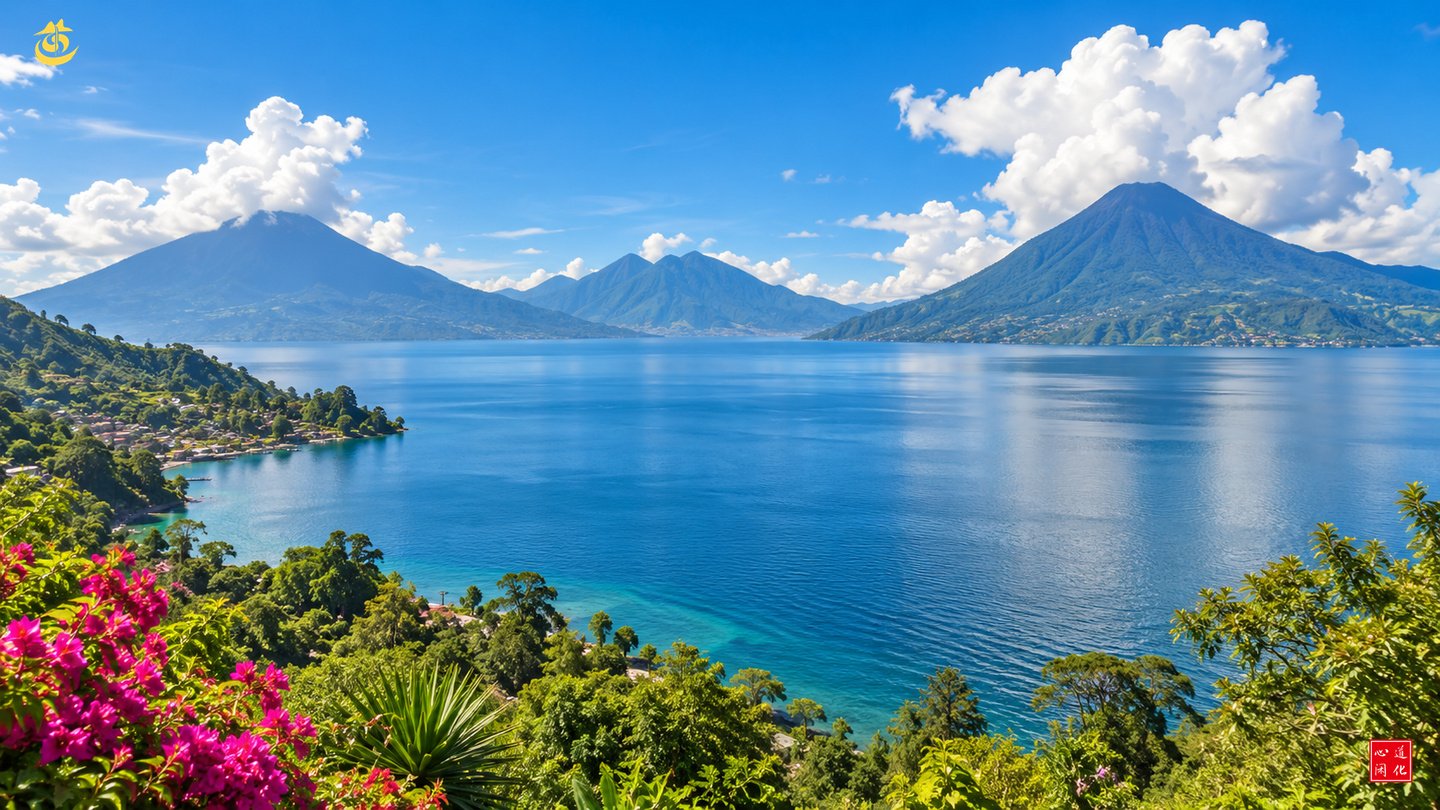
《招鹤辞》
鹤飞去兮西山头,展翅高翔云中游;
下览人间择所适,碧草清溪欲停留。
翻然敛翅复冲天,必是林中有筹谋;
独居涧谷远红尘,啄露踏石无所愁。
心上无事息自调,念中无欲情自守;
一朝引颈冲天去,不是真人不回头。
鹤归来兮东山林,闻听静处天籁音;
烟霞紫衣泉边坐,如神似仙道家人。
仗剑阔步遍天涯,玉手仙指漫扶琴;
心居昆仑千峰外,情无点尘过高云。
风下作曲石上文,一唱三叹招鹤魂;
归来归来我饲汝,飞渡银河撒星辰。
A Formula for Migraine
35. A Formula for Migraine
Originally published by Yang Zi, Daozang Research, 2021-03-11 11:36
In my earlier years I suffered from migraine. When it struck the pain was almost unbearable. I knew well the cause was psychological: so long as the root could not be removed, the illness naturally could not be cured. The side effects of Western drugs are comparatively uncontrollable (Chinese herbal medicines are mostly flowers, plants, and grasses; they have side effects too, but against chemical drugs they should be gentler), and taking them for years is never advisable. Only when the pain was past enduring did I take medicine for temporary relief. The drug I most often took then was Saridon. One tablet down, and it worked in 15-30 minutes. So it went for years.
Then one day I divorced, the root was wholly removed--and the headaches healed without treatment.
In truth, in this life many stubborn illnesses are not cured by simple medication; the root and the cause matter more than the drug itself. Illnesses of spirit, mind, and sleep are mostly so. To face the cause squarely and find the root is the essential thing. And this doctors often cannot do--seek out the best of them, and still the root is not removed. Finding the cause of an illness matters even more than controlling it.
An illness of the heart still needs medicine of the heart to cure it.
Having endured the torment of migraine, I know its bitterness well. So whenever I meet someone with the same illness I feel great sympathy. Today, organizing my reading notes, I came upon a folk remedy for migraine recorded by Su Dongpo. I share it here:
Yuling transmitted to Duke Wang Jinggong a formula for migraine, said to be a secret formula of the inner palace. Take one clam-shell of fresh luofu (white radish) juice, lie on your back, and drip it into the nose: if the left side pains, drip into the right; if the right side pains, drip into the left; or both nostrils may be done. Even a case of decades is cured with a single application. Duke Jing said to me he had already cured several people with it. (Wang Ruxi of the Ming, Dongpo Yangsheng Ji)
The gist: Emperor Shenzong of the Song passed to Wang Anshi a formula for migraine, said to be a secret of the palace: take a clam-shell or so of fresh radish juice and drip it into the nostrils--pain on the left, drip into the right nostril; pain on the right, into the left; or both nostrils may be done. Even those who had suffered for decades were cured with one application. Wang Anshi told me he had already healed several people with it.
I looked it up: this folk remedy was first recorded in Su Shi's Su Xueshi Fang. Later, when that book was combined with the Liang Fang written by Shen Kuo of the Northern Song to form the Su Shen Neihan Liang Fang, the remedy was included too. In the Ming it was further taken into the Bencao Gangmu.
By the time I read this formula, my years of migraine were already healed. So I never tested it, and cannot say how well it works. I pass it on as it stands. May it benefit the patients who are fated to find it.
Su Dongpo wrote "Record of the Crane-Releasing Pavilion," telling how he often went into the mountains with friends to visit a recluse who kept cranes, and on the Crane-Releasing Pavilion they drank and gave rein to their feelings, composed fu and chanted poems. Citing the classics, reasoning and deducing, they arrived at a conclusion: the joy of kings is not equal to the joy of a recluse. The recluse thereupon made a song of releasing the crane and calling the crane back. Reading it left me full of feeling, so I answered and continued it in the manner of a Daoqing chant, titled:
"Song of Beckoning the Crane"
The crane has flown away to the head of the western hills; wings spread, soaring high, it roams amid the clouds;
Looking down on the human world to choose where to settle, by green grass and clear streams it longs to stay.
Suddenly it folds its wings and again shoots skyward; surely there are plans afoot within the woods;
Dwelling alone in the ravine, far from the red dust; sipping dew, treading stones, without a care.
With nothing on the mind, the breath settles of itself; with no craving in the thoughts, the feelings keep themselves;
One day it will stretch its neck and soar into the sky; unless it be a True Man, it will not look back.
O crane, come back to the eastern mountain woods, and hear in the stillness the sounds of heaven;
Sitting by the spring in mist and rosy clouds and robes of purple, like a god, like an immortal, one of the Daoists.
Sword in hand, striding to the ends of the earth; with immortal fingers of jade idly brushing the qin;
The heart dwells beyond the thousand peaks of Kunlun; the feelings, without one speck of dust, pass above the high clouds.
Composing songs beneath the wind, writing upon the stone; one song, three sighs, to summon the crane's soul;
Come back, come back, and I shall feed you; fly across the River of Stars and scatter the constellations.