古人的生发方子分享(秃发、秃疮)
4、古人的生发方子分享(秃发、秃疮)
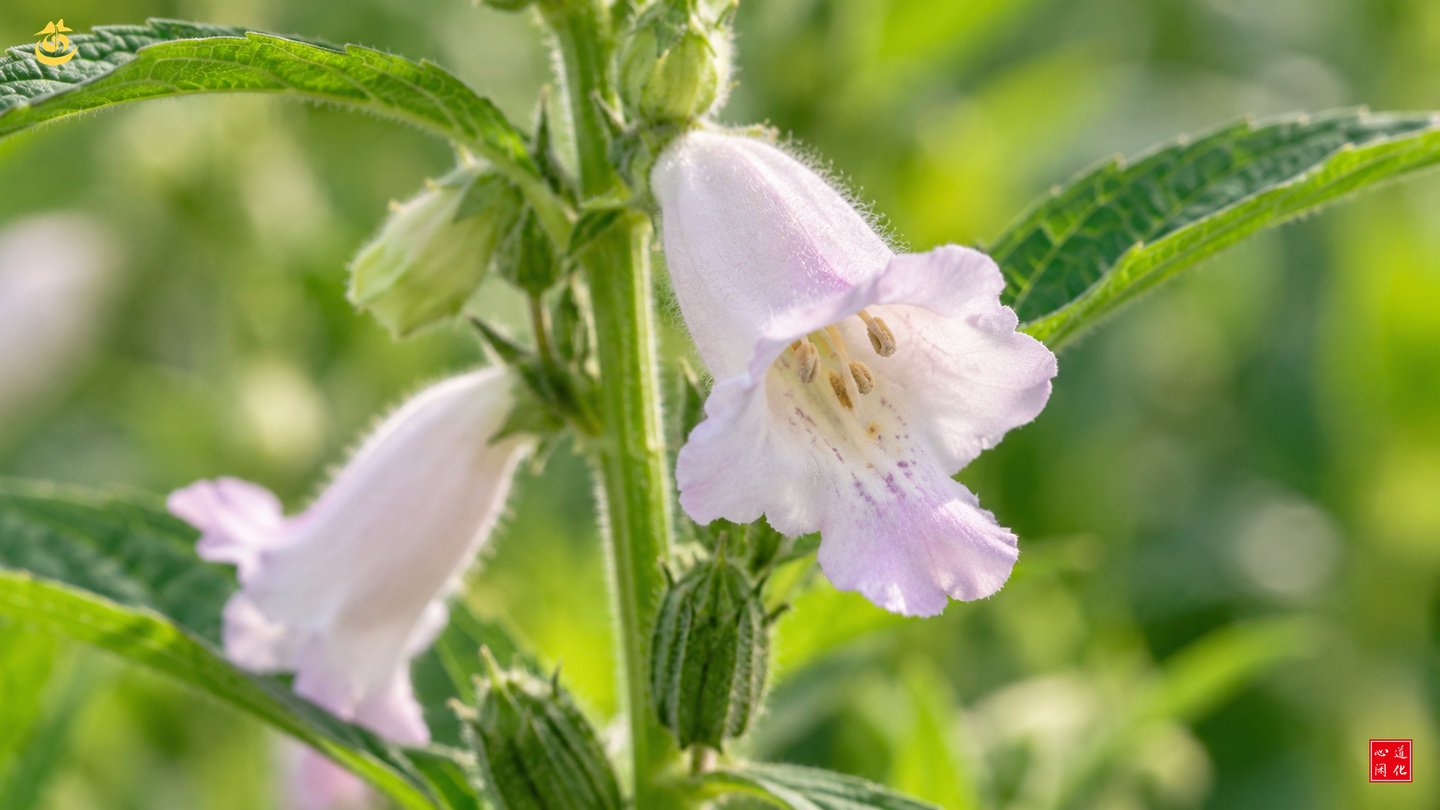
《一款道家配方的洗发水》后台留言,多是问道化心闲的洗发水和护发素的,还有一款海洋本草抑菌皂,我们平时都一直在用的,里面含有海洋本草牡蛎壳和海藻是主要特点。牡蛎壳作为中药,我小时候在家里的药橱时就熟悉,后来到海洋系统工作,对海洋本草就有天然的情感,于是开始研究了几年,直到疫情那年,我们成立了专门的生物材料组,第一个课题就是牡蛎壳相关产品的开发。疫情之后,牡蛎壳纤维、牡蛎壳香皂与牙膏、牡蛎壳纸箱一直是我们的创新产品与骄傲。其中这款牡蛎壳香皂,有多位秃发的朋友反馈,引起我的注意。
第一位朋友反馈说:“你那个牡蛎壳香皂,我们家洗脸用的,因为我没头发,就顺手用它洗头了,用着用着,不知不觉间,我头皮上存在多年的很多小疙瘩没有了,头皮也变得很滋润,你加了什么?”我说,能消小疙瘩是因为里面有牡蛎壳成份,牡蛎壳最大的功效就是抗菌、抑菌,在不断抗菌的过程中,由于香皂中有海藻成份,就有持续的滋润功效,慢慢滋养头皮,于是就改善了头皮的生态环境。后来又有第二、第三位朋友反馈基本相同的信息,特别是脸上长痘疮的。说明牡蛎壳香皂抑菌效果确实不错,古人诚不欺我,现代文献也确实有用。
但我只是把牡蛎壳加进了肥皂,用于面部清洁、抑菌,洗发水中确实没有这个成份,秃发的朋友用这个香皂抑菌使得头皮得以改善,说明他的头皮还有较强的吸收能力,对了他的症,应属于歪打正着。这是个意外的效果。
看看后台大家的提问,大部分在问秃头问题。今天就分享一些古人对脱发、秃发、白发问题的一些处理方法,看看能否对大家有所帮助。
关于掉发、早白问题,上一篇文章中已说过了,除了化学原因、长期使用清洁力过强的洗发水之外,还有情志问题,压力太大,长时间受委屈,心事过重,、营养不均衡,睡眠质量不好等等,是造成年轻人头发问题的主要原因,所以古人说:“人闲长指甲,心闲长头发”。道化心闲的洗发水和护发素主要是针对这一群体研发的,特别是护发素,年轻长发女性的反馈多是“惊艳”二字,女孩子们都更喜欢让头柔顺、光滑、亮泽的护发素。
我常跟朋友们开玩笑说,“如果想让头发长得好,把道化心闲洗发水和护发素给身边的女性们用,买给太太用,给女儿用,给女同学、女同事用,给红颜知己用,你的头发就长出来了”,对方问为什么,我说:“男的头发脱落,多是因为心情不好,如果把一款好用的洗发水给身边的女性用,她们心情就会好,会感激男人,就会本能地待男人好;有人疼了,男人心情自然就会好,这心情一好,头发就长出来了”,于是大家笑起来。道家的产品,就是这么欢乐。
古人对头发问题的分类大致有白秃、赤秃、头皮白屑、眉须发不生、白转黑等。相关的配方,也是多如牛毛,我成天在这些古方中翻来翻去,琢磨思考,然后起草一个基本方,拿给研发团队,开始反复试验、调比例和工艺等。每一个新配方的产品,我积极第一个试。我这样的习惯,可能与家训有关,关注本公众号比较久的朋友都知道,我们家的中药铺,已传承过百年了,家里的医书,特别是经方、验方医书,都是手抄,历史原因,大多遗失或被烧毁,现在保存稿最早的是我爷的手抄本。而我们家训有一条是:
方不轻传,必手录以敬天工;
药不欺世,须亲验而奉众生;
承百年杏林精神,传千载朴素道心
这句话显得很虚无,但却是我个人生命的精神支柱。这些年,若不是因为对《道藏》的坚守,真不知道我的生活将是怎样的。尘世中的人情世故、企业经营、协会运作等等,无论外人看来有多光鲜和体面,都让我觉得无趣乏味。只是义务感和责任心在让我坚持。唯有在阅读道书时,以及,在这里天马行空的打字时,才觉得精神的鲜活和生命的意义。隔屏的你,也成了最懂我的人。我在这里唠叨了十来年,无非就表达了一点:道心,是朴素的。
我爷爷出生在清末,历经军阀混战、民国抗日、内战、土匪抢劫、划成份、破四旧等等,似乎没有安静的太平日子,但他白天行医,晚上手抄医书,来表达他对中医的信仰,对病人的同情,用文字的方式把我们家的勤奋精神记录下来,恐怕爷爷生前做梦也没想到他的文字可以把一种精神隔代相传,为我研究《道藏》提供了动力和支撑。如果说爷爷手抄医书是一种中医的仁厚之情,那么我亲验产品就是一种道家的自然之心,是对市场的敬畏和良知,对产品的负责,以及,对用户的真诚。道化心闲的产品有三大文化特色,那就是:道家配方、中医理论、本草核心,而 “药不欺世,须亲验以奉众生”,是我朴素的研发态度。
我的头发相对不错,或许是基因原因,更可能是一直在试本草洗发水的原因,因为这几年发质越来越好,这不太符合岁月催人的逻辑,所以推测是相关产品在持续改善发质。但用过的方子很多,到底是哪一款起到最好的作用,无法确定。不仅是头发产品,就是本草的面霜、肥皂、漱口水、活络水等,都是我先试。因为我知道每一味本草的口味、气味、归经、功用,一试就大体知道本草配伍有没有达到最佳比例。研发团队都是用科学测量的,而我,还是习惯用经验感知。小时候天天看父亲给病人抓中药,一把下去,再放到小秤上,无需添减,精准的很。这就是经验。这就像中餐厨师做菜一样,“油,适量;盐,少许”,这样的菜谱,往往让西餐的大厨晕头,适量是多少?少许是多少?西餐都是精准地测量出来才能做菜。在我们的实验室,我就是中厨,我们的研发团队,就是西厨。我是凭经验感知,同事们是科学测量。

《道藏》是咱们整个民族的文化遗产,理应让所有热爱道文化的人有受益、有收益。只因为方子太多了,看得人眼花缭乱,今天根据古人对秃发问题的分类,上传相应的配方,供大家参考。
一、关于白秃:夫蛲之为害。因血气虚乘风而上。则能生疮。疽、癣、疥无不为也。疮痂不去而痒。鬓发秃落。无复生荣。是为白秃。
这是白秃,主要因为蛲虫造成了头皮问题,从而导致头发秃落。相关的方子有:
1.杜蘅、雄黄(研)、木兰皮(锉)、矾石(研)、大黄(锉炒)、附子(炮裂去皮脐)、石南、秦艽,捣罗以为药。
注:附子有毒,若担心,可以用制附子,但我看不少书中还专门提到用生附子,而现代医书处处强调生附子毒性大,禁用了。古人可能用的是“以毒攻毒”,去治疗头上的疮、疥、癣。当然附子升阳可能也是一个原因。
2.五味子膏(一名蛇床子膏,出《千金方》)
治白秃发落。生白痂。终年不瘥。
五味子、肉苁蓉(切焙)、松脂、蛇床子、远志(去心各三两)、菟丝子(五两以酒浸一宿焙)捣罗为末。次将以新绵滤去滓。瓷合盛。每用先桑柴灰汁。洗头令净。后涂药。不过三次。发生。
(注:不过三次,发生。这个效果特别吸引人。不过泡制方法用到酒,而且还得先用桑柴灰洗等,这些都太麻烦了。不嫌麻烦的朋友可以自己试试,看看是不是三次就可以长出头发来。这个,我也很好奇)
3.(出圣济总录)治白秃发落。升麻、荠莽草(各二两),白芷(一两)、防风(去叉三两)、蜣螂(四枚别研)、马脂
注:这个方子里面有白芷,就是咱们厨房里用的那个煮肉的香料白芷,味道很好闻,但这味本草现在属于化妆品禁用产品,因为它有光敏作用。看到古代很多美容产品都有用,而且效果相当好,比如七子白产品,白芷就是一味关键本草,美白且芳香。道化心闲的美白系列产品中,我多次想用白芷,都因规则原因打消了念头。
蜣螂,就是屎壳郎,哈哈,古人的用方,没有最奇,只有更奇。但实证有效,才是关键。这个方子出自《圣济总录》,也是经官方多次验证过的。
4.治白秃疮。白矾(焙枯)、松脂腻粉、五倍子、黄丹(一方用密陀僧)上等分为末。调地沥青和香油。
5.桃皮汤(出圣济总录)治白秃发落。沐发方。桃皮(去粗黑色者锉三两)、面豉(炒研各半两)、白米(研一合)上以水一斗。煮取八升。
6.治秃疮。黄蜀、葵花、大黄、黄芩(各等分)上为细末。好清油调搽。
这几个方子也都简单,无需注释与翻译。
7.治刺梨头白疮。猪筒骨带髓、紫草,用香油熬,药焦色去药。入白矾、轻粉在内。擦疮。即生发。
(注:即生发。这个方子最关键的是带着骨髓的猪筒骨,空骨头不行。古人记录说效果明显,擦到头疮上,立即就生发,应是验方,但主要是先看是否对症的是刺梨头白疮。)
8.治秃无发者方(出千金方)用黑椹二升。纳罂中。日曝三七日。化为水洗疮。上三七日发生。神效。
注:这个方子我比较喜欢,原材料易得,炮制方法也简单。而且还有“神效”二字。古人做药,有些需要太阳曝晒,有些需要埋土阴藏,实在讲究。
9.必效治秃疮方。用童子小便暖洗之。揩令血出。取合鸽粪五合。熬末。和酽醋令稠涂之。即瘥。
注:这个方子写着“必效”和“即瘥”,是最让人心动的。用这个方子用的小孩子尿和鸽子屎,实在让人无法想像。哈哈,反正古方中,用屎尿的比较多。比如,有一个壮阳且长生的药叫秋石,就是用童子尿提炼的,英国科学家李约瑟把这个产品列为了24大发明之一。疫情期间,满屏都印度人喝牛尿抗疫的镜头。等等。
二、以下是关于赤秃的方子
夫诸阳脉。皆在于头。风热乘之。则阳邪炽盛。发于头皮脑络之间。细疮遍密。赤色有汁。
1.(出圣济总录)治赤秃发落涂方。旱莲草(三两)、铁粉(一分),先将旱莲草捣绞取汁,次入铁粉研令极细。入合中。
注:道化心闲的护发素中的其中一味本草是旱莲草(又称墨旱莲),医书上说有乌发的功效。因产品注册的是妆字号,要以工业化学名去备案,所以从成份表中查不到旱莲草这味本草,而是以醴肠的名字出现的。
2.椹汁方(出千金方)治赤秃发落涂方。用黑椹一斗。瓷瓶中密封。于北檐下埋之。一百日即变为水。每用先净洗头。次涂之发即生。
注:这个方法在白秃、赤秃中都有,说明这个方对秃发有普适性,所以再重复上传一次。只是大家现在可能都没有屋檐的北向了,找一个属阴的地方试试吧。
3.用楸叶一两。捣绞取汁敷之。
(注:此法用于小儿头疮造成的秃发效果更明显)
4.治秃发复生。(出海上方)用香油、水各和一半。以银钗搅之。使油水相入。擦敷头上。发则复生。
……
古人的配方实在太多了,一下子也分享不完,以后慢慢转出来吧。
古籍中的方子就先发到这里,下面分享一个“新”的方子,我在别处没看到过的。是我爷爷手抄医书中的方子(书名《验方群集》)。内容如图
方子和炮制都很简单:皂刺,酒制,九蒸九晒,酒服。
无论是通过文字,还是通过产品,都是在传播咱们的道文化,唯诚唯精,努力不辜负。
总之,一句话:
修身即是行大道,养发终究是养心
Sharing the Ancients' Hair-Growing Formulas (Baldness and Bald Sores)
44. Sharing the Ancients' Hair-Growing Formulas (Baldness and Bald Sores)
In the backend messages under "A Shampoo with a Daoist Formula," most asked about Daohua Xinxian's shampoo and conditioner, and also about an antibacterial marine-materia-medica soap we have been using all along, whose main feature is that it contains the marine medicinal ingredients oyster shell and seaweed. Oyster shell as a Chinese medicine I knew from childhood, from the medicine cabinet at home; later, working in the ocean sector, I took to marine medicinal materials with a natural affection, and studied them for several years — until the year of the pandemic, when we set up a dedicated biomaterials group whose first project was developing oyster-shell products. Since the pandemic, oyster-shell fiber, oyster-shell soap and toothpaste, and oyster-shell cartons have been our innovative products and our pride. Among these, this oyster-shell soap has drawn my attention with feedback from several balding friends.
The first friend reported: "That oyster-shell soap of yours — we used it to wash our faces at home. Since I have no hair, I just used it on my head in passing. Using it and using it, without my noticing, the many little bumps that had been on my scalp for years were gone, and my scalp had grown moist and supple. What did you put in it?" I said the little bumps disappeared because the soap contains oyster shell, whose greatest power is fighting and checking bacteria; in the continuous fight, because the soap also contains seaweed, there is a sustained moistening effect that slowly nourishes the scalp, and so the scalp's ecological environment improves. Later a second and a third friend reported essentially the same, especially those with acne sores on the face. It shows the soap's antibacterial effect is genuinely good: the ancients did not deceive me, and the modern literature really is of use.
But I had only added oyster shell to soap, for cleansing and antibacterial use on the face; the shampoo truly does not contain it. That a balding friend's scalp improved through this soap's antibacterial action shows his scalp still has a strong absorptive capacity — it matched his condition — a case of achieving a good result by chance. An unexpected effect.
Looking at the questions in the backend, most ask about baldness. Today let me share some of the ancients' ways of handling hair loss, baldness, and white hair — whether they can help you.
On hair loss and early whitening, the last piece already spoke: besides chemical causes and long use of overly strong-cleansing shampoos, there are also problems of the emotions — pressure too great, long-borne grievances, cares too heavy, unbalanced nutrition, poor sleep, and so on — the main causes of young people's hair problems. Hence the ancients' saying: "When the hands are idle the nails grow long; when the heart is at ease the hair grows long." Daohua Xinxian's shampoo and conditioner were developed mainly for this group. The conditioner especially draws from young long-haired women feedback gathered mostly under the word "stunning" — the girls all prefer a conditioner that leaves the hair smooth, sleek, and lustrous.
I often joke with friends: "If you want your hair to grow well, give Daohua Xinxian's shampoo and conditioner to the women around you — buy it for your wife, for your daughter, for female classmates and colleagues, for the one who understands you best — and your hair will grow back." They ask why, and I say: "Men's hair falls mostly because their mood is bad. Give the women around you a shampoo that works well, their mood turns good, they feel grateful to the man, and they will instinctively be good to him; with someone to cherish him, the man's mood naturally turns good, and once the mood is good, out grows the hair." Then everyone bursts out laughing. Daoist products are just this joyful.
The ancients' classification of hair problems runs roughly to white baldness, red baldness, white dandruff of the scalp, brows and beard and hair not growing, white turning to black, and so on. The related formulas are likewise as many as hairs on an ox. All day long I turn back and forth among these old formulas, pondering and thinking, then draft a base formula, hand it to the research team, and we begin testing over and over, adjusting proportions and processes. For every newly formulated product I am eagerly the first to try. A habit like mine may have to do with the family precepts. Friends who have followed this WeChat official account for some time know that our family's Chinese pharmacy has been passed down for over a hundred years. The medical books at home — the classical- and proven-formula books especially — were all hand-copied; for historical reasons most were lost or burned, and the earliest surviving manuscript is my grandfather's hand-copied book. And one of our family precepts is:
A formula is not lightly passed on; it must be copied out by hand, in reverence for Heaven's work;
A medicine must not cheat the world; it must be tested in person before it is offered to all beings;
Carrying on a century-old tradition of compassionate medical practice, passing down the thousand-year plain Dao-heart
These lines may sound empty, yet they are the spiritual pillar of my life. These years, had it not been for holding fast to the Daozang (Daoist Canon), I truly do not know what my life would have been. The human dealings of the dusty world, running a company, operating an association, and the rest — however glamorous and respectable they look to outsiders — have all felt to me dull and flat. Only a sense of duty and responsibility has kept me going. Only when reading Daoist books, and when typing freely here like a horse let loose across the sky, do I feel the spirit alive and the meaning of life. And you on the far side of the screen have become the person who understands me best. My ten-odd years of chatter here have expressed just one thing: the Dao-heart is plain.
My grandfather was born in the late Qing and lived through the warlords' wars, the Republic's war of resistance against Japan, the civil war, bandit raids, class-labeling, the smashing of the Four Olds, and more — it seems there was never a quiet, peaceful day. Yet he practiced medicine by day and copied medical books by hand by night, expressing his faith in Chinese medicine and his pity for patients, recording in writing our family's spirit of diligence. Surely my grandfather never dreamed in his lifetime that his writing could carry a spirit across a generation, giving me the drive and the support for studying the Daozang (Daoist Canon). If Grandfather's hand-copying of medical books was the benevolent feeling of Chinese medicine, then my personally testing the products is a Daoist's natural heart — awe and conscience toward the market, responsibility toward the product, and sincerity toward the user. Daohua Xinxian's products have three cultural features: Daoist formulas, TCM theory, and herbs at the core. And "a medicine must not cheat the world; it must be tested in person before it is offered to all beings" is my plain research creed.
My own hair is fairly good — perhaps genes, but more likely because I have been trying herbal shampoos all along; these past years its quality keeps getting better, which rather defies the logic of the years pressing on one, so I infer the related products have been steadily improving it. But I have used so many formulas that which one did the best work cannot be pinned down. Not only hair products — the herbal face creams, soaps, mouthwash, liniment, and so on: I try them first. Because I know the taste, the smell, the meridian-entry, and the function of every herb, one try and I roughly know whether the combining has hit the best proportions. The research team works by scientific measurement; I still go by the perception of experience. As a child I watched my father fill prescriptions every day: one grab of the hand, onto the little steelyard, nothing to add or subtract — precise to a hair. That is experience. It is like a Chinese cook at his dishes — "oil, an appropriate amount; salt, a little" — recipes that leave a Western chef reeling: how much is appropriate? how much is a little? Western cooking can only be done by exact measurement. In our laboratory I am the Chinese cook and our research team is the Western cook: I perceive by experience; my colleagues measure by science.
The Daozang (Daoist Canon) is the cultural heritage of our whole people, and all who love Daoist culture ought to benefit from it, and gain from it. Only, the formulas are too many — they dazzle the eye. So today, following the ancients' classification of baldness problems, I upload the corresponding formulas for your reference.
1. On white baldness: The harm done by the pinworm — riding upward on the deficiency of blood and qi, it can breed sores; carbuncles, ringworm, and scabies, there is nothing it does not cause. The sores crust over, will not come off, and itch; the temple hair falls bald, with no regrowth of bloom. This is white baldness.
This is white baldness, mainly caused by pinworms creating scalp trouble, which in turn makes the hair fall bald. The related formulas are:
1. Duheng (wild ginger), realgar (ground), mulan bark (rasped), alum (ground), rhubarb (rasped and dry-fried), fuzi aconite (roasted until split, with the skin and basal attachment removed), shinan (photinia), and qinjiao (large gentian), pounded and sifted into a medicine.
Note: Fuzi is poisonous; if you worry, processed fuzi can be used instead. But I see quite a few books specifically calling for raw fuzi, while modern medical books everywhere stress that raw fuzi is highly toxic and banned. The ancients were probably using "poison to attack poison" to treat the sores, scabies, and ringworm of the head. Of course, fuzi's raising of yang may be another reason.
2. Wuweizi Paste (also named Shechuangzi Paste; from Qianjin Fang)
For white baldness with falling hair, white crusts forming, unhealed the whole year through.
Wuweizi (schisandra), roucongrong (cistanche, sliced and baked), pine resin, shechuangzi (cnidium seed), and yuanzhi (polygala, heart removed, three liang each), and tusizi (dodder seed, five liang, steeped in wine one night and baked) — pound and sift to a powder. Then filter off the dregs through new silk floss. Keep in a porcelain box. For each use, first wash the head clean with mulberry-wood lye, then apply the medicine. In no more than three applications, the hair grows.
(Note: In no more than three applications, the hair grows. That effect is especially attractive. But the preparation uses wine, and you must first wash with mulberry-wood lye, and so on — all far too much trouble. Friends who do not mind the trouble can try it themselves and see whether three applications really do grow hair. This, I am curious about too)
3. (From Shengji Zonglu) For white baldness with falling hair: shengma (two liang), jimangcao (two liang), baizhi (one liang), fangfeng (three liang, forked parts removed), dung beetle (four, ground separately), and horse fat.
Note: This formula contains baizhi — the very spice we use in the kitchen for stewing meat, wonderfully fragrant. But this herb is now on the list of substances banned from cosmetics, because it is photosensitizing. I have seen many ancient beauty products use it to quite good effect: in the Qizi Bai products, for instance, baizhi is a key herb, whitening and aromatic. In Daohua Xinxian's whitening series I several times wanted to use baizhi, and each time gave up the idea because of the rules.
The dung beetle — that is the tumble-bug, ha-ha. In the ancients' formulas there is no strangest, only stranger. But proven effectiveness is what matters. This formula comes from the Shengji Zonglu, and was verified many times over by the official establishment.
4. For white bald sores: alum (calcined dry), pine resin and lead powder, gallnut, and huangdan red lead (one version uses mituoseng litharge) — equal parts of the above, ground to powder, blended with bitumen and sesame oil.
5. Peach-Bark Decoction (from Shengji Zonglu), for white baldness with falling hair; a hair-washing formula: peach bark (three liang, rasped, the rough black part removed), flour and fermented soybeans (half a liang each, roasted and ground), and white rice (one ge, ground) — take one dou of water and boil it down to eight sheng.
6. For bald sores: huangshu, mallow flower, rhubarb, and huangqin (equal parts), the above made into a fine powder, mixed with good clear oil and rubbed on.
These several formulas are all simple; no notes or translation needed.
7. For the thorn-pear-head white sores: pig leg bones with marrow and zicao (gromwell), simmered in sesame oil; when the herbs turn scorched-brown, remove them. Add alum and light powder (calomel) into it. Rub onto the sores. Hair grows at once.
(Note: Hair grows at once. The crucial thing in this formula is the pig leg bone with its marrow; hollow bones will not do. The ancients recorded the effect as striking — rubbed on the head sores, the hair grows immediately — it should be a proven formula; but the main thing is first to see whether the case truly is the thorn-pear-head white sores.)
8. A formula for baldness without hair (from Qianjin Fang): take two sheng of black mulberries, put them into a jar, and sun them for three times seven days; they turn to water — wash the sores with it. After another three sevens of days the hair grows. Divinely effective.
Note: This one I rather like: the raw material is easy to get and the preparation simple. And it even carries the two words "divinely effective." In the ancients' making of medicines, some needed the sun's baking, some needed burying in earth and dark storing — truly particular.
9. A guaranteed-effect formula for bald sores: wash with a boy's urine, warmed. Scrub until blood comes out. Take five ge of pigeon dung, roast to a powder, mix with strong vinegar till thick, and apply. Cured at once.
Note: A formula bearing the words "guaranteed effect" and "cured at once" — that sets the heart racing most. The little children's urine and pigeon dung this formula uses truly boggle the mind. Haha — anyway, in the old formulas the use of dung and urine is fairly common. For instance, there is a yang-strengthening, longevity drug called qiushi ("autumn mineral") refined from boys' urine; the British scientist Joseph Needham listed this product among the twenty-four great inventions. During the pandemic, screens were full of Indians drinking cow urine to fight the virus. And so on.
2. The following are the formulas for red baldness
The yang channels all gather in the head. When wind-heat rides upon them, the yang pathogen blazes up, breaking out between scalp and brain-net with fine sores thickly spread, red and oozing.
1. (From Shengji Zonglu) An application for red baldness with falling hair: hanliancao (three liang) and iron powder (one fen). First pound the hanliancao and press out its juice, then add the iron powder and grind it extremely fine. Keep in a box.
Note: One of the herbs in Daohua Xinxian's conditioner is hanliancao (also called mo hanlian, "ink hanlian"); the medical books say it has hair-blackening power. Because the product is registered under the cosmetics code and must be filed under industrial chemical names, you will not find hanliancao in the ingredient list — it appears under the name lichang.
2. The Mulberry-Juice Formula (from Qianjin Fang), an application for red baldness with falling hair: take one dou of black mulberries, seal them in a porcelain jar, and bury it under the north eaves. In a hundred days they turn to water. For each use, first wash the head clean, then apply; the hair grows at once.
Note: This method appears under both white baldness and red baldness, which shows the formula has general applicability to baldness — hence uploading it once more. Only, most people today probably no longer have a north-facing spot under the eaves; find somewhere that belongs to the yin and try it there.
3. Take one liang of catalpa leaves, pound and press out the juice, and apply it.
(Note: This method works still more visibly for baldness caused by children's head sores)
4. For bald hair growing again (from Haishang Fang): mix sesame oil and water, half and half; stir with a silver hairpin until oil and water merge; rub it on the head, and the hair grows again.
......
The ancients' formulas are simply too many to share all at once; in time I will pass the rest along.
Let the formulas from the old books stop here. Next, a "new" formula — one I have not seen anywhere else — from my grandfather's hand-copied medical book (titled Yanfang Qunji). The content is in the image.
Formula and preparation are both simple: soap thorn, processed in wine, steamed and sunned nine times over, taken with wine.
Whether through words or through products, it is all the same spreading of our Daoist culture — with sincerity and with craft, striving not to fail it.
In sum, one sentence:
Cultivating oneself is walking the great Dao; nourishing the hair is, in the end, nourishing the heart.