道家:与内脏对话治百病---《黄庭经》情
8、道家:与内脏对话治百病---《黄庭经》情
原创 杨子 道藏研究 2019-12-08

《道闲》
清凉世界有闲影,朗朗乾坤悬高名;
静室一炉清静香,窗前两卷贝叶经。
夜深放眼太虚地,世人皆睡我独醒;
不似鹿猴群相聚,只此高楼听鹤鸣。
无进无退身且安,无知无识见真形;
听君琴声气自定,读君文字道心生。
古来闲人看闲景,今朝闲趣更不同;
能使有意成无意,能使无情尽有情。
YZ.2019.10.3
一段时间未上线。这些日子除了碌碌于红尘琐事、心疼时光虚度之外,人生最大的体验就是忽然对生命健康相关的问题开始思考。因为在这短短的半年内,前后听闻共有七位有名有姓的鲜活生命被确诊为癌症,其中四位还是晚期。尽管我与这些患者并不太熟悉,但由于是朋友的朋友,或是朋友的家人,听说后还是情绪低沉。忍不住会思考生命的无常和健康的珍贵。
今儿周末,整理传说中神乎其神的长生保命经典---《黄庭经》的阅读笔记,特别有趣。页边尽是“哈哈”的批注,说明我之前在阅读此书时的欢乐。读书到了现在的状况,我早已不再在乎是科学、哲学或宗教、神话,而是在阅读中体验快乐感。《道藏》中的书籍包罗万象,其中的科学、哲学、宗教让人赞叹、敬服不已,还有一些看似离奇的胡说八道,也非常有趣。多年来,我感觉并不是在对《道藏》做学术研究,而是在阅读一套科幻传奇万能书。超有趣。
很多热爱书法的人都熟悉《黄庭经》,因为临摹王羲之写的原经。
后晋有道士好黄庭之术,意专书写,常求于人。闻王右军精于草隶,而复性爱白鹅,遂以数头赠之,得乎妙翰。(务成子 《太上黄庭外景经注》)

后晋有位道士很喜欢《黄庭经》中的修仙术,想要此经专门的书法作品。听说王羲之的精通书法又非常喜欢鹅,于是养了一群肥鹅送给王羲之。投桃报李,王羲之就亲笔抄写了《黄庭经》回赠。在王羲之之后,又有欧阳询、褚遂良、赵孟頫等书法家同名作品问世,就成了后世书法学子临摹的源本。
《黄庭经》为晋代女道士魏华存(251-334)所著。魏华存不算是当世成名,“南岳夫人”是后世对她的称呼,南北朝陶弘景、唐朝杜甫等尊称她为“魏夫人”,到了宋朝时,仁宗又赐她“紫虚元君”的道号,哲宗又封她为“高元宸照紫虚元道真君”。她的《黄庭经》已经成为养生学、解剖学的基础经典。
由于后人托不少已修成神仙的高道赞说:“黄庭玉经乃寿世长生之妙典也”---(《太上黄庭内景玉经序》玉清大罗仙班臣钟离权谨序)
又经过历代高深道人的注疏和推崇,于是《黄庭经》的内容就成了“不死之道”,读万遍之后可以“飞升成仙”,显得越来越玄乎。
据说读此经得先沐浴斋戒,诚心诵读,可避百邪、治百病。若是一个人进入空旷幽暗的山林地带,心里感觉到害怕的话,要正心,面向北面,读此经一遍,顿时就可以感觉神静意平,象是有一千个人同行一样有安全感。如果一个人能读此经文一万遍的话,可以看到自已的五脏六腑,体内的诸位神灵都会听从自己的役使。如果是身患疾病的人,用心去诵读,垂死之人也可痊愈。每读至这样的描述,我都会在书页间就留下“哈哈”的批注。
若入山林及空暗之地,心中震怖者,正心向北讀内經一過,即神靜意平如與千人同旅而止。能讀之萬遇,自見五藏腸胃,及天下鬼神役使在已。若困病者,心存讀之,垂死亦愈。大都忌食六畜、魚臊、五辛、殗浄之事。若脫履之者沐浴、盟漱燒香於左。右讀經一過,百痾除也。(右小君言:暮卧先讀黄庭經一過乃眠,使人魂魄自制。鍊得三四過,乃佳也。)([唐]梁丘子《黄庭经注》)

读这段文字就很有画面感,特别对失眠的人来说,想像一下,脱鞋、沐浴、焚香,然后虔诚读经,果然正心,于是读一遍就可以百病消除。还可以治失眠。多诱人!
道家人,最有实验精神。于是我真的照着操作一番。虽然不是按原文说的那样规范,但热水澡后、热水泡脚、然后躺在床上听别人诵读录音,也真的很快入睡了。治失眠的疗效比牡蛎壳还神奇。
实话说,《黄庭经》与《悟真篇》给人的感觉差不多,本经都是朗朗上口的,意思也比较简单。以现代的教育情况,有些古文基础和中医理论概念的人,都可以读得懂。虽然效果可能因人而异,不一定如传说中的“不死之道”,或是“千灾以消百病痊,亦以却老年永延”,但让读书人通晓一下人体内脏位置、功能,以及如何善待自己的内脏器官,如何养生保健,尽量长寿还是确有实效的。
遗憾在于注疏的人学问也太高深了,越注解越玄乎,越翻译越复杂,晦涩难懂,搞的人们看起来麻烦得要死,痛苦的要命。于是就渐渐的不再是普及读物,而是成了“收录”和传说中的经典了,唯有专业的道士才可能学习到其修炼方法。

其实,一如老子所言---“大道至简”,《黄庭经》原文还是很简单可爱的。举例:
一 逻辑严谨,内容科学。全书分为外景和内景两部分。外景指的就是天中、地中、人中,谕即日月星辰云霞之象,内景谕即血肉筋骨脏腑之象。照经修炼内外景象,就可以达到形神俱妙、与道合真的天人合一境界,那就是得道成仙的境界了。
今儿,主要说说内景。
内景就是人体内部的构造,人的身体就当成一个容器,装着所有的器官。像家里的院子一样,叫“庭”或“黄庭”,内景部分主要是讲五脏六腑在“黄庭”(人体)的位置分布和功能,主要包括三个部分:脑中、心中、脾中。大脑和心脏的重要性人人都知道,可脾脏的重要性一般人却远没有意识到。中医理论中强调“脾主运化”,一语点中了脾脏对于人体健康了不起的功能。脾是管运化的器官,如果脾脏有问题了,整体的功能可想而知。
十几年前,单位体检,回来后大家讨论各自的体检情况,我记忆最深的有两个人发言,一位是部下,他说:“我的体检表上,除了身高不高,其他指标都高”。
另一位是领导,他说:“象我这,四十啷当岁儿(其实是49岁11个月了,仍不肯说自己50岁了),医生说我三十岁的心脏,六十岁的脾脏,你们说说这是嘛意思?”
于是同事们说那是您年轻呗,三十岁的心脏,砰砰砰跳,活跃着呢,医生意思是您比实际年龄更年轻,麻利劲儿的,倍儿棒!三十来岁儿。
我不语。因为我听到了“六十岁的脾”,因为我知道“脾主运化”。
《黄庭经》中把脾脏与脑、心一起,说成三内景之一,可见脾的重要。

二 内脏描述形容生动,有较高的文学性和艺术性,还有宗教特色。《内景经》吸收了西汉文帝时代的《河上公老子章句》及东汉道士于吉(?--200年,今山东青岛人)的《太平经》中“五脏神”的观念,把人体内部的神灵体系建立起来了,总共为三部八景二十四神。《黄庭经》认为人体各部位、各器官都有神灵居住,人身分为上、中、下三元宫,各元宫都有八景神镇守。这些神灵的名字并不是作者随意胡编乱造的,而是根据人身各器官所处的方位、颜色、功能等综合提炼概括的,看这些器官神灵的名字就知道其功能,很是有趣儿,比如:“脑神精根字泥丸”、“眼神明上字英玄”、“鼻神玉垄字灵坚”、“耳神空闲字幽田”、“舌神通命字正伦”、“心神丹元字守灵,肺神皓华字虚成,肝神龙烟字含明,肾神玄冥字育婴、脾神常在字魂停”等等,听这些名字就很神奇,当初的医学并没有这么发达,古人就给人体各器官取了如此形象生动又功能俱全的名字,这到底是科学还是神学呢?更好的玩儿的是,每个器官不仅有名,还有“字”,这才叫中国特色,这才是真正的中国味儿。
比如“耳神空闲字幽田”,耳朵之神叫“空闲”,字“幽田”,简直太有才了,在所有的器官中,最幽闲的就是耳朵了,没有象眼睛那样眨来眨去,眼珠子转来转去才能看,也不用象鼻子那样吸来吸去,或是象嘴巴那个上下开合不停,耳朵一动不动,啥信息都知道了,真的空闲的很,而且耳朵就是一切外物的禁地,叫“幽田”,好形象。
再比如,“心神丹元字守灵”,心脏,对应英文名叫heart,当英文说mind时,中文就可以翻译就不再是它的名,而是它的字--“守灵”或“心灵”。除此形而上下两层意思之外,中文中的“心”还有哲学表达,我们心有神灵,这个神灵被称为丹元,元就是开始的意思,比如一年开始叫元旦,而中国文化认为一切灵性发源于心,所以心神叫作丹元,西方文字就没有这一层意思表达了。
再比如,肾神的字叫“育婴”,多直接、多实用!肾不行的话,生不出娃来。脾神的字叫“魂停”,想想就对脾脏充满了敬畏之心。细细琢磨中国传统文化的精微表达,能感受到其中科学的严谨、哲学的高度和智慧的力量,这叫文化自信(呵呵)。

三 存思修炼功法。存思是道教上清派典型的修炼方法,也是《内景经》的核心功法。早期道教《太平经》中有存思五脏神可消除万病的说法,就是人要与自己的内在五脏神灵进行存思沟通,安慰其情绪,以使其健康无病,进而“可用存思登虚空”。其实人身会讲话的不仅是舌头,所有的器官都会用自己的方式来告诉你它的状况,它的喜怒哀乐。比如,有人晨起口臭,其实这不是嘴巴臭,而是胃在告诉你它出问题了;比如眼睛忽然看不起东西了,其实不是眼睛有问题,而是肝在告诉你它有问题了;等等。我们聪明的内脏会用它们自己的语言来告诉你,它们各自的状况,如果我们自己细心一些,知道一点点它们的语言,关注一下它们的情绪,很多内脏重病甚至癌症是可以预防的。
几年前我写过一篇文章,是关于人体虚拟能量网的,叫《炁体网与玄理论》,其中部分内容摘选发在了本公众号《活尽天年的原理》一文中,大体意思是说人体有一个无形却实际存在的先天能量网主宰着每个人的真身实体,每个网上有器官相连的结点,结点处的神经控制着整个炁体网的运转,如果人要活得健康,只要保证这结点神经的健康即可。这里的神经结点,其实就是《黄庭经》中的二十四神,只是我当时还没精细琢磨《黄庭经》的体内神灵系统。现在看来,“此生总感读书迟”啊,自己觉得已经很努力了,才发现,古人还是比我们思考的更深远。现代社会信息如此发达,这科学那技术的,最终还没有超越一个“道”字的范畴。而我从来一直坚信,道是科学的哲学,是哲学的科学,是形而上的形而上,是宇宙无上的法则。而我也坚信,在我们未知的领域,一定还有一个对等的平行宇宙对偶存在,如影随行。因为道的阴阳理论和平衡法则决定了这一点,只是我们人类目前的科技水平和认知能力还无法探索那个未知的领域。我们已知的太少,而未知的,可以大到超越我们的想像能力。
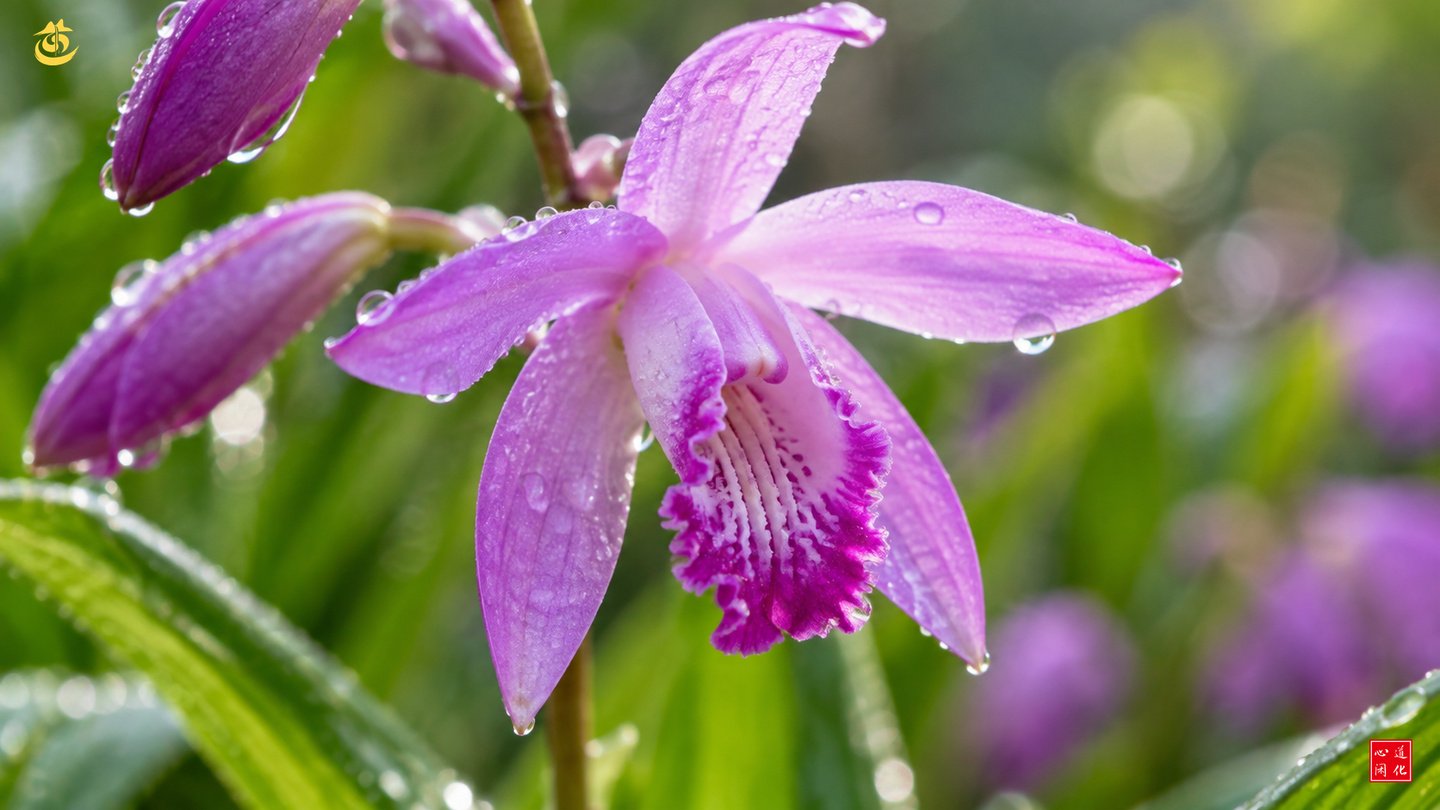
西方人总相信科学是基础的,哲学是高端的,宗教是无上的,科学解决不了问题都交给哲学,哲学解决不了的问题就交给宗教,什么问题处理不了,就交给万能无上的上帝,就可以了。而在中国文化中,儒道两家则有所不同。儒家相信人的力量,孟子的理论是“人定胜天”,人无所不能的感觉。而道家则相信道是无为的,自然是无上的,道法自然,一切解决不了问题,就顺其自然吧。尊奉自然、敬畏自然、顺应自然,就是人类活动的终极法则。

《黄庭经》的存思冥想修炼功法,是我读《道藏》以来在“术”层面的一个重要进步。存思法教给我一个很大的本领(哈哈,一吹牛就发笑),就是更会“独处”了,一个人相处时根本不会感觉到孤单、寂寞,相反,会觉得更自由自在、更丰富多彩。以前我的存思方法只是“外景存思法”,就是与外界的神灵进行沟通,以达到精神慰藉、丰富灵魂、修行精进的功效,比如与古今中外的哲学家进行冥想交流,向他们提问各种问题,再冥想他们的答复等等,甚至还可能与神灵们一起做饭、用餐等等,以下是我过去曾发过的一首诗,记录了我与“子虚”之神、“乌有”之神、月亮之神,以及,自己的影子一起共度中秋的场景:
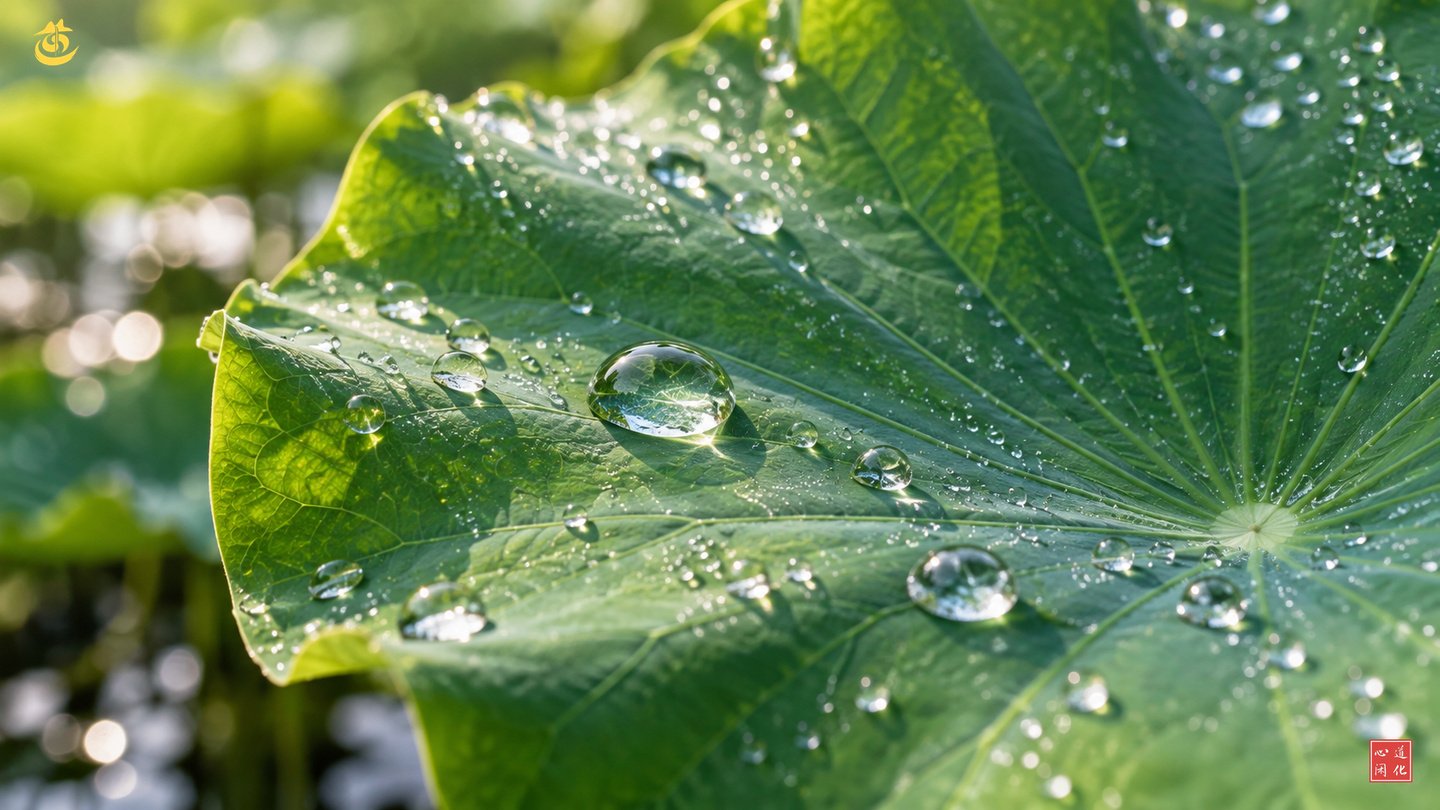
《中秋》
时逢中秋夜,子虚来我家;
翻经正繁忙,乌有代端茶。
举杯邀明月,对影五仙霞;
腹中三万卷,从此不比花 。
孤中无虚意,静中有生涯;
灵魂自出窍,躯壳应繁华。
这些都是“外景存思法”,而读了《黄庭经》,让我渐渐开始了“内景存思法”的深入与系统化,就是与自己体内的各器官的神灵进行沟通交流,我本意并不是刻意要什么长生久视,就是觉得很有趣,我相信这是人体生命科学实验的一种尝试。比如,在所有的器官中,我对胃与舌的印象就很不同,觉得舌头的日子过得太轻松了,我曾酸溜溜的批评舌头是:尝遍人间美味,说尽他人是非。
经常对胃产生同情,对舌头充满着“仇富”心理(呵呵)。胃是很辛苦的器官,它不会说话,无言,经常为了舌头的喜好,默默地承受自身无法承受的食物、辛辣、烈酒、饮料等等,那些得了胃病甚至胃癌的人,更应该思考一下这个问题,我们对身体内的各个器官是不是真的公平公正了。就象是一个政府,为了一部分人先富起来,而对另一部分人严重不公,这是不道。老子说:“不道早已”,意思是不顺应天道的人,会早早完蛋的。
所谓天人合一,就是这个道理吧。

然而,通过修炼,凡人真的能成为神仙吗?《黄庭经》真的是“太上微言致神仙,不死之道此其文”的经典吗?
见仁见智,试试才知道。
而我更赞同作者在修仙一事的朴素态度:仙人道士非有神,积精累气乃成真。(《仙人章》)
什么神啊、仙啊、道啊,不是有什么特别的神力,不过是自己长期的修行积累罢了。佛教中讲“顿悟”,似乎很高明,师傅大呵一声,弟子顿时明白了,那是很轻松的得悟方法,省事的很。这叫棒呵法。心学中杨简向陆九渊问何为本心,陆九渊一句“更何有也?!”,让杨简当下突然明白了本心是什么,陆九渊对杨简用的就是棒呵法。这一方法有时还挺管用,一些领导总是对爱多嘴的属下厉声呵斥“还不明白吗?”,然后立即“明白了”,不明白也得明白啊(呵呵)。不过我个人还是觉得“渐修渐悟”比较靠谱,可能是因为我天资愚钝,慧根不足,做人、做事、读书、写作等等,用的都是笨方法,从不敢取巧,也从不知捷径。折腾了半辈子,竟没有让一个人明白我日日夜夜在捣鼓什么,所以读到《道藏》中一句话:
欲向人间留秘诀,未闻一个是知音([宋]张伯端《悟真篇》)
特别感慨。不过随着时间的流逝,慢慢的觉得这很正常,很好。这正是:寂寂无为我所好,朴素安然如大道。
西方有一谚语:瞄准月亮的人,比瞄准树梢的人,要射得远。

隔屏的你,给自己做个长命百岁的规划吧,要相信“我命由我不由天”,别在60岁壮年时期就主动老化自己,先从精神上颓废下来,“人不老而自老之”,自己拿自己当老人了,社会不把你当老人都没办法。其实60岁是人生最好的年华,可以不用为单位、为子女、为父母的事情过度伤神的时候,可以相对容易地做好自己。不然等到80岁开始腿脚不灵便。90岁开始老糊涂、100岁开始尿裤子了,想做自己也来不及了。自己还没有修炼成神仙之前,也不知道会不会有来生了。呵呵。
为了表达我对《黄庭经》的尊重,也为了让后世修道者比较容易些了解《黄庭经》的大致,今儿,集古来各位高道神仙的经典语言,我编写了一首道情---《黄庭内景玉经情》,贡献给各位同修道友:
《黄庭内景玉经》情
黄庭内景玉经者,又名太上琴心文;
闲来诵之和六腑,百遍之功宁心神。
恒诵吟唱过万遍,制炼七魄调三魂;
扶桑大帝得此经,金简刻录传世人。
血肉筋骨脏腑象,日月云霞列星辰;
灵液流通百关畅,血髓充溢胎息真。
肠胃虚盈五藏结,耳目聪明黑发深;
朽齿更生神室正,却邪除疴众纷纷。
玉女仙人千古情,东华玉篇落凡尘;
炼真秘言不外泄,盟约立誓有玄云。
万法不过人为主,妙法终是在人心;
千变万化随机应,形神合一鬼神钦。
杨子 2019.12.8 于厦门
The Daoist School: Healing a Hundred Illnesses through Dialogue with the Internal Organs--Affection for the Huangting Jing
28. The Daoist School: Healing a Hundred Illnesses through Dialogue with the Internal Organs--Affection for the Huangting Jing
Originally published by Yang Zi, Daozang Research, 2019-12-08
"The Leisure of the Dao"
In the cool, clear world there is an idle shadow; in the bright, vast universe a high name hangs;
In the still room, one censer of clear incense; before the window, two scrolls of patra-leaf scripture.
Deep in the night I gaze over the land of the Great Void; the world all sleeps, I alone am awake;
Not like deer and monkeys gathering in herds; only in this high tower I listen to the crane's cry.
Neither advancing nor retreating, the body is at ease; without knowing, without learning, one beholds the true form;
Listening to your zither, the qi settles of itself; reading your words, the heart of the Dao is born.
Since old times the idle have looked on idle scenes; today idle delight is different still;
It can turn intention into no-intention; it can make the feelingless all feeling.
YZ.2019.10.3
I have not been online for a while. These days, besides bustling through the trifles of the dusty world and grieving at time wasted, the greatest experience life has given me is a sudden turn to thinking about matters of life and health. For within this short half year, I have heard in succession of seven living, breathing, named people diagnosed with cancer, four of them already in the late stages. Though I did not know these patients well, they were friends of friends or friends' family, and the news still left me low. I cannot help thinking about the impermanence of life and the preciousness of health.
Today is the weekend, and I sorted out my reading notes on the Huangting Jing, that legendary, almost magical classic of preserving life and living long--great fun. The margins are covered with "haha" annotations, proof of the joy I had reading this book before. Reading being what it now is for me, I long ago stopped caring whether a thing is science, philosophy, religion, or myth, and simply experience the pleasure of reading. The books of the Daozang (Daoist Canon) encompass everything: the science, philosophy, and religion in them fill one with admiration and awe, and even some of the seemingly preposterous nonsense is great fun. Over the years I have felt that I am not doing academic research on the Daozang (Daoist Canon) at all, but reading through a set of universal books of science-fiction romance. Great fun indeed.
Many lovers of calligraphy know the Huangting Jing well, because they copy the original scripture in Wang Xizhi's hand.
In the Later Jin there was a Daoist devoted to the arts of the Yellow Court, whose one wish was to obtain a written copy, and he often asked this of people. Hearing that Wang Youjun excelled in cursive and clerical script and was by nature fond of white geese, he presented him with several birds, and so obtained a wondrous manuscript. (Wuchengzi, Taishang Huangting Waijing Jing Zhu)
In the Later Jin there was a Daoist who dearly loved the immortality-cultivating arts in the Huangting Jing and wanted a calligraphic copy of this scripture. Hearing that Wang Xizhi was a master of calligraphy and dearly loved geese, he raised a flock of fat geese and gave them to Wang Xizhi. One good turn deserving another, Wang Xizhi copied out the Huangting Jing in his own hand as a return gift. After Wang Xizhi, Ouyang Xun, Chu Suiliang, Zhao Mengfu, and other calligraphers produced works of the same name, which became the source copies for later students of calligraphy to trace.
The Huangting Jing was written by the Jin-dynasty Daoist nun Wei Huacun (251-334). Wei Huacun was not exactly famous in her own day; "the Lady of the Southern Peak" is what later ages called her. Tao Hongjing of the Northern and Southern dynasties, Du Fu of the Tang, and others honored her as "Lady Wei"; in the Song, Emperor Renzong further granted her the Daoist title "Zixu Yuanjun," and Emperor Zhezong enfeoffed her as "Gaoyuan Chenzhao Zixu Yuandao Zhenjun." Her Huangting Jing has become a foundational classic of the study of nourishing life and of anatomy.
Because later ages attributed to many high Daoists who had already become immortals this praise: "The jade scripture of the Yellow Court is the wondrous classic that gives long life to the world"--(Taishang Huangting Neijing Yu Jing Xu, respectfully prefaced by the minister Zhongli Quan of the jade ranks of the Daluo heaven of Yuqing)
And having passed through the annotations and exaltation of profound Daoists age after age, the content of the Huangting Jing became "the way of not dying": read it ten thousand times and one could "ascend on high and become an immortal." It grew more and more far-fetched.
They say that before reading this scripture one must bathe and fast, and recite it with a sincere heart; then it wards off the hundred evils and cures the hundred illnesses. If a person enters wild, dim mountain country and feels afraid, let them set the heart upright, face north, and read this scripture once: at once the spirit settles and the mind grows calm, and one feels as safe as if a thousand companions were walking along. If a person can read this scripture ten thousand times, they will see their own five zang and six fu, and all the spirits within the body will obey their command. If a person suffering illness reads it with the heart, even one at the point of death may be cured. Every time I read descriptions like these, I leave a "haha" in the margin.
If one enters the mountains and forests or empty, dark places and the heart is terrified, set the heart upright, face north, and read the Neijing once, and at once the spirit is calm and the mind level, as though traveling with a thousand companions. If one can read it ten thousand times, one will see for oneself the five zang and the intestines and stomach, and command the ghosts and spirits of the world. If one is gravely ill, hold it in the mind and read it, and even one at the point of death will recover. In general, avoid the flesh of the six domestic animals, fishy rawness, the five pungencies, and things of pollution and impurity. If one removes the shoes, bathe, rinse the mouth, and burn incense on the left. Read the scripture once on the right, and the hundred ailments are removed. (At right, Xiaojun says: before lying down at dusk, first read the Huangting Jing once and then sleep; it makes the hun and po souls govern themselves. Recite it three or four times over, and it is excellent.) ([Tang] Liangqiu Zi, Huangting Jing Zhu)
This passage paints a vivid picture. For the sleepless especially: imagine it--shoes off, bathed, incense burning, then reading the scripture in devotion. Truly the heart is set upright, and one reading removes the hundred illnesses. It cures insomnia too. How tempting!
Daoists have the most experimental spirit. So I really did try it. Though not by the exact standard the original text gives--a hot bath, then feet soaked in hot water, then lying in bed listening to a recording of someone reciting--I truly fell asleep very fast. Its curative effect on insomnia is more magical than oyster shell.
To tell the truth, the Huangting Jing feels much like the Wuzhen Pian: the scripture itself rolls easily off the tongue and its meaning is fairly simple. Given education today, anyone with some grounding in classical Chinese and the concepts of Chinese-medicine theory can read it. The effects may differ from person to person, and it may not be the "way of not dying" of legend, or "a thousand calamities dispersed, the hundred illnesses healed, old age kept off and the years extended"; but for letting readers get a working knowledge of the position and function of the internal organs, of how to treat one's organs kindly, how to nourish and protect life and live as long as may be, it has real effect.
The pity is that the annotators were too learned by half: the more they annotated, the more far-fetched; the more they translated, the more complicated--obscure and hard to grasp, making the reading unbearably troublesome, downright agonizing. So it gradually ceased to be a book for general readers and became a classic "in the collection" and in legend; only professional Daoists could still get at its methods of cultivation.
In fact, just as Laozi said--"the great Dao is utterly simple"--the original text of the Huangting Jing is quite simple and endearing. For example:
One. Rigorous logic, scientific content. The whole book divides into two parts, the outer landscape and the inner landscape. The outer landscape means the within of heaven, the within of earth, and the within of man, signifying the images of sun, moon, stars, clouds, and mists; the inner landscape signifies the images of flesh, blood, sinews, bones, and the organs. Cultivating both landscapes, outer and inner, by the scripture, one can reach the state where form and spirit are both wondrous, one with the Dao and joined to the Real, Heaven and humankind made one--that is, the state of attaining the Dao and becoming an immortal.
Today I will mainly speak of the inner landscape.
The inner landscape is the inner construction of the human body: the body is taken as a vessel holding all the organs. Like the courtyard of a house, it is called the "court," or "yellow court." The inner-landscape part mainly treats the placement and function of the five zang and six fu within the "yellow court" (the human body), chiefly comprising three parts: within the brain, within the heart, and within the spleen. Everyone knows the importance of the brain and the heart; but the importance of the spleen the ordinary person has far from realized. Chinese medical theory stresses "the spleen governs transport and transformation"--one phrase that hits the spleen's remarkable function for bodily health. The spleen is the organ in charge of transport and transformation; if the spleen goes wrong, one can imagine what happens to the whole.
A dozen or so years ago, our work unit had its physical exams, and afterward everyone was comparing results. Two remarks I remember best. One came from a subordinate: "On my exam sheet, everything is high except my height."
The other came from a leader: "Take me, forty-something (actually forty-nine years and eleven months, still refusing to say fifty). The doctor says I have the heart of a thirty-year-old and the spleen of a sixty-year-old. You tell me, what does that mean?"
So the colleagues said: that means you're young! A thirty-year-old heart, thump-thump-thump, lively as can be. The doctor means you're younger than your years--spry, in top form! Thirty-something.
I said nothing. Because I had heard "the spleen of a sixty-year-old," and because I knew "the spleen governs transport and transformation."
The Huangting Jing, placing the spleen together with brain and heart, calls it one of the three inner landscapes--one can see how important the spleen is.
Two. The descriptions of the organs are vivid, with considerable literary and artistic quality, and religious coloring besides. The Neijing Jing took in the notion of the "spirits of the five zang" from the Heshanggong Laozi Zhangju of the Western Han Emperor Wen's era and the Taiping Jing of the Eastern Han Daoist Yu Ji (d. circa 200, a native of present-day Qingdao in Shandong), and thereby set up the system of spirits inside the human body: in all, three sections, eight landscapes, and twenty-four spirits. The Huangting Jing holds that spirits dwell in every part and organ of the body; the person is divided into the three palaces of the upper, middle, and lower yuan, each palace guarded by the spirits of its eight landscapes. These spirits' names were not arbitrarily invented by the author: they were distilled and summed up from the direction, color, function, and the like of each organ, so that reading the names of the organ spirits tells you their functions--great fun. For example: "The brain spirit, Essentials-Root, is styled Niwan"; "the eye spirit, Brightness-Above, is styled Yingxuan"; "the nose spirit, Jade Ridge, is styled Lingjian"; "the ear spirit, Vacant-Leisure, is styled Youtian"; "the tongue spirit, Reaching-Life, is styled Zhenglun"; "the heart spirit, Cinnabar Origin, is styled Shouling; the lung spirit, Bright Flower, is styled Xucheng; the liver spirit, Dragon Mist, is styled Hanming; the kidney spirit, Dark Mystery, is styled Yuying; the spleen spirit, Ever-Present, is styled Hunting (魂停, “Resting Place of the Soul”)." Just hearing these names is marvelous. Medicine then was nothing like so advanced, yet the ancients gave each organ of the body names so graphic, so alive, and so complete in function. Is this science or theology? Better still: each organ has not only a name but also a courtesy name. Now that is Chinese character; that is the true flavor of China.
Take "the ear spirit, Vacant-Leisure, styled Youtian." The spirit of the ear is called "Vacant-Leisure" and styled "Hidden Field." Pure genius. Of all the organs, the ear is the most secluded and idle. It does not blink and roll like the eye, which must dart about to see; it does not sniff in and out like the nose, or open and close ceaselessly like the mouth. The ear never moves, yet knows all the news--truly at leisure. And the ear is the forbidden ground of every external thing--"Hidden Field." What an image.
Or take "the heart spirit, Cinnabar Origin, styled Shouling." The heart corresponds to the English word "heart"; but when English says "mind," the Chinese rendering is no longer the heart's name but its courtesy name--"Shouling," or "heart-and-spirit" (xinling). Beyond these two levels, the metaphysical and the physical, the Chinese "xin" carries a philosophical expression as well. Our heart holds a spirit, and this spirit is called the Cinnabar Origin; yuan means beginning--the beginning of the year, for instance, is called yuandan--and Chinese culture holds that all spirituality originates in the heart. Hence the heart spirit is called the Cinnabar Origin. Western languages have no way to express this layer of meaning.
Or again: the kidney spirit's courtesy name is "Nursing-the-Infant." How direct, how practical! If the kidneys fail, no children are born. The spleen spirit's courtesy name is "Halting-the-Soul"; think on it, and reverence for the spleen fills you. Pondering closely the fine-grained expressions of traditional Chinese culture, one can feel in them the rigor of science, the height of philosophy, and the power of wisdom. This is called cultural confidence (hehe).
Three. The cultivation method of visualization. Visualization is the typical cultivation method of the Shangqing school of Daoism, and the core method of the Neijing Jing. In the early Daoist Taiping Jing there is the saying that visualizing the spirits of the five zang can dissolve the ten thousand illnesses: a person communicates through visualization with the spirits of the five zang within, soothing their moods so that they stay healthy and free of illness, and thereby "one may use visualization to ascend the empty void." In fact it is not only the tongue that can speak in the human body; every organ tells you its condition, its joys and sorrows, in its own way. Morning bad breath, for example, is not really the mouth smelling: it is the stomach telling you something has gone wrong. If the eyes suddenly see poorly, it is not the eyes that are at fault--it is the liver telling you it has a problem. And so on. Our clever organs will tell you, each in its own language, how it is faring. If we are a little attentive, know just a little of their language, and give some thought to their moods, many grave organ illnesses, even cancers, can be prevented.
A few years ago I wrote an article on the body's virtual energy net, called "The Primordial-Qi Network and the Theory of the Mysterious"; part of it, excerpted, ran in this WeChat official account's piece "The Principle of Living Out One's Allotted Span." The general idea was that the human body possesses an invisible yet actually existing innate energy net that governs everyone's true physical body; on the net are nodes joining the organs, and the nerves at the nodes control the working of the whole primordial-qi network. For a person to live in health, it is enough to keep the nerves at those nodes healthy. These neural nodes are in fact the twenty-four spirits of the Huangting Jing--only at the time I had not yet closely studied the Huangting Jing's system of spirits within the body. Looking back now: "This life, always feeling I began my reading too late." I thought I had worked hard enough, only to find that the ancients had still thought further than we. Modern society's information is so advanced--this science, that technology--yet in the end none of it has gone beyond the compass of the single word "Dao." And I have always believed that the Dao is the philosophy of science and the science of philosophy, the metaphysical of the metaphysical, the supreme law of the universe. I believe too that in the realm unknown to us there must exist a counterpart parallel universe, dual to ours, following us like a shadow. For the Dao's theory of yin and yang and its law of balance determine as much; only, our present level of technology and cognition cannot yet explore that unknown realm. What we know is all too little, and what we do not know may be large beyond our power to imagine.
Westerners always believe that science is foundational, philosophy elevated, religion supreme: whatever science cannot solve is handed to philosophy, whatever philosophy cannot solve is handed to religion, and whatever cannot be handled at all is handed to almighty, supreme God--and there you are. In Chinese culture, the Confucian and Daoist schools see it differently. The Confucians believe in the power of man: Mencius's doctrine is "man will conquer Heaven"--a feeling that there is nothing man cannot do. The Daoists believe that the Dao does nothing (wuwei), that nature is supreme, that the Dao follows nature: whatever cannot be solved, let it be. To honor nature, stand in awe of nature, and follow nature--that is the ultimate law of human activity.
The visualization and meditation method of the Huangting Jing has been, since I began reading the Daozang (Daoist Canon), an important advance on the level of "technique." The method of visualization taught me a great skill (haha--I laugh as soon as I boast): I am better at "being alone." In my own company I feel no loneliness or desolation at all; on the contrary, I feel freer and richer. Before, my method was only "outer-landscape visualization": communing with the spirits of the outside world, to gain spiritual consolation, enrich the soul, and advance my practice--meditative converse with philosophers of all ages, East and West, putting questions to them and then meditating their replies, even, perhaps, cooking and dining together with the spirits. Below is a poem I once posted, recording a Mid-Autumn spent together with the spirit of "Zixu," the spirit of "Wuyou," the spirit of the moon, and my own shadow:
"Mid-Autumn"
The night of Mid-Autumn come round, Zixu calls at my home;
Busy turning the scriptures, Wuyou serves tea on my behalf.
I raise my cup to invite the bright moon; with my shadow, five immortals in the rosy mist;
Thirty thousand scrolls within my belly--from now on, no more envying flowers.
In solitude, no vain thoughts; in stillness, a whole life;
The soul slips out of its own accord; the husk answers the world's splendor.
All of that was "outer-landscape visualization." Reading the Huangting Jing has gradually led me deeper, and more systematically, into "inner-landscape visualization": communing with the spirits of the organs within one's own body. My aim was never any deliberate quest for lasting life and longevity; I simply find it fascinating, and I believe it is a kind of experiment in the life science of the human body. Of all the organs, for instance, my impressions of stomach and tongue are quite different: the tongue, I feel, has far too easy a time of it. I once sourly criticized the tongue thus: "It tastes every delicacy under heaven, and speaks every right and wrong of others."
I often feel sorry for the stomach, and harbor an "envy of the rich" toward the tongue (hehe). The stomach is a hardworking organ. It cannot speak; it is wordless. Time and again, for the tongue's gratification, it silently bears what it cannot bear--foods, hot spices, strong liquor, drinks, and the rest. Those who get stomach trouble, even stomach cancer, ought to think on this: have we truly been fair and just to every organ in the body? It is like a government that lets one part of the people grow rich first while doing grave injustice to another part. That is contrary to the Dao. Laozi said: "What is contrary to the Dao soon perishes"--meaning that those who do not follow the way of Heaven will come to an early end.
The so-called oneness of Heaven and humankind--I suppose this is what it means.
And yet--through cultivation, can a mortal truly become an immortal? Is the Huangting Jing truly the classic of "the Highest's subtle words that bring one to immortality; the way of not dying--this is its text"?
Opinions differ; only trying will tell.
For my part, I prefer the author's plain attitude toward becoming an immortal: "Immortals and Daoists hold no divine power; only amassing essence and storing qi makes one real." ("Xianren Zhang")
Gods, immortals, the Dao--there is no special divine power in them; they are nothing but the accumulation of one's own long practice. Buddhism speaks of "sudden enlightenment," which sounds very clever: the master gives one great shout, and the disciple at once understands--a most effortless way of waking up, a great saving of trouble. This is called the shout method. In the school of the learning of the heart, Yang Jian asked Lu Jiuyuan what the original heart is; Lu Jiuyuan's single line--"What more is there?!"--made Yang Jian suddenly understand on the spot what the original heart is. What Lu Jiuyuan used on Yang Jian was precisely the shout method. The method does sometimes work rather well: certain leaders are always barking at talkative subordinates, "Still don't understand?"--and at once it is "understood." Not that they have any choice (hehe). Still, I personally find "gradual cultivation, gradual awakening" the more dependable--perhaps because I am dull by nature and short on the root of wisdom, and in conduct, in work, in reading, in writing, I have always used the clumsy way, never daring to take a clever route, never knowing any shortcut. After half a lifetime of toil, I have not managed to make a single person understand what I am at, day and night. And so, reading a line in the Daozang (Daoist Canon):
"I wished to leave a secret key to the world of men; I have yet to hear of one who knows the tune." ([Song] Zhang Boduan, Wuzhen Pian)
I felt it deeply. Yet as time passes, I slowly come to feel this is quite normal, and good. As the line goes: "Quiet, doing nothing--that is what I love; plain and at ease, like the great Dao itself."
There is a Western proverb: he who aims at the moon shoots farther than he who aims at the treetops.
You there, on the far side of the screen: make yourself a plan to live to a hundred. Believe that "my destiny lies with me, not with Heaven." Do not volunteer to age yourself in your prime at sixty, letting the spirit go slack first: "one who is not old makes himself old." Once you take yourself for an old person, society can hardly help treating you as old too. Sixty is in fact the best age of life--the time when one need no longer fret excessively over the work unit, the children, or one's parents, and can, with comparative ease, be oneself. Otherwise, at eighty the legs begin to fail, at ninety the mind fogs, at a hundred the bladder gives way--and then it is too late to be yourself. And since I have not yet cultivated myself into an immortal, I cannot say whether there will be a next life. Hehe.
To show my respect for the Huangting Jing, and to make its general shape a little easier for later cultivators to grasp, today, gathering the classic words of the high Daoists and immortals of old, I have composed a Daoqing chant--"Affection for the Huangting Neijing Yu Jing"--and offer it to my fellow travelers on the way:
"Affection for the Huangting Neijing Yu Jing"
The Jade Scripture of the Yellow Court's inner landscape, called also the Highest's zither-heart text;
Chant it at leisure to harmonize the six fu; the work of a hundred recitations stills heart and spirit.
Recite and sing it steadily past ten thousand times: the seven po souls are refined, the three hun souls tuned;
The Great Emperor of Fusang gained this scripture; on golden slips it was engraved and passed to the world.
The images of flesh, blood, sinew, bone, and organs; sun, moon, clouds, mists, and the ranged stars;
The numinous fluid flows, the hundred passes run free; blood and marrow brim; embryonic breathing is true.
Belly and bowels, empty and full, the five zang knot and unknot; ears and eyes stay keen, the black hair deep;
Decayed teeth grow again, the spirit chamber set right; evil warded off, ailments removed, in abundance.
The Jade Maiden and the immortals, feeling across a thousand ages; the jade pages of Donghua fallen to the mortal dust;
The secret words of refining the real are never leaked abroad; covenants and oaths have their dark clouds.
Of the ten thousand methods, man alone is the root; the wondrous method, in the end, lies in the human heart;
Through a thousand changes, ten thousand shifts, answer each moment; form and spirit made one--ghosts and spirits bow.
Yang Zi, Xiamen, December 8, 2019