庄子教我们如何看待生命的界限How Zhuangzi Teaches Us to View the Limits of Life
3、庄子教我们如何看待生命的界限How Zhuangzi Teaches Us to View the Limits of Life
生活中的很多事情,
并不复杂,
只是有时候看不明白。
Many things in life are not truly complicated.
Sometimes, we simply do not see them clearly.
只因为我们身在其中,
很难跳出这个圈子,去看待自己和身边的人与事。
It is often because we are inside the situation itself
that we find it hard to step outside
and look at ourselves,
the people around us,
and the things happening before us.
试想一下——
如果你揪住自己的头发,把自己“提”到高空,再往下看,会怎样?
如果把自己“放到”十年之后,再回头看今天,又会怎样?
Just imagine this—
if you could lift yourself high into the air
and look down from above, what would you see?
If you could place yourself ten years into the future
and then look back at today,
how would it appear?
当我们从另一个高度、
另一个时间维度去看待眼前的一切时,
认知往往会发生变化。
When we begin to look at things
from another height
or another dimension of time,
our understanding often changes.
原本看不懂的事,
原本处理不了的问题,
似乎也没有那么沉重了。
Things that once felt hard to understand,
and problems that once seemed impossible to handle,
may no longer feel quite so heavy.
人,也会随之轻松一些。
And we ourselves
may feel a little lighter.
中国有一句很简单的话:
“道,日用而不知。”
In Chinese tradition, there is a very simple saying:
“The Dao is used every day, yet people are not aware of it.”
其实我们每天都在其中。
万事万物,各有其道。
In truth, we are already living within it every day.
Everything has its own Dao,
its own way.
很多时候,并不是没有答案,
而是我们没有看到其中的规律。
Very often, it is not that there is no answer.
It is simply that we have not yet seen the pattern within things.
心太忙,
就看不见。
When the mind is too busy,
it cannot see.
看不见,
就难以顺应。
And when we cannot see,
it becomes difficult to move in harmony with what is there.
我最初是因为喜欢《道德经》,
后来读到《庄子》,
才慢慢接近这种感觉。
I first came close to this feeling
through the Dao De Jing,
and later through Zhuangzi.
《庄子》的文字,很特别。
它从来不说教。
只是用故事,让人自己看见。
The writing in Zhuangzi is very special.
It never lectures.
It simply uses stories
to help us see for ourselves.
看见之后,
人自然会明白一些事情。
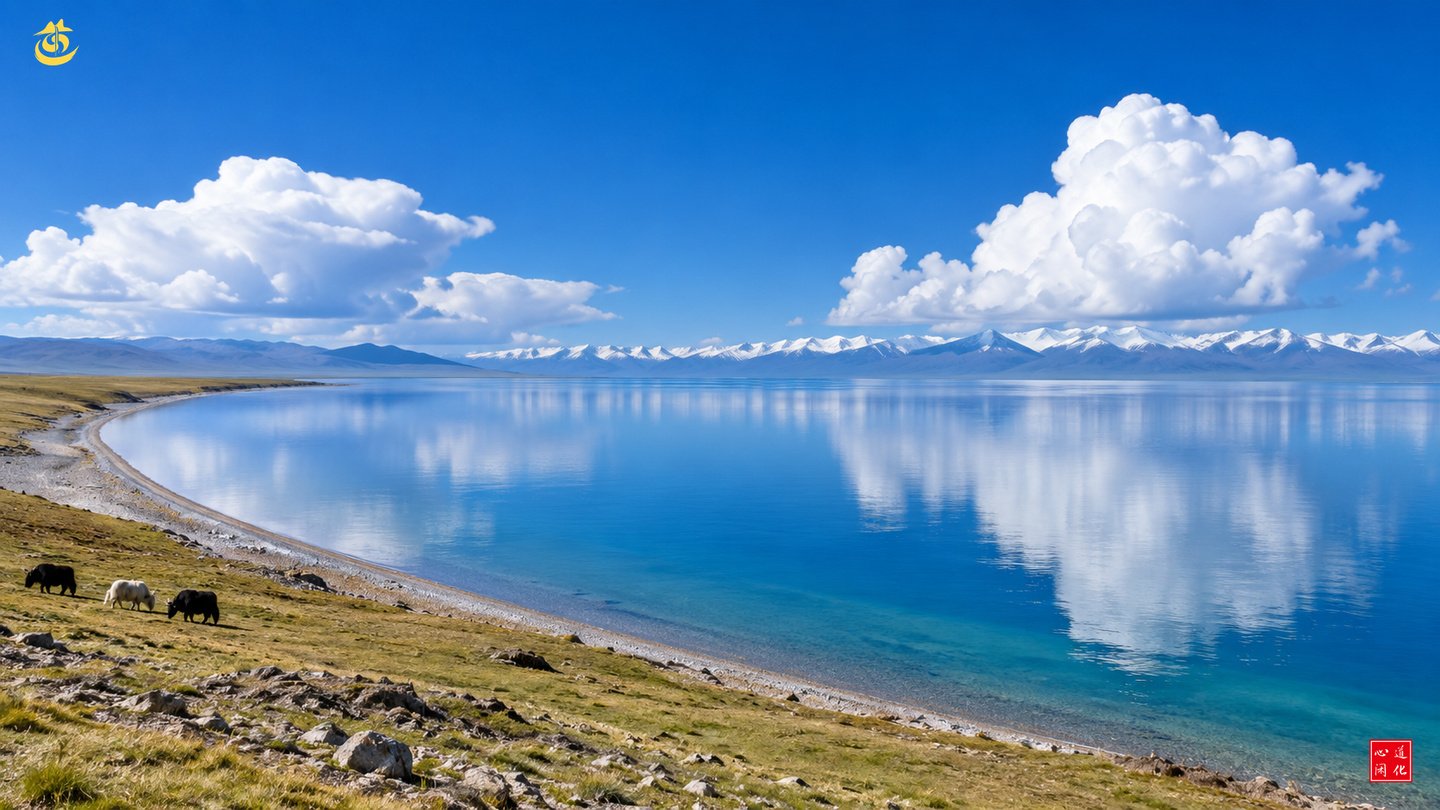
And once we truly see,
some things naturally begin to make sense.
《庄子》中有一段话:
“朝菌不知晦朔,蟪蛄不知春秋,此小年也。
楚之南有冥灵者,以五百岁为春,五百岁为秋;
上古有大椿者,以八千岁为春,八千岁为秋。”
In Zhuangzi, there is a famous passage:
“Morning mushrooms do not know the cycle of the moon;
summer cicadas do not know spring and autumn—this is what is called a short life.
In the south of Chu, there is a being called Mingling,
for which five hundred years make one spring
and five hundred years make one autumn.
In ancient times, there was a great tree called Dachun,
for which eight thousand years make one spring
and eight thousand years make one autumn.”
这一段话,其实很简单。
只是换了一种方式,
让我们看到生命的不同。
This passage is actually very simple.
It only uses another way
to show us the differences between forms of life.
早上出生、傍晚就消失的菌类,
寿命只有一天,
它没有“明天”的概念,
也无法理解月亮的圆缺变化。
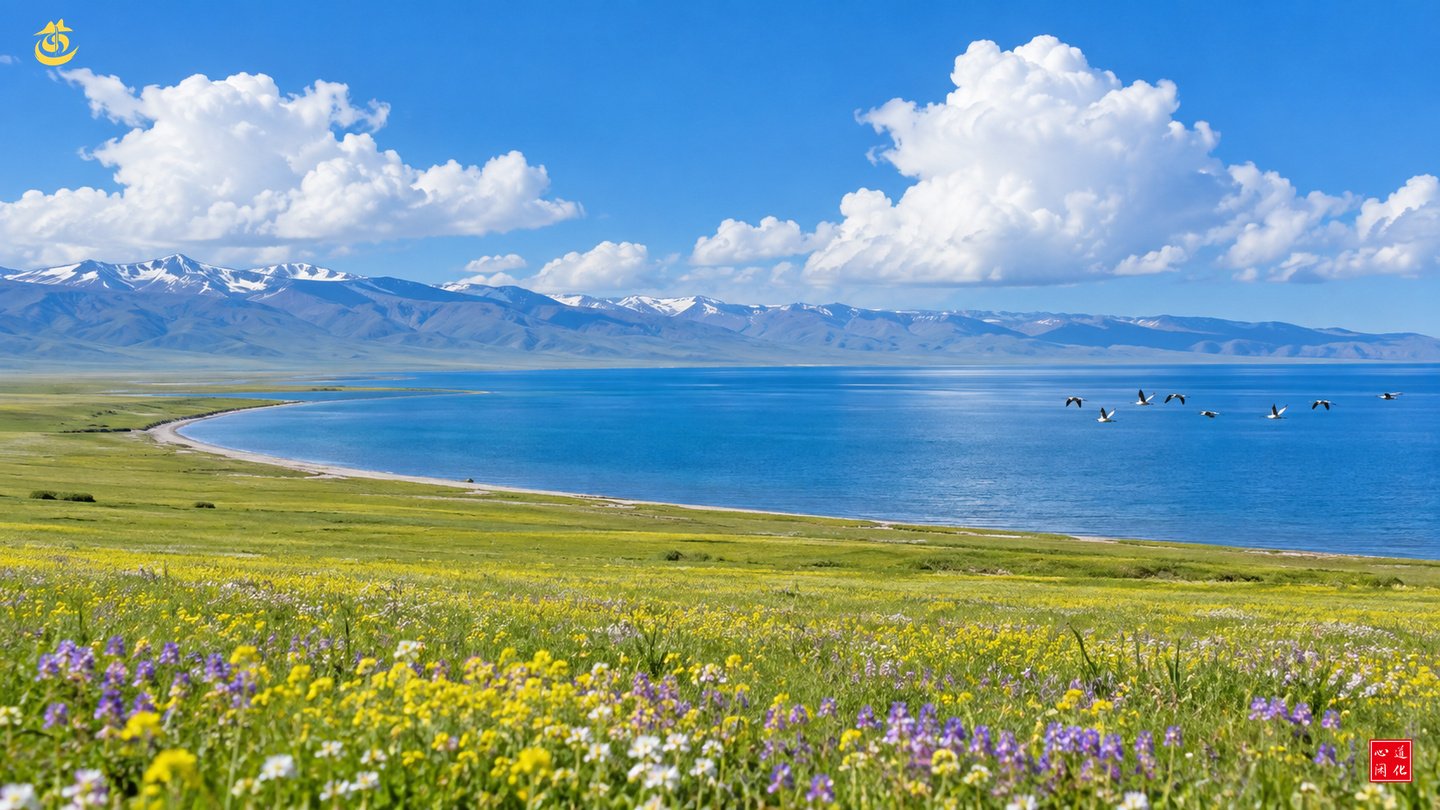
A mushroom that appears in the morning
and disappears by evening
lives for only a single day.
It has no idea of “tomorrow,”
and cannot understand
the waxing and waning of the moon.
夏天出生的蝉,
生命只到秋天,
因此它没有四季的概念,
也无法理解春秋的更替。
A cicada born in summer
lives only until autumn.
So it has no real sense of the four seasons,
and cannot understand
the passing of spring and autumn.
庄子把这样的生命,称为“小年”。
小年,只能理解它所经历的那一段时间。
超出它生命范围之外的东西,
不是它不想理解,
而是它无法经历,
因此也就无法理解。
Zhuangzi calls such life “small years.”
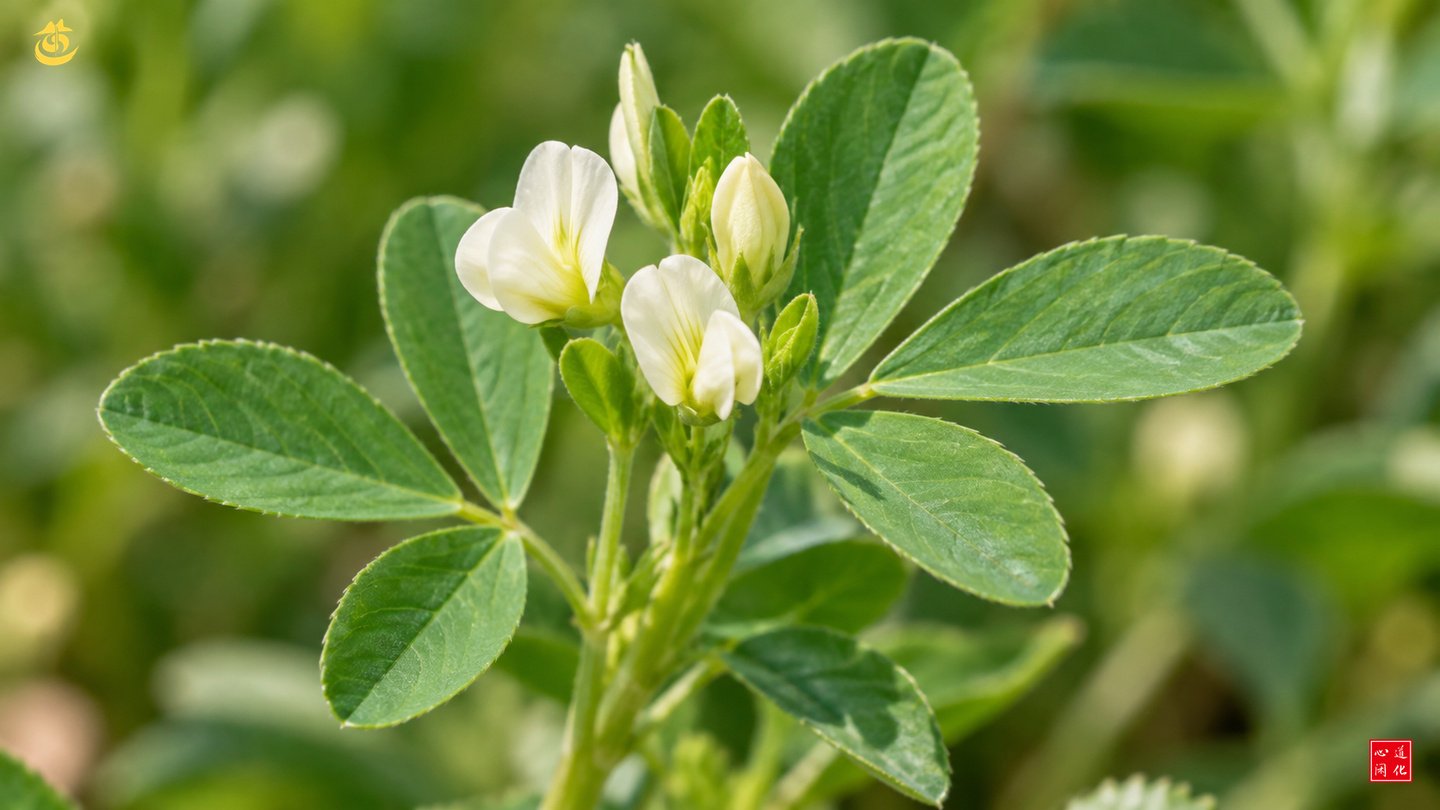
A life with small years
can only understand the span it has actually lived through.
What lies beyond that span
is not rejected out of unwillingness.
It is simply beyond experience—
and so beyond understanding.
而在另一种存在中——
楚国南方有一种叫“冥灵”的生物,
以五百年为一个春天,五百年为一个秋天;
上古有一种叫“大椿”的神树,
以八千年为一个春天,八千年为一个秋天。
And then there is another kind of existence—
In the south of Chu, there is said to be a being called Mingling,
for which five hundred years make one spring
and five hundred years make one autumn.

And in ancient times, there was a sacred tree called Dachun,
for which eight thousand years make one spring
and eight thousand years make one autumn.
庄子把这样的生命,称为“大年”。
大年的生命更长,
所经历的时间更广,
因此它所看到的世界,
也自然不同。
Zhuangzi calls such life “great years.”

A life with great years
passes through a much longer span of time.
What it experiences is wider,
and so the world it sees
is naturally different.
当生命的尺度不同,
所能看到的世界,
也就不同。
When the scale of life changes,
the world one can see
also changes.
我们不过百年之身,
很难真正理解
彭祖八百年的生命,
是一种怎样的存在。
We ourselves live for less than a hundred years.
It is difficult for us to truly imagine
what an eight-hundred-year life like Pengzu’s
might really mean.
很多事情,其实也是这样。
不是事情本身复杂,
而是我们站在某一个界限之中去看。

Many things in life are like this.
It is not always that the matter itself is so complicated.
Often, it is that we are looking from within a certain limit.
如果这个界限稍微松动一点,
很多原来看不清的东西,
也许就会变得清楚一些。
If that limit softens even a little,
many things that once seemed unclear
may begin to come into view.
“道”并不遥远。
它就在我们每天的生活之中。
The Dao is not far away.
It is present in the way we live each day.
如果我们愿意,
从另一个空间、
另一个时间的角度去看待眼前的一切,
就会发现——
If we are willing
to look at what is before us
from another space,
another time,
another scale,
we may begin to discover something—
很多原本放不下的事情,
其实并没有那么重要;
many things we once could not let go of
may not be as important as they seemed;
很多当下过不去的地方,
也只是站在当下时的一种感受。
many places where we feel stuck in the present
may only be feelings that belong to the present moment.
当视角稍微变一变,
人就会轻松一点。
When the angle changes, even a little,
the heart often becomes lighter.
也许你此刻,
正面对一些想不明白的事,
或是放不下的心绪。
Perhaps at this very moment,
you are facing something you cannot quite make sense of,
or carrying something you cannot yet put down.
不妨试着把自己放远一点看一看。

Try placing yourself a little farther away,
just for a moment.
也许,当生命的界限被轻轻拉开时,
很多事情,
自然就会不一样了。
Perhaps when the limits of life
are gently opened a little wider,
many things
will no longer look the same.
如果你对“道”与《道藏》感兴趣,
欢迎继续了解。欢迎访问我们的网站:
If you are interested in the Dao and the Daozang,
you are welcome to explore further.
👉Visit our website:
https://www.dtaoist.com
How Zhuangzi Teaches Us to View the Limits of Life
35. How Zhuangzi Teaches Us to View the Limits of Life
Many things in life / are not complicated, / only, at times, we do not see them clearly.
Many things in life are not truly complicated. / Sometimes, we simply do not see them clearly.
Only because we are in the midst of it, / is it hard to leap out of the circle and see ourselves and the people and things around us.
It is often because we are inside the situation itself / that we find it hard to step outside / and look at ourselves, / the people around us, / and the things happening before us.
Just imagine— / if you grabbed your own hair and "lifted" yourself into the high air, and then looked down, what would you see? / if you "placed" yourself ten years on, and then looked back at today, how would it appear?
Just imagine this— / if you could lift yourself high into the air / and look down from above, what would you see? / If you could place yourself ten years into the future / and then look back at today, / how would it appear?
When, from another height, / from another dimension of time, we view everything before us, / our understanding often changes.
When we begin to look at things / from another height / or another dimension of time, / our understanding often changes.
Things we could not understand before, / problems we could not handle before, / no longer seem quite so heavy.
Things that once felt hard to understand, / and problems that once seemed impossible to handle, / may no longer feel quite so heavy.
The person, too, will lighten a little with it.
And we ourselves / may feel a little lighter.
There is a very simple saying in China:
"The Dao: used daily, and not known."
In Chinese tradition, there is a very simple saying:
"The Dao is used every day, yet people are not aware of it."
In truth, we are within it every day.
The ten thousand things, each has its own Dao.
In truth, we are already living within it every day.
Everything has its own Dao, / its own way.
Very often, it is not that there is no answer, / but that we have not seen the pattern within.
Very often, it is not that there is no answer. / It is simply that we have not yet seen the pattern within things.
When the heart is too busy, / it cannot see.
When the mind is too busy, / it cannot see.
And when it cannot see, / it is hard to follow along.
And when we cannot see, / it becomes difficult to move in harmony with what is there.
At first it was through loving the Daodejing, / and later through reading the Zhuangzi, / that I slowly came close to this feeling.
I first came close to this feeling / through the Dao De Jing, / and later through Zhuangzi.
The language of the Zhuangzi is very special.
It never preaches.
It only uses stories, and lets a person see for himself.
The writing in Zhuangzi is very special.
It never lectures.
It simply uses stories / to help us see for ourselves.
Once he has seen, / a person naturally understands certain things.
And once we truly see, / some things naturally begin to make sense.
There is a passage in the Zhuangzi:
"The morning mushroom does not know the last and first days of the lunar month; the huigu cicada does not know spring and autumn; this is the small span of years. / South of Chu there is a being called Mingling, which takes five hundred years for its spring and five hundred years for its autumn; / in high antiquity there was a great tree called Dachun, which takes eight thousand years for its spring and eight thousand years for its autumn."
In Zhuangzi, there is a famous passage:
"Morning mushrooms do not know the cycle of the moon; / summer cicadas do not know spring and autumn—this is what is called a short life. / In the south of Chu, there is a being called Mingling, / for which five hundred years make one spring / and five hundred years make one autumn. / In ancient times, there was a great tree called Dachun, / for which eight thousand years make one spring / and eight thousand years make one autumn."
This passage is really very simple.
It merely changes the manner, / letting us see the differences among living things.
This passage is actually very simple.
It only uses another way / to show us the differences between forms of life.
A fungus born in the morning and gone by evening / lives only a single day. / It has no idea of "tomorrow," / and cannot understand the moon's waxing and waning.
A mushroom that appears in the morning / and disappears by evening / lives for only a single day. / It has no idea of "tomorrow," / and cannot understand / the waxing and waning of the moon.
A cicada born in summer / lives only to autumn. / So it has no notion of the four seasons, / and cannot understand the alternation of spring and autumn.
A cicada born in summer / lives only until autumn. / So it has no real sense of the four seasons, / and cannot understand / the passing of spring and autumn.
Zhuangzi calls such a life "small years."
A life of small years can only understand the stretch of time it has lived through.
As for what lies beyond the bounds of its life, / it is not unwilling to understand; / it cannot experience it, / and therefore cannot understand it.
Zhuangzi calls such life "small years."
A life with small years / can only understand the span it has actually lived through.
What lies beyond that span / is not rejected out of unwillingness. / It is simply beyond experience— / and so beyond understanding.
And in another kind of existence—
In the south of Chu there is a creature called "Mingling," / which takes five hundred years for a spring and five hundred years for an autumn;
In high antiquity there was a sacred tree called "Dachun," / which takes eight thousand years for a spring and eight thousand years for an autumn.
And then there is another kind of existence—
In the south of Chu, there is said to be a being called Mingling, / for which five hundred years make one spring / and five hundred years make one autumn.
And in ancient times, there was a sacred tree called Dachun, / for which eight thousand years make one spring / and eight thousand years make one autumn.
Zhuangzi calls such a life "great years."
A life of great years is longer, / the time it passes through is wider, / and so the world it sees / is naturally different too.
Zhuangzi calls such life "great years."
A life with great years / passes through a much longer span of time. / What it experiences is wider, / and so the world it sees / is naturally different.
When the scale of life is different, / the world one is able to see / is different as well.
When the scale of life changes, / the world one can see / also changes.
We, with our frames of no more than a hundred years, / can hardly truly understand / what sort of existence Pengzu's eight-hundred-year life / could be.
We ourselves live for less than a hundred years. / It is difficult for us to truly imagine / what an eight-hundred-year life like Pengzu's / might really mean.
Many things, in fact, are just like this.
It is not that the matter itself is complicated, / but that we stand looking from within a certain limit.
Many things in life are like this.
It is not always that the matter itself is so complicated. / Often, it is that we are looking from within a certain limit.
If this limit loosens even a little, / many things that were unclear before / may perhaps become a little clearer.
If that limit softens even a little, / many things that once seemed unclear / may begin to come into view.
The "Dao" is not far away.
It is right here within our everyday life.
The Dao is not far away.
It is present in the way we live each day.
If we are willing, / to view all that is before us from another space, / from the angle of another time, / we will find—
If we are willing / to look at what is before us / from another space, / another time, / another scale, / we may begin to discover something—
that many things we could not let go of before / are really not so important after all;
many things we once could not let go of / may not be as important as they seemed;
that many difficulties we cannot get past right now / may simply reflect how we feel from where we stand today;
many places where we feel stuck in the present / may only be feelings that belong to the present moment.
When the angle of view shifts a little, / the person grows a little lighter.
When the angle changes, even a little, / the heart often becomes lighter.
Perhaps at this very moment / you are facing things you cannot think through, / or feelings you cannot put down.
Perhaps at this very moment, / you are facing something you cannot quite make sense of, / or carrying something you cannot yet put down.
Why not try setting yourself a little farther off, and take a look.
Try placing yourself a little farther away, / just for a moment.
Perhaps, when the limits of life are gently drawn a little wider, / many things / will naturally no longer be the same.
Perhaps when the limits of life / are gently opened a little wider, / many things / will no longer look the same.
If you are interested in the "Dao" and in the Daozang (Daoist Canon), / you are welcome to learn more. You are welcome to visit our website:
If you are interested in the Dao and the Daozang, / you are welcome to explore further.
👉Visit our website: / https://www.dtaoist.com