大化之道----《化书》译文选摘
7、大化之道----《化书》译文选摘
注:本文是之前公众号发表出来的我早年的《化书》译文,由于上传时是按章节的,比较零碎,现将各章合并。全文有好几万字,本篇只是节选。
9:枭鸡
原文
枭鸡
枭夜明而昼昏,鸡昼明而夜昏,其异同也如是。或谓枭为异,则谓鸡为同;或谓鸡为异,则谓枭为同。孰枭鸡之异昼夜乎?昼夜之异枭鸡乎?枭鸡之同昼夜乎?夫耳中磬,我自闻;目中花,我自见。我之昼夜,彼之昼夜,则是昼不得谓之明,夜不得谓之昏。能齐昏明者,其唯大人乎!
译文
枭,就是夜间活动的猫头鹰,因为听觉、视觉高度发达,进攻迅猛,攫禽坚决果断著名,因为其常在夜间活动,因此有神秘和超自然的味道。在中国,枭是攻击性强、勇猛无敌兼具智慧的代名词,比如在中国文化中,吕布、曹操都曾被称为枭雄,近来的一些音像记录片也开始出现把林彪、蒋介石等称为一代枭雄的。一般来说,政治本没有对错,贵在输赢,无意政治,仅说枭字所代表的大致文化内涵。在西方,因为希腊的智慧女神雅典娜的宠物就是枭,所以在西方文化中,枭是智慧的代名词。无论是东方还是西方,枭与鸡都是不同的,但二者区别是什么呢?能根据个体的外相及作息行为而判定谁是谁非么?我们判断是非的标准又是什么呢?本文中,谭峭借枭鸡作息时间的不同,来说明是无是无非的自然之道。
“枭夜明而昼昏,鸡昼明而夜昏,其异同也如是”,猫头鹰夜里工作而白天休息,鸡是白天活动而夜里睡觉,它们区别就是这个样子的。如果一个是正常的,那么另外一个就不正常的。“或谓枭为异,则谓鸡为同;或谓鸡为异,则谓枭为同”,如果是猫头鹰是不正常的,那么鸡就是正常的;如果说鸡是正常的,那么猫头鹰就是变态。“孰枭鸡之异昼夜乎?昼夜之异枭鸡乎?枭鸡之同昼夜乎?”,评判猫头鹰与鸡谁是变态的标准是昼夜吗?判断是昼还是夜的标准是根据猫头鹰和鸡的活动时间吗?这反复的反问论证再次彰显了谭道长的相对论哲学思维模式。“夫耳中磬,我自闻;目中花,我自见。我之昼夜,彼之昼夜,则是昼不得谓之明,夜不得谓之昏。能齐昏明者,其唯大人乎!”,所以,耳中的天赖之音,只有自己知道其妙罢了;眼里的鲜花美景,也只有自己能看到其盛开的微妙了。我的昼夜,你的昼夜,是各不相同的,不能随便根据一方的情况就单方面认为这是昼或是夜。东半球的昼就是西半球的夜,西半球的夜就是东半球的昼,能将昼夜这两个相反概念及其外物的影响齐等思考的,恐怕只有智慧如海的得道之人了。
26:猛虎
原文
猛虎
猛虎行,草木偃;毒鸩怒,土石揭。威之所烁,气之所搏,顽嚚为之作。小人由是知铗可使之飞,山河可使之移,万物可使之相随。夫神全则威大,精全则气雄。万惑不能溺,万物可以役。是故一人所以能敌万人者,非弓刀之技,盖威之至也;一人所以能悦万人者,非言笑之惠,盖和之至也。
译文
猛虎行,草木偃;毒鸩怒,土石揭。威之所烁,气之所搏,顽嚚为之作。我们看《动物世界》中经常可以看到猛虎奔跑时的气势,所经之处,花草树木都应风而倒,真是虎借气势,气助虎威;毒鸩发怒的时候,抖动身体落下鸩毒在地下,于是地面石头都会因毒药裂开。这就是威严所产生的烁杀之力,霸气所带来的搏击之势,就连最愚昧顽固的树木土石也会被这种气势所惊吓。
小人由是知铗可使之飞,山河可使之移,万物可使之相随。夫神全则威大,精全则气雄。万惑不能溺,万物可以役。于是我知道这威势的力量了,铁器虽然很重,只要借着气势我们可以让它飞起来(现代更厉害了,飞机、飞船等都能借气流飞),可以借地势让山川河流改道,世界万物,我们都可以让它们随我们的意志而存在。人的意识思维越全面,意念的威力就越大,精力越饱满充盈,气势越雄伟。无论多少挑战和困惑都无法将我们淹没,对世界万物的征服之势勇往直前,世间存在的一切都可以为人的意识所役使。
是故一人所以能敌万人者,非弓刀之技,盖威之至也;一人所以能悦万人者,非言笑之惠,盖和之至也。所以,有说一个人之所以能敌上万敌人的,并非他的武器有多先进,或武功多高强,而是他的威势犀利,以气势压倒对方的。《三国演义》中张飞怒吼长坂坡,一个人断后,大吼一声吓退百余曹兵,就连曹操的大将夏候杰也吓得跌下马摔死了,这就是气势的威力;一个人之所以能受到万众爱戴,并不是他的言谈笑语多能打动人,而是因为和蔼可亲的态度如暖流般感染了众人,这就是的内在的威力和气势。善于观察环境、研判自身所处的形势,做实业的人借市场形势,有钱的借财势、有权借权势,炒股的人借股势,都可以兴风作浪,只要驾驭得当,便可乘风破浪,顺势而为,得到的效益将是付出成本的几何级倍数。
一句话,那些谙熟“借势”之道的人,往往可以成就非凡的伟业。
注:鴆:(zhèn)传说中的猛禽,其羽毛有剧毒。
顽嚚:yin,愚妄奸诈
73:蝼蚁
原文
蝼蚁
蝼蚁之有君也,一拳之宫,与众处之;一塊之台,与众临之;一粒之食,与众蓄之,一虫之肉,与众咂之;一罪之疑,与众戮之。故得心相通而后神相通。神相通而后气相通,气相通而后形相通。故我病则众病,我痛则众痛,怨何由起,叛何由始?斯太古之化也。
译文
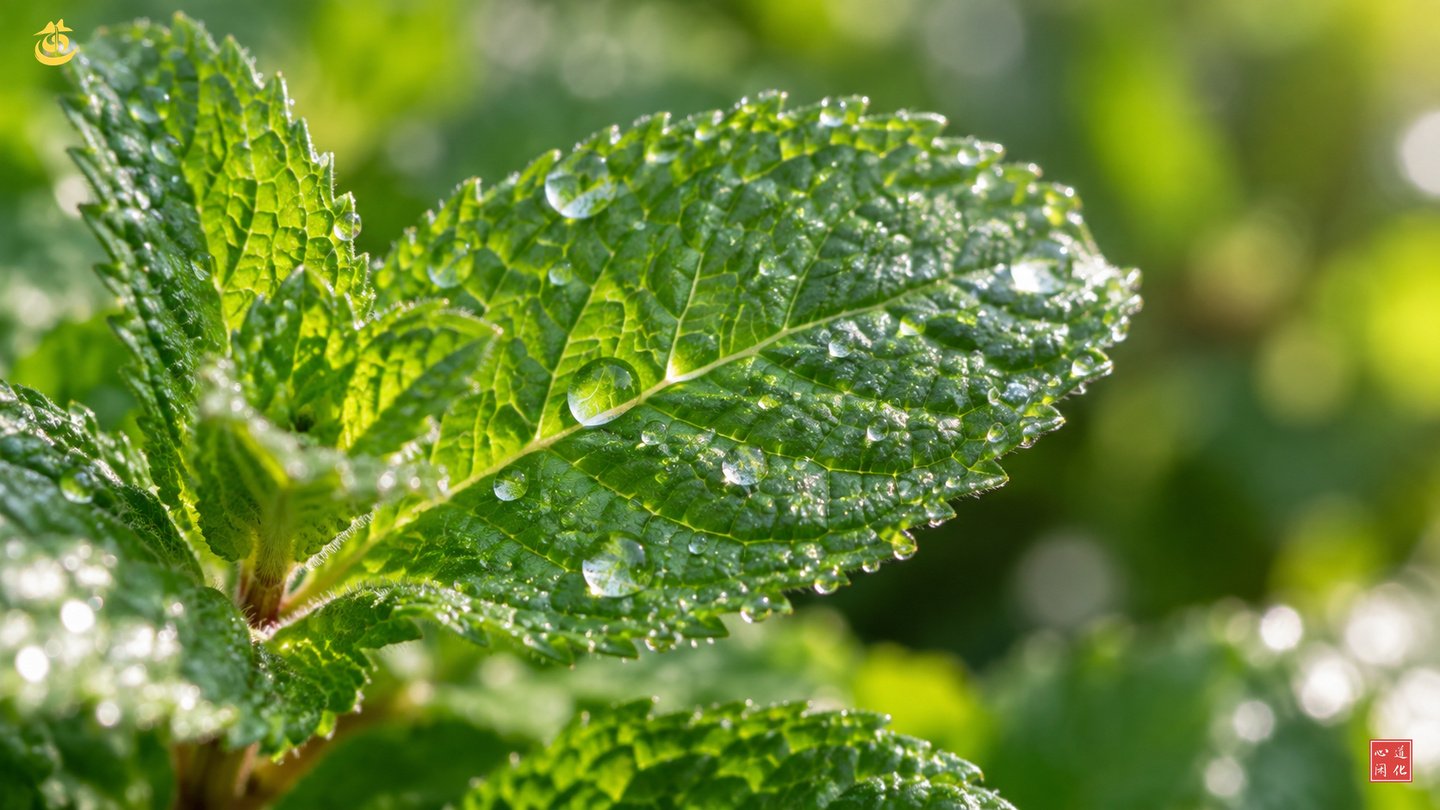
蝼蚁是卑微的生命,但它们的君王却有教化群蚁、君民同心同德的大智慧。即使是一拳大小的王宫,它们都会共同居住(没有体制内外之别);即使是一块小小的台子,它们会一同站在上面;即使是一粒食物,大家齐心协力一起搬运储存;即使是一条小小的虫子,大家一起分享;(感觉象共产主义,好羡慕啊)。即使是一个罪状,大家一起公审(司法公正)。君民同心,心相通而后精神就相通,精神相通而后气相通,气相通而后形相通,就会行动一致。如此,整个社会就是一个整体,若是一人病则众人都会病,一人痛苦大家都一起痛苦,这样同甘共苦的社会风气,怎么会产生怨恨呢?怎么会发生叛乱呢?这就是太古时代的教化之道啊。
18:稚子
原文
稚子
稚子弄影,不知为影所弄;狂夫侮像,不知为像所侮。化家者不知为家所化,化国者不知为国所化,化天下者不知为天下所化。三皇,有道者也,不知其道化为五帝之德。五帝,有德者也,不知其德化为三王之仁义。三王,有仁义者也,不知其仁义化为秦汉之战争。醉者负醉,疥者疗疥,其势弥颠,其病弥笃,而无反者也。
译文
稚子弄影,不知为影所弄;狂夫侮像,不知为像所侮。小孩子常常喜欢灯光下奔跑,看着自己的影子随着自己跑来跑去很有趣,不停地折腾影子,并没有意识到自己同时也在被影子捉弄了。猪八戒照镜子时看到镜子里的影像很丑就生气,于是抡起耙子把镜子打个稀巴烂,其实他不知道他打的正是自己,被影像蒙住了。我们生活里的猪八戒很多很常见,那些狂妄自大的人在羞辱镜子里的影像时候,不知道自己其实被影像所骗了。
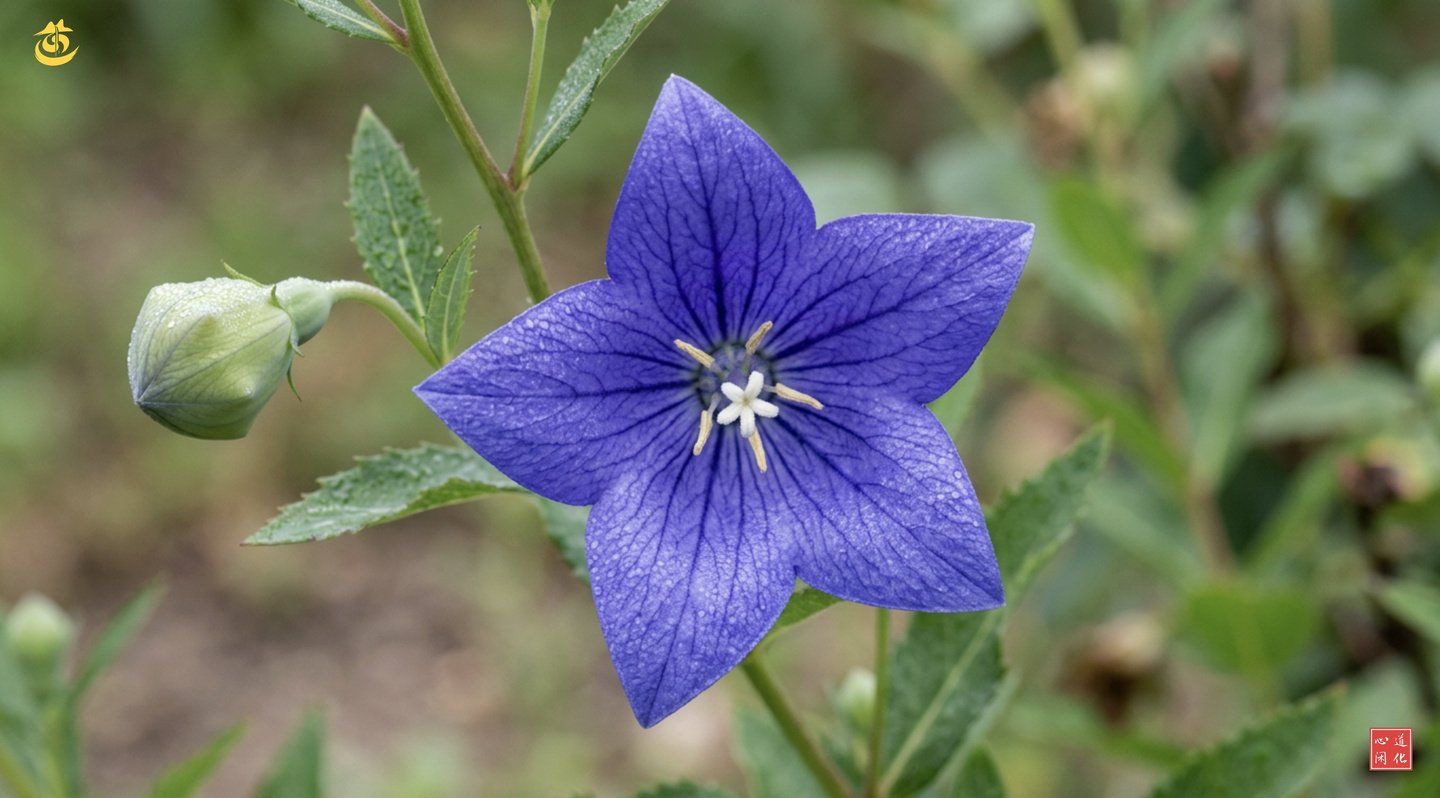
化家者不知为家所化,化国者不知为国所化,化天下者不知为天下所化。那些努力改变家庭的人不知道自己也在被家庭所深深教化和影响,企图改变国家命运的人不知道自己也在被国家所塑造和改变命运,致力于改变天下的人不知道也在被天下万物所改变。这就是事物的相互作用的道理。人们往往只想着去努力去实现自己的主观意志,却往忽略客观外界对自己的无限作用。
三皇,有道者也,不知其道化为五帝之德。五帝,有德者也,不知其德化为三王之仁义。三王,有仁义者也,不知其仁义化为秦汉之战争。三皇是得道的圣人,智慧无上,但他们也不知道他们所信奉的大道成就了五帝的美德。五帝,都是有德之君,但也不知道他们的高尚品德到了后世三王那里,倒退化成了虚伪的仁义之说。夏商周这三王时代奉行的仁义到再到了秦汉那里,成为战争的说辞,每个国君都打着仁义之师的旗号争夺天下。这是历史的前进,却是道德的退化,人心不古。
醉者负醉,疥者疗疥,其势弥颠,其病弥笃,而无反者也。?
醉酒的人还在沉溺醉乡之中,身体上长有疥疮的人还在忙于治疗自己的疥疮,醉的人愈来愈醉,病的人愈来愈病,从而没有觉悟的人了。
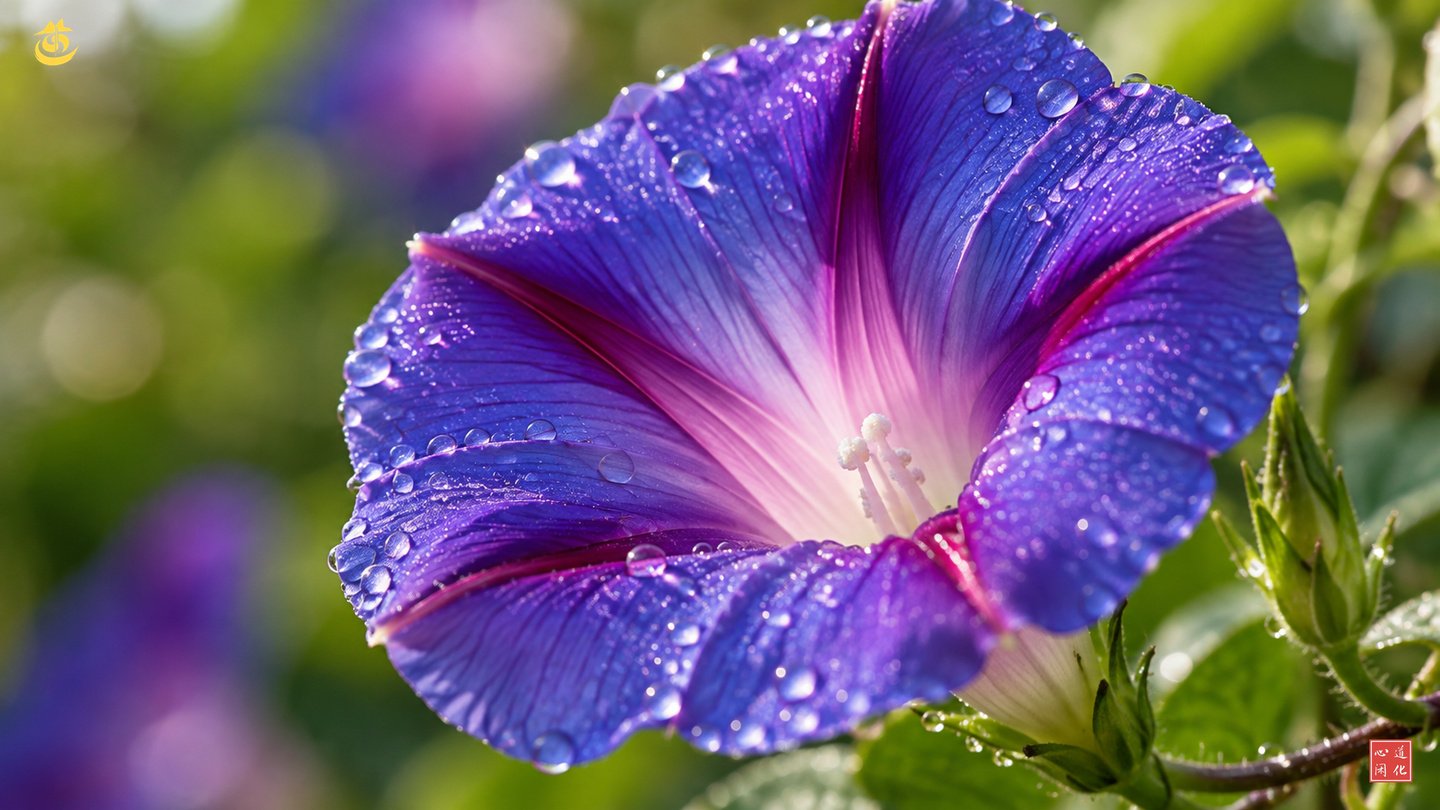
谭道长此文是一种觉悟者的孤独表达,但由于道教的达观,没有表现的象儒家孤独者的那般心酸和落魄,比如屈原的“举世皆浊我独清,众人皆醉我独醒”(屈原,《渔夫》)。也没有象老子那样自谦“众人昭昭,我独昏昏。众人察察,我独闷闷”(老子,《道德经》)。而是一种相对中间的态度,就是把这个道理摆在这里,让每个人去思考。当我们觉得自己在管理别人的时候,就是努力在造就对方、为对方服务的时候;当我们觉得在掌控一件事的时候,正是为这件事所奴役;当我们在网上杂乱地浏览,以标题式阅读进行知识整合时,其实正是我们被各种碎片化信息所肢解的时候,生命就这么一点点被蚕食着,不知不觉......
珍惜短暂的人生,愿与有缘者一起系统化学习中国文化,安静地修行。《道藏研究》是对中国哲学,特别是道家、道教及佛教文化专业系统化的梳理,充满着人性的光辉,以及,对生命的热爱。顶礼《道藏》中的真理,逍遥得道。
5:环舞
原文
环舞
作环舞者宫室皆转,瞰逥流者头目自旋。非宫室之幻惑也,而人自惑之;非逥流之改变也,而人自变之。是故粉巾为兔,药石为马,而人不疑;甘言巧笑,图脸画眉,而人不知。唯清静者,物不能欺。
译文
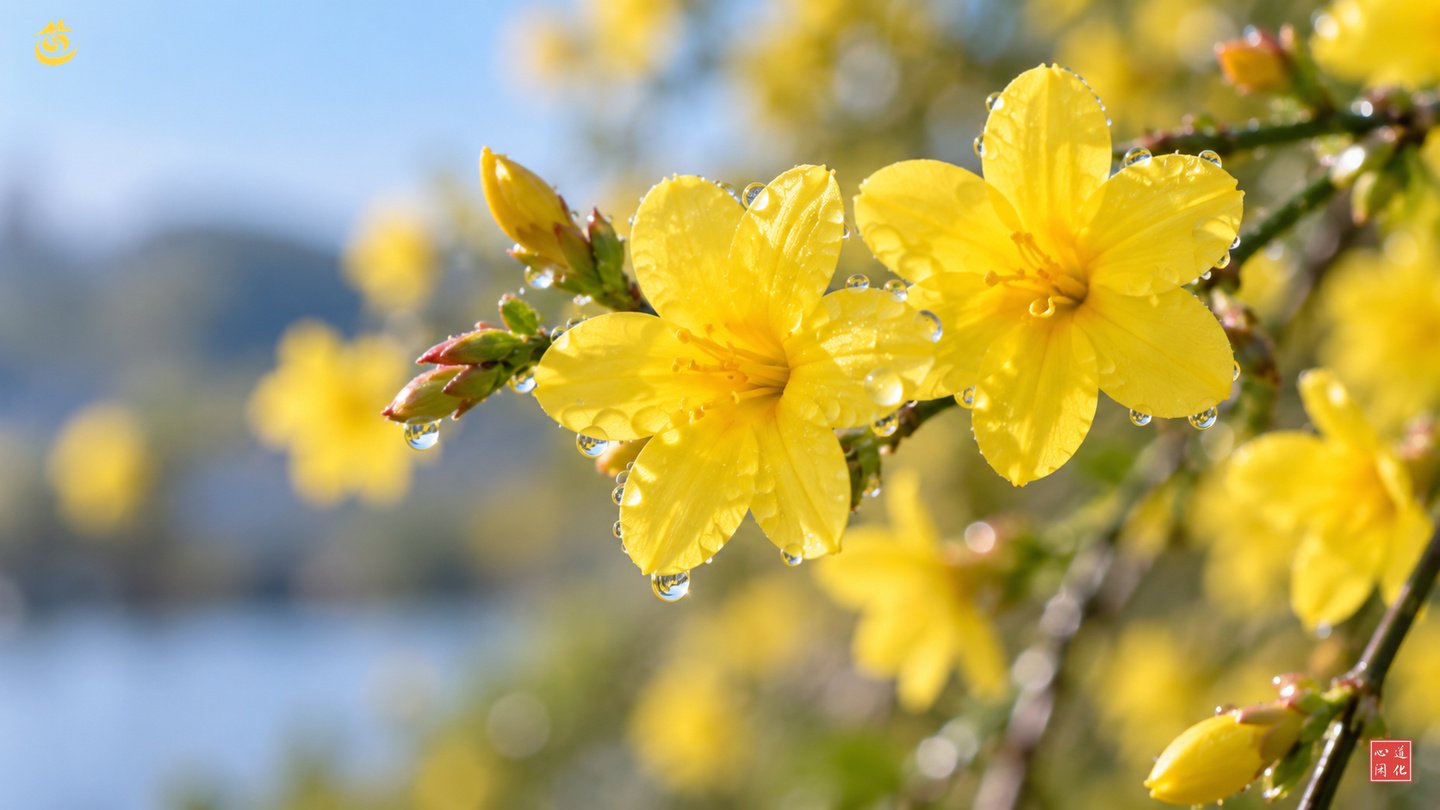
跳舞的人在旋转时,会觉得整个房屋都在旋转,站在船上向下看水流时,会觉得头晕目眩。这并不是是房屋真的在旋转而使人产生旋转的幻觉,而是人自己在旋转而产生的幻觉;并不是水流使人头晕目眩,而是人自己心生的幻觉。(这主要是参照物的不同)。所以,用毛巾折成一个兔子,把一大块石头雕刻成马的形状,而没有人去怀疑其真伪(可以达到以假乱真的效果)。甜言蜜语、巧作欢颜,浓妆画眉,却让难知其真相。只有内心真正清净的人,在观察时保持清醒,才能不被表面现象所蒙蔽。
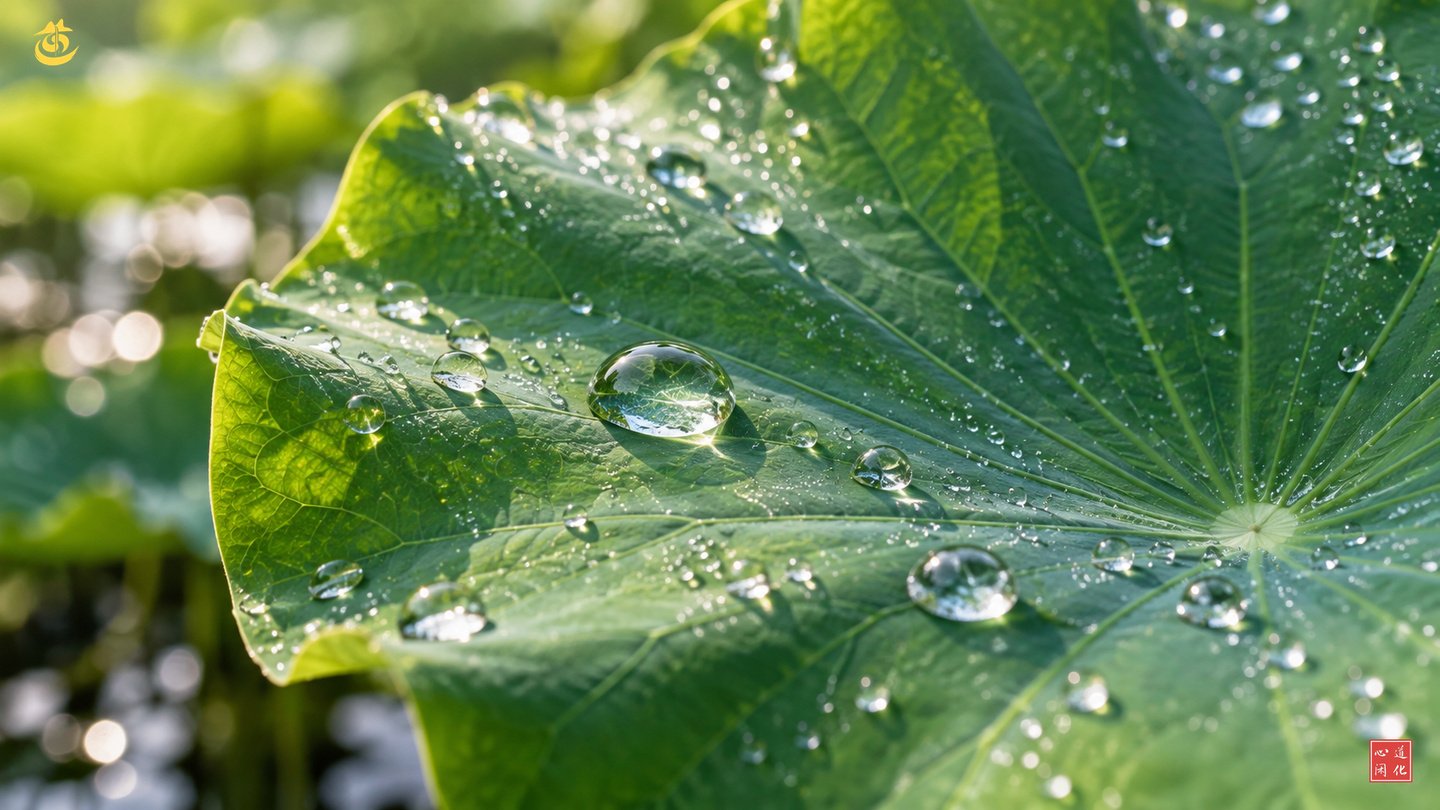
修道者,心自清静,通体光明。佛教中也有“心迷法华转,心悟转法华”之说,心里如果不开智慧,不明白事物相对运动的哲学,就算诵读《法华经》三千遍,也还是被“法华”转。一念开悟,一切佛法就为心所转了。谭峭大仙这里揭示的,就是这一朴素的哲学。中国文化中,在哲学上,佛道相通。儒家的形而上,特别是心学所讲的“心外无物”也是源自佛学的“一切唯心所造”,同一个道理。悟明白了,中国形而上,路路通。
3:老枫
原文
老枫化为羽人,朽麦化为蝴蝶,自无情而之有情也。贤女化为贞石,山蚯化为百合,自有情而之无情也。是故土木金石,皆有情性精魄。虚无所不至,神无所不通,气无所不同,形无所不类。孰为彼,孰为我?孰为有识,孰为无识?万物,一物也;万神,一神也,斯道之至矣。
译文
古老的枫树变成了身有羽毛的人,糟朽的麦子化成了蝴蝶,这是由没有情感的物体变化为有情感的生灵。忠贤的女子变成了坚贞的石头,山中的蚯蚓变成了百合,这是由有情感的生灵转变为没有情感的物体。因此,土壤、树木、金属、石头等这些看似没有生命的物体,因为万物演化的原因其实都具有情感、性格、精神和魂魄。虚无无所不至,神灵无所不通,精气都是相同的,万物的内在构成也都是类同的。哪个是你,哪个是我?哪个是有意识的,哪个是没有意识的?说到头来,万物归一,就是一个物体,万神归一,就是一个神,这就是道所表达的真相啊。
注:
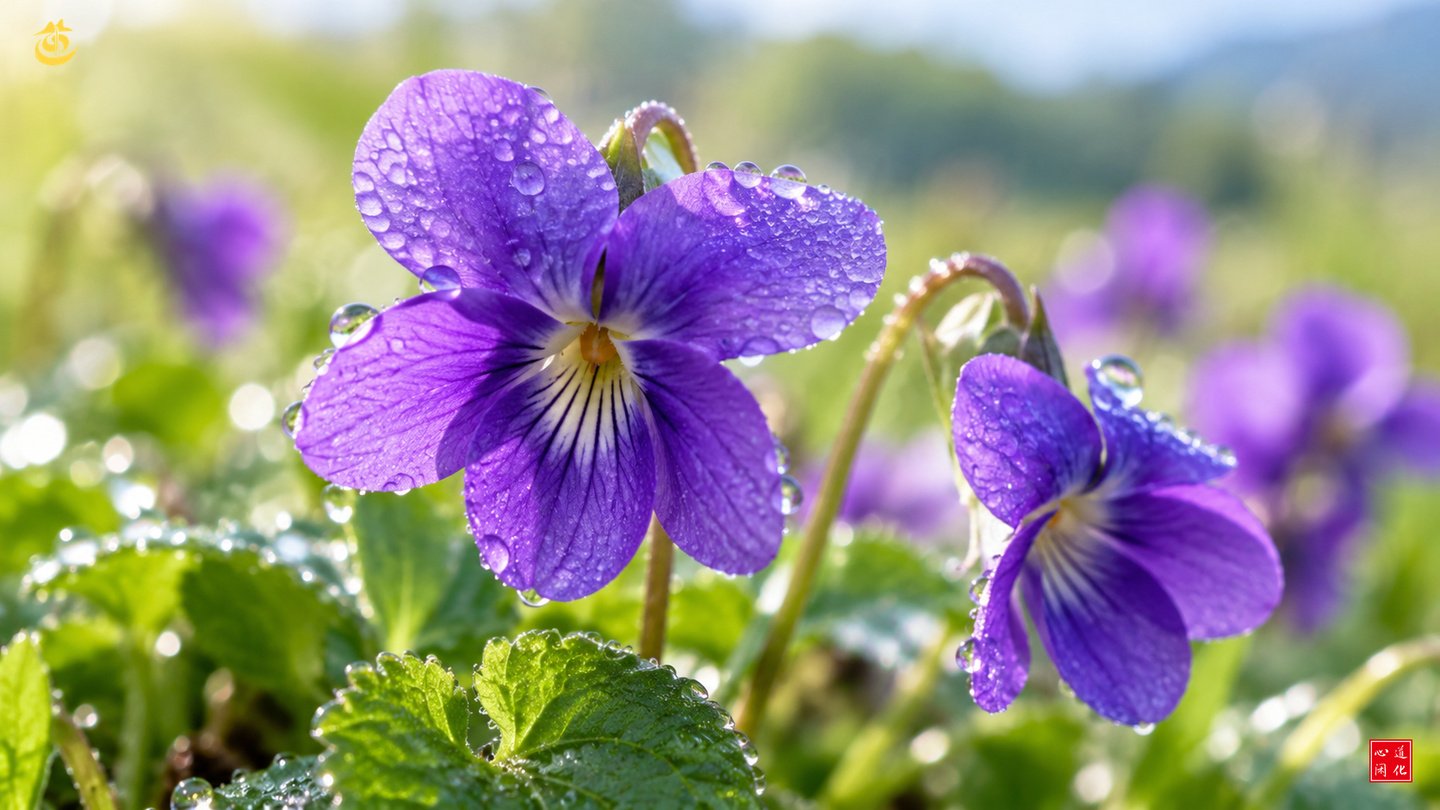
羽人:身长羽毛或披羽毛外衣能飞翔的人,最早出现在《山海经》,称为羽民。道教将道士称羽士,将成仙称羽化登升。
修持篇—宇宙发生论
The Way of Great Transformation — Selected Translations from the Huashu
10. The Way of Great Transformation — Selected Translations from the Huashu
Note: this piece is my early translation of the Huashu, previously published on the WeChat official account; it went up chapter by chapter and so was rather scattered, and I have now merged the chapters. The full text runs to several tens of thousands of characters; this piece is only a selection.
9: The Owl and the Hen
Original text
The Owl and the Hen
The owl sees by night and is dim by day; the hen sees by day and is dim by night — such is their difference and sameness. Call the owl the different one, and the hen becomes the same; call the hen the different one, and the owl becomes the same. Is it the owl and the hen that differ from night and day? Or night and day that differ from the owl and the hen? Or owl and hen that are the same with night and day? The chime in the ear — I alone hear it; the flower in the eye — I alone see it. My night and day, another's night and day: then day may not be called bright, and night may not be called dim. One who can level dim and bright — is that not the great person alone!
Translation
The xiao is the owl, a bird of the night. Because its hearing and sight are highly developed, its attack swift and fierce, and its seizing of prey resolute and decisive, and because it is forever abroad at night, it carries an air of mystery and the supernatural. In China the xiao is a byword for aggressiveness, unmatched boldness, and wisdom alike: in Chinese culture, Lü Bu and Cao Cao have both been called xiaoxiong, "owl-heroes," and some recent documentaries have begun to call Lin Biao and Chiang Kai-shek owl-heroes of their age too. Generally speaking, politics carries no right or wrong; what matters is winning and losing — I have no mind for politics and speak only of the broad cultural content the character xiao carries. In the West, since the owl was the pet of Athena, the Greek goddess of wisdom, the owl there is a byword for wisdom. East or West, the owl and the hen are different; but what is the difference between them? Can we judge which is right and which wrong by outward appearance and hours of activity? And what is our standard for judging right and wrong? In this chapter, Tan Qiao borrows the differing hours of the owl and the hen to show the natural Dao in which there is no right and no wrong.
"The owl sees by night and is dim by day; the hen sees by day and is dim by night — such is their difference and sameness." The owl works the night and rests by day; the hen is abroad by day and asleep by night — that is the difference between them. If one is normal, then the other is abnormal. "Call the owl the different one, and the hen becomes the same; call the hen the different one, and the owl becomes the same." If the owl is abnormal, then the hen is normal; if the hen is normal, then the owl is a freak. "Is it the owl and the hen that differ from night and day? Or night and day that differ from the owl and the hen? Or owl and hen that are the same with night and day?" Is the standard for judging which of owl and hen is the freak the alternation of day and night? Is the standard for judging day or night the activity-hours of owl and hen? This seesaw of rhetorical questions displays once more Master Tan's relativist pattern of philosophic thinking. "The chime in the ear — I alone hear it; the flower in the eye — I alone see it. My night and day, another's night and day: then day may not be called bright, and night may not be called dim. One who can level dim and bright — is that not the great person alone!" And so: the heaven-sent sound in one's ear — its marvel is known to oneself alone; the fresh blossoms and fair scenes in one's eye — the subtlety of their opening is seen by oneself alone. My night and day, your night and day, are each their own; one may not, from the case of one side alone, declare outright that this is day or that is night. Day in the Eastern Hemisphere is night in the Western; night in the Western Hemisphere is day in the Eastern — to hold these two contrary notions, day and night, together with the influence of outward things, and weigh them as equal, is a feat perhaps for none but the person of wisdom deep as the sea who has attained the Dao.
26: The Fierce Tiger
Original text
The Fierce Tiger
The fierce tiger walks, and grass and trees bend low; the poisonous zhen bird rages, and earth and stone split open. Where awesomeness smelts, where qi strikes, even the dull and stubborn are stirred to motion. From this I understand that metal can be made to fly, that mountains and rivers can be made to shift, that the ten thousand things can be made to follow along. When the spirit is whole, the awe is great; when the essence is whole, the qi is bold. The ten thousand confusions cannot drown him, and the ten thousand things can be commanded. Hence the reason one man can stand against ten thousand is not skill of bow and blade but the utmost of awe; the reason one man can delight ten thousand is not the favor of words and smiles but the utmost of harmony.
Translation
The fierce tiger walks, and grass and trees bend low; the poisonous zhen bird rages, and earth and stone split open. Where awesomeness smelts, where qi strikes, even the dull and stubborn are stirred to motion. Watch Animal World and you often see the momentum of a running tiger: wherever it passes, grass, flowers, and trees bow down with the wind — truly the tiger borrows the momentum, and the momentum feeds the tiger's awe. When the poisonous zhen bird rages, it shakes its body, its zhen poison falls to the ground, and the very stones of the surface crack apart from the venom. Such is the smelting, killing force that awesomeness produces, the striking momentum that masterful qi brings — even the most benighted and stubborn of trees and stones is frightened by such force.
From this I understand that metal can be made to fly, that mountains and rivers can be made to shift, that the ten thousand things can be made to follow along. When the spirit is whole, the awe is great; when the essence is whole, the qi is bold. The ten thousand confusions cannot drown him, and the ten thousand things can be commanded. And so I came to know the power of this awesome momentum: iron is heavy, yet borne on the momentum we can make it fly (these days it is greater still — planes and spacecraft all ride the air currents and fly); we can borrow the lie of the land and make mountains and rivers change their course; the things of this world can all be made to follow our will. The more complete a person's consciousness and thought, the greater the power of the thought-intent; the fuller and more abundant the essence, the mightier the momentum. No amount of challenge or confusion can drown us; the conquering drive over the things of this world presses ever forward, and everything that exists can be put to service by human consciousness.
Hence the reason one man can stand against ten thousand is not skill of bow and blade but the utmost of awe; the reason one man can delight ten thousand is not the favor of words and smiles but the utmost of harmony. So: that one man can withstand ten thousand enemies is not owing to advanced weapons or supreme martial skill, but to his sharp-edged awe, which overwhelms the other side by sheer momentum. In Sanguo Yanyi, Zhang Fei roars at Changban Slope, holding the rear alone; one great shout turns back a hundred-odd of Cao's troops, and even Xiahou Jie, a general of Cao Cao's, is frightened off his horse and dies in the fall — such is the power of momentum. That one man can win the love of the multitude is not because his talk and laughter so move people, but because his kindly warmth infects the multitude like a mild current — such is the inward power and momentum. Skillful observers of circumstance who read the posture of their own position — people in business borrow the market's posture, the moneyed borrow the posture of wealth, the powerful borrow the posture of power, stock traders borrow the market's rise — can all raise wind and waves; with the handling right, one rides the wind and cleaves the waves, goes with the flow, and the returns are a geometric multiple of the costs put in.
In a word: those versed in the way of "borrowing momentum" can often achieve extraordinary things.
Note: zhen: a fabulous fierce bird of legend, whose feathers carry a deadly poison.
Wanyin (yin): dull, reckless, and deceitful
73: The Ants
Original text
The Ants
That the ants have a sovereign: a palace the size of a fist, and they dwell in it together; a platform of one clod of earth, and they mount it together; a single grain of food, and they store it together; the flesh of one insect, and they sip it together; the doubt over one offense, and they execute judgment together. Thus the hearts are linked, and then the spirits are linked; the spirits linked, and then the qi is linked; the qi linked, and then the forms are linked. So when I sicken, all sicken; when I hurt, all hurt — whence could resentment arise, whence could rebellion begin? This is the transformation of high antiquity.
Translation
The ants are lowly creatures, yet their sovereign has the great wisdom to teach and transform the swarm and to join ruler and people in one heart and one mind. Even a palace the size of a fist, they will dwell in together (no inside-the-system and outside-the-system to it); even a tiny platform of earth, they will stand upon together; even a single grain of food, all pull together to carry and store; even one little insect, all share together (it feels like communism — how enviable); even a single charge of guilt, all try in public (justice done openly). Ruler and people of one heart: hearts linked, the spirit is linked; spirit linked, the qi is linked; qi linked, the form is linked, and they move as one. Thus the whole society is a single body: if one falls sick, all are sick; if one is in pain, all share the pain. In a social air of shared sweetness and bitterness, how could resentment arise? How could rebellion begin? This was the way of teaching in the age of high antiquity.
18: The Child
Original text
The Child
The child plays with its shadow, not knowing it is played with by the shadow; the madman insults an image, not knowing he is insulted by the image. One who transforms a family does not know he is transformed by the family; one who transforms a state does not know he is transformed by the state; one who transforms all-under-heaven does not know he is transformed by all-under-heaven. The Three Sovereigns held the Dao, and did not know their Dao would turn into the de of the Five Emperors; the Five Emperors held de, and did not know their de would turn into the humaneness and righteousness of the Three Kings; the Three Kings held humaneness and righteousness, and did not know their humaneness and righteousness would turn into the wars of Qin and Han. The drunkard nurses his drunkenness, the scab-scratcher treats his scab; the pitch grows ever steeper, the sickness ever graver, and there is no turning back.
Translation
The child plays with its shadow, not knowing it is played with by the shadow; the madman insults an image, not knowing he is insulted by the image. Small children love to run about under the lamplight, delighted to watch their shadow run to and fro with them, tormenting the shadow without end, never aware that they themselves are being toyed with by the shadow the whole time. When Zhu Bajie looks in the mirror and sees the image inside so ugly, he flies into a rage, swings his rake, and smashes the mirror to pieces — not knowing that what he is smashing is himself, hoodwinked by the image. The Zhu Bajies of our life are many and common: those arrogant and swollen men, while insulting the image in the mirror, do not know they are being fooled by the image.
One who transforms a family does not know he is transformed by the family; one who transforms a state does not know he is transformed by the state; one who transforms all-under-heaven does not know he is transformed by all-under-heaven. Those who labor to change a family do not know they are being deeply taught and shaped by the family; those who would bend the fate of the state do not know they are being molded and remade by the state; those devoted to changing all-under-heaven do not know they are being changed by the ten thousand things of the world. This is the principle of the mutual working of things: people think only of pressing their subjective will forward, and keep overlooking the boundless working that the objective outside world has upon them.
The Three Sovereigns held the Dao, and did not know their Dao would turn into the de of the Five Emperors; the Five Emperors held de, and did not know their de would turn into the humaneness and righteousness of the Three Kings; the Three Kings held humaneness and righteousness, and did not know their humaneness and righteousness would turn into the wars of Qin and Han. The Three Sovereigns were sages who possessed the Dao, their wisdom supreme; yet even they did not know that the great Dao they held would become the fine de of the Five Emperors. The Five Emperors were all sovereigns of de, yet did not know that their lofty virtue, come down to the Three Kings of later ages, had degenerated into doctrine of a hollow humaneness and righteousness. The humaneness and righteousness held by the ages of the Three Kings — Xia, Shang, and Zhou — became, at Qin and Han, so much cant for war, every ruler rallying under the banner of a righteous army to contend for all-under-heaven. This was history moving forward — and morality moving backward; the hearts of men no longer what they were.
The drunkard nurses his drunkenness, the scab-scratcher treats his scab; the pitch grows ever steeper, the sickness ever graver, and there is no turning back.?
The drunken man still wallows in drunkenness; the man covered in scabs is still busy treating his scabs; the drunk grow ever more drunk, the sick ever more sick — and so there are none who wake.
Master Tan's piece is the lonely utterance of one awakened; but thanks to the Daoist's open-heartedness, it shows none of the heartbreak and ruin of the Confucian loners — Qu Yuan's "All the world is muddy and I alone am clear; all men are drunk and I alone am sober" (Qu Yuan, "Yufu"), or Laozi's self-deprecation, "All men are bright, and I alone am dim; all men are sharp, and I alone am muddled" (Laozi, Daodejing). It takes rather a middle attitude: set the truth out here, and let every person think it through. When we feel we are managing others, that is exactly when we are laboring to shape them and to serve them; when we feel we hold a matter in our control, that is exactly when we are enslaved by it; when we browse aimlessly online, integrating knowledge through headline reading, that is exactly when we are being dismembered by shards of fragmented information — and so life is nibbled away, bit by bit, without our knowing......
Cherish this brief life. May I study Chinese culture in systematic company with those who have the affinity, and practice in quiet. Daozang Yanjiu is a professional, systematic combing-through of Chinese philosophy — of Daoist philosophy, Daoism, and Buddhist culture in particular — full of the light of human nature, and of a love of life. Prostration to the truth within the Daozang (Daoist Canon) — free and easy, attaining the Dao.
5: The Ring Dance
Original text
The Ring Dance
One who dances in a ring sees the whole chamber turn; one who looks down on the eddying current feels his head and eyes spin of themselves. It is not that the chamber bewitches him — he bewitches himself; not that the eddying current changes — he changes himself. Hence a powder-white kerchief becomes a rabbit, medicine and stone become a horse, and no one doubts it; sweet words and artful smiles, a powdered face and painted brows, and no one sees through it. Only the clear and still person cannot be fooled by things.
Translation
When a dancer spins, it feels as if the whole room were turning; standing on a boat and looking down at the flowing water, one feels dizzy. It is not that the room is truly turning and producing the illusion of spinning — it is one's own spinning that produces the illusion; not that the flowing water makes one dizzy — it is an illusion born of one's own mind. (It mainly comes down to the difference of reference frames.) Thus a towel folded into a rabbit, or a great block of stone carved into the shape of a horse, and no one questions whether they are real or false (the false can pass for the true); honeyed words and artful smiles, thick makeup and painted brows, and it becomes hard to know the truth of a face. Only the person whose heart is truly clear and still, who keeps awake while observing, cannot be hoodwinked by surface appearances.
The practitioner of the Dao: the heart clear and still of itself, the whole body luminous. Buddhism has the saying too — "the deluded mind is turned by the Fahua Jing; the awakened mind turns the Fahua Jing." If the heart has not opened into wisdom and does not grasp the philosophy of relative motion, then even three thousand recitations of the Fahua Jing leave one still being turned by the Fahua. One instant of awakening, and all the Buddha's dharma is turned by the heart. What the great immortal Tan Qiao unveils here is precisely this plain philosophy. In Chinese culture, philosophically, Buddhism and Daoism interpenetrate; and the Confucian metaphysics — above all what the school of the heart means by "no things outside the heart" — likewise springs from the Buddhist "all is built by mind alone": one and the same truth. Wake to it, and in China's metaphysics every road runs through.
3: The Old Maple
Original text
The old maple turns into a feathered being; rotten wheat turns into butterflies — from the feelingless passing into the feeling. A worthy maiden turns into a steadfast stone; the mountain earthworm turns into the lily — from the feeling passing into the feelingless. Hence earth and wood, metal and stone, all have feeling, nature, essence, and soul. The void leaves nothing unreached; the spirit leaves nothing unpierced; the qi leaves nothing unshared; the forms leave nothing unlike. Which is that one, which is this I? Which has consciousness, which has none? The ten thousand things are one thing; the ten thousand spirits are one spirit — this is the utmost of the Dao.
Translation
An old maple becomes a person with feathers, and decayed wheat turns into butterflies: inanimate things change into living beings with feelings. A virtuous and faithful woman turns into a steadfast stone, and earthworms in the mountains become lilies: living beings with feelings change into inanimate things. Thus soil, trees, metals, and stones, though they appear lifeless, in fact all possess feeling, character, spirit, and soul through the transformations of the myriad things. The void reaches everywhere; spirit penetrates everywhere; vital qi is shared by all, and the inner constitution of all things is alike. Which is you, and which is me? Which is conscious, and which is not? Ultimately, the myriad things return to one and are one thing; the myriad spirits return to one and are one spirit. This is the truth expressed by the Dao.
Note:
Yuren, the feathered being: one whose body grows feathers, or who wears a feathered mantle and can fly; it first appears in the Shanhaijing, called the Yumin, the Feathered Folk. Daoism calls its priests yushi, feathered gentlemen, and calls the attainment of immortality yuhua dengsheng, the feathered transformation and ascent.
The Practice Section — Cosmogony