《彭祖传》注译序
1、《彭祖传》注译序
原创 杨子 道藏研究 2021-05-22
今天,是一生中特别的日子。多年了,都会在这天停止日常的一切,一遍又一遍地翻看过去的随笔。今天,阅读了过去一大把的日记,开始天堂地狱般地思悟人生。感觉经历生死一样的困惑与透彻。
不想把沙发转过去看窗外。天花板和书柜,似乎是生命的全部。
天气似乎不太好。风雨过后,花都谢了。尽管是南方的夏天,气温很高,远未到北方的秋季,鲜花居然都没有了生命力。手机拍下几朵残花,放大,认真研究了一下,发现花心被雨点打湿后,在高温下导致的凋谢和死亡。美好,是如此的脆弱。只有小草,紧贴着大地,骄傲地绿着。
掐指一算,今儿,该更新公众号了。好吧,不辜负你的期待。
天塌了,《道藏》上传也不能停。今天说最长寿神仙人物的故事。
本文,原不在上传规划中。在翻译《彭祖摄生养性论》之前,想简介一下彭祖的故事。于是各种文献开始汇集。阅读中发现很多有关于彭祖的传说非常有趣,养生方法很朴素实用,也有一些资料有争议。于是越整理越多,就成了一个专篇了,就算是《彭祖考》的雏形吧。但这个还需对不少存疑的资料进行考证。暂时不全发了。今天起,选取葛洪写的《彭祖传》中关于彭祖养生的部分内容上传。

《彭祖传》有很多养生的观点,朴素实在,也有现成的译文,所以整理上传。只是说明一下,部分内容我参考了谢青云先生的译文,先生行文比较通畅,比我翻译的水平高。个人理解部分是我边阅读边随手加的。水平怎么样是一回事,学术态度要端正,这是学术良知。此说明。
读过前面《彭祖摄生养性论》的朋友,对本文及后续两篇的理解会非常有帮助。
彭祖,道家先驱,华夏民族寿命最长的人,活了884岁,位列仙班。
有人说884可能是干支记年法,60天是一年,得换算一下,换算后是145岁。就算是145岁,在当时那样的生存条件下,也是了不起的长寿。值得研究和效法。但我个人觉得这个换算法也有问题,要知道,我们一直延用夏历的,彭祖生活的年代是从尧舜禹到夏商周,那时已有明确的文字记载,使用夏历,一年365天。我对这些事目前不太上心,目前只是积累资料,还未细细计算考证。
也有人觉得800多岁不可信,但也拿不出可靠的证据。我为此查了一些文献,太学术了,显得枯燥,这里先略去。我个人并不想争论这些话题。如果证据不足的话,证实证伪,都没有太大的学术价值。
我们文化中有800岁的人寿记录,怎么说也是一个文明的骄傲。多么美好的人类愿望。不要活得那么现实,现实是很残酷的,不利于身心健康。人有些虚幻和梦想,不是坏事。也许未来,对人类来说,800岁并非不可触及的梦。自己没经历过的,就不承认,乱断然否认,是思考能和想像力局限。我对于自己未知的东西,是有敬畏之心的。因为相比我们的已知,那未知的世界才是无穷的。
由于彭祖的传说太多、太久远,我们先看正史记载:
“楚之先祖,出自帝颛顼高阳……陆终生子六人,坼(che4)剖而产焉。其长一曰昆吾,二曰参胡,三曰彭祖,四曰会人,五曰曺姓,六曰季连。”(司马迁《史记·楚世家》)
注:彭祖是帝颛顼的玄孙,陆终的第三个儿子,楚人的祖先。所以后来屈原为他著文写字,也是有渊源的。顺便提一下,屈原在《天问》中记录彭祖为尧帝做了一个鸡羹的事:
“彭铿斟雉帝何飨?受寿永多何夫久长?”(屈原《天问》)
大意:彭祖做的鸡汤,为什么尧帝那么喜欢品尝?彭祖本来就很多寿了,为什么还要活那么长?可见,彭祖在尧帝时已存在了,而且以长寿出名。
……
我对彭祖给帝尧做的那个“天下第一羹”,很有兴趣。忽然很想试试。现在饭店里点菜,已吃不到小时候的鸡肉味了。于是我去买溜达鸡,据说得老母鸡的滋补效用更好。
于是,老母鸡。
现代销售很有方法,买一送一,于是只好买两只。按照彭祖炖鸡汤的方法(主要是自己想像的),热火朝天的做起来“彭祖养生鸡”来。
佐料有:盐、黄芪、葱姜蒜、八角、花椒、肉桂、香叶、茴香、草果、白芷、豆蔻等。适量。
开火、投料、翻腾、等待、调火、调色,齐活儿。开锅。
味道好极了,有小时候妈妈做的味道。间歇性吃了一周,明显的皮肤改善了很多,红光满面,不用擦护肤品就透亮的白(或许是白芷放多了,白芷是香料,也是中药,有美白作用)。于是第二周又炖了一只,又间歇性吃了一周,感觉身体硬朗、结实了不少,哪哪都硬梆梆的。赶紧上秤,净重增加了三斤。顿时要崩溃。哭笑不得地冲着体重器,灵魂拷问:那两只鸡的重量,有三斤吗?鸡肉有三斤吗?有三斤吗?
但那种方法炖鸡真的很好吃。等将来我老了,退休了,就开个小饭馆,其中的一道菜:彭祖养生鸡。
关于彭祖生活的年代,史料如下:
“彭祖自尧时而皆举用,未有分职。”(司马迁《史记·五帝本纪》)
这么说,彭祖从帝尧时就被重用了。一直到商朝的文献中也有记载彭祖的活动。800年寿命的说法,都是有记录的。这不是干支记年法。
能查到的文献,涉及到彭祖的古籍很多,包括《荀子》、《庄子》、《列子》、《太清导引养生经》、《楚辞》、《列仙传》、《搜神记》、《神仙传》、《太平广记》……
近几十年,人们对彭祖的认知与信仰,与毛泽东的一段讲话有关:
1952年10月28日毛泽东到徐州时说:“徐州应是养生学的发祥地。尧时有位叫篯(jian1)铿的,是历史上有文字记载的第一位养生学家。尧封他到大彭,也就是徐州市区周围这块地方,建立了大彭国”。
“彭祖为开发这块土地付出了极大的辛劳,他带头挖井、发明了烹调术、建筑城墙。传说他活了八百多岁。是中国历史上第一位长寿之人。还留下养生著作《彭祖经》”。
“彭祖在历史上影响很大,孔夫子就非常推崇他。庄子、荀子、吕不韦等都曾论述过他。《史记》中对他有记载,屈原诗歌中也提到过他,大概因为他名气太大了,到了西汉,刘向在《列仙传》中竟把彭祖列入仙界”。(李家骥《我做毛泽东卫士十三年》)
(注:我书柜中没有李家骥这本书,资料来自网络。地址:https://www.meipian.cn/3afaufp1)
研究长寿,中国科学家有先天的资料和文献优势。因为中国的道教就是以长生不老为终极目标的,各种养生经、修练术、丹药、本草等等,数不胜数,然而中国的养生、长寿,特别是养老产业目前远比不上日本。最近十几年,人们开始注重养生了,各种养生产品开始研发,但并不是所有的努力都是选择了最捷径,我们走了不少弯路。
……
其实,说中医“不科学”的人,懂不懂科学先不说,但不了解中医原理是肯定的。懂中医的人,都知道中医的科学性远不是我们中的多数人可以理解的。哪怕是道医中的”祝由术”,都有其心理暗示和精神支持的科学意义。研究“祝由科”,让我越来越觉得“迷信就是科学”,但我所见到的中医人,都不排斥西医,多数认为应该“中西医结合”,而认为“中医一定会灭亡”的,或“道教是封建迷信”的,不是对民族文化的缺乏了解,就是文化自卑。目前看,中医和道文化信仰,可能是我们民族文化的净土,我们传统文化最后的旗帜。因为相对而言,道门还没成为功利的战场,而且,其科学性远未被世界所理解和认知。这个观点我几年前不敢说,现在越来越有支持依据这一观点。很多我们理解不了东西,经过实验,数据可以解释清楚原理的,属于科学;解释不了的,还归宗教(近百年来,中国人普遍把宗教归为迷信);介于二者之间的,是哲学。这一观点,我是受到了哲学家罗素的影响。
......
不少科研机构,以“创新研究”为由从国库里拿到大批科研经费,研究出来后,因为没有广泛的应用案例而不能转化,研究成果束之高阁。这是非常普遍的现象。细想来,国家的钱是不是白花了?研究人员的青春年华是不是白费了?
屠呦呦先生从《道藏》中找到文献,读到了青蒿素低温提取的方法,于是为全人类消灭疟疾作出决定性贡献。也成就了中国第一个诺贝尔科学奖。其实,《道藏》还隐藏着更多的诺贝尔奖。我真遗憾自己不是化学专业的,也没有自己的实验室,否则早就开始专业地对《道藏》中各种经方、验方、丹方进行化学成份破解(我自己在家捣鼓的药酒、药膳等,远算不上化学破解,而是整方传承,当然也有逐步的微调)。我们完全可以从古籍中记载的经方、验方开发中成药,或各种养生术中开发新的产品(那些哄骗老年人的三流产品不能算),或各种养生健康服务。因为我们已进入了老龄化社会,老年人对养生产品的需求是刚性的,这完全可以发展成一个无限大的产业。开始可能粗一些,但产业竞争会自然地进行优胜劣汰的调整和提高。在利用古籍、古方、古法开发中成药方面,日本、台湾做的更好。以后有机会专门说说日本人如何利用中国的文化古籍提高他们的生活质量和文明程度。这个产业努力的目标,应是全世界的人都向中国人学习养生方法。宣传词:想长寿?去中国,那个神秘不老的土地!呵。长寿文化,哪个民族能不羡慕神往呢?在国外生活的人都有体会,中国人去国外的公园打太极,一定比跟人家宣讲科技知识更让人信服和向往。这就是文化自信。
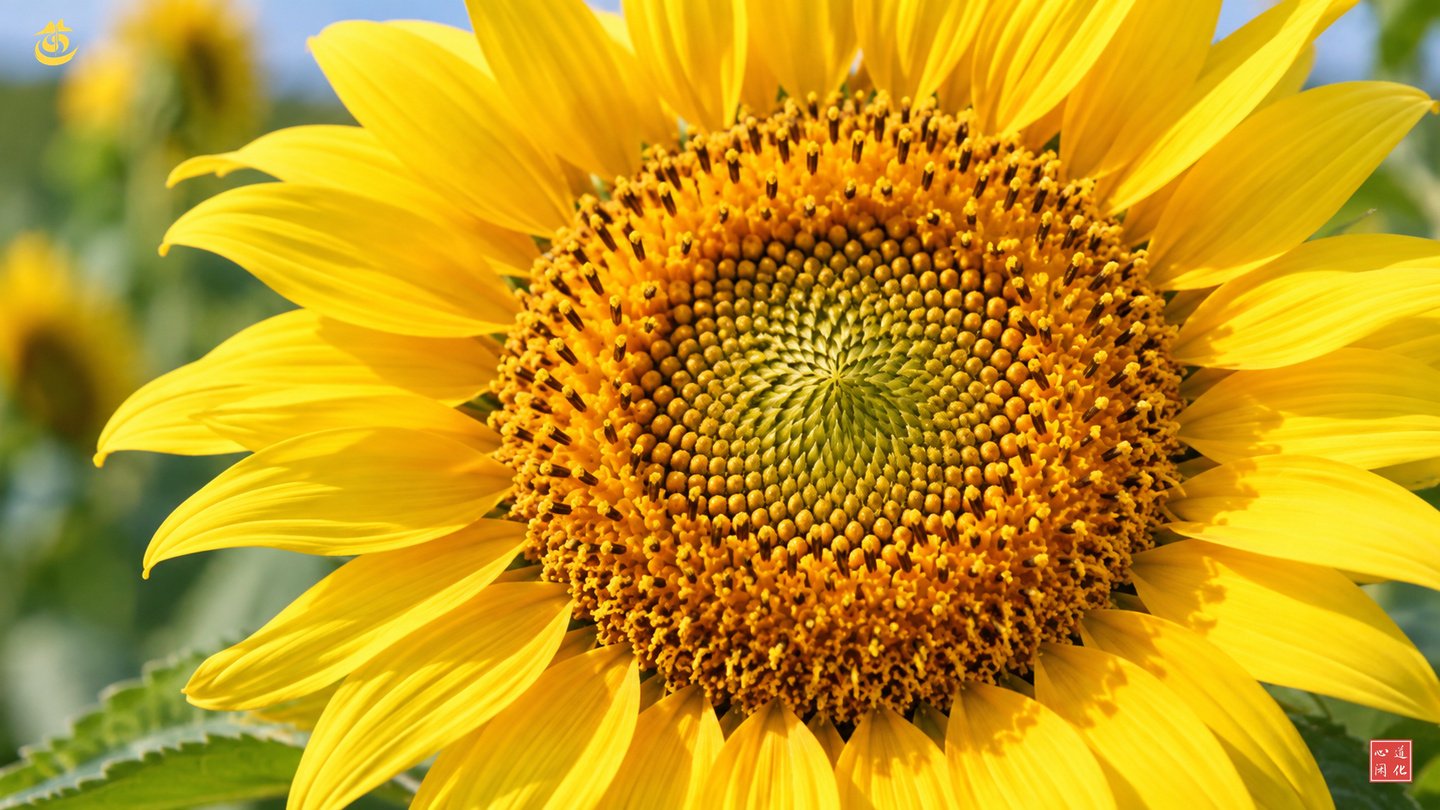
中国历史上,历代帝王都明里暗里地研究彭祖的养生法。关于彭祖的养生方法,有两本书,一本是黄山君写的《彭祖经》,现在已失传了;另一本就是《道藏》中的《彭祖摄生养性论》,译文我已上传本公众号。
今天向大家介绍的,是葛洪著作的《彭祖传》,不是养生书,胜似养生书。
在那个年代里,彭祖能活800多岁,实在了不起。彭祖养生术是有史以来人们研究和效法的重点。根据可考的资料记载,彭祖养生术主要包括以下几个方面:
摄养术,导引术,服气术,房中术,烹调术等,而且各方面都做得很专业。
......
《彭祖传》全文下篇起开始上传。
照例,两首道情:
《人生》
腿一蹬,眼一闭,结束人生一场戏;
人一躺,布一盖,全村老少等上菜;
蓬一搭,风一刮,孙男弟女来献花;
笙一吹,唢呐起,二十四拜行大礼;
礼一罢,棺一抬,孝子贤孙哭起来;
坑一挖,土一埋,黄泉路上独徘徊;
亲一排,友一排,愿君登上凌虚台;
菜一上,炮一响,亲朋好友开始抢;
孝未脱,坟未干,出殡当日热闹天;
泪腺短,孝服长,葬归帐中卧鸳鸯;
一期盼,二期熬,娇妻盘算跟人跑;
三期过,四期挨,五期没到儿争财;
一周年,纸一烧,坟头荒草一米高;
二周年,人不见,无人为君肝肠断;
三周年,碑字浑,姓甚名谁皆为尘;
人生如戏戏迷魂,了悟已是棺中人。
YZ.2019.12.24
周穆王与王母娘娘的浪漫故事,似是神话,不是神话。《道藏》中记录很多。
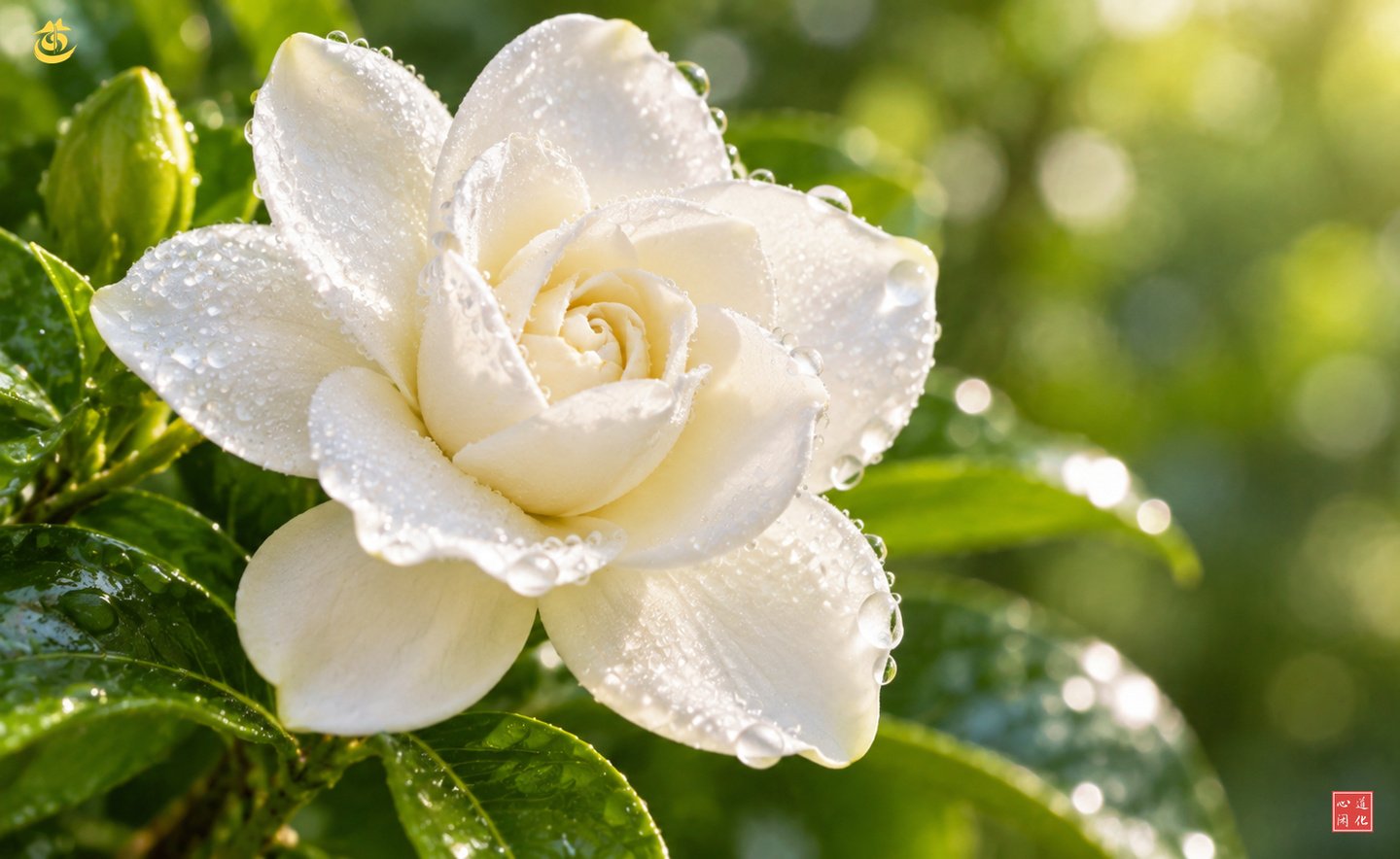
《周穆王》
红尘之中人数千,君与穆王共比肩;
昆仑山中常来客;西王母处共成仙;
金鞍玉勒妆八骏,不忆红尘杨柳烟。
旦夕宝马巡东海,脚尖踏浪手扶天;
我盼君来同修道,一望再望眼欲穿;
人言古人惜旧好,穆王年年宠新欢。
2021.5.22
Preface to the Annotated Translation of Pengzu Zhuan
6. Preface to the Annotated Translation of Pengzu Zhuan
Originally published by Yang Zi, Daozang Research, 2021-05-22
Today is a special day in my life. For years now, on this day I stop everything in my daily routine and read through my old essays again and again. Today I read a whole bundle of old diaries and began to ponder life as if passing through heaven and hell. I felt a confusion and a clarity just like going through life and death.
I don't want to turn the sofa around to look out the window. The ceiling and the bookcase seem to be the whole of life.
The weather seems not too good. After the wind and rain, the flowers have all withered. Even though it is summer in the south, with high temperatures, and far from the autumn of the north, the fresh flowers have actually lost all vitality. I took photos of a few remaining flowers with my phone, enlarged them, and studied them carefully; I found that after the flower hearts were soaked by raindrops, the high heat caused them to wither and die. Beauty is so fragile. Only the small grass, pressed close to the earth, stays proudly green.
Counting on my fingers, today is the day to update the WeChat official account. All right, I won't let your expectations down.
Even if the sky fell, the uploading of the Daozang (Daoist Canon) could not stop. Today I'll tell the story of the longest-lived immortal figure.
This essay was not originally in the uploading plan. Before translating Pengzu Shesheng Yangxing Lun, I wanted to give a brief introduction to Pengzu's story, so all kinds of documents began to gather. As I read, I found many legends about Pengzu very interesting, the nourishing-life methods plain and practical, and some materials disputed. The more I sorted, the more there was, until it became a special essay—you could call it the first shape of Pengzu Kao. But this still needs textual research on quite a few doubtful materials, so for now I won't post all of it. Starting today, I'll upload the parts about Pengzu's nourishing life from Pengzu Zhuan written by Ge Hong.
Pengzu Zhuan has many views on nourishing life, plain and solid, and there are ready-made translations, so I have organized and uploaded it. Just one note: for part of the content I consulted Mr. Xie Qingyun's translation; his writing flows more smoothly and his level of translation is higher than mine. The parts of personal understanding I added as I read along. Whatever the level may be, one's scholarly attitude must be upright—this is scholarly conscience. So noted.
Friends who have read the earlier Pengzu Shesheng Yangxing Lun will find it very helpful for understanding this essay and the two that follow.
Pengzu, a pioneer of the Daoist school, the longest-lived person of the Huaxia nation, lived 884 years and was ranked among the immortals.
Some say 884 may be the ganzhi cycle way of counting years, with 60 days making one year, so it needs converting; after conversion it comes to 145 years. Even at 145, under the living conditions of that time, it would be a remarkable longevity, worth studying and emulating. But personally I think there is a problem with this conversion too: bear in mind that we have always used the Xia calendar, and Pengzu lived from the time of Yao, Shun, and Yu through the Xia, Shang, and Zhou; by then there were already clear written records and the Xia calendar was in use, with 365 days to a year. I am not much concerned with these matters at present; for now I am only gathering materials and have not yet calculated and verified them in detail.
Others feel that over 800 years is not believable, but they cannot produce reliable evidence either. I looked up some documents for this; they are too academic and rather dry, so I will leave them out here. I personally do not want to argue about these topics. If the evidence is insufficient, neither proving nor disproving it has much scholarly value.
That our culture has a record of a human lifespan of 800 years is, however you look at it, a pride of a civilization. What a beautiful human wish. Don't live so realistically—reality is very cruel and is no good for body and mind. It is not a bad thing for a person to have some illusion and dreams. Perhaps in the future, for humanity, 800 years will not be an unreachable dream. To refuse to acknowledge what you have not experienced yourself, and to deny it outright, is a limitation of one's thinking and imagination. I hold a reverent awe toward the things I do not know, because compared with what we know, that unknown world is the truly infinite one.
Since the legends about Pengzu are so many and so ancient, let us first look at the records in the official histories:
"The ancestors of Chu came from Emperor Zhuanxu Gaoyang ... Luzhong had six sons, born by splitting and cutting open the womb. The first was called Kunwu, the second Canhu, the third Pengzu, the fourth Huiren, the fifth Cao Xing, the sixth Jilian." (Sima Qian, Shiji, Chu Shijia)
Note: Pengzu was the great-great-grandson of Emperor Zhuanxu, the third son of Luzhong, and an ancestor of the people of Chu. So it has a real background that Qu Yuan later wrote about him. By the way, in Tianwen Qu Yuan records that Pengzu made a chicken soup for Emperor Yao:
"Peng Keng served pheasant soup—why did the Emperor enjoy it? His allotted life was already long—why did he live so much longer?" (Qu Yuan, Tianwen)
The gist: Why did Emperor Yao so enjoy tasting the chicken soup Pengzu made? Pengzu already had a great many years—why did he have to live so long? From this we can see that Pengzu already existed in Emperor Yao's time, and was famous for his longevity.
...
I am very interested in that "Number One Soup Under Heaven" that Pengzu made for Emperor Yao, and suddenly I very much wanted to try it. When you order dishes in restaurants now, you can no longer get the chicken taste of childhood. So I went to buy a free-range chicken; they say an old hen has better nourishing value.
So, an old hen.
Modern sales have their methods: buy one get one free, so I had to buy two. Following Pengzu's method of stewing chicken soup (mostly my own imagination), I set about making "Pengzu Nourishing-Life Chicken" in high spirits.
The seasonings were: salt, astragalus, scallion, ginger, garlic, star anise, Sichuan pepper, cinnamon, bay leaf, fennel, tsaoko, dahurian angelica root, cardamom, and so on. In moderation.
Fire on, ingredients in, bubbling, waiting, adjusting the heat, adjusting the color—all done. Open the pot.
It tasted wonderful, with the flavor of my mother's cooking from childhood. I ate it off and on for a week, and my skin clearly improved a lot: my face glowed, and without any skin cream it was a translucent white (perhaps I put in too much dahurian angelica root; dahurian angelica root is a spice and also a Chinese medicine, with a whitening effect). So the second week I stewed another one, and again ate it off and on for a week; I felt my body had become hale and solid, hard everywhere. I hurried onto the scale: my net weight had gone up by three jin. I was about to fall apart on the spot. Half laughing, half crying, I put a soul-searching question to the scale: did those two chickens weigh three jin? Was there three jin of chicken meat? Three jin, really?
But chicken stewed that way really is delicious. When I am old and retired, I'll open a little restaurant, and one of its dishes will be Pengzu Nourishing-Life Chicken.
As for the era in which Pengzu lived, the historical materials are as follows:
"Pengzu was employed and promoted from the time of Yao onward, though specific duties had not yet been assigned." (Sima Qian, Shiji, Wudi Benji)
So Pengzu was already given important use from Emperor Yao's time. Even in documents of the Shang dynasty there are records of Pengzu's activities. The claim of an 800-year lifespan is all recorded. This is not the ganzhi way of counting years.
Among the documents that can be found, many ancient books touch on Pengzu, including Xunzi, Zhuangzi, Liezi, Taiqing Daoyin Yangsheng Jing, Chu Ci, Liexian Zhuan, Soushen Ji, Shenxian Zhuan, Taiping Guangji ...
In recent decades, people's knowledge of and belief in Pengzu has had something to do with a talk by Mao Zedong:
On October 28, 1952, when Mao Zedong came to Xuzhou, he said: "Xuzhou should be the birthplace of the study of nourishing life. In Yao's time there was a man called Jian Keng, the first nourishing-life scholar in history with written records. Yao enfeoffed him at Dapeng, that is, the area around the city of Xuzhou, and established the state of Dapeng."
"Pengzu put in enormous hard work to develop this land; he led the way in digging wells, invented cooking methods, and built city walls. Legend says he lived over eight hundred years. He was the first long-lived person in Chinese history. He also left behind a work on nourishing life, Pengzu Jing."
"Pengzu had great influence in history; Confucius himself held him in very high esteem. Zhuangzi, Xunzi, Lü Buwei, and others all discussed him. Shiji records him, and Qu Yuan's poems mention him too. Probably because his fame was so great, by the Western Han, Liu Xiang in Liexian Zhuan actually placed Pengzu in the realm of the immortals." (Li Jiaji, "Thirteen Years as Mao Zedong's Bodyguard")
(Note: I don't have Li Jiaji's book on my bookshelf; the material comes from the internet. Address: https://www.meipian.cn/3afaufp1)
In studying longevity, Chinese scientists have an innate advantage in materials and documents, because China's Daoism takes immortality as its ultimate goal, and nourishing-life classics, cultivation arts, elixirs, materia medica, and so on are beyond counting. Yet China's nourishing life, longevity, and especially its elder-care industry are at present far behind Japan's. In the last dozen years or so, people have begun to pay attention to nourishing life, and all kinds of nourishing-life products have begun to be developed, but not every effort has taken the shortest path; we have gone down quite a few wrong roads.
...
In fact, as for those who say Chinese medicine is "unscientific"—leaving aside whether they understand science, they certainly do not understand the principles of Chinese medicine. Those who do understand Chinese medicine all know that its scientific nature is far beyond what most of us can grasp. Even the "zhuyou arts" of Daoist medicine carry a scientific meaning of psychological suggestion and mental support. Studying the "zhuyou branch" has made me feel more and more that "superstition is science." Yet the Chinese-medicine people I have met do not reject Western medicine; most think there should be "a combination of Chinese and Western medicine." As for those who say "Chinese medicine is bound to die out," or "Daoism is feudal superstition," they are either lacking in understanding of the national culture or suffering from cultural inferiority. As things stand, Chinese medicine and faith in Daoist culture may be the pure land of our national culture, the last banner of our traditional culture, because, relatively speaking, the Daoist gate has not yet become a battlefield of profit, and its scientific nature is still far from being understood and recognized by the world. I did not dare say this view a few years ago; now there is more and more evidence supporting it. Many things we cannot understand: if experiments and data can explain their principles clearly, they belong to science; those that cannot be explained are still assigned to religion (for the past hundred years Chinese people have generally classed religion as superstition); and what lies between the two is philosophy. In this view I was influenced by the philosopher Russell.
......
Quite a few research institutions, on the grounds of "innovative research," get large research funds from the state treasury; after the research is done, for lack of broad application cases it cannot be converted into use, and the results are shelved. This is a very common phenomenon. Thinking it over, has the state's money been spent in vain? Have the researchers' young years been wasted?
Tu Youyou found documents in the Daozang (Daoist Canon), read of the method of low-temperature extraction of artemisinin, and thereby made a decisive contribution to wiping out malaria for all humanity; it also brought China its first Nobel Prize in science. Actually, the Daozang (Daoist Canon) still hides many more Nobel Prizes. I truly regret that I am not a chemistry major and have no lab of my own; otherwise I would long ago have begun professionally analyzing the chemical composition of the various classic formulas, tested formulas, and elixir formulas in the Daozang (Daoist Canon) (the medicinal wines and medicinal foods I fool around with at home are far from chemical analysis; they are whole-formula transmission, though with gradual fine-tuning too). We could perfectly well develop Chinese patent medicines from the classic and tested formulas recorded in ancient books, or develop new products from the various nourishing-life arts (those third-rate products that swindle the elderly don't count), or various nourishing-life health services. Because we have already entered an aging society, nourishing-life products are a basic need for the elderly; this could entirely grow into an infinitely large industry. It may be rough at the start, but industrial competition will naturally carry out the adjustment and improvement of survival of the fittest. In using ancient books, old formulas, and old methods to develop Chinese patent medicines, Japan and Taiwan do better. If there is a chance later I'll speak specially about how the Japanese use China's cultural ancient books to raise their quality of life and level of civilization. The goal of this industry's effort should be that people all over the world learn nourishing-life methods from the Chinese. Slogan: Want to live long? Go to China, that mysterious land that never ages! Heh. A culture of longevity—what nation could not envy and long for it? Anyone who has lived abroad knows the feeling: Chinese people doing taiji in a foreign park are bound to be more convincing and more appealing than lecturing others on science and technology. This is cultural confidence.
In Chinese history, emperors of every dynasty studied Pengzu's nourishing-life methods openly and secretly. About Pengzu's nourishing-life methods there are two books: one is Pengzu Jing written by Huangshan Jun, now lost; the other is Pengzu Shesheng Yangxing Lun in the Daozang (Daoist Canon), whose translation I have already uploaded to this WeChat official account.
What I am introducing to you today is Pengzu Zhuan from the works of Ge Hong; it is not a book on nourishing life, yet it is better than one.
In that era, for Pengzu to live over 800 years was truly remarkable. Pengzu's nourishing-life arts have been, throughout history, a focus of people's study and emulation. According to verifiable records, Pengzu's nourishing-life arts mainly include the following aspects:
The art of preserving and nourishing, daoyin, ingesting qi, the bedchamber arts, the art of cooking, and so on—and he was very professional in every one of them.
......
The full text of Pengzu Zhuan will begin to be uploaded starting with the next part.
As usual, two Daoqing chants:
"Life"
One kick of the legs, one shut of the eyes, and the play of a lifetime is over;
One lie-down, one cloth thrown over, and the whole village, young and old, waits for the dishes to be served;
A canopy pitched, a gust of wind, and grandsons and granddaughters come to offer flowers;
The sheng strikes up, the suona joins in, and twenty-four bows are made with full ceremony;
The rites done, the coffin lifted, and the filial sons and worthy grandsons begin to wail;
A pit dug, earth filled in, and alone I wander the road to the Yellow Springs;
A row of kin, a row of friends, wishing you ascend the Terrace of the Void;
The dishes served, the firecrackers fired, and kin and friends start grabbing for the food;
Mourning clothes not yet off, the grave not yet dry, a bustling day of burial;
Tear ducts short, mourning robes long, back from the burial they lie as a pair of mandarin ducks in the tent;
The first seven-day rite hoping, the second enduring, and the young wife already planning to run off with someone;
The third seven-day rite past, the fourth dragged through, and before the fifth the sons are fighting over the property;
One year on, paper money burned, and the weeds on the grave stand a meter high;
Two years on, no one to be seen, and no one's heart breaks for you;
Three years on, the stele's characters blurred, and surname and given name are all dust;
Life is a play, and the play bewitches the soul; by the time you see through it you are already in the coffin.
YZ.2019.12.24
The romantic story of King Mu of Zhou and the Queen Mother of the West seems like a myth, and yet is not a myth. The Daozang (Daoist Canon) records many such things.
"King Mu of Zhou"
Thousands of people in the red dust, yet you stand shoulder to shoulder with King Mu;
A frequent guest in the Kunlun Mountains; at the Queen Mother of the West's abode you become immortals together;
Gold saddle and jade bridle deck the eight steeds, with no thought of the willow haze of the red dust.
Morning and evening the fine horse tours the Eastern Sea, toes treading the waves, hand propping up the sky;
I long for you to come and cultivate the Dao with me, gazing again and again until my eyes wear through;
People say the ancients cherished old ties, yet year after year King Mu favored new loves.
2021.5.22