家道传承----传给后代什么才最有意义?
2、家道传承----传给后代什么才最有意义?
杨子 道藏研究 2016-05-31

据说,蚂蚁和恐龙是同时代的生物。庞大的恐龙早已灭绝,而小小的蚂蚁却依然生生不息,遍布这个星球的每一块土地。然而值得思考的是,人们似乎更想复制恐龙的庞大,而很少有研究蚂蚁的生存智慧。
蚂蚁是如何生存和传承的呢?
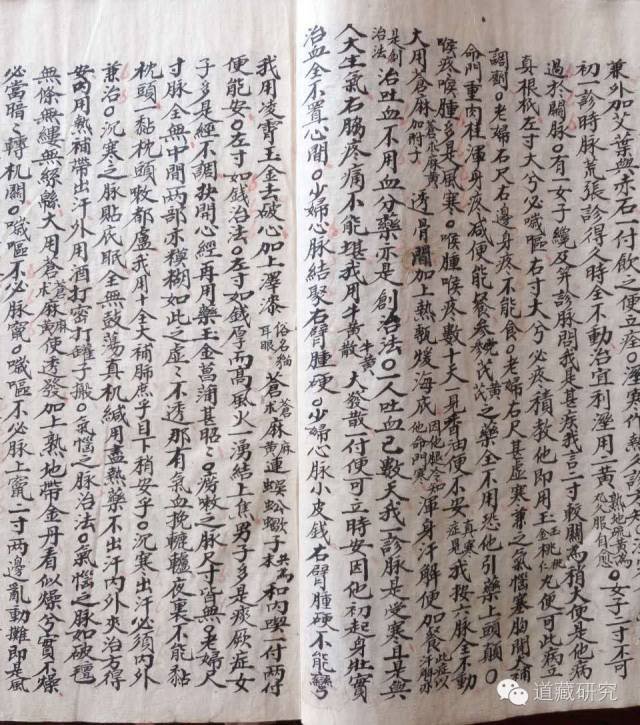
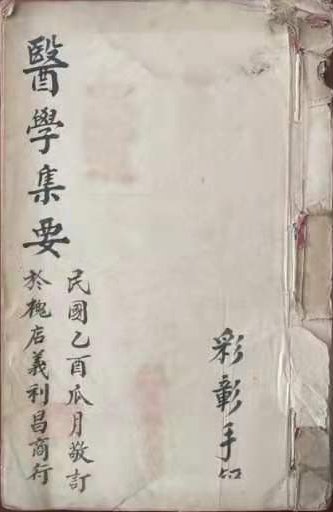
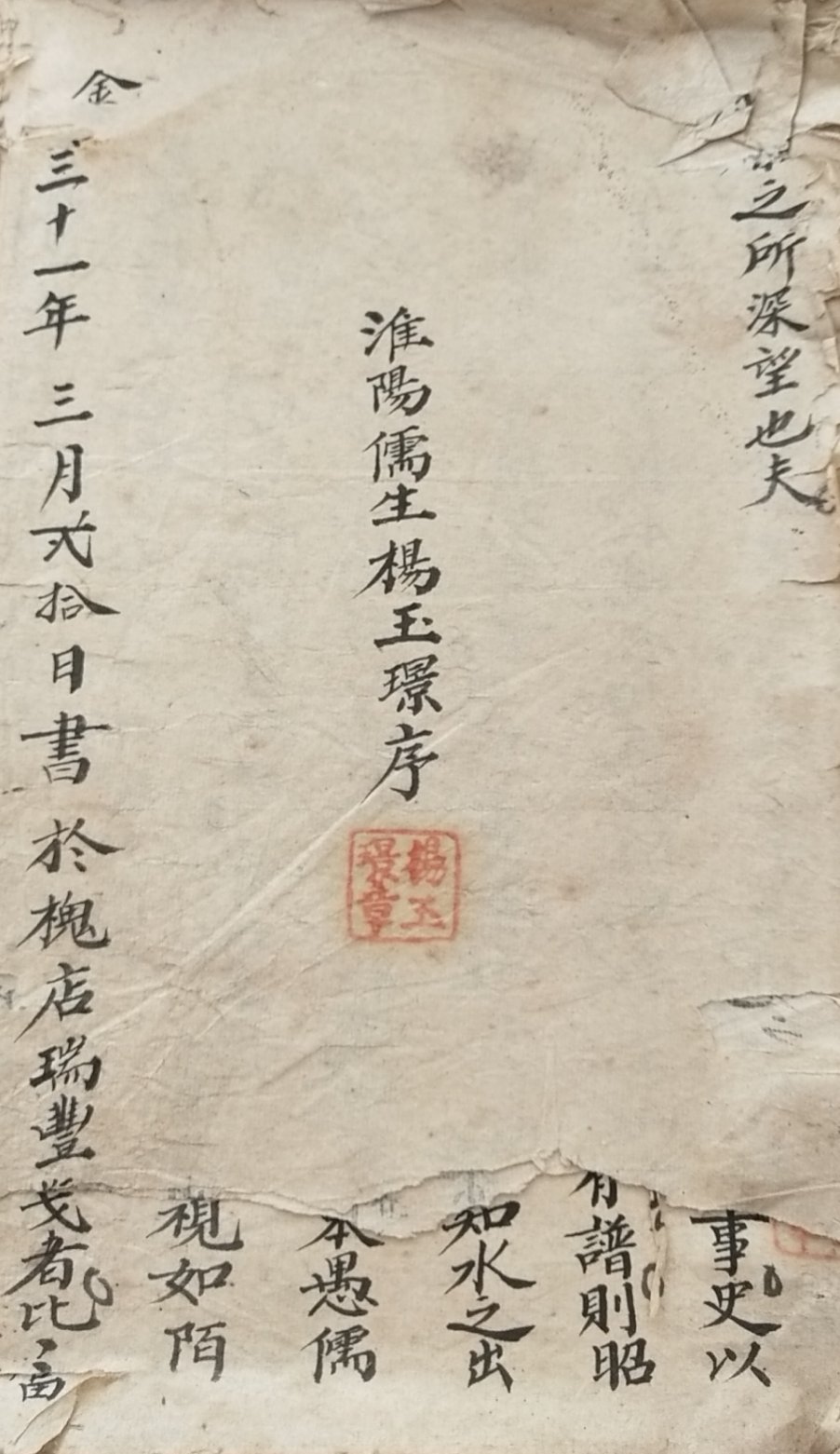
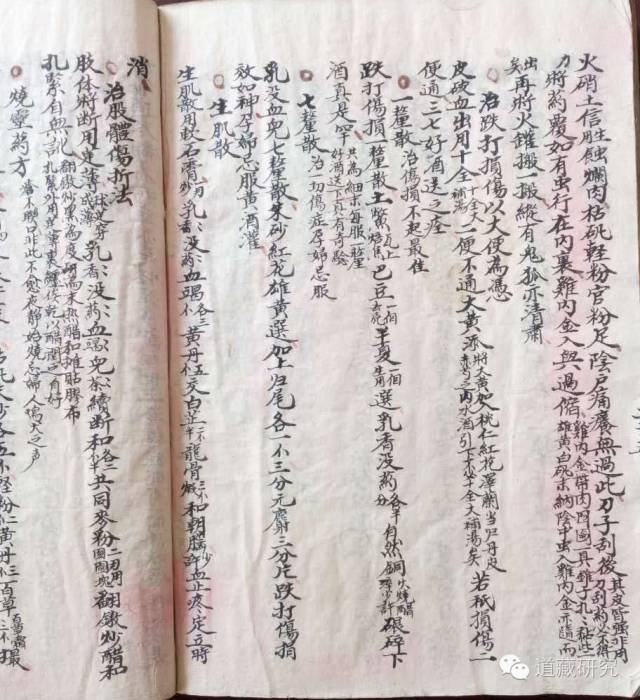
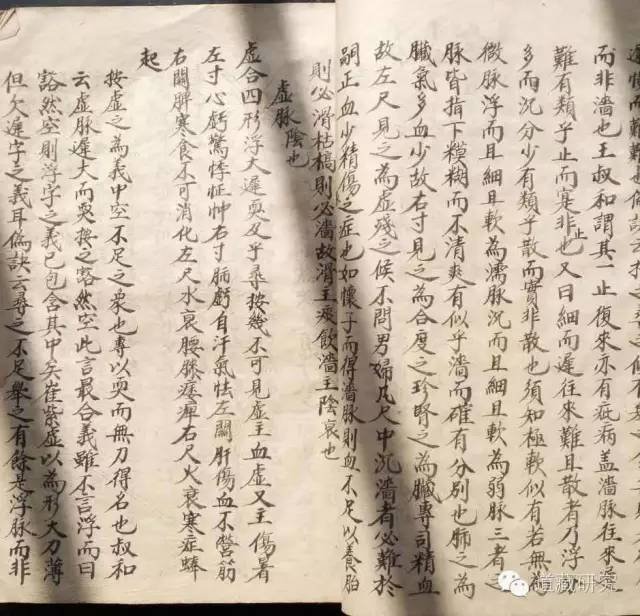
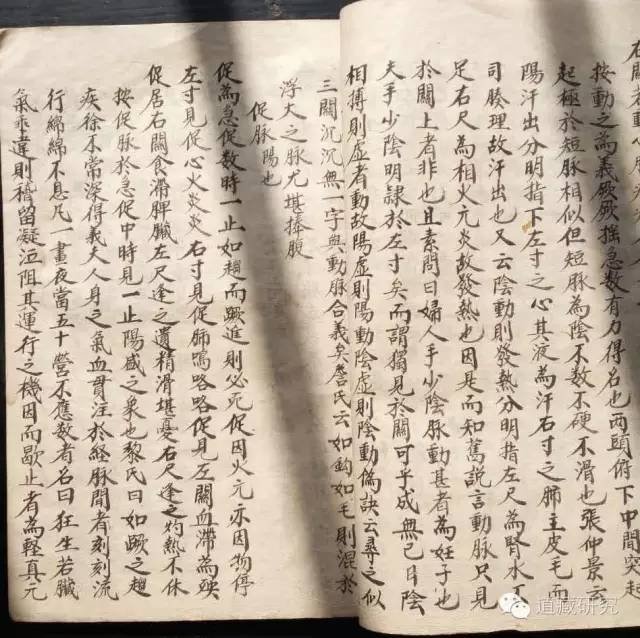
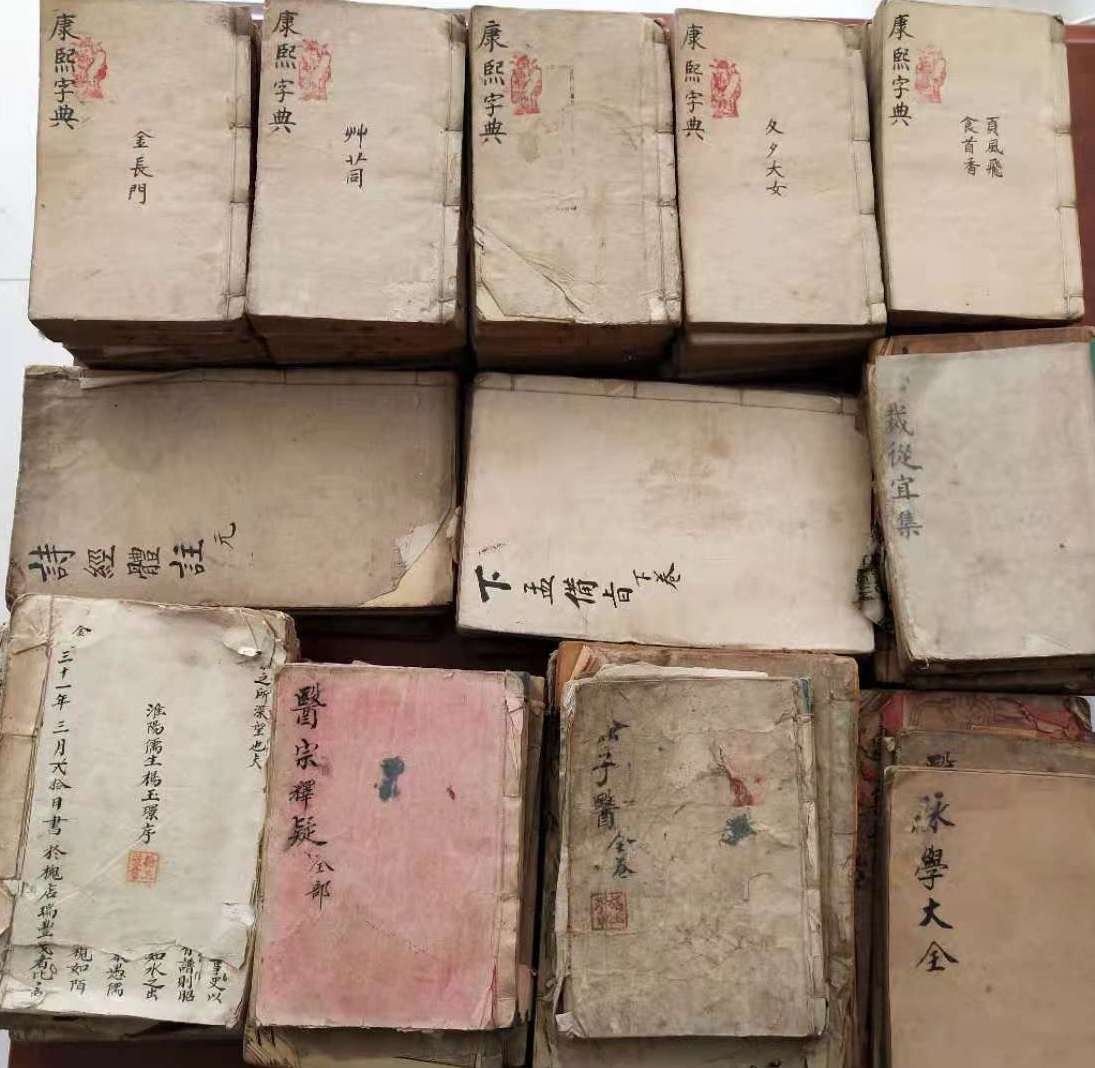
过年,是一年中与家人沟通最多的日子。昨天,收到了二哥发来的几本家里的藏书照片。照片是爷爷的手抄医书。(如图,图章中的玉璟是爷爷的名,彩章是爷爷的字,本文图片所示均为爷爷手迹)
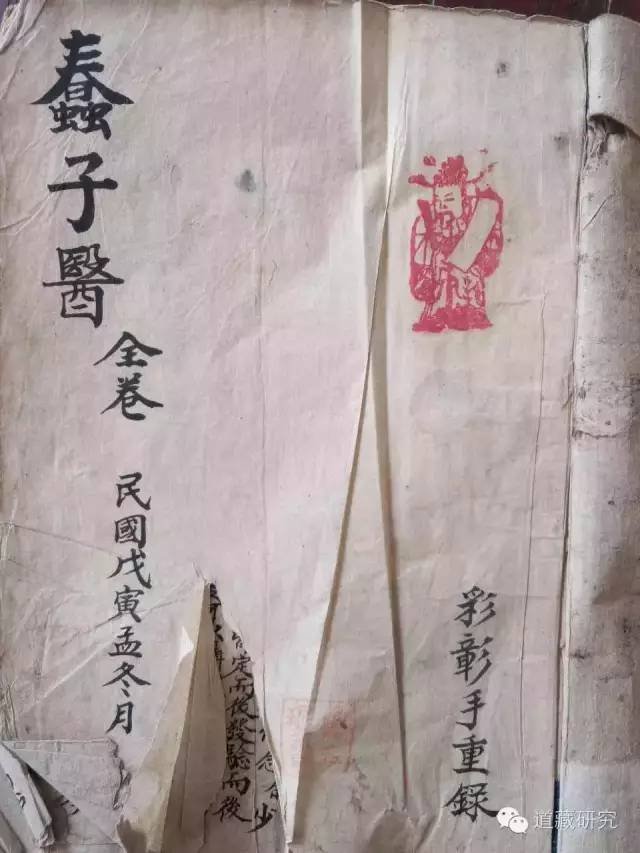
一刹那,我的心凝固了。因为在我的印象中,家里的藏书在上世纪那场革命抄家时已被烧毁殆尽。奶奶生前多次跟我讲起过那段经历,说家里成份不好,为了避免被划为资本家,不得不放弃曾经的积累,逃到乡下避难。办私塾、开祖传的中药铺,但由于买了几亩薄田,雇的有帮工,又要面临被划成地主成份的命运。------,世道离乱,家里屡遭抢劫-----,后来又逢“运动”,爷爷也在全副武装人员的监督下在十字路口烧他的藏书,父亲负责从书房往烧书地点搬运书籍,奶奶坐椅子上无助地流泪。爷爷没有一句话,沉默地烧完他的书,起身回家,吐血而逝。奶奶说她揣在大襟里几本,早已不知下落。我小时候也从未在家里的书房里看到过如此珍贵的手抄本医书。如今突然看到,那种震撼,无以言表。
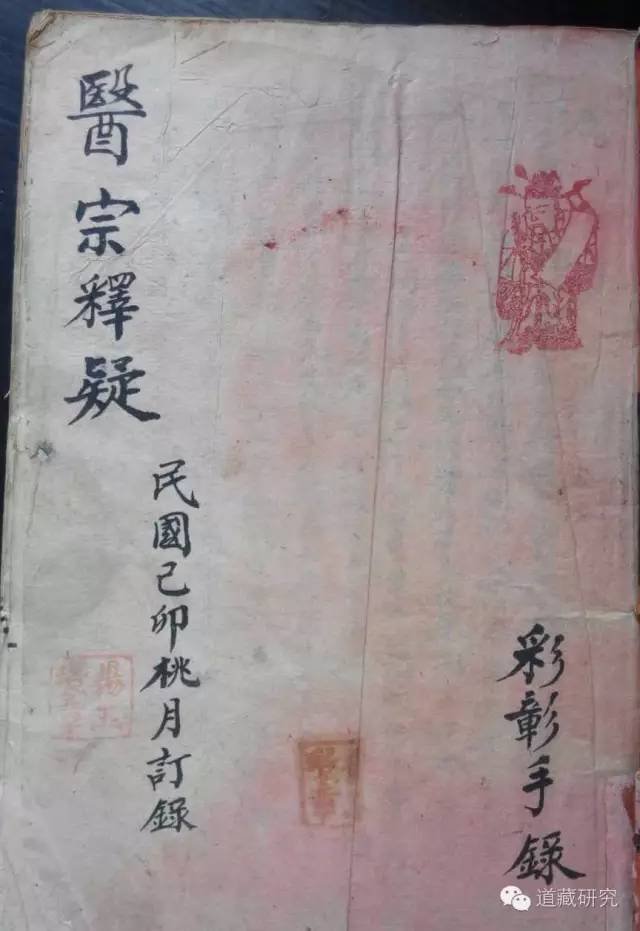
于是不免想起,现在商界流行的一个课题----家业的传承。
那些创业的企业家们都会面临基业长青和事业传承的双重问题。对于拼搏的创一代来说,生存不是最大的难题,传承才是最挂心的。到底该传给后代什么?怎么传承才代代有效?相信每一位有思维深度和广度的人都知道,财富传承、事业传承都必须伴随着精神的传承,没有精神在其中,事业、财富的传承是不可持续的。古人说“富不过三代”,是有道理的。
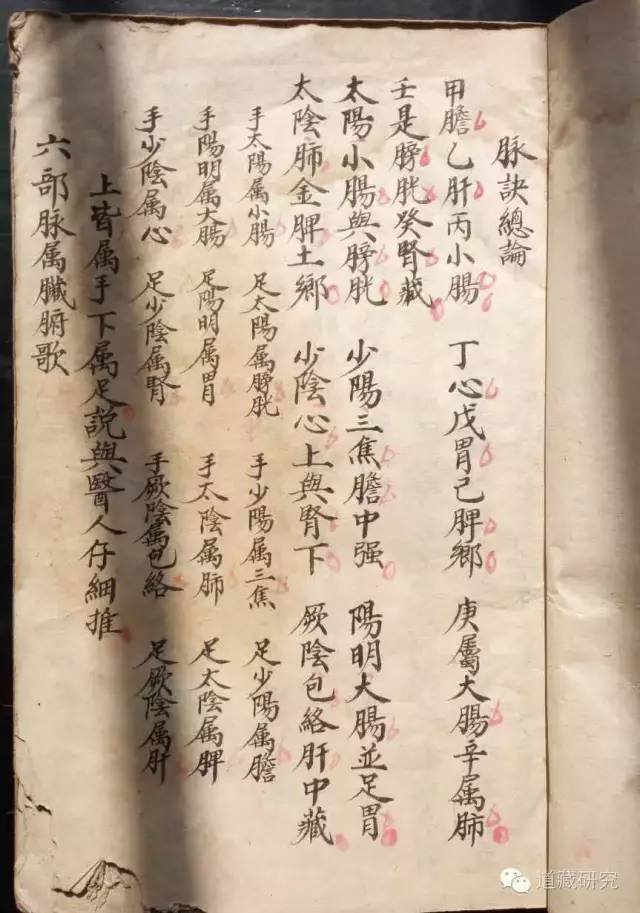
我们家的情况并不属于大显大富人家。世世代代,不官不商,只是一个平凡的读书人家,世传的中药铺朴素无华,典型的“书箱对药柜”。历经战乱,流离颠沛,但却在每一次劫难中重生并延续下来。而现在的很多辉煌企业中,每年都有大量的倒闭,颇有生死就在瞬间的感觉。2008年,政府出台了四万亿的刺激计划,新业态(以资本金融创新为主的)公司如雨后春笋,气势磅礴,但随后的一个货币紧缩措施,又有无数新企业魂丧资金链,我们经常看到“企业家跑路”、“跳楼”、“失联”等等,我是研究信仰和幸福感关系的,关注企业家的幸福与信仰的内在关系,从表面看是外在环境造成了这些企业的生死与荣枯,但其实,功利思维和急于求成、求大、求强的心态,是最不可忽略的因素。
如果一个组织,面对当下的颠簸都不能生存下来,那么又如何传承下去?
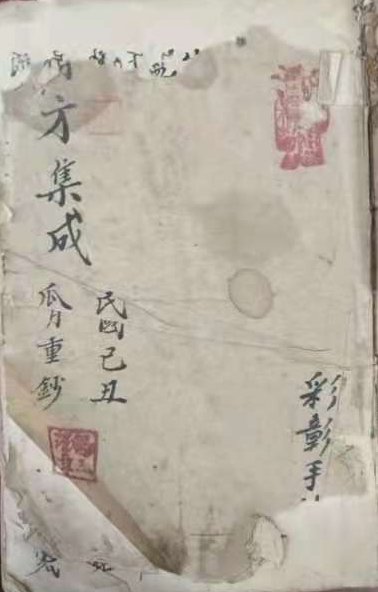
春节前,欧洲商学院的一位朋友来天津,向我介绍了他们做的一些项目,其中有一个案例讲的是德国那些存在了150年的企业,有一家甚至传承了300年。我直观地总结了这些家族企业的一个共同特点就是:规模不大、业务单一、有精神沉淀。我们也经常看到报道说日本有些面馆存在100年以上,有一家点心店居然承传200年。而昨天,在小区的电梯里,我还看到天津“泥人张”宣传照,说是现传到第六代了,一般人看来,捏个泥人而已,但作为家族事业,也传过了百年。
我想这是很多风头浪尖上正追求“效应最大化”的企业家应该思考的,所谓“风头不可出尽、才不可展尽、福不可享尽”,古人不是瞎说的。不要透支属于后代的东西,留下一些空间给他们拼搏,也是一种厚德积累。我们把煤矿挖空烧完、把稀土挖光卖尽,河里没水,山上没树,搞得水不能喝、奶不敢喝、空气无法呼吸------,到底该留给后代什么呢?
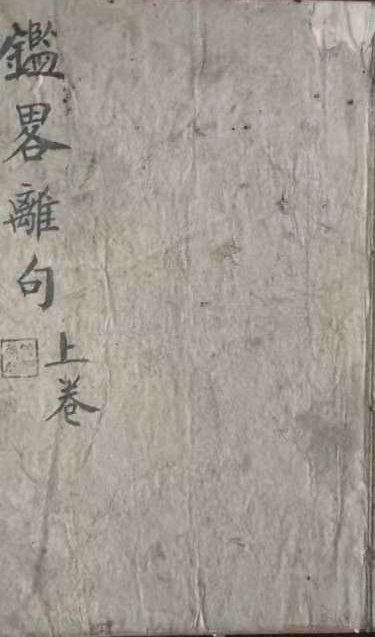
从看到爷爷手迹的一刹那,我忽然知道了什么是永恒。精神,虚无的精神,才是可以永恒相传的。整理并手抄全部的医药经典,这是怎样的一种敬业情怀?该付出多少年的勤奋才可以完成?要有多少毅力才可以代代坚持?在对医学和医药学经典的阅读、背诵、整理、抄写的过程中,医术的提升、医德的积累,岂是外人可以体会的?字里行间,透着对事业的虔诚,对疾病的重视,对病人的同情,对医学和医药学的敬畏-----这,就是敬业精神,当理解了这些时,后世子孙对尘世间的功利浮名是兴趣不起来的,这可能也是我们家的中药铺得以世代相传的真正原因吧。
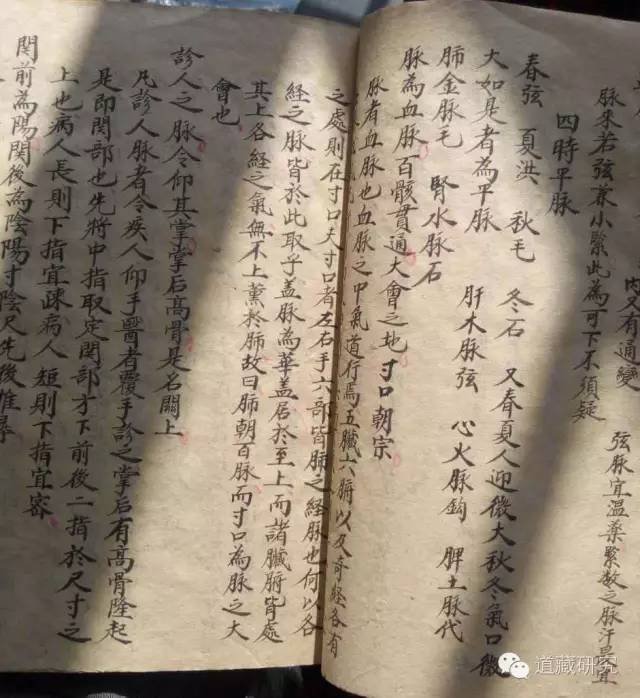
其实每个家庭都有自己的敬业精神,无论从事什么行业或职业,那些勤苦的人们靠自己的努力维持生存,不偷不抢、不贪不妄,不走“捷径”,不昧良知,每一分钱都源自勤奋和智慧,养育儿女,生生不息,就是一种敬业和美德。而无论哪家的敬业文化,都好于昨天晚上在央视春晚上虚拟疯传的“敬业福”,浮躁和膜拜永远都是敬业的人所不为的。“高坟头儿上添土”这样的俗事,不该是央视这样媒体的强项,但却做成了独门专业,做得如此赤祼和低俗,缺少起码的艺术修饰。
当“替穷人说话,为富人办事”成为新时期的官场哲学时,社会的价值观的扭曲就不是件奇怪的事。“让一部分人先富起来”、“让富的人更富”这一逻辑成为一种趋势时,民众的趋炎也就可以理解。只知道坚持“黑猫白猫”理论(哪怕那是对天理人道的违背,对规则的无视,对契约文明的践踏),而完全不思考原创人的警告:如果改革导致两极分化,改革就算失败了。社会主义与资本主义不同的特点就是共同富裕,不搞两极分化。(邓小平,《搞资产阶级自由化就是走资本主义道路》1985)
节前,听一个朋友时尚自豪地讲他高大上的资本运作朋友圈内在流行健身,某总裁一定练到68公斤,因为马云68公斤了------因为关系不错,依我从前的性格,可能就顿时就会调侃加讥讽,但在信仰加持下,现在的我一言不发地思考这一现象背后的原因,很多男人都想成为马云的原因,哪怕是相貌和体重也得向马云看齐,这到底是为啥?看看沟通气氛尴尬,于是我笑笑说:“换个话题呗?”
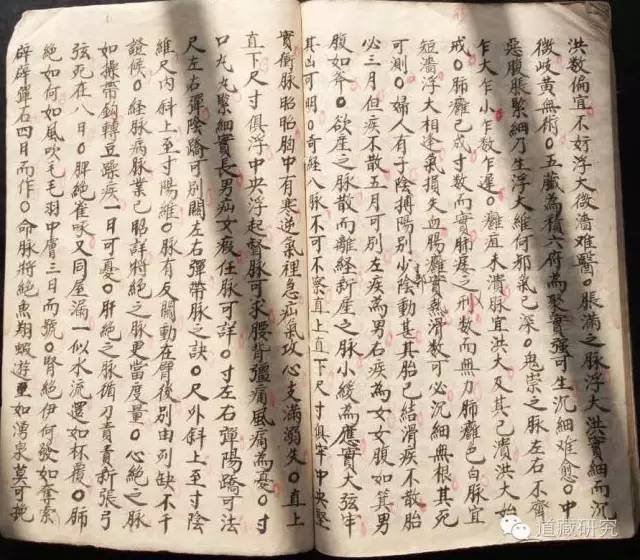
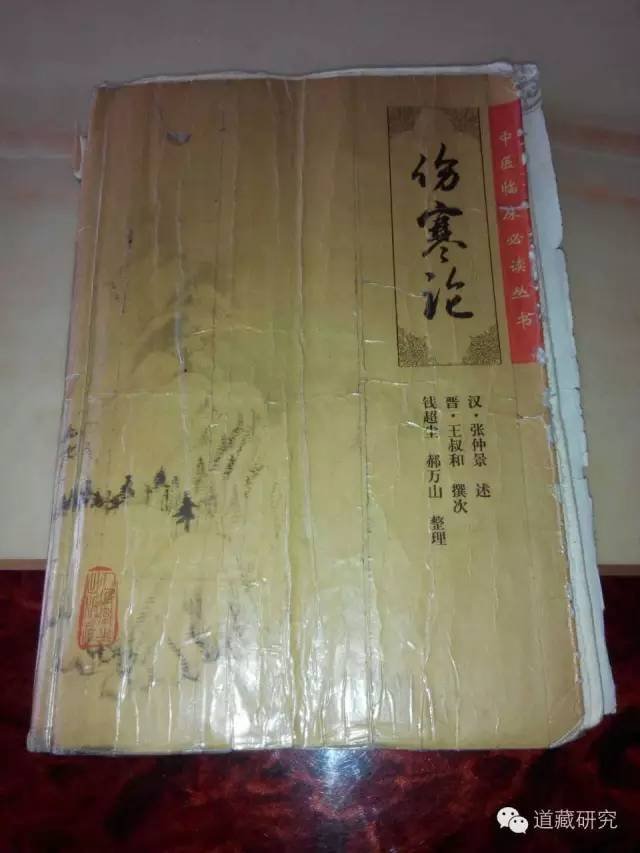
去年夏天,读河南中医学院大二的小侄儿孝慈来天津。看到他背诵的第五本《伤寒论》破烂不堪(如下图),我深受感动,如今这个年头儿,能把一部经典读烂几本儿的孩子,是值得尊敬的。
当我问起他大学毕业后的志向时,孝慈平静地说:“做个好医生”
我接着问:“怎么个好法?跟姑姑说说你想成为怎样的好医生?”孩子的回答清晰而简洁:“给人治好病,让人少花钱”。
给人把病治好,让人少花钱。这本是一个医生最起码的医德,在当今社会里,却成了一个医学专业大学生心里的至高标准。这是什么世道?经常见媒体有医患关系紧张的报道,专家说一个重要的原因是,医院秉持“让人多花钱”的原则,因为医改后有业绩考核压力。
我的小侄儿显然并不知道当医生还有这样的业绩压力。幸运的是这孩子不需要有那样的压力。因为他说想回到自家诊所去。于是我想起了《家训》第一条:行医之家,治病救人,不可有功利心。
这句话如此平淡朴素,但为什么祖上会把这句话列在家训第一条,如今有些明白了。原来,功利心是基业常青的大忌。
未来的世界变成什么样子,我们无法预知。但留给后代至善至美的训导,却可以适应一切社会的变迁。哪怕是无道的社会,人们也是尊重和向往良知美德的。在所有企业家的座右铭中,稻盛和夫的哲学---“敬天爱人”可谓简洁完美,从第一次看到这四个字,阅读稻盛氏的著作,观察他对自己哲学的践行,多年以来,我一直没发现过比这四个字更有智慧和格局的经营哲学了。世道的无常,让我对很多观念不再执着一词,凡事不太坚持单向肯定或否定的态度,但有一点可以确信的是,如今的企业家,如果谁真的能悟透了“敬天爱人”的真正的含义,并时刻从细微处践行这一哲学,那必是一个成就不朽的人,也必能成就不朽的基业。
再回到我家的中药铺。确切说,因为“传儿不传女”的家规,所以从我出生那一刻起,家业传承就与我没有任何关系,但还是想随笔略述一下我所体会过的家教“传承”。
我在家里接受的是传统教育。开蒙图书也是餐桌上父亲经常讲述的《弟子规》及三千千百(《三字经》、《千字文》、《千家诗》、《百家姓》)。在未识字之前我们都能背诵一些。我第一次听到“平平仄仄”及“对仗工巧”这些词语,就是源于父亲给我们讲解对联的经历。韵律之美总能帮助幼时的我记忆一些蒙学知识。我上学较晚,但上学前确实识过一些字,背过一些东西,至今不忘记:天对地,雨对风,大陆对长空;山花对海树,赤日对苍穹......
我对于诗词的启蒙认知,归恩于父亲。父亲作诗填词的情怀,都源于个人经历。女儿千衣读小学时,一次从老家回来。进家第一句话就是:“外公在QQ上发给我一首他写的诗”。我打开,一首七律:
岁月沧桑不平坦,年华虚度憾心田
浅读本草识药性,精研内经知病源
虽无扁鹊回生术,但有仲景妙方传
甘为春蚕吐丝尽,愿作蜡烛照人寰
昨天,是大年三十,收到家祭的视频。鞭炮声中,两位哥哥带着两个侄子(杨孝悌、杨孝慈)在母亲坟前虔诚跪拜,端庄行礼。那一瞬间,泪奔不止。然后提笔,以中药名连诗两首,怀念母亲,其中一首如下:

《观音苋》
再梦乳香知母到,附子当归续断肠;
厚朴海棠空远志,细心半夏采槟榔。
黄连穿心两面针,千层塔下五味尝;
阴香皮内定心散,阳省花下君子茫。
没药可医相思子,佛手必应千里光。
玉竹百合成六曲,云母安息一柱香。
我对中药名的认知始于小时候帮着晒中药,太阳下,我们走在药屉间翻搅,让每一味中药都均匀接受阳光,保持干燥和药性。父亲会一味一味地尝过去,并鼓励我们也学会尝药,而我,只喜欢尝甘草。印象中,别的都难吃极了(后来我渐渐明白我从小到大不生病是与家里“药熏”有直接关系的,生平第一次住院就是去生孩子)。父亲还会不时地问起某一味中药的名称和功效,哥哥们答不出来时父亲会讲解,并与他们一起品尝该药的味道。哥哥们不仅接受这样的培训,还要背医古文。我永远都会记得二哥小时候就经常被父亲拉到众人前背医古文,他六岁时就能通背《药性赋》、《汤头歌诀》等药书。他歪着脑袋,摇头晃脑地流畅背诵:“诸药赋性,此类最寒:犀角解乎心热;羚羊清乎肺肝-----”

听到众人的赞叹,父亲格外的骄傲,充满慈爱地抚摸哥哥的后脑勺,以示奖励,然后说:“去玩儿吧”,于是,二哥这个主角和我这个观众就跑出去玩儿了。但那个年代,尚不识字的二哥是怎么能把医古文倒背如流的,一直是我的心头疑惑。根据我的小人之心猜测,估计是在我和姐姐不知晓的情况下,父亲把哥哥们叫去专门开小灶教的?但这个想法立即给潜意识否了,因为背诵那么多书,达到那样流利的程度,不是一朝一夕的功夫,不象是“小班上课”的效果。但我从来没有去问过家里任何一个人。因为在我修佛习道之前,家里“重男轻女”的政策时不时地让我隐隐伤心,是我知道世道不公的最初体验,也是我自幼勤奋有加的原因之一。进入大学震惊的第一件事,就是同班同学,录取分数可以相差一百多分,那时候才知道啥叫天大的不公。相比之下,家教中的那点不公根本不算事了。佛道加持之后,我渐渐理解、接受并放下了心中的计较,于是也没有去问的必要了。
但我相信一点,就是学前教育重要到可以影响孩子的一生。古人说“三岁看大,七岁看老”,是有道理的。而且我也相信给小孩子背书是一种最便捷的教育,越是低年龄的孩子,越好启蒙,孩子没有分别心,好奇心足以使儿童快速记忆大量的信息,尽管理解和消化是另外一回事。我从对女儿千衣的教育上,证实了这一点。为了在非母语环境下让孩子学好英文,当时替孩子选择了英文先开口(谈不上后悔之说,但如果时光倒流,我会让孩子先背诵古文而不是英文,可惜孩子的幼儿期只有一次,不能重来)。于是在女儿读幼儿园之前,她能唱诵三百多首英文儿歌。所以孩子从读幼稚园开始,英文从来没有去正儿八经地学习过,甚至连考前训练都不做,她在初中时就意译《道德经》成英文,对千衣来说,英文从来不是一门功课,只是一种获取知识和信息的工具。但近几年我才发现,她小时候会唱的那些英文歌,大部分都不记得了,有些听到时会“觉得耳熟”。于是我觉得她背诵那些儿歌是启蒙时期的懵懂记忆,只是对起步阶段有引导作用,其实这就足够了。就象是天上的第一滴雨落在地上,那砸出的第一坑就是河流的起点,那起点就决定的河流的走向,先冲刷出的那个小坑就是后来的河床。当河流壮大时,支流汇聚,而入江海,那最初的一滴雨之于江海,可能微不足道,但却是一切的开始,至关重要。奔腾江河,始于水滴。

很多家长可能忽略了那第一滴水的道力。从一开始教育就端着各种盆浇上来了,书法、绘画、舞蹈、音乐、奥数------,于是孩子的脑子里湖水连片,但很难全部涓涓流长,因为孩子的时间是有限的,没法保持全面专一和兴趣,很可能学着学着就没兴趣了。“人之情,不能乐其所不安,不能得其所不乐”(吕不韦,《吕氏春秋》),人之常情,无法喜欢自己觉得不安的事物,不能从不喜欢的事物中有所得。
如何才能让后代对自己开创的事业有兴趣,可能是每一个创业者都需要面临的问题。兴趣问题解决了,传承是一种自然的事。
关于传承,个人目前粗浅的理解是:传承不是孩子长大成人后突然接班,而是那种精神早已在后代的血液里溶化。传承也不是仪式的传递,而是思维方式和行为模式的延续;不是一种后代对前代的承诺,而是一种沉甸甸的理解和吸收;不是创业者对后代自上而下的期盼,而是德化后代对先辈发自内心的敬仰,从而生出强烈的使命感;传承不是物质的保存和给予,而是精神的延续和演绎。
事业怎么做才更好呢?最大?最强?最久?最有意义?创业者没有固定的模式,守业者也没有。但精神的感化才是行动的力量,基业常青靠的是顺应现世的规则,事业传承靠的是顺应天道自然,敬天爱人确实是一条曲折的捷径。中国历史上,那些千秋万代的帝王基业,无论多少代,帝业传承终归失败,而且都是败在了“无道”、“失民心”之上。这个民族终结了帝制,走向了共和。那些历史上辉煌无限的君王及荡气回肠的英雄们,不知道他们的子孙后代都在哪里了。而生前在各国颠沛流离、终其一生都找不到工作的孔子,用他自己的话说就是如“丧家之犬”,但他的后代却世享尊荣,体面尊贵地在世上延续了两千多年。直到今天,人们依然尊孔奉孔。无论江山如何变迁,历朝历代的君王都善待孔门子孙。什么原因?
精神感化世人,德行泽被后世。
这是中国传承最经典的案例。
唯有虚无的精神,才是实在的永恒。
祝您家道兴盛,代代传承,基业永续!
杨子 2016.2.8
Carrying On the Family Dao: What Is Most Meaningful to Hand On to One's Descendants?
2. Carrying On the Family Dao: What Is Most Meaningful to Hand On to One's Descendants?
By Yang Zi, Daozang Yanjiu, 2016-05-31
It is said that ants and dinosaurs were creatures of the same era. The enormous dinosaurs long ago went extinct, while tiny ants still breed on without end, spread across every inch of land on this planet. Yet what is worth pondering is that people seem far more eager to replicate the enormity of the dinosaurs, and few study the survival wisdom of the ants.
How do the ants survive, and how do they pass things on?
The New Year is the time of the most family talk in a year. Yesterday I received from my second brother photographs of several books in the family collection. The photographs show Grandfather's hand-copied medical books. (As in the pictures: in the seals, Yujing is Grandfather's given name and Caizhang his courtesy name; all images shown in this essay are in Grandfather's own hand.)
For an instant my heart froze. In my memory, the family's book collection had been burned to nothing in the house-raiding of that revolution in the last century. Grandmother spoke of that experience many times in her life: the family's class background was bad, and to avoid being branded capitalists they had to give up what they had once accumulated and flee to the countryside for refuge. They ran a family school and the ancestral Chinese-medicine shop, but because they had bought a few acres of thin farmland and hired helpers, they again faced the fate of being classed as landlords------, and in those chaotic times the family was robbed over and over-----, and later came the "campaigns": Grandfather, watched by fully armed men, burned his book collection at the crossroads; Father carried the books from the study to the burning place; Grandmother sat in a chair, weeping helplessly. Grandfather said not a word; he burned his books in silence, rose, went home, vomited blood, and died. Grandmother said she had tucked a few volumes inside her lapel; their whereabouts were long since unknown. As a child I never saw any such precious hand-copied medical books in the family study. To see them now, all at once--the shock is beyond words.
So I could not help thinking of a topic now fashionable in business circles: the handing-on of the family enterprise.
Every founding entrepreneur faces the twin problems of a lasting foundation and the succession of the enterprise. For the striving first generation, survival is not the hardest problem; succession is what weighs most on the heart. What exactly should be handed on to the descendants? How must it be handed on to stay effective generation after generation? Everyone with depth and breadth of mind knows it: the passing-on of wealth and of enterprise must be accompanied by the passing-on of spirit; without spirit in it, the succession of enterprise and wealth cannot be sustained. The ancients' saying "wealth does not last past three generations" holds reason.
Our family's case does not belong to the great and the rich. Generation after generation, neither officials nor merchants, just an ordinary family of readers; the inherited Chinese-medicine shop was plain without luster, a typical "book chest facing the medicine cabinet." Through war and displacement it was, in every calamity, reborn and carried on. Yet in many of today's brilliant companies, great numbers close every year--one feels life and death hang on an instant. In 2008 the government issued the four-trillion stimulus plan, and companies of the new forms (chiefly capital and financial innovation) sprang up like bamboo shoots after rain, magnificent in force; but with one later measure of monetary tightening, countless new enterprises lost their souls to broken capital chains. We often saw "entrepreneurs on the run," "jumping from buildings," "out of contact," and the like. I study the relation between faith and the sense of well-being, and attend to the inner relation between entrepreneurs' happiness and faith. On the surface it is the outer environment that causes these companies' life and death, their blooming and withering; but in fact the utilitarian cast of mind, and the eagerness for quick success, for bigness, for strength, are the factors that cannot be overlooked.
If an organization cannot even survive the jolts of the present, how will it pass itself on?
Before the Spring Festival, a friend from a European business school came to Tianjin and introduced some of their projects, one a case study of German enterprises that have existed for 150 years, one even handed down for 300 years. I summed up by intuition one common trait of these family firms: modest scale, a single line of business, a sediment of spirit. We also often see reports that some noodle shops in Japan have existed for more than a hundred years, and one confectioner has passed down a full two hundred years. And yesterday, in the elevator of my compound, I saw the publicity photo of Tianjin's "Clay Figure Zhang," saying it is now carried on in the sixth generation. To ordinary eyes it is merely kneading little clay figures, but as a family undertaking it too has passed the hundred-year mark.
I think this is what many entrepreneurs riding the crest in pursuit of "maximizing effect" ought to ponder. As the ancients said, "do not spend all the glory, do not unfold all the talent, do not enjoy all the fortune"--they did not speak idly. Do not overdraw what belongs to your descendants; leaving them some room to strive is itself an accumulation of deep virtue. We have dug out and burned the coal, dug up and sold out the rare earths; the rivers have no water, the hills no trees, until the water cannot be drunk, the milk dare not be drunk, the air cannot be breathed------. In the end, what should be left to the descendants?
From the instant I saw Grandfather's handwriting, I suddenly knew what is eternal. Spirit--the intangible spirit--is what can be passed on forever. To collate and hand-copy the whole of the medical classics: what a devotion to craft is that? How many years of diligence must it cost? How much perseverance does it take to keep it up generation after generation? In the reading, reciting, collating, and copying of the classics of medicine and materia medica, the raising of medical skill and the storing of medical virtue--how could an outsider taste it? Between the lines seep devotion to the calling, seriousness toward illness, compassion for the sick, and reverence for medicine and materia medica-----this is the spirit of devotion. Once one understands this, the descendants of later ages can raise no interest in the utilitarian hollow fame of this dusty world; and this, perhaps, is the real reason our family's medicine shop was handed down generation after generation.
In fact, every family has its own spirit of devotion. Whatever the trade or calling, those hard-working people who keep alive by their own effort--stealing nothing, robbing no one, grasping nothing, overreaching nothing, taking no "shortcut," never darkening conscience, every cent coming from diligence and wisdom, raising sons and daughters and breeding on without end--that itself is devotion and virtue. And whatever family's culture of devotion, it beats the "Devotion Fu" that went virtually viral on last night's CCTV Spring Festival Gala. Restlessness and worship are things the devoted never do. Vulgar business like "adding earth to the tall grave-mound" should not be the strong suit of a medium like CCTV, yet it was made into a monopoly trade, done so nakedly and coarsely, lacking the least artistic gloss.
When "speaking for the poor while working for the rich" becomes the officialdom philosophy of the new period, it is no strange thing that the values of society are twisted. When the logic of "letting some people get rich first" and "letting the rich grow richer" becomes a trend, the people's flocking toward the powerful can be understood. Only to insist on the "black cat, white cat" theory (even if that runs against heavenly principle and the human way, against regard for rules, trampling the civilization of contract), while never once pondering the originator's own warning: if reform leads to polarization, reform has failed. The feature that sets socialism apart from capitalism is common prosperity, not polarization. (Deng Xiaoping, "To Advocate Bourgeois Liberalization Is to Take the Capitalist Road," 1985)
Before the festival, I heard a friend, fashionable and proud, telling how fitness was now all the rage in his high-end capital-operation circle of friends--some president determined to train down to 68 kilos, because Jack Ma weighs 68 kilos------. Being on good terms with him, in my old temper I would at once have mocked and needled; but with faith holding me up, the present me said not a word, and quietly pondered the reason behind the phenomenon: why do so many men want to become Jack Ma, even aligning looks and weight with Jack Ma? Seeing the talk turn awkward, I smiled and said, "Shall we change the subject?"
Last summer, my youngest nephew Xiaoci, a second-year student at Henan University of Chinese Medicine, came to Tianjin. Seeing his fifth copy of the Shanghan Lun worn to tatters (as in the photo below), I was deeply moved. In this day and age, a child who can read a classic to pieces, copy after copy, deserves respect.
When I asked about his aims after graduation, Xiaoci said calmly: "To be a good doctor."
I went on asking: "Good in what way? Tell Auntie what sort of good doctor you want to become." The child's answer was clear and brief: "Cure people's illness, and let them spend less money."
To cure people's illness and let them spend less money: this, the very minimum of a doctor's medical conscience, has become the highest standard in the heart of a medical student today. What sort of world is this? The media often carry reports of doctor-patient tension; the experts say one important reason is that the hospitals hold to the principle of "making people spend more," because after the medical reforms there is the pressure of performance appraisal.
My little nephew clearly has no idea that doctors face such performance pressure. Happily, the child need not bear it, for he said he wants to go back to the family's own clinic. Then I recalled the first article of the "Family Instructions": a house that practices medicine, healing the sick and saving life, must harbor no utilitarian heart.
The sentence is so plain, yet why did our ancestors set it first in the family instructions? Now I partly understand. The utilitarian heart, it turns out, is the great taboo of a lasting foundation.
What the future world will become, we cannot foresee. But instruction left to descendants of the utmost goodness and beauty can weather every change of society. Even in an age without the Way, people still respect and yearn for conscience and virtue. Among the mottoes of entrepreneurs, Inamori Kazuo's philosophy--"revere heaven, love man"--may be called concise and perfect. From the first sight of those four characters, reading Inamori's books and watching him practice his own philosophy, in all these years I have never found a philosophy of management wiser or larger in frame than those four characters. The world's inconstancy has made me no longer pin myself to single words on many notions; on most things I no longer hold a stance of one-way affirmation or denial. But one thing I can affirm: the entrepreneur of today who truly sees through the real meaning of "revere heaven, love man," and practices that philosophy at every small point at all times, will surely be a person who achieves the imperishable, and will surely build an imperishable foundation.
To return to our family's Chinese-medicine shop. Strictly speaking, because of the family rule "pass to sons, not to daughters," from the moment of my birth the succession of the family enterprise had nothing to do with me. Even so, let me sketch in passing the "handing-on" of family teaching as I myself lived it.
My education at home was traditional. The first readers were also the Dizi Gui that Father so often expounded at the dinner table, and the "three thousand and hundred" (the Sanzi Jing, the Qianzi Wen, the Qianjia Shi, the Baijia Xing). Before we knew characters, we could already recite parts of them. I first heard the words "level and oblique tones" and "workmanlike antithesis" from Father explaining couplets to us. The beauty of rhythm always helped the child I was to memorize primer learning. I started school late, but before school I had indeed learned some characters and memorized some things, not forgotten to this day: heaven pairs with earth, rain with wind, the great land with the boundless sky; mountain flowers pair with sea trees, the red sun with the vault of heaven...
My first awakening to poetry I owe to Father. The feeling in Father's poems and ci lyrics all sprang from his own experience. When my daughter Qianyi was in primary school, she once came back from the old home, and her first words on entering the house were: "Grandfather sent me a poem he wrote on QQ." I opened it: a seven-character regulated verse:
Years and upheaval, a road not smooth; the flower of age vainly spent, regret in the heart's field;
Lightly reading the Bencao to know the herbs' natures; deep in the Neijing to trace the source of illness;
Though I lack Bian Que's art of bringing the dead back to life, I have Zhongjing's wondrous prescriptions to hand on;
Glad to be the spring silkworm spinning silk to its end; willing to be the candle lighting the world of men.
Yesterday was New Year's Eve; I received the video of the family rites. Amid the firecrackers, my two elder brothers led the two nephews (Yang Xiaoti and Yang Xiaoci) kneeling in devotion before Mother's grave, performing the bows with gravity. In that instant my tears rushed out beyond holding. Then I took up the pen and joined two poems entirely of Chinese-medicine names, in memory of Mother; one of them runs:
"Guanyin Amaranth"
Again in dream: frankincense, and the "know-the-mother" arrives; aconite with angelica join the severed gut;
Houpu on the crabapple, the "far-going will" gone empty; "faint care" at mid-summer plucking the betel;
The "yellow link" pierces the heart, the "two-faced needle"; beneath the thousand-layer pagoda the five flavors are tasted;
Within the "yin-fragrance" bark, the heart-settling powder; beneath the "yang province" flower, the gentleman at a loss.
There is no myrrh to cure the "lovesick seed"; the Buddha's hand must answer the thousand-li light.
Solomon's-seal and lily join into the six qu; mica and storax, one pillar of incense.
My knowledge of Chinese-medicine names began in childhood, helping to sun-dry the medicines. In the sun we walked between the medicine drawers, turning them over, so that every herb took the sunlight evenly, keeping dry and keeping its potency. Father would taste them one by one, and encouraged us to learn to taste medicines too; and I liked only the licorice root. In my memory everything else tasted dreadful (later I slowly understood that my never falling ill from childhood to adulthood was directly tied to the family's "medicine-fumigation"; the first time in my life I entered a hospital was to give birth). Father would also now and then ask the name and function of some herb; when my brothers could not answer, Father would explain, and taste that medicine's flavor together with them. My brothers not only took this training but had to recite the classical prose of medicine. I will forever remember my second brother, still a little boy, being pulled by Father in front of the crowd to recite: at six he could recite through the Yaoxing Fu, the Tangtou Gejue, and other medicine books. Head tilted, swaying and nodding, he recited fluently: "Of all medicines' assigned natures, this class is coldest: rhinoceros horn clears the heat of the heart; antelope horn purifies lung and liver-----"
Hearing the crowd's admiration, Father was extra proud; full of tenderness he stroked the back of my brother's head as a reward, then said, "Go and play." And so second brother the leading man and I the audience ran out to play. But how a brother not yet lettered, in those years, could recite the classical prose of medicine backward and forward has always been the puzzle in my heart. With my own petty suspicions, I supposed Father had called the brothers aside, without me or my sister knowing, and given them special private lessons? But that thought my subconscious struck down at once: to recite that many books to such fluency is no work of a day or a night; it did not look like the effect of a "small-class lesson." Yet I never went and asked anyone in the family. For before I took up Buddhism and practiced the Dao, the family's policy of "valuing sons, slighting daughters" now and then quietly hurt me; it was my earliest taste of the world's unfairness, and one reason I was diligent beyond my years from childhood. The first shock on entering university was that classmates in the same class could differ by more than a hundred points in admission scores; only then did I know what heaven-sized injustice means. Beside that, the little unfairnesses of family teaching were nothing at all. With the blessing of Buddha and the Dao, I slowly understood, accepted, and let go of the grudge in my heart; and so there was no longer any need to ask.
But I believe one thing: that education before school matters enough to mark a child's whole life. The ancients said "at three one sees the grown; at seven one sees the old," and it holds. And I believe that having little children memorize books is the handiest education: the younger the child, the easier the first opening; the child carries no preconceived distinctions, and curiosity alone lets a child take in great masses of information fast--understanding and digesting it is another matter. I verified this in the education of my daughter Qianyi. To have her learn English well in a non-native environment, I then chose English first (there is no talk of regret; but if time ran backward, I would have had her first memorize classical Chinese, not English; a pity that a child's early years come only once and cannot be redone). So before she entered kindergarten she could sing and chant more than three hundred English nursery songs. From kindergarten on, English was never something she studied in any serious sense--not even pre-exam drills; in middle school she rendered the meaning of the Daodejing freely in English. To Qianyi, English was never a school subject, only a tool for getting knowledge and information. But only in recent years have I found that most of the English songs she knew as a child she no longer remembers; some merely "sound familiar" when heard. So I think the nursery songs she recited were the dim memory of the years of first opening, guiding only the start--and that is quite enough. Like the first raindrop of heaven falling to earth: the little pit it strikes is the river's starting point, and that starting point fixes the river's course; the small pit first scoured out becomes the later riverbed. When the river grows mighty, the tributaries gather and enter rivers and seas; that first raindrop, set against river and sea, may count for nothing, yet it is the beginning of everything, and all-important. The rushing rivers begin from drops of water.
Many parents perhaps overlook the Dao-power of that first drop of water. From the very start, the education comes pouring on with basins of every kind: calligraphy, painting, dance, music, olympiad mathematics------. So the child's mind becomes a sheet of joined lakes, but it is hard for all of them to run on long and slender, for the child's time is limited, and full singleness of interest cannot be kept; very likely, learning along, the interest dies. "In the nature of humans, one cannot delight in what one feels uneasy in, nor gain from what one does not delight in" (Lü Buwei, Lüshi Chunqiu): it is the way of human nature that one cannot like what one feels ill at ease in, and cannot gain from what one does not like.
How to make the descendants take interest in the enterprise one has founded may be the question every founder must face. Once the question of interest is settled, succession is a natural thing.
On succession, my present shallow understanding is: succession is not the child suddenly taking over upon growing up; it is that the spirit long since melted into the descendants' blood. Succession is not the handing-over of a rite, but the continuing of a way of thinking and a pattern of acting; not a promise of descendant to forebear, but a weighty understanding and absorption; not the founder's expectation from above down, but virtue moving the descendants to a heartfelt reverence for their forebears, whence a strong sense of mission springs; succession is not the keeping and giving of things, but the carrying-on and unfolding of spirit.
How should the enterprise be run to run better? Biggest? Strongest? Longest-lasting? Most meaningful? Founders have no fixed model, and neither do the keepers. But the moving of spirit is the power of action; a lasting foundation rests on according with the world's present rules; the succession of an enterprise rests on according with the Dao of nature: "revere heaven, love man" is indeed a winding shortcut. In Chinese history, those imperial foundations meant for a thousand autumns and ten thousand generations--however many the generations, the succession of the imperial enterprise failed in the end, and every one failed upon "losing the Way" and "losing the people's heart." This nation ended the imperial system and turned toward the republic. Where now are the descendants of those sovereigns once boundlessly glorious, and of those soul-stirring heroes? And Confucius, who drifted homeless among the states all his life and could nowhere find work--in his own words, like a "dog of a house in mourning"--his descendants have enjoyed honor after honor, continuing in the world, dignified and honored, for more than two thousand years. To this day, people still honor and venerate Confucius. However the realm changed, the rulers of every dynasty treated the descendants of the Kong house well. What is the reason?
Spirit moves the people of the world; virtue shelters the generations to come.
This is China's most classic case of succession.
Only the intangible spirit is real eternity.
May your family's Dao flourish, pass on generation after generation, and your foundation last forever!
Yang Zi, 2016.2.8