青龙、白虎、朱雀、玄武---有情风水(二)
2、青龙、白虎、朱雀、玄武---有情风水(二)
长假,最想做的事,就是静坐、发呆,或者,上线唠叨一会,和大家说说话。如前所约,今天聊点风水---四象有情。
上一次聊这个话题,叫“有情风水(一)”,说的是峦头风水的一个实证案例,怎么通过看坟头知道墓下的情况。今天继续“有情风水(二)”。
一般风水入门话题,都先从风水的“四象”开始。这是最基础的,今儿,先介绍几个基本概念词汇,不然后面的内容不好展开聊。
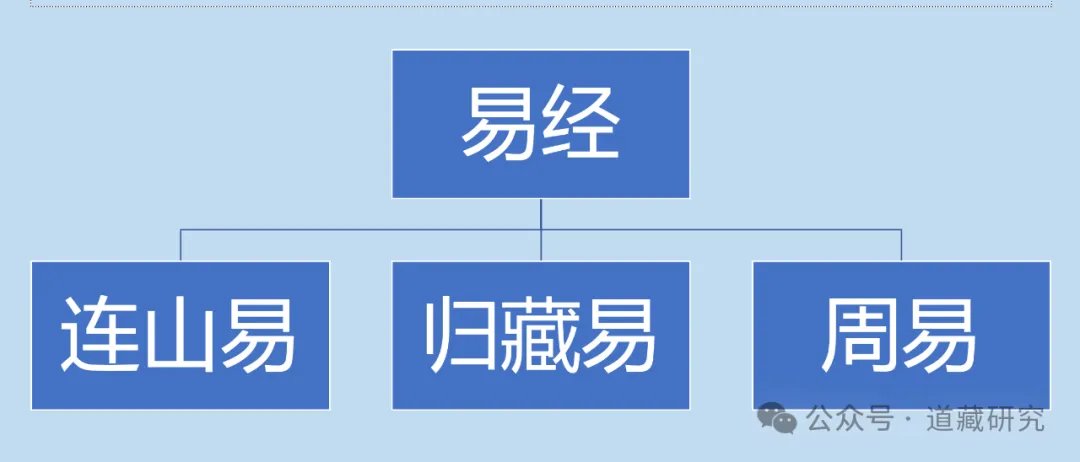
中国人一开口,就先挖到根上---《易经》。我们通常说的《易经》,指的都是《周易》。本来咱们有“三易”,分别是《连山易》、《归藏易》和《周易》。由于前两者都佚失了,于是只有《周易》了,自古以来,被中国人奉为“万经之首”,有无上的智慧和无尽的神秘感。
《易》曰:太极生两仪,两仪生四象。这个四象,就有了很多解释。
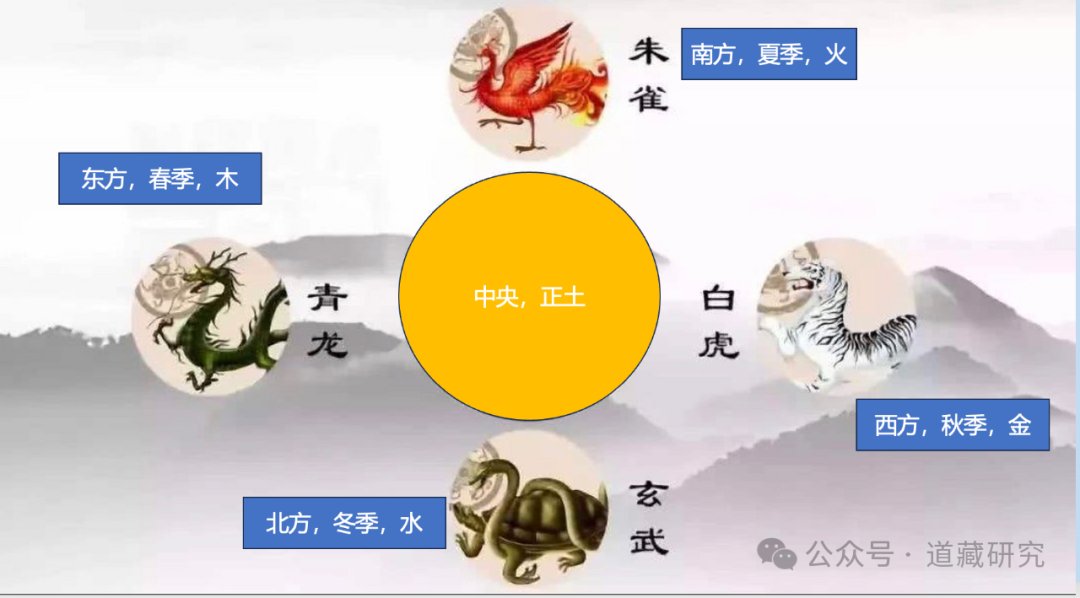
四象的最早渊源是天文,古代的星宿崇拜,古代的天文学家把黄道附近的恒星群划分为二十八组星宿,按照它们的方位与排列,加上超越现代人千万倍的想像力,给这些星宿进行了命名,分别是:
神兽 方位 星宿来历
青龙 东方 东方七宿(角、亢、氐、房、心、尾、箕)
白虎 西方 西方七宿(奎、娄、胃、昴、毕、觜、参)
朱雀 南方 南方七宿(井、鬼、柳、星、张、翼、轸)
玄武 北方 北方七宿(斗、牛、女、虚、危、室、壁)
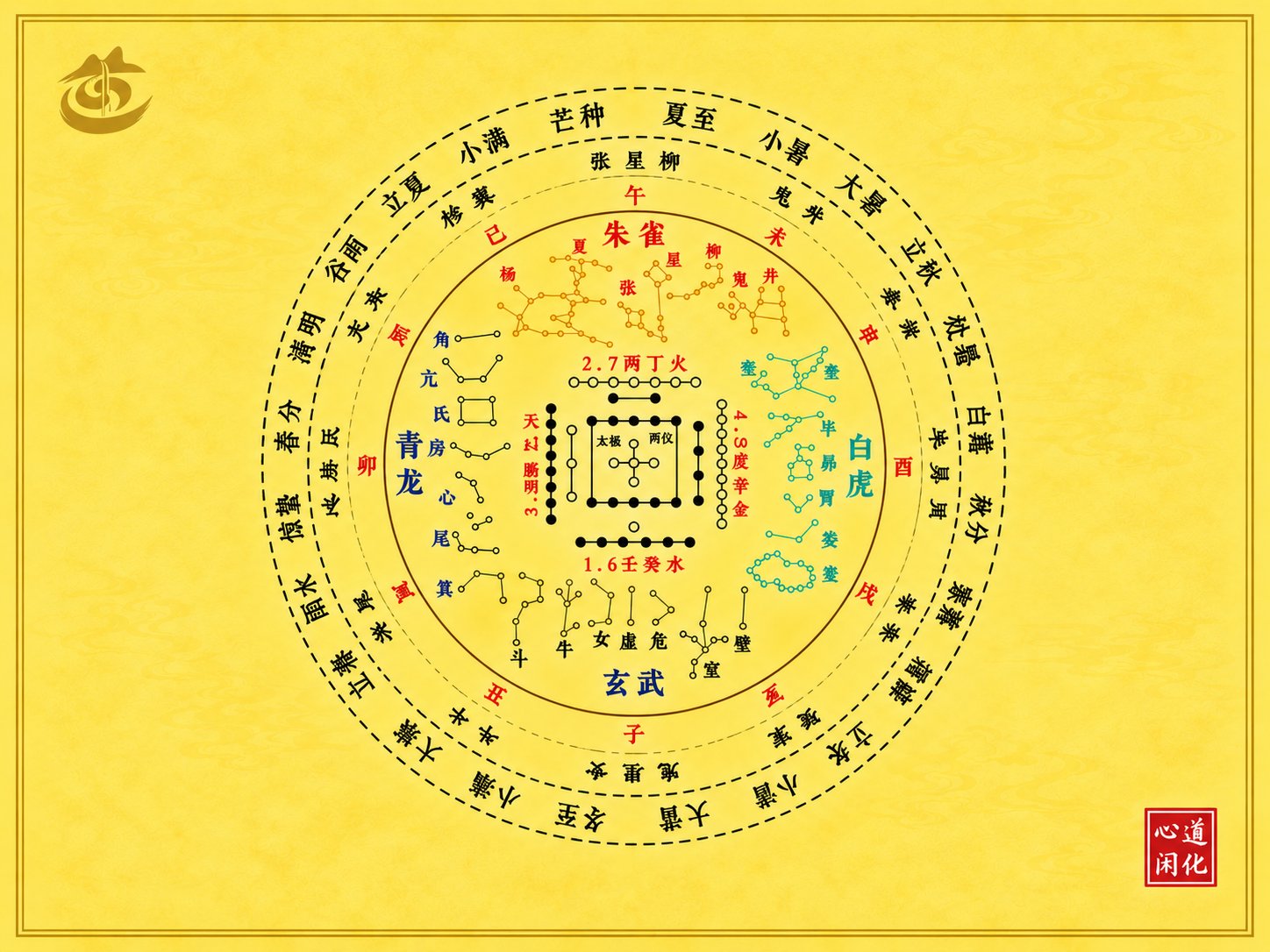
这就是大名鼎鼎的二十八星宿。不是命理或风水专业的,也不用强记。我最早是从古诗词中知道星宿名字的,比如,杜甫的诗:
人生不相见,动如参与商。
今夕复何夕,共此灯烛光。
少壮能几时,鬓发各已苍。
……
这其中的“参”与“商”就是两个星宿,分别位于白虎位的西方和青龙位的东方(“商”宿就是“心”宿),参、商这两个星宿因为星空布位的原因,在空中相望,永远不可能在一起。杜甫用来形容两个人的无法相见,真的是神来之笔,诗圣可不是吹出来的,这用词,这比象,美极妙极!这首诗,第一次读就喜欢得不得了。
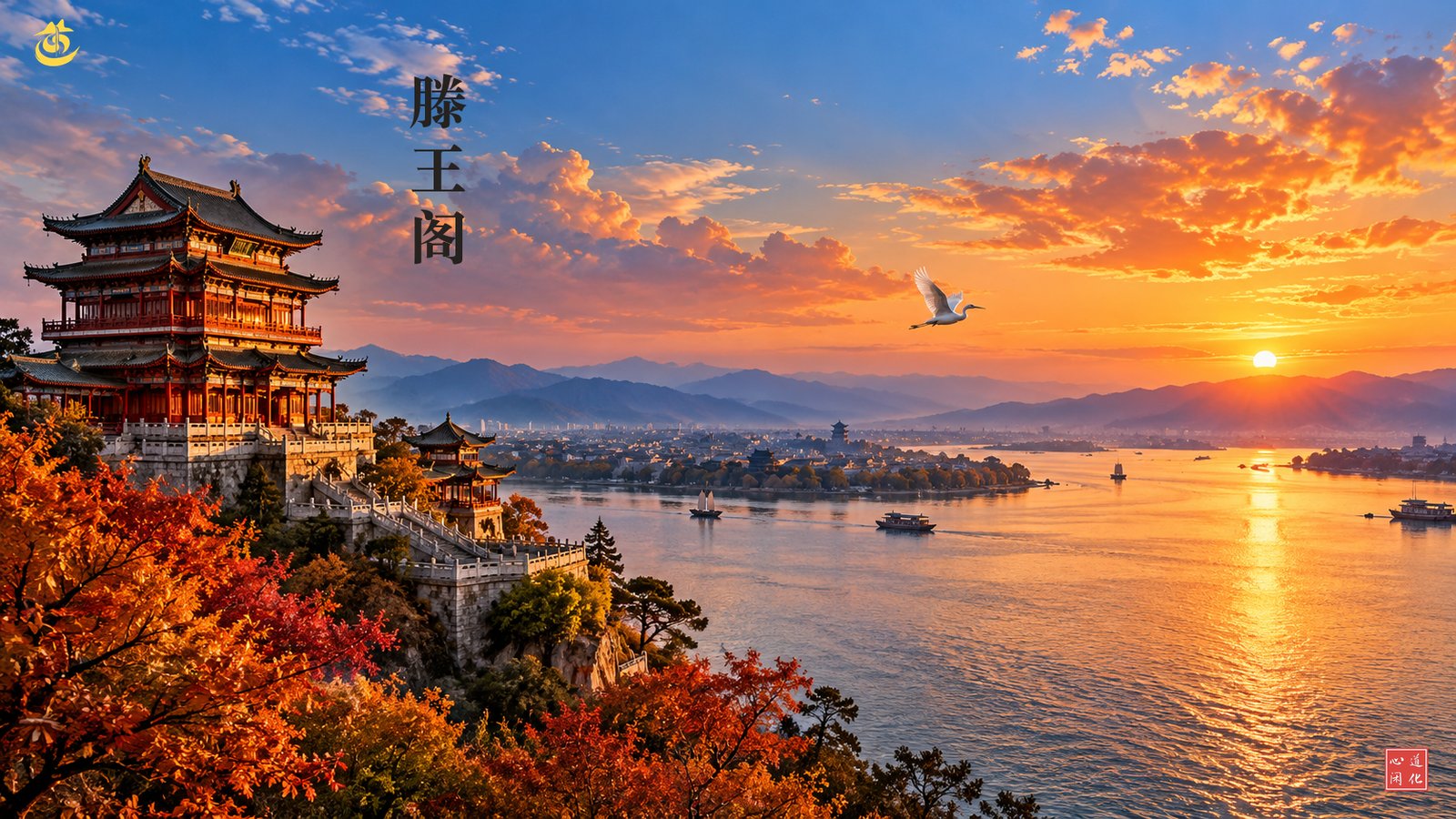
再如,大才子王勃在《滕王阁序》开篇写道:
豫章故郡,洪都新府。星分翼轸,地接衡庐。襟三江而带五湖,控蛮荆而引瓯越。物华天宝,龙光射牛斗之墟;......
这其中的“星分翼轸,地接衡庐”一句,美到没有朋友。“翼”、“轸”是南方朱雀七宿中的两宿,这是以天文分野的表达,来夸赞滕王阁所在地洪都(南昌)是上应星宿的灵秀之地,也是对地主及在场佳宾的群体恭维。这样的恭维实在是高雅致极,没有一点媚俗感,这是拍马屁的最高境界,成了艺术。
另一句,“龙光射牛斗之墟”,“牛”和“斗”是北方玄武七宿中的两宿。此处借用典故来比较洪都地区物华天宝,人杰地灵。哎,南昌若还是叫“洪都”多有文化呀。古代有很多地方名,都美得不行,后来改来改去,反而失去了美感和文化底蕴。有几个地名,我真心觉得改得太可惜,比如:
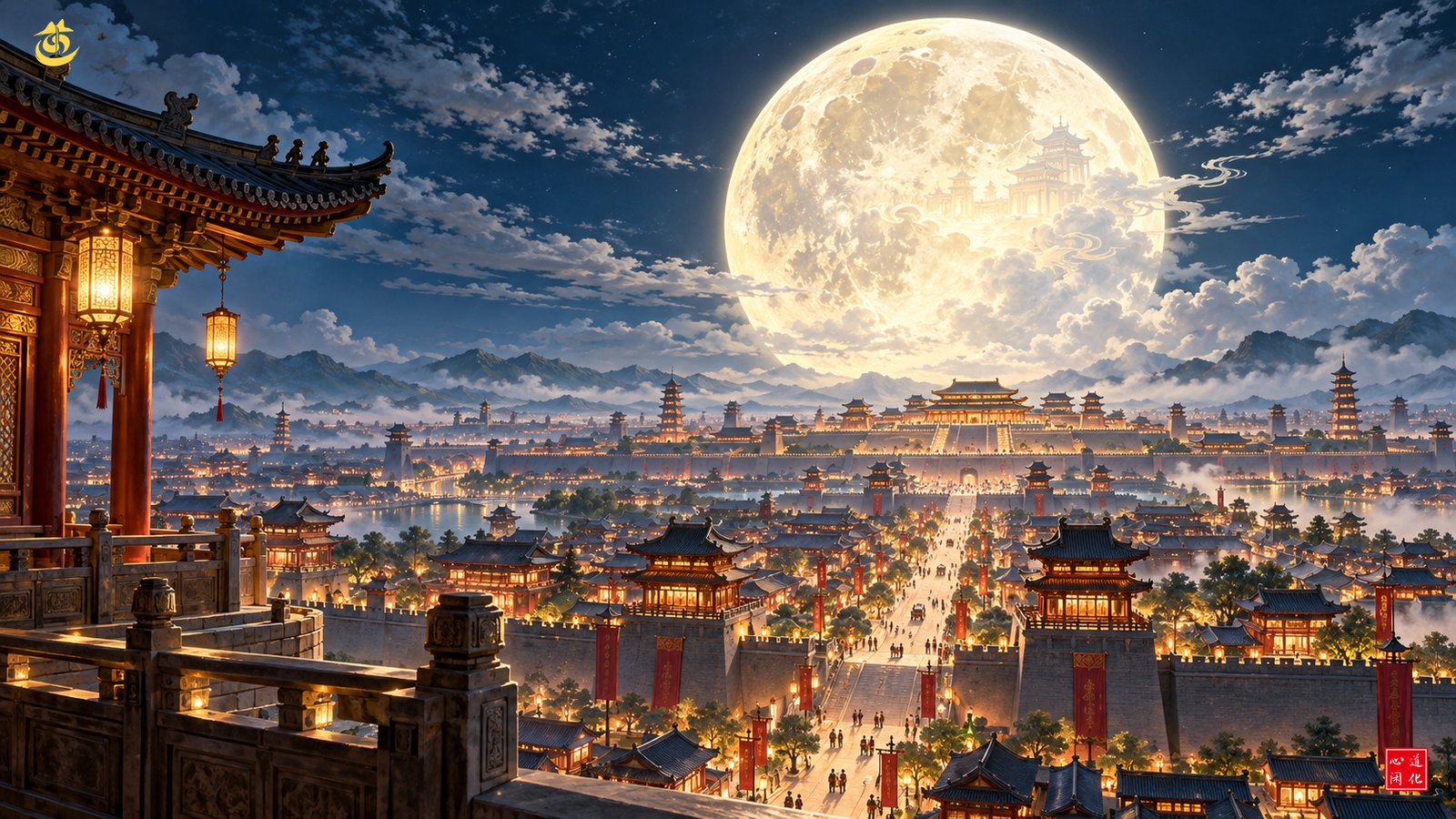
长安,有多少古诗词在大赞长安城啊,“长安一片月”,这意境,妙了去了。长安,见证着中华民族的强大鼎盛,中国在世界上最辉煌的时刻。长安,长长久久的平安,多吉祥啊。改成西安,成了一个方位城。格局少了很多,文化底蕴也少了很多。而且现在一听西安,就想起西安事变,一个属下把老板抓起来的那个故事。
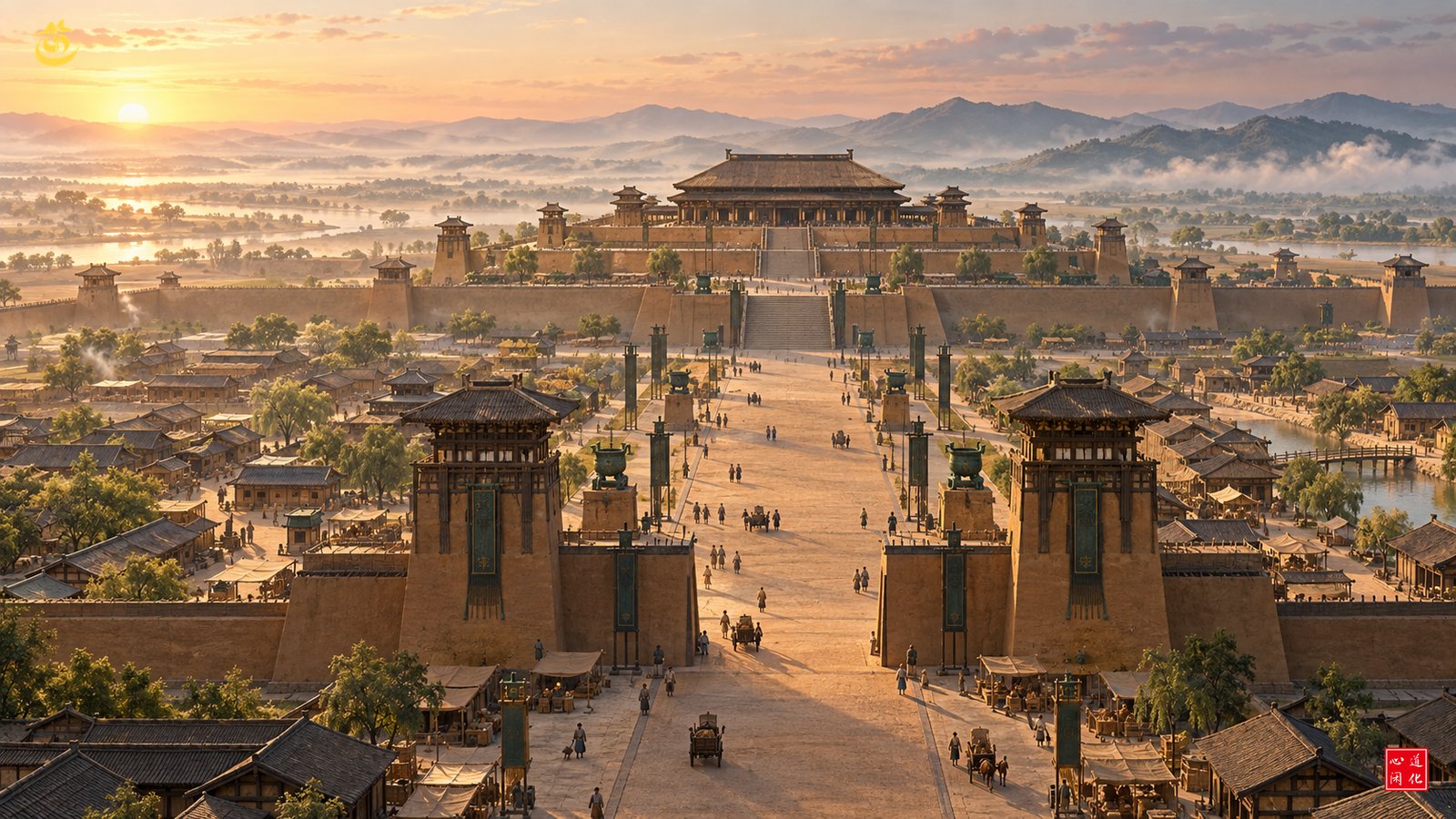
再如,商朝的都城---朝歌,这名字美到让人心情舒畅,而且还有这么悠久的历史,作为商都,是这块土地永恒的骄傲。现在叫:淇县。我的天,哎,谁认识淇县的县长,可建议他们把名字改回去,至少可以拉动文旅产业,可以给当地人带来文化自信与实在的收益。
再如:
常山-----石家庄(正定)。枉费了赵子龙一身是胆的文化站台。
兰陵---苍山,就冲着李白那句“兰陵美酒郁金香”也不能改名叫苍山啊。
还有,金陵---南京,金陵多美啊,有帝都风范,也有画卷之韵。
最好玩的还有古城“九原”,现在叫---包头。
哈哈,扯远了。又跑题了。
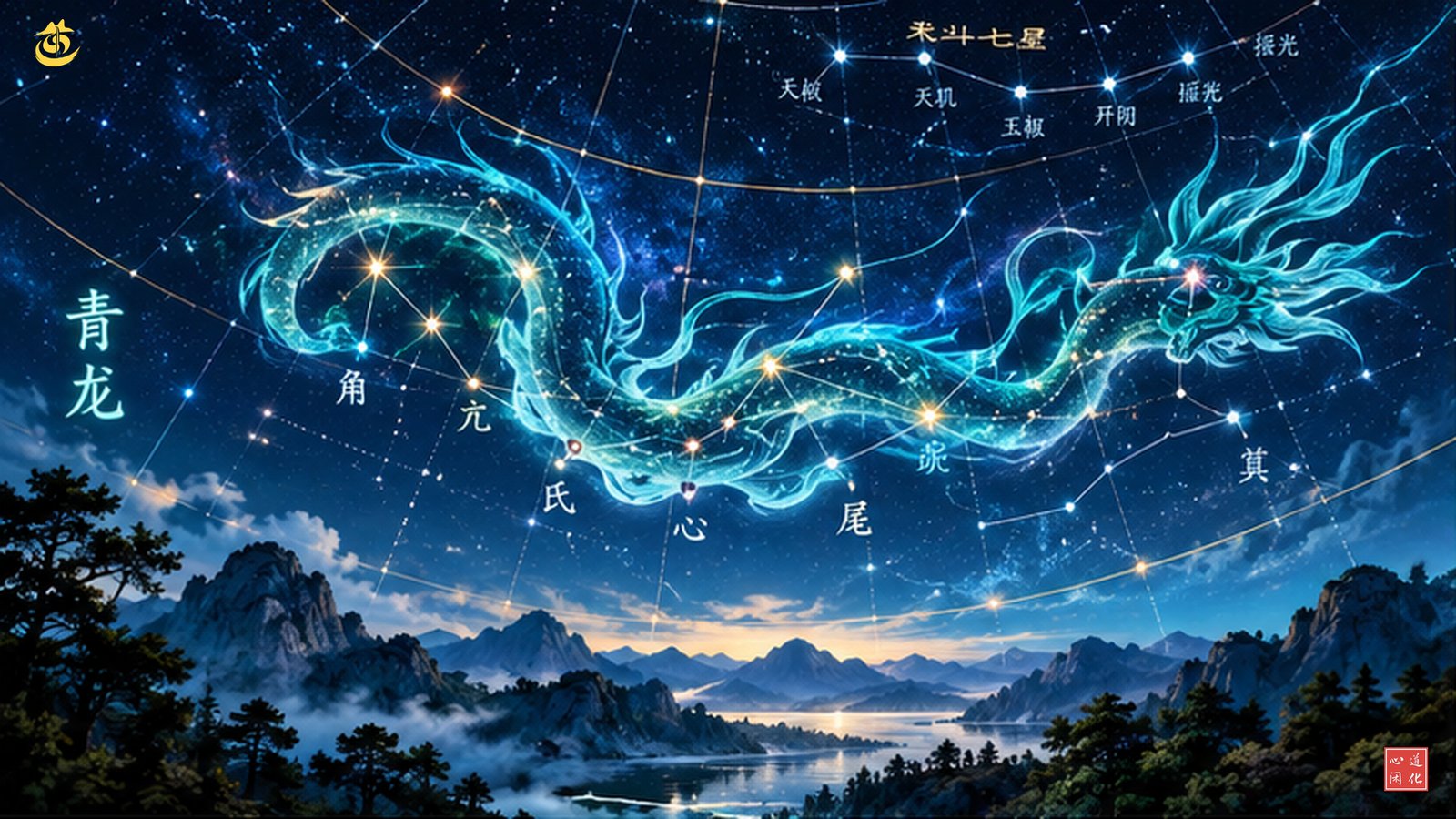
在东方的七宿:(角、亢、氐、房、心、尾、箕)看起来像是龙。中国人的龙图腾,源自天文有星宿崇拜。
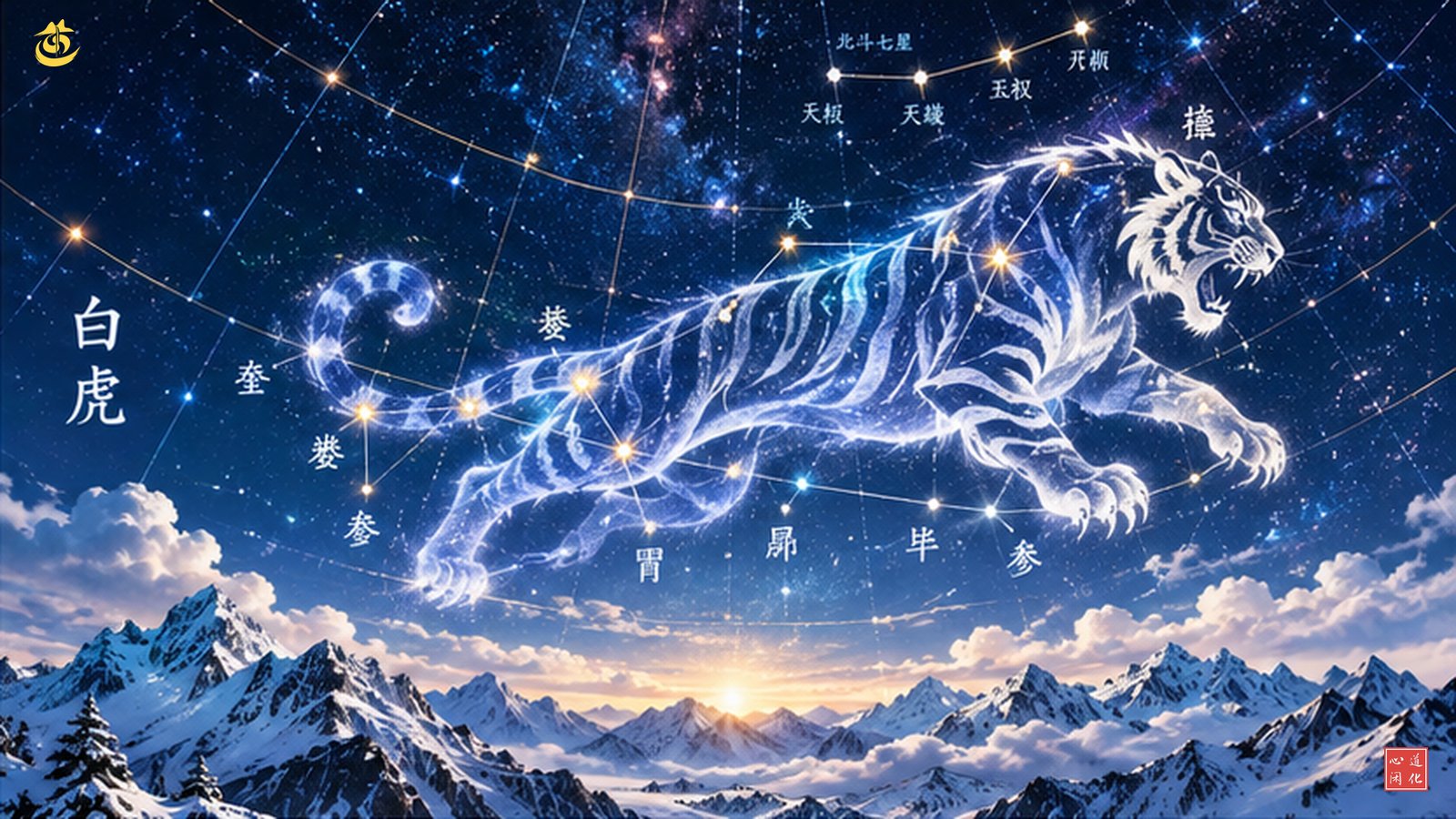
在西方的七宿:(奎、娄、胃、昴、毕、觜、参)想像成虎。中国文化中的龙腾虎跃,龙虎文化,皆有出处。
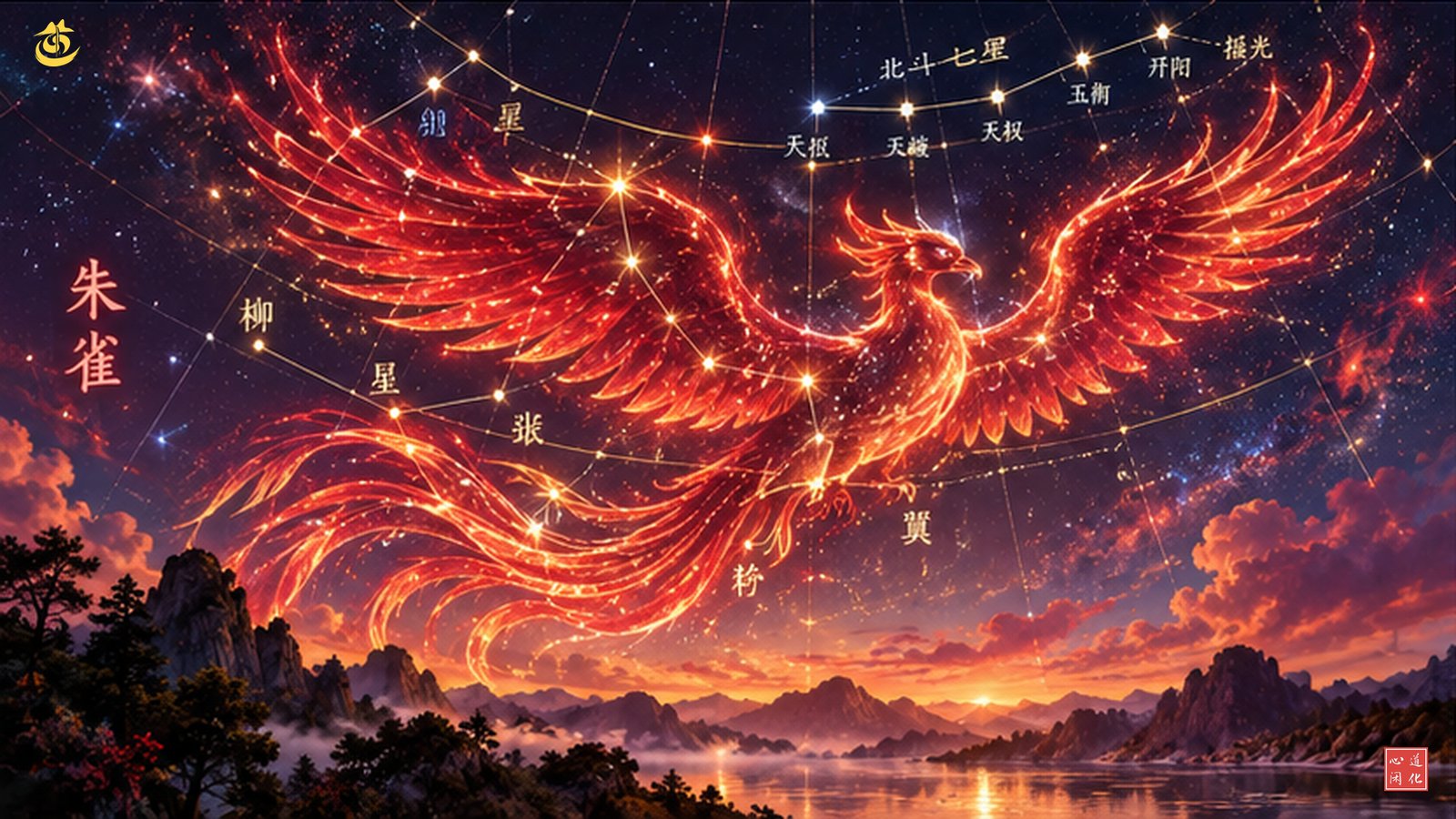
在南方的七宿:(井、鬼、柳、星、张、翼、轸)想像成欢快的雀鸟,轻快而明亮。
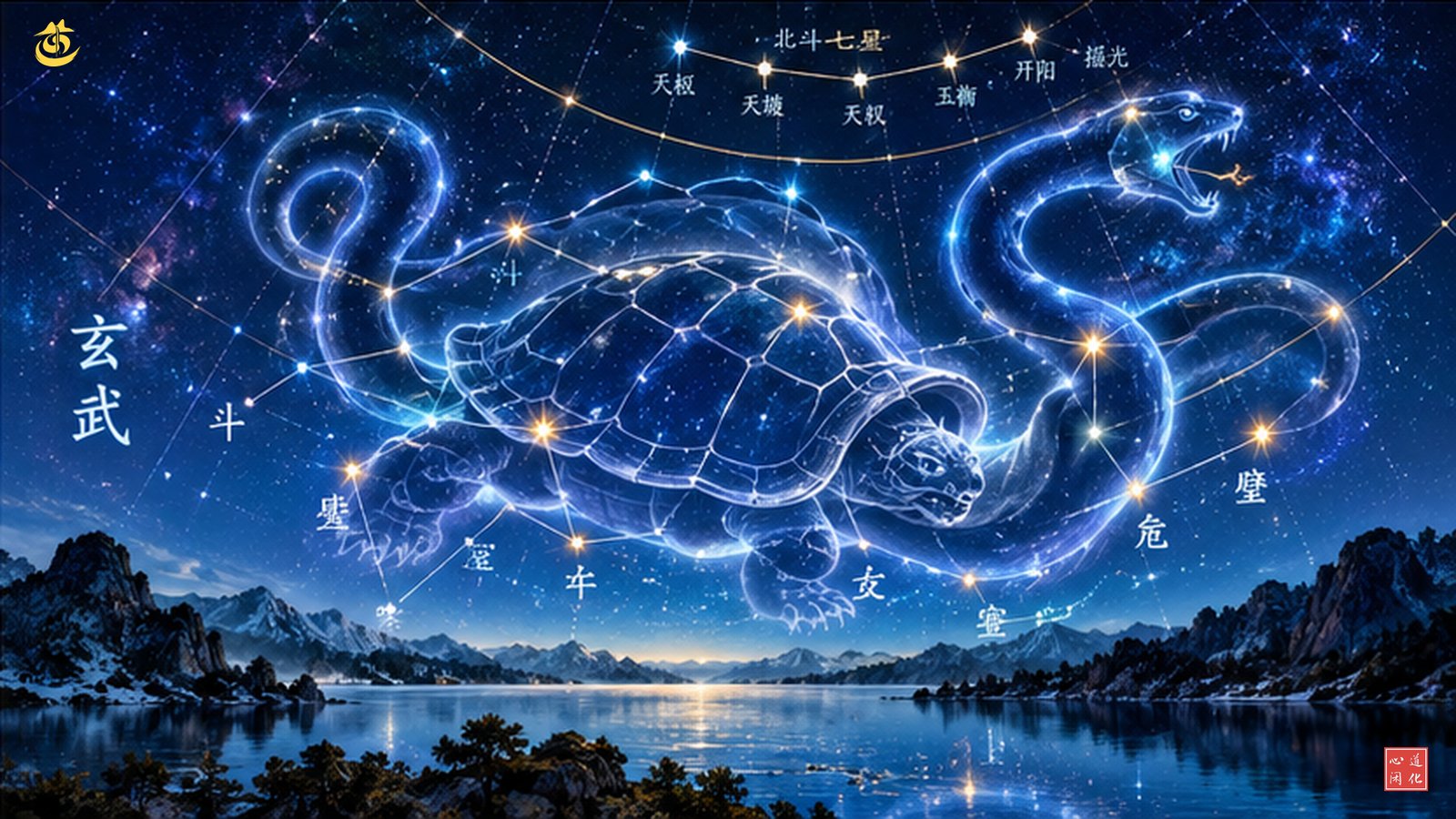
在北方的七宿:(斗、牛、女、虚、危、室、壁),实在是不好判定是哪一种动物了,中间像龟,两头像蛇,于是就想像成了龟蛇合一的神兽玄武。
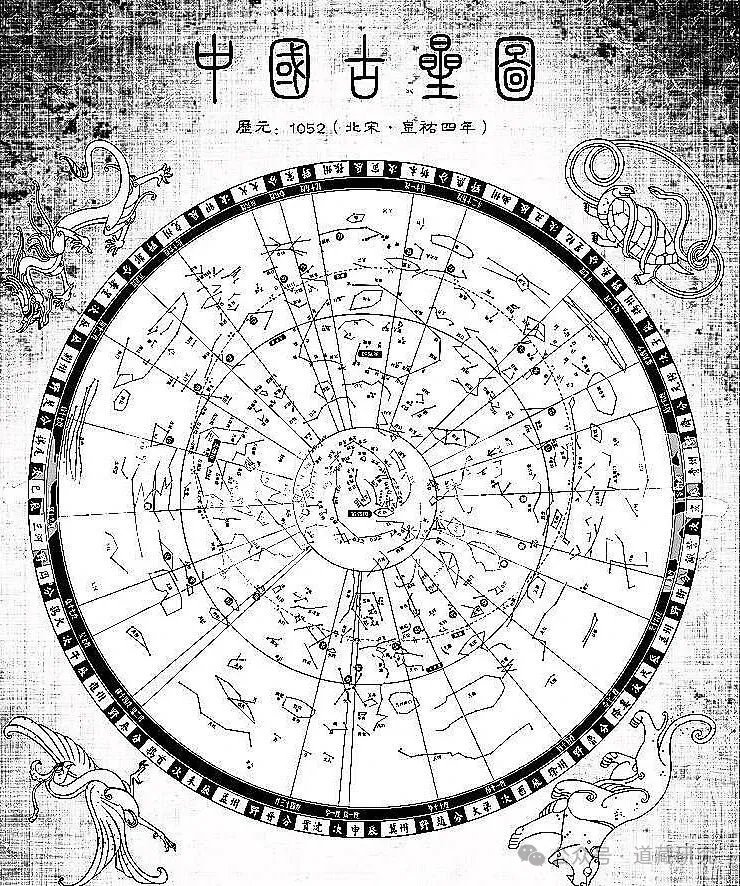
这一部分内容较早的完整文字记录在《史记 天官书》中,由此可见司马迁的文化底蕴,可远远不止史学,其知识丰富及文字功底,各科学问都了如指掌。一部《史记》,承载的何止是史实,更是咱们这个民族的精神与毅力。我一直觉得,司马迁就是中国人的典型代表,勤奋、正直、屈辱、坚忍,在他身上,似乎能看到我们每一个人的身影,承受着不公与屈辱,还要坚持着完成任务与使命。这不就是大部分人的写照吗?
回到正题。
于是主春夏秋冬这四时的神灵,就由青龙、白虎、朱雀、玄武这四种神兽代表。这就是风水学中的四象。从方位上讲,分列于东、南、西、北四个方位。这四个季节、四种神兽、四个方位的关系就形成一种闭环。
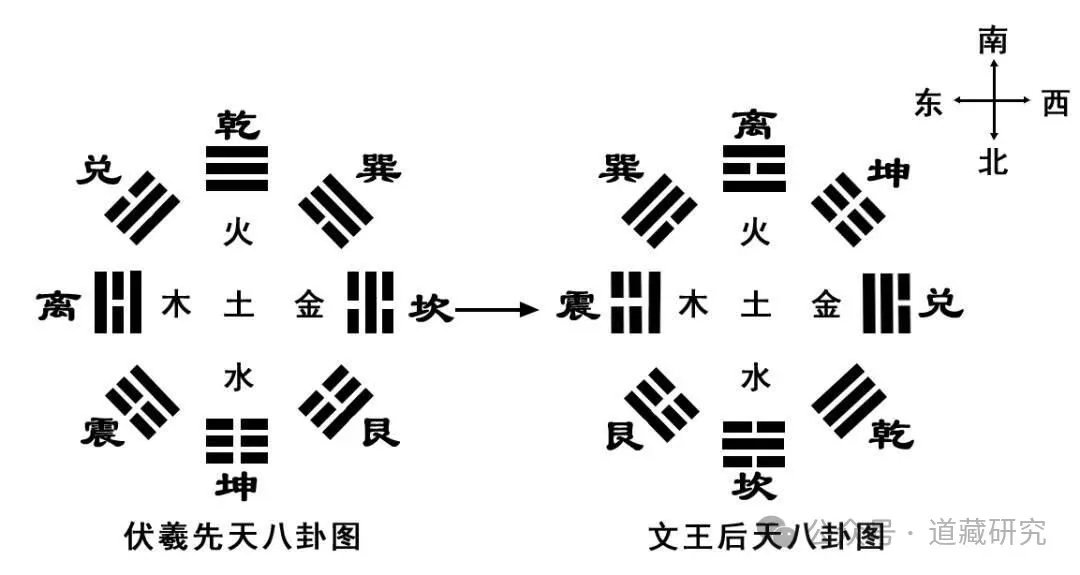
中华文明起源于中原文化,而中原文化及至北方住宅朝向一般为坐北朝南,所以,伏羲的先天八卦和文王的后天八卦虽然卦位不同,但两位先哲画卦都是坐北朝南为基准的。在风水学上,四象确认为:左青龙,右白虎;前朱雀,后玄武。看风水最基本的几个条件,就是在住宅的东南西北四个方位上的四象情况如何。这四象都代表什么呢?
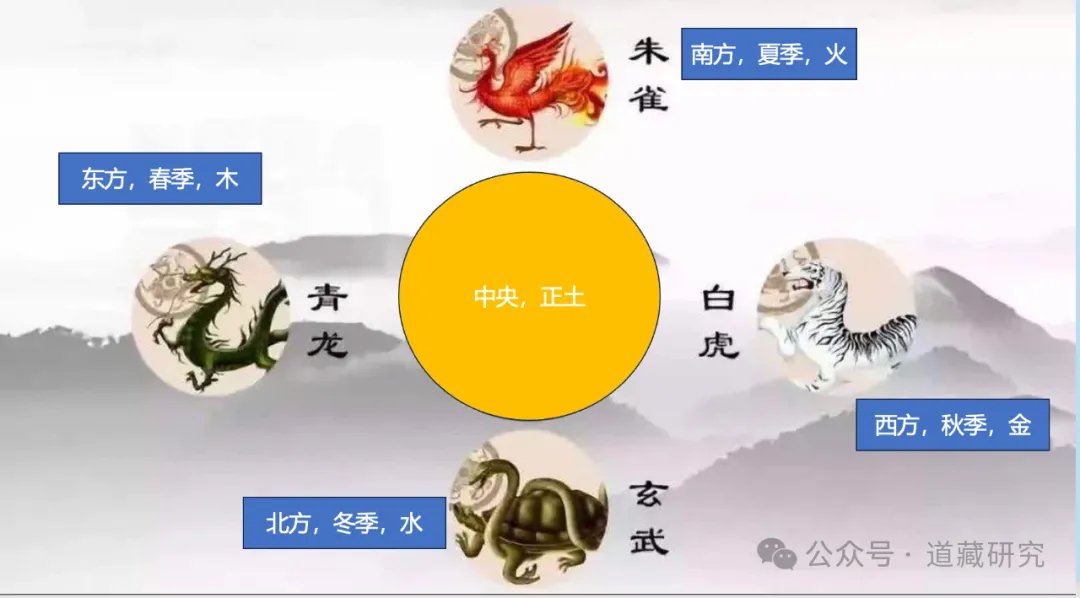
四象神兽文化表
神兽 方位 季节 文化寓意 风水应用
青龙 东方 春 生机勃发、吉祥护佑、权威象征 左青龙:主生机,宜有流水、绿植,代表家运兴旺
白虎 西方 秋 肃杀威严、勇猛镇邪、收敛之气 右白虎:主守护,宜低缓,不宜过高或煞气重
朱雀 南方 夏 光明文明、繁荣昌盛、火之灵鸟 前朱雀:主前景,宜开阔明亮,象征事业腾达
玄武 北方 冬 长寿稳固、安宁防御、闭藏之象 后玄武:主靠山,宜稳固高大,象征家业长久
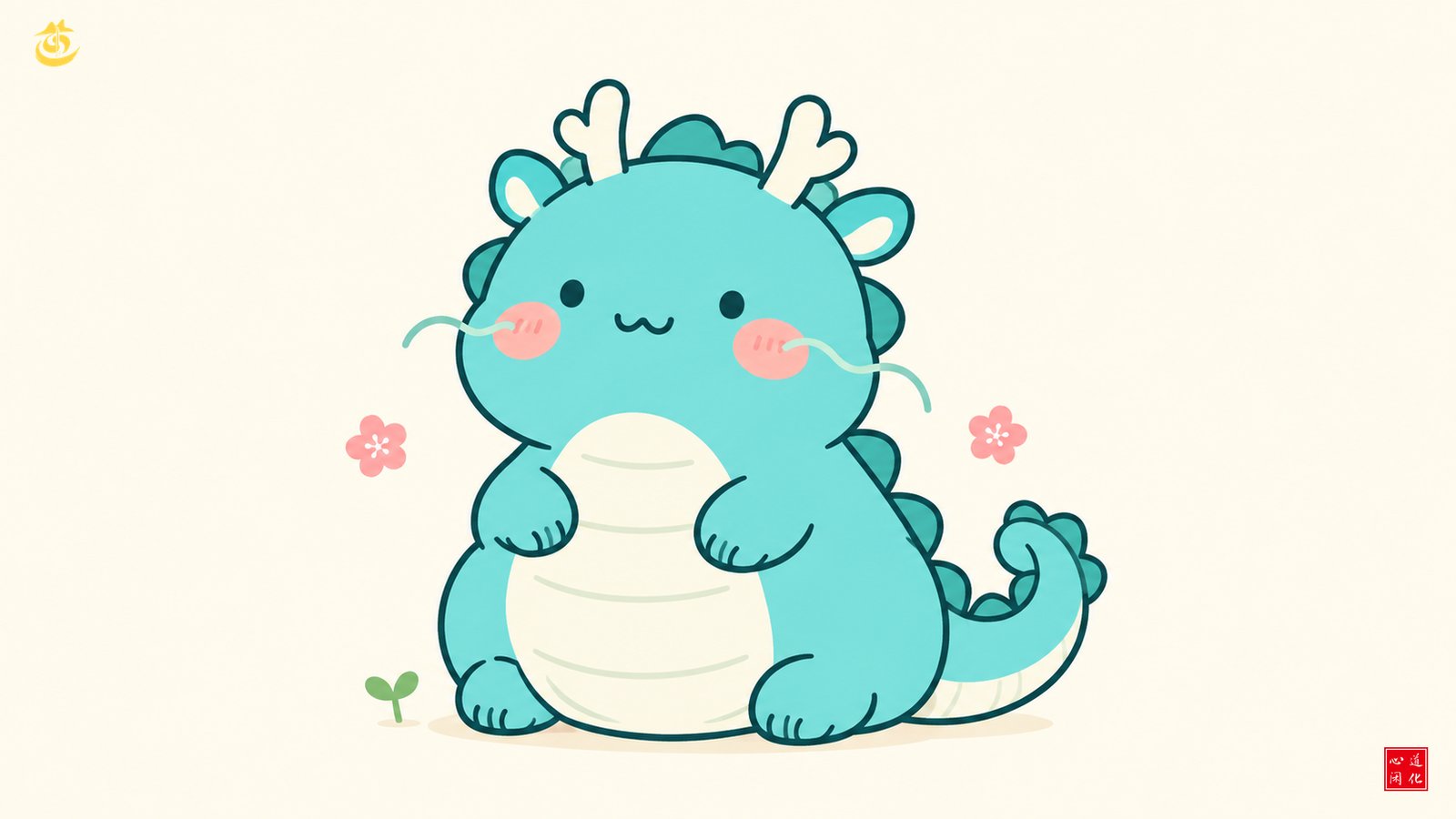
青龙,在东方,主生机勃勃的春季,是最有生命力、最有前途的象征。说到东方,在普通人家,就是长子居住的地方,如果到了皇家,那就是东宫,太子居住的地方。所以一说东宫,指的就是太子。春季的生命力是树木为代表的万物复苏,所以青龙属木。道家讲究“紫气东来”,一切吉祥、贵气运势皆与此有关。所以,青龙位亦高,北方的四合院,一般东屋的气势要比西屋高一点,甚至有些懂风水的人家会在东屋方向种树、树起高高的烟囱等方式,一定要青龙位高一些,至少高过白虎位的整体格局。风水学上有句话:宁愿青龙高一丈,不让白虎高一头。以图吉利。
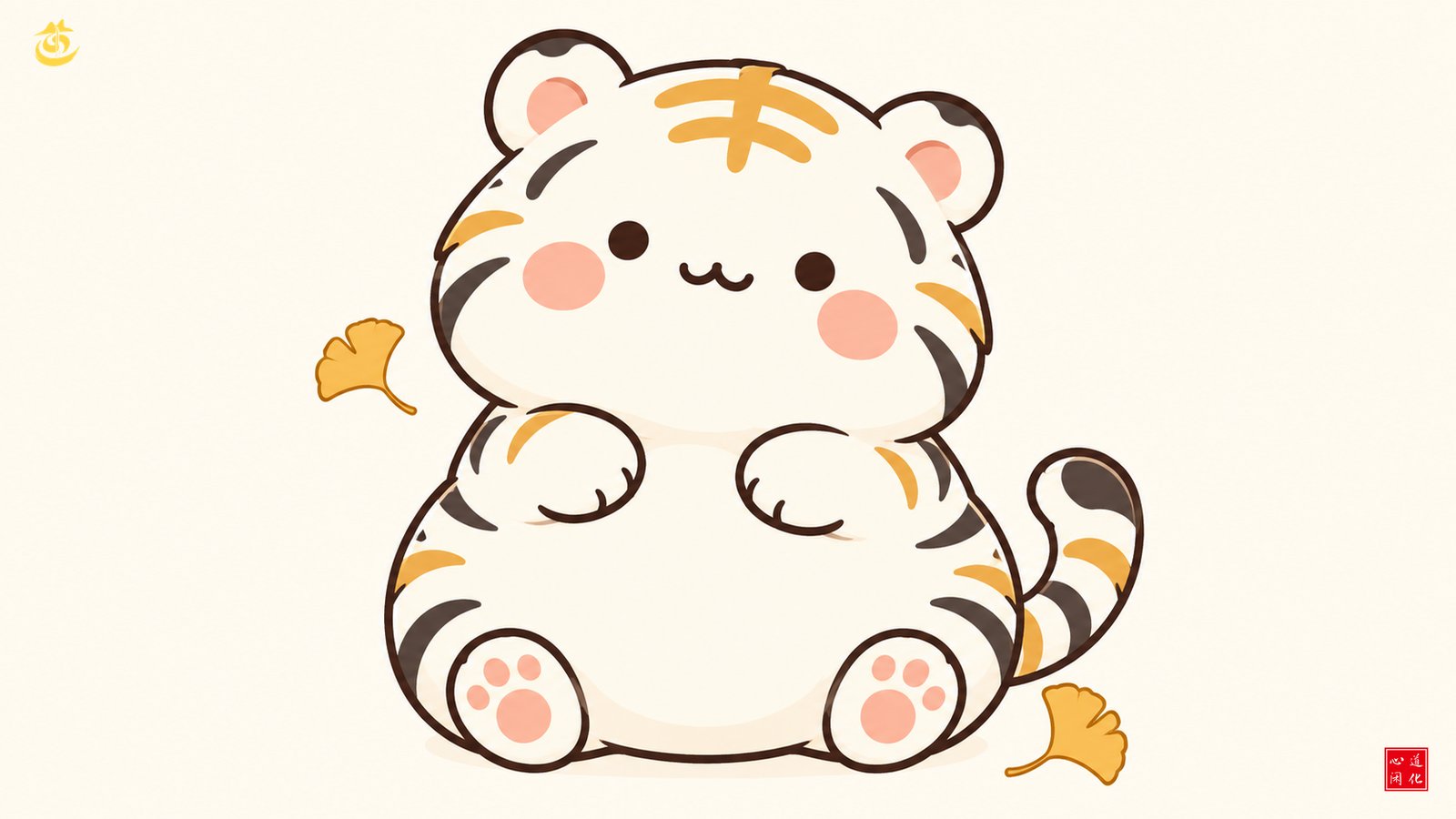
白虎为金,位在西方,主秋季。秋天是成熟、收割之季,也有萧杀之意,在古代,处决犯人都是“秋后问斩”,秋季有万物开始收敛、凋零、落寞。所以白虎方位应低、应缓、应伏。在风水学上,白虎低于青龙代表吉。古代也有重男轻女的文化认知,把男人与女人的位置对立一起,不能平等,必须一高一低,如果白虎位高,女主当家,对男的不利。
当然,这种观念与风水学上的“白虎低伏”并不是一回事。风水上的白虎位要低俯一些,是人文,是科学,更是艺术。是气运通塞、生态环境的物理需要,也是景观上的错落有致美感的规则,更是道家不争的无上智慧,属于大吉,风水学上称为“有情”。常言道,人向高处走,水向低处流。这是本性。但老子在《道德经》中一直强调,人应该去效法水的特性,“水利万物而不争,处众人之所恶,故及于道”,水对万物有利,只是不与万物相争,水流向低处,去别人不愿意去的地方,承担别人不愿承担的责任,不争的格局,承纳的胸怀,才是最接近于道的大智慧。人们所追求的心胸境界是“海纳百川”,是“有容乃大”,大海为什么可以容纳百川呢?老子说:“因其善下之”,因为大海善于处下,处在比别人低的位置。你看生活中的人们,越是有修养的人,越是喜欢处下,总是托着别人,让着别人,谦逊温和。女儿在读初中时,有一次看到她在阅读《华盛顿传记》,我就问她华盛顿最大的品质是什么?女儿拉长了发音说:humble!(谦逊!)
谦逊和向下兼容,不仅是一种修养,更是一种智慧。能早一天比别人悟到这个智慧,就可以在人生方面领先别人十年。
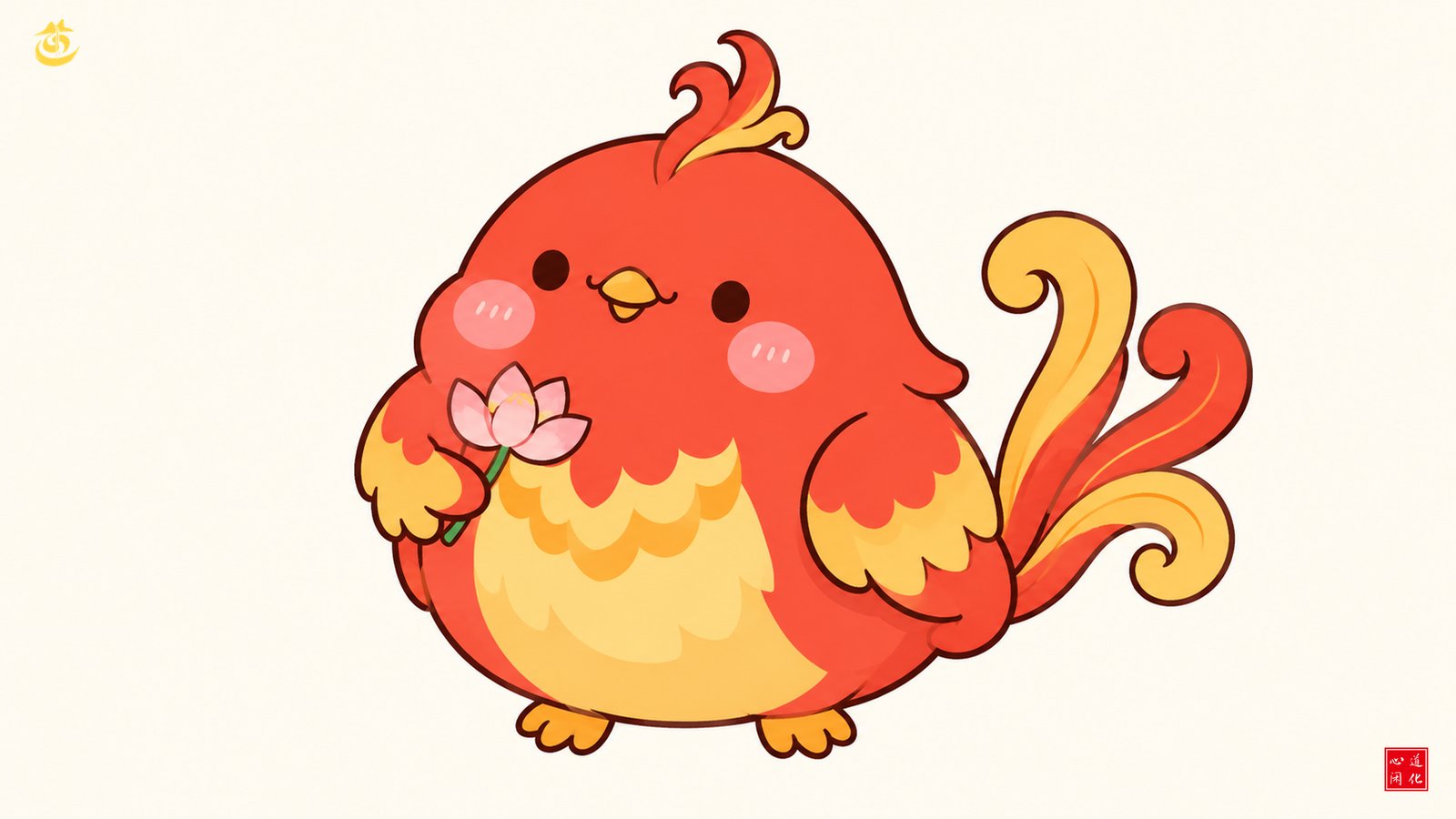
朱雀为火,赤色,主夏季,位于南方。写到这里,我突然想起《水浒传》---“智取生辰纲”那一回,白日鼠白胜挑着两坛子酒,摇头晃脑的忽闪着扁担,口中唱着“赤日炎炎---似火烧……”画面感,画面感来了……
(哈哈,走神儿了。此火非彼火,完全不是一回事。回到风水)。
风水中讲的朱雀翔舞,指的是庭前没有遮挡或障碍,地势开阔平坦,有广场感,有雀跃感,也预示主人心胸宽广,前途光明。在古代有一种说法,家里居住环境宽敞的孩子,长大后容易大大咧咧的豪爽,做人敞亮。居住环境过于狭窄的孩子长大后容易计较小利得失,做人也不放不开,不够大度与自信。说是与拘束的居住环境有关。小时候的家居环境和人文环境,对孩子的影响是一生的。后天很难调整。
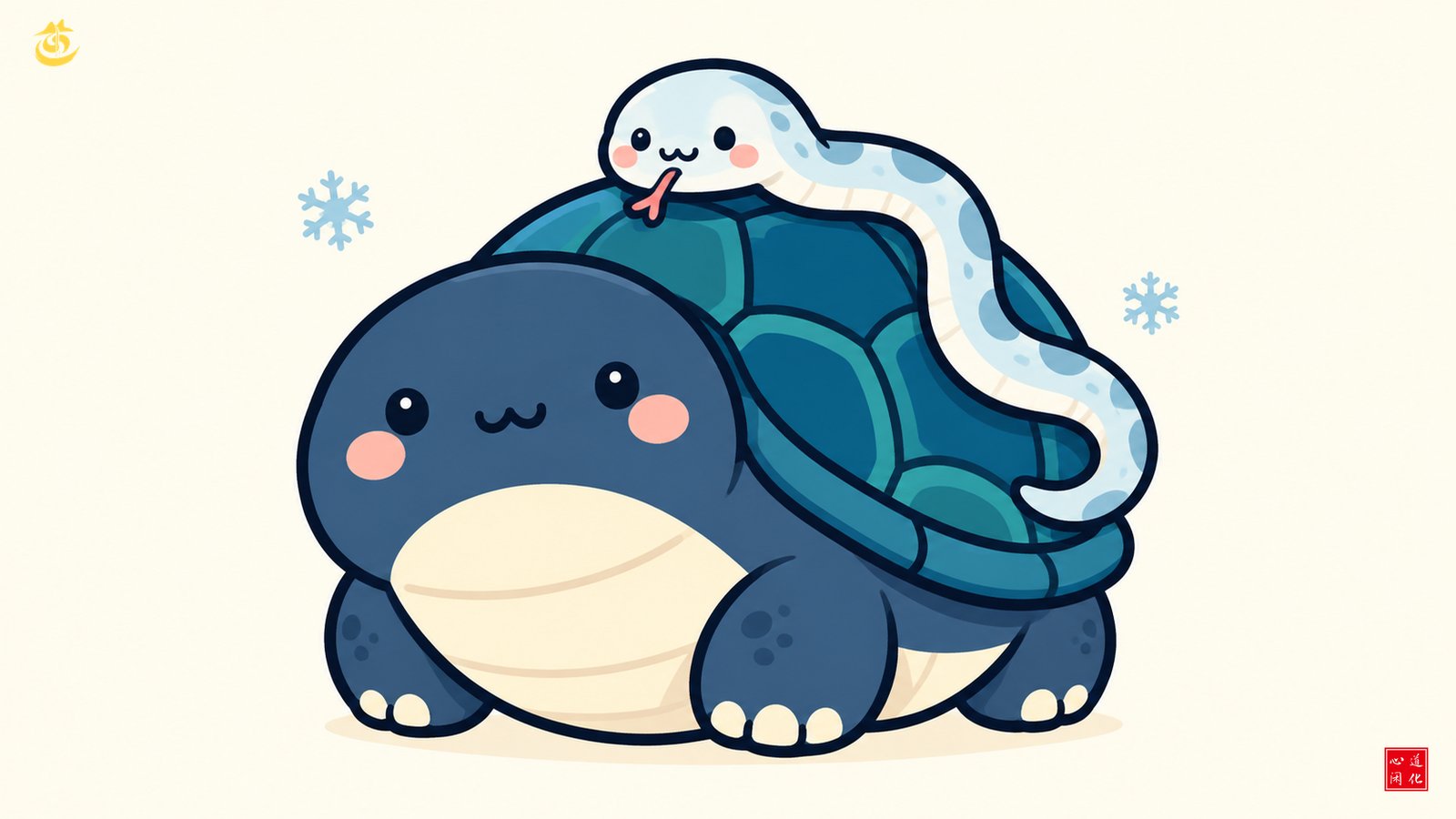
玄武为水,为黑色,在北方,对应冬季。鬼谷子说:“持枢,谓春生、夏长、秋收、冬藏,天之正也,不可干而逆之。逆之者,虽成必败。”(《鬼谷子 持枢》)鬼谷先生揭示的天道,春生、夏长、秋收、冬藏,不可违逆。在中国,最大的作死无非就是“逆天”行为,违反天道,那是谁也不敢的啊。
同为道家思想的司马迁也极度赞同这一“生养成藏”的天道规律,他说:
“夫春生夏长,秋收冬藏,此天道之大经也。弗顺则无以为下纲纪”(《史记 太史公自序》)
作为人,不可以逆着天道去行事的,不然的话,虽盛必衰。小动物们都很聪明,到了冬天,都知道冬眠,藏起来。如果一个人的运势、人际关系等遇到了冬季,暂时藏一藏,避避严冬,冷处理一阵,反而会有转机。这不是怂包,而是“冬藏”的蛰伏智慧,等风险过了再萌发行动,那就是一派春色。这个时机,上天会有提示。中国的二十四节气中,有个“惊蛰”,就是上天给万物的提示,“轰隆隆”一声春雷,快醒醒,冬天过去了,春天来了,都起来活动啦。你看看,中国的传统文化,多有意思啊。爱死了。那些不信天道的呢,当然不懂上天大道的含义,拼死使蛮劲,硬杠到底,累死、笨死了,都不知道向天借智慧。悲哉。
现在,说说左青龙、右白虎、前朱雀、后玄武的另一个应用场景:军事的排兵布阵。
《礼记·曲礼上》:“行,前朱鸟而后玄武,左青龙而右白虎。”
这里的“行”,指的就是行军列阵。
从天文到军事,是自然的过渡与场景应用。古代的军事家,首先是天文学家。在军事上这么使用,有很强的实用功能,比如:
可以统一号令,明确方位: 在混乱的战场上,用具体形象的神兽名称来指示方向,远比单纯的“前、后、左、右”更直观、更容易分辨。朱雀能飞,有前哨的功能;龙虎为左右两边的护卫与侧翼,而玄武在后方,指的是本部与靠山。非常直观而且形象,有利于整个部队的排兵布阵。同时,士兵和将领能迅速理解指令,如“向朱雀方向进攻”,而“玄武方向来袭”则是最危险的背后偷袭。这么写着,我眼前都有画面感,古战场的排兵布阵,威武雄壮......(唉,我应该去写神话小说,而不是来介绍学术性这么强的《道藏》,哈哈)
另一方面,用神兽也来命名,也可以凝聚士气,赋予神性。 将队伍与神圣的星宿和神兽联系起来,具有强烈的心理激励和神秘主义色彩。这相当于请来了四方的天神为军队护驾,能极大地鼓舞士气,让士兵相信自己是“天意之师”,战斗力倍增。
由此可以看出,将空中的星图平移到地面阵法中,是古人极大的军事智慧。天上的星宿镇守四方天区,地上的军队也应仿效此道,布下“天罗地网”之阵。也是以天象助人事的创新应用。阅读古书是件极有趣的事,这种天人感通、借天之力的创意,只有慧通星空、了悟天地的人才能想像得到吧。这就是天人合一的文化案例。
那么,从军事到风水,是如何演化的呢?
风水学说几乎全盘接收了军事布阵的思维。理想的风水宝地,被看作一个需要严密保护的“军营”或“城池”。比如:
后方(玄武),需要高大的“靠山”,要坚实,高大,密不透风,如同军队布阵时后方要有依托,防止敌人从背后偷袭。所以,在居家或办公环境中,玄武方位一般都是实墙作为靠山,这样不容易被人从背后偷看或攻击。
当然这个没有固定的模式,是否吉相,也要看具体情况。比如我的泡茶室吧,就没有选择背墙而坐,而是背对着玻璃(并且是落地窗的透明玻璃),玻璃窗外是大海,因为我这么坐,是为了让茶桌对面的客人面对着大海,心情舒畅。我读风水的书,当然知道自己背墙而坐会更有安全感,也更踏实些,但我更相信---“良善就是最大的风水”、“爱人就是最好的风水”,所以才在背对大海时,觉得快乐而踏实,只要诚心对待茶桌对面的人,那么,我背后的玻璃玄武墙也会坚如磐石;只要用心去爱人,把海景留给别人,即使我背对大海,也会春暖花开。事实证明,这样坐运气确实越来越好,来泡茶的客人坐下后,看着落地窗外的大海,心情大好,大赞风景,聊天说话也都更融洽。这就是情绪风水。
左右(青龙、白虎),需要环抱的“砂山”,如同军队两翼的护卫,起到拱卫和夹护的作用。在战争中,通常称为左右翼的护卫部队与侧应,非常形象。
前方(朱雀),需要开阔的“明堂”和蜿蜒的“水道”,如同军队阵前要有开阔的视野和出击的通道,水则象征着生机和财富的汇聚。人们常说“有水就有财”,在风水学中,水是第一位的元素。
左青龙、右白虎、前朱雀、后玄武,这四象,如果符合方位功能,俱象合和,在风水学上就叫“四象有情”,那就是大吉。
……
看了一下字数,文章太长了,不能耽误大家太多时间看文字,假期吃喝玩乐,才是逍遥人生。祝节日快乐!
照例,两首道情:
《四象有情歌》
左青龙,右白虎;青龙宜高虎宜伏;
前朱雀,后玄武,玄武坚固朱雀舞。
存善念,至真诚,修善修真是有情;
四象合和是吉地,有情之地自太平。
YZ.2025.10.3
《自处》
平生自许是仙家,经年只观冷处花;
一部道藏百年伴,喜是它来愁也它;
寄情虚空少人情,烟云穿过月窗纱。
闲卧信手叙道情,起身漫扫石上花。
YZ.2025.6.8
Azure Dragon, White Tiger, Vermilion Bird, Black Tortoise — Youqing Fengshui (2)
2. Azure Dragon, White Tiger, Vermilion Bird, Black Tortoise — Youqing Fengshui (2)
What I most want to do in the long holiday is sit quietly, stare into space — or come online and prattle for a while, have a few words with everyone. As agreed before, today we chat a little of feng shui — the four images in youqing accord.
The last time we chatted on this topic it was called "Youqing Fengshui (1)" — an empirical case of landform feng shui: how to know what lies beneath the grave by reading the grave mound. Today we continue with "Youqing Fengshui (2)."
Beginners' feng shui almost always starts from the "four images" of feng shui. These are the most basic things; today I will first introduce a few basic terms and concepts, or what follows will be hard to unfold.
The moment a Chinese person opens his mouth, he digs straight down to the root — the Yijing. What we ordinarily mean by the Yijing is always the Zhouyi. In origin we had the "Three Yi": the Lianshan Yi, the Guicang Yi, and the Zhouyi. Since the first two have been lost, only the Zhouyi remains — revered by the Chinese since antiquity as "the first of the ten thousand classics," holding supreme wisdom and endless mystery.
The Yi says: "Taiji gives birth to the two forms; the two forms give birth to the four images." And these four images have received many an interpretation.
The earliest source of the four images is astronomy — the star-veneration of the ancients. The astronomers of old divided the clusters of fixed stars near the ecliptic into twenty-eight constellations, or xiu, and according to their positions and arrangements, with an imagination surpassing that of modern people tens of millions of times over, they gave these constellations their names, respectively:
Divine beast | Direction | Origin of the constellations
Azure Dragon | East | The seven eastern constellations (Jiao, Kang, Di, Fang, Xin, Wei, Ji)
White Tiger | West | The seven western constellations (Kui, Lou, Wei, Mao, Bi, Zi, Shen)
Vermilion Bird | South | The seven southern constellations (Jing, Gui, Liu, Xing, Zhang, Yi, Zhen)
Black Tortoise | North | The seven northern constellations (Dou, Niu, Nü, Xu, Wei, Shi, Bi)
These are the famous twenty-eight constellations. If you are not in the fate-calculation or feng shui line, there is no need to memorize them by force. I first learned the names of the constellations from old poetry — for instance, this poem of Du Fu:
In this life we do not meet, moving like the stars Shen and Shang.
What evening is this evening, that we share the light of this lamp's candle?
How long can youth and prime last? Our temples are each already gray.
......
The "Shen" and the "Shang" in these lines are two of the constellations, located respectively in the west at the White Tiger's station and in the east at the Azure Dragon's (the "Shang" constellation is the "Xin"). Because of how they are placed in the sky, Shen and Shang face each other across the heavens and can never come together. Du Fu used them to describe two people who cannot meet — truly a stroke of genius. The Poet Sage did not get his name for nothing: that diction, that imagery — beautiful and marvelous beyond words! From the very first reading I loved this poem beyond all measure.
Again, the great talent Wang Bo opens his Tengwang Ge Xu with:
"Yuzhang, the old commandery; Hongdu, the new seat. Its star-field is Yi and Zhen; its land touches Heng and Lu. Fronting the three rivers and girdling the five lakes, it holds the wilds of Jing in check and draws in Ouyue. Its things are flowered, its heaven treasured — the dragon radiance shoots into the wastes of Niu and Dou; ..."
The line in this, "its star-field is Yi and Zhen; its land touches Heng and Lu," is so beautiful that nothing can rival it. "Yi" and "Zhen" are two of the seven constellations of the southern Vermilion Bird; this is the expression of astronomical field-allocation, praising Hongdu (Nanchang), where the Pavilion of Prince Teng stands, as a numinous and choice land answering to the constellations above — and it is also a collective compliment to the host and the assembled guests. A compliment of this kind is elegance itself, without one breath of the vulgar; it is flattery raised to its highest level, become art.
The other line, "the dragon radiance shoots into the wastes of Niu and Dou" — "Niu" and "Dou" are two of the seven constellations of the northern Black Tortoise. Here he borrows an allusion to liken the Hongdu region's flowered things and heavenly treasures, its choice land and outstanding people. Ah, how much culture Nanchang would still have if it were still called "Hongdu"! Many an ancient place-name was beautiful beyond bearing; changed and rechanged, they lost their beauty and their cultural bedrock instead. A few of the renamings I truly think a great pity, for example:
Chang'an — how many old poems are loudly praising the city of Chang'an! "A sheet of moonlight over Chang'an" — that mood, nothing could top it. Chang'an bore witness to the strength and glory of the Chinese nation, China's most brilliant hour in the world. Chang'an: long, long-lasting peace — how auspicious! Changed to Xi'an, it became a city of compass direction. Much of the vision was lost, and much of the cultural bedrock too. And nowadays, the moment you hear "Xi'an" you think of the Xi'an Incident — the story of a subordinate arresting his own boss.
Again, the capital of the Shang dynasty — Zhaoge: a name so beautiful it sets the heart at ease, and with so long a history besides; as a Shang capital it is that land's eternal pride. It is now called: Qi County. My heavens — if anyone knows the county magistrate of Qi County, suggest to them that they change the name back; at the very least it would boost the cultural-tourism industry, and bring the local people both cultural confidence and real income.
Again:
Changshan — Shijiazhuang (Zhengding). All for nothing, the cultural prestige lent by Zhao Zilong, famed for his courage from head to toe.
Lanling — Cangshan: for the sake of Li Bai's one line "the wine of Lanling has the fragrance of tulips" alone, they should never have renamed it Cangshan.
And then, Jinling — Nanjing. How beautiful "Jinling" is — with the air of an imperial capital and the charm of a painted scroll.
The funniest of all is the old city of "Jiuyuan," now called — Baotou.
Ha — far afield I have strayed. Off the topic again.
The seven eastern constellations (Jiao, Kang, Di, Fang, Xin, Wei, Ji) look like a dragon. The Chinese dragon totem arises from astronomy and its veneration of the constellations.
The seven western constellations (Kui, Lou, Wei, Mao, Bi, Zi, Shen) were imagined as a tiger. The dragon soaring and tiger leaping of Chinese culture, the dragon-tiger culture — all have their sources.
The seven southern constellations (Jing, Gui, Liu, Xing, Zhang, Yi, Zhen) were imagined as a merry bird, light and bright.
The seven northern constellations (Dou, Niu, Nü, Xu, Wei, Shi, Bi) — it was truly hard to determine which one animal they were; the middle looked like a tortoise and the two ends like a snake, and so they were imagined as the divine beast Black Tortoise, tortoise and snake in one.
The earliest complete written record of this part of the material is in the Shiji, in the "Tianguan Shu" — from which one can see that Sima Qian's cultural bedrock reached far beyond historiography: his breadth of knowledge and his command of language had the learning of every field in his grasp. One Shiji carries not only historical fact but the spirit and endurance of our people. I have always felt that Sima Qian is the very type of the Chinese person: diligent, upright, humiliated, enduring — in him one seems to see the shadow of every one of us, bearing injustice and humiliation, yet still carrying the task and the mission through to the end. Is that not the portrait of most people?
Back to the subject.
And so the spirit powers governing the four seasons — spring, summer, autumn, winter — came to be represented by the four divine beasts Azure Dragon, White Tiger, Vermilion Bird, and Black Tortoise. These are the four images of feng shui. Directionally, they stand in the four quarters east, south, west, and north. The relation of these four seasons, four divine beasts, and four directions forms a closed loop.
Chinese civilization arose from the culture of the Central Plains, and in the Central Plains, as across the north, houses are generally oriented with their backs to the north and their faces to the south. So although Fuxi's Earlier Heaven eight trigrams and King Wen's Later Heaven eight trigrams differ in their trigram positions, both sages drew the trigrams with the north-backed, south-facing orientation as the baseline. In feng shui the four images are fixed as: the Azure Dragon on the left, the White Tiger on the right; the Vermilion Bird in front, the Black Tortoise behind. The most basic conditions for reading feng shui are how the four images fare in the four directions east, south, west, and north of the dwelling. What do these four images each stand for?
Table of the four-image divine beasts
Divine beast | Direction | Season | Cultural significance | Feng shui application
Azure Dragon | East | Spring | Thriving vitality, auspicious protection, emblem of authority | Left Azure Dragon: governs vitality; flowing water and green planting are favorable, signifying the flourishing of the family's fortunes
White Tiger | West | Autumn | Austere, cutting majesty, fierce suppression of evil, the qi of withdrawal | Right White Tiger: governs protection; low and gentle is favorable, too high or heavy with malign qi is not
Vermilion Bird | South | Summer | Light and civilization, prosperity and flourishing, the spirit bird of fire | Front Vermilion Bird: governs prospects; open and bright is favorable, symbolizing the soaring of one's undertakings
Black Tortoise | North | Winter | Longevity and stability, peace and defense, the image of storing and concealment | Rear Black Tortoise: governs backing; solid and tall is favorable, symbolizing the long endurance of the family estate
The Azure Dragon stands in the east and governs the springtime of surging life — the strongest symbol of vitality and of promise. Speaking of the east: in an ordinary household it is where the eldest son lives; if it is the imperial house, then it is the Eastern Palace, where the crown prince lives — so the moment one says "Eastern Palace" one means the crown prince. The vitality of spring is the revival of the myriad things represented by the trees, so the Azure Dragon belongs to wood. The Daoists prize "purple qi coming from the east" — every auspicious and noble influence of fortune is bound up with it. So the Azure Dragon quarter should also be high: in a northern courtyard house, the east rooms are generally made a touch grander in presence than the west rooms, and some families who know feng shui will even plant trees toward the east rooms, or raise a tall chimney, and so on — by every means the Azure Dragon quarter must be somewhat higher, at least above the overall arrangement of the White Tiger quarter. There is a saying in feng shui: "Better the Azure Dragon ten feet high than the White Tiger one head taller." All for the sake of good fortune.
The White Tiger belongs to metal, stands in the west, and governs autumn. Autumn is the season of ripening and harvest, but it also carries the sense of sternness and killing — in ancient times executions of criminals all came "after autumn," and in autumn the myriad things begin to withdraw, wither, and grow desolate. So the White Tiger quarter should be low, gentle, and recumbent. In feng shui, the White Tiger lower than the Azure Dragon means good fortune. The ancients also had the cultural view of valuing men over women, setting man's and woman's places against each other — unequal, one necessarily high and one low; if the White Tiger quarter is high, the mistress rules the house, to the disadvantage of the man.
Of course, that notion is not the same thing as the "White Tiger lying low" of feng shui. In feng shui, for the White Tiger quarter to sit lower and humbler is humanity, is science, and is art besides. It is the physical requirement of the flow or blockage of qi and of the ecological environment; it is the rule of the picturesque, well-spaced beauty of the landscape; and it is, even more, the supreme wisdom of the Daoist non-contending — a great auspiciousness, which feng shui calls "youqing," full of feeling. As the common saying has it: people walk toward the heights; water flows toward the low places. That is nature. But Laozi keeps insisting, in the Daodejing, that people should model themselves on the character of water: "Water benefits the myriad things and does not contend; it dwells in the places the multitude dislike, and so it draws near to the Dao." Water benefits all things, only it does not contend with them; it flows toward the low places, going where others are unwilling to go, bearing what others are unwilling to bear — the breadth of vision that does not contend, the bosom that receives, is the great wisdom closest to the Dao. The breadth of spirit people strive for is "the sea takes in a hundred rivers," "capacity makes greatness." Why can the sea take in a hundred rivers? Laozi says: "because it is good at lying low" — the sea is good at dwelling below, in a place lower than others. Look at the people of this life: the more cultivated they are, the more they like to place themselves low, always holding others up, yielding to others, modest and gentle. When my daughter was in middle school, I once saw her reading a "Biography of Washington," and I asked her what Washington's greatest quality was. My daughter, drawing out the word, said: humble! (Modesty!)
Modesty, and the ability to accommodate people of different standing, are not only a cultivation but a wisdom. Whoever awakens to this wisdom one day earlier than others can lead others by ten years in life.
The Vermilion Bird belongs to fire, is crimson, governs summer, and stands in the south. Writing to this point, I suddenly thought of the Shuihu Zhuan — the chapter "Seizing the Birthday Convoy by Trickery," where Bai Sheng the "Daylight Rat" shoulders two jars of wine, swaying and swaying his carrying-pole, singing from his mouth, "The red sun blazes like burning fire..." — the picture, the picture is coming...
(Ha — my mind wandered off. That fire is not this fire; not the same thing at all. Back to feng shui.)
The "Vermilion Bird soaring and dancing" spoken of in feng shui means that before the house there is no blocking or obstructing; the ground is open and level, with the feel of a plaza and the feel of a bird's lively hopping — and it also foretells a broad mind and bright prospects for the master of the house. In old times there was a saying that children who grow up in roomy quarters easily become open-hearted and hearty adults, candid in their dealings; while children raised in cramped quarters easily grow up haggling over small gains and losses, never quite open, wanting in generosity and confidence. That was said to have to do with the confining living environment. The home environment and human environment of childhood marks a child for life; afterward it is very hard to adjust.
The Black Tortoise belongs to water, and to the color black; it stands in the north and answers to winter. Guiguzi says: "Holding the pivot means: spring births, summer grows, autumn gathers, winter stores — this is the rectitude of Heaven, which must not be meddled with or defied. Whoever defies it may succeed, but will surely fail." (Guiguzi, "Chishu") The way of Heaven that Master Guigu revealed — spring birth, summer growth, autumn harvest, winter storage — must not be turned against. In China, the greatest way of courting death is none other than the act of "defying Heaven": going against the way of Heaven — that is something nobody dares.
Sima Qian, likewise of Daoist thought, agreed most strongly with this law of Heaven — "birth, nurture, harvest, storage." He said:
"That spring births and summer grows, autumn gathers and winter stores — this is the great canon of Heaven's way. Go against it, and there is nothing with which to set the order for those below." (Shiji, "Taishigong Zixu")
As human beings, we must not act against the way of Heaven — otherwise, however flourishing, we must decline. The little animals are all clever: when winter comes, they know to hibernate, to hide away. If a person's fortune, or human relationships, meet their own winter — hide away for a while, shelter from the hard winter, let things cool for a stretch, and the turn will come instead. This is not cowardice; it is the hibernating wisdom of "winter storage": once the risk has passed, action sprouts again, and then it is a whole spread of spring. Of this timing, Heaven gives notice. Among China's twenty-four solar terms there is "Jingzhe," the Awakening of Insects — Heaven's notice to the myriad things: with a rumbling peal of spring thunder, wake up quickly, winter is past, spring has come, rise and get moving. Just look — how interesting China's traditional culture is. I adore it to death. As for those who do not believe in the way of Heaven — of course they do not grasp the meaning of Heaven's great way: they strain to the death with brute force, butt heads to the bitter end, wear themselves out, die stupid, never knowing to borrow wisdom from Heaven. Alas.
Now, a word on another application of the Azure Dragon on the left, the White Tiger on the right, the Vermilion Bird in front, and the Black Tortoise behind: the arraying of troops for battle.
The Liji, "Quli Shang": "On the march, the Vermilion Bird in front and the Black Tortoise behind, the Azure Dragon on the left and the White Tiger on the right."
The "march" here refers precisely to the army on the move drawn up in battle array.
From astronomy to warfare is a natural transition and a change of application. The military men of old were, first of all, astronomers. Used in war this way, the scheme has strong practical functions — for example:
It can unify commands and clarify directions: on a chaotic battlefield, indicating directions with the concrete, vivid names of the divine beasts is far more direct, and far easier to tell apart, than a bare "front, rear, left, right." The Vermilion Bird can fly, and so serves the vanguard's function; the dragon and tiger are the guard and the flank on left and right; and the Black Tortoise, at the rear, stands for the main body and the backing. All very immediate and vivid, of great use in the deployment of the whole force. At the same time, soldiers and commanders alike can grasp an order at once — "attack toward the Vermilion Bird" — while "assault from the Black Tortoise quarter" is the most dangerous strike from behind. Writing this, the scene rises before my eyes — the battle arrays of the ancient battlefield, mighty and grand... (Ah, I should be off writing mythic novels, not introducing a Daozang (Daoist Canon) of such scholarly weight — ha ha)
On the other hand, naming things for the divine beasts also rallies morale and confers divinity: linking the ranks to the sacred constellations and the divine beasts carries a strong charge of psychological inspiration and mystical color. It amounts to summoning the gods of the four quarters to escort the army — an immense lift to morale, letting the soldiers believe themselves "an army of Heaven's mandate," and doubling their fighting power.
From this one can see that transposing the star map of the sky onto the formations of the ground was the ancients' supreme military wisdom. The constellations above guard the four quarters of the sky; the armies below should imitate that way, and lay out a formation of "a net of heaven and a snare of earth." It is also an innovative application of aiding human affairs with the heavens. Reading old books is a great pleasure: this kind of resonance between Heaven and man, this borrowing of Heaven's power — only one whose insight reaches the stars and fathoms Heaven and Earth could have imagined it. This is a cultural case of the unity of Heaven and man.
How, then, did it evolve from warfare to feng shui?
Feng shui doctrine took over the thinking of the military array almost wholesale. The ideal feng shui treasure site is looked upon as a "military camp" or a "walled city" in need of strict protection. For example:
The rear (the Black Tortoise) needs a tall "backing mountain": solid, lofty, airtight — just as, when an army draws up its array, the rear must have a support, to keep the enemy from striking from behind. So in a home or an office the Black Tortoise quarter is generally a solid wall serving as the backing, making it hard to be spied on or attacked from behind.
Of course there is no fixed pattern for this; whether it is an auspicious configuration must be judged by the specific case. Take my tea room: I did not choose to sit with my back to the wall, but with my back to the glass (and the floor-to-ceiling transparent kind at that), with the sea beyond the glass. I sit this way so that the guest across the tea table faces the sea and the heart is at ease. Having read the books on feng shui, of course I know that sitting with my back to the wall gives more of a sense of safety, more solid ground; but I believe more in — "goodness is the greatest feng shui," "loving others is the best feng shui" — and that is why, with my back to the sea, I feel happy and grounded. So long as I treat the person across the tea table with a true heart, then the glass wall of Black Tortoise at my back will stand firm as bedrock; so long as I put my heart into loving others and leave the sea view to them, even with my back to the sea, it will still be spring, and the flowers will open. The facts have proven it: sitting this way, my luck has truly grown better and better. Guests who come for tea sit down, look at the sea beyond the floor-to-ceiling window, their mood brightens, they praise the view to the skies, and the conversation flows all the more warmly. This is emotional feng shui.
Left and right (Azure Dragon, White Tiger) need the embracing "sha hills," like the guards on an army's two wings, serving to enfold and shield. In war these are usually called the guarding detachments and the flanking support of the two wings — very vivid.
The front (the Vermilion Bird) needs the open "mingtang," the bright hall, and a winding "waterway," just as before an army's lines there must be open field of view and a channel for the sortie; and water symbolizes the gathering of vitality and of wealth. People often say "where there is water there is wealth" — in feng shui, water is the element of the first rank.
Azure Dragon on the left, White Tiger on the right, Vermilion Bird in front, Black Tortoise behind — when these four images fulfill their directional functions and all combine in harmony, feng shui calls it "the four images in youqing accord," and that is great auspiciousness.
......
I glanced at the word count — the article is far too long. I must not take up too much of your time with text; in the holidays, eating, drinking, and making merry — that is the free and easy life. Happy holidays!
As usual, two Daoqing chants:
"Song of the Four Images in Youqing Accord"
Azure Dragon on the left, White Tiger on the right; the dragon should rise high, the tiger should lie low;
Vermilion Bird in front, Black Tortoise behind; the Tortoise solid and firm, the Bird dancing.
Keep kind thoughts, be wholly true; cultivating the good and the true is youqing;
The four images in harmony make an auspicious site; a place of youqing is at peace of itself.
YZ.2025.10.3
"At Home with Myself"
All my life I have taken myself for one of the immortals; year upon year I have watched only the flowers in the cold places;
One Daozang (Daoist Canon), my companion of a hundred years; my joy comes from it, my sorrow too;
I lodge my feelings in the void and have little part in human feeling; smoke and cloud drift past the gauze of the moon window.
Lying at ease I casually set down my Daoqing chant; rising, I idly sweep the flowers from the stones.
YZ.2025.6.8