防毒防灾防冬烘
16、防毒防灾防冬烘
原创 杨子 道藏研究 2021-08-21

接昨天的内容,往下。
先解释一个名词:冬烘先生。
唐宣宗时有位礼部侍郎叫郑薰,非常崇拜颜真卿(鲁公)。他主持科举考试,考生中有个人叫颜标,文章写得不怎么样,但郑薰见看他姓颜,误以为他是颜真卿(鲁公)的后代,于是将他将录取为头名状元。后来颜标去谢恩,郑薰问起他家庙院怎样(注:大户贵族才有家庙),颜标回答说:“学生家境贫寒,并无庙院。”郑薰这才明白他不是颜真卿的后代,后悔不迭。此事后来传扬开来,人们编顺口溜嘲笑郑薰:
“主司头脑太冬烘,错认颜标作鲁公。”
唐以后,“冬烘先生”在中国文化中指迂腐、浅陋的知识分子。
为了接续中断多年的《爱女书摘》,我又开始翻阅曾经读过的古文。现在没有必须的任务了,就成了欣赏性的随心看。
突然看到了清代龚自珍的《病梅馆记》,小时候课本里学过。这篇文章,讲的是人们把好好的梅树弄成扭曲病态状,按照主人的喜好要求去变态生长,这样可以成为盆景,更值钱。社会上以“病梅、夭梅”为职业者的“花匠”甚多。作者心疼那些被折磨成病态的梅,就弄了一片地,把这些梅盆给打碎了,把梅树栽到地上,剪开束缚它们的绳子,让它们自由生长,叫“疗梅”,他的那个馆,也叫“病梅馆”。今天读来,无限怅然,无限伤感。眼前的画面感,一株被扭曲的梅花盆景,被陈列于华丽的厅堂,那种病态和夭状,让人唏嘘不已。
我们课堂学这篇文章时,老师在介绍创作背景时说:
清朝封建统治者,为了加强思想统治,奴役人民,一方面以八股文作为科举考试选用人才的法定文化,以严格束缚人们的思想。另一方面,大兴文字狱,镇压有独立思想的知识分子。在长期严酷的思想统治下,人才和思想遭受到严重的压抑和摧残。知识分子只有服从并甘当没有个性和思想的奴才。此文写于1839年,鸦片战争前夕。
分享一下部分原文:
或曰:“梅以曲为美,直则无姿;以欹为美,正则无景;以疏为美,密则无态。”

大意:有人说: “梅凭着弯曲的姿态被认为是美丽的,笔直了就没有风姿;凭着枝干倾斜被认为是美丽的,端正了就没有景致;凭着枝叶稀疏被认为是美丽的,茂密了就没有姿态。”
小时候读这篇文章是课堂上老师给的价值观。现在,却是自己的价值观。虽略读各家,但随着阅历增加,越来越尊崇道家的“自然观”,以自然为美,以自然之法为终极信仰。做人、写作都以真性情的表达为本。如果梅树自然长得弯曲,就是美;自然长得挺直,也是美;但如果人为地硬性扭曲,展现在眼前的画面,就是宗法时代逼女孩子裹脚一样的残酷和痛苦。
那么,是谁在“夭梅、病梅”呢?是谁这么残酷这么折腾梅树呢?作者说是“文人画士”,即那些“心知其意”的“病梅”用户。
此文人画士,心知其意,未可明诏大号以绳天下之梅也;
但他们自己并不亲自动手干这些事,谁来具体操作呢?他们把自己的需求告诉卖梅的人,是那些“以夭梅、病梅为业的求钱之民”(花匠)来做砍梅、摧梅、扭曲梅、使梅花呈病态的事情。这些“花匠”具体怎么操作呢?
“斫其正,养其旁条,删其密,夭其稚枝,锄其直,遏其生气,以求重价,而江浙之梅皆病。文人画士之祸之烈至此哉!”
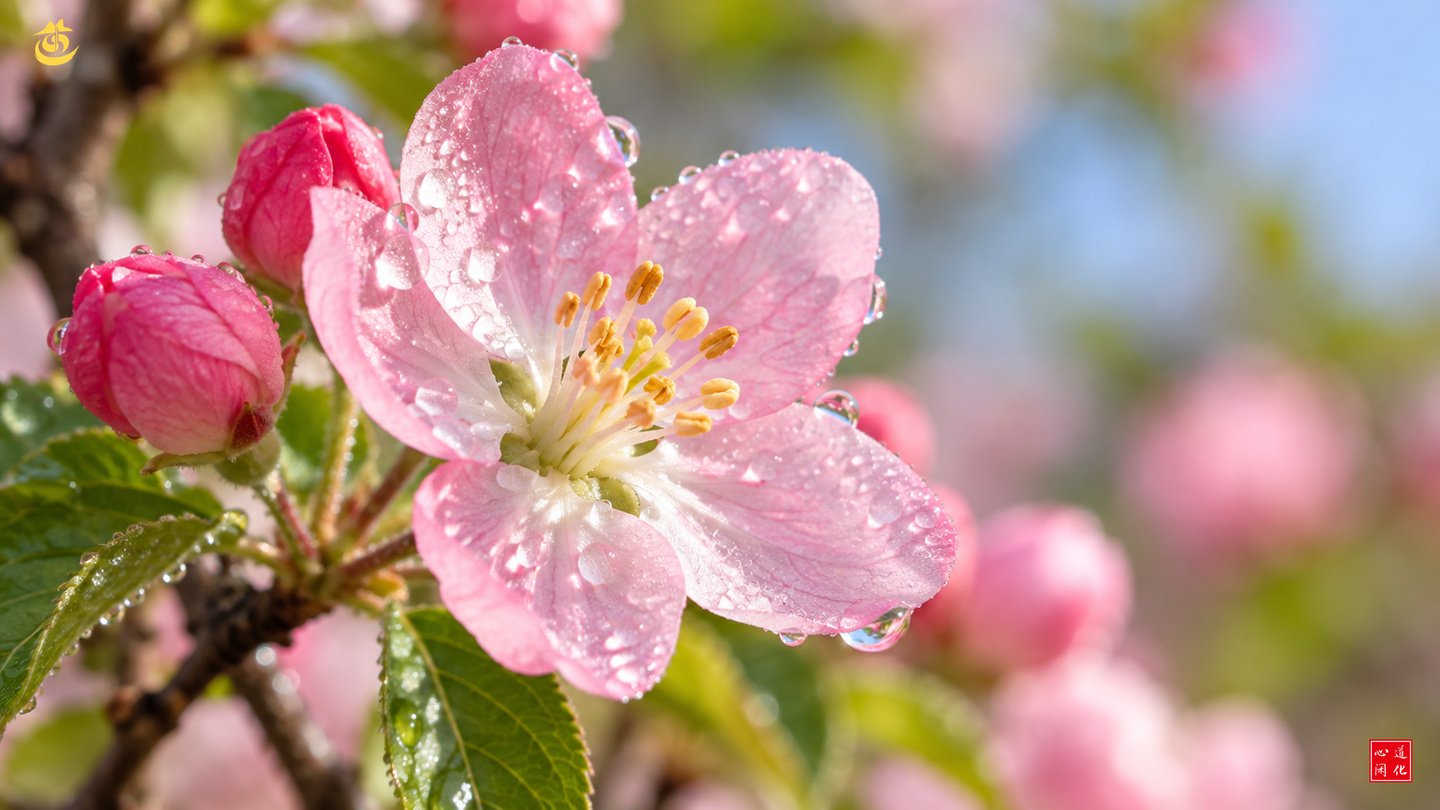
大意:砍掉端正的枝干,培养倾斜的侧枝,除去繁密的枝干,摧折它的嫩枝,锄掉笔直的枝干,阻碍它的生机,用这样的方法来谋求大价钱,于是江苏、浙江的梅都成病态了。文人画家造成的祸害严重到这个地步啊!
读这段,心中五味杂陈。因为马上想到了身边的“冬烘先生”。我虽不是什么“梅”,但也被个别“冬烘先生”打着“为你好”的口号“裁剪”过几回,而且他的理论空洞、迂腐、媚骨权贵到极致。实话说,我算是有点心量的,平时并不太在意烟云人际。但事关尊严时,总是耿耿于心,不得释怀。虽只是笑笑,但心里却要恨上三千年。可能还是小心眼吧。

现代“花匠”不仅仅是“绳梅、夭梅、病梅”,而且还具备了科学的“嫁接”技术,他们强行把梅枝劈开,再插进去别的物种枝条,再用绳子缚绑起来,逼迫它们融为一体,然后开出“菊不菊,梅不梅;古不古,今不今;中不中,洋不洋”的花来。你看那网上,一会儿骂西方,一会儿又崇洋媚骨无底线;一会儿拳拳示忠,对于权贵极尽奉承,对无权无势的平头百姓言辞苛刻、霸道欺凌;一会儿大赞老祖宗五千年文明,一会儿又大骂佛道是封建迷信,批判传统文化是糟粕等等。凡此种种,没有一点自己的主心骨价值观,灵魂东倒西歪,墙头草一样的盯着头条随风倒。这样的人,就是被胡乱嫁接失败、信仰扭曲的新时期“病梅”。
还有一种是嫁接成功的,讲话千篇一律,人人行事都一个模子刻出来似的,动作标准一致…………(此处略去500字)
管中窥天,自己不敢思考井口那个圆形之外的宇宙,这只是可怜,倒不可恨。但如果自己坐井观天,还不允许别的青蛙坐在井沿上看天,就是可恨了。他们希望大家都要呆在井底,看到的天都是一样的,这样就没有异已之人了,崔永元先生描述为:“什么是真理?真理就是统一口径”。这种三观扭曲、自病病人的冬烘,已病入膏肓,不可医治。可怕的是,他不知自病,还执着于“病人”,兼具“文人画士+花匠”,强制别人都得跟他一样扭曲价值观,才觉得和谐、放心,以“夭人、病人”为已任。这样的人,一般都是对历史缺常识的人,随便翻几个朝代的兴亡史,都会对人生充满敬意,对身边的人饱含温情。
一个人,真正的成熟,就是懂得了社会的多样性,可以包容与自己不同的人,而不再去自以为是、居高临下地教训别人。
一个人,真正的高贵,就是有温情和悲悯的情怀,知道尊重人性和尊严,从内心认识到人的灵魂是平等的,而不去轻易地别人说三道四,甚至上纲上线地给人扣帽子。
一个人,真正的有福,就是有了长远的眼光,知道凭着良心去掂量世事,不会为了眼前的功利而不计因果报应。
一个人,真正的长生,就是要去掉虚伪和偏见,象大自然一样的真性情地表达自己的内心世界。
予购三百盆,皆病者,无一完者。既泣之三日,乃誓疗之:纵之顺之,毁其盆,悉埋于地,解其棕缚;以五年为期,必复之全之。予本非文人画士,甘受诟厉,辟病梅之馆以贮之。

大意:我买了三百盆梅,都是病梅,没有一盆完好的。我已经为它们哭了好几天,于是发誓要治疗它们:我放开它们,使它们顺其自然生长,毁掉那些盆子,把梅全部种在地里,解开捆绑它们棕绳的束缚;把五年作为期限,一定使它们恢复和使它们完好。我本来不是文人画士,心甘情愿受到辱骂,开设一个病梅馆来贮存它们。
作者真是有悲天悯人之心,读了也是让人一声叹息。买三百盆病梅想要治疗它们,其心可嘉。想想画面,作者的天真,跃然纸上。
呜呼!安得使予多暇日,又多闲田,以广贮江宁、杭州、苏州之病梅,穷予生之光阴以疗梅也哉!
唉!怎么能让我有多一些空闲时间,又有多一些空闲的田地,来广泛贮存南京、杭州、苏州的病态的梅树,竭尽我毕生的时间来治疗病梅呢!
唉,那300盆之外的病梅又该当如何?全天下的病梅、夭梅又该当如何?怎么治得过来?但不知“病梅”怎么想呢?
小时候看到奶奶的小脚,四个趾头全踩断了,压在脚心,很是心疼。于是趁奶奶睡觉时,很用力地去掰直,没想到奶奶疼得突然坐起来,大声说“疼死了”,知道我的本意后把我搂在怀里亲了又亲。
“病梅”真的希望自己被医冶吗?扭曲的脚趾,谁都看得见。可是扭曲的灵魂,连自己都不知道。一个人,已经扭曲的价值观和灵魂,还能医得好吗?
生而为人,最有意义和可持续的价值,无非就是高贵的品质、清澈的心性和有趣的灵魂。因为这些美好的素养,是需要用一生的努力去坚持修为的。
英文中的New Money,被翻译成“新贵”,是不妥当的。一个世袭的穷人突然暴富,金戒指戴满手,见缝插针地炫富出风头,那叫“暴发户”,不叫“新贵族”。贵族气质是无法速成的。高贵的品质是靠长期滋养而成的,如春雨入土一样的无声无息,但使人温暖而清新。金钱堆可以出“富”,但堆不出“贵”。

所以,还是远离那些“冬烘花匠”为好。我多年潜心《道藏》,本不大关心外界的事,没有作者那样要“疗天下梅”的博大情怀,管好自己不“病”就是了,不自病,也不去病别人,也是一种善吧。一个人不为社会做贡献倒没什么,顶多就是平庸一生。重要的是不要祸祸社会,具体来说,就是不要去从灵魂、尊严上去糟蹋别人,以显得自己优越。生而为人,灵魂都是平等的,人格也是平等的,死了也都是一样化为灰,短短几十年,何苦来让人痛苦让人恨呢?这种态度,在佛教中,叫小乘境界,或罗汉境界,就是做个自了汉,不管别人。不算是大格局。佛法最究竟的,是大乘境界,要自度,更要度他,以“普度痴迷的众生到达彼岸”为已任。即地藏菩萨所发的大愿:地狱不空,誓不成佛。好吧,你们度吧,我境界小,关上门,自己清静去了。
忽然想起了杨朱。世人误解杨朱两千多年。有些人说杨朱主张“自私”的观念,理由是他“不拔一毛以利天下”。其实对杨朱的思想没读懂。
我们看下原文:
禽子问杨朱曰:“去子体之一毛,以济一世,汝为之乎?”
杨子曰:“世固非一毛之所济。”
禽子曰:“假济,为之乎?”
杨子弗应。(《列子 杨朱》)
大意:
禽子问杨朱:“拔你身上的根毛去救天下,你干不干?”
杨朱说:“天下不是拔一毛就可以救得了的。”
禽子又追问:“如果可以救得了,你愿不愿意?”
杨朱不回应。
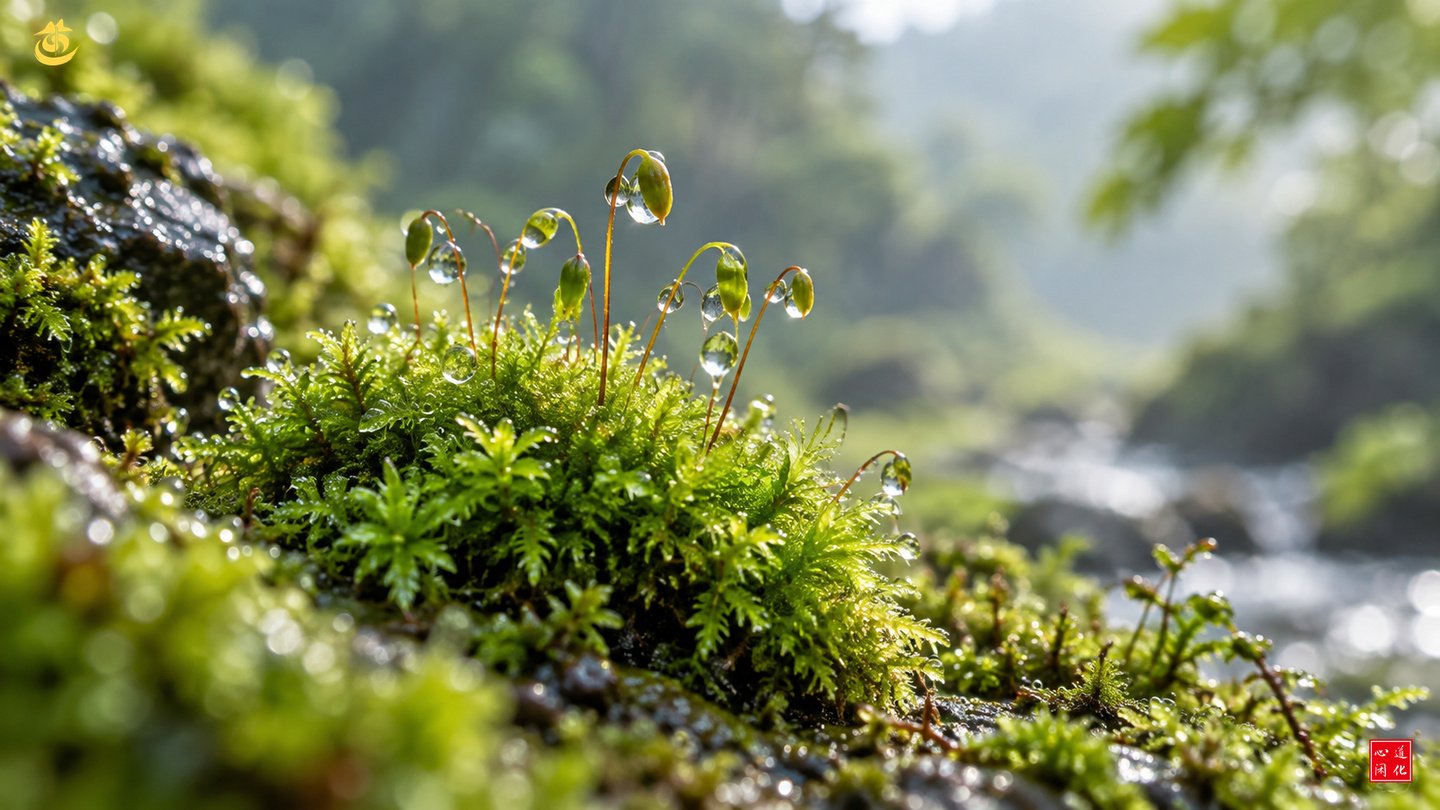
故事的起因就是这样,于是以治国平天下为已任的某些儒生就开始疯狂批判杨朱,说他自私,为了救天下,连自己一根汗毛也舍不得,实在太小气了。这里面有逻辑问题。不展开。“杨子弗应”,是因为拔一毛救天下,这个前提假设本身有问题。如果回答“为也”,那就是吹大话,是以虚伪的心,求虚伪的名。这种事,道家不为也。所以,杨朱懒得搭理禽子,不跟你这种逻辑概念不清的人讨论。于是他“弗应”。
后面的故事,就是禽子按自己的理解宣扬出去了。于是杨朱给扣了一个“自私”帽子,两千多年。
而今的时代,早已不同了。人们稍微有了点地位,有点了财产,有了点知名度,最大的爱好,就是“好为人师”,动不动就去教训与自己无关的人。这是不懂养生。养生嘛,和和气气,简简单单,开开心心,颐养天年,少说教别人,就是自己的儿孙,管不了也该放手。所以古人说:
“儿孙自有儿孙福,莫为儿孙做马牛” (《增广贤文》)

于是我就把自己的书房,当自己的“病梅馆”,好好修修自己的心,退去精神枷锁,放弃外在的约束,释放自己的灵魂,舒展好自己的性情,慢慢回复天然的自己。
人的变化并非无缘无故,都是社会影响的结果。大多数人的变化,有一个规律,坏毛病多与社会影响相关;好的习惯保持,都与自己不断的努力修为有关。贾宝玉痛恨女人因嫁了男人而变得讨厌,就是一例:
宝玉又恐他们去告舌,恨的只瞪着他们,看已去远,方指着恨道:“奇怪,奇怪,怎么这些人只一嫁了汉子,染了男人的气味,就这样混帐起来,比男人更可杀了!”守园门的婆子听了,也不禁好笑起来,因问道:“这样说,凡女儿个个是好的了,女人个个是坏的了?”宝玉点头道:“不错,不错!”(《红楼梦》第七十七回)
这其实,就是社会原因。
每一个人,娘胎里出来,心灵都是柔软温暖的,手臂都是无痕无暇的,思维都是简单的,内心都是无忧无惧的,眼睛都是清澈透亮的,视野都是没有偏见的。长着长着,就变得城府、世故、圆滑、复杂、精明、迂腐、扭曲和残酷起来。
再读《病梅馆记》,细想来,病的,并不是梅,而是作者笔下那些手中有斧头和绳索的“花匠”,更是那些“病梅”的最初设计者----“文人画士”。他们才是“病梅”现象的始作俑者。
说起对始作俑者的痛恨,还是《孟子》中的那句话最厉害:
“仲尼曰:‘始作俑者,其无后乎。’为其象人而用之也。”(《孟子·梁惠王上》)
孔子骂得太狠了,骂人家断子绝孙。实在太损了,有辱圣人的斯文形象。不忍翻译。
而我们普罗大众身边,最要提防的还是手中有斧头的“花匠”。砍你的胳膊,你会痛,会恨。但扭曲你的个性和灵魂,你不知,甚至,还感恩戴德。这,才是“梅之悲哀”。
人之为梅,本应高洁。人之为病梅,摆得再高,也不是高贵。

另外一种,是“病梅之病梅”,就是自己被“病”之后,还要帮助花匠去病别的梅。这种人,在社会上叫“打手”,在网上叫“水军”,他们做事完全无关自己的心,而是纯粹为了钱。哪怕他们的良知认为这是个好人,但为了几毛钱,也会到处发贴残酷地进行“网络暴力”。在印度诗人泰戈尔的笔下,就是“樵夫的斧柄”。原文是:
樵夫的斧头,问树要斧柄,树便给了他。
每一棵对,都想快乐地成长在森林里,谁也不想成为斧柄。但一旦成了斧柄,就立即换了立场,帮助斧头砍下自己的同胞、亲友,让它们成为跟自己一样的所谓“有用之才”。
人到底要做“有用之才”还是“无用之己”呢?庄子回答了这个问题:
庄子钓于濮水,楚王使大夫二人往先焉,曰:“愿以境内矣!”
庄子持竿不顾,曰:“吾闻楚有神龟,死已三千岁矣,王以巾笥(sì)而藏之庙堂之上。此龟者,宁其死为留骨而贵乎?宁其生而曳尾于涂中乎?”
二大夫曰:“宁生而曳尾涂中。”
庄子曰:“往矣!吾将曳尾于涂中 。(《庄子 秋水》)
大意:庄子在濮水边垂钓,楚王派遣两位大臣先行前往请他出仕,说:“楚王愿将国内政事委托给你了。”
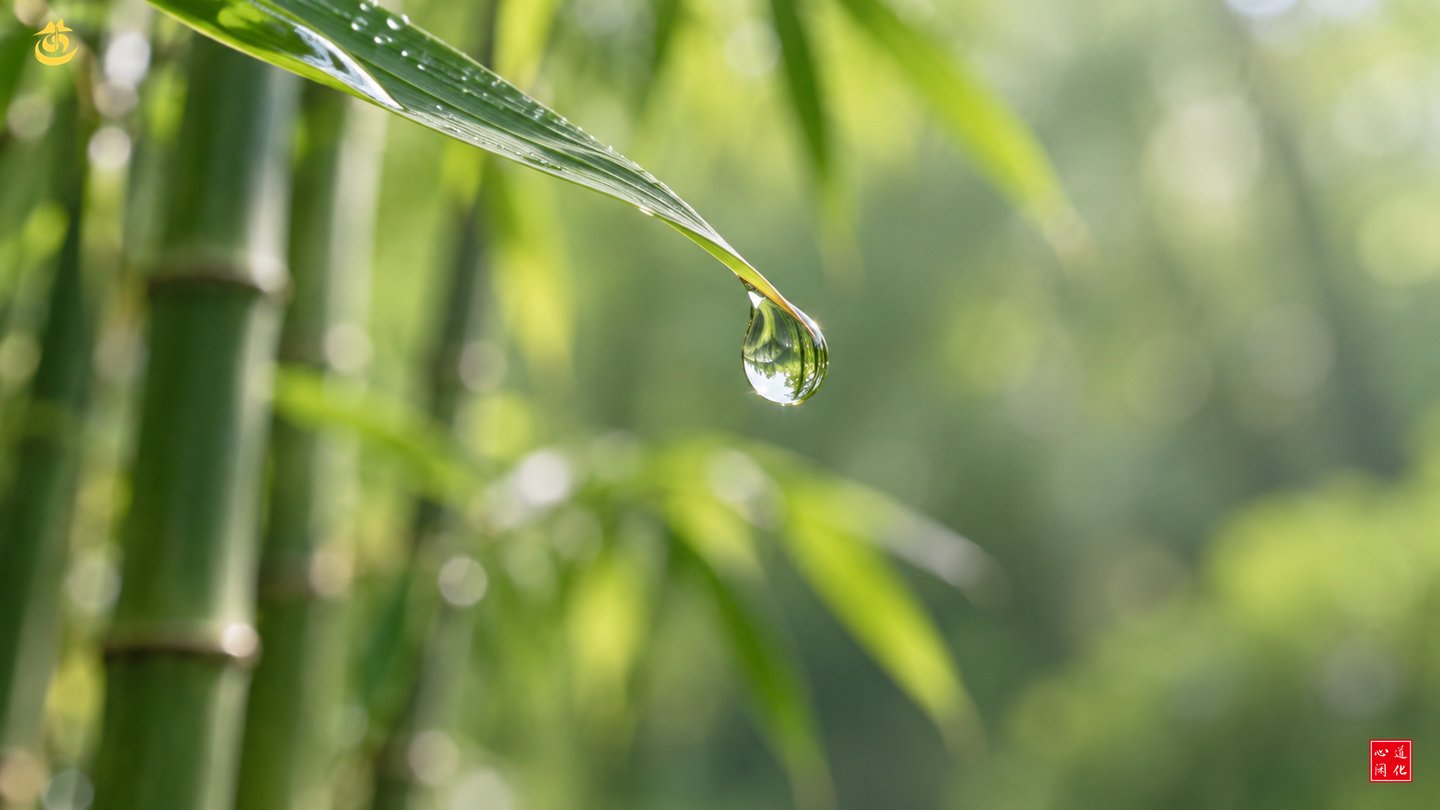
庄子手把钓竿头也不回地说:“我听说楚国有一神龟,被杀死的时候已经活了三千年了,楚王用竹箱装着它,用巾饰覆盖着它,珍藏在宗庙里。这只神龟,是宁愿死去为了留下骨骸而显示尊贵呢,还是宁愿活着在泥水里拖着尾巴呢?”
两位大臣说:“宁愿拖着尾巴活在泥水里。”
庄子说:“你们走吧!我仍将拖着尾巴生活在泥水里。”
宁可涂中曳尾,不做高贵病梅。
这是一个读书人最后的风骨和底线。否则,不能称自己是还是一棵对,或是一株梅,或是一个可以自由摇曳身体的生灵。而只能是裹脚女人的脚趾,被踩断而不可再恢复原状,甚至,是那些再也没有生命力的----斧柄,沦为砍伐工具而不自知。
愿人人都有运气保持独立思考的能力,拥有良善的品格,温情做事,良知做人,真性情地活一次。

毕竟,生命只有一次。而且,文字会记录一切。互联网的出现,已让传统记录方式发生了质的变化。一切丑陋和不德,都会现形于天下,无可逃遁;而良知和温情,将是人类永恒的追求。
生命有限,真性不朽。

照例,附两首道情:
《入山》
山路幽深万古情,古人行罢今人行;
道家欲往山中去,走进深山无姓名。
Yz.2021.2.24

《小园》
小园幽径数静亭,闲云浮顶鹤两声;
一池清水游鱼戏,石上独语花几丛。
YZ.2019.7.25
Guard Against Poison, Guard Against Disaster, Guard Against Muddled Pedants
16. Guard Against Poison, Guard Against Disaster, Guard Against Muddled Pedants
Originally published by Yang Zi, Daozang Yanjiu, 2021-08-21
Picking up from yesterday's content, on we go.
First let me explain a term: the "muddled pedant" (donghong xiansheng).
In the reign of Emperor Xuanzong of Tang there was a Vice Minister of Rites named Zheng Xun, who greatly admired Yan Zhenqing (the Duke of Lu). Presiding over the imperial examinations, he found among the candidates a man named Yan Biao whose essays were really not much, but Zheng Xun saw he bore the surname Yan and took him for a descendant of Yan Zhenqing (the Duke of Lu), and so admitted him as the top graduate, the zhuangyuan. Later, when Yan Biao came to give thanks, Zheng Xun asked about his family temple and courtyard (note: only great households and noble families had ancestral temples), and Yan Biao replied: "This student's family is poor; we have no temple or courtyard." Only then did Zheng Xun understand he was not a descendant of Yan Zhenqing, and he regretted it bitterly. The story spread abroad, and people made up a jingle to mock Zheng Xun:
"The chief examiner's head was all too muddled--he took Yan Biao for the Duke of Lu."
From the Tang onward, the "muddled pedant" in Chinese culture has meant a pedantic, shallow intellectual.
To take up again my Ainu Shuzhai (Book Excerpts for My Beloved Daughter), interrupted for many years, I began once more to leaf through the old texts I had once read. Now, with no task set before me, it is the leisurely reading of pure appreciation.
Suddenly I came upon the Qing writer Gong Zizhen's Bingmei Guan Ji (Record of the Sick Plum House), which we studied as children in our schoolbooks. This essay tells how people twist healthy plum trees into gnarled, sickly shapes, forcing them to grow deformed to suit their owners' tastes, so that they can be made into penjing, dwarfed pot trees, worth more money. In society there were many "gardeners" who made a trade of "blighting plums and sickening plums." The author's heart ached for those plums tortured into sickness, so he got a plot of land, smashed the plum pots, planted the plum trees in the ground, cut the cords that bound them, and let them grow free. He called this "healing the plums," and his house too was called the "Sick Plum House" (Bingmei Guan). Reading it today brings boundless melancholy, boundless sorrow. The picture rises before one's eyes: a twisted plum penjing displayed in a splendid hall--that sickliness and blight make one sigh and sigh again.
When we studied this essay in class, the teacher, introducing the background of its composition, said:
The feudal rulers of the Qing dynasty, to tighten ideological rule and enslave the people, on the one hand made the eight-legged essay the legal culture by which the imperial examinations selected talent, strictly shackling people's minds; on the other hand they ran riot with literary inquisitions, suppressing intellectuals of independent thought. Under this long and harsh ideological rule, talent and thought suffered severe repression and destruction. Intellectuals had only to obey, and to be content as slaves without individuality or ideas. The essay was written in 1839, on the eve of the Opium War.
Let me share part of the original:
Someone said: "The plum is prized for its crookedness; if straight, it has no charm. Prized for its leaning; if upright, no view. Prized for its sparseness; if dense, no grace."
The gist: Someone said: "The plum is thought beautiful for its bent posture; if it grows straight, it has no grace. Thought beautiful for its slanting branches; if upright, no scenery. Thought beautiful for its sparse foliage; if dense, no pose."
To read this essay as a child was to take the values the teacher handed down in class. Now, the values are my own. Though I have read the various schools a little, as my experience has grown I have come more and more to revere the Daoist "view of nature": to take nature as beauty and the way of nature as the ultimate faith. In conduct and in writing alike, the expression of one's true nature is the root. If a plum tree grows crooked of itself, that is beauty; if it grows straight of itself, that too is beauty; but if it is twisted by brute human artifice, the picture before one's eyes carries the same cruelty and pain as the binding of little girls' feet in the age of the patriarchal clan.
Then who is it that "blights and sickens" the plums? Who is so cruel, so bent on tormenting plum trees? The author says it was the "literati and painter-scholars," that is, those customers for "sick plums" who "knew the intent in their hearts."
These literati and painter-scholars knew the intent in their hearts, but could not proclaim it openly in loud decrees to make a measuring line for all the plum trees under heaven;
But they did not do these things with their own hands. Who carried them out in practice? They told the plum sellers their wants, and it was the "money-seeking folk who took plum-blighting and plum-sickening for a trade" (the gardeners) who did the cutting, the maiming, the twisting, the forcing of the plum blossoms into sickly shapes. And how, concretely, did these "gardeners" operate?
"They cut the upright shoots and nurtured the slanting side branches, thinned the dense growth, blighted the tender shoots, hacked away the straight ones, choked their vital breath, all to fetch a high price--and so the plums of Jiangsu and Zhejiang all fell sick. To such a pitch has the havoc wrought by the literati and painter-scholars come!"
The gist: They cut away the upright trunks and fostered the slanting side branches, removed the dense growth, snapped the tender shoots, hoed off the straight limbs, blocked their vitality, and by such means sought a big price; and so the plums of Jiangsu and Zhejiang all became sick. So fierce was the havoc wrought by the literati painters!
Reading this passage, my heart held a tangle of five flavors. For I thought at once of the "muddled pedants" around me. I am hardly any "plum," but I too have been "pruned" a few times by certain muddled pedants under the slogan of "for your own good," and their theories are empty and pedantic, fawning on the powerful to the utmost degree. To tell the truth, I count as somewhat big-hearted, and usually do not care much about the cloud-and-mist of human traffic. But where dignity is at stake, the grievance stays in my heart and will not let go. Though I only smile, in my heart I could hate for three thousand years. Perhaps I am still small-minded.
The modern "gardeners" not only "rope, blight, and sicken the plums"; they have also acquired the scientific technique of "grafting." They split the plum branch open by force, insert the branch of another species, bind it round with cord, and compel the two to fuse into one body; and then it blooms with flowers that are "chrysanthemum yet not chrysanthemum, plum yet not plum; ancient yet not ancient, modern yet not modern; Chinese yet not Chinese, foreign yet not foreign." Look at the internet: one moment cursing the West, the next groveling before things foreign with no bottom line; one moment beating the breast in displays of loyalty, flattering the powerful to the skies, while to the powerless common folk their words are harsh and their bullying overbearing; one moment loudly praising the five thousand years of the ancestors' civilization, the next cursing Buddhism and Daoism as feudal superstition and attacking traditional culture as dross, and so on. In all this there is not a shred of a backbone of independent values; their souls lean every which way, weathervanes fixed on the headlines, toppling with every wind. Such people are the "sick plums" of the new era, botched by random grafting, their faith twisted.
There is another kind, the successfully grafted: their speech all runs in one mold, everyone acting as if stamped from the same die, their movements standardized and identical......... (500 characters omitted here in the source)
Viewing the sky through a tube, not daring to think about the universe beyond that circle at the mouth of the well--that is only pitiable, not hateful. But to sit in the well watching the sky oneself and forbid the other frogs to sit on the well's rim and watch--that is hateful. They hope everyone will stay at the bottom of the well, so that the sky everyone sees is the same, and then there will be no one who differs. As Mr. Cui Yongyuan put it: "What is truth? Truth is everyone brought into line." This kind of muddled pedant, his own three views twisted, sick himself and making others sick, is past all cure. The frightening thing is that he does not know his own sickness, and insists on "making others sick," a combination of "literatus-painter plus gardener," forcing everyone else to twist their values just as his are twisted before he feels harmony and ease, taking the "blighting and sickening of people" as his own calling. Such people are generally those who lack common knowledge of history: flip through the rise and fall of a few dynasties at random, and one will be filled with respect for human life, and brimming warmth toward the people around one.
For a person, true maturity is understanding the diversity of society, being able to embrace those who differ from oneself, and no longer presuming to lecture others from on high.
For a person, true nobility is a heart of warmth and compassion, knowing respect for human nature and dignity, recognizing from within that the souls of human beings are equal, and not lightly gossiping about others, let alone seizing on a slip to pin a political label on someone.
For a person, true blessing is having a long view, knowing how to weigh the affairs of the world by conscience, and not, for the sake of present gain, throwing karmic retribution to the winds.
For a person, true long life is to shed hypocrisy and prejudice and, like great nature itself, express one's inner world out of one's true nature.
"I bought three hundred pots, and all were sick ones, not one whole. I wept over them for three days, then vowed to heal them: let them loose and follow them, smash their pots, bury them all in the earth, untie their palm-fiber bonds; take five years as the term, and I would surely restore them and make them whole. I was never a literatus-painter; I gladly bear the curses, and opened a House of Sick Plums to store them in."
The gist: I bought three hundred pots of plums, all sick plums, not one intact. I had wept over them for several days, and then vowed to heal them: I would let them loose, let them grow as nature willed, smash the pots, plant all the plums in the ground, undo the bonds of the palm cords that tied them; take five years as the term, and surely restore them and make them whole. I was never a literatus-painter to begin with; I gladly accept the abuse, and have opened a House of Sick Plums to keep them.
The author truly has a heart that pities all under heaven; reading it draws a sigh from one as well. Buying three hundred pots of sick plums in hope of healing them--his heart is admirable. Picture the scene: the author's innocence leaps off the page.
"Alas! How could I be granted more days of leisure, and more idle fields besides, to gather in the sick plums of Jiangning, Hangzhou, and Suzhou, and spend the light of my whole life healing the plums!"
Alas! How could I be given a bit more free time, and a bit more idle land, to gather in the sick plum trees of Nanjing, Hangzhou, and Suzhou, and spend the whole of my life's span healing the sick plums!
And those sick plums beyond the three hundred pots--what of them? And all the sick plums and blighted plums under heaven--what of them? How could one ever heal them all? But what the "sick plums" themselves think, who knows?
As a child I saw my grandmother's bound feet, all four toes snapped and pressed into the sole, and my heart ached for her. So while she slept, I tried with all my strength to bend them straight; to my surprise the pain made her sit up suddenly, crying loudly, "It hurts to death!" And when she understood what I meant, she gathered me into her arms and kissed me again and again.
Does the "sick plum" truly wish to be healed? Twisted toes--anyone can see them. But a twisted soul--even its owner does not know it. Can a person whose values and soul are already twisted ever be healed?
Born a human being, the most meaningful and most sustainable values are nothing other than noble character, a clear heart, and an interesting soul. For these fine qualities must be held to and cultivated with the effort of a whole life.
The English "New Money," translated into Chinese as "the new nobility," is not fitting. A hereditary poor man who suddenly grows rich, gold rings on every finger, showing off and seizing every chance to be seen--that is a "parvenu," not a "new noble." An aristocratic air cannot be rushed into being. Fine character is formed by long nourishment, silent and unmarked as spring rain sinking into the soil, yet leaving one warm and fresh. Heaps of money can produce "riches," but never "nobility."
So it is better to keep far away from those "muddled gardeners." For years I have been immersed in the Daozang (Daoist Canon) and care little for the outside world; I lack the author's vast compassion that would "heal all the plums under heaven." To manage myself so that I do not fall "sick" is enough--to sicken neither myself nor others--that too is a kind of goodness. If a person contributes nothing to society, no great matter; at worst a mediocre life. What matters is not to wreak havoc on society; concretely, not to trample on others in soul and dignity to show oneself superior. Born human, all souls are equal, all personalities are equal, and at death all alike turn to ash. A few short decades--why cause others pain and earn their hate? This attitude, in Buddhism, is called the Hinayana state, or the arhat state--to be one who saves himself alone and leaves others alone. It hardly counts as a great scope. The ultimate of the Buddhadharma is the Mahayana state: to save oneself, and still more to save others, taking as one's mission "carrying the deluded multitude across to the farther shore." That is the great vow made by the Bodhisattva Kshitigarbha: "Until hell is empty, I swear not to become a Buddha." Very well then--you all go and save; my scope is small. I shall close my door and go off to my own quiet.
Suddenly I thought of Yang Zhu. The world has misunderstood Yang Zhu for more than two thousand years. Some say Yang Zhu taught a doctrine of "selfishness," on the grounds that he "would not pluck one hair to benefit all under heaven." In fact they have not understood Yang Zhu's thought.
Let us look at the original:
Qinzi asked Yang Zhu: "If plucking one hair from your body could aid the whole age, would you do it?"
Master Yang said: "The world is assuredly not something one hair can aid."
Qinzi said: "Suppose it could aid it--would you do it?"
Master Yang did not answer. (Liezi, "Yang Zhu")
The gist:
Qinzi asked Yang Zhu: "Pluck one hair from your body to save all under heaven--would you do it?"
Yang Zhu said: "All under heaven is not something that can be saved by plucking one hair."
Qinzi pressed: "If it truly could be saved, would you be willing or not?"
Yang Zhu did not answer.
That is how the story began, and thereupon certain Confucian students, who took ordering the state and bringing peace to all under heaven as their mission, fell upon Yang Zhu in a frenzy of criticism, calling him selfish: to save the world, and he would not spare one hair of his own--far too stingy. There is a problem of logic here. I will not go into it. "Master Yang did not answer" because the premise--that plucking one hair could save the world--was itself flawed. Had he answered "I would do it," that would have been boasting, a false heart seeking a false name. Such a thing the Daoists will not do. And so Yang Zhu could not be bothered with Qinzi: he would not discuss matters with a man whose grasp of logic and of concepts was so unclear. Hence he "did not answer."
What came after is that Qinzi went off and spread the story according to his own understanding. And so a "selfish" cap was clamped on Yang Zhu's head for more than two thousand years.
The age we live in now has long been different. Let a person gain a little standing, a little property, a little fame, and their greatest pleasure becomes "loving to play the teacher," lecturing, at every turn, people who are nothing to them. This is not to understand nourishing life. Nourishing life means keeping the peace, keeping it simple, keeping it happy, living out one's Heaven-allotted years; lecture others less; even one's own sons and grandsons--what you cannot manage, you should let go. So the ancients said:
"Sons and grandsons have their own blessings; do not be horse and ox for your sons and grandsons" (Zengguang Xianwen)
And so I make my own study my own "House of Sick Plums," to tend my own heart well: shed the shackles of the spirit, give up outward constraints, release my own soul, ease my own nature, and slowly return to my natural self.
Human beings do not change without cause; it is all the result of society's influence. In most people's changes there is a pattern: bad habits mostly trace back to social influence; the keeping of good habits is tied to one's own unceasing effort and cultivation. Jia Baoyu's bitter complaint that women become hateful once they have married a man is one example:
Baoyu, afraid they would go and tattle, could only glare at them; and when they had gone far enough, he pointed and burst out: "Strange, strange! How is it that the moment these people marry a man and take on his smell, they turn so hateful--more fit to be killed than men themselves!" The old woman keeping the garden gate heard him and could not help laughing, and asked: "So by this account, every girl is good, and every woman bad?" Baoyu nodded: "Right, right!" (Honglou Meng, Chapter 77)
This, in truth, is a social cause.
Every one of us, coming out of the womb, has a heart soft and warm, arms unmarked and flawless, thoughts simple, a breast free of worry and fear, eyes clear and bright, a gaze without prejudice. Growing and growing, we become guarded, worldly, slick, complicated, shrewd, pedantic, twisted, and cruel.
Reading Bingmei Guan Ji again and thinking it over: what is sick is not the plum, but the "gardeners" with axe and cord in the author's pages, and still more the original designers of the "sick plums"--the "literati and painter-scholars." They are the true originators of the "sick plum" phenomenon.
Speaking of hatred for the originators of a practice, nothing is fiercer than that line in the Mengzi:
"Zhongni said: 'Was it he who first made the tomb figurines--shall he have no descendants?' Because they were made in the likeness of men and used as such." (Mengzi, "Liang Hui Wang I")
Confucius cursed too hard--cursing the man with childlessness. Truly vicious; an insult to the sage's genteel image. I cannot bear to translate it.
And among us ordinary folk, what most needs guarding against is still the "gardener" with the axe in hand. If he chops off your arm, you hurt, you hate. But when he twists your character and your soul, you do not know it--you may even feel deep gratitude. That is the true "sorrow of the plum."
A person as a plum should by nature be pure and noble. A person as a sick plum, however high the stand it is set on, is not noble.
There is another kind, the "sick plum among sick plums": having been "sickened" himself, he then helps the gardener sicken other plums. In society such people are called "hired muscle"; online they are called the "water army." What they do has nothing to do with their own hearts; it is purely for money. Even if their conscience tells them the target is a good person, for a few jiao they will post everywhere, carrying out cruel "online violence." In the words of the Indian poet Tagore, they are "the axe's handle." The original:
The woodcutter's axe asked the tree for a handle, and the tree gave it.
Every tree longs to grow happily in the forest; no tree wants to become an axe handle. But once it has become an axe handle, it at once switches sides, helping the axe fell its own kin and friends, making them into so-called "useful timber" like itself.
In the end, should one be "useful timber" or a "useless self"? Zhuangzi answered this question:
Zhuangzi was fishing on the Pu River when the King of Chu sent two grand officers to go ahead to him, saying: "I would wish to entrust the realm to you!"
Zhuangzi held his rod and did not look back, saying: "I have heard that Chu has a sacred tortoise, dead these three thousand years, which the king keeps wrapped in cloth in a basket, stored above in the ancestral temple. Now this tortoise--would it rather die and leave its bones honored, or rather live and trail its tail in the mud?"
The two officers said: "Rather live and trail its tail in the mud."
Zhuangzi said: "Begone! I shall trail my tail in the mud." (Zhuangzi, "Qiushui")
The gist: Zhuangzi was fishing by the Pu River. The King of Chu sent two ministers ahead to invite him to office, saying: "The King of Chu wishes to entrust the government of the realm to you."
Zhuangzi, holding his rod, said without turning his head: "I hear Chu has a sacred tortoise; when it was killed it was already three thousand years old. The King of Chu keeps it in a bamboo box, covered with fine cloth, treasured in the ancestral temple. Now this sacred tortoise--would it rather be dead, leaving its bones to display its honor, or rather be alive, trailing its tail through the mud and water?"
The two ministers said: "Rather trail its tail and live in the mud."
Zhuangzi said: "Then be off with you! I too shall trail my tail and live in the mud."
Better to trail one's tail in the mud than be a noble, sick plum.
This is the last of the backbone and the bottom line of a man of letters. Otherwise one cannot call oneself a tree, or a plum, or a creature that can sway its body freely. One is only the toes of a foot-bound woman, snapped and pressed past mending; or even those utterly lifeless things--axe handles, sunk to the tools of felling without ever knowing it.
May everyone have the luck to keep the power of independent thought, to possess a kindly character, to work with warmth and live by conscience, and to live once in one's true nature.
After all, life is given only once. And the written word records everything. The coming of the internet has changed the old ways of record-keeping in essence. All ugliness and all dishonor will be exposed to all the world, with nowhere to flee; and conscience and warmth will be mankind's pursuit forever.
Life is limited; true nature does not decay.
As usual, I append two Daoqing chants:
"Entering the Mountains"
The mountain road runs deep, a feeling old as the ages; the ancients walked it, and now the living walk it still;
The Daoist would go into the mountains; walk deep enough in, and there is no name at all.
Yz.2021.2.24
"The Small Garden"
Quiet paths in the little garden, a few still pavilions; idle clouds float overhead, two cries of the crane;
In a pool of clear water the fish play; on the stones I talk alone among a few clusters of flowers.
YZ.2019.7.25