华佗六气吐纳保脏腑--《太上老君养生诀》2
4、华佗六气吐纳保脏腑--《太上老君养生诀》2
原创 杨子 道藏研究 2021-05-15 12:00

继上篇。
今天接着说《太上老君养生诀》,作者吴普,华佗的弟子,本书也是他受华佗之意写的,记录他们的养生理论和导引、服气方法。
服气法
又法:夜半后日中前,气生可为之,余时气死即不须调服。调气了之时,须床铺厚软,枕高下共身,平仰卧,舒展脚,握固去身四五寸,两脚亦去四五寸,微微鼻引太阳气,从鼻入,以意送此气通遍身体,即闭气,至极,然后细细从口吐之,勿令耳闻吐气之声。
注:另一种方法。半夜后到日中前,是阳气上升的时候,可以做。其它时间属于阳气衰竭时,不用服气导引法进行调服。调气之时,需要在床上铺得厚软一些,枕头的高低与身体差不多,平躺仰卧,两脚伸展,手“握固”,这个动作以前专篇讲过,不重复。手握固,离开身体四五寸,两脚也一样打开四五寸,微微地从鼻子中吸引太阳之气,从鼻孔入,用“意念”将这个清新的空气送到全身各处,然后闭气,闭到闭不动了,然后细细地从口中吐出来,吐的时候,不要让耳朵听到吐纳之声。注意:吐纳是不出声的!!
若患寒热及瘴患、脚肿等疾,不问时节,即须调之。若当日不愈,明日更调,不过三两日必愈。
注:如果患了寒热之气或瘴气、脚肿等疾病,不管什么季节,都可这样调理。如果当日不能好转,第二天再调治,不过两三天,必定会痊愈。作者说的这么肯定,实在让人难以怀疑。对服气法开始向往起来。
若患心中冷痛,呼而吐之,热既吹之;

注:如果患的是心中冷痛,用“呼”字把郁结之气吐出来,如果是热病,就用“吹”字散胸中烦热。这个常识,美国影视片中经常出现,一个人受到什么刺激了,情绪突然激动,边上的就会给她(通常是女角色)一个纸袋,让她使反复吹纸袋,以保持胸腔气血通畅,保护心脏不受郁气所害,其实这就是吐纳服急救法。有心血管疾病的人或情绪容易激动的人,更应该学会这一调养方法,关键时刻,真的可以保命。一口气上不来而猝死的人,比例还是比较高的。
若患脚痛即嘘而吐之,肺若痛即呬而吐之。
注:如果患的是脚痛,就用“嘘”字吐纳;若是肺痛,就是“呬”字吐纳。
夜半后二十四调之,鸡鸣时十八,平旦十二,日出十二,多调弥佳。欲作此法,先导引十八势,按摩二十四。人仗导引以去五藏病。
注:在子时,调服二十四通;鸡鸣时分,调服十八通;天亮时,十二通;日出时,十二通。多做几遍更好。欲作此服气之法,先做导引十八势,按摩二十四通。人全仰仗着导引去除五脏疾病。这里作者讲明了,去五脏疾病,导引法是最有效的。古代没有切除手术,五脏要保持健康,就要经常导引吐纳,让五脏环境保持清新,气血畅通,则百病不生。
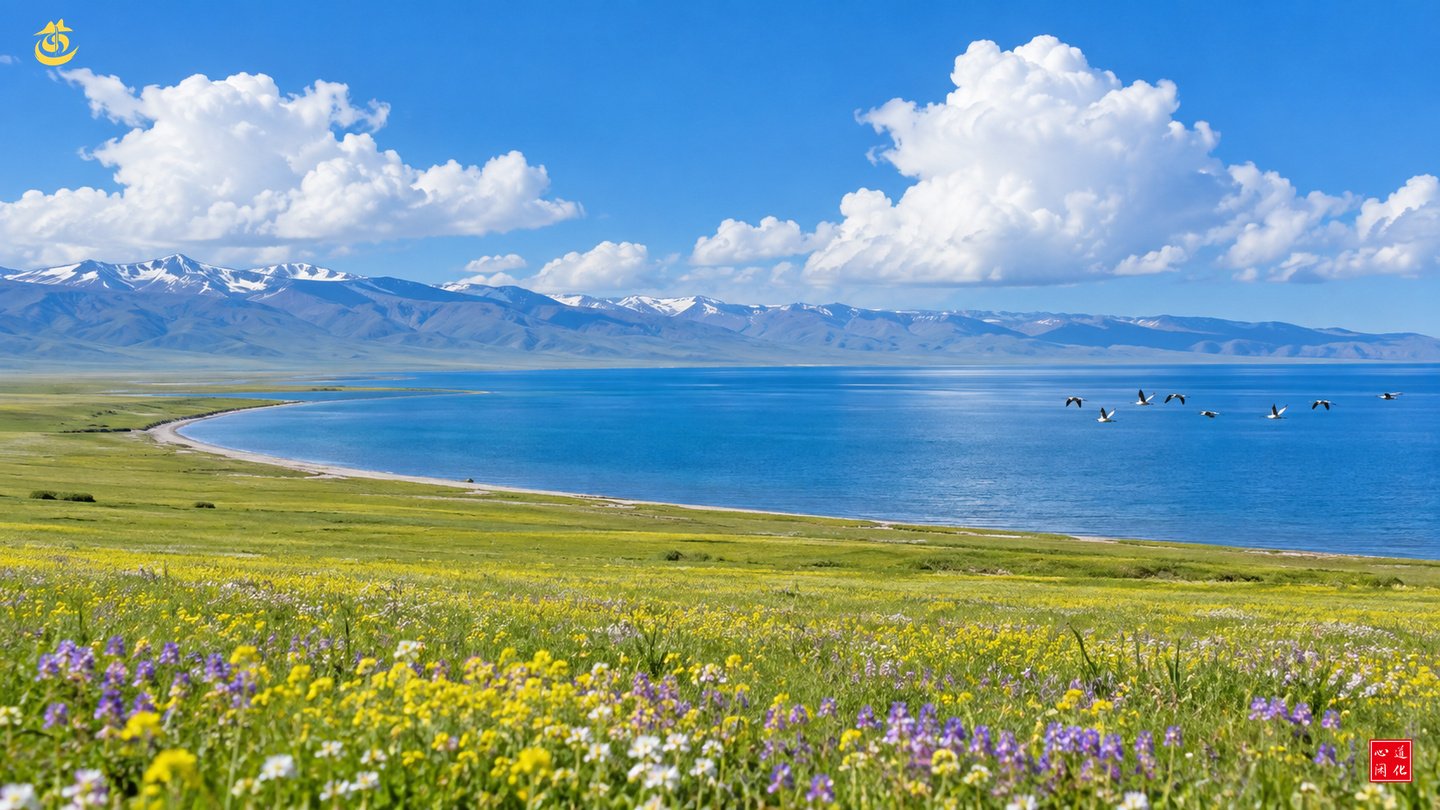
现代人看病,都是造影技术去拍摄。古代怎么判断五脏生病了呢?除了感知,还有颜色判定法。中医认为五脏对应五个颜色,心主红色,肺主白色,肝主青色,脾主黄色,肾主黑色。这一理论至今都是非常实用的。比如,一个肝气郁结的人,常常脾气不好,脸色铁青,眼睛红红;一个人脾脏有问题,就运化不好,面色腊黄;这是一些判断依据,因此,在中医的滋补理论中,也是这样的。比如,肾主黑色,补肾多用黑色的食物,如:黑豆、黑芝麻等等。非常有趣。

本文,在服气吐纳中,为了有针对性地调养五脏,就把梦境的颜色与五脏联系上了。哪个器官有了问题,会有什么主颜色的恶梦,以及,如何用服气法吐纳化解。这也从侧面介绍了中国解梦文化的一部分组成内容。人们常有“梦魇”,就是梦到不好的东西,潜意识里知道是梦,但就是醒不过来,在梦中挣扎,很是痛苦。这种情况发生时,说明身体的某个器官开始有毛病了,要引起重视。一般用六字吐纳法可解。
心病者,体有冷热。相法,心色赤,梦中见人着赤衣,持刀杖及火来怖人。疗法,用呼吹二气去之,呼去冷,吹去热。
注:心脏有病的人,身体或冷或热。心主红色,如果做梦,多梦见有人穿着红色衣服的人,拿着刀杖来吓人。治疗方法:用“呼吹”二字可解,“呼”去心冷,“吹”去心热。
肺病者,胸背胀满,四肢烦闷。相法,肺色白,梦见着白衣人男女作亲,妇人共相抱持,或作父母兄弟妻子。疗法,呵气去之。
注:肺脏有病的人,通常是胸背胀满,四肢烦闷。肺主白色,如果做梦,如梦见有白衣人男女作亲,妇人共相抱持,或作父母兄弟妻子。这一般都是肺有问题了。治疗方法:用“呵”字可解,“呵”去肺中浊气,解烦闷,畅呼吸。
肝病者,愁忧不乐,头眼疼痛。相法,肝色青,梦见着青衣人,把青刀杖或狮子虎狼来怖人。疗法,用嘘气去之。
注:肝有病的人,表现为愁忧不乐,头眼疼痛,中医认为肝主目是有道理的。判断方法是,肝主青色。如果做梦,多梦见青衣人,拿着青刀杖或狮子虎狼来吓人。治疗方法,用“嘘”气散去肝内郁结之闷气。
脾病者,体上游风,习习情闷疼痛。相法,脾色黄,梦见黄物,或作小儿击腋人,或如旋风绕人。疗法,用嘻气去之。
注:脾脏有病,体上游风,习习情闷疼痛。判断依据是,在五行中,脾属土,主黄色。若梦见黄物,或作小儿击腋人,或如旋风绕人,或是尘土飞扬,黄土旋风等,说明是脾脏有问题。治疗方法,用“嘻”气散脾脏之郁结之气。
肾病者,体冷而阴衰。相法,肾色黑,梦见着黑衣人持刀杖来怖人。疗法,用呬气去之。每作皆三十六通,但能习之不愈者,仍须左右导引按摩。

注:肾脏有毛病,通常表现为体冷而阴衰。判断依据是,五行中,肾主黑色。若梦见着黑衣人持刀杖来怖人,或黑暗恐怖之景,多是肾有毛病。黑色是最让人产生恐怖的颜色,一般人受到惊吓,首先受伤的就是肾脏,其表现是小便失禁,就是人们常说的“吓尿裤子”。常缺少安全感的人,肾脏功能都不会太好。就是这个原因。
反过来思考,如果肾脏功能不好,就要审视一下自己潜意识,找到自己真正隐忧和担心的根源,脏腑功能衰弱问题迎刃而解。头痛、失眠、抑郁等,也都一样。基本上都是心理压力或莫名的不安全感造成。所谓“病在身,根在心”。心里的问题不解决,身体就不会康健,经常小病不断,积郁久了,就成了大病。以肿瘤为例,体内的肿瘤原是没有的,也不是一天长成的,都是长期的郁结累积所致。其他疾病也是一样。
我的博士阶段,是研究信仰与幸福感的。幸福感最重要的一个因子,就是安全感。如果一个人内心缺少安全感,幸福指数就不会高。安全感与幸福感正相关,幸福指数又与健康正相关。所以,想办法给自己和所爱的人安全感,也是长寿便利之法。
中医认为,肾主二便。一般的人,是小便受影响,而还有些人,大便也受影响。都是因为肾功能受到了影响。人们通常把补肾理解为补阳气。也是有些道理的。尽管虚症,有阴虚和阳虚之分。但肾虚方面,多是阳虚。肢寒畏冷往往与腰膝酸软是连在一起的,都是肾阳虚的典型表现。性格上偏阳性的人有天然的趋光性,喜欢到阳光下活动,而性格上偏阴性的人会更喜欢躲在阴暗的角落里,肾脏就会受到负面的影响。从而引发与肾系统相关的疾病。疗法,用“呬”气去之。
每作皆三十六通,但能习之不愈者,仍须左右导引按摩。
注:上述动作,每节坚持做三十六遍,如果坚持做了一段时间这样的服气吐纳还不能痊愈的,就需要加入导引按摩方法,以全面进行气血畅通的康复训练。
……
老君曰:一人之身,一国之象也。胸腹之设,犹宫室也;肢体之位,犹郊境也;骨节之分,犹百官也;腠理之问,犹四衢也;神犹君也,血犹臣也,气犹民也。能治其身亦如明君能理国焉。夫爱其民,所以安其国;爱其气,所以全其身。民弊则国亡,气竭即身谢。是故至人上士,当施医於未病之前,不追於既败之后。

注:吴普认为,一个人的身体,跟一个国家是相同的。人的胸腹,就是国家的宫室;人的肢体,就是郊区四境;骨头关节,就是百官;腠理皮肤,就是四通八达的道路;人的神,就是国家的君主,血脉是大臣,气为百姓。能调理好自身的人,就如明君能治理好国家一样。如果国君爱护自己的子民,子民就会爱他的国家;一个人爱护自己的气血流通,就可以保全自己的身体。“民弊则国亡,气竭即身谢”,这句话让人过目难忘。一个国家,老百姓凋敝飘零,国家也就衰亡,一个人气竭,身子就会死去了。禁不住会想到黄石公的一段话:
柱弱者屋坏,辅弱者国倾。足寒伤心,民怨伤国。山将崩者下先隳,国将衰者贤先避。根枯枝朽,民困国残。与覆车同轨者倾,与亡国同事者灭。(黄石公《素书》《正统道藏》·太清部)
文中的“足寒伤心,民怨伤国。山将崩者下先隳,国将衰者民先弊”,每次读都有说不出的感慨,古人的思想,真的比我们深远。一个人的脚底受了风寒,会伤到上面的心脏,老百姓怨声载道,最终会伤及国本。大山崩塌,多是下面的石头先遭受毁坏而撑不住了,一个国家要衰亡之前,老百姓先穷困不堪了。黄石公这段话与吴普的“民弊则国亡,气竭即身谢”基本意思相同。一个人想要长久,要保护好自己的气,这是生存之本,当一个人气虚血弱时,生命将出现危险;一个国想要长久,要保护自己的国民,当一国的百姓生存维艰时,国家也就危险了。

黄石公的这篇著作,只传给了一个人,张良。张良一生视之为宝,深悟其中大道智慧,并用书中的理论,帮助刘邦得了天下。隐士黄石公,功在万代,智慧不朽。他这几句话只是说明国家要衰亡的征兆,他当然也有说一个国家要强大的征兆,比如:
国将霸者士皆归,邦将亡者贤先避。(黄石公 《素书》《正统道藏》·太清部)
大意,一个国家将要称霸天下征兆是,这个国家的知识分子都先回到本国;一个国家要灭亡的征兆,就是贤明君子都先躲起来了。
……(此处略两段,内容不能发,原因你懂)
所以保其真者,当须少思少念,少笑少言,少喜少怒,少乐少愁,少好少恶,少事少机。
注:华佗和吴普的这段养生诀,用老子的话总结一下,就是:“少思寡欲”。少折腾自己的身心精神,就是最好的养生。

论曰:形者,神之主。气者,神之命。是以形神所假,资气而存。故调畅四肢,周游六府。苟有壅滞,便即生疾。是故人体虚无,成之者气。若调息得所,即诸疾自消。若吐纳乖方,乃众疾咸起。善摄生者,先须知调气之法焉。所谓呼吸生先,期於寿而乐有喜。斯之谓欤!
注:人的精神是依附人的身体并通过气而存在的。而要保养好身体的最好方法,就是要“调畅四肢,周游六府”,说白了,就是让气血畅通,若是哪里有堵塞淤滞,就会生病。所以,如果能够调息得当,所有的疾病都可以自行消除。若吐纳有方,人就不会生病。所以,善于摄养生命的人,都先要知道调气之法。呼吸在于生命之先,会呼吸就是会养生,就可以“期有寿而乐有喜”了,活得开心,活得长久。
……

照例,两道道情:
《归尘》
英雄纵四海,威武惊天神;
马踏涧中石,剑走奇峰林;
人前尊贵显,也是浪里身;
功名灯前影,终归一堆尘。
YZ.2021.3.18

《南地》
君不言兮意筹,问家乡兮中洲;
遍诗书兮冬夏,勤文章兮春秋。
心向往兮大道,神有灵兮常修;
听雨声兮知音,观游鱼兮羡悠。
望大海兮广阔,思人情兮泪流;
欲远航兮无波,思返乡兮无舟。
观兰芳兮心慰,遇知己兮温柔;
藤攀树兮俯耻,萝依竹兮仰羞。
处书斋兮多识,居山间兮世休;
知因果兮无累,悟大道兮无忧。
Hua Tuo's Six-Qi Breathing to Protect the Organs--Taishang Laojun Yangsheng Jue 2
24. Hua Tuo's Six-Qi Breathing to Protect the Organs--Taishang Laojun Yangsheng Jue 2
Originally published by Yang Zi, Daozang Research, 2021-05-15 12:00
Continuing from the previous piece.
Today I go on with Taishang Laojun Yangsheng Jue. Its author is Wu Pu, Hua Tuo's disciple; this book too was written at Hua Tuo's wish, and records their theory of nourishing life and their methods of daoyin and qi-ingestion.
The Method of Ingesting Qi
Another method: after midnight and before noon, when the qi is alive, it may be done; at the other times, when the qi is dead, there is no need to regulate and take it. When the time comes to regulate the qi, the bed must be thick and soft, the pillow high or low to suit the body; lie flat on the back, stretch out the feet; hold the grip (wogu) four or five cun from the body, the two feet also four or five cun apart; gently draw the sun's qi in through the nose, and with the intent send this qi all through the body; then close the breath, to the utmost, and after that let it out finely, bit by bit, through the mouth, not letting the ears hear the sound of the breath going out.
Note: Another method. After midnight to before noon is when yang qi is rising, and it may be done; the other hours belong to the failing of yang qi, and the qi-ingestion and daoyin method need not be used to regulate and take it. When regulating the qi, the bed must be laid thick and soft, the pillow about the height of the body; lie flat on the back, the two feet stretched out, the hands in the "grip" (this movement was treated in a piece of its own before, and I will not repeat it). With the grip, keep the hands four or five cun from the body, the two feet likewise open four or five cun. Gently draw the sun's qi in through the nose, in at the nostrils, and with "intention" send this fresh air to every part of the body; then close the breath, close it until you can close no more, and then let it out finely through the mouth; as you let it out, do not let the ears hear the sound of the breathing. Note: the breathing makes no sound!!
If one suffers from chills and fever, miasma, swollen feet, and such ills, whatever the hour, regulate at once. If it is not cured that day, regulate again tomorrow; within two or three days it will surely be cured.
Note: If one has the qi of chills and fever, or miasma, or swollen feet and such ills, whatever the season, they can be regulated in this way. If it does not mend that day, treat it again the next day; in no more than two or three days it will surely be cured. The author speaks so positively that one truly finds it hard to doubt. I begin to long for the method of ingesting qi.
If one suffers cold pain in the heart, breathe it out with "hū"; if heat, blow it out with "chuī";
Note: If it is cold pain in the heart, use the "hū" character to breathe out the knotted qi; if it is a heat illness, use the "chuī" character to scatter the vexing heat in the chest. This piece of common sense appears often in American films and shows: a person suffers some shock, the mood suddenly boils over, and someone at hand hands her (usually a woman in the cast) a paper bag and has her blow into it again and again, to keep the qi and blood of the chest flowing, and shield the heart from harm by pent-up qi. It is really the emergency form of the breathing and qi-ingestion method. Those with cardiovascular disease, or those whose moods boil over easily, should all the more learn this method of care; at the critical moment it can truly save a life. The proportion of people who die suddenly when one breath will not come through is still fairly high.
If one suffers pain in the feet, breathe it out with "xū"; if the lungs pain, breathe it out with "xì."
Note: If the trouble is pain in the feet, use the "xū" character breathing; if it is pain in the lungs, the "xì" character breathing.
After midnight, regulate twenty-four times; at cockcrow, eighteen; at first light, twelve; at sunrise, twelve; the more regulation the better. To do this method, first perform the eighteen forms of daoyin and twenty-four of massage. A person relies on daoyin to drive out the diseases of the five depots.
Note: At the hour of zi, regulate twenty-four circuits; at cockcrow, eighteen circuits; at first light, twelve; at sunrise, twelve. A few more rounds are better still. To do this method of ingesting qi, first perform the eighteen forms of daoyin and twenty-four of massage. A person relies wholly on daoyin to drive out the diseases of the five depots. Here the author makes it plain: for driving out the diseases of the five zang, the daoyin method is the most effective. In antiquity there was no surgery of excision; to keep the five zang healthy, one had to daoyin and breathe often, keeping the surroundings of the five zang fresh and the qi and blood flowing, and then the hundred illnesses do not arise.
When people of today see a doctor, it is imaging that photographs. How then did the ancients judge that the five zang had fallen sick? Besides what the body feels, there was the method of judging by color. Chinese medicine holds that the five zang correspond to five colors: the heart governs red, the lungs white, the liver green, the spleen yellow, the kidneys black. This theory is still most practical today. For instance, one whose liver qi is knotted mostly has a bad temper, a dark, ashen complexion, and red eyes; one whose spleen is at fault transforms poorly, and the face is wax-yellow. These are grounds for judgment, and so it is too in the tonic theory of Chinese medicine. The kidneys govern black, for instance, and to strengthen the kidney one mostly uses black foods, such as black beans and black sesame. Most interesting.
In this text, in the breathing and ingesting of qi, so as to nurse the five zang with aim, the colors of dream were linked to the five zang. When an organ is at fault, there will be nightmares in its governing color, and there is the way to dissolve them by the breathing of qi-ingestion. This also sets out, from one side, one part of the make-up of China's culture of dream-reading. People often have "nightmares": they dream of dreadful things, know in the subconscious mind that it is a dream, yet cannot wake, struggling inside the dream, and it is agony. When this happens, it shows that some organ of the body has begun to go wrong, and it calls for attention. Generally the six-character breathing can resolve it.
In disease of the heart, the body is cold or hot. The method of judging: the heart's color is red; in dream one sees people in red clothing, carrying blades, staves, or fire, come to frighten one. The treatment: use the two breaths hū and chuī to drive it out; hū drives out the cold, chuī the heat.
Note: One whose heart is sick has a body now cold, now hot. The heart governs red; if one dreams, it is mostly of people in red clothing, bearing blades and staves, come to frighten. The treatment: the two characters "hū" and "chuī" can resolve it--"hū" drives out the cold of the heart, "chuī" the heat of the heart.
In disease of the lungs, chest and back are swollen and full, and the four limbs vexed and stuffy. The method of judging: the lungs' color is white; one dreams of white-clad men and women joining in marriage, of women embracing one another, or they appear as father, mother, brother, wife, or child. The treatment: drive it out with the hē breath.
Note: One whose lungs are sick is usually swollen and full in chest and back, and vexed and stuffy in the four limbs. The lungs govern white; if one dreams--as of white-clad men and women joining in marriage, of women embracing one another, or appearing as father, mother, brother, wife, or child--it is generally the lungs that are at fault. The treatment: the "hē" character can resolve it; "hē" drives the turbid qi out of the lungs, frees the stuffiness, and eases the breathing.
In disease of the liver, one is sorrowful and without joy, with pain in head and eyes. The method of judging: the liver's color is green; one dreams of green-clad figures holding green blades and staves, or of lions, tigers, and wolves coming to frighten. The treatment: drive it out with the xū breath.
Note: One whose liver is sick shows sorrow and joylessness, pain in head and eyes; that Chinese medicine says the liver governs the eyes has its reason. The way to judge: the liver governs green. If one dreams, it is mostly of green-clad figures bearing green blades and staves, or of lions, tigers, and wolves come to frighten. The treatment: use the "xū" breath to scatter the knotted, stuffy qi inside the liver.
In disease of the spleen, wind wanders over the body; one is dazed, stuffy, and in pain. The method of judging: the spleen's color is yellow; one dreams of yellow things, or of a little child striking one at the armpit, or of a whirlwind circling one. The treatment: drive it out with the xī breath.
Note: When the spleen is sick, wind wanders over the body, and one is dazed, stuffy, and aching. The grounds of judgment: in the five phases the spleen belongs to earth and governs yellow. If one dreams of yellow things, or of a little child striking one at the armpit, or of a whirlwind circling one, or of dust flying up, a yellow-dust whirlwind and the like, it shows the spleen is at fault. The treatment: use the "xī" breath to scatter the spleen's knotted qi.
In disease of the kidneys, the body is cold and the yin failing. The method of judging: the kidneys' color is black; one dreams of black-clad figures carrying blades and staves, coming to frighten. The treatment: drive it out with the xì breath. Each performance is thirty-six circuits; but if one practices it and is not cured, one must still apply daoyin and massage to left and right.
Note: When the kidneys are at fault, it usually shows as a cold body and failing yin. The grounds of judgment: in the five phases the kidneys govern black. If one dreams of black-clad figures bearing blades and staves come to frighten, or of dark and dreadful scenes, it is mostly the kidneys that are at fault. Black is the color that most breeds terror in people; when an ordinary person takes fright, what is hurt first is the kidney, and the sign is incontinence of urine--what people call being "scared wet." Those who habitually lack a feeling of safety never have very good kidney function. That is the reason.
Think it the other way round: if the kidney function is poor, one should look into one's own subconscious mind, find the root of one's true hidden worry and fear, and the failing of the organs will readily find its answer. Headache, insomnia, depression--all the same. Basically they all come of psychological pressure or a nameless lack of safety. As the saying goes, "the disease is in the body, the root is in the heart." If the problem of the heart is not solved, the body will not be well: small illnesses without end, and when the pent gloom has gathered long, a great illness. Take tumors: the tumor in the body was not there to begin with, nor grown in a day; it is all the pile-up of long-knotted stagnation. It is the same with the other diseases.
In my doctoral years I researched faith and the feeling of well-being. One of the most important factors in well-being is the feeling of safety. If a person inwardly lacks it, the happiness index will not be high. The feeling of safety is positively linked with well-being, and the happiness index is positively linked with health. So finding ways to give a feeling of safety to yourself and to those you love is also an easy road to long life.
Chinese medicine holds that the kidneys govern urination and defecation. In ordinary people it is the urine that is affected; in some people the bowels are affected too. All because the kidney function has been affected. People usually understand "strengthening the kidneys" as strengthening yang qi. There is some reason in that. Though the deficiency syndromes divide into yin deficiency and yang deficiency, kidney deficiency is mostly yang deficiency. Cold limbs and dread of chill usually go together with a weak, aching waist and knees; both are the typical signs of kidney-yang deficiency. People with a more yang-oriented temperament have a natural bent toward the light and like to be out moving in the sun, while people with a more yin-oriented temperament prefer to hide in dark corners, and the kidney receives the ill influence, giving rise in turn to the diseases of the kidney system. The treatment: drive it out with the "xì" breath.
Each performance is thirty-six circuits; but if one practices it and is not cured, one must still apply daoyin and massage to left and right.
Note: For the movements above, keep each section to thirty-six repetitions. If, after keeping up this breathing and qi-ingestion for a stretch, one is still not cured, one must add the daoyin and massage methods, for a full course of rehabilitation in the free flow of qi and blood.
......
The Lord Lao said: One person's body is the image of one state. The setting of chest and belly is as the palaces and halls; the placing of the limbs is as the suburbs and borders; the divisions of the joints are as the hundred officials; the spaces between the skin are as the crossroads; the spirit is as the ruler, the blood as the ministers, the qi as the people. One who can govern his own body is as a wise ruler who can order a state. To love one's people is the way to give the state peace; to love one's qi is the way to keep the body whole. When the people are worn down, the state perishes; when the qi is spent, the body departs. Therefore the perfected and the superior men apply medicine before the illness has come, and do not chase after it once the defeat has happened.
Note: Wu Pu holds that a person's body and a state are the same thing. A person's chest and belly are the state's palaces and halls; the limbs are the suburbs and borders; the bone joints are the hundred officials; the spaces of the skin are the roads that run four ways; a person's spirit is the state's ruler, the blood vessels are the ministers, and the qi is the people. One who can regulate his own person is like a wise ruler who can govern a state well. If the ruler loves his people, the people will love his state; if a person cherishes the free flow of his qi and blood, he can keep his body whole. "When the people are worn down the state perishes; when the qi is spent the body departs"--these lines are hard to forget once seen. In a state, when the common people are ruined and scattered, the state declines and perishes; in a person, when the qi is spent, the body dies. One cannot help thinking of a passage of Huangshigong:
When the pillar is weak, the house falls; when the prop is weak, the state tips. Cold in the feet wounds the heart; resentment in the people wounds the state. When the mountain is about to collapse, what is below breaks first; when the state is about to decline, the worthy withdraw first. When the root dries and the branches rot, the people are destitute and the state maimed. Those who run on the same track as the overturned cart will tip over; those who share in the same counsel as the perished state will be destroyed. (Huangshigong, Su Shu, Zhengtong Daozang, Taiqing Bu)
In the text, "Cold in the feet wounds the heart; resentment in the people wounds the state. When the mountain is about to collapse, what is below breaks first; when the state is about to decline, the people are worn down first"--every time I read it there is a feeling I cannot put into words. The thought of the ancients truly reaches farther than ours. When wind-cold enters the soles of a person's feet, it wounds the heart above; when the common people are full of complaint, the wound at last reaches the root of the state. When a great mountain collapses, it is mostly the rocks below that are first broken and can no longer hold; before a state perishes, the common people are first brought low. This passage of Huangshigong and Wu Pu's "when the people are worn down the state perishes, when the qi is spent the body departs" are much the same in meaning. For a person to last long, guard your own qi: it is the root of living. When a person's qi is empty and the blood weak, life will show danger. For a state to last long, guard your own people. When a state's people can scarcely make a living, the state is in danger too.
This work of Huangshigong's was passed to one man only: Zhang Liang. All his life Zhang Liang prized it as a treasure, grasped deeply the great wisdom of the Dao in it, and used its theory to help Liu Bang win all under heaven. The recluse Huangshigong: his merit is for ten thousand generations, his wisdom does not rot. These few lines of his give only the signs of a state's coming decline. Of course he also gave the signs of a state's growing strong. For example:
When a state is about to rule, its men of worth all return to it; when a state is about to perish, its worthy withdraw first. (Huangshigong, Su Shu, Zhengtong Daozang, Taiqing Bu)
The general meaning: the sign of a state about to hold the empire is that its men of learning return to their own country first; the sign of a state about to perish is that its worthy and noble men hide themselves away first.
......(two paragraphs omitted here; the content could not be posted--you know the reason)
Therefore, to keep one's true self whole, one must think little and intend little, laugh little and speak little, rejoice little and rage little, delight little and grieve little, like little and hate little, busy oneself little and scheme little.
Note: These instructions by Hua Tuo and Wu Pu, summed up in Laozi's words, is "think little, desire little." To stop tormenting one's own body, mind, and spirit is the best nourishing of life.
The treatise says: The body is the master of the spirit; qi is the life of the spirit. Therefore what body and spirit rely upon, they rely upon qi to exist. So one loosens and frees the four limbs and lets it roam the six depots. If anywhere there is stoppage or stagnation, illness is born at once. Therefore the human body is open and void, and it is qi that completes it. If the breath is regulated aright, the illnesses fall away of themselves; if the breathing runs by a wrong method, then all the illnesses rise together. One skilled in nursing life must first know the method of regulating qi. It is what is meant by breathing coming before life, living on to old age with joy and gladness. Is it not so!
Note: A person's spirit rests upon the person's body and exists through qi. And the best way to keep the body is to "loosen and free the four limbs and let qi circulate through the six fu organs"--put plainly, to let the qi and blood flow. Wherever there is stoppage and stagnation, illness follows. So if the breath can be regulated aright, all illnesses can remove themselves; if the breathing is done by method, a person will not fall ill. So those skilled in nursing life all first know the method of regulating qi. Breathing comes before life; to know how to breathe is to know how to nourish life, and then one may "live on to old age with joy and gladness"--live in gladness, and live long.
......
As usual, two Daoqing chants:
"Return to Dust"
The hero ranges the four seas, his might startling the gods of heaven;
His horse treads the stones in the ravine; his sword walks the forest of strange peaks;
Honored and exalted before others--still but a body among the waves;
Rank and fame are shadows before the lamp; in the end, one heap of dust.
YZ.2021.3.18
"The Southern Land"
You do not speak, and my thought devises; I ask after home, in the mid-land;
Through poems and books, winter and summer; diligent in essays, spring and autumn.
The heart yearns toward the great Dao, the spirit has its power, ever cultivated;
I hear the voice of the rain as a friend; I watch the swimming fish and envy their ease.
I gaze on the great sea, wide and boundless; I think on human feeling and the tears fall;
I would sail far, and there are no waves; I would return home, and there is no boat.
I behold fragrant orchids, and my heart is eased; I meet a friend who knows me, gentle and mild;
The vine climbs the tree and bows for shame; the dodder leans on the bamboo and looks up abashed.
Dwelling in the study, much is known; living among the mountains, the world is at rest;
Knowing cause and effect, no burdens; waking to the great Dao, no sorrows.